One of two Fountaine Pajot sailing catamarans that debuted in 2025, the sleek-lined FP44 is notable for an extensive ‘lounge deck’ on the coachroof, a mostly solid foredeck and better overall liveability than her predecessor. Words: Zuzana Prochazka; Photos: Gilles Martin-Raget / Fountaine Pajot
Multiple units of Fountaine Pajot’s FP44 have been sold into Asia
Fountaine Pajot is rolling out a new generation of cruising cats. Among the first on the water was the FP44, which replaced the Elba 45 and had its world premiere along with the FP41 entry model at the 2025 Cannes Yachting Festival.
Founded in La Rochelle in 1976, the French shipyard has dropped its famous naming scheme and is now sticking to identifying models by length only, with smaller models preceded by FP and those 70ft and above by FPY. Whatever you call her, the FP44 is a noteworthy change from her predecessor.
The FP 44 is similar to the Elba but with visible improvements. Longer hull windows cut down on the appearance of a high freeboard and bring in more light. Also, the deck has a subtle inverted sheer with a pronounced hull chine above the waterline that creates more interior volume.
Extensive solar coverage is available on the coachroof and foredeck, where solar panels can replace the netting
Using its own analysis, the builder positions the model in what they see as a market gap when compared to competitors. If the company’s assessments are correct, the FP44 offers a unique value proposition in this segment.
SPACE AND FLOW
Fountaine Pajot has been building catamarans since 1983 and working with the Berret-Racoupeau studio, also based in La Rochelle, since 1991. The design brief for the FP44 clearly emphasised efficient use of space and the 43ft 6in catamaran offers 950sqft of liveable elbow room.
The foredeck’s social space has increased due to a reduced netting area
On deck, the changes are immediately visible. The foredeck lounge is larger, with cushioned seating for six and a cocktail table on the centreline that also forms the cover for the windlass. As on the FP41, the trampolines are truncated so there’s more solid fibreglass deck to move around on. There’s even an option to replace the netting in these small trampolines with flexible solar panels.
LOUNGING ON TOP
The FP44 is a semi-flybridge or ‘lounge-deck’ design. Rather than adding the weight, cost and windage of a full flybridge, Fountaine Pajot is following an industry trend toward rooftop lounges that eliminate the height and technical complexity of a full bridge.
The helm and coachroof lounge are well connected
Up here, the settee and two large sunbeds were completely reworked from the previous model and now enjoy a better flow. Eight guests can comfortably gather to keep the skipper company under way.
To starboard, the helm station has been redesigned with a raised plexiglass panel and a new layout for the navigation instruments. This ensures all essential information is visible at a glance, without being obscured by the wheel, unlike on the Elba 45 or the Astrea 42. The line handling section with three winches is just ahead. Like other raised helm configurations, this one offers good visibility forward and down the starboard side.
Both the steering station with MFD and the line-handling area with three winches are protected by a long, adjustable bimini
One thing that didn’t change was the egress from the helm seat to the side deck. The helm is still closed on the outboard side, necessitating the driver to step forward in the crew area and then out to the deck. It only takes about four steps, and the shipyard feels the fibreglass bar keeps the skipper safer. However, in this reviewer’s opinion, it would be more efficient and practical to open that outboard side and set the skipper free to help with dock lines when needed.
COCKPIT CHANGES
By far the biggest changes can be seen in the aft cockpit. To port, the arrangement is familiar with a dinette for six and a raised daybed at deck level.
The cockpit’s multiple seating areas extend to an aft-facing daybed to port (not pictured)
Between the steps to the side deck and the outer hull, Fountaine Pajot has added a new aft-facing chaise longue that they refer to as a ‘fishing seat’. I’m not sure anyone will fish from here, but it’s a wonderful place to relax, enjoying the view of the entire anchorage that forms your backyard.
A chaise longue is also offered on the starboard side, although owners can instead include a plancha grill, while nearby is an L-shaped mini-lounger for two. An optional hydraulic platform is available to carry the tender. When lowered, the platform becomes a teak beach club, a feature that’s very popular with boaters.
The cockpit can include a plancha grill in the aft starboard corner (above), while the dining table has seating along both sides and the forward end
The division between the cockpit and the saloon is a three-panel glass door that tucks away into a starboard side casing just below and ahead of the helm. When open, this creates a seamless 10ft connection joining the inside with the outside.
LUXURIOUS LIVEABILITY
The saloon was tweaked from the previous layout, adding a galley island on the centreline. The C shaped dinette or lounge is still in the starboard corner, but its chaise longue is angled inward to create sufficient passing room between it and the island, which adds countertop space and a familiar touch of home.
Sliding doors (above) create a huge opening into the interior, which has an aft galley and a C-shaped lounge (below) in the forward starboard corner
Increasingly, boaters want to live on the water the way they do at home, and this solution is a nod to these changing tastes.
For accommodation, the FP44 is available in three layouts: Maestro and Full Maestro owner versions, and the Quatuor four-cabin configuration for charter fleets. The Maestro and Full Maestro include a 162sqft master suite in the port hull. The bed is aft and has been angled outboard, which does two things. It creates more longitudinal space for a better flow, and it provides a view of the sea through the hull windows from the second the owners open their eyes.
The port hull in the Maestro version; forward of the desk are a shower, sink, enclosed toilet, more storage and a flexible bunk room
The Full Maestro features the head and large shower stall in the bow, but for the Maestro, the shower is midships, with the sink and an enclosed toilet moved slightly aft. This creates room for a multipurpose space in the bow that can be used as an over/under bunkroom for kids, a storage room or a workshop. This kind of flex space is a cruiser’s dream.
In the Quatuor version, there are four cabins, each including a wet head with an overhead bar and shower curtain to create a stall of sorts. The aft cabin also has an angled bed while the forward bed is cut away at the foot for easier entry. In this version, a skipper cabin can be added to the port bow, but not many crew like such spaces, even paid skippers on charter, so it’s more likely to be used for fender storage.
PERFORMANCE
Comparing the specs between the current FP44 and the former Elba45, some differences stand out including a deeper draft to improveupwind performance. The new model is about 450kg heavier. Bothmodels have an overlapping genoa rather than a self-tacking jib for betterperformance, but owners will want to opt for the 1,400sqft gennaker thatcan be used up to 75 degrees apparent wind angle.
The FP44 is available with the ODSea+ hybrid package
Kudos to Fountaine Pajot for still including a real traveller on the coachrooffor better mainsail shape and higher pointing ability. Some other brands havedone away with it, but on a cat, this feature is imperative to manage the boomefficiently. With fixed keels rather than daggerboards, this design wouldn’t belabelled a performance cat, but she holds her own in her class.
Standard propulsion includes twin 30hp diesels upgradable to 57hpengines. That’s a worthy investment for any skipper who wants to pushthrough head seas or run for the marina when a storm is inbound.
Fountaine Pajot’s serial hybrid propulsion called ODSea+ is also available. It pairs two 25kW electric motors with two 42kWh lithium battery banks and a diesel generator. As well as the hardware, ODSea+ incorporates software that controls energy production, storage and distribution in real time to optimise the boat’s performance and range.
An opening saloon window enables connectivity and breeze inside
An optional solar array on the coachroof offers up to 2kW of power and the optional trampoline panels mentioned earlier raise that to 2.3kW watts in total.
MORE FOR THE MONEY
Although the FP44 launched at last year’s Cannes Yachting Festival alongside the FP41, the bigger boat stole the spotlight.
The builder has emphasised value, stating that the FP44 is 20-25 per cent less than her predecessor and the price varies between US$820,000-$950,000 depending on the version and its outfitting. Given the higher prices of today’s raw materials, it’s a mystery how they accomplished this.
According to Fountaine Pajot, 80 per cent of their models go into private ownership rather than into charter, which is more than other brands of production cats that split roughly 50/50. This explains their attention to liveability, which the FP44 has in spades.
In a Column for Issue 90 of Yacht Style, Hainan-based Godfrey Zwygart checks China’s aspirations in yachting against the realities.
In recent years, considerable enthusiasm has surrounded the development of yachting in China. Industry reports and forecasts from major intelligence firms are, to put it mildly, excessively optimistic. These projections are frequently founded upon flawed data and a misinterpretation of existing laws and regulations, while systematically overlooking on-the-ground facts and figures.
China possesses 14,500km of coastline and a population of 1.4 billion. It also features an expanding middle class, and the number of billionaires has just surpassed the 1,000 mark. China appears to offer immense potential, but what can we realistically anticipate?
EVOLUTION
The first recreational boats emerged in China in the early 2000s, but yachting truly began to gain traction with the inaugural China Cup in Shenzhen in 2007 and the Summer Olympics in Qingdao in 2008. Thereafter, a surge of new yacht clubs and marinas sprouted across major coastal cities, igniting high hopes for the marine industry and yacht brands.
Yet this excitement soon waned due to several critical factors:
• Some events were tarnished by scandals in 2013.
• Most marinas were originally built as appendages to real estate projects; a lack of planning and professional management led to financial failures.
• The Chinese government’s vigorous anticorruption campaign stifled large yacht sales, and ultra-high-net-worth individuals (UHNWI) became wary of ostentatious displays of wealth.
• The pandemic delivered the final, decisive blow.
In the post-Covid era, the Chinese economy has struggled to regain momentum, and consumers are hoarding their assets, restricting spending to essentials only.
ROADBLOCKS
Several additional factors constitute serious obstacles.
Culture: There is a profound absenceof maritime culture in China, and very littlehas been undertaken in terms of education.Likewise, youth sailing instruction remainsembryonic, and there are only a handful ofsailing events, races and competitions.
Regulations: Navigation in China is still hampered by numerous, stringent limitations and controls. Even in the Greater Bay Area (Pearl River Delta), where navigation between Shenzhen, Guangzhou and Zhuhai has been opened, very few yachts enjoy this newfound freedom due to the complexity of administrative procedures.
Destinations: Yachting is not merely about sailing in circles; there must be a purpose or destination. Whereas in Greece one can anchor at a different island each day, in China this is scarcely feasible because of the vast distances between ports, difficult access or lack of supporting facilities.
Geography: From north to south, the primary yachting hubs are Tianjin, Dalian, Qingdao, Shanghai, Ningbo, Xiamen, Shenzhen, Guangzhou, Zhuhai and Hainan. However, the north is mostly navigable only in summer; Shanghai has very limited facilities and sits on the Yangtze River.
Zhoushan, near Ningbo, shows promise, being surrounded by numerous islands. Xiamen and Shenzhen are performing reasonably well, and since 2020, Hainan – with the implementation of its Free Trade Port – has been regarded as a pilot zone for the yachting industry.
THE HAINAN CONUNDRUM
Hainan, particularly tropical Sanya, was poised to become a year-round, active yachting hub. The number of vessels increased rapidly (Sanya alone hosts several marinas and approximately 1,500 boats), but the last few years have witnessed a downturn.
Large yacht sales have declined dramatically. The new zero-tariff policy for imported yachts has proven inefficient, as only charter boats benefit from this tax exemption. Charter companies – which mostly operate day charters in three or six-hour slots – have shifted their focus to locally custom-built vessels that better suit charter operations and offer better ROI.
Why have buyers turned away from yachts? Here are several indications:
• High-net-worth individuals (HNWI)strive to maintain a low profile and avoidusing flashy yachts to entertain businesspartners and clients.
• Lack of destinations: Sanya has no access to nearby islands, and many owners have grown weary of sailing in circles or merely dropping anchor in the bay.
• The seabed around Hainan is unsuitable for big-game fishing (some fishing boats now operate as far as the Xisha Islands).
• Sanya is the gateway to the South China Sea; consequently, border controls and navigation restrictions are extremely stringent.
NEWCOMERS
Recently, large corporations have been acquiring stakes in the marine industry: JD’s billionaire founder is investing heavily in his new venture, Sea Expandary; Xpeng has just announced a project to enter yacht manufacturing; and CATL has partnered with Sanlorenzo to produce marine batteries. Will this be sufficient to boost the marine economy in China?
Honestly, I believe we must still wait several more years to witness a market explosion. In the post-Covid period, corporations have refocused on industrial production and economic sustainability. Nothing crucial will ever happen unless tensions with Taiwan and in the South China Sea de-escalate.
GODFREY ZWYGART
Zwygart is a marine consultant based in Sanya and the China representative of GMBA (Global Marine Business Advisors).
Set in tropical Hainan, the Ya Qing International Clearwater Bay Marina has followed its Yacht Style Awards triumph with immigration facilities.
Ya Qing International Clearwater Bay Marina has entered a new chapter following the opening of its official international yacht port of entry in July. In April, the facility earned international acclaim by winning the ‘Marina in Asia’ category at the 2026 Yacht Style Awards in recognition of its facilities, professional operations, service standards and destination experience.
Set along Hainan’s tropical coastline at 18°N, the marina now welcomes foreign yachts with streamlined arrival and departure formalities, complemented by comprehensive berthing, fuelling, provisioning, technical assistance and professional yacht services – creating a new gateway for luxury yachting in China.
Clearwater Bay offers much more than a place to berth, with yachting flowing naturally into resort life. An enhanced beachfront, distinctive art and cultural spaces, warm tropical waters and curated leisure experiences invite owners and guests to step ashore and discover Hainan’s relaxed coastal lifestyle.
The marina features enhanced landscaping, shaded areas and leisure facilities, while a children’s sailing camp introduces a new generation to seamanship and the marine environment, adding another dimension to a family holiday experience.
A growing professional yachting community of leading yacht sales, management and marine service brands further enriches the marina’s professional ecosystem, providing comprehensive support for owners and visiting yachts.
With international access, world-class facilities and an evolving waterfront experience, Clearwater Bay is emerging as an integrated international yachting and lifestyle destination, while also becoming a new port of call for international yachts exploring Hainan and cruising through Asia.
Meanwhile, organisation is underway for the 2027 Clearwater Bay Getaway Season & International Yachting Festival, which will welcome yacht brands, owners, industry partners and lifestyle brands from around the world.
Bang & Olufsen: Evolving Its Vision & Sound of Luxury
SHARE
COO Nikolaj Wendelboe on how Bang & Olufsen is balancing a century of Danish design heritage with the demands of modern luxury.
By Wayne Cheong
Life can turn on a dime. One moment, you’re a CFO for a storied Danish audio company and the next, you’re the interim CEO, then the COO and the CFO of said company. That was the case for Nikolaj Wendelboe, who was announced as the Chief Operating Officer of Bang & Olufsen.
With his foot firmly in a field that is about numbers—margins, forecasts, arithmetic solvency—and the other in narrative—identity, heritage, and where the company is heading, this new direction for Wendelboe carries both excitement and pressure.
For a brand that spent nearly a century showcasing sound, like design, deserves to be beautiful, it’s worth sitting with what that actually means. Having special dispensation where engineering and sculpture share the same spotlight, what is next for Bang & Olufsen, and how is Wendelboe going to steer it?
With the weight of continuity on his shoulders, we met Wendleboe at the Bang & Olufsen flagship store in Singapore.
ESQUIRE SINGAPORE:Congrats on the new role.
NIKOLAJ WENDELBOE:Thank you.
ESQ:You were the interim CEO. How was that for you?
NW: It’s been very fun. Busy and fun.
ESQ:Fun?
NW:Fun in a way that I’m very fortunate to have a job where I work with everything, from the product development side of things to sales. As a global company, I get to see most of the world, and the best part is meeting with clients, because you get feedback on how the brand is doing. That’s the privilege of working for this company.
ESQ:What is that one challenging aspect of your last role?
NW:The most challenging aspect right now is to make sure that we reach more clients consistently.
ESQ:How so?
NW: We wanna make sure that all clients get the same brand experience. Whether they shop in this fantastic outlet in Singapore or at an outlet in Paris or in LA. We want the brand to be represented in a truly uniform way globally. I think that is our biggest challenge.
ESQ:Tell us about the outlet in Singapore.
NW:When you enter the average audio store, its shelves are lined with speakers. Ours is a “culture store” concept, where you have sofas, corners that you can sit at. You can hang out here, have a coffee and listen to the music from our speakers.
The exterior of Bang & Olufsen’s flagship in Singapore. The interior of Bang & Olufsen’s flagship in Singapore.
ESQ: You have other outlets globally. Do each store in different countries also have their own cultural identity as well?
NW: The store layout is the same, but working with the locals, who are the face of the brand, they are the ones who ensure client engagement is uniform across the rest of the world. As mentioned before, that’s one aspect that we should consistently be improving on.
ESQ:Bang & Olufsen celebrated its 100 years. What do you think the next 100 years will be like?
NW: In 1925, our founders, Peter Bang and Svend Olufsen, had a vision to create only the best audio system and to persistently find new ways to advance the technology. That’s their vision for the company, and that’s what we’re doing today.
ESQ:What are some examples of your tech?
NW:There are many innovations with our acoustic technology. We [expanded on] active room compensation, where the speaker reads the space, and calibrates it to fill it with the best possible sound, [no matter where the speaker is placed].
We also have an attribute program, where you can design your own products with your own colours. So we are pushing the boundaries in everything we do. That’s also why we have a store concept like this now, very different from any other audio store that you’ve been in.
ESQ:Do you think people can hear the difference in a B&O product to justify the cost of it?
NW:For sure, I’m convinced they can. We have examples of new clients who wrote to us about their first B&O product, because they get so emotional about how they listen to music differently about how the clarity of the sound lets them pick up small details that they couldn’t hear before.
ESQ:A lot of brands collaborate with artists and designers, and oftentimes, it feels like a cash grab. How does Bang & Olufsen not fall into that same trap?
NW:For collaborations that we have done, it’s not about one brand picking on another, but rather, it’s about both brands doing things together. It’s mutual. You need to work with a partner that kinda lifts each other up in a collaboration, and achieve something that you can’t do on your own… that’s what a good collaboration is supposed to do.
The fragment collaboration is one such example. Design is at the core of it. What [Hiroshi Fujiwara] is doing and what we are doing, there’s a cultural relevance, a synchronicity where our values align. This is what we look for when it comes to collaborations.
ESQ:What we like about this collaboration between you and Hiroshi is that it pushes Bang & Olufsen beyond what they usually do, like the polish for the ear cups of the H100. Hiroshi wanted a certain kind of black that reflects his fragment logo, but you don’t do that kind of finish. So, you did some R&D on it to figure out how to get that “piano black” look without affecting the haptics.
NW:Yeah. What happens in many collaborations is the discussion to see what is possible. If it’s doable, we can achieve that with enough time, but sometimes, the timeline doesn’t allow for that kind of experimentation, so we have to find other ways of solving the problem.
For this collaboration, Hiroshi wanted that hand-polished “piano black” colour, and we said, “Okay, let’s, let’s try and see if we can get it done” and we did. So, now we have discovered a new technique to bring about that particular finish on future products.
ESQ:Has music streaming changed your production?
NW:Oh, yeah. Immensely. The way you consume music today is so different from the way it was 30 years ago. Before streaming, you would listen to a vinyl, or CD. With vinyls, you had to listen to the entire album, and in order of the track listing. Now with streaming, you have a group of people, who put their favourite songs in a playlist, or some source their music primarily through their phone. We, of course, need to adapt our products to this new landscape. To be able to cater for connectivity with the phone.
ESQ:Which brings us to this next question: because you’re dealing with the next generation of consumers, how do you invest in a new customer base a decade before they can afford your product?
Bang & Olufsen’s Atelier Centenary Series.
NW:Luxury is many things. One can view luxury as something that’s expensive, but luxury can also be seen as aspirational. So, you have clients who buy a luxurious product occasionally. I think, if you look at the world, there are 340 million luxury buyers who’d buy an expensive item once in a while. It’s not like they’d necessarily have a home filled with luxury goods.
With that in mind, we have clients who’d buy one of our headphones, or our earbuds, or our smaller speakers. We want to make products for them so that we can stay in contact with them as they progress through their life. When they are ready to buy a bigger speaker, that’s when we are here for them.
But luxury isn’t the same as being exclusive. Exclusivity could mean refinement; it’s elevated, therefore it’s also expensive. Certain exclusivity means that you can exclude people, and that’s not what we want to do. For me, luxury needs to embrace everything and everyone. Come to our store. We would love to give you a demo of what we have, because that’s how people build a connection with the brand. Sure, our products have certain price points, and there are some items that are affordable, without compromising on the design and the technicality.
ESQ:What is it that one thing at B&O that you won’t compromise on?
NW:Quality is where we would never compromise. That’s very, very important. We can compromise sometimes on the materials or the shape, in order to achieve that highest standard of quality.
For instance, if you design a speaker, you want to make it very slim, but then it’d be difficult to get the acoustics to sound good, because you can’t fit in the appropriate drivers in such a slim form factor.
ESQ:What’s something that you would always go back to listen to?
NW:I like a lot of different music—everything from pop to classical to rock. I am, however, fundamentally into rock; I’m a rock guy. My youth was Metallica, Guns N Roses, Soundgarden, and Pearl Jam… this is where my heart lies, if I had to choose.
ESQ:Do you play any instruments?
NW:Unfortunately not. No, I don’t have that talent, but I enjoy attending concerts. The last big concert I attended was in Copenhagen to watch Metallica. Toto was another concert I went to. They are not very rock n’ roll, but they are good at what they do, and I like that.
[Editor’s note: the interview was conducted during when Wendelboe was the interim CEO of the company in June. The news of his role to COO was announced yesterday. The article has been amended to reflect this.]
With a Tetris-style approach to configurations and an array of family-friendly features, the all-new Axopar 38 Cross Cabin is a true Swiss Army Knife on the water – and a Yacht Style Awards 2026 winner.
Words: Katia Damborsky; Photos: Axopar
The all-new Axopar 38 succeeds the hugely successful 37
When Axopar debuted the ‘Mark II’ edition of its 37 in 2020, it was an upgrade of the original Axopar 37 that had premiered four years earlier and was available in Cross Cabin (enclosed), Sun Top and Spyder (fully open) versions.
The Axopar 37 Cross Cabin version landed somewhere between a rugged Scandinavian explorer and a family weekender, a boat that was happily carving its own niche and wasn’t trying to put itself in the ‘sports cruiser’ box. Instead, it offered something refreshingly straightforward: a capable, all-weather boat that was safe, comfortable and had thoughtful, convenient features ingrained into the design.
Fast forward to 2026 and the 37 has been replaced by the all-new Axopar 38, with a slightly longer hull among 200 or so changes.
Graphic showing major changes from the Axopar 37 to the Axopar 38 (Cross Cabin), with grey text representing options
Effectively a ‘third-generation’ model, the Axopar 38 was first displayed in the Cross Cabin version at the indoor Boot Dusseldorf show in January, was a Yacht Style Awards 2026 winner (‘Motoryacht 10-12m’) and since been joined by the Sun Top and the Cross Top versions.
AROUND THE WORLD
Hugely popular globally and in Asia where dealers include Simpson Marine, Derani Yachts and Europa Yachts, Axopar has sold in the region of 7,500 boats and cultivated what could be described as a devoted following. The Finnish-owned company refers to them as ‘Axoparians’.
It sounds slightly cultish, until you spend a day around them and realise the term is a good way to describe its very specific clientele.
I discover this myself during Axopar’s Open Day in Palma de Mallorca, where dozens of the brand’s boats are lined up in the marina, owned by happy ‘Axoparians’ who have chosen the Balearics as their home port.
The unit shown has twin 350hp Mercury V10 engines and includes the Brabus Line, aft cabin and bow U-sofa options
At the far end of the marina, the new Axopar models – the ones to be tested by journalists – are idling quietly. Against the backdrop of honey-coloured stone buildings and a crisp blue Mediterranean sea,
the fleet looks remarkably charming and cohesive.
Their Scandi styling can conjure up an image of an ice-covered Baltic lake or a remote inlet in the Norwegian fjords, but they look equally at home against a cheerful blue sky and the soundtrack of happy children playing on a nearby beach.
While the 38 Sun Top is making its debut and is unveiled in a dramatic fashion to many “oohs” and “aahs” from attending journalists, I’m here to see the 38 Cross Cabin, in its Brabus Line edition. The model on display features the option of a second cabin; a wet bar or bench sofa are among other aft deck choices.
Whatever the configuration, the Axopar 38 is a boat that champions modularity and seems to adopt a Tetris-like ability to swap in and swap out various features or upgrades.
Axopar introduced fold-down ‘activity platforms’ on the all-new 38; options shown include side bench seats and an electric sliding canvas roof
The yacht has a near-39ft overall length and an 11ft 7in beam, occupying a sweet spot in the dayboat or ‘adventure boat’ market. It’s large enough to overnight comfortably and small enough to remain approachable for owner-operators. Approachable is a recurring theme at Axopar.
“I am all about getting more people on the water,” says Jan-Erik Viitala, Axopar’s Founding Partner and Creative Director. “That’s what I’m trying to change in the industry.”
It’s a philosophy that permeates every aspect of the boat. The Axopar 38 isn’t a radical departure from its predecessor. Instead, it’s the result of years spent listening to owners and refining a concept that already worked exceptionally well, with the Axopar 37 selling about 3,000 units.
The hull remains a twin-stepped design, but hydrodynamics, balance and structural engineering have all been revisited. The wider bow improves access and liveability (there’s now a bow lounge as standard), while the wheelhouse and accommodation spaces have undergone substantial redesigns.
Side view shows the option of a helm sofa, which has a folding backrest that can combine with a high-low table to form a saloon bed
Noise-reduction measures have also been incorporated throughout, and the entire boat feels more polished and resolved than before.
ON THE WATER
For a fair-weather boater like me, all of this sounded promising on paper. The real question is how it would feel underway. Fortunately, Mallorca delivers ideal testing conditions, with a moderate chop rolling through the bay, enough to reveal a boat’s weaknesses without making everyone on board regret breakfast.
We slip away from Palma and head out towards the open water. Our test boat is fitted with the upgraded option of 350hp Mercury V10 outboards that deliver a top speed over 45 knots, although cruising at 38 knots feels more than sufficient.
The 38 Cross Cabin feels unintimidating behind the wheel. The helm is clean and automotive inspired, visibility is excellent and the enclosed wheelhouse creates a reassuring sense of security without feeling claustrophobic.
The optional roof-rack can be used to carry water toys like paddleboards and mountain bikes, while the sunpad atop the aft cabin can fit an eFoil
Axopar talks extensively about drivability, but unlike many builders, it doesn’t achieve this through layers of electronic intervention or clever gimmicks. Instead, the boat simply feels well sorted, with joystick control and twin bolster seats, although rotating helm seats or a driver sofa are among options.
Turns are smooth, predictable and confidence-inspiring. Even pushing through the chop, the sharp entry hull maintains its composure and never feels unsettled. It’s the sort of boat that quickly encourages you to relax because it seems to understand what you’re trying to do before you’ve fully committed to doing it.
“Forgiving and intuitive,” is how Viitala describes the experience as I yank us into another turn. I try not to take that personally.
ROOM FOR MORE
One of my favourite aspects of the boat lies in how it accommodates people. The saloon is flanked by sliding glass doors and is fitted with a daybed that can also turn into your principal dining area due to a concealed table.
The interior of a different Axopar 38 Cross Cabin, with twin helm seats
It looks simple enough, but I’m amazed by the way they’ve added things: like a little table that pops out from the port side and becomes a small drinks bar, and a footrest that goes across the entrance to the cabin and makes you feel properly ‘cocooned’ inside.
The main cabin, included as standard, is located forward. You descend into it from a partition on the port side of the helm, separated by a door that opens upwards from the upper part and a sliding screen along the bottom. With the pantry module option, there’s a small galley with a hob and sink, plus a compartment above with shelving that could work as a rack for herbs and spices.
Opposite is a fully enclosed and remarkably well-finished bathroom, with a shower head attached to the wall. Just forward is an extending table that can either be petite enough for coffee or large enough for a meal. Then, there’s a divider that effectively allows you to use this space as seating or as a bed.
The forward cabin configured with a pantry module to port and enclosed bathroom to starboard
In my opinion, the aft cabin remains a true innovation, because it’s both totally unexpected and a completely obvious solution. First seen on the 37, the cabin is tucked under a flat sunpad that overlooks the swim platform and engines.
There are some integrated cup holders and an openable glass window at the aft end of the saloon. On either side of the aft deck on this well-specced unit is a slim bench seat with fender storage. Other side options include a larger fender box with cushioning on top or a small wet bar with a grill.
From the deck, you can lift the entire sunpad and access the space within, which is very handy when it’s used for storage, allowing you to throw in whatever you need when the cabin isn’t being used for sleeping and relaxing.
OPTIONS ABOUND
That’s a lot to cram in, but Axopar has gone all in on nifty tricks. The brand’s optional but popular gullwing doors lift on both sides of the forward cabin to let in light and ventilation.
Optional gullwing doors shown on a different unit
You can also use the door of the head as a partition between the wheelhouse and saloon, essentially making it either an en-suite or a head for general use.
Elsewhere, the bow has various options to suit the needs of different buyers. Our test boat featured the ‘U-Sofa Package’, with a high-low triangular table surrounded by the aft-facing U-sofa with backrests on both sides, that combine well with the standard forward-facing sofa.
Meanwhile, the roof includes an electric or manually operated sliding canvas sunroof, allowing you to benefit from fresh air. With the optional roof-rack in place, it provides a safe and secure place to lash toys, like paddleboards, surfboards or even mountain bikes.
An alternative forward cabin, with an electric toilet under the sofa
If I have any criticisms, it’s that the aft sunpad could benefit from additional handholds. At speed, particularly when crossing wake or chop, there were moments when I found myself wishing for something more substantial to grab onto, although I admit a sunpad is not a typical hangout during passage.
Likewise, I wasn’t entirely convinced by the outward-opening aft window, which feels less elegant than a sliding arrangement would have been. Still, these are relatively minor gripes on an otherwise exceptionally well-executed boat.
“The emotions you get out on the water are unlike anywhere else,” Viitala says as we glide into a bay with gin-clear emerald water and pine-thick shores. “You don’t get this on a golf course. You don’t get this in a swimming pool. Boating is just different.”
Axopar 38 Cross Cabin, winner of the ‘Motoryacht 10-12m’ category at Yacht Style Awards 2026
As we bob idly on the water, two children of about 10 zip past on Seabobs. One glances towards us and announces to his friend: “That’s an Axopar.” Creating a good boat is difficult enough but creating a boat that people instantly recognise from a distance is something else entirely.
Axopar popularised the term ‘adventure boat’ and has pioneered one of the industry’s fastest-growing sectors. Judging by the 38 Cross Cabin, the company has no intention of surrendering that position anytime soon.
Why charter could be China’s yachting breakthrough – Samuel Xu
SHARE
Samuel Xu believes China has the technology, scalability and new-energy expertise to become a leading supplier of boats and hardware for international charter operators.
The 54 Yacht by Aquila, whose catamarans are built in China by Sino Eagle
In the global yachting industry, charter companies have long been an underestimated buyer group. Compared with private owners, their purchasing logic is much closer to asset operation.
They are not focused on brand stories, design language or luxury specifications. They are more concerned with whether a boat can generate stable charter income, whether it is easy to maintain, whether spare parts are interchangeable and whether the return on investment is controllable.
This is why I believe Chinese yacht brands and China’s marine manufacturing supply chain are now entering a window of opportunity that deserves serious attention.
In the past, Chinese yacht brands were often perceived as affordable but average in quality. In particular, brand perception was a major weakness. However, in today’s charter market, the real opportunity for Chinese brands is no longer simply about being cheaper. It is about whether they can develop products around the actual operating logic of charter companies and provide boats that are better suited to fleet-based operation.
Looking at the global charter market, leading operators have already built mature destination networks. The Moorings operates in more than 20 charter destinations worldwide, covering key cruising areas such as the Caribbean, Mediterranean, Thailand, Tahiti and the Seychelles. Dream Yacht Charter also offers services across multiple global destinations and operates a large scale fleet.
Beyond these major players, there are countless small and medium-sized yacht charter companies across the world’s cruising destinations. Large-scale yacht charter is therefore not a one off leisure transaction but a global asset operation system spanning destinations, seasons and boat types.
PRACTICAL PRODUCT
Within this system, a boat is first andforemost a productive asset, much like a carin a car rental company.For charter operators, the key questionwhen selecting a boat is not simply whetherit looks beautiful.
More practical questionsmatter: Is it suitable for multi-personholidays? Is it easy for non-professional usersto handle? Can the local maintenance teamservice it efficiently? Can it maintain a highutilisation rate during peak season? Does ithave a predictable resale value?
Aquila 54 Yacht
This is where Chinese brands may find their entry point. One proven example is Aquila’s power catamarans. Aquila was initially developed by Sino Eagle and MarineMax around the charter market, going on to develop a dedicated production facility in Hangzhou for scaled manufacturing.
Several Aquila power catamaran models have long been present in the MarineMax Vacations fleet in the British Virgin Islands, with 44-54ft power catamarans among its representative products.
If a boat is designed from the outset around the needs of charter companies, it will naturally place greater emphasis on space efficiency, cabin count, pipework layout, equipment commonality, ease of maintenance and ease of use for guests.
These may not always be the first priorities for a private owner, but they are critical for charter operators seeking to control operating costs and reduce downtime risk. Chinese yacht builders also tend to have advantages in responsiveness and flexibility when working with customers.
CATAMARAN EXPERTISE
Catamarans are showing increasingly clear advantages in the charter market. They offer better stability, larger decks and cabin spaces, and are more suitable for families and small groups. Their shallower draft allows them to access more cruising areas, and they make it easier to deliver a ‘floating hotel’ experience within a limited hull length.
For many first-time yacht charter guests, power catamarans are easier to accept than traditional monohull sailing yachts, especially in markets such as Southeast Asia.
Many established Italian and British yacht builders have yet to fully respond to the growing demand for catamarans. In my view, if Chinese shipyards continue to develop in this direction, they could redefine products around the operational pain points of charter companies.
Catamarans in the 40-60ft range, as well as charter-oriented yachts suitable for island hopping and coastal sightseeing, could become important breakthroughs for Chinese brands entering the overseas charter market.
Based on my experience, when a charter company purchases a batch of boats, it often implies several years of follow-up service: maintenance, spare parts, training, refurbishment, second-hand disposal and fleet renewal.
The China-built Oceanwalker S60, for charter in Dubai through Sky Walker Yachts
If Chinese brands can build up both complete-boat sales and a reliable aftersales network, they will no longer be merely boatbuilders. They will become long-term fleet operation partners.
ELECTRIC FUTURE
Another important change is the rise of electric propulsion. Many global yacht charter destinations are now being shaped by zero-emission, low-noise and environmental protection policies.
Amsterdam introduced a zero-emission zone for recreational boats in its central inland waterways from April 1, 2025, encouraging electric and hydrogen-powered vessels to enter its core waterways. Norway’s World Heritage fjords have also set clear zero-emission requirements for passenger vessels below 10,000GT from 2026, with the rules expanding to larger passenger ships from 2032.
Such policies will first affect short-distance yacht charter operations. These scenarios have relatively controllable cruising ranges, fixed berthing points, more feasible charging infrastructure, and customers who place greater value on quiet and environmentally friendly experiences.
This aligns well with the strengths of China’s new energy supply chain. The quality and value-for-money of Chinese electric vehicles have already helped break some of the old stereotypes around Chinese products, and China’s yacht industry can also benefit from this shift in perception.
China not only has a mature ecosystem for batteries, electric drives, electronic control systems and charging infrastructure but also several companies already moving into marine applications.
Battery companies such as CATL, CALB, EVE Energy and Sunwoda, together with electric propulsion brands such as ePropulsion, are gradually transferring the scale advantages accumulated in electric vehicles and energy storage into the marine and yachting sectors.
Last year, the cooperation between ePropulsion and Marathon Boat Group was a signal worth watching. The American company owns aluminum boat and canoe brands including DuraNautic Boats and Grumman Canoes.
The China-built NYX 42CEP with electric power by ePropulsion
Under the partnership, ePropulsion’s electric outboard systems will be offered across these product lines, supported by Mack Boring & Parts Co, a North American distributor. This is not simply the export of an electric motor. It’s a Chinese electric propulsion brand entering overseas OEM product systems, distribution networks and after-sales ecosystems.
SUPPLY PARTNERS
The lesson for Chinese yacht exports is clear. In the future, Chinese brands do not necessarily have to enter international markets only as complete boat brands. They can also participate as new energy system providers, co-development partners, hybrid-platform suppliers or OEM solution providers, helping international brands develop electric, hybrid or new-energy series.
For the charter market, this opportunity is even more realistic. Charter companies may not be willing to take the risk of purchasing an entirely unfamiliar boat brand. But they may be willing to purchase an electric or hybrid version of a proven platform, or a new-energy boat sold under a local brand but deeply supported by the Chinese supply chain.
In other words, Chinese companies can first enter the ‘system layer’ and ‘platform layer’, and then gradually move into the ‘brand layer’.
Aquila has shown that Chinese manufacturing can enter international charter operations. The ePropulsion case shows that Chinese new energy brands can enter overseas boating systems through OEM and channel partnerships.
Meanwhile, the zero-emission trend across global charter destinations, together with rising concerns over energy security, is further amplifying this opportunity.
The future of Chinese yacht exports may not lie in competing immediately for the most elite private owners. A more pragmatic path may be to first enter the charter fleet market: a market that is more rational, more scalable and more focused on operational efficiency.
For Chinese brands, this route may not be as glamorous as the superyacht market, but it’s closer to the real logic of industrialised global expansion: using stable products, clear standards, sustainable service and calculable costs to become long-term suppliers to the world’s yacht charter companies.
SAMUEL XU
Xu is the founder of Chao Yachting, a China-based yacht media and consultancy platform focused on connecting Chinese yacht companies with the global industry. He was previously Editor-in-Chief of China Boating and has worked with leading boat shows in China and overseas, supporting international promotion, forums and industry engagement. Xu represents and advises Chinese yacht builders and marine companies on international market development, while also helping global yacht brands understand and enter China. He currently serves as President of the Sanya Yacht Import & Export Trade Association.
ONE°15 Marina Sentosa Cove to offer 24/7 CIQ clearance
SHARE
Singapore’s first marina offering round-the-clock clearance for pleasure craft strengthens the country’s position as a leading boating gateway in Southeast Asia.
ONE°15 Marina Sentosa Cove will become Singapore’s first marina to offer 24/7 Customs, Immigration and Quarantine (CIQ) clearance from September 1, providing round-the-clock clearance for pleasure craft and yachts. To commemorate the milestone, the marina is introducing promotional pricing for the CIQ service for six months from September 2026 through February 2027.
Inaugurated in 2007, the 270-berth Sentosa Cove facility is the flagship property of the ONE°15 Marina portfolio, which is owned by SUTL Enterprise. Since resuming CIQ operations in June 2022, ONE°15 Marina Sentosa Cove has facilitated more than 2,500 vessel clearances, reflecting the growing demand for efficient and accessible marina clearance services.
The introduction of 24/7 CIQ clearance comes at an opportune time, as regional boating activity continues to grow across Singapore, Malaysia and Indonesia. For boaters planning cross-border journeys, Singapore is now even better positioned as a convenient stopover, with ONE°15 Marina Sentosa Cove providing clearance support day and night.
Jonathan Sit, SUTL Enterprise’s Regional General Manager, Marina Division, said: “The launch of Singapore’s first 24/7 CIQ service for pleasure craft at a marina marks an important step forward for ONE°15 Marina Sentosa Cove and the wider boating community. We remain committed to supporting regional cruising while enhancing the customer experience through greater convenience, efficiency and service innovation.”
The move to 24/7 CIQ clearance was enabled through the marina’s close collaboration with the Immigration & Checkpoints Authority (ICA) to put in place the necessary operational arrangements and security measures.
James Roy, Senior Marina Director of ONE°15 Marina Sentosa Cove, added: “We appreciate ICA’s support in facilitating the necessary operational arrangements and in enhancing improved clearance services for Singapore’s boating community.”
Atelier Invictus and designer Fabio Rotella update the Italian shipyard’s flagship, which will be on show at the Cannes Yachting Festival.
Invictus will unveil the ST550 Deep Horizon – an exclusive new interpretation of the flagship by Atelier Invictus – at this year’s Cannes Yachting Festival from September 8-13. The Italian shipyard debuted both the enclosed ST550 and open TT550 at the 2025 show in Cannes, where this year its Vieux Port display (PAN 224-015) will also include the TT460, TT420 and GT320.
For the Deep Horizon concept development, Atelier Invictus collaborated with architect and designer Fabio Rotella, evolving a research path that began with the TT460 Shell Edition, a Boot Dusseldorf 2026 world premiere.
Rotella said: “I’ve always considered the yacht as one of the most authentic ways to experience the relationship with nature. I don’t see it as a simple extension of living spaces but as a living organism capable of interacting with water, wind and light. This vision has guided a design research process focused on an essential form of luxury, one that enhances materials, light and the relationship with the sea.”
The Deep Horizon edition reinterprets the ST550 model through a new vision centred on materials, light and the relationship with the sea, further expanding customisation opportunities through tailor-made aesthetic and functional solutions.
At the heart of this creative philosophy is Atelier Invictus, the shipyard’s design laboratory where design, material research, craftsmanship and technical expertise come together to transform each concept into a unique product, expressing Invictus’ identity and design culture.
Paolo Avellone, Head of Atelier Invictus, said: “Atelier Invictus is organised into specialist areas dedicated both to aesthetic customisation and technical solutions. Professionals with experience in fashion and industrial design collaborate with our team to develop increasingly innovative solutions.
“With the ST550 Deep Horizon, we wanted to offer a new interpretation of one of our most representative models: a project that preserves Invictus’ distinctive character while enhancing it with refined materials, dedicated finishes and an even higher level of customisation.”
Natural wood essences, tactile surfaces and exclusive fabrics have been developed specifically for the ST550 Deep Horizon. Silk Georgette in the guest bathroom and Portoro Gold in the master bathroom express Atelier Invictus’ continuous research into sophisticated surfaces and craftsmanship.
The same philosophy extends to the exterior areas, where high-performance technical fabrics – developed exclusively for this project and enriched with original patterns – help create a connection between interior and exterior.
“The hull and deck colours were also defined through a meticulous aesthetic research process,” Avellone adds. “For ST550 Deep Horizon, we selected a cool grey hull contrasting with a pearlescent white deck.”
Following the Cannes Yachting Festival, the Invictus ST550 Deep Horizon be on display at the Genoa International Boat Show in Italy from October 1-6.
Silolona Sojourns has partnered with luxury travel agent Cookson Adventures to launch an exclusive new charter expedition called the ‘Lost Sharks of Raja Ampat’. Scheduled for March 25-April 4, 2027, the 11-day/10-night trip will combine a luxury charter experience with active conservation work to protect critically endangered leopard sharks in the Raja Ampat archipelago in Indonesia.
‘Lost Sharks of Raja Ampat’ will be led by conservation experts Dr Mark Erdmann and Nesha Ichida, Executive Director and Program Manager respectively at ReShark, an Indonesian organisation dedicated to the scalable rewilding of sharks and rays.
“It’s not every day that non-scientists can make a real difference in the live evolution of wildlife projects, and we’re very proud to be hosting guests onboard to share our passion for Raja Ampat’s marine life with them,” Dr Erdmann said.
Photo: ReShark
Offering availability for up to 14 guests, the tandem charter itinerary will be hosted on board both the 50m Silolona and 40m Si Datu Bua, both phinisis built and operated by Silolona Sojourns.
Sarah Seery, Director of Silolona Sojourns, said: “It has always been a core goal of our company to create ambassadors of the ocean via our guests and guest experiences. We are thrilled to be working exclusively with longtime partners and friends Cookson Adventures to launch this very special trip.
“We have worked with Dr Erdmann, Nesha Ichida and the whole ReShark team for over two decades, so partnering with them on this project and participating in their work felt natural.”
Si Datu Bua; Photo: Cookson Adventures & Silolona Sojourns
Destinations on the 10-day itinerary include Misool, the Fam Islands, Balbulol and Wagmab islands, and Mesempta.
Activities will include visiting shark nurseries and tagging pups, alongside scuba diving, watersports sessions, hikes and cave explorations. The charter guests will also be joined by a film crew, who will produce a cinematic documentary at the end of the charter to capture the memories and help spread awareness.
Nick Davies, Managing Director at Cookson Adventures, said: “We’re proud to curate an itinerary where guests can make a meaningful impact to leopard shark conservation, in a way where the experiences will be unique, fun and engaging. I think this itinerary will prove very popular with families who want to engage in a very special and meaningful conservation experience that will really make a difference.”
Cookson Adventures is offering the ‘Lost Sharks of Raja Ampat’ charter adventure from £368,000 / US$485,000 for a group of up to 14 guests onboard Silolona and Si Datu Bua. silolona.com
Germany’s SAY Carbon Yachts is showcasing its new 42 Sport and flagship 52 at this year’s Cannes Yachting Festival.
SAY 42 Sport
SAY Carbon Yachts – represented in Asia by Primus Marine– will stage the France premiere of the SAY 42 Sport at the 49th Cannes Yachting Festival from September 8-13, 2026.
Unveiled at this year’s Boot Düsseldorf indoor show in Germany in January, the 42ft 6in, 5-tonne carbon-fibre cruiser will make its Côte d’Azur debut alongside the flagship SAY 52 at stand QSP168. Based in the Quai Saint Pierre part of Vieux Port, both yachts will be available for sea trials throughout the festival by appointment only.
SAY 42 Sport
Constant Colders, Sales Director at SAY Carbon Yachts, said: “Cannes is always a highlight in the yachting calendar, but this year feels particularly exciting for SAY.
“Over the past year, we’ve introduced the SAY 42 Sport in Düsseldorf and now we’re bringing the model to France for the first time. Our portfolio is perfectly suited for the Côte d’Azur, and we’re thrilled to be able to introduce the brand to more people at the show.”
SAY 42 Sport
The SAY 42 Sport is the second iteration of the SAY 42 – which has a T-top – and is the builder’s first model with a full-height windscreen.
Built on the same ultra-lightweight carbon-fibre hull and propulsion platform, the SAY 42 Sport adds a more extensive hardtop integrated with the windscreen, a fully equipped galley and a spacious deck layout. Offering up to 860hp through twin Volvo Penta V8 engines, it retains the speed, agility and precision handling of the SAY 42.
SAY 52
The SAY 52, which had its world premiere at the 2025 Palma International Boat Show in Spain, has an overall length of 52ft 4in and weighs just 7.5 tonnes, delivering speeds of up to 45 knots.
SAY Carbon Yachts’ presence at this year’s Cannes Yachting Festival follows a milestone year for the brand and its growing portfolio. This summer, the company opened its new European hub and Experience Lounge in Puerto Portals, Mallorca, creating a permanent Mediterranean home for the brand and bringing SAY closer to its growing community of owners, partners and prospective clients.
The upcoming flagship is significantly wider than its predecessors and is the brand’s first model offered with cockpit balconies.
SilverCat is developing the all-new widebody SilverCat 47, which ushers in a second generation of models from the Gulf Craft Group brand that debuted in 2020. Designed entirely in-house, the first SilverCat 47 is part of the brand’s enclosed Family series.
Cristiana Cassese, SilverCat’s Product Marketing Specialist, said: “With the SilverCat 47, our ambition was to redefine the modern power catamaran by bringing together contemporary yacht styling, intelligent space planning and premium craftsmanship.
“Every line, feature and material has been carefully developed to create a distinctive SilverCat identity — one that delivers exceptional comfort, effortless entertaining and a true luxury experience for owners.”
SilverCat has a dedicated facility within Gulf Craft Group’s production network and currently builds across three series: Anglers (CC), Family (Lux) and Offshore (HT/CX). To date, its biggest models are the 46Lux and 46CX, which have an overall length of 14.3m (46ft 11in) and a beam of 4.2m (13ft 9in).
With an LOA of 14.32m (47ft), the SilverCat 47 is a similar length to the 46 models but is almost 2½ft wider, with a beam of 4.92m (16ft 2in). It also includes the option of drop-down balconies either side of the aft cockpit.
“With an impressive beam, it delivers exceptional interior volume, expansive outdoor living areas, and the inherent stability and hull efficiency that defines every SilverCat,” the shipyard stated. “The wider beam further strengthens the stability and seaworthiness SilverCat is known for, while improving range and cruising efficiency.”
Compared to the 46 models, the SilverCat 47 has the same maximum engine power of 1,600hp and similar draft (57cm or 1ft 10in) and fuel capacity (2,270 litres).
Focusing on a “stronger design identity and a fresh approach to onboard living”, the SilverCat 47 offers notably larger living areas due to its beam.
Renders show the cockpit partly shaded by an extended hardtop and featuring a large island sunpad with a moveable backrest, plus a corner sofa and wet bar by the saloon doors. An in-house-developed automatic swim ladder provides easy water access.
A wide-opening patio door offers an indoor-outdoor connection and access to the full-beam saloon. The interior makes the most of the yacht’s widebody design and offers panoramic views and a tropical HVAC package engineered for reliable year-round performance in warmer climates.
The layout starts with a configurable galley to port and raised dinette with foldable to starboard. Forward of the dinette is a twin-seat helm station, which is flanked by matching companion seats on the other side of a central door to the bow.
The foredeck features facing seats with drinks holders for up to eight people, with the whole area able to be covered by a bimini. The SilverCat 47 has accommodation for up to four people in two cabins, each with a row of long hull windows.
SilverCat announced that the 47 and other upcoming models include “contemporary interiors with upgraded materials and refined finishes – soft to the touch, visually striking and easy to maintain”.
The model also reflects SilverCat’s commitment to sustainable boatbuilding by using recycled PET foam core material made from 100 per cent recycled plastic, significantly reducing CO₂ emissions during production compared with conventional SAN foam.
The New Anchors of Time: Complications Shaping the Next Era of Collecting
SHARE
For the contemporary collector, a complication is more than a feat of engineering; it is an invitation to seek out a lineage of excellence.
By Ashok Soman
Rolex Oyster Perpetual Yacht-Master II in Oystersteel
Whether it is Advanced Research at Patek Philippe or Hybris Inventiva at Jaeger-LeCoultre, here is a look at the specific breakthroughs – in sound, speed, and celestial tracking – that serve as the definitive anchors for the next era of watch collecting.
This story on complications started several issues ago, but it goes without saying that one can jump into this at any time and still have everything make sense. The watches featured here run the gamut from the most recent – from Watches and Wonders Geneva (WWG) 2026 – and, in one case, from five years ago. The rationale here is simple: innovations take time, and if you need proof, consider how long Rolex said it worked on its seminal Land-Dweller. Complications are also consequential, sparking a trail of innovations like the horological equivalent of a Perseid shower. For evidence there, look back to our Autumn issue last year for our brief rundown of the ultra-thin battles of the last 15 years or so.
The short of it is that innovations can shift the game in ways both subtle and profound, and complications are an important part of the story. After all, complications are where collectors and watchmakers came together, at one point in history. The convergence is no less a contemporary phenomenon. Where the pursuit of precision in chronometry has the support of state actors, often by way of the sciences and their frequent travelling companions, the military, complications such as the chiming watch remained the preserve of the wealthy. Think Breguet’s watches for the Capet and Bonaparte dynasties versus Berthoud and Harrison’s efforts in solving marine navigation problems.
Thus, patronage has always been a mainstay, even if the client today is often simply wealthy, not royal – the famous example of King Charles III and Parmigiani Fleurier notwithstanding. As we and others have written before, the most significant thing about James Packard and Henry Graves – the reason they are remembered – is their watch collecting hobby. And yes, it is a hobby, much like collecting stamps, cars and art are hobbies.
We are reminded recently that collectors are an important force in watchmaking. We cite two examples in the following story that we will extract briefly for this introduction. First, the Audemars Piguet RD#5, which builds on a series of experiments by the manufacture, as the name suggests. While it is certainly possible to admire the RD#5 for what it is, collectors might be inspired to seek out the other four RD watches. We can easily see the appeal of this, just as we might see other collectors looking out for innovations in coming watches that build on the promise of the RD#5. The watch would then become a sort of anchor piece, so to speak. By way of extension, this applies to all the RD watches of course.
Rolex Oyster Perpetual Yacht-Master II in Oystersteel
Second, the new IWC Perpetual Calendar ProSet, currently only in the Pilot’s range. This innovation finally solves the only drawback of the Kurt Klaus perpetual calendar: advancing the calendar too far. IWC now has three perpetual calendars – four if you count the Eternal Calendar – and collectors might be motivated to build an entire collection of said calendars. This could easily form the basis of a perpetual calendar theme, with other examples from other brands easily slotting in. Without getting into the weeds here (see the descriptions of the individual complications for more details), the idea we are interested in is complications that could motivate collectors by dint of their existence. In a nutshell, that is the point of this list, which is by no means expansive or exhaustive. This rationale means that some complicated watches do not qualify, like the Jacob & Co Bugatti watches; the Astronomica, on the other hand definitely qualifies but is not here because it did not debut last year or this year. The same is true of the Patek Philippe inline perpetual calendar too, in case anyone wonders about our biases, except we have a relevant category there.
On the other hand, we are looking at innovations across a number of years – as the earlier story in Autumn indicated – and have opted to include Ref. 5750 from the Advanced Research department here. Like the Audemars Piguet RD series, each Advanced Research model offers collectors the chance to seek out the others. In this way, the two selections speak to the same point, even if the most recent Advanced Research watch was revealed to the world in 2021.
We make a special note in this introduction for some promising new developments that may be isolated spectacles…unless they are not. Chief amongst these is the Oyster Perpetual Yacht-Master II, which features a special chronograph function. As we noted in our online and social media coverage, a chronograph that counts down rather than up is actually quite useful. While we do not expect watchmakers to respond to Rolex here with competing regatta watches, perhaps the countdown chronograph might yet have its day. In terms of use cases, it is at least as useful as the current standard for the mechanical chronograph.
All this aside, Rolex is using a new movement for the revived Oyster Perpetual Yacht-Master II – the automatic calibre 4162 – because the watch also has a mechanical memory and “on-the-fly” synchronization. We will have more to say about this watch later but for now, it is a one of a few serendipitous novelties in 2026, all taking the chronograph in brave new directions. Fairly or unfairly though, Rolex tends to dominate any conversation so we opted to give it its own space in the introduction. The TAG Heuer Monaco Evergraph is another important chronograph yet it too has a special place in this issue, which you cannot have failed to notice. Well, if you are reading this online, the Evergraph is our cover watch so it would be unfair to give it the leading role for chronographs here too. Happily, there is still one more significant player here that we can rely on.
Patek Philippe Ref. 6105
Moving on, another watch – or duo rather – that we wanted to include here could not do so without creating another category for them are the new creative and technical highlights from Van Cleef & Arpels. While we typically join the chorus of praise for the brand’s novelties and then proceed to wonder who they are for, the question does not emerge this year. Both the Midnight Jour Nuit Phase de Lune and Midnight Heure d’ici & Heure d’ailleurs are men’s watches, with no diamonds in sight and distinctly masculine vibes about them. Now, we are not saying that gem-setting is some kind of visual code for ‘feminine,’ because that is another kind of story, and maybe we will get to that later in the year. However, the two Midnight watches are men’s watches simply because they are not in the Lady Arpels collection – and do not have Vendome lugs. As a matter of fact though, the latter watch does get its own space this issue because watches with jumping time indicators are having a moment.
In any case, Van Cleef & Arpels has a habit of making unclassifiable watches – one can only call them beautiful – and this makes them quite difficult to sort into stories with categories like this one. It is clear though that no brands are following in Van Cleef & Arpels’ poetic complications footsteps, even if the public might be interested. This brings us to another singular sort of proposition, kinetic sculptures and automatons. There is a fantastic reference from Patek Philippe this year, but this is a category we are eschewing. We foresee no return to the days of wild mechanical automatons dominating wrists everywhere, as was the case, well, never.
Another related category of complicated watches that might yet make a breakthrough is the astronomical variety, but this might deserve its own story. This year included one Patek Philippe reference – the brand is certainly having a moment but nothing much from anyone else. Given that we cannot open a section just for Ref. 6105 – and plenty of Patek Philippe models are represented here – we are opting to illustrate the introduction with a shot (or two) of this very unusual 47mm white gold watch that tracks the nighttime skyline of Geneva. Again, we hear the arguments in favour of Van Cleef & Arpels here, but this is not the best place for any such watch to shine, and we have given the Heure d’ici & Heure d’ailleurs its own headline space elsewhere this issue. The same is true for the Franck Muller Aero Revolution 3, multi-axis tourbillon though it is.
Assembly of the calibre powering the new Van Cleef & Arpels Midnight Jour Nuit Phase de Lune
Another couple of watches that deserve a space but are not getting it here because of coverage elsewhere are the Blancpain Double Grand Sonnerie and the Girard-Perregaux Minute Repeater Flying Bridges. We must include them here for the record though, even if we may lack even the space for images. See our interview with Marc A. Hayek elsewhere this issue, and Girard-Perregaux Managing Director Marc-Michel Amadry in a coming issue for more on their respective standout strikers.
Finally, we will take a moment to explain the watches we are including here in the context of watchmakers rather than collectors. To be blunt, we were not looking for the most timely (no pun intended) and mind-blowing watches. Instead, we wanted to focus on consequential watches – watches we think moved the needle in their own spaces. To be clear, we are not claiming that any one watch resulted in more such watches – no such evidence exists, as far as we know. But maybe a watchmaker – or a future one – somewhere saw Ref. 5750 and thought, ‘Wow, that’s cool…I can make that better.’ You might call that a visionary moment, which is what this story ultimately celebrates.
Spinning Right Round
We open this complicated spread of horological delights with no mere amuse bouche or even an appetizer, but the mighty tourbillon. Well, this is more like a degustation menu of all the familiar hits so starting anywhere is just fine; just reiterating that in case anyone skipped ahead. Since we have not (yet) covered the tourbillon in depth in one of our specials, it seemed apt to give it some love here. The last 12 months have seen the debut of some very impressive tourbies, as no one calls them, but we will roll with it here. One of the craziest is without a doubt the Breguet Experimentale 1, which is too much watch for any one man’s wrist – for a Breguet it is also pretty wild in terms of looks. We open with this piece, and promise to revisit it, because we just did not know how to react to it when we got word of it in December. There is so much happening here that we wish the 10 Hz magnetic escapement itself was given the room to speak for itself rather than struggle for top billing.
Nevertheless, the Experimentale 1 is the first of a series and that bodes well – it even has a few prequels but that is another story. For now, we have to move on to our main event, the Jaeger-LeCoultre Master Hybris Inventiva Gyrotourbillon a Stratosphere. As the name suggests, this watch continues a relatively recent phenomenon where watch brands try to demolish our minds with creative word salad. Seriously though, it is just the Gyrotourbillon part of the name that seals the deal and Jaeger-LeCoultre could have just called the watch the Gyrotourbillon 6, just because there have been six iterations of them since 2004.
The Gyrotourbillon takes shape – note the wheels all set an angle
The name packs a Mona Kimura-style karate kick, but its history is where the technical chops are to be found. The Gyro Strato, as we will address it, is a masterclass in the manufacture’s ongoing obsession with defeating the force that is not a force. This is the first piece in the newly minted Hybris Inventiva collection—a sub-line Jaeger LeCoultre has carved out specifically for watches that focus on a single, isolated mechanical breakthrough rather than a stack of complications.
Inside the 42mm platinum case beats Calibre 178, a triple-axis tourbillon that effectively turns the concept of positional error into a statistical rounding error. While the original Gyrotourbillon of 2004 achieved roughly 70 percent positional coverage, the Stratosphere reaches a staggering 98 percent. It does this through an orthogonal X/Y/Z architecture where three titanium cages rotate at 20, 60, and 90 seconds respectively. The use of titanium there indicates something significant: the entire assembly, comprising 189 components, weighs a mere 0.783 grams. That is less than a single paperclip, for those of you who still remember what one of these feels like, or a coffee bean.
To ensure the energy-hungry 4Hz balance maintains its isochronism across those axes, Jaeger-LeCoultre has fitted it with a cylindrical balance spring. The visual payoff is the real key here and the watchmakers know it; spending precious moments watching the gyrotourbillon assembly spin is the entire value here, not whatever measure of precision is achieved (although that is there too). Adding more visual appeal here are the white gold movement plates, which are treated to sunray guilloché and then coated in translucent blue enamel; this is a nod to the stratospheric theme, which we need not explain. There is much more to say of course but for now, the Gyro-Strato is a piece of kinetic art that justifies its existence not by shock and awe, but through a 22-year refinement of a single idea. That is real commitment to excellence in traditional watchmaking, and we suspect that collectors will appreciate it.
From the clinical yet theatrical precision of the Vallée de Joux, we turn to the disruptive laboratories of Le Locle. If the Gyro-Strato is an evolution of a lineage, the Ulysse Nardin SuperFreak is a high-octane celebration of an anniversary. Marking 180 years of the brand and 25 years since the first Freak shattered the watchmaking status quo in 2001, the SuperFreak represents the most mechanically dense iteration of everyone’s favourite carousel-tourbillon to date. As some observers have noted, this might be the most complex time-only watch ever made – in terms of technical drama, its only competition in the Palexpo is the aforementioned Gyro-Strato.
All the parts of the Ulysse Nardin SuperFreak
The SuperFreak continues the story of the watch with no true hands, dial, case or crown in the most complicated way possible. Its new UN-252 calibre is a seven-plane construction where more than 97 percent of its 511 components are in constant motion. The core attraction is a double tourbillon system: two titanium flying tourbillons, inclined at 10 degrees and rotating in opposite directions, are integrated into the hourly carousel. To manage the output of these two regulators, Ulysse Nardin has engineered a 5mm differential – the smallest of its kind, according to the brand – to average their rates.
Perhaps the most surprising “innovation” here is the inclusion of a seconds display. In any other watch, this would be a footnote; in a Freak, it requires a patented gimbal system with miniature bevel gears just to transmit force at 90-degree angles to a rotating vertical cylinder on the minute hand. Efficiency is handled by the Grinder automatic winding system, and the aesthetics are dominated by a blue Nanosital hour disc that appears to glow from within. Limited to just 50 pieces, the SuperFreak proves that even after a quarter-century, the movement-as-display concept still has plenty of room to move the needle.
Patek Philippe Ref. 5750
Chimes at Midnight
If for no other reason than this reference to the Orson Welles film, we absolutely had to include chiming watches here. As Blancpain President Marc A. Hayek notes, the chiming watch is the most complicated of all complications and the proof is in how few are made every year, and how many brands even try to make them – the answer is not many, if you wonder. Entire years go by without significant new repeaters of any kind, much less sonneries; hour strikers and alarm watches are the easiest and most accessible of the chiming set but even these are rare, compared with dual time and chronograph models.
Given the quixotic movie reference, and the fact that we are limiting an already limited selection (because super complications are listed separately), we open this salvo with the dulcet tones of the Patek Philippe Advanced Research Ref. 5750. This is a watch we heard once – at Baselworld at its launch – but its spirit lives on in a number of important chiming watches from the last five years or so. Well, we think so anyway so we are running with the idea!
The Patek Philippe Ref. 5750 “Fortissimo” serves as the perfect case study for the contemporary mechanical challenge: how do you make a minute repeater loud enough to be practical without resorting to a “resonating” case material like titanium or steel? Patek’s “ff” module achieves this by decoupling the sound amplification from the case entirely. Instead of the gongs transmitting vibrations through the caseband, they are connected to a steel sound lever that vibrates a 0.2mm thick sapphire-glass oscillating wafer. This wafer acts like a speaker cone, with the sound waves exiting through four apertures in a titanium ring at the 12, 3, 6, and 9 o’clock positions. Ok, so titanium has not been sidelined here but it is in the engine, doing its work quietly.
Patek Philippe Ref. 5322
Ref. 5750 was released as a 15-piece limited edition in platinum that promised to sound as robust as a pocket watch, proving that even the most traditional houses are looking toward “Advanced Research,” with patent-protected techniques, to solve age-old acoustic limitations.
To be clear, there are valid commercial reasons here, including that bit about resonating materials. Such materials may not be suitable, prestige wise, for a chiming watch – at least for the case. They might also yield unpleasant tones, as the experts at Patek Philippe, Blancpain, Girard-Perregaux and A. Lange & Söhne have told us over the years. It is important to recall that absolute decibel count is not the only metric in chiming watches… In fact, prestige value in case materials is also not a universally recognised virtue.
The pursuit of volume and clarity at Patek Philippe has a parallel in Le Brassus with the Audemars Piguet Supersonnerie. While Patek opted for sapphire amplification, Audemars Piguet’s patented technology uses a “soundboard” system. In the 2021 Royal Oak Minute Repeater Supersonnerie, this was famously executed in black ceramic – it might well have been the first major chiming watch in this material – where the gongs are attached to a titanium membrane rather than the movement’s mainplate. By 2023, the technology reached its zenith in the Code 11.59 Universelle (RD#4), where the gongs were attached to a 0.6mm sapphire crystal membrane (note the similarity here to what Ref. 5750 did). This iteration added a “secret” caseback cover that can be opened to further boost sound propagation, allowing the wearer to choose between a muffled chime for private moments and a booming (relatively) one for a crowded room.
Christopher Ward C1 Bel Canto Rosa
If Audemars Piguet and Patek Philippe are focused on volume, Bulgari is focused on the architecture of thinness. Now, we have already noted that this story does not even try to address ultra-thin watchmaking – both this and openworking are explored elsewhere this issue, and back in September last year. The Octo Finissimo Minute Repeater remains a benchmark, utilizing the now-legendary 3.12mm-thin Calibre BVL 362, housed in a standard titanium case. Titanium is favoured here for its low density and high resonance, with the brand debuting the calibre in 2016 in a titanium Octo Finissimo case, also with what was the masterstroke at that time: the dial itself. The hour markers and small seconds sub-dial are cut out, turning the entire watch into a resonance chamber that allows sound waves to escape effortlessly.
For 2026, the brand has completely messed with our pattern-recognition systems by releasing a 37mm version (more this just below). With all other elements preserved from the landmark 2016 version, the new watch proves that even the world’s thinnest repeater has room to shrink without losing its voice. That last bit is important because logic dictates that a bigger case means a bigger sound – just think of a musical instrument. The extra space between the movement and the case here was touted as a boon, allowing as it did for more of a boom. That Bulgari has found a smaller size acceptable is interesting because no brand needs to adjust sizing on chiming watches to sell more of them. To be clear, chiming watches take so long to develop that they can only be trendy by accident.
Christopher Ward C1 Bel Canto Rosa
Returning to the Resonance 12:59, the 42mm case houses the Calibre ARR25, featuring four hammers and four gongs; it is part of a series of unconnected watches that are all confirming the fact that titanium might just be the best metal for the chiming segment. What makes this specific watch consequential is its 12:59 mode – not a joke at the expense of another rather famous collection. Quite seriously, it is a dedicated selector that allows the wearer to activate the longest possible striking sequence (12 hours, 3 quarters, and 14 minutes) on demand. This genius on-demand feature is the ultimate striking watch flex, ensuring that any given listener can appreciate the full complexity of the four-note chime regardless of the actual time.
Patek Philippe returned to the conversation this year, not with a minute repeater or anything like that (so far), but with the Ref. 5322G-010, a watch that reminds us that striking watches are not one trick ponies. This Ref. 5322 is what Patek Philippe calls a Grand Complication (emphasis: the brand’s) featuring a 24-hour alarm that chimes on a classic gong. We got personal with this watch at the presentation in Geneva, because this is the successor to a watch we admire very much: Ref. 5520. Back in the day, we were impressed that this reference, which was new in 2019, and its unprecedented four-crown arrangement.
With Ref. 5322, Patek Philippe has streamlined this to just one crown and a pusher, while maintaining the water-resistance rating of 30m. While this protection is basic, it is still the most water-tight of all Patek Philippe chiming watches; all such watches are about as water-resistant as sponges, across most brands. The sound of the reference is uncompromising, in our opinion, and we still think it shows that Patek Philippe is looking for a way to offer better protection for its chiming/striking models.
Finally, we must mention one of our favourite chiming watches, the Christopher Ward Bel Canto, which happens to be a highly popular model amongst local enthusiasts. The author himself has one, as do many people in the trade. To paraphrase a number of pundits, the Bel Canto is the watch that effectively democratized the chiming complication. This argument is undercut, ever so slightly, by the fact that no other brands have decided to follow Christopher Ward’s lead. Note how many brands rushed to get colourful dials to market; are still continuing to deliver integrated bracelets; and embracing stone dials. A Sonnerie au Passage (striking once on the hour), the Bel Canto’s seminal impact is nevertheless undeniable.
Christopher Ward C1 Bel Canto Rosa
By combining a modified Sellita movement and an ingenious (proprietary) module to strike a chime in the key of D, the maverick British brand brought the “songbird” bridge-and-hammer aesthetic to a price point previously unimaginable for mechanical chiming watches. Like the Ref. 5750, it relies on a Grade 5 titanium case to maximize resonance, proving that whether at the top or the entry-point of Haute Horlogerie, the physics of sound remains the ultimate judge.
Writing in Time
We have opted to keep the hero complication of the year right in the middle of this discussion. The chronograph is already the knockout star of our upcoming Summer issue and it will likely be even more dominant later this year. As we noted elsewhere in this story, and on plenty of occasions in other issues, the chronograph is hugely important for many brands, including all the major ones. We would even venture to say that watchmakers who want to play at the highest level need to have an excellent chronograph – even better if said chronograph is special in some way. Yes, that is need to have because this weapon is essential for a top-billed performance.
Aiming straight for the top is exactly what you get with the MB&F LM Sequential Evo, which is a bit of a cheeky fellow. The first chronograph from MB&F does not even have the word ‘chronograph’ in its name – and then it demonstrates why. It essentially reinvented the category in 2022 by providing two independent column-wheel chronographs linked to a single oscillator, controlled by the brilliantly named “Twinverter” binary switch that allows for simultaneous, independent, or lap-timer modes. However, the story reaches its apex in 2026 with the LM Sequential Flyback Evo. This new iteration adds a flyback function to both chronographs, managed by a specialized jewelled roller for better energy efficiency – all while maintaining the Evo robustness, including the FlexRing shock absorber and 80m water-resistance.
MB&F LM Sequential Flyback Evo
If MB&F is about visual theatre with the LM Sequential, Audemars Piguet has used its research division to redefine the physical interface of the complication and reimagined the architecture of the movement. The Royal Oak RD#5 (Ref. 26545XT) and its new Calibre 8100 includes a flying tourbillon as almost an afterthought because the real “needle-moving” innovation is the chronograph’s ergonomics. It features a world-first in touch-sensitive, “haptic” push-pieces inspired by smartphone technology, offering a smooth tactile response unlike any traditional mechanical click. Internally, the Calibre 8100 reimagines the reset mechanism – a system largely unchanged for 150 years – by optimizing energy storage and release to ensure a more precise and effortless return to zero.
Taking a different path toward technical differentiation from the user perspective is Parmigiani Fleurier, which has at least two good chronographs of its own to top. Well, the Tonda PF Chronograph Mystérieux, which we crowned as one of two “winners,’ of the watch fairs, is like no other chronograph ever made. Created for the brand’s 30th anniversary, this watch plays a high-stakes game of “hide-and-seek” with the world – only the owner commands even its presence. At rest, the dial is a pure three-hander, and looks for all the world like the Fleurier brand’s first Tonda PF with central seconds; however, there are actually five hands here, two of which are hidden. One might even say that all the hands are being a bit devious and hiding secondary roles.
Activating the monopusher at 7:30 causes the rhodium-plated hands to “flyback” and begin their roles as chronograph indicators, while rose gold hands emerge (these are usually always below the now-chronograph hour and minute hands) to maintain the time. By eschewing traditional sub-dials and scales, Parmigiani allows the chronograph to perform its measurements across the entire grain d’orge guilloché dial, restoring it to a sense of serenity once the timing episode is concluded. Both the Chronograph Mystérieux and the RD#5 aim to improve the user-experience of the function, and both are exactly the sorts of chronograph that its creators need.
Audemars Piguet Calibre 8100
When it comes to TAG Heuer, one has to wonder what can be done. The brand was once all about the chronograph, and our cover story is dedicated to this. Well, the watch is the other “winner,” of WWG 2026 because it has delivered the first true 21st century chronograph with the Monaco Evergraph. This is largely because of the Calibre TH80-00 developed by the firm’s movement director Carole Forestier-Kasapi <it is complicated and we recommend you read the cover story for more – Ed>. The short of it is this: the movement replaces traditional friction-prone articulations with a flexible mechanism that has either an “on” or “off” state – bend one way and it is on, bend the other and it is off. This architecture significantly reduces wear and mechanical play, creating a chronograph that feels entirely different under the thumb than any cam- or column-wheel system before it.
Finally, we have the H. Moser & Cie Streamliner Flyback Chronograph, which in some ways foreshadowed the rise of new thinking and execution with this complication. This is because the watch remains one of the most consequential applications of the AgenGraphe movement. Developed by the specialist agency Agenhor in 2017, the Calibre HMC 907 features an integrated architecture that completely rearranges the traditional layout. (Agenhor is today fully owned by the family enterprise that runs H. Moser & Cie).
The most obvious result is the central display, where both the elapsed seconds and minutes are coaxial, making it as intuitive to read as a standard clock. More subtly, the automatic winding system is hidden beneath the dial, providing an entirely unobstructed view of the movement’s column wheel and horizontal clutch through the caseback—a visual reward for those who appreciate the technical guts of the machine. As you might imagine here, the architecture of HMC 907 means that it too could be more of an on-demand feature, with a little more engineering…
The new IWC Perpetual Calendar ProSet Calibre
For All Time
The perpetual calendar has a problem…that masks several problems! Until recently, it was a mechanism that would have been accurate long past any owner’s lifespan. Well, most perpetual calendars will need a visit to the watchmaker at 2100, so things are coming to a head soon…of course, soon is relative. The main issue is found in the name of the watch – the “perpetual” bit – because that is a big claim and one that digital competitors do not even have to make. Obviously, a looming sword of Damocles is a great motivator, and the watch world expects an inspired escape…or should that be expected?
The so-called secular calendar does solve the problem, in part, and IWC reminded us of this with the Eternal Calendar a couple of years ago. The same brand also holds the key, partly, to another problem: the unwieldy correctors for the calendar. The problems facing the top-of-the-line calendar mechanism have been around a long time, and some even plague simple date functions. By the way, this recap is just an explanation of why “expected” is justified. Better chronographs and striking watches are great and all, but all mechanical watch enthusiasts deserve better calendar functions; Rolex is the only large-scale maker of traditional mechanical watches that makes simple quickset date changes possible at any time, with the 32xx calibres.
All right, rant (mostly) over because IWC did indeed deliver with a better calendar at WWG this year. The IWC Perpetual Calendar ProSet mechanism represents a fundamental shift, and might be the brand’s best calendar yet. Its marvels are the result of being built in a totally contemporary way. While Kurt Klaus’s original 1985 design was a marvel of synchronization, its primary weakness was the inability to go backward – if you advance it too far, you either wait for time to catch up with your watch, or you send it to watchmaker for adjustment. So, not quite marvelous, but here comes a solution that was only decades in the making.
H. Moser & Cie Endeavour Perpetual Calendar
The new ProSet system utilizes a patented gear architecture with multiple functional levels and flexible, spring-loaded “fingers” that enable bidirectional adjustment via the crown in precise daily steps. We will have this mechanism and the watches it powers covered in more detail in Summer, but here is the short of it, consequence-wise: IWC has made a perpetual calendar easier to use than most standard date watches.
This technical ease of use is the logical successor to the IWC Portugieser Eternal Calendar, which addressed the aforementioned 2100 problem with a secular gear train designed to skip three leap years every 400 years. While the Eternal Calendar offers a “set it and forget it” solution for the next four centuries, other brands have focused on making the process of setting more foolproof before IWC itself. H. Moser & Cie has long championed this with the HMC 800 “Flash Calendar” movement. Found in models across the Endeavour and Streamliner collections, this movement allows for bidirectional setting at any time of day – even at midnight, when most calendars are in their “danger zone” – without risk of mechanical damage. It is arguably the most intuitive display on the market, using an unobtrusive central hand to point to the 12 hour markers to indicate the month.
A. Lange & Sohne Lange 1 Tourbillion Perpetual Calendar “Lumen”
For those who prefer a more cinematic approach to the passage of time, the Patek Philippe Ref. 5236P offers an “in-line” perpetual calendar. This platinum masterpiece displays the day, date, and month in a single, large aperture at 12 o’clock, utilizing four rotating discs on the same plane. It is a study in legibility that hides the immense mechanical tension required to jump four discs simultaneously at the stroke of midnight. It is an instant jumper, but the watch does have a danger zone where the calendar indications cannot be set. Given that Patek Philippe does have a system to counteract this, seen in the Travel Time Annual Calendar Ref. 5326 a couple of years ago, we have every reason to be optimistic that perpetual calendar models will get this upgrade too.
A similarly theatrical display can be found in the A. Lange & Söhne Lange 1 Tourbillon Perpetual Calendar “Lumen”. Updated for 2026, this 50-piece limited edition utilizes a translucent sapphire dial that reveals the luminous outsize date and moon phase discs beneath. The 2026 edition is further distinguished by the movement side, where the tourbillon and intermediate-wheel cocks are crafted from black-polished steel and hand-engraved with a star and shooting star motif.
On the functional front, Panerai and Audemars Piguet have both moved towards all crown-control systems that eliminate the need for unsightly case-middle pushers. The Panerai Calibre P.4100, used in the Luminor Perpetual Calendar, allows the day, date, month, and year to be set entirely via the crown. It even includes a “date shock protection” system to prevent the calendar from skipping during impacts. Similarly, the Audemars Piguet Calibre 7138, appearing in the Royal Oak and Code 11.59 collections, features a single-level calendar construction that keeps the movement height to a slim 4.1mm. Audemars Piguet’s innovation includes a “no-correction” indicator on the 24-hour counter, though the movement is engineered to be foolproof even if the user ignores the warning. In a world of digital perfection, these mechanical safeguards prove that the perpetual calendar is finally growing up.
The era of the supercomplication is over, at least as far as it might be a race to see how many complications can coexist in the same case. Simultaneously though, perhaps complications will become a better proposition for more enthusiasts, thus fuelling a return to some kind of technical race. Well, that is getting ahead of ourselves slightly because we are not only predicting the end of supersized maximalist complications…
Perhaps even the era of big record-busting feats is done. This might be for the best as the last such race, for the thinnest mechanical ticker, had surrendered all claims to rationality. In our view, the last true wristwatch to be the thinnest in the world was the Piaget Altiplano Ultimate Concept Tourbillon watch – as the only properly water-resistant one that looked and felt like a wristwatch, it remains the best demonstration of being as lean as possible. While a special tool is recommended to use the crown, there is actually a crown – all other extremophiles in this segment drop this feature.
We begin this final segment on superwatches with this mention for a reason. Just as carmakers are no longer chasing land speed records, watchmakers are apparently leaving this to superlative objets – singular creations that might even be unique pieces. As a consequence, Vacheron Constantin is the unchallenged record holder for the wristwatch with the most complications in the world. The Solaria is the brand’s anniversary piece from last year, and it will likely spawn other more accessible creations over the years, just as the anniversary piece in 2005 did. The Solaria was present at Vacheron Constantin’s booth for a victory lap, along with the brand’s other stellar creations from last year. Since these were all present to remind the world that they will reverberate across the years, we will recap the key highlights of the Solaria, without knowing anything about the brand’s innovation road map.
Vacheron Constantin Solaria Ultra Grand Complication “La Premiere”
The Vacheron Constantin Solaria Ultra Grand Complication “La Première” arrived in 2025 as a definitive declaration of mechanical supremacy, claiming the title of the world’s most complicated wristwatch. Developed over eight years by a single master watchmaker, the piece houses the Calibre 3655, a massive technical undertaking comprising 1,521 components and protected by 13 patent applications. Despite the staggering 41 complications – nearly double that of its closest rivals – the watch is more wearable than some dive watches, at 45mm in diameter and 14.99mm in height.
The Solaria’s true innovation lies in its five rare astronomical complications, four of which track the Sun’s path across the sky in real-time, displaying its position, height, culmination, and declination. It also features a world-first “temporal tracking” function that uses a split-seconds chronograph to calculate when a specific star will appear centred in an observer’s field of vision. All of this is anchored by a Westminster carillon minute repeater with four hammers and four gongs, utilizing sapphire components for optimal energy transmission. That last bit reminds us not only of Patek Philippe’s approach but also Chopard’s and Jaeger-LeCoultre’s.
To understand how a technical monolith like the Solaria might evolve, one only needs to look at the Patek Philippe Ref. 6300 Grandmaster Chime. Since its debut, the Ref. 6300 (housing 20 complications) has transitioned from a purely horological masterclass into a platform for the Genevan manufacture’s highest decorative arts. We have seen this technical anchor-piece move from the standard white gold models to the “Rare Handcrafts” Ref. 6300GR in rose and white gold, and most recently into the realm of high jewellery.
Patek Philippe Ref. 6300/403G
The “Haute Joaillerie” iterations—such as the 6300/400G set with 409 baguette diamonds, the sapphire-laden 6300/401G, and the emerald-clad 6300/403G—showcase how Patek uses its most complex movement as a canvas for invisible settings and rare gemstones. Patek’s 2026 Rare Handcrafts Exhibition in Geneva further emphasizes this focus, turning these mechanical wonders into one-of-a-kind treasures before they vanish into private collections.
This evolution provides a likely template for the Solaria. While “La Première” was a showcase of raw chronometric and astronomical power, the future of the Solaria likely lies within Vacheron Constantin’s Les Cabinotiers department. Much like the Ref. 6300, we expect the Solaria to eventually emerge from its laboratory-pure platinum case to be reimagined with hand-engraved mythological scenes, grand feu enamel dials, or intricate gemsetting. By following the customisation roadmap, Vacheron Constantin can ensure that its record-breaking movement remains a “living” complication, shifting the conversation from what the watch can do to what the watch can be as a piece of singular art.
This story was first seen as part of the WOW #84 Vision 2026 issue.
For more on the latest in luxury watch reads, click here.



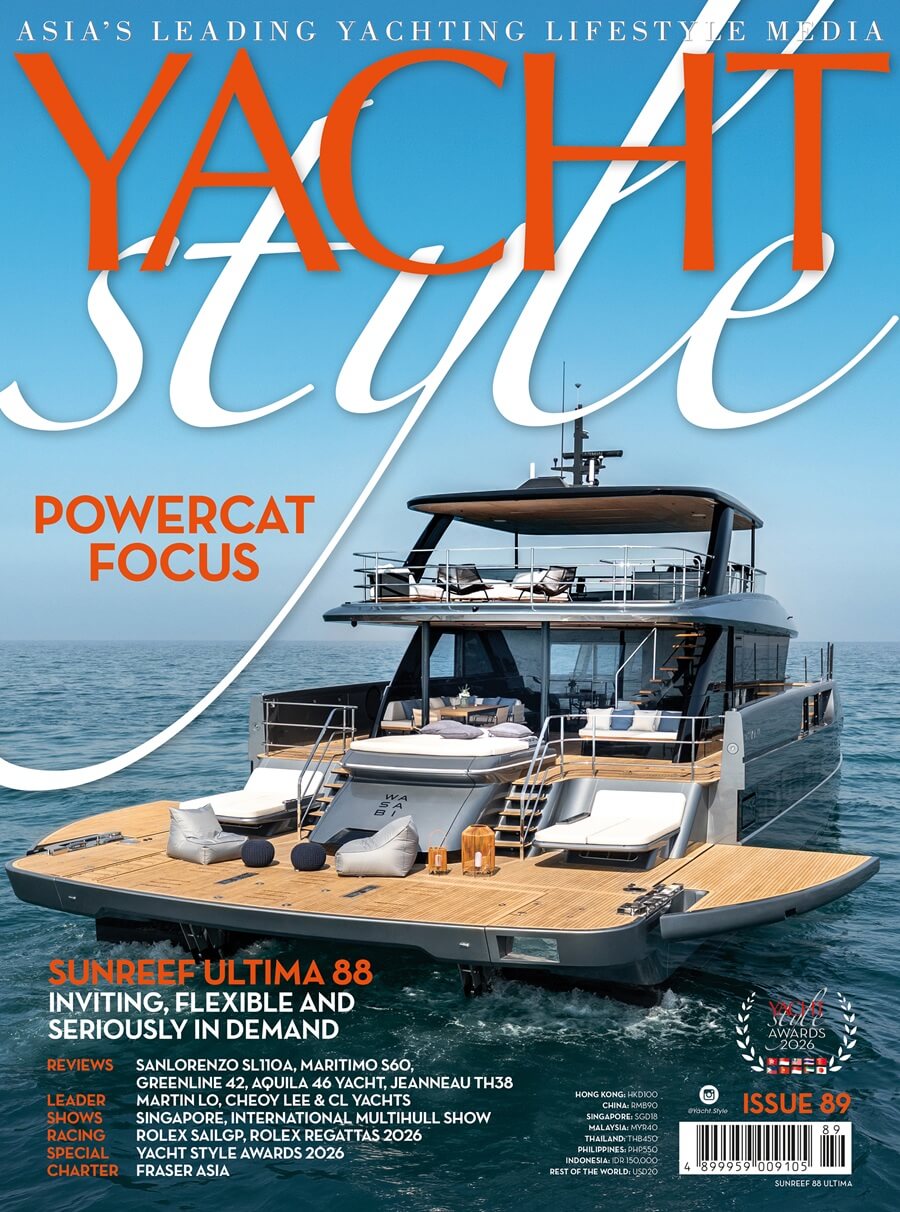

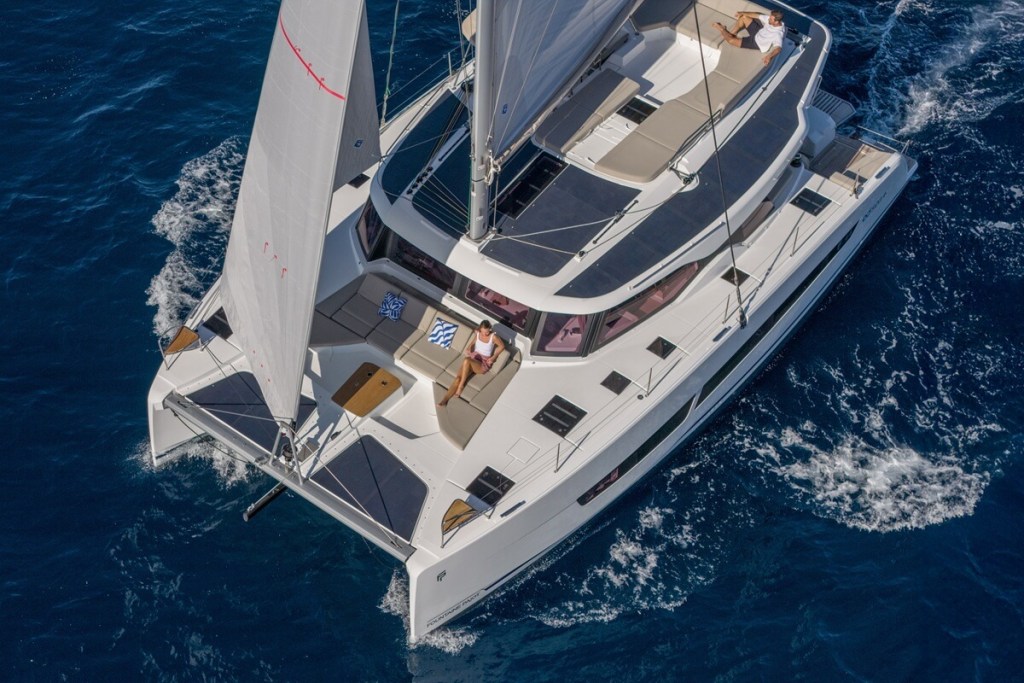
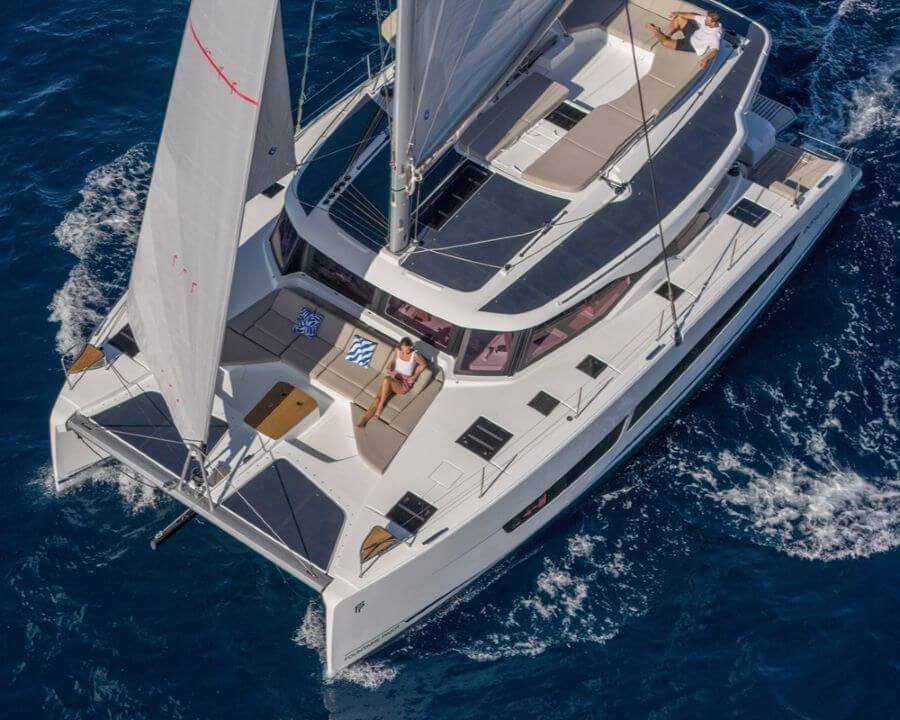
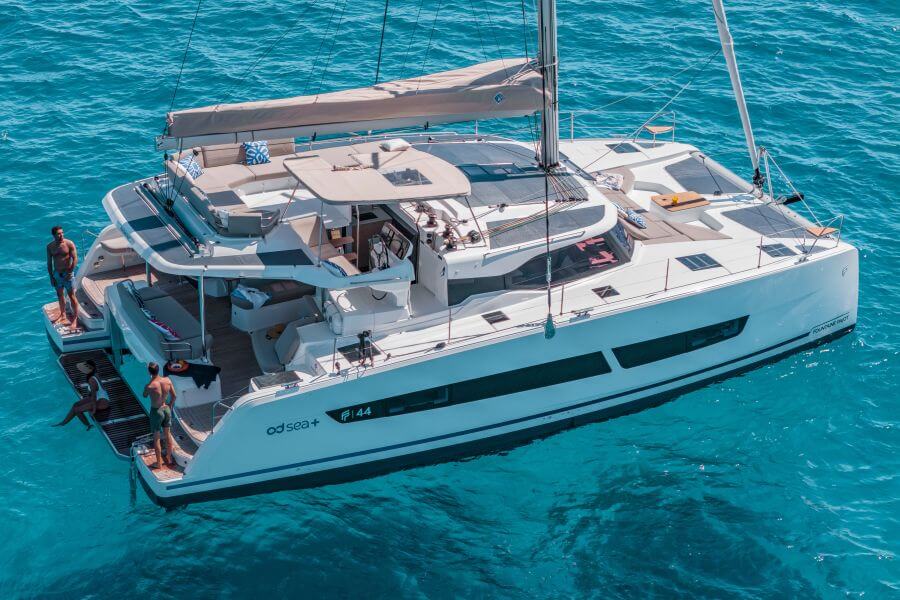
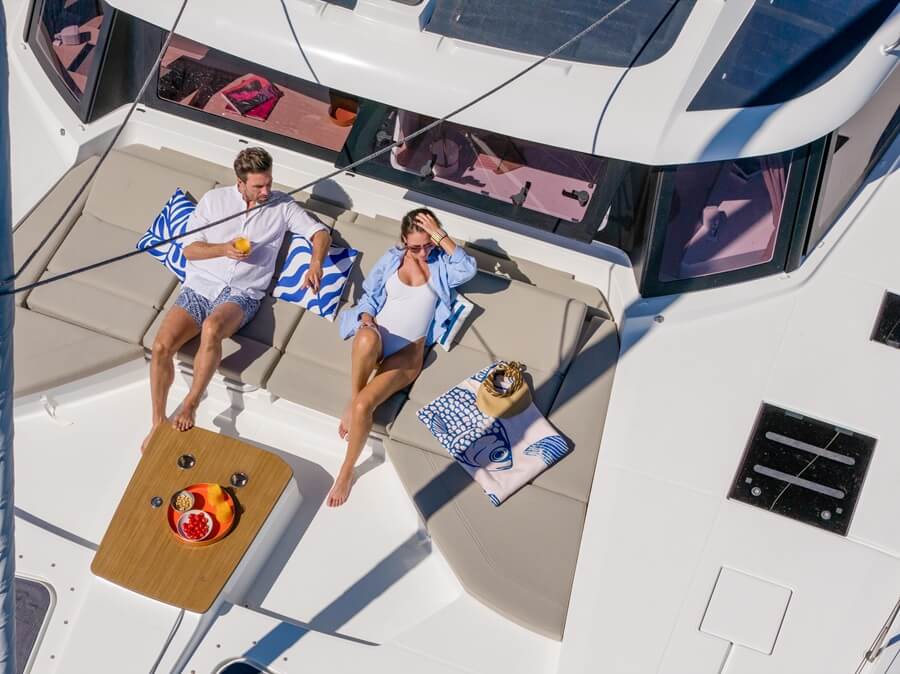
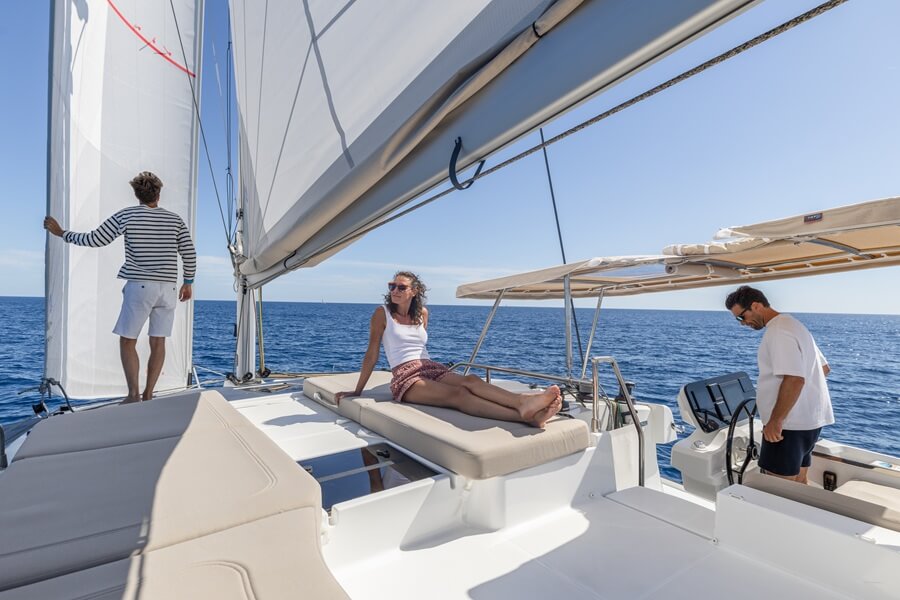

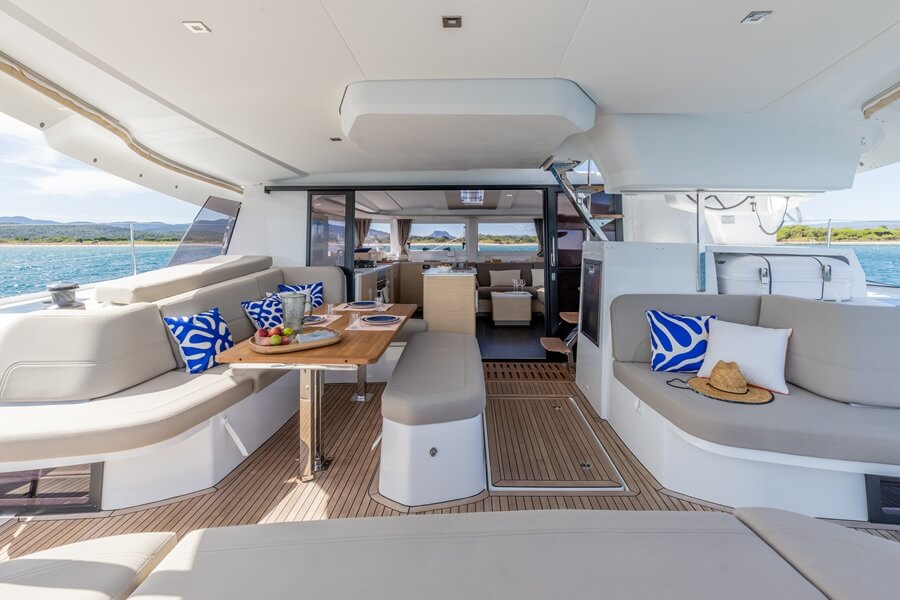
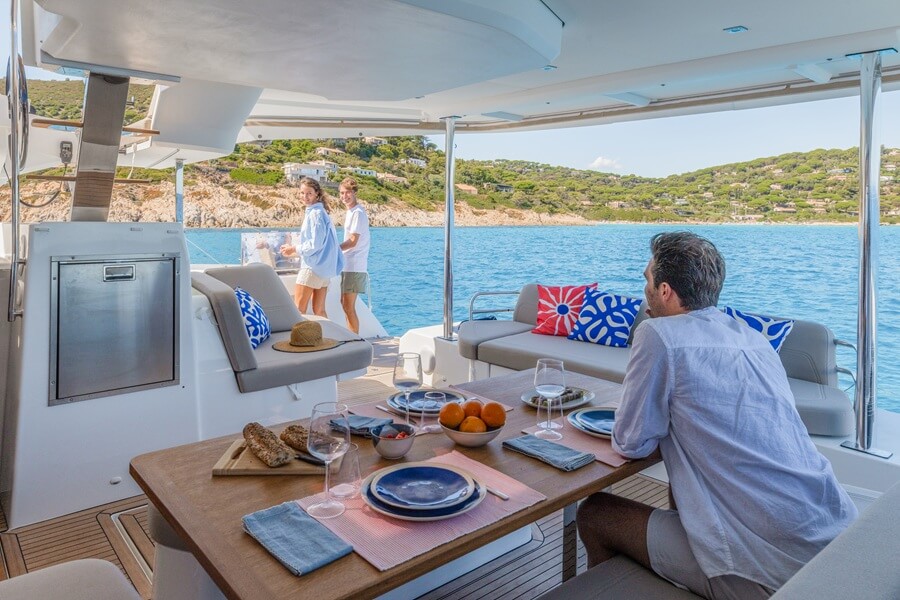
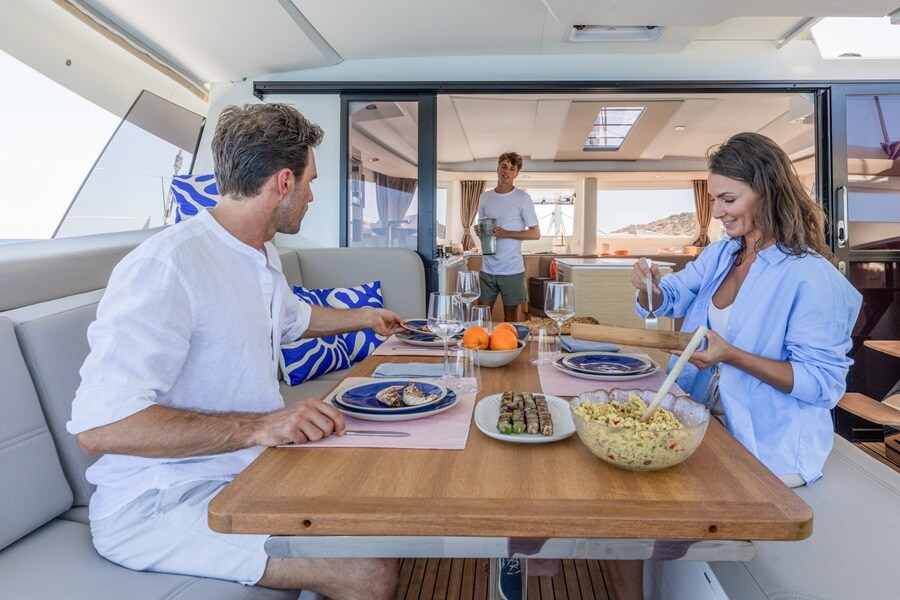
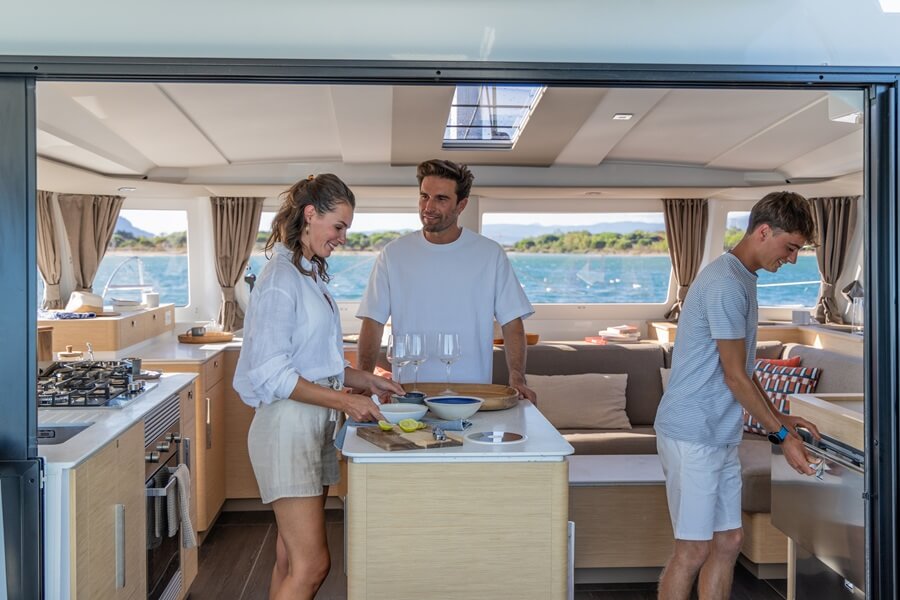
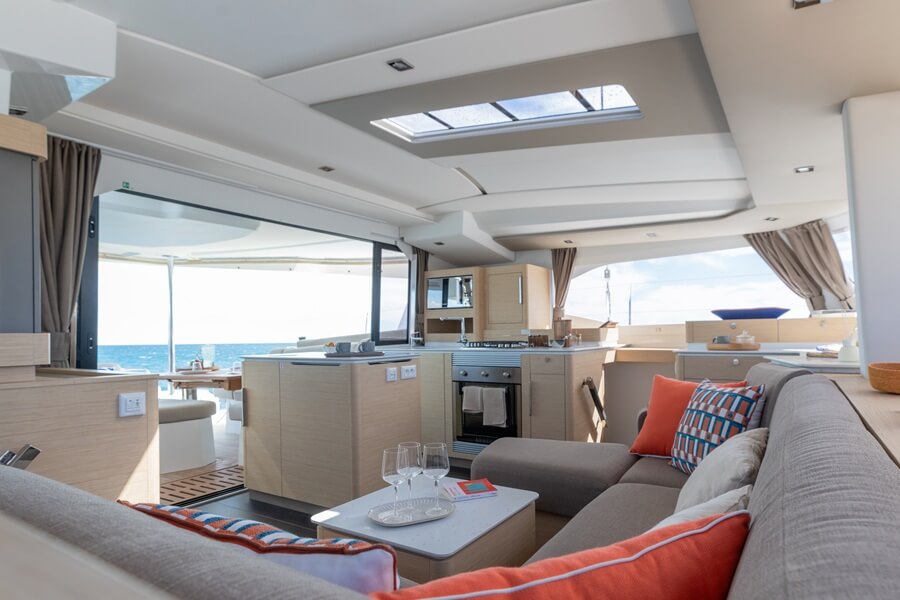
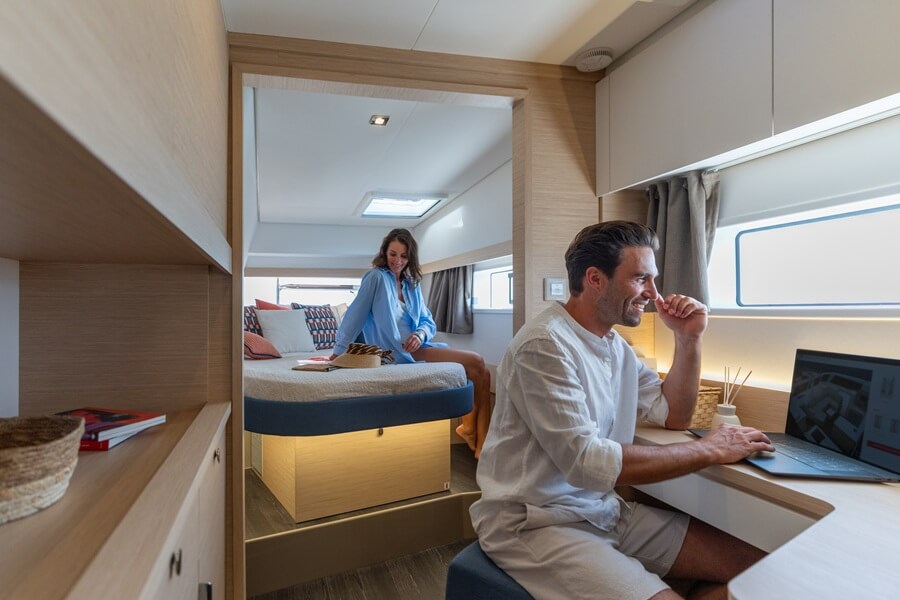
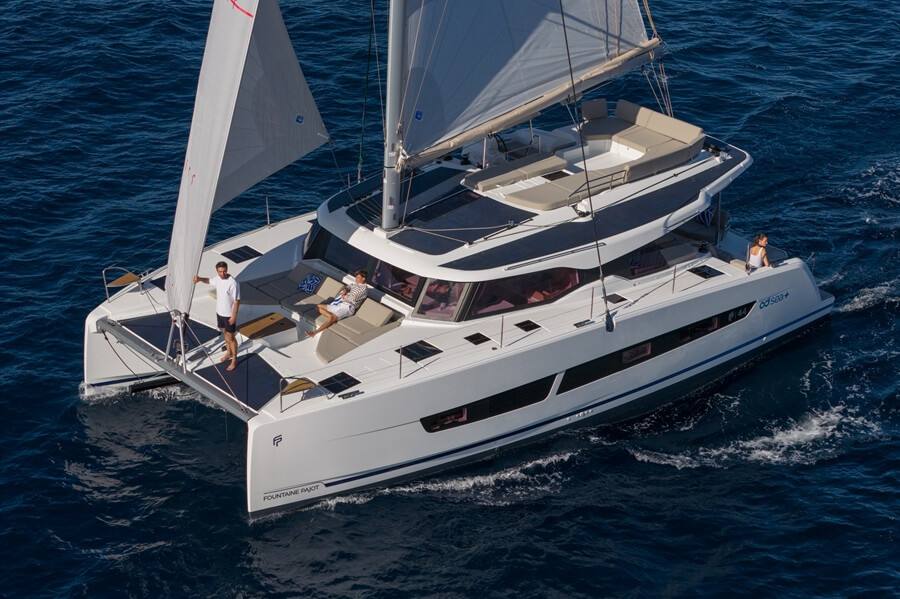
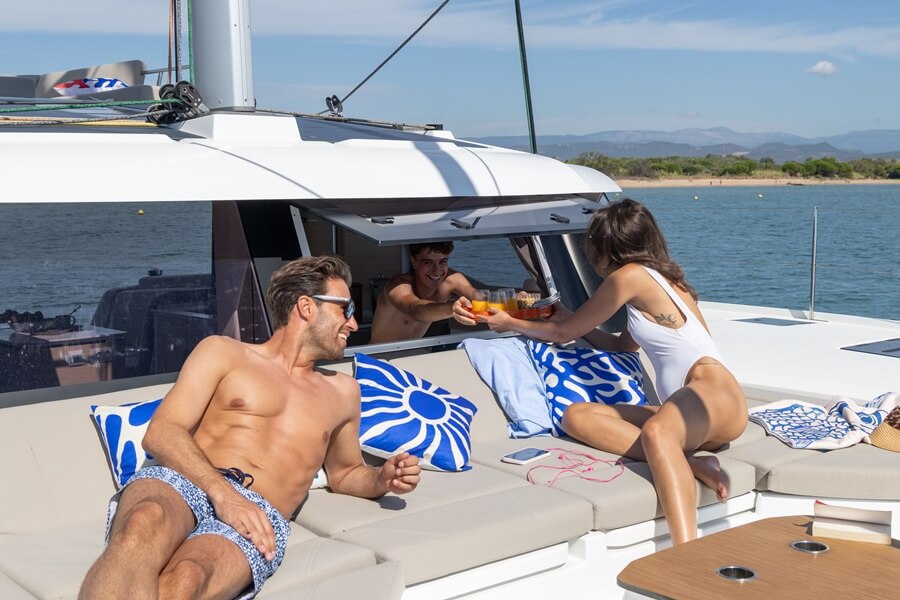

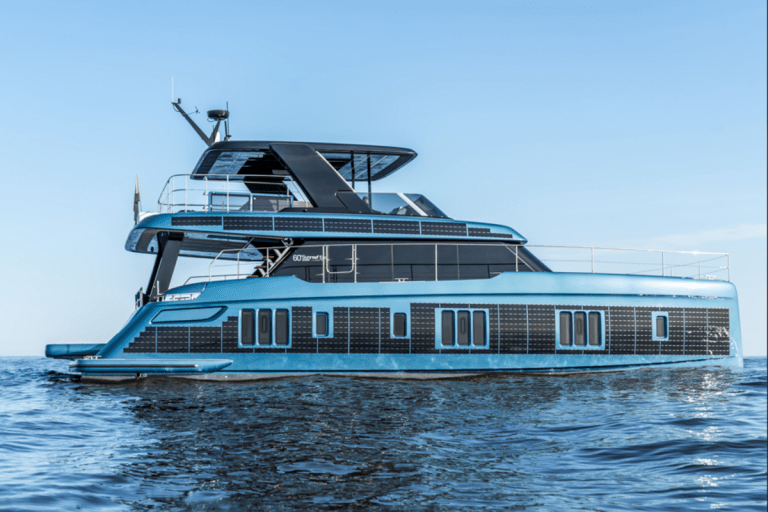
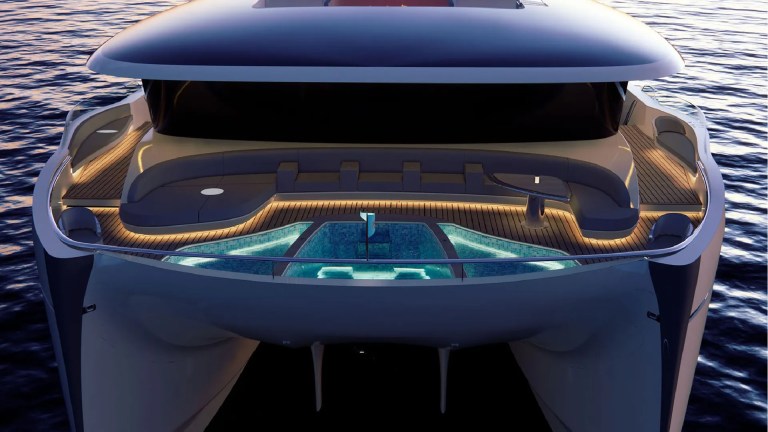
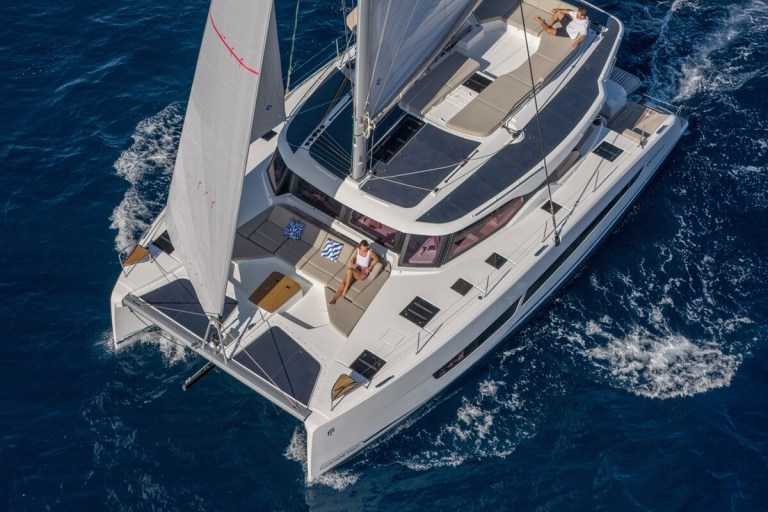

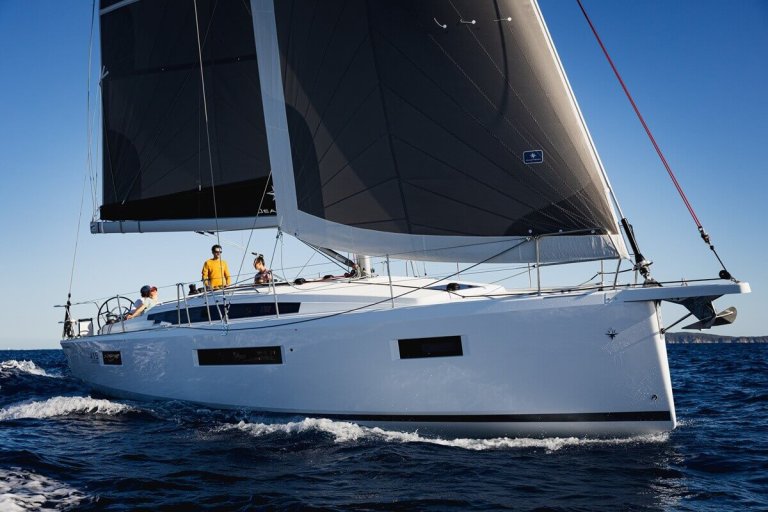
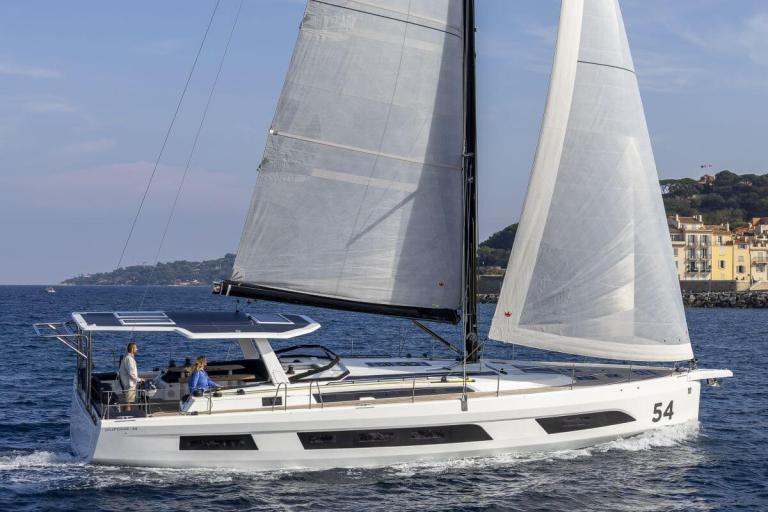
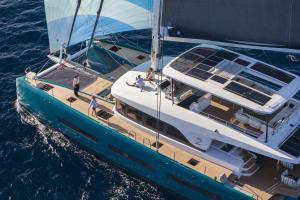
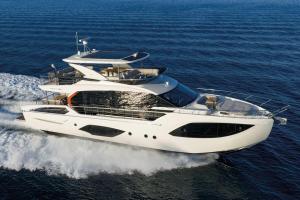
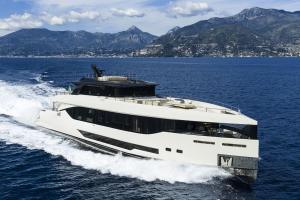
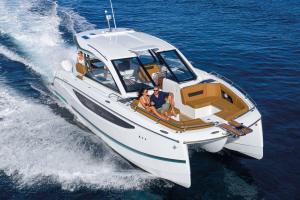










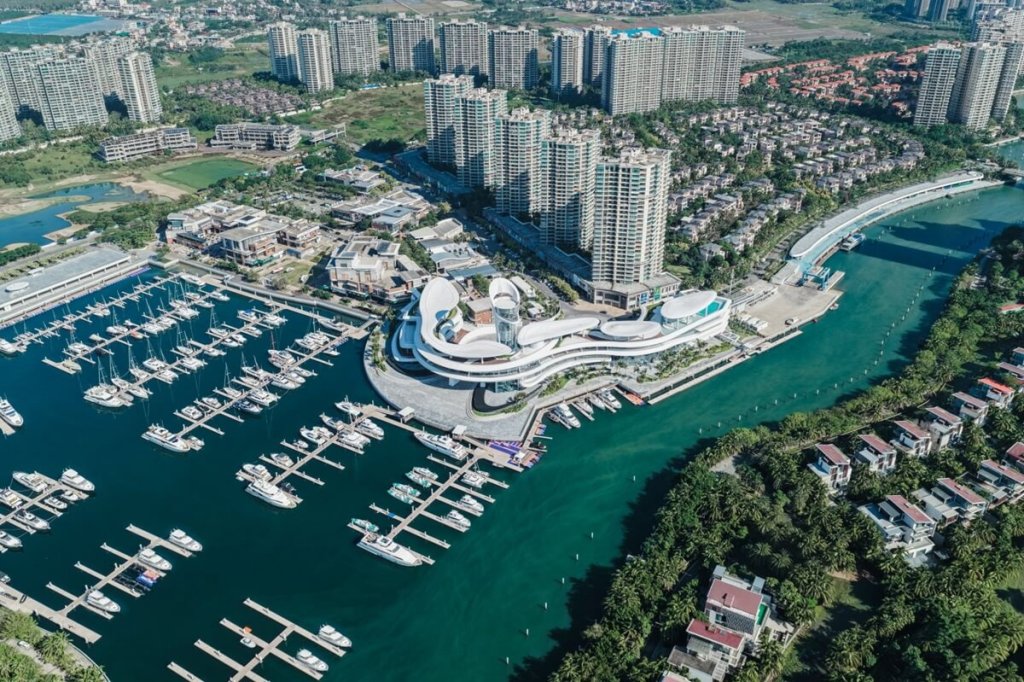
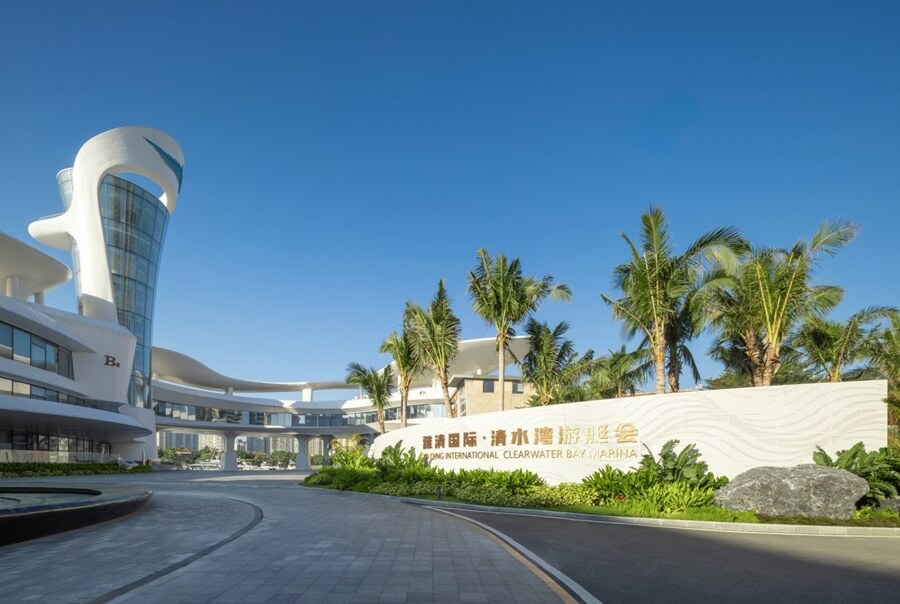
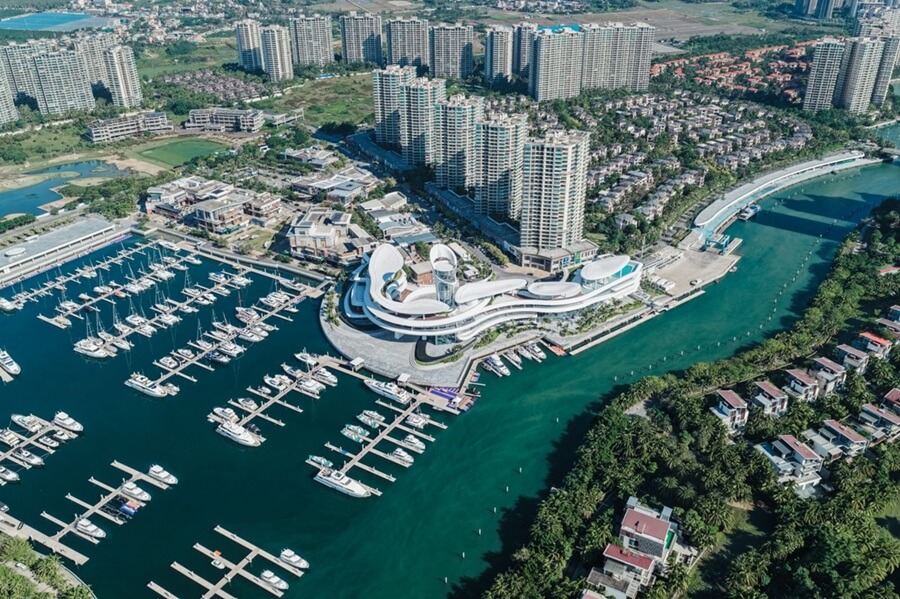
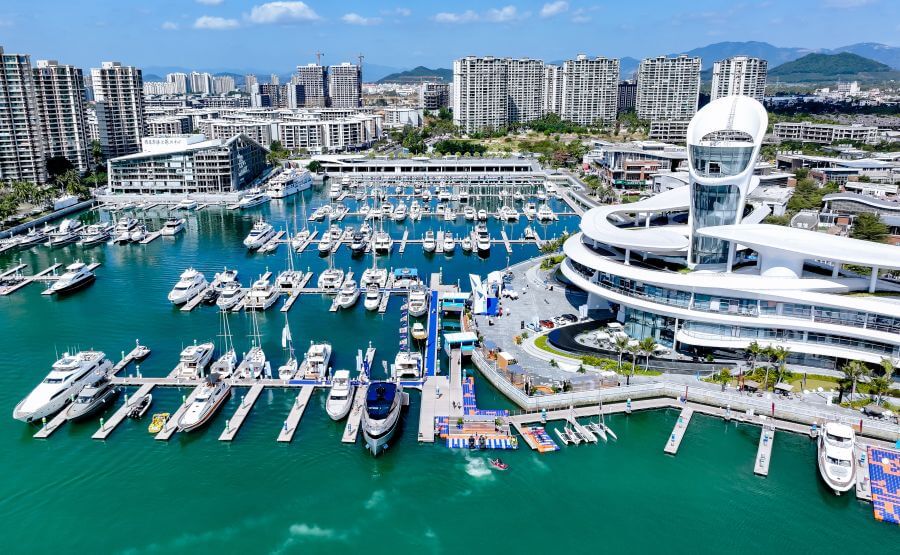

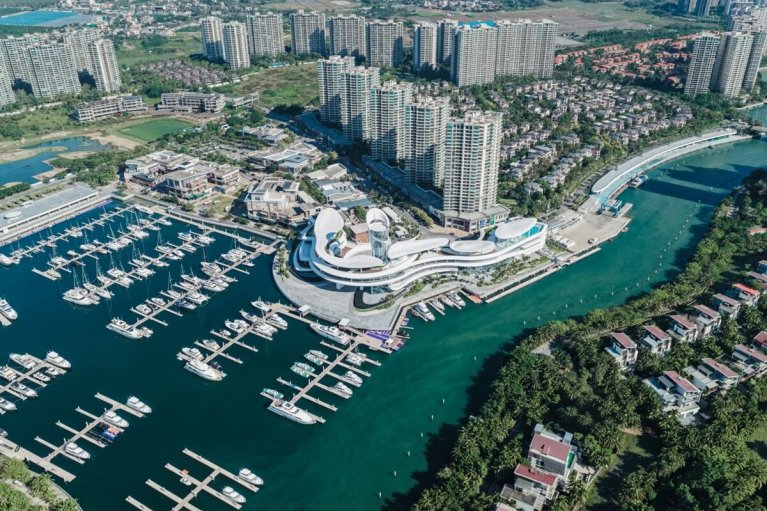
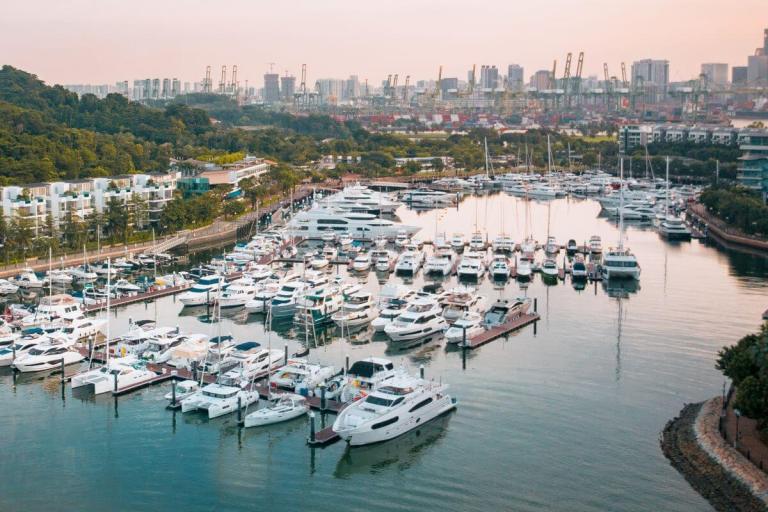
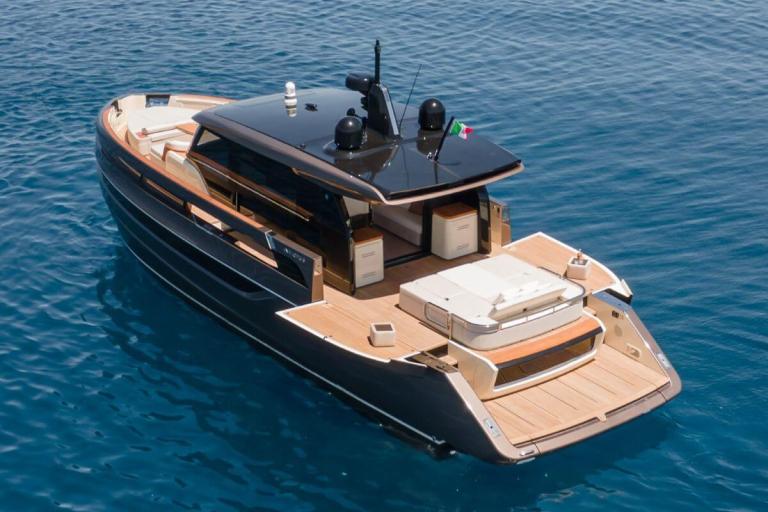

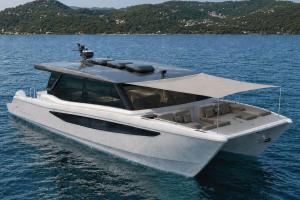
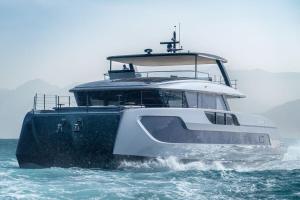


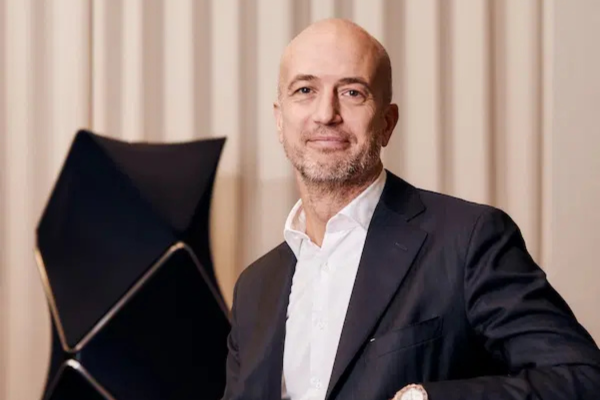

 The exterior of Bang & Olufsen’s flagship in Singapore.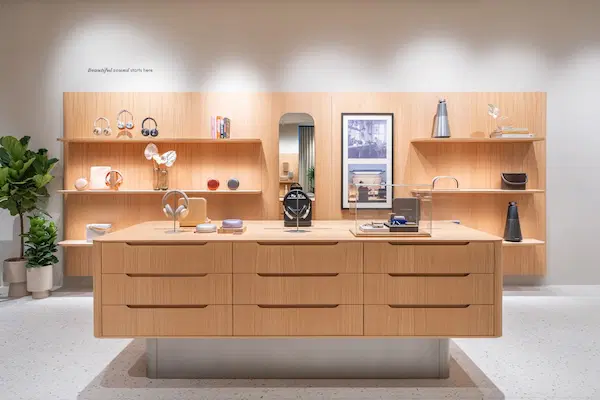

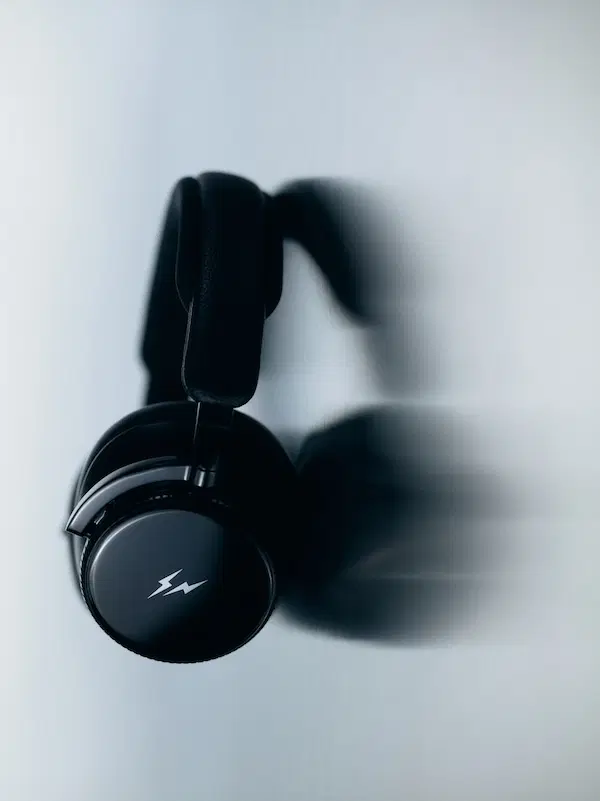 The Beoplay H100 Fragment Edition with a high-gloss black anodised hand-polished aluminium finish.

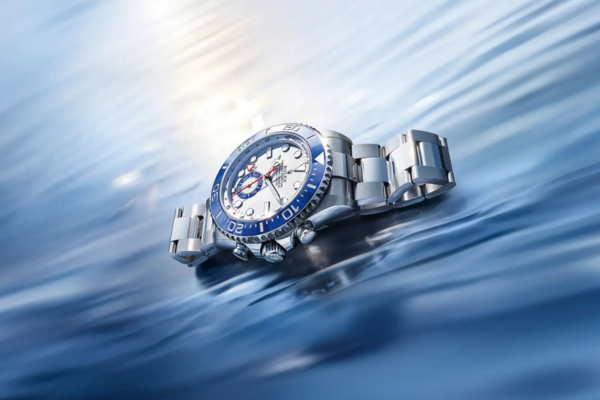





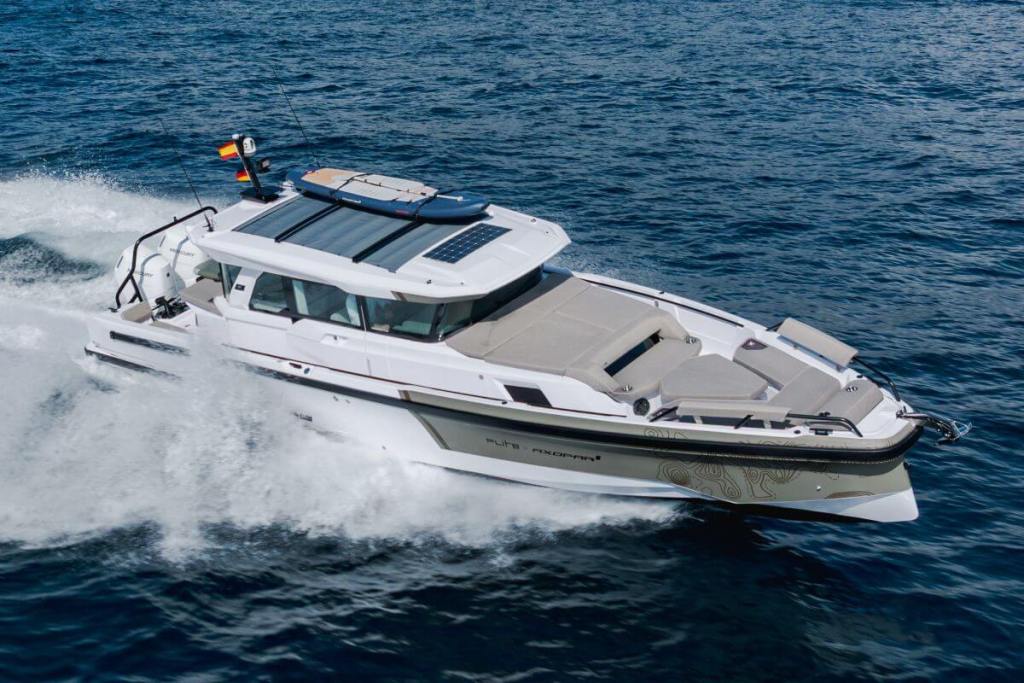
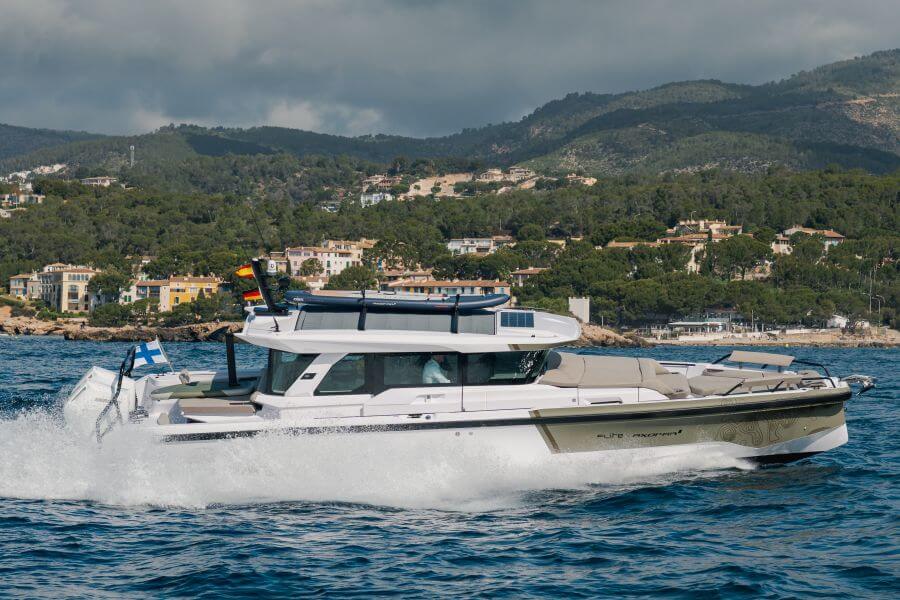

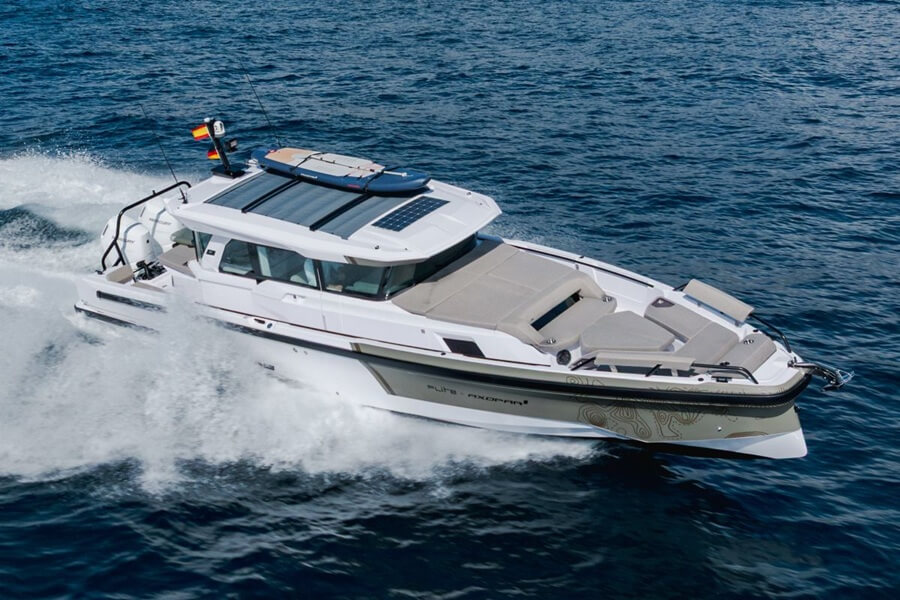

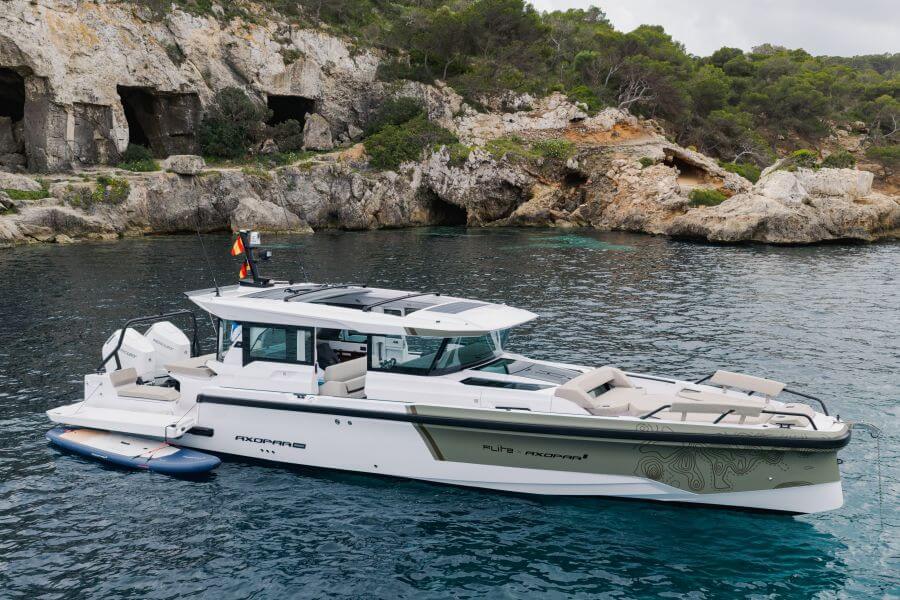
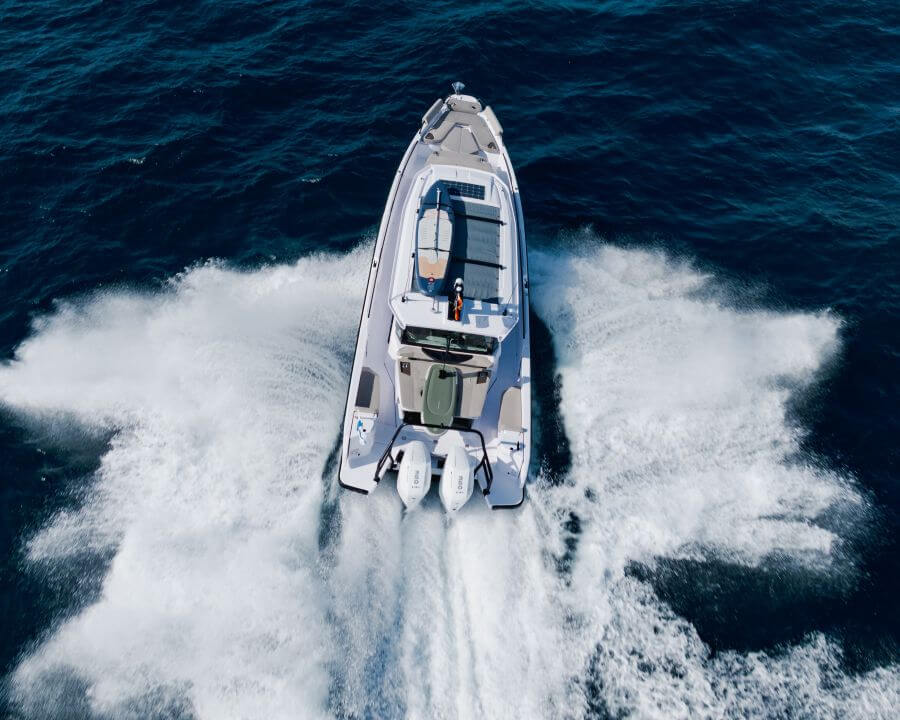

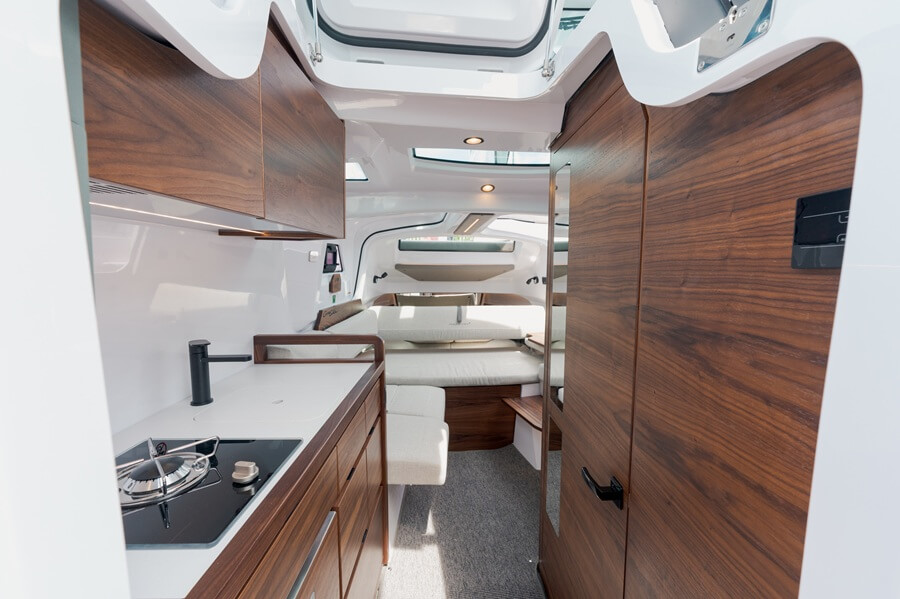


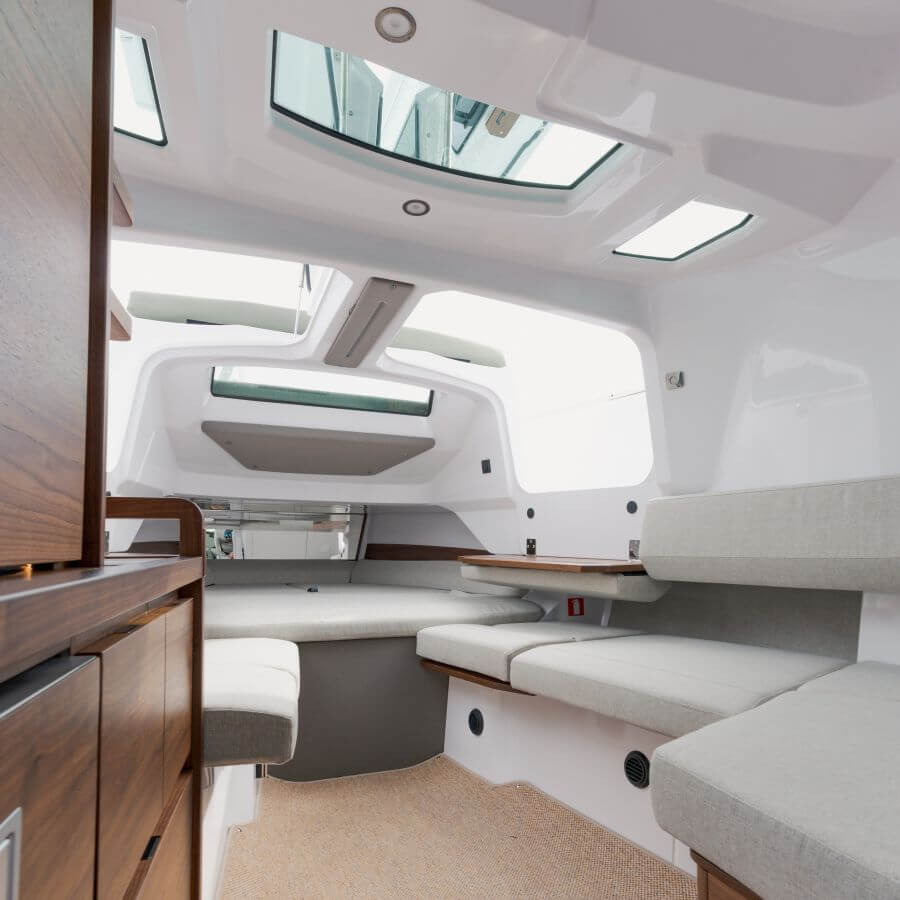

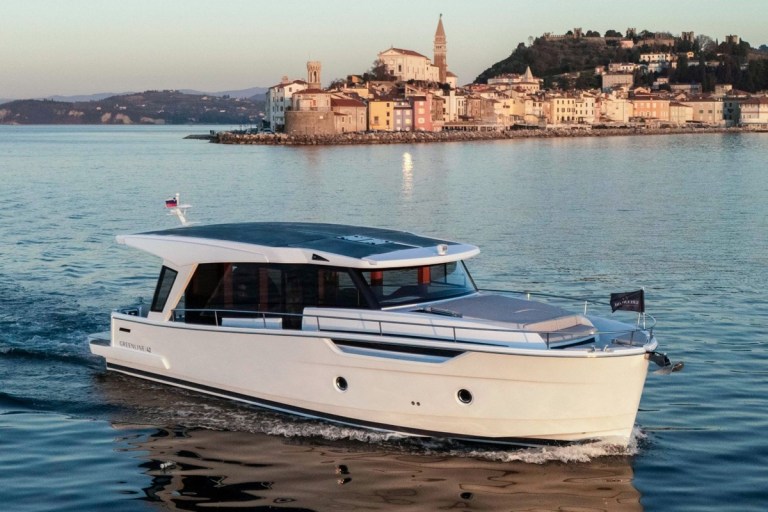

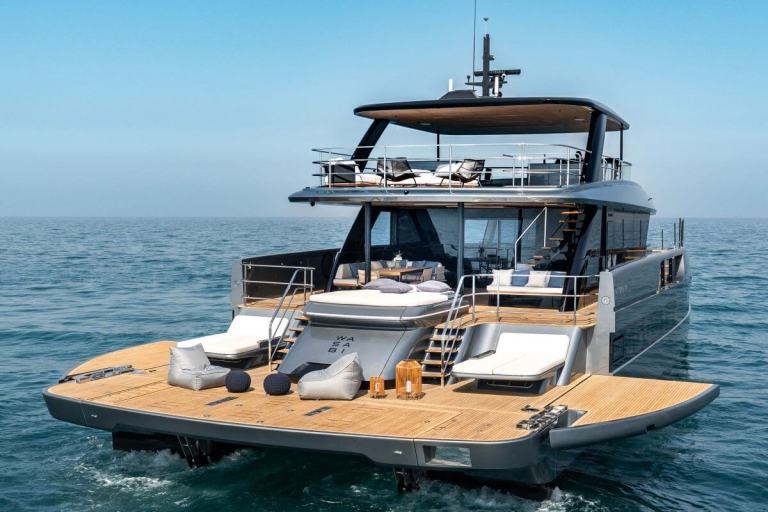

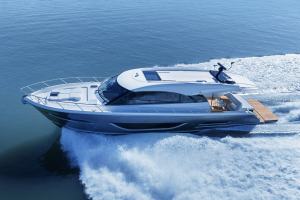
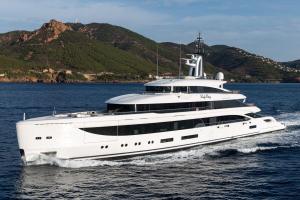
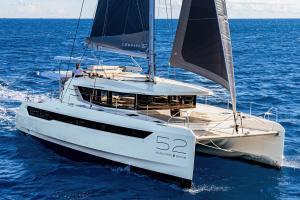
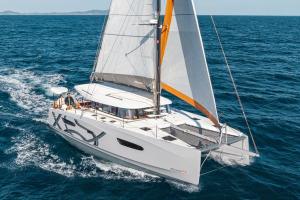

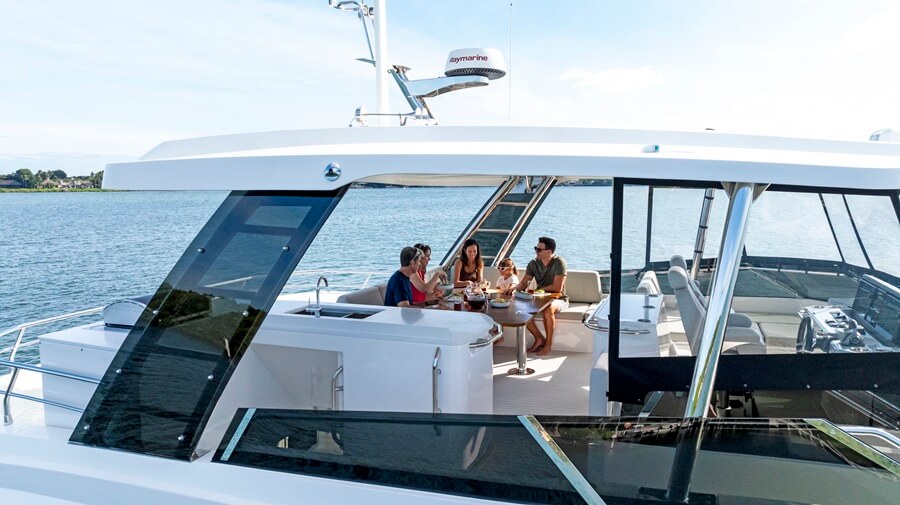







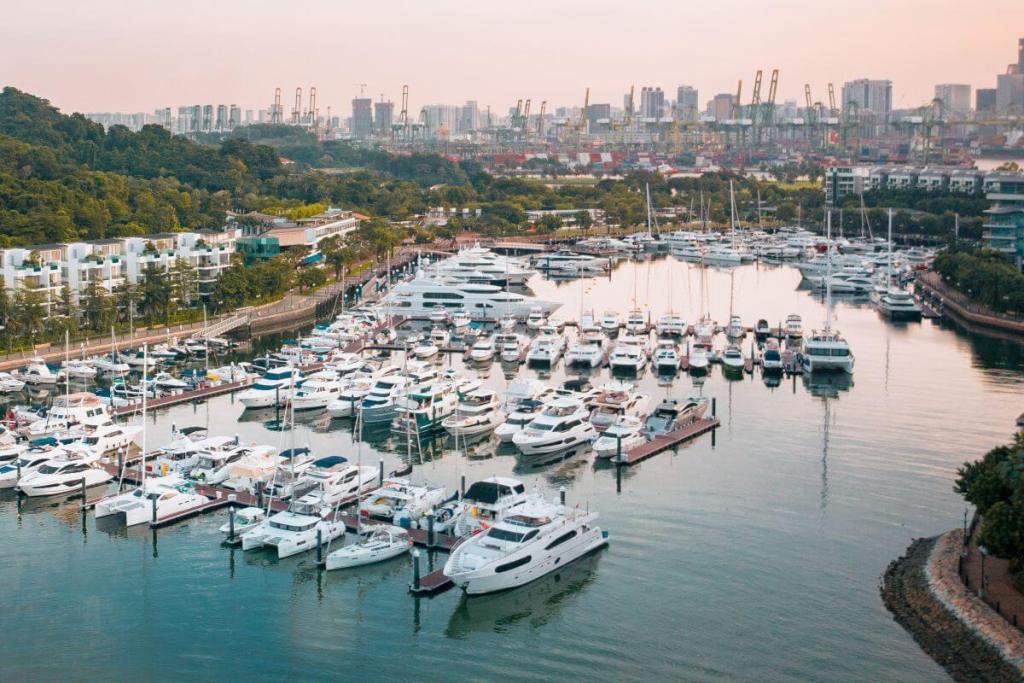
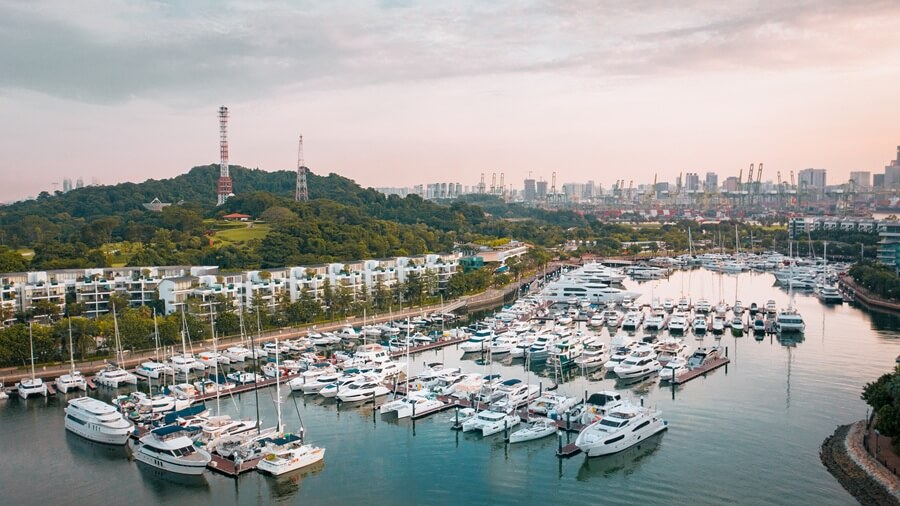
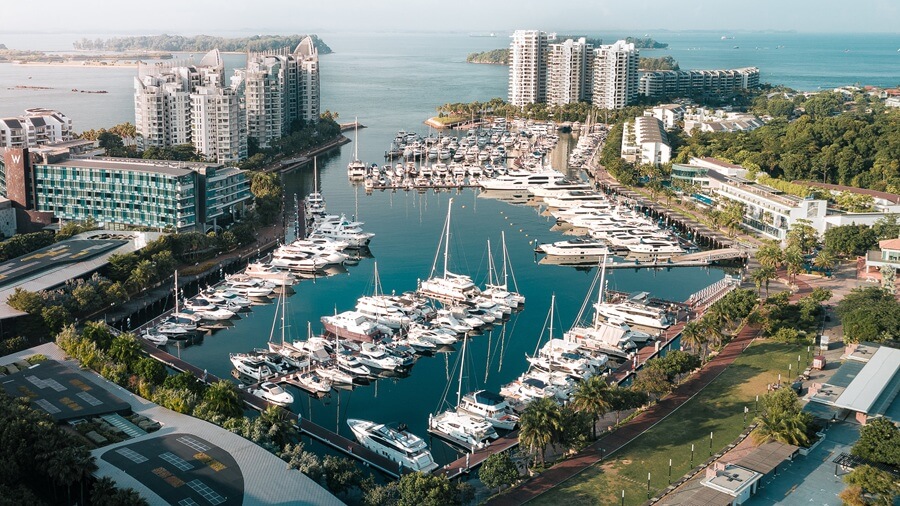


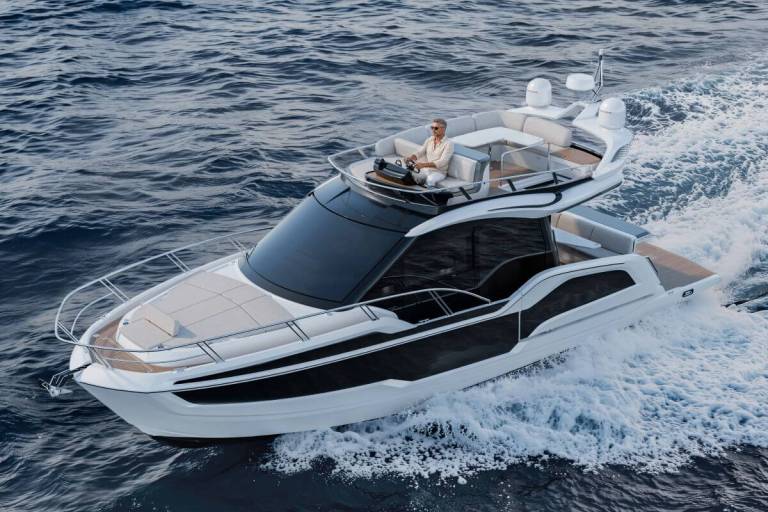


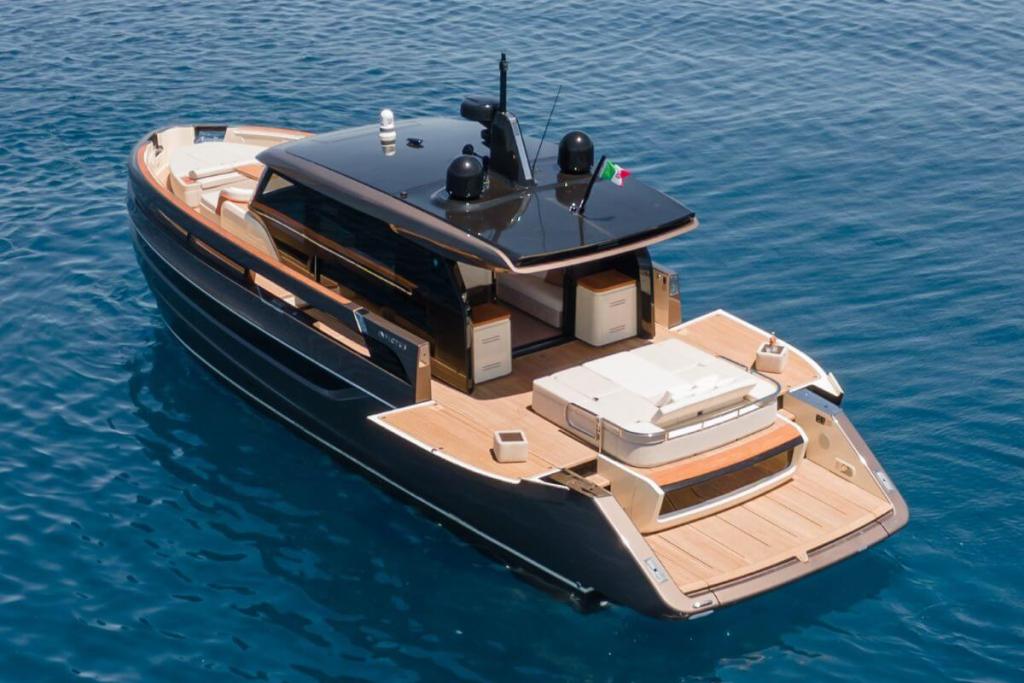


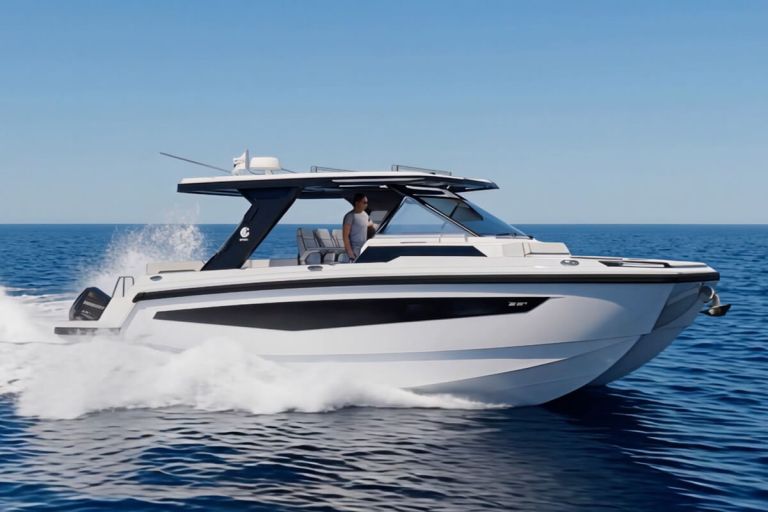
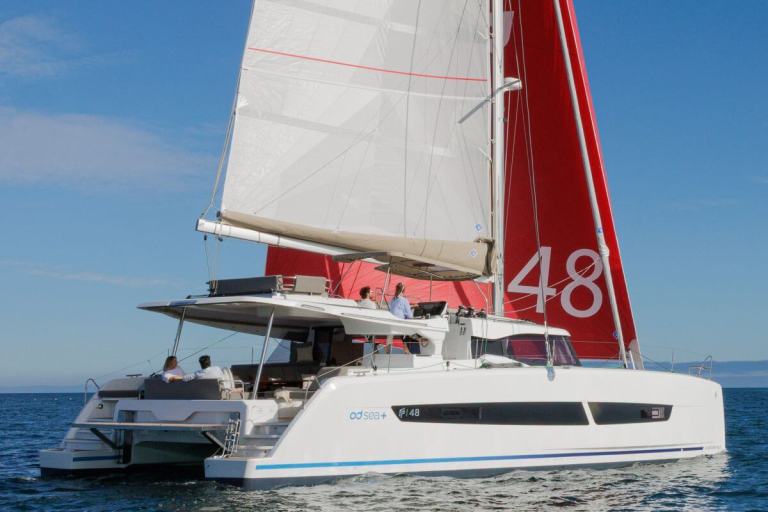


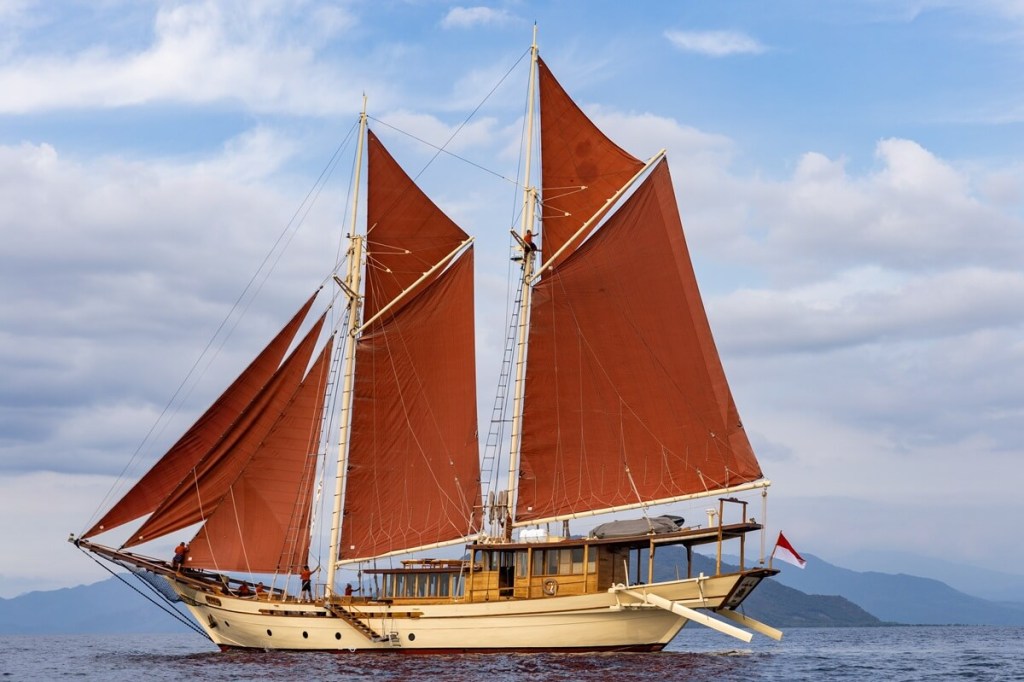



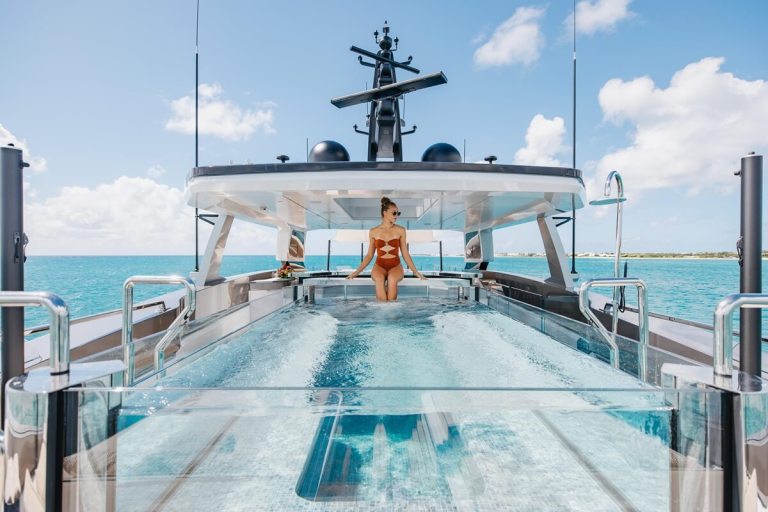
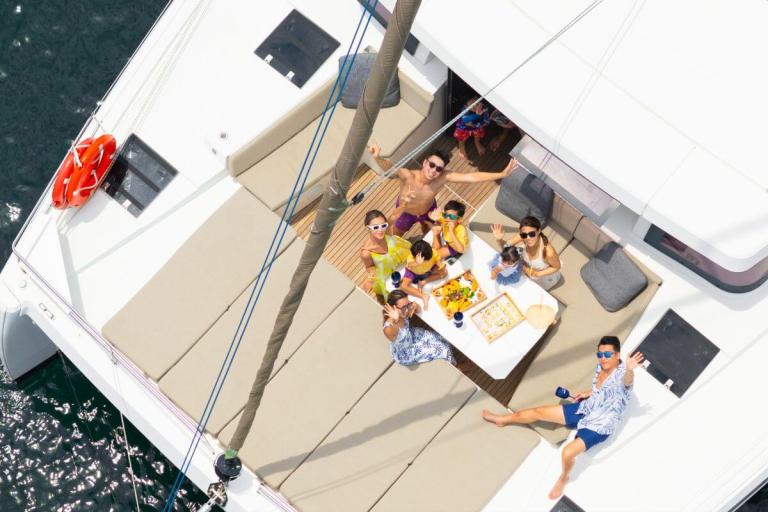


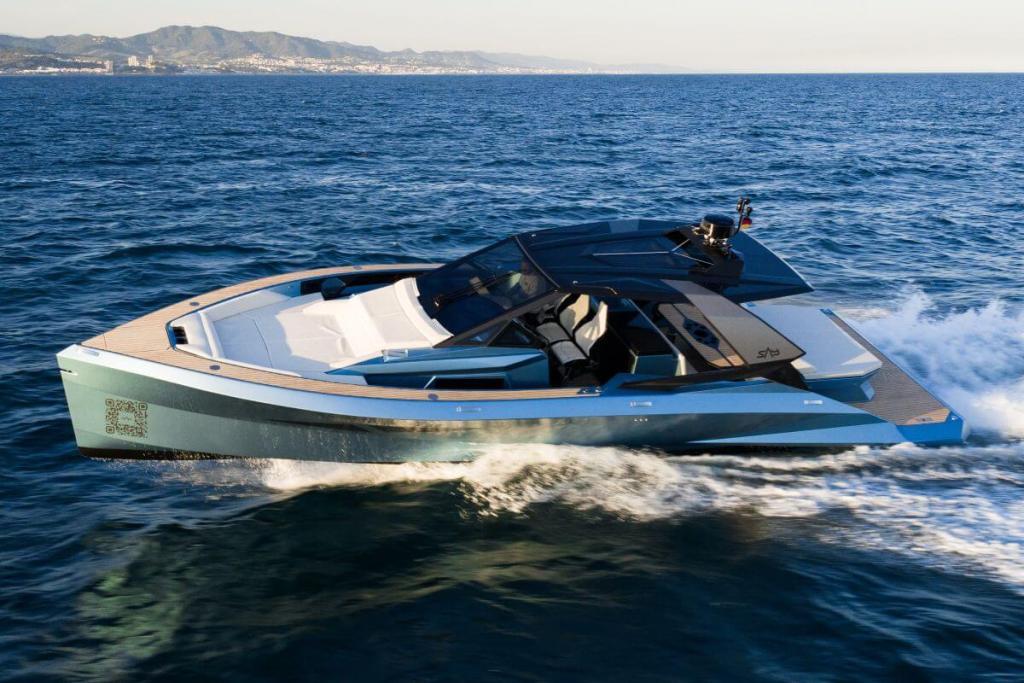


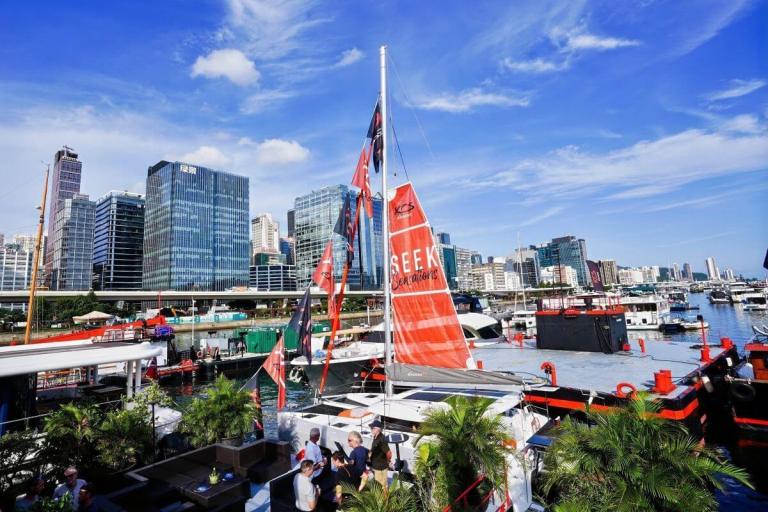


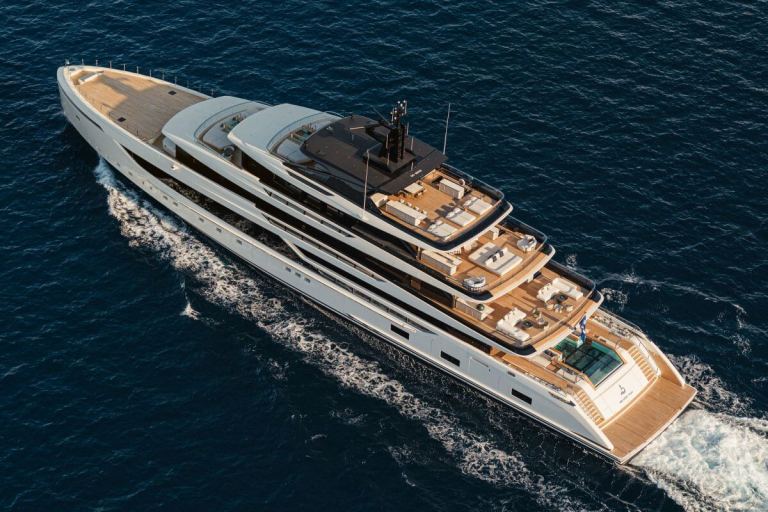



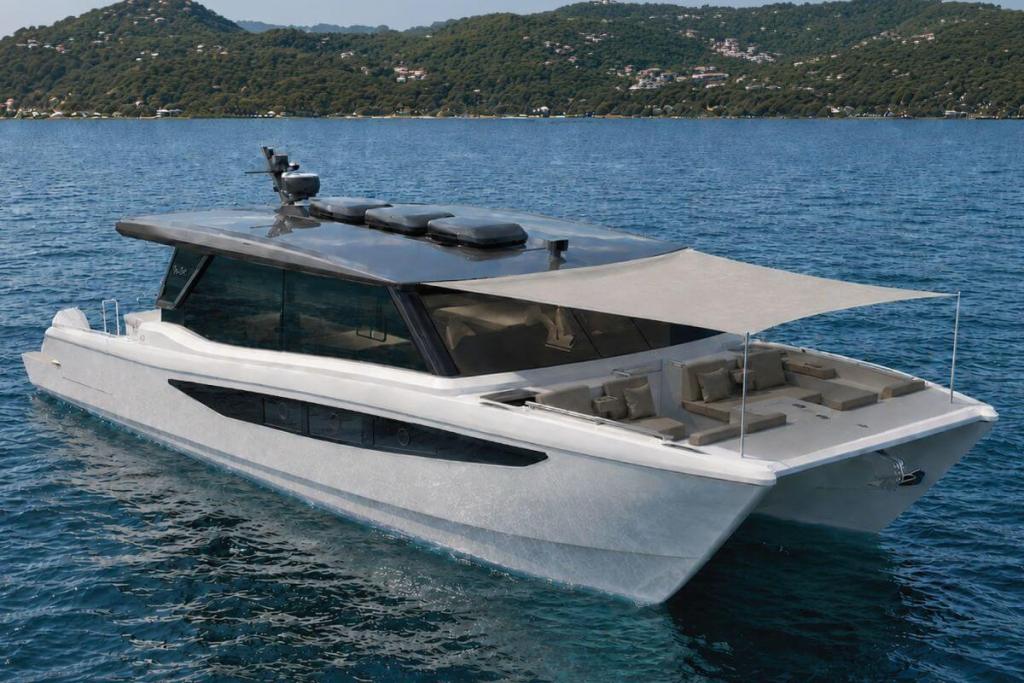
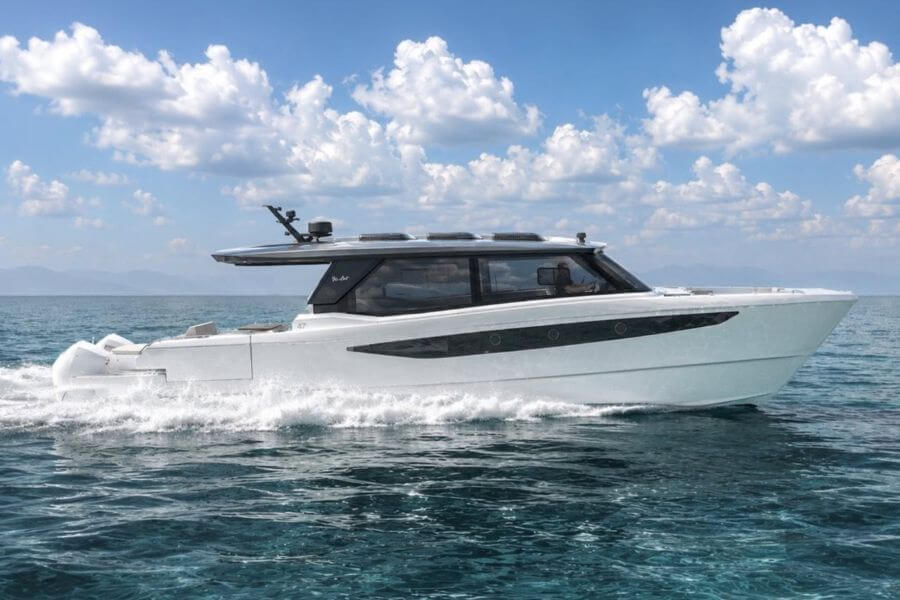
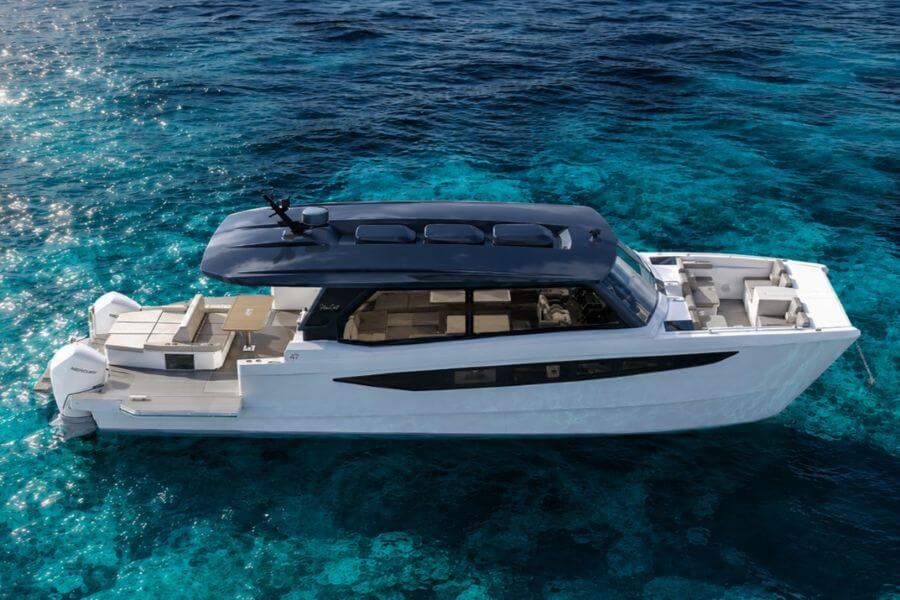
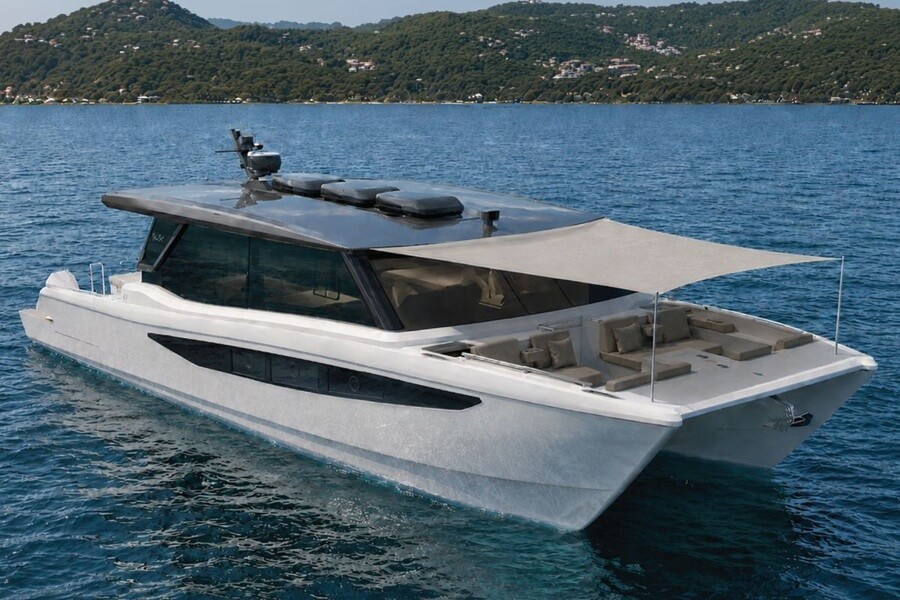
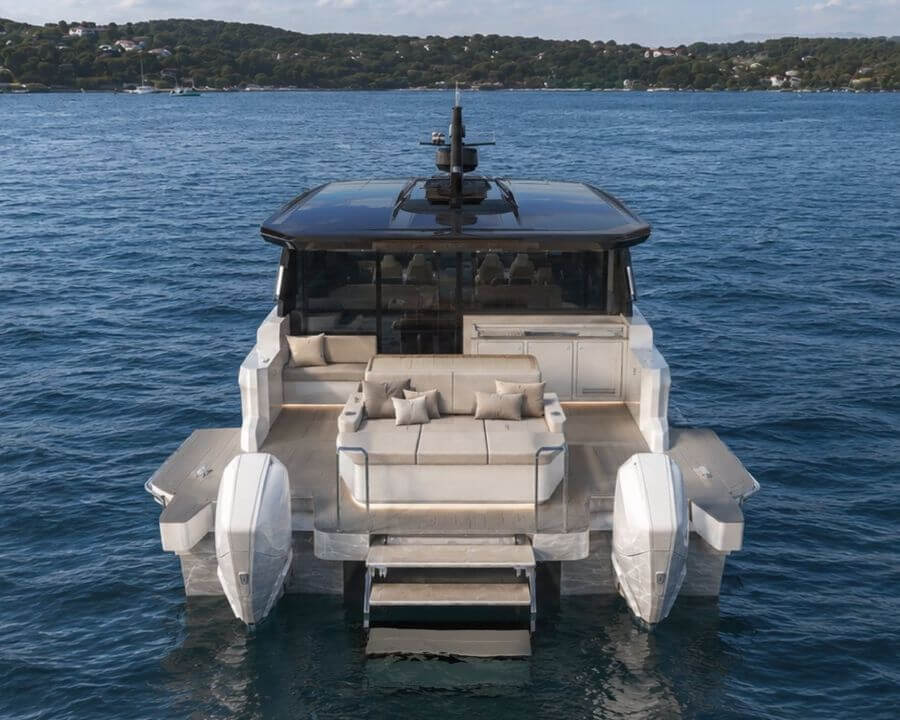


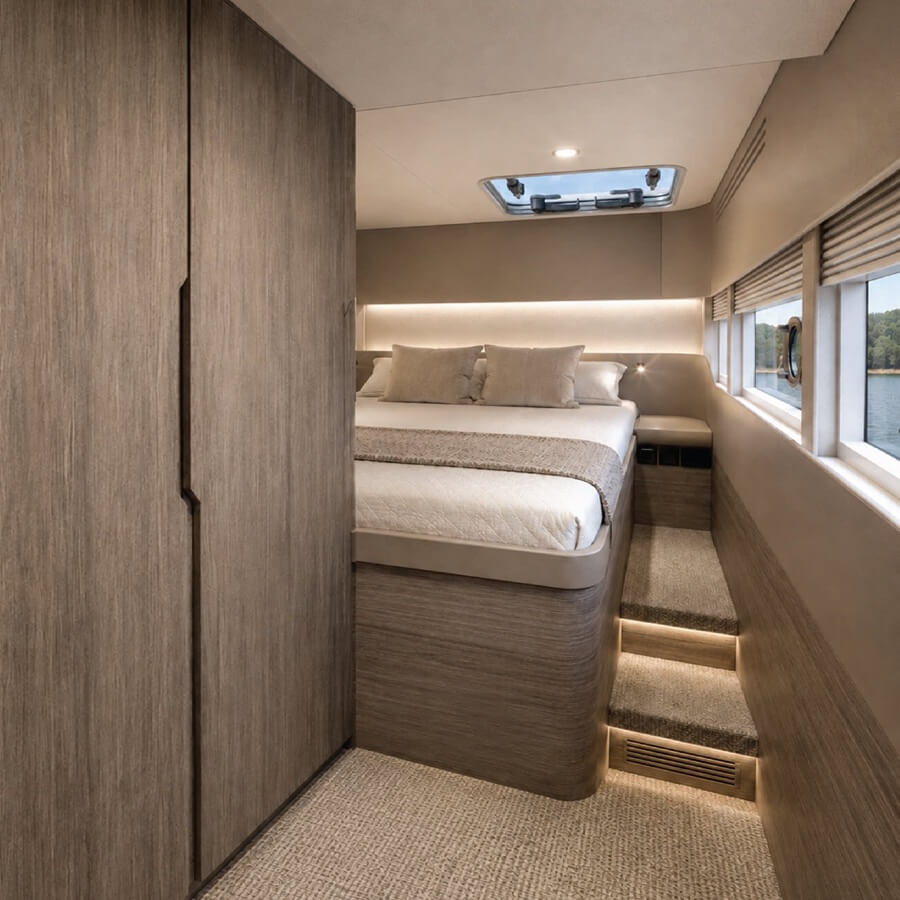


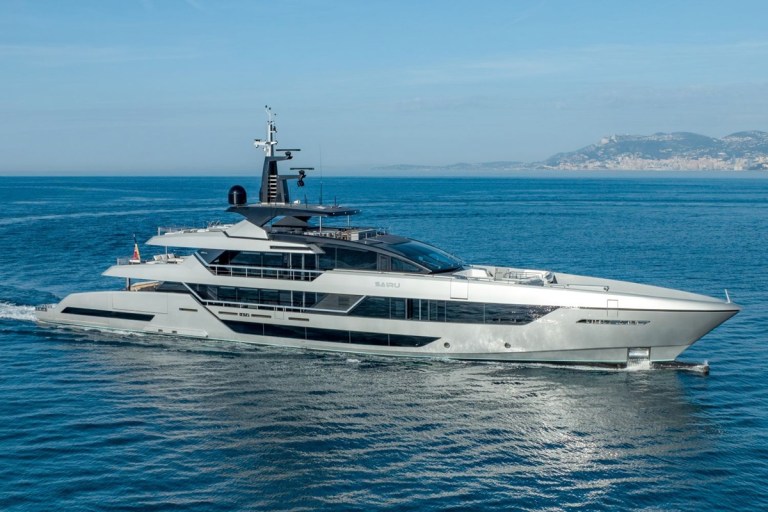



 Rolex Oyster Perpetual Yacht-Master II in Oystersteel
 Patek Philippe Ref. 6105
 Assembly of the calibre powering the new Van Cleef & Arpels Midnight Jour Nuit Phase de Lune
 The Gyrotourbillon takes shape – note the wheels all set an angle
 All the parts of the Ulysse Nardin SuperFreak
 Patek Philippe Ref. 5750
 Patek Philippe Ref. 5322
 Christopher Ward C1 Bel Canto Rosa
 Christopher Ward C1 Bel Canto Rosa
 Christopher Ward C1 Bel Canto Rosa
 MB&F LM Sequential Flyback Evo
 Audemars Piguet Calibre 8100
 The new IWC Perpetual Calendar ProSet Calibre
 H. Moser & Cie Endeavour Perpetual Calendar
 A. Lange & Sohne Lange 1 Tourbillion Perpetual Calendar “Lumen”
 Panerai Luminor Perpetual Calendar GMT Platinumtech PAM1575
 Vacheron Constantin Solaria Ultra Grand Complication “La Premiere”
 Patek Philippe Ref. 6300/403G