
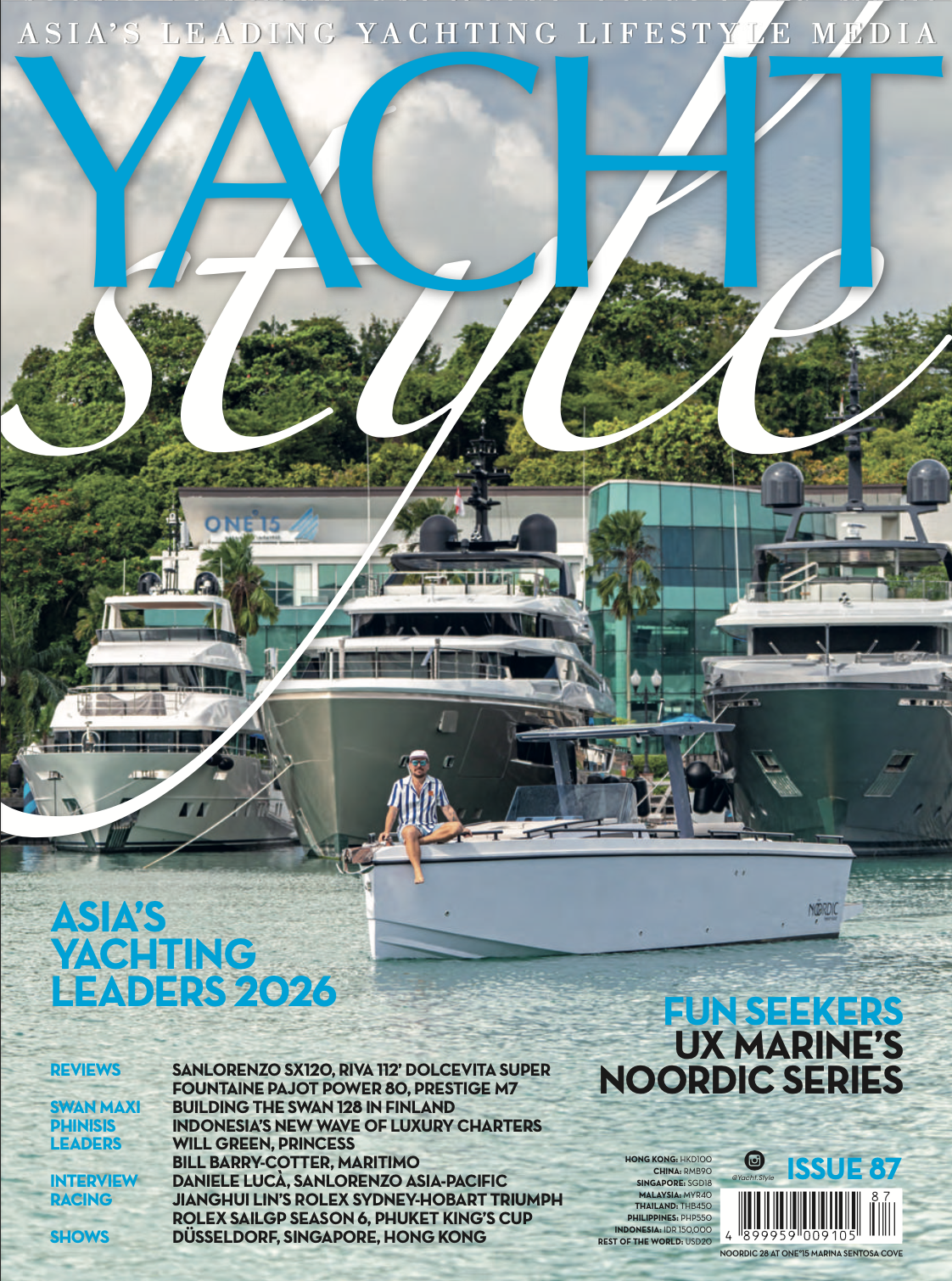
Yacht Style, Issue 88
Read and download copy
Yacht Style, Issue 86, Top 100 Superyachts of Indo-Asia-Pacific 2026, Jonathan Beckett, Burgess, Erwin Bamps, Gulf Craft Group, Fraser, Camper & Nicholsons, AB Yachts, AB 95, Van der Valk, Lalabe, Azimut, Grande 30M, Ferretti Yachts, 940, Absolute, Navetta 62, Cannes Yachting Festival, Genoa International Boat Show, Monaco Yacht Show, Lantau Yacht Club Boat Show - Festa Nautica, Rolex SailGP, Maxi Yacht Rolex Cup, Rolex Middle Sea Race, Phuket King’s Cup Regatta, Thailand, Port Takola Yacht Marina & Boatyard, Krabi, Yousuf Al Hashimi, Phoenix Yacht Management, Su Lin Cheah, ICOMIA, Suzy Rayment, Asia-Pacific Superyacht Association, APSA
Read and download copy

Asia's leading yachting lifestyle media

More results...

Generic selectors
Exact matches only
Search in title
Search in content
Post Type Selectors
Screenshot 2026-01-16 at 9.52.20 AM
Read your copy

More results...

Generic selectors
Exact matches only
Search in title
Search in content
Post Type Selectors

More results...

Generic selectors
Exact matches only
Search in title
Search in content
Post Type Selectors

yachtstyle2020

Southeast Asia Yachting Conference, Singapore, Singapore Yachting Festival, ONE°15 Marina Sentosa, Marco Valle, Arthur Tay, Joe Lynch, Icomia, Peter Mahony

Sanlorenzo’s SP92 smart blend of speed and space

Sanlorenzo’s SP92 smart blend of speed and space

SHARE

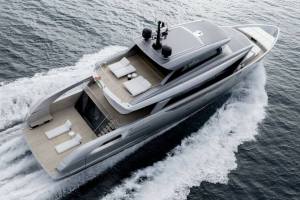
The Italian builder’s new Smart Performance coupe reaches 38 knots and cruises at 33 knots, with twin 2,000hp MAN V12 engines bolstered by water-jet propulsion.
Words: Risa Merl; Photos: Sanlorenzo / Guillaume Plisson / Federico Cedrone

  •  
  •  
  •  
  •  
  •  
  •  
  •  


Southeast Asia Yachting Conference, Singapore, Singapore Yachting Festival, ONE°15 Marina Sentosa, Marco Valle, Arthur Tay, Joe Lynch, Icomia, Peter Mahony

The exterior design by Zuccon International Project balances style and dynamism


“We’re redefining the concept of a sports yacht while rethinking its proportions and spatial solutions,” said designer Bernardo Zuccon of Sanlorenzo’s new 27.9m SP92, the second offering in the Italian builder’s Smart Performance range, which was launched by the SP110 in 2022.


It’s an apt description for a coupe that breaks the mould of a typical go-fast sports yacht, thanks to its minimalist, elegant exterior styling and unusual, multi-level layout – all without sacrificing any speed.


Tilli Antonelli, Head of Development and Product for the SP (Smart Performance) series, said: “The SP92 is best described as a hybrid between a high-speed powerboat and a floating beach club – offering the handling and velocity of a sport boat combined with the spaciousness and architectural qualities of a large yacht.


Southeast Asia Yachting Conference, Singapore, Singapore Yachting Festival, ONE°15 Marina Sentosa, Marco Valle, Arthur Tay, Joe Lynch, Icomia, Peter Mahony

The hull was designed to make the yacht smarter and more efficient than other sports yachts


“High-performance yachts are a growing market segment, and the unique characteristics of the SP92 – which combines performance and comfort with sustainability in a smaller yacht – are attracting owners.”


Long-time Sanlorenzo collaborators Zuccon International Project, co-owned by Bernardo Zuccon and his sister Martina Zuccon, created the exterior and layout of the SP110 and SP92, while Piero Lissoni crafted the highly detailed yet lightweight interior.


“Designed to create a balance between style and dynamism, it’s a yacht that appears to be sculpted by wind and water,” said Bernardo Zuccon of his inspiration for the exterior design.


A distinctive feature of the SP range’s exterior is a copper-toned ‘blade’ detailing around the superstructure 

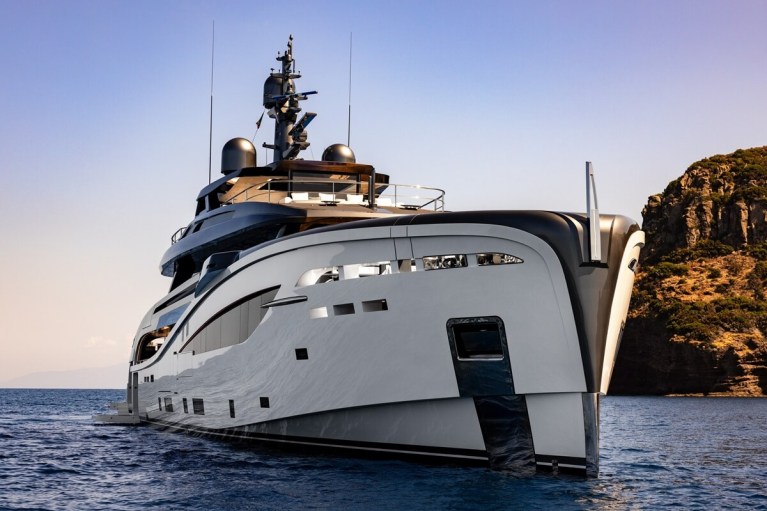
Much like the SP110, the SP92 doesn’t look like your typical sports boat, and that’s the point entirely. Instead of the long bow, curved superstructure and sunpad-laden exterior that’s synonymous with most sports boats, the SP92 strikes a very different tone. A vertical bow and foredeck lounge protected by suitably high bulwarks, is paired by an upright, glass-enclosed superstructure.


The windscreen is vertical as well, giving the sense of exploration rather than out-and-out speed. The windows surrounding the superstructure are made with a special laminated glass to protect the interior from UV rays and to cut down on air-conditioning usage. The superstructure has also been optimised to allow for the installation of solar panels.


A distinctive feature of the SP range’s exterior is a copper-toned ‘blade’ detailing, which appeared on the SP110 but is expanded upon for the SP92, stretching around the superstructure, and framing the roof and aft overhang.


The beach area has a hidden garage that can host a 3.95m tender


“In this model, the blade extends even further, reinforcing its sporty character and enhancing the yacht’s overall balance,” said Bernardo Zuccon.


Indeed, striking the right balance is an overall theme for this yacht, which aims to marry speed with comfort while also seamlessly blending indoor and outdoor living. The latter is evident whether inside and outside, as spaces seem to merge into one.


Stepping on board the yacht, the first thing you notice is the expanse of glass across the entirety of the aft entry into the boat. Not merely a sliding glass door, the glazing here extends upwards, with angled windows leading all the way up the roof set high above what you’d typically find on a yacht this size. When the glass doors are thrown open, the aft deck is fully integrated with the interior.
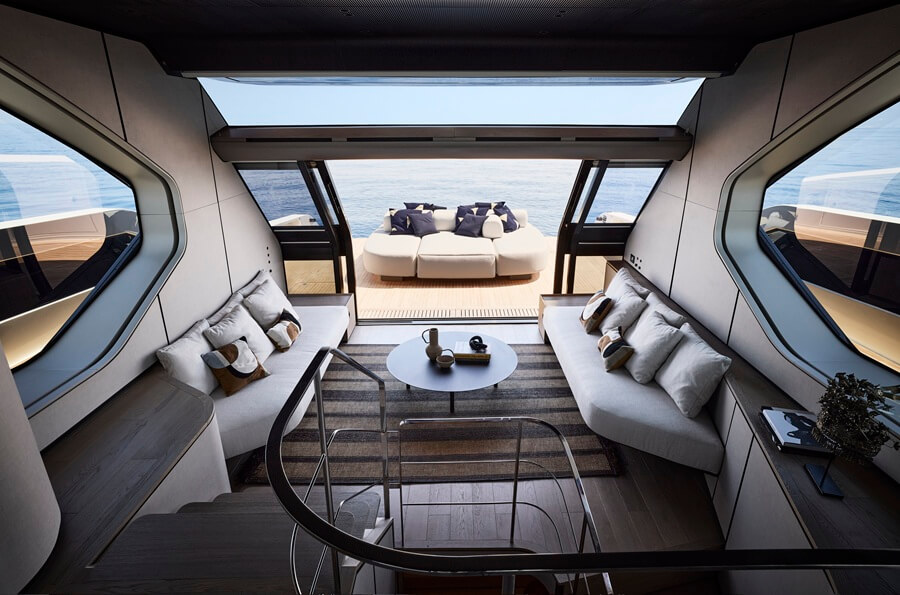
 

The SP92 blends indoor and outdoor living


The vast swath of glass seen at the yacht’s stern isn’t merely a trick of the eye intended to give the look of higher ceilings – inside, the multi-level saloon sits higher than you’d find on any other sports yacht.


Sanlorenzo and Bernardo Zuccon have been known to experiment with asymmetrical and split-level designs that challenge the expected and staid superyacht layout, and the SP92 is no exception. The living space unfurls across two levels, both of which can be seen from aft deck, further driving home a feeling of connection. Guests could be sunning on the aft deck and conversing with friends inside.


A lounge with two sofas facing inwards greets guests as they step into the foyer, while stairs set along the starboard side lead up to a mezzanine-level saloon above hosting a formal dining table.


Piero Lissoni designed the highly detailed yet lightweight interior


A variation of the standard layout will see a dining table settee in the lower lounge, while the mezzanine becomes a proper main saloon with sofas. In either set-up, doors on the port side of the mezzanine level open to further connect the interior to the outside, inviting sea breezes to flow through. This is open-plan living at its best.


“The SP92 isn’t simply a scaled-down version of the SP110,” noted Bernardo Zuccon. “While the SP110’s living area was spread across three levels, in the SP92, the spaces have been optimised over two levels while still maintaining a seamless connection between the interior and exterior.”


Lissoni created the interiors of the SP92, like he did for the SP110. “I tried to bring the same elements to this boat: open spaces, a connection between the interior and exterior, and plenty of technology,” said the Italian architect and designer.


Laminated windows and sliding doors reduce the need for air-conditioning


“We worked on the connections between the internal spaces, introducing the double-height area at the stern, as with the SP110. On the lower deck, we have managed to add a lounge which can also become another cabin, if needed.”


The SP92’s interiors are characterised by simplicity and elegance. Light-brown parquet floors give a sense of warmth, while ceilings are finished in a dark and masculine walnut tone. This is complemented by neutral tones on the walls and furnishings.


As speedy performance is core to this yacht’s brief, materials also had to be considered for weight-saving.
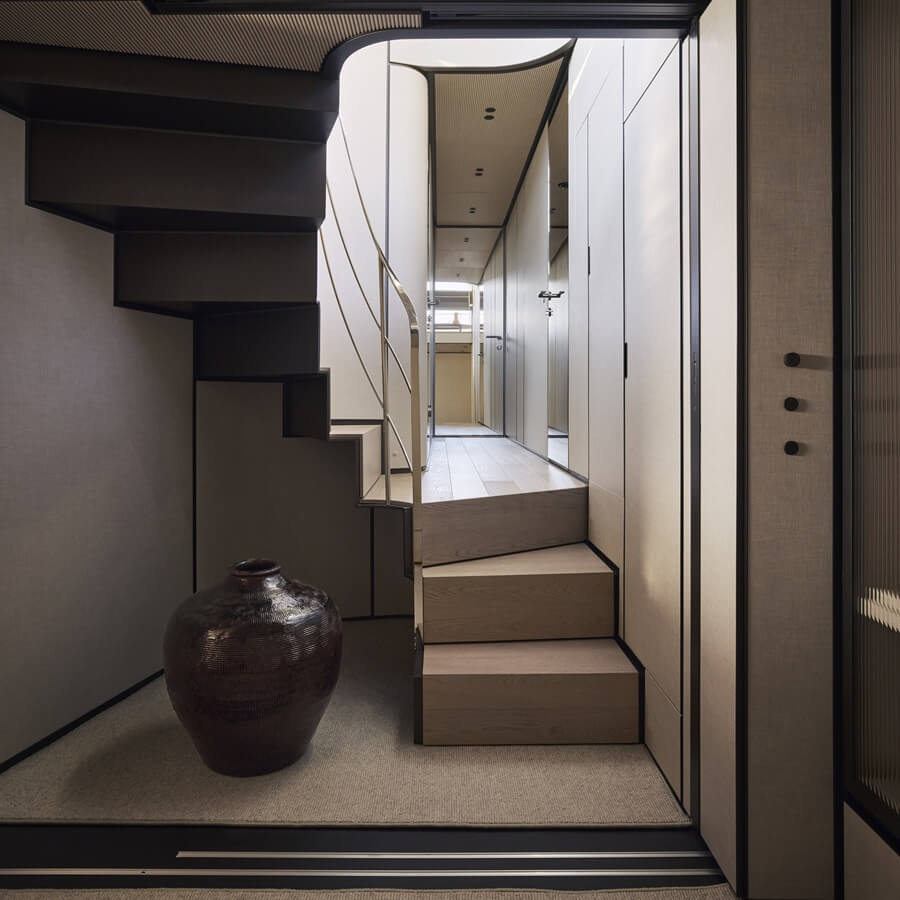
 

Curved stairs from the saloon down to the lower deck


“We have used Cleaf [laminates] on the walls to lighten the structure,” Lissoni said. “Weight is very important on a boat, especially on a fast one like this, and this guides many of the choices regarding materials.”


Other design choices merge form and function, such as the ribbed ceilings found in the cabins, which conceal speakers and air-extraction systems. There is a curve between the ribbed ceilings and the seam where the walls meet that catches the eye.


The theme of openness is accentuated in the cabins, with opaque glass adorning the closet doors. Set on the lower deck, the cocoon-like cabins themselves don’t take a starring role, which is to be expected in a sports yacht.


The full-beam owner’s cabin offers three closets and an en-suite with a large shower


However, the full-beam owner’s cabin set amidships on the lower deck is perfectly comfortable with a good amount of floor space, three closets and an en-suite with a large shower.


Another key difference between the SP92 and similarly sized sports yachts is prioritising the guest’s proximity to the water, with the aft deck set lower to the water than typically found in sports yachts, accentuating the connection to the sea. The 45sqm aft deck beach area has a retractable door that lifts to reveal a garage hosting a tender up to 3.95m long.


Sanlorenzo called in the big guns to help the SP range meet its high-performance goals. As the founder of Pershing and Wider, Antonelli knows something about speed. However, in a quest for ‘smart performance’, there was a commitment to optimising the hull design to make the yacht more fuel-efficient than other sports yachts.


The SP92 is distinguished from other sport yachts by a vertical bow and high bulwarks


“SP92 reaffirms our commitment to strengthening our research in the segment of high-performance, sporty boats, which has been highly rewarding for us, as evidenced by the prestigious Compasso d’Oro 2024 award that SP110 received from ADI (Association for Industrial Design),” said Antonelli.


For the SP line, a special study of the water lines was developed to obtain a very efficient hull with a large beam, to offer improved performance and comfort when sailing. With twin 2,000hp MAN V12 engines bolstered by water-jet propulsion, the SP92 reaches a top speed of 38 knots and cruises at 33 knots.


“The SP92 allows for high performance even in rough sea conditions [3 to 4 on the Beaufort Scale], maintaining a constant trim, thanks also to the dynamic trim correctors that reduce pitch and roll for maximum comfort when sailing,” Antonelli said.


The windscreen of the bridge is vertical, lending a sense of exploration rather than speed


“The choice of hydro-jet propulsion is functional in guaranteeing greater autonomy according to the desired speed, in the complete absence of vibrations, as well as a very shallow draught that allows the boat to cruise in the shallowest of waters.”


To date, Sanlorenzo has sold six hulls of this model, and is confident that this is only the beginning. Whether for its clean lines and unique interior or its swift flight across the water, SP92 is making a mark in the performance market, carving out a space all of its own.
apac.sanlorenzoyacht.com


SHARE

Sanlorenzo’s SP92 smart blend of speed and space Read More »

Salone del Mobile’s striking highlights

Salone del Mobile’s striking highlights

SHARE

Luxuo delves into the new creations recently shown by the furniture industry’s big brands at Salone del Mobile 2025.

By Joe Lim

  •  
  •  
  •  
  •  
  •  
  •  
  •  

The industry’s most prestigious furniture brands flaunted their wares to an adoring crowd of design enthusiasts, architects and interior designers who thronged the cavernous halls of Salone del Mobile 2025. Here is a curated list of the most visionary exhibits and installations redefining luxury interiors this year.


CassinaCassina 2025

The Cassina 60th Anniversary models. Image: Cassina.


Cassina commemorated the 60th anniversary of its partnership with Le Corbusier, Pierre Jeanneret and Charlotte Perriand with its “Staging Modernity” display during Milan Design Week 2025. The first four furniture models Cassina created from the trio’s 1929 ideas, which were first displayed at the Salon d’Automne in Paris, are being reintroduced at the restored Teatro Lirico Giorgio Gaber. Cassina and Kiton created a unique fabric to deliver limited-edition pieces that are available in 120 pieces globally. Kiton’s combination of blue and burgundy produces two bi-colour versions of the armchair. Le Corbusier, Perriand and Jeanneret’s design philosophy, which believed that colour was crucial to defining spatial harmony, is reflected in this colour selection.


Cassina exhibition curated by Formafantasma at Teatro Lirico Giorgio Gaber. Image: Cassina.
 

The best Mongolian farms provide the fibre for Kiton’s wool factory. A significant advancement in design manufacturing was made when Cassina’s R&D team, working with historians, painstakingly examined the original blueprints to bring these handcrafted items into industrial production. Architect Andrés Jaque, artist Feifei Zhou and philosopher Emanuele Coccia all contributed to the much-discussed exhibition organized by Formafantasma and directed by Fabio Cherstich. This interdisciplinary approach strengthens Cassina’s position in developing contemporary design narratives by highlighting the company’s dedication to fusing historical authenticity with modern innovation.


B&B ItaliaTufty Time B&B Italia

The Tufty Time sofa celebrated its 20th anniversary in production. Image: B&B Italia.


A sophisticated development of Patricia Urquiola’s original 2005 design, the Tufty-Time 20 was unveiled by B&B Italia to mark the 20th anniversary of the renowned Tufty-Time couch. With more padding and a thicker Dacron layer between the fabric and polyurethane core, this revised modular system improves comfort without sacrificing its distinctive deep-sitting and low-slung profile. The seat height is slightly raised to create better ergonomics.


Tufty Time B&B ItaliaThe 20th anniversary Tufty Time now sports recycled parts. Image: B&B Italia. 
 

The curved module is a noteworthy feature that broadens the range of configuration options to include rounder designs appropriate for commercial and residential settings. A new chenille fabric with a bouclé appearance is now available for the sofa, adding an element of elegance to the overall look and feel. The Tufty-Time 20 emphasises sustainability by being wholly disassembled, which enables the recycling or reuse of its parts at the end of its useful life. In addition to the sofa, B&B Italia has introduced a line of coffee tables that work in unison with the modular system.


MinottiMinotti 2025

A 1970s-inspired theme peppered the Minotti space at Salone del Mobile 2025. Image: Ciatdesign.com


Minotti debuted a vibrant collection at Salone del Mobile 2025 that skillfully combines modern design sensibilities with characteristics reminiscent of the 1970s. Five renowned design studios—Study MK27, Giampiero Tagliaferri, Hannes Peer, Nendo and GamFratesi — contributed to the presentation. Each contributed a different viewpoint, creating five unique settings that showcase Minotti’s dedication to creativity and craftsmanship.


Minotti 2025Outdoor furniture products also decorated the Minotti booth. Image: Ciatdesign.com
 

With an emphasis on cosy, welcoming spaces marked by embracing curves and careful material selection, the exhibition sought to appeal to seasoned fans and a younger audience. This strategy demonstrates Minotti’s commitment to changing its design language without sacrificing the elegance and quality that have come to define the brand. For the 2025 collection, Minotti demonstrated its capacity for innovation and adaptation, guaranteeing its continued relevance in modern furniture design.


Moroso

Moroso Gruuvelot sofaThe “morphing” inspired sofa design Gruuvelot, designed by Patricia Urquiola. Image: Moroso. 
 

Moroso debuted its “Normal / Non-Normal” collection at Salone del Mobile 2025, a daring investigation of design that questions established conventions. According to this subject, “normal” is what we consider suitable, secure and practical in life; it is an invitation to defy expectations. But Moroso also presented a counter-movement in which a new design language melded with the “normal” things through the “non-normal” aspects of polymorphic, fluctuating forces. Innovative pieces from this collection include the “Gruuvelot” sofa, which has an organic shape and was inspired by the “morphing” that occurs in many living, natural things. The free-spirited atmosphere of the 1970s, with its flowing shape and dynamic modularity, served as another inspiration. In contrast to conventional methods, Patricia Urquiola’s design for the sofa’s fabric uses a water-based printing technique that reduces water use by 90 percent and greenhouse gas emissions by up to 80 percent.

Moroso Clay armchair

Moroso’s Clay armchairs sport shimmering ceramic metal backrests, designed by Zanellato/Bortotto. Image: Moroso


The “Clay” armchair by Zanellato/Bortotto, which is the other noteworthy item from Moroso 2025’s collection, has a distinctive backrest composed of slabs and thin sheets of ceramic material manufactured by artists who are only found in the town in the Veneto area of Italy. The cushioned, luxurious armchair boasts a striking backrest that gleams because of its priceless glazing method.


Molteni & C

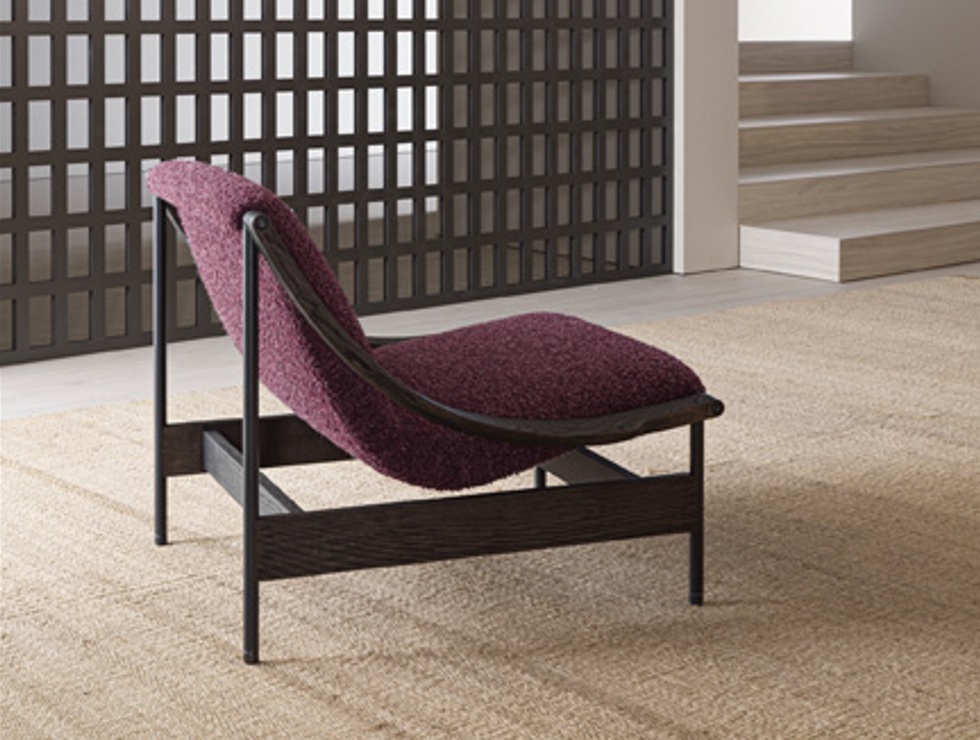
Molteni & C Monk chair The “Monk” chair, designed by Tobia Scarpa has been reissued by Molteni & C. Image: Molteni & C.
 

Through several carefully chosen installations, Molteni&C demonstrated its dedication to design innovation and legacy at Salone del Mobile 2025. New pieces like Vincent Van Duysen’s Aria desk and Linea armchair, GamFratesi’s Lia armchair, Christophe Delcourt’s Emile sofa and Tobia Scarpa’s republished Monk chair were featured in the “Letters to Milan” installation. In addition, various items and accessories honouring Ponti’s legacy were on display at the “Gio Ponti Objects” exhibition, which was organised in association with the Ponti heirs and the Gio Ponti Archive.


The “Lia” armchair designed by GamFratesi. Image: Molteni & C.


With interiors created by Van Duysen to mimic the home of an art and design collector, the brand’s flagship store, Palazzo Molteni, provided guests with an immersive experience by skillfully fusing modern and traditional styles in various living areas. Additionally, reiterating the brand’s commitment to classic design, Molteni&C unveiled a new armchair version and upgraded materials for the renowned “Monk” chair, which was first created by Afra and Tobia Scarpa in 1973.

salonemilano.it

For more decor reads, click here

SHARE

Salone del Mobile’s striking highlights Read More »

Southeast Asia Yachting Conference, Singapore, Singapore Yachting Festival, ONE°15 Marina Sentosa, Marco Valle, Arthur Tay, Joe Lynch, Icomia, Peter Mahony

Asia-Pacific Superyacht Summit – a ‘must-attend’

SHARE

Asia-Pacific Superyacht Summit – a ‘must-attend’

Asia-Pacific Superyacht Summit –
a ‘must-attend’

SHARE

From May 7-8, 2025, expert regional speakers, and some from further afield, are set to deliver seminars and take part in panel discussions, and to attend a networking dinner, which are components of the Summit’s second edition held, again, in Hong Kong.

  •  
  •  
  •  
  •  
  •  
  •  

Southeast Asia Yachting Conference, Singapore, Singapore Yachting Festival, ONE°15 Marina Sentosa, Marco Valle, Arthur Tay, Joe Lynch, Icomia, Peter MahonyThe inaugural Asia-Pacific Superyacht Summit brought lively discussion and audience interaction; photos: Superyacht Times

The second Asia-Pacific Superyacht Summit returns to the same venue as the two-day inaugural event last June, which was well attended by those across the regional industry.


Renaissance Harbour View Hotel in Hong Kong hosts this forum, which has already become a key event in the superyacht industry calendar in Asia. Once again, this year brings together key decision-makers, including representatives from family offices, yacht management companies, captains, brokers, and other industry leaders, and Yacht Style is a Media Partner.

In mid-March, SuperYacht Times, the event organiser, stated that a focus of this year’s Summit will be on the development of Asia as a superyacht cruising destination and how to get more Asian clients interested in the construction, purchase, and charter of superyachts.

In mid-April, the organiser announced that the Asia-Pacific Superyacht Summit 2025 networking dinner will take place at the end of Day 1, on May 7, at The Verandah, an institution of a restaurant that has an outdoor cocktail terrace and lawn, and is located at Repulse Bay, in the south of Hong Kong Island within sight of the South China Sea.

Organisers have invited more than 50 family offices from Asia to attend. “We are very committed to making the second edition of the Asia-Pacific Superyacht Summit a great success and we believe that we need to bring the right people to this event”, explained SuperYacht Times founder and Director Merijn de Waard. “We are excited to welcome family offices to the APSS and make sure that they connect with the yachting industry.”

The schedule for the Summit presentations is currently as follows:

Wednesday May 7 – Day 1

8.15am-9.10am – Welcome coffee

9.10am-9.25am – The Asia-Pacific Superyacht Report

The Asia-Pacific Superyacht Summit begins with the presentation of the Asia-Pacific Superyacht Market Report 2024/2025, which provides an overview of recent developments in the region, and outlines the principal topics for discussion throughout the event.

9.25am-10.05am – Hong Kong as a superyacht destination

Exploring various initiatives aimed at further developing Hong Kong as an attractive superyacht destination. Discussions focus on essential upgrades and expansion of infrastructure, enhancement of regulations, and refinement of marketing strategies to better position Hong Kong in the global yachting sector.

Confirmed speakers: Lawrence Chow, Chairman, Hong Kong Boating Industry Association (HKBIA); Benjamin Wong, Head of Transport & Logistics and Industrials, InvestHK; Cissy Chan, Executive Director, Commercial, Airport Authority Hong Kong; Joe Yuen, Director, Lodestone Yachts

10.05am-10.55am – How to build a superyacht destination

With countries such as Vietnam, the Maldives and Tahiti in French Polynesia announcing ambitions to develop as superyacht destinations, this discussion explores what is required to enhance their allure. The panel covers necessary advancements in regulations, infrastructure and marketing strategies to best position these locations.

Confirmed speakers: Issam Kazim, CEO, Dubai Corporation for Tourism and Commerce Marketing (DCTM, part of Dubai Department of Economy and Tourism; Jean-Marc Poullet, Senior Partner Chairman Asia,  Burgess; Laura Verbrugge, Fraser Asia Manager, superyacht and charter brokerage; Manoa Rey, Research and Niche Marketing Coordinator, Tahiti Tourism; Bob Hoogendoorn, Senior Manager, McKinsey & Company management consultancy

10.55am-11.25am – Coffee Break

11.25am-12pm – New marina projects presentations & Q&A: Japan and the Maldives

Recent announcements have highlighted a range of marina projects across the Asia-Pacific region, from the Zamani Island development to the new Kobe Marina in Japan. This session features in-depth presentations on these developments, exploring the motivations behind their initiation and the anticipated impacts on both local and regional yachting communities.

Confirmed speaker: Nigel Beatty, Broker, Yachtzoo

12pm-12.40pm – How to manage refits successfully in Asia

With the increasing number of yachts visiting the Asia-Pacific region, the need for high-quality refit and maintenance facilities is critical. This discussion will explore what changes are necessary to promote a thriving refit market and whether there is a case for establishing a top-tier refit yard in the region.

Confirmed speakers: Sam Thompson, Director, JMS Yachting; Rob Taylor, Managing Director, Clearvac Engineering Asia; Robert Corcoran, Chief Operating Officer, Fema Marine; Petre Plesea, Managing Director, Golden Eagle Yacht Management

12.40pm-1.05pm – Q&A with Captain Fraser Gow of the 62.5m Amels superyacht Stardust

1.05pm-2pm – Lunch

2.30pm-3pm – How to engage people through social media with Supercoolben

Discover the rise of Ben Sumadiwiria, better known as Bobby Saputra, who transitioned from chef to social media sensation. This session will explore how he leveraged viral content to cultivate a billion-dollar persona, reshaping digital storytelling with his creative approach. The discussion will also provide insights into luxury trends and perspectives from young Asian UHNWIs.

3pm-3.40pm – Navigating the luxury market in Asia

Confirmed speakers: Nigel Tang, Head of Operations, Warpcapital Yacht Management; David Lau, founder, Cross Harbour Advisory 

3.40pm-4.15pm – Interview with Doan Viet Dai Tu, Chairman, Openasia Group

With the rising number of UHNWIs in Vietnam, Doan Viet Dai Tu presents on the state of the yachting sector in the country. He shares insights about his past and his involvement in the luxury sector through his company Openasia Group, and discusses his efforts to further develop Vietnam as a yachting destination.

4.15pm-5.30pm – Drinks

Thursday May 8 – Day 2

8.45am-9.45am – Welcome coffee

9.45am-10.10am – A new type of class society

With an increasing number of privately registered yachts not covered by IACS Class Societies, Nikolas Rabier, CEO and co-founder of the newly formed Yacht Standards, discusses why he established this class society. He will outline its main objectives and delve into the various reasons why yacht owners often forgo or drop class certification.

Confirmed speakers: Nikolas Rabier, CEO & Co-Founder of Yacht Standards; Vincent Huens de Brouwer, Business Development Manager & co-founder of Yacht Standards

10.10am-11am – Reducing the energy consumption of yachts

As the yachting industry faces growing pressure to improve efficiency and reduce environmental impact, new technologies are emerging to optimise energy consumption. This panel, featuring leading superyacht builders, explores the latest advancements and their potential applications. Panellists discuss how these innovations can be integrated into new builds and refits, striking a balance between sustainability and operational performance.

Confirmed speakers: Martin Lo, Director at Cheoy Lee; Vladimir Zinchenko, CEO, GX Superyachts; Chris Blackwell, Sales & Manager of Echo Yachts; Iacopo Senarega, R&D Project Manager, Azimut-Benetti Group; Haico van Roeden, Technical Manager Design & Proposal at Damen Yachting

11am-11.40am – Coffee break

11.40am-12.20pm – Emerging markets

As the Asia-Pacific experiences a surge in wealth creation, particularly among the younger generation, spending patterns are evolving. This panel brings together brokers from key emerging markets, including India and China to discuss what is needed to attract this new wave of wealth into yachting.

Confirmed speakers: Angel Zhou, China General Manager at Simpson Marine; Ronnie Wang, Owner’s representative at Yachting Encounters Asia; Gautama Dutta, CEO & Director at Marine Solutions Distribution & Services; Alexandre Heng, Founder & CEO of O2HO

12.20pm-1pm – Cross-border regulations and practicalities

Navigating the complex and multifaceted regulatory environment of the Asia-Pacific region is a critical challenge for the superyacht community. This panel will delve into the intricate legal landscape that owners and operators encounter daily, addressing essential areas such as Know Your Client (KYC) and Anti-Money Laundering (AML) obligations, and the specificities of import/export compliance.

Confirmed speakers: 
Roy Chan Co-Founder & Director, Legalmapp; May Choi, Yacht Management Operations Manager, Simpson Marine; Simone Centola, International Lawyer at Gateway Law Corporation; Captain Robin Shellcock, yacht captain in Japan

1pm-2.30pm – Lunch

2.30pm-3.10pm – Discover Indonesia

Indonesia, an archipelagic country comprising over 18,000 islands with a coastline stretching nearly 55,000km, is home to a growing number of Ultra-high-net-worth individuals and offers an ideal coastline for yacht cruising. The Discover Indonesia panel discusses strategies to attract more superyachts, focusing on the existing regulatory framework and the need to further develop marina infrastructure.

Confirmed Speakers: Iswin Hudiarto, President Director at Task Cikaldana; Jasmine Chong, owner of the 45m Celestia and fashion designer; Boumedienne Senous, founder and CEO of Yacht Sourcing; Thye Hock Goh, superyacht captain

3.10pm-3.50pm – Q&A with Giorgio Moretti

Moretti owns a fleet of superyachts, ranging from 45.2m-71.8m, as well as the a 44.5m sailing yacht. The entrepreneur, with interests in several companies and sectors will share insights into his involvement in the superyacht sector, as well as his own serial yacht ownership. 

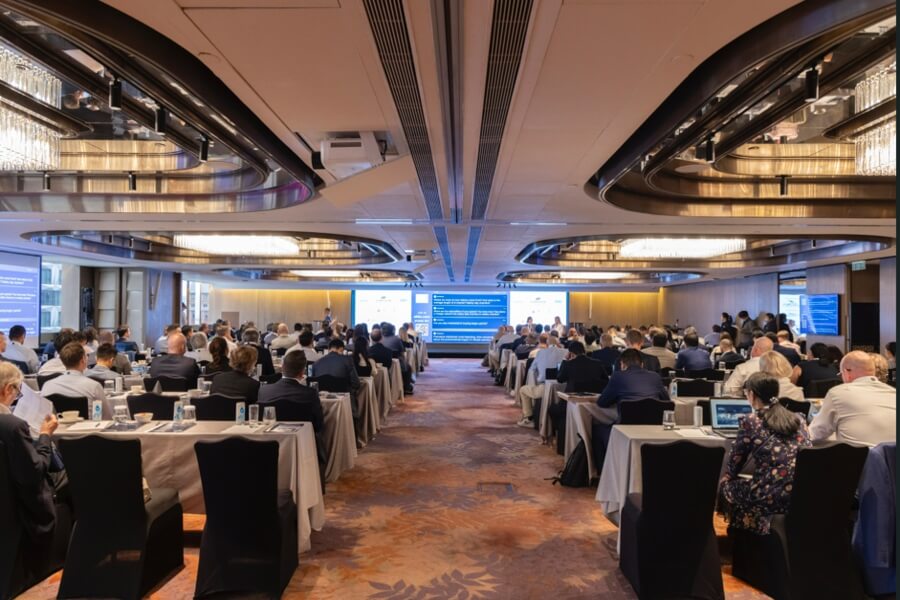
The Asia-Pacific Superyacht Summit’s first edition in 2024 was very well attended

Buy your tickets / get more information here:

To find out more about the event and to view the entire two-day programme, head to the APSS event page on the SuperYacht Times website. The last remaining tickets are available for purchase here, so make sure you don’t miss out.


Asia-Pacific Superyacht Summit – a ‘must-attend’ Read More »

Marina, Southeast Asia, Indonesia, Thailand, Vietnam, Cambodia, Philippines, Malaysia, Ekrem Reyhancioglu, Wearth Group, Poralu Marine

Southeast Asia’s best destinations to build a marina

Southeast Asia’s best destinations to build a marina

SHARE

With demand fuelled by luxury tourism, developing new marinas is a strategic investment, explains Ekrem Reyhancioglu in a Column for Yacht Style.

  •  
  •  
  •  


Marina, Southeast Asia, Indonesia, Thailand, Vietnam, Cambodia, Philippines, Malaysia, Ekrem Reyhancioglu, Wearth Group, Poralu Marine

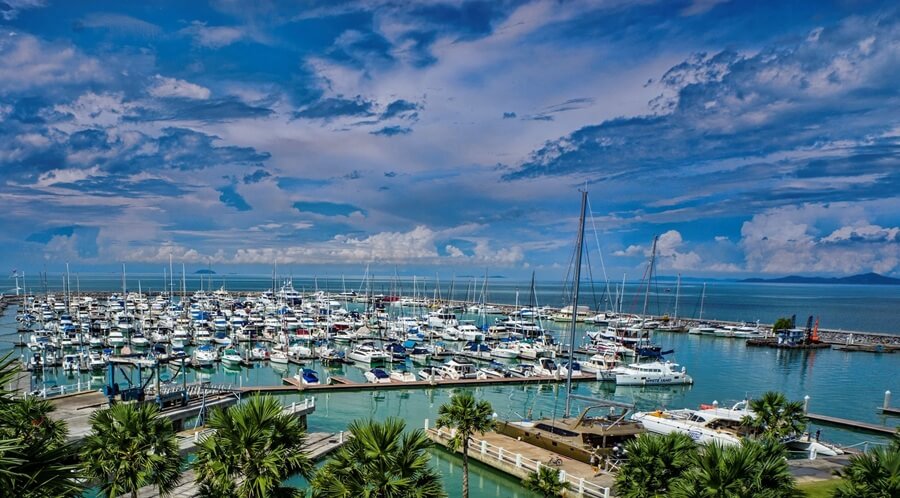
Ocean Marina Jomtien in the Gulf of Thailand is Southeast Asia’s only 5 Gold Anchor Platinum marina


Southeast Asia, with over 25,000 islands, diverse marine ecosystems and year-round sailing, is a region rich with potential to become a world-class boating destination. Yet, despite its natural advantages, it is dramatically underserved in marina infrastructure. For comparison, Europe counts over 10,000 marinas providing more than 1 million berths, while Southeast Asia lags far behind.


Thailand, the region’s most mature recreational boating market, has fewer than 2,000 berths, mainly in Phuket. Indonesia, with 17,000 islands, has only a handful of internationally recognised marinas. This gap between supply and demand presents a golden opportunity for investors and developers.


Demand for high-quality berthing facilities is growing rapidly, driven by luxury tourism, an expanding yacht fleet, and increasing numbers of high-net-worth individuals seeking exclusive experiences.


The Covid-19 pandemic accelerated this trend, as yacht ownership and charter demand soared, creating an urgent need for more mooring spaces. I foresee several destinations as prime candidates for international-standard marina development.


INDONESIA

Indonesia is a natural starting point for marina development. A booming tourism industry and strategic location make it a prime destination for luxury yachting.


Bali: A top global tourist destination with a highly professional luxury hospitality industry and an international airport, Bali has a steady flow of high-net-worth visitors.


Labuan Bajo: This gateway to Komodo National Park is rapidly gaining traction as an ecotourism hotspot, with government-backed infrastructure projects enhancing its appeal.


Raja Ampat: Known as “the last paradise on Earth,” pristine marine biodiversity and a remote location make it a magnet for high-net-worth travellers.


VIETNAM

Its 3,000km coastline offers vast opportunities for marina development. The country’s rapid economic growth and focus on luxury tourism create a fertile ground for waterfront investments.


Phu Quoc: Once a sleepy fishing village, this is now a luxury tourism hotspot, supported by an international airport and high-end resorts.


Nha Trang: Known for stunning beaches and vibrant nightlife, its strong hospitality market and government incentives make it an attractive option for marina investors.


THE PHILIPPINES

Some 7,000 islands offer top marine landscapes and growing luxury tourism.


Bohol: Famous for its Chocolate Hills and pristine beaches, Bohol attracts high-end travellers and luxury real estate investors.


Cebu: With its international airport and strong connectivity, Cebu is a gateway to the Philippines’ central islands, positioning it as a key player in the region’s yachting scene.


THAILAND

Southeast Asia’s leading destination for tourism and yachting has already produced dozens of marinas, yet a high demand for berths, particularly in Phuket and Koh Samui, highlights the need for further development.


Koh Samui: A luxury tourism hub with a strong market for high-end resorts, Koh Samui has undeniable potential to become Thailand’s next yachting hub.


CAMBODIA

With a strategic location between Thailand and Vietnam, Cambodia is an emerging player in marina development. While the country currently has no internationally-recognised marinas, ongoing infrastructure development makes it a compelling option.


Sihanoukville: Benefiting from major infrastructure investments, Sihanoukville’s strategic position and growing tourism industry make it a promising destination.


MALAYSIA

Malaysia’s diverse cultural heritage and strategic location between Singapore and Thailand make it a unique destination for marina development. While development has historically focused on the west coast, the east coast offers significant untapped potential.


Kuala Terengganu: This cultural and heritage gem’s international airport and growing tourism infrastructure position it well to attract yachting enthusiasts.


CHALLENGES AND OPPORTUNITIES

While the potential for marina development in Southeast Asia is immense, regulatory complexities, land-ownership laws and environmental restrictions must be navigated. These challenges also present opportunities.


THE TIME TO ACT IS NOW

Southeast Asia is on the brink of a marina development boom. With growing wealth, booming tourism and a strategic location, the region offers unparalleled opportunities for investors. For those willing to take the plunge, the rewards are immense.


Southeast Asia is not just a region of untapped potential; it’s a region of limitless possibilities. The question is no longer if to invest, but where and how to do it right. As someone who has seen the region’s transformation firsthand, I can confidently say: the future of yachting in Southeast Asia is brighter than ever.

wearth-group.com

poralu.com


EKREM REYHANCIOGLU

Marina, Southeast Asia, Indonesia, Thailand, Vietnam, Cambodia, Philippines, Malaysia, Ekrem Reyhancioglu, Wearth Group, Poralu Marine


Bali-based Reyhancioglu is Director Asia-Pacific at Wearth Group – a global leader in marina and waterfront development, which includes Poralu Marine marina construction and consultancy firm. He also serves as Vice Chair of the Asia Working Group at ICOMIA (International Council of Marine Industry Associations), helping advance regional recreational boating. He has developed marina and waterfront projects across Asia, Australia and New Zealand, advising investors and developers on sustainable and profitable waterfront destinations.


SHARE

Southeast Asia’s best destinations to build a marina Read More »

ONE°15 Marina, Sentosa Cove, Desaru Coast, Arthur Tay, Anantara, The Westin, One & Only, Hard Rock Hotel, The Els Club, Adventure Waterpark, Karina Ridzuan, DRH, Izrin Hashim

ONE°15 Marina inks agreement with Desaru Coast

SHARE

ONE°15 Marina inks agreement with Desaru Coast

SHARE

The Singapore-based marina owner and operator will manage ONE°15 Marina Desaru Coast Malaysia, based at the Desaru Coast Ferry Terminal in Johor.


ONE°15 Marina, Sentosa Cove, Desaru Coast, Arthur Tay, Anantara, The Westin, One & Only, Hard Rock Hotel, The Els Club, Adventure Waterpark, Karina Ridzuan, DRH, Izrin Hashim

Desaru Coast includes Anantara, The Westin, One & Only, and Hard Rock Hotel resorts


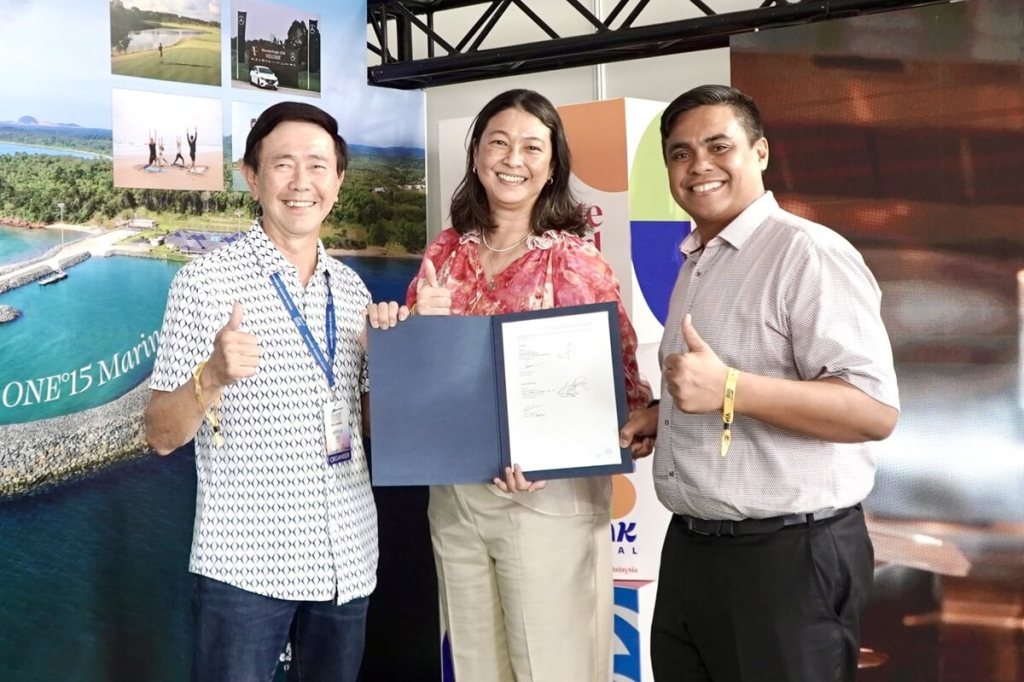
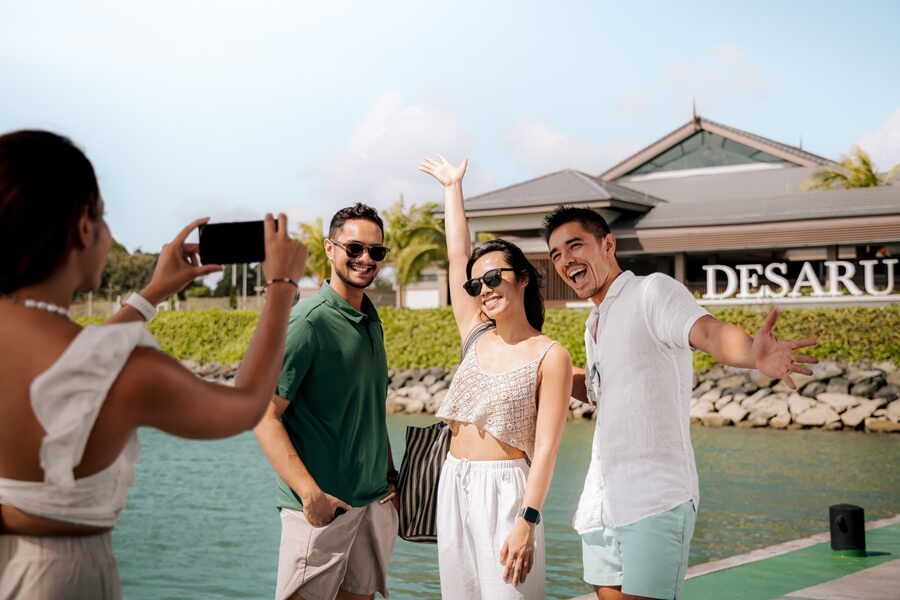
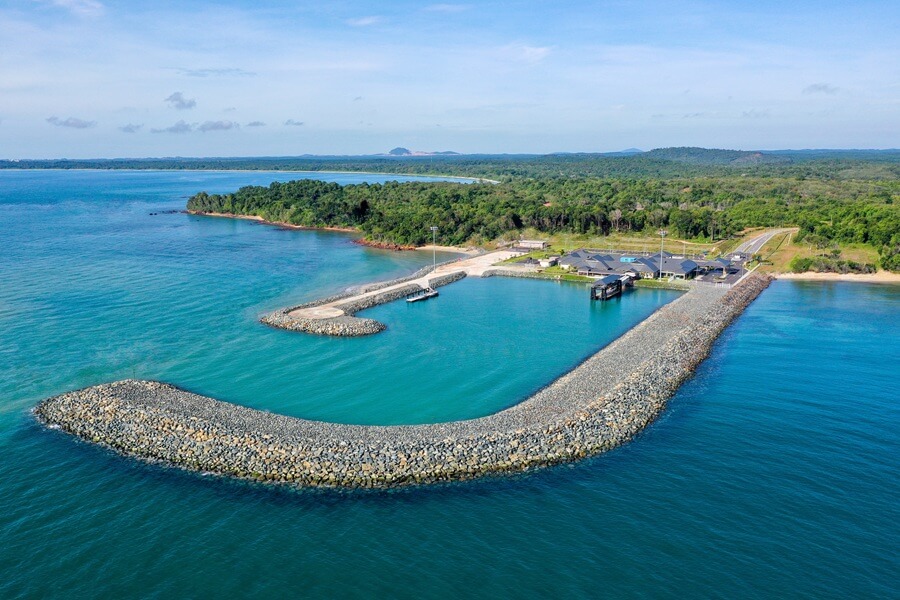
ONE°15 Marina has announced that it will operate a new marina at Desaru Coast in Johor, Malaysia, with the first berths potentially opening by the end of 2025 pending permit and building approvals. As well as operating wet and dry berths, ONE°15 Marina will also manage private yacht charters and organise sailing activities, available to Desaru Coast guests.


The Desaru Coast integrated development is billed as ‘the premier coastal destination in Johor’ and includes Anantara, The Westin, One & Only, and Hard Rock Hotel resorts, 45 holes of golf and an enormous waterpark.


ONE°15 Marina, Sentosa Cove, Desaru Coast, Arthur Tay, Anantara, The Westin, One & Only, Hard Rock Hotel, The Els Club, Adventure Waterpark, Karina Ridzuan, DRH, Izrin Hashim

ONE°15 Marina Desaru Coast Malaysia will be based at Desaru Coast Ferry Terminal


ONE°15 Marina Desaru Coast Malaysia will be based at the Desaru Coast Ferry Terminal, which is owned and operated by owned by Desaru Ferry, a subsidiary of DRH (Destination Resorts and Hotels). DRH owns Desaru Coast and Legoland Malaysia Resort in Johor, and Datai Bay in Langkawi.


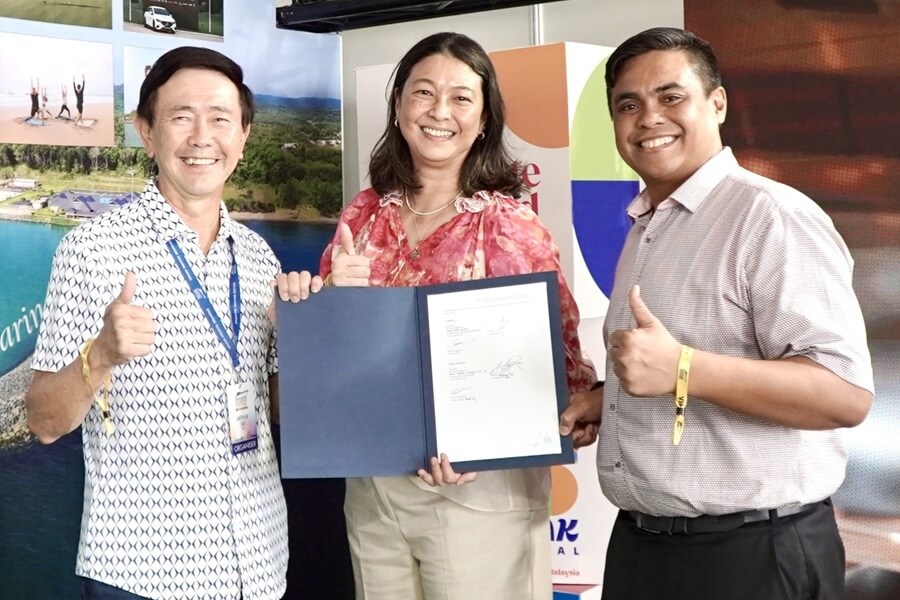
ONE°15 Marina, a subsidiary of SUTL Enterprise, a leading developer, operator and consultant of integrated marinas, announced the new collaboration at the Desaru Coast booth during this year’s Singapore Yachting Festival at ONE°15 Marina Sentosa Cove.


Arthur Tay (SUTL), Karina Ridzuan (DRH) and Izrin Hashim (Desaru Coast)


Arthur Tay, Executive Director and CEO of SUTL Enterprise, attended the public signing agreement with Karina Ridzuan, Director of Group Business Services at DRH, and Izrin Hashim, COO of Desaru Coast.


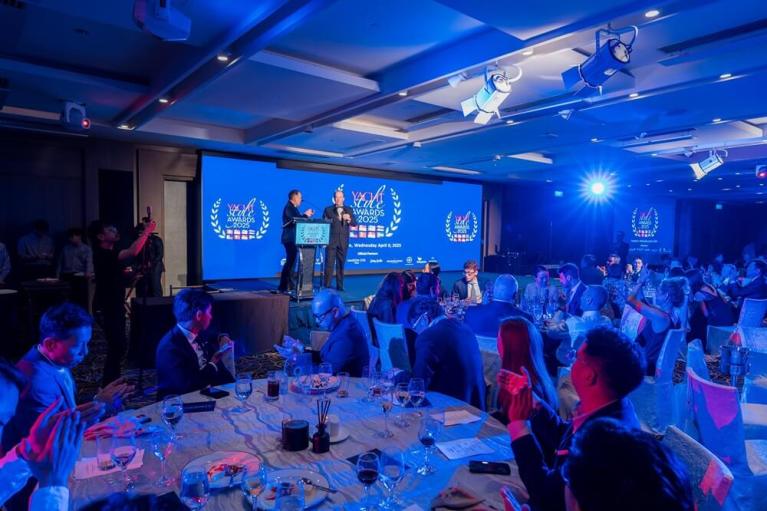
“I’m excited about our partnership with Desaru Coast as we welcome a new marina personality into the growing ONE°15 network of marinas across Asia,” said Tay, who won the Sustainability Leader & Organisation category at this year’s Yacht Style Awards, held at ONE°15 Marina Sentosa Cove ahead of the Singapore Yachting Festival.


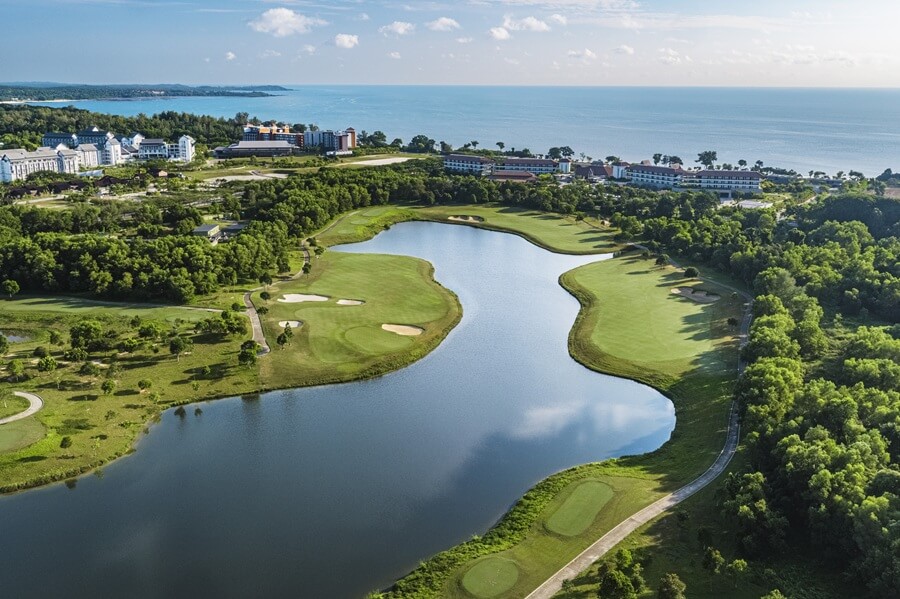
Desaru Coast includes 45 holes of golf at The Els Club


“My vision is to deliver unique experiences that enrich our community of members, boaters, and yachting enthusiasts across the region.”


Desaru Coast is located on the southeast coast of Johor, Peninsular Malaysia’s southernmost state, and is a 1½ hour drive from Singapore’s Woodlands Checkpoint. It’s also accessible from Singapore by a 1hr ferry ride from Tanah Merah Ferry Terminal, beside Changi Airport.


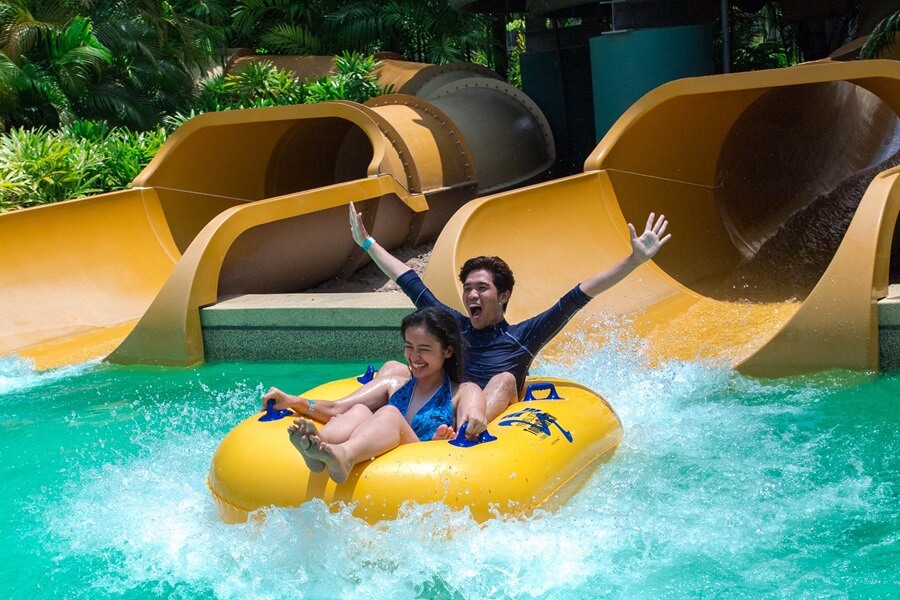
Adventure Waterpark Desaru Coast is one of the world’s largest waterparks


Desaru Coast spans about 4,000 acres along a 17km east-facing beachfront. As well as the resorts, the development features golf at The Els Club Malaysia Desaru Coast, which includes the 27-hole Ocean Course designed by Ernie Els and the 18-hole Valley Course by Vijay Singh.


The destination also features Adventure Waterpark Desaru Coast and the Desaru Coast Conference Centre, and hosts the annual Ombak Festival, which this year will be held from September 12-14.


The addition of ONE°15 Marina Desaru Coast Malaysia will further boost the site’s attractions and develop the potential of its international ferry terminal, so attracting both leisure travellers and the yachting community in the region, while enhancing connectivity between Singapore and Johor.


ONE°15 Marina Sentosa Cove in Singapore


Ridzuan said: “We are delighted to partner with the esteemed ONE°15 Marina to introduce premium marina facilities and curated sailing experiences at the Desaru Coast Ferry Terminal. This partnership is the manifestation of the strong bilateral cooperation between Singapore and Johor with the impending Johor-Singapore Special Economic Zone and demonstrates investor confidence in Desaru Coast.


“ONE°15 Marina Desaru Coast Malaysia catalyses the marine and leisure economy by placing our destination on the global yachting map, welcoming an international community of yacht owners, club members, and seasoned boaters in search of new and vibrant destinations.”

one15marina.com

desarucoast.com


ONE°15 Marina inks agreement with Desaru Coast Read More »

Sanya Boat Festival, China International Consumer Products Expo, Hainan, Sanya International Yacht Center, Visun International Yacht Marina, Serenity Coast Marina, Clipper Race, Lin Wenwen, Luo Xiaoyu, Alan Huang, Samuel Xu

Sanya Boat Festival showcases Hainan’s ambition

SHARE

Sanya Boat Festival showcases Hainan’s ambition

SHARE

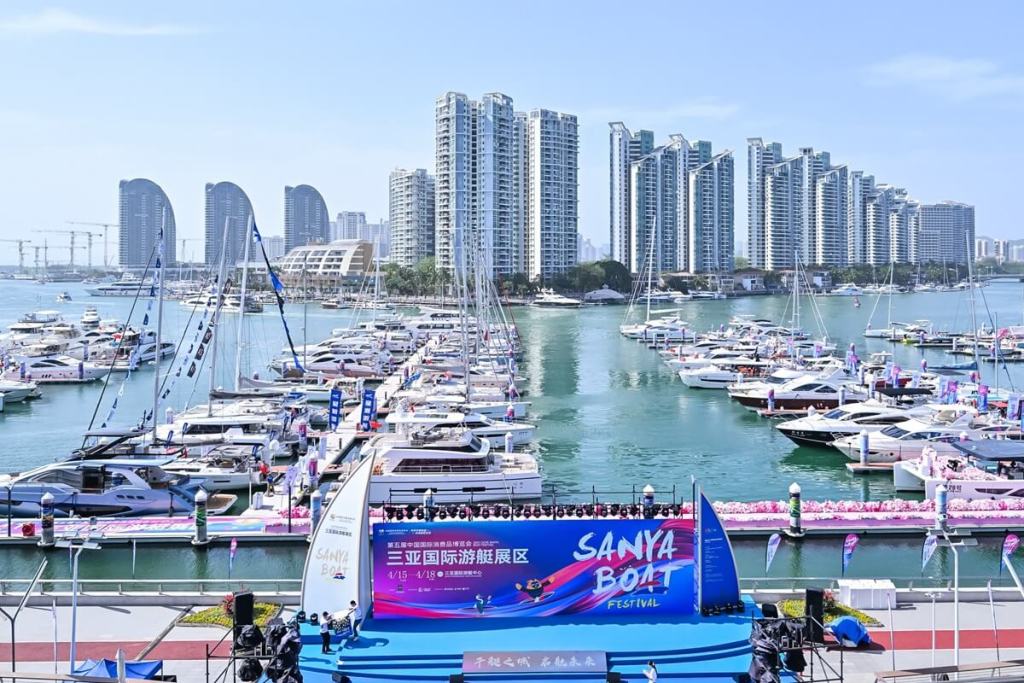
The four-day boat show was held across three marinas as part of the fifth China International Consumer Products Expo.


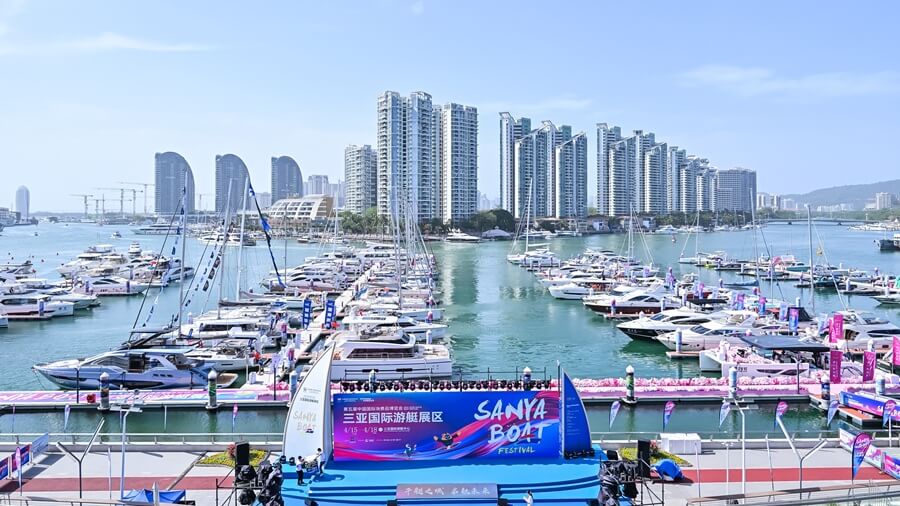
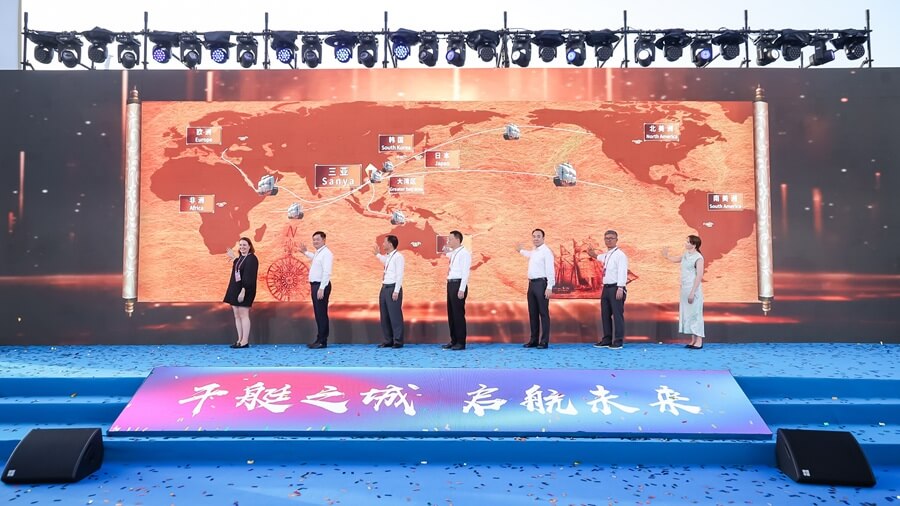
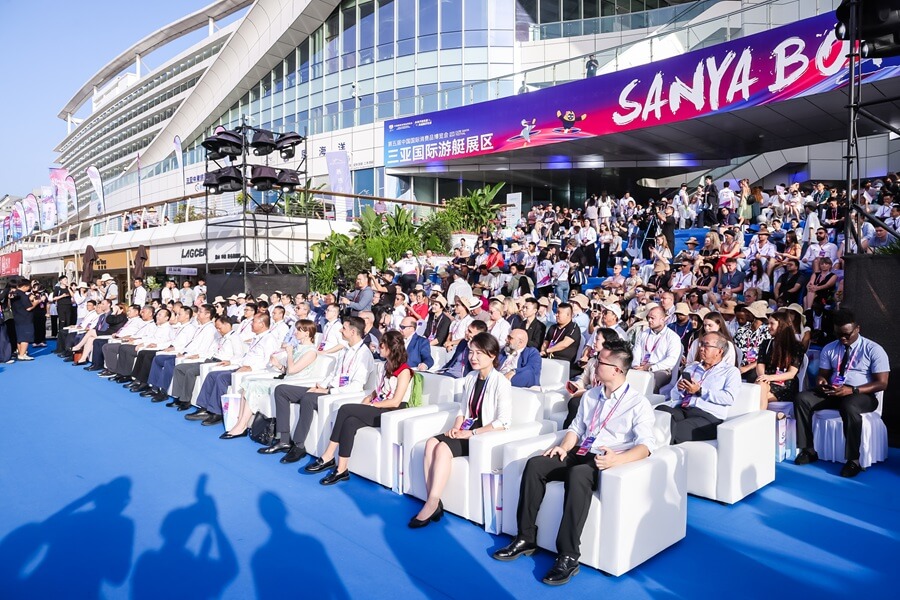
Hainan Island hosted a successful first staging of the Sanya Boat Festival (April 15-18), which was also billed by organisers as the ‘China International Consumer Products Expo Sanya International Yacht Exhibition Area’.


The show presented a new component of the China International Consumer Products Expo (CICPE), with the exhibition’s record-breaking fifth edition held in Hainan over six days from April 13-18.


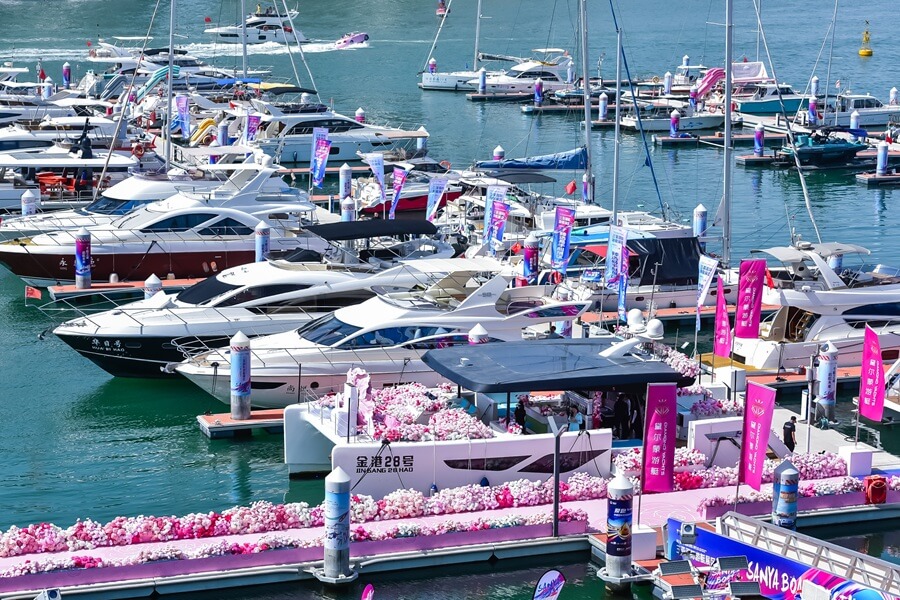
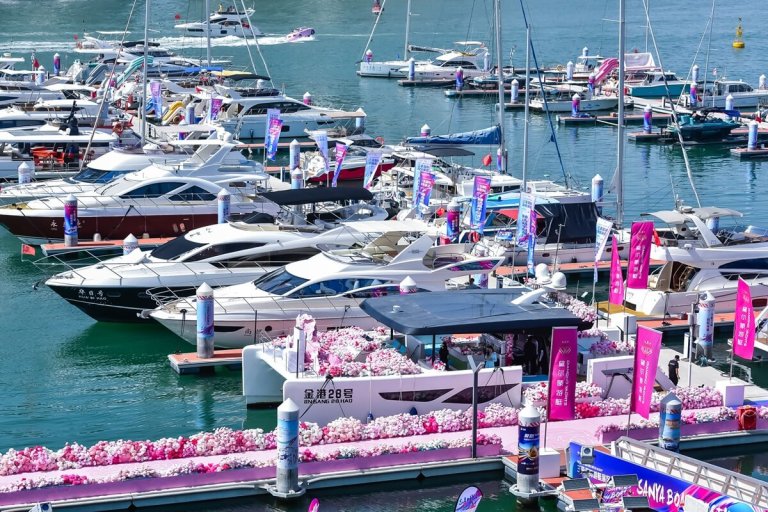
Promoting the theme of ‘City of a Thousand Yachts, Setting Sail for the Future in China’, the four-day Sanya Boat Festival was primarily held at Sanya International Yacht Center, with Visun International Yacht Marina and Serenity Coast Marina hosting supporting events.


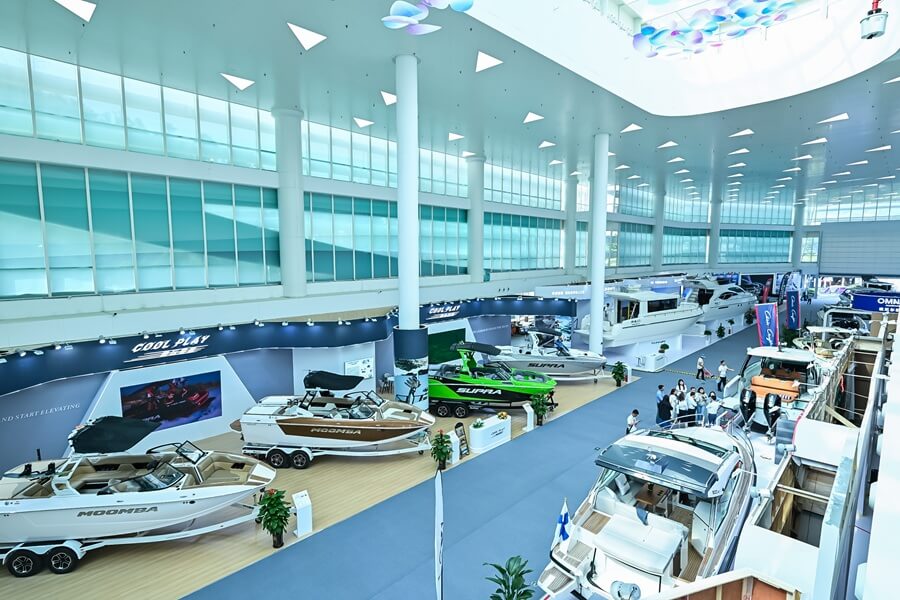
Designed to “present Sanya’s unique charm as an international yachting destination” and showcase Hainan’s hopes for the luxury yachting sector industry in the island’s new era as Free Trade Port (FTP), the boat show included yachts displayed in and out of the water, on-land exhibitions, regattas, forums and cultural experiences.


The variety of yachts, water toys, marine equipment and leisure lifestyle products in the water and on land represented 62 brands from over 20 countries and regions.


Highlights included a Sanlorenzo SX76 flybridge motoryacht from Italy, a Jeanneau Yachts 60 sailing yacht from France and a Sunseeker Predator 108 from the UK, while smaller motorboats included the Saxdor 320 GTO, Flipper 900 ST, Nautique GS22 and Centurion Ri230.


The exhibition included a Renowned Yachting area where brands such as Delphia, Eastar and JP presented signature models, showcasing China’s progress in small to mid-sized yachts as well as new-energy vessels.


POPULAR FORUMS

The show also included a strong line-up of speeches and presentations on the second day. The ‘Extraordinary Voyages of Ordinary People’ forum featured speakers from sailing, youth education and content creation sharing their personal journeys.


Clipper Race ambassador sailors Lin Wenwen and Luo Xiaoyu recounted their sailing experiences from a female perspective. Alan Huang, an RYA-certified sailing coach, told his story of leading Chinese secondary-school students across the English Channel, a tale that resonated deeply with the audience.


Student representative Ding Zhekai showcased how sailing can integrate environmental awareness with youth development.


Content creator Fan Wenshuo introduced his Sailing Around the Coast of China initiative, proposing that sailing can be a powerful medium for storytelling by connecting cities, people, tradition and modernity.


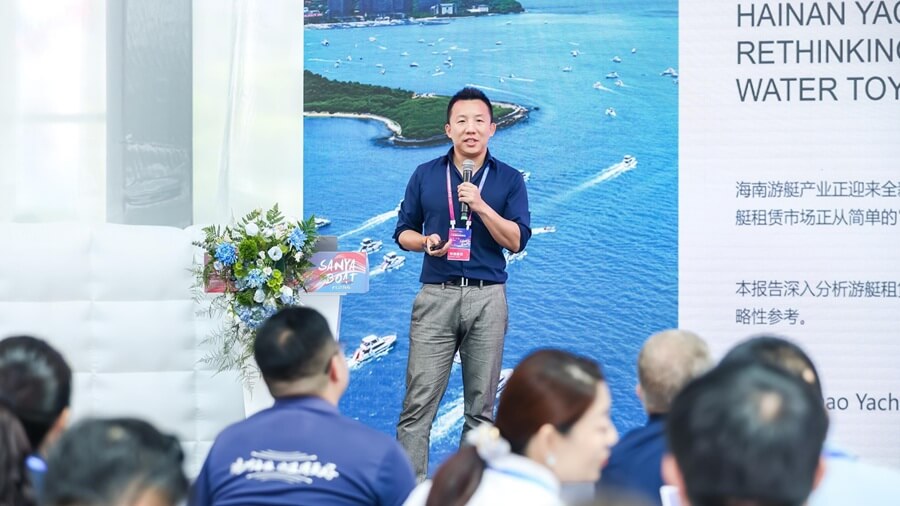
The second forum, ‘Blue Innovation: Water Toys and the Resort Economy’, focused on upgrading the structure of Hainan’s yacht charter market. Claus Gruner, Asia-Pacific Director of Cayago, Seabob’s parent company, shared global resort case studies and emphasised Hainan’s potential to become a benchmark market for water toys in Asia.


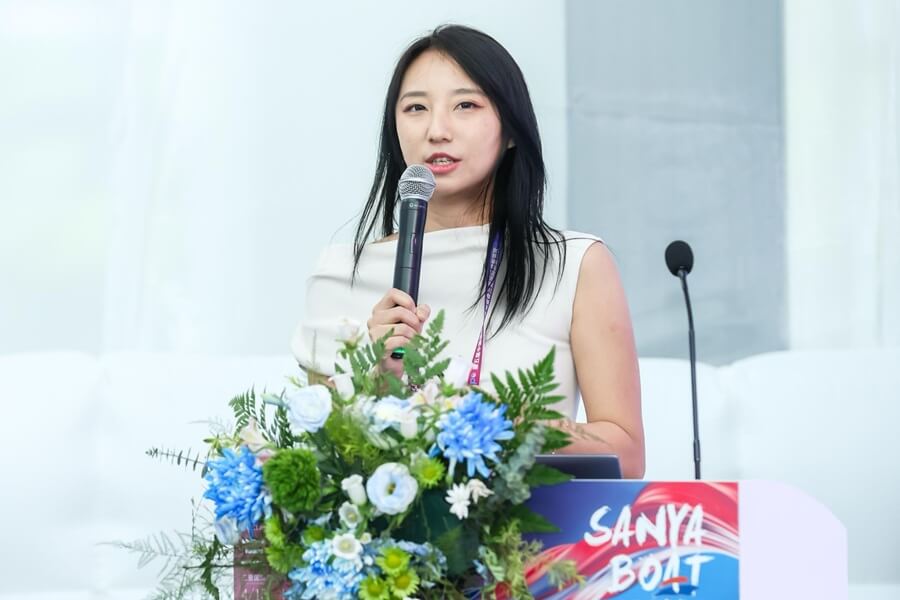
Li Siwei, founder of Moovi, demonstrated how to integrate water sports, real estate and festival IPs into a sustainable water-based lifestyle experience. Yachting media expert Samuel Xu underscored the importance of service design and cultural content in helping Hainan become a differentiated ‘marine lifestyle destination’.


The exhibition also featured interactive programs such as the ‘Hundred Yachts Stirring the Sea’ regatta, an OP dinghy youth experience race, and the ‘Sanya Yacht Night’ cultural gala themed around Li ethnic traditions.


The United Kingdom, the show’s Country of Honour, brought British maritime culture to life with themed experiences such as a London landmark photo zone, 007 yacht exhibits, and immersive areas for the Clipper and Volvo Ocean Races.


“The Sanya Boat Festival is not just an industry showcase – it is a deep dive into the narrative of yacht lifestyle,” the organisers stated.


“The event sends a clear message that under the supportive policies of the Hainan Free Trade Port, yacht consumption is evolving from a niche luxury into an accessible, shareable and monetisable lifestyle ecosystem. Sanya is leveraging yachting as a ‘lifestyle container’ to chart a new course for its ocean economy and cultural influence.”

hainanexpo.org.cn


Sanya Boat Festival showcases Hainan’s ambition Read More »

Southeast Asia Yachting Conference, Singapore, Singapore Yachting Festival, ONE°15 Marina Sentosa, Marco Valle, Arthur Tay, Joe Lynch, Icomia, Peter Mahony

Strong industry representation at Southeast Asia Yachting Conference

SHARE

Strong industry representation at Southeast Asia Yachting Conference 2025

SHARE

Held from April 8-9, just before the 3rd Singapore Yachting Festival, the roster of expert speakers, a keen audience and captivating themes attracted attendees from the region and beyond for panel discussions, ‘fireside-chat’-style interviews and networking activities.

Words: Andrew Dembina; photos: Southeast Asia Yachting Conference

  •  
  •  
  •  
  •  
  •  
  •  

Southeast Asia Yachting Conference, Singapore, Singapore Yachting Festival, ONE°15 Marina Sentosa, Marco Valle, Arthur Tay, Joe Lynch, Icomia, Peter Mahony

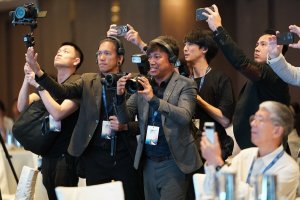
The Southeast Asia Yachting Conference 2025 (SEAYC 2025) certainly struck a positive chord for the 200-plus attending this year, at ONE°15 Marina Sentosa Cove last week. 

Bringing together key industry leaders, marina developers and operators, yacht builders, charter operators, and marine technology innovators to explore the future of yachting in the region, the annual event was riveting. It featured expert-led panels, delving into topics that ranged from infrastructure, market trends, the rise of superyacht exploration, advancements in renewable energy and biofuels – and a thread throughout, especially on Day 1, was sustainability across yachting.  

Day 2 concluded with dedicated breakout sessions for targeted industry engagement.

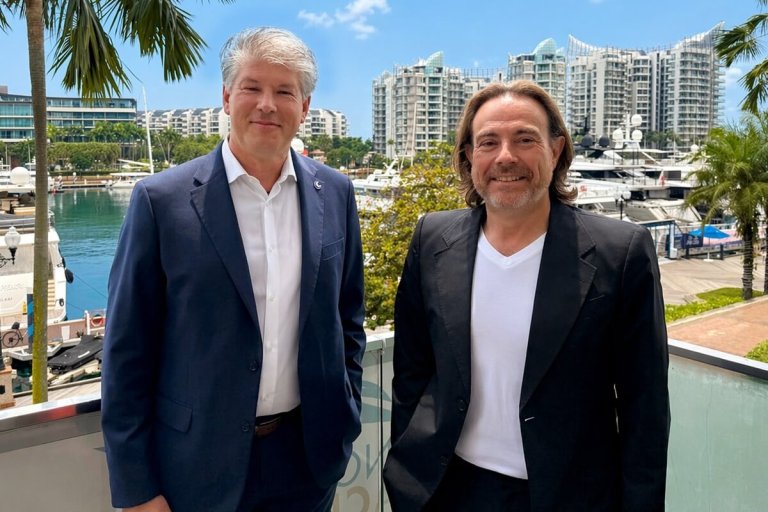
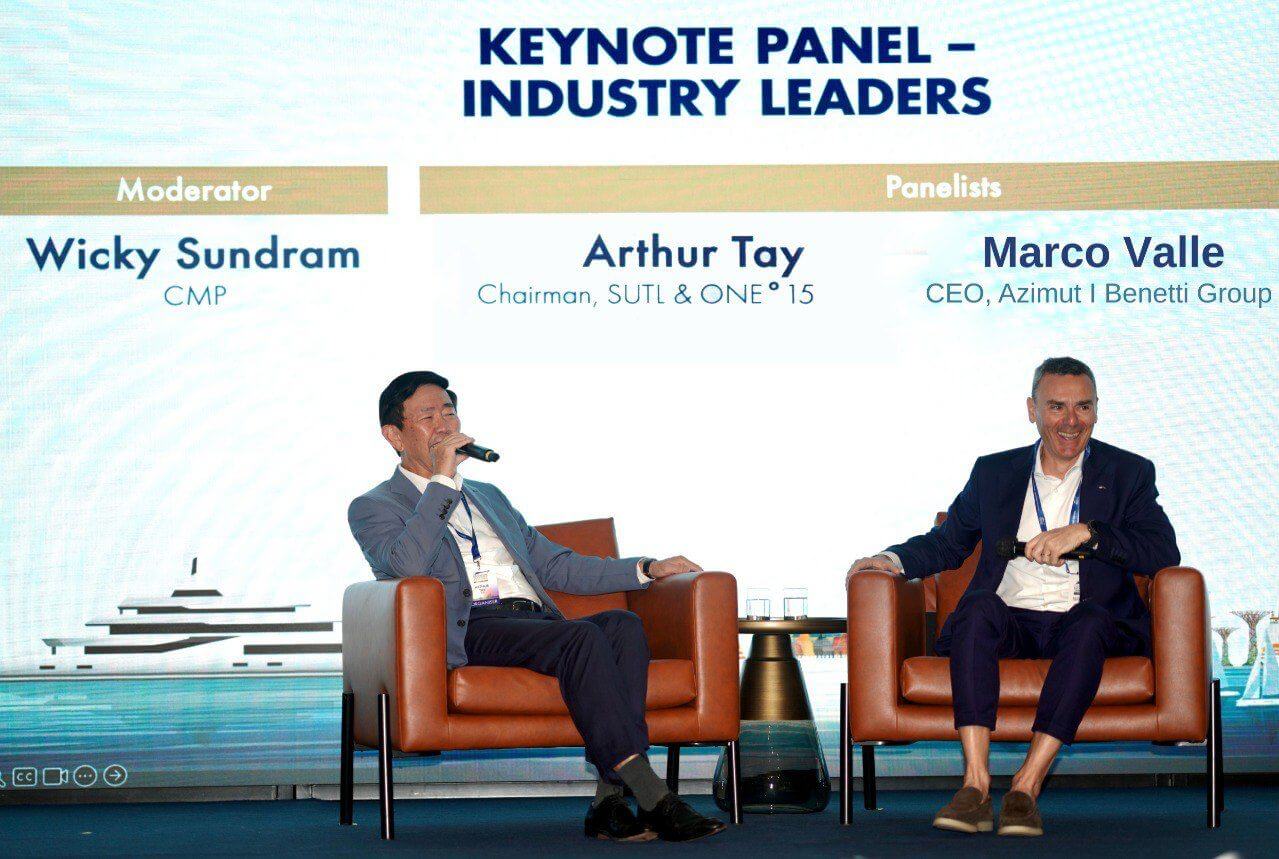
The opening keynote welcome and introduction was made jointly on April 8 with Marco Valle, CEO of Azimut-Benetti Group, and Arthur Tay, Chairman of SUTL and ONE°15 Marina (pictured above). This allowed some time for discussion and insights into market trends, sustainability, and the evolving landscape of luxury yacht ownership and marina development in Southeast Asia.

“Although I have not visited Singapore for a long time, here and regionally we see a lot of potential,” Valle declared.


Tay recalled his first trip in the famed shipyard district of Verraggio in Italy: “I remember buying my first Azimut and a Bennetti from Marco years ago and we have been friends ever since,” he told the assembled.


“We believe this region will grow a lot in the next few years, we need to improve our network, efficiency and raise our standards. We are very different from Japan and other parts of Asia. We had a great Icomia [International Council of Marine Industry Associations] meeting yesterday, and we learned a lot from each other and discussed the needs of marina and owners and those in the industry.”


As the discussion turned to customer needs these days, the topic of sustainability got first mention: “This is a big part of owners’ and builders’ concerns now,” said Valle, “but it depends on the size of the boats – for bigger ones it’s easier to find hybrid propulsion; for smaller ones it’s not so easy – and it’s not so easy to install HVO fuel propulsion in these, too.”


“On sustainability, the next generation of owners and marina users expect this to take place,” said Tay. “You have to work with the government because a lot of marina operators are funding sustainable ways of operating at their own cost, which can be very expensive. We are getting some help from the Singapore government. Consumers will make a choice more and more to use marina services that are greener.”


“We also find this with our models – a customer preference for cleaner fuel and propulsion,” agreed Valle. He went on to say that another aspect of change that he feels Asia will embrace soon is co-ownership in boating: “The future is to rent a boat, like we see more and more with cars today, and someone else manages it.”


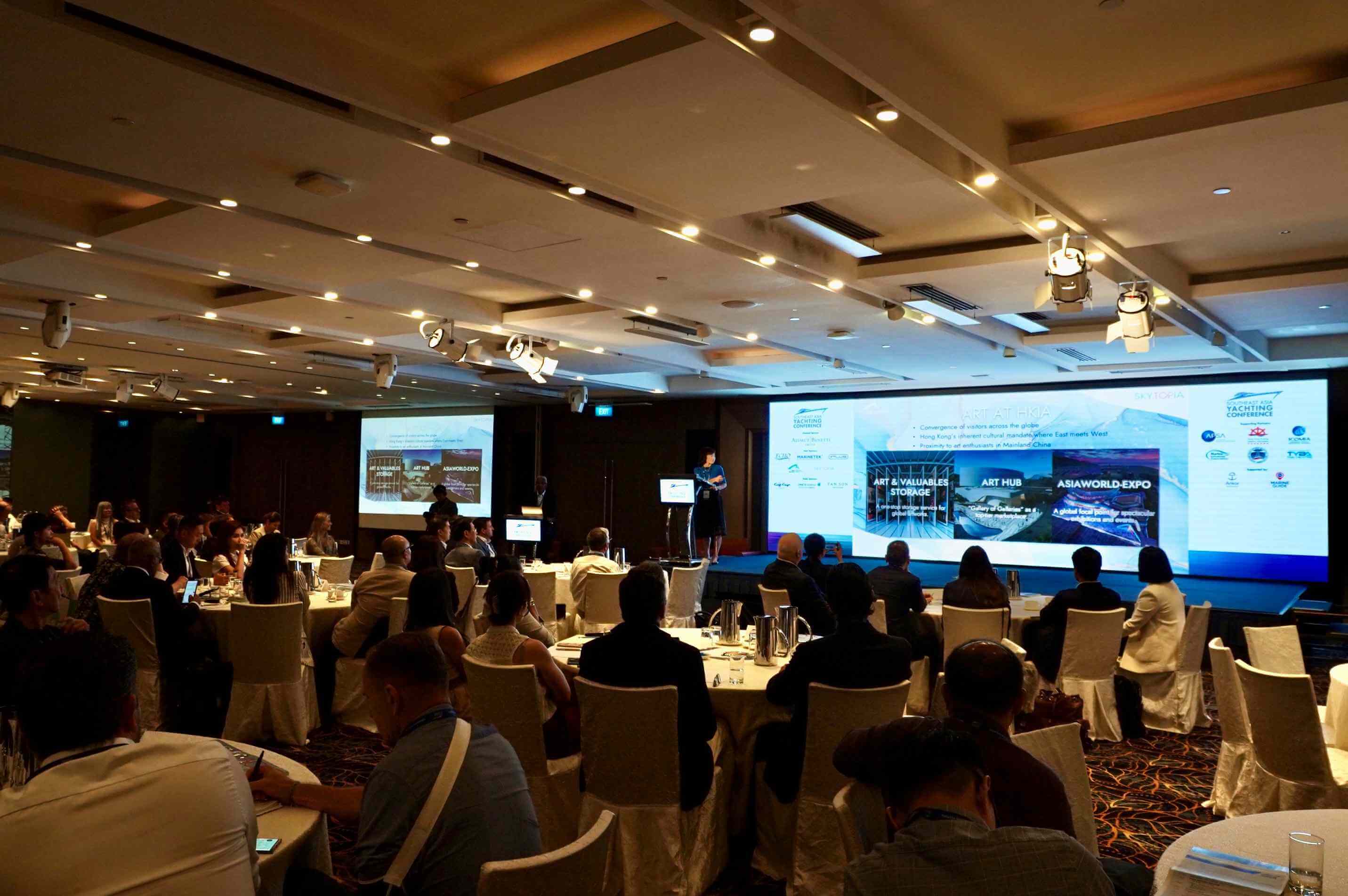
Following this opening, a presentation on the Hong Kong International Airport Skytopia Development Blueprint was put forward by Cissy Chan from Airport Authority Hong Kong (pictures above). She broadly outlined plans for the 200ha waterfront space expansion, including a proposed 500-vessel marina – including 50 berths for vessels over 40m.

The conference then segued into the first industry panel discussion, entitled Masterplanning: Future Asian Coastal Marina Developments, moderated by Jonathan Sit of SUTL Enterprise, in which marina development experts discussed increasing demand and upcoming waterfront projects across Asia.

The focus then shifted: to Tourism and Chartering: Market Trends Across Southeast Asia, during which, Vu Tran of Tam Son Yachting provided insights into Vietnam’s growing role in yachting and tourism. Halong Bay, the Unesco World Heritage Site, has raised the bar of its cruises and charters there, as the number of vessels in these waters have decreased through official regulations. “It opens more opportunities,” he said. “Eight years ago, a 50ft yacht charter there was seen as amazing; recently, we started operating a 28m Azimut Grande there.” 

Southeast Asia Yachting Conference, Singapore, Singapore Yachting Festival, ONE°15 Marina Sentosa, Marco Valle, Arthur Tay, Joe Lynch, Icomia, Peter Mahony

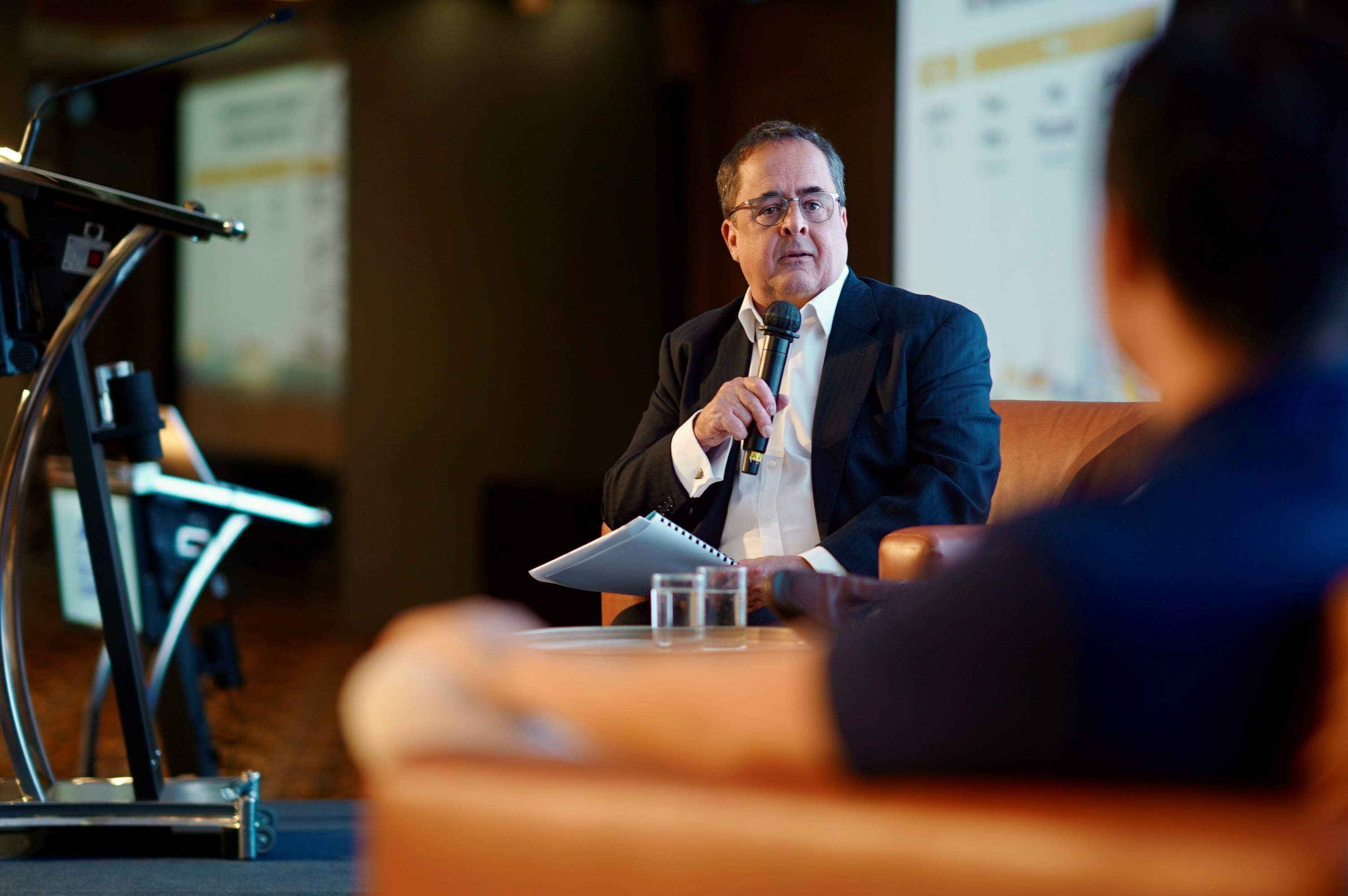
The afternoon sessions began with Icomia: Propelling Our Future, presented by Joe Lynch, the CEO of Icomia (pictured above), addressing global initiatives and future developments in the yachting industry, with a focus on a 500-page carbon emissions study that the association recently commissioned. This flowed into a panel discussion on Technology Transforming the Yachting Landscape – exploring the latest advancements in electrification and onboard systems, industry challenges, and potential solutions. Harvey Brewin of Simpson Marine, Singapore said that “originally, the Sanlorenzo 50Steel was going to be hybrid diesel, but through its research period, it went into the more sustainable methanol cell idea.”

Sustainability would be a key focus later in the day with Renewables and Biofuels in Singapore and Southeast Asia, presented by Neste, which operates a Singapore-based renewable diesel refinery. This led into the last panel: Where to Next: Rise of Alternatives and Sustainability, during which, Lynch commented: “At Icomia, we want to help both the regulators and the yacht makers. When rules are made over newly-made laws, what happens? Owners hang on to their old yachts for longer that push out a lot of emissions.

“Additionally, we believe in practicality when it comes to boat types and the fuel they use – companies that make boats should inform customers about what is best for the region that the boat will be used in.”

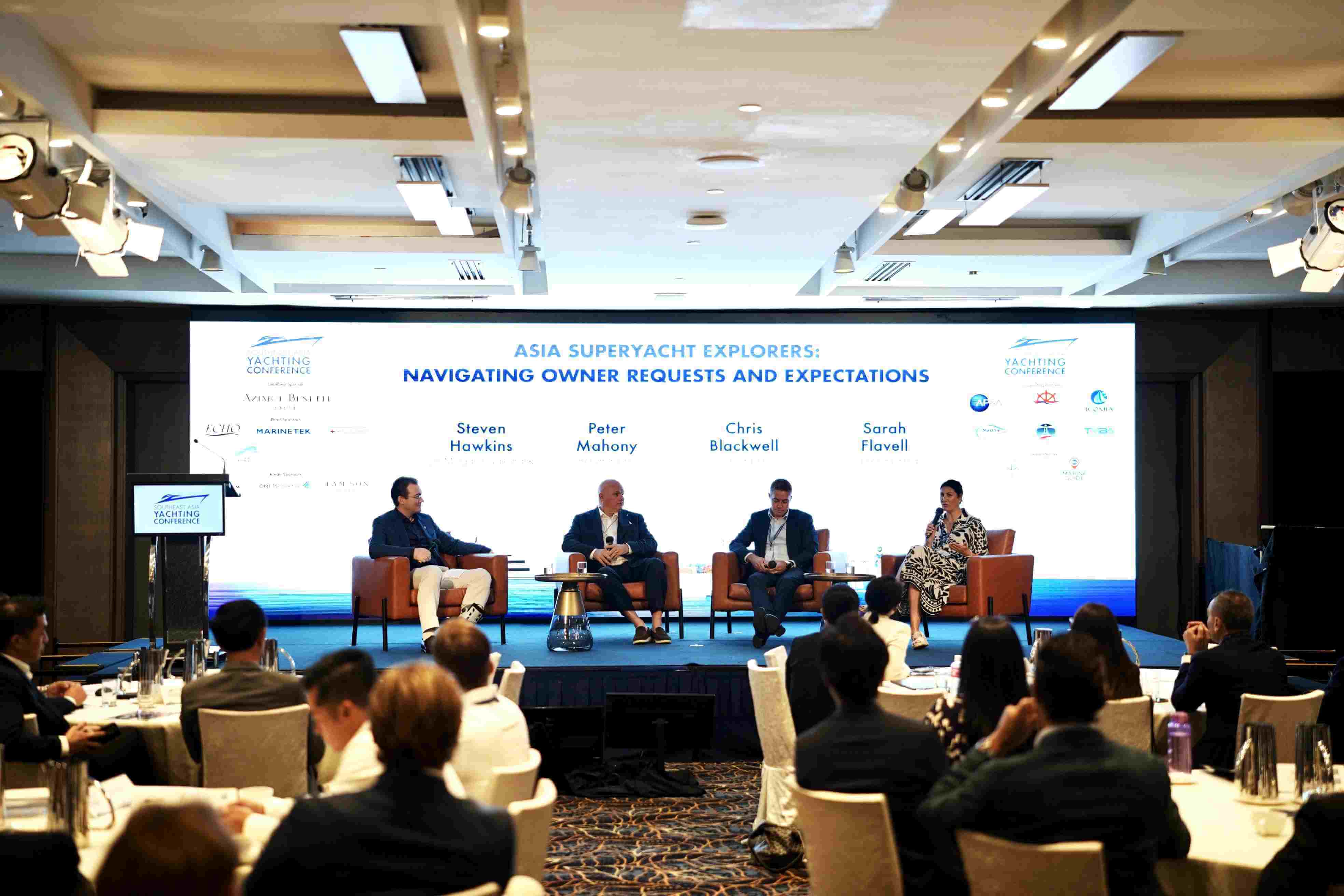
On Day 2, panels started with operational challenges and opportunities in Southeast Asia: Asia Supremacy Explorers: Navigating Owner Requests and Expectation – featuring Peter Mahony, General Manager, APAC, Benetti Yachts, Chris Blackwell from Echo Yachts, and Sarah Flavell from Damen Yachting  (all pictured above) – who discussed the evolving demands of superyacht owners operating in Southeast Asia.

“After we saw more interest in larger and explorer boats during Covid in Asia, we now think more about how a boat will be used rather than where they are based and we think about how they would like to personalise their yachts,” said Mahony.“ The owner is the explorer – not the boat. So we are often asked to build gaming rooms, access for elderly family members, and other important needs they request. Serviceability is very important – it’s not about flashy features or technology that isn’t necessary.”

Blackwell said: “When we are customising yachts in Singapore and Dubai, we build weather proofing for tropical or humid conditions, install aircon that’s a lot stronger than, say, in Europe. They want what’s necessary, but not too complicated. Most prefer, for example, a non-centralised entertainment system, in case something goes wrong, rather than it all being on one system.

Flavell noted: “We have to design boats that can be used in all kinds of locations, from tropical to cold waters as our clients often want to take their yachts to different regions – our job is to make sure we understand what their needs and uses are likely to be. Recently built Amels yachts have been in this region; they wanted to be offshore for a long time, and we don’t underestimate how comfortable passengers want to be – that’s part of the experience – so we make these like a superyacht combined with an explorer.”


This was followed by Southeast Asia Corridor: Working with Neighbouring Regions, led by Suzy Rayment from the Asia Pacific Superyacht Association, exploring cross-border collaborations opportunities, regional yacht movement, and the origins of incoming vessels.

The final sessions on infrastructure development began with Ready the Yards: Infrastructure Opportunities and Warranty Constraints – featuring industry experts who discussed the challenges and opportunities in developing yacht maintenance facilities across the region.

And a Q&A led by Mike Derrett of IBI News with Mohammed Alshaali, founder and Chairman of Gulf Craft, was insightful – once again encouraging the support of government support and / or land use  across yachting industries.

Southeast Asia Yachting Conference, Singapore, Singapore Yachting Festival, ONE°15 Marina Sentosa, Marco Valle, Arthur Tay, Joe Lynch, Icomia, Peter Mahony

The conference concluded with Breakout and Experience Sessions offering tailored networking opportunities in several industry niches, including sessions on marinas, captains, and the superyacht sector.

As proceedings wound down, Yacht Style caught up with Lynch, who had made five concluding remarks at the conference’s end to elaborate on these: “My five key takeaways from this conference that I ask people to think about are: first all we need to work together as an industry to demonstrate the full value that we create. Not just the cost or price of what we are selling, but of what we provide in the communities in which we operate – the marina fees, the services into marinas, the additional revenue created by suppliers, wherever we work.

“The second is to work harder to build positive, proactive collaboration with governments. If we can do that, we can better understand regulatory frameworks, unlock investment and help our industry grow.

The third point is to foster collaboration across all of the facets of our industry. Boat builders need marina operators, marina operators need service yards, service yards need logistics, and specialist skills – this all happens naturally but we need to celebrate it.

“Sustainability is absolutely crucial to our industry. We need to make sure we’re working together to operate sustainably, to measure the impact we make, and to show that we’re taking full responsibility to proactively reduce that impact.

“And finally, perhaps the most fundamental one: we need to continue to invest, or invest more in the skills and support we provide to the skilled tradespeople, the skilled hosts – the captains, the hospitality crew – who we need to deliver our business objectives and to deliver our customers’ dreams.”

singaporeyachtingfestival.com/newfront/page/sea-yachting-conference-2025

Strong industry representation at Southeast Asia Yachting Conference Read More »

Pearl 63 to be unveiled at Palma show

SHARE

Pearl 63 to be unveiled at Palma show

SHARE

British builder to premiere innovative new model along with yachts ranging from 72 to 95ft.


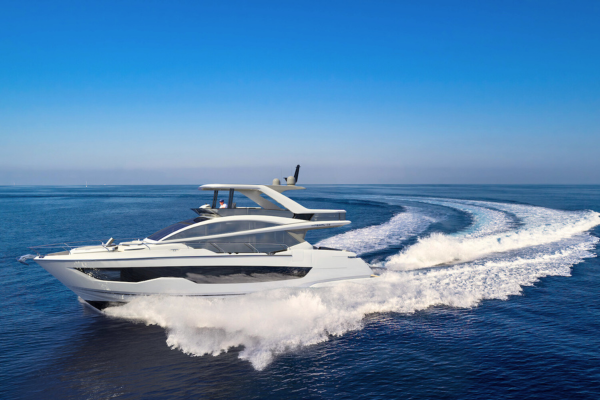
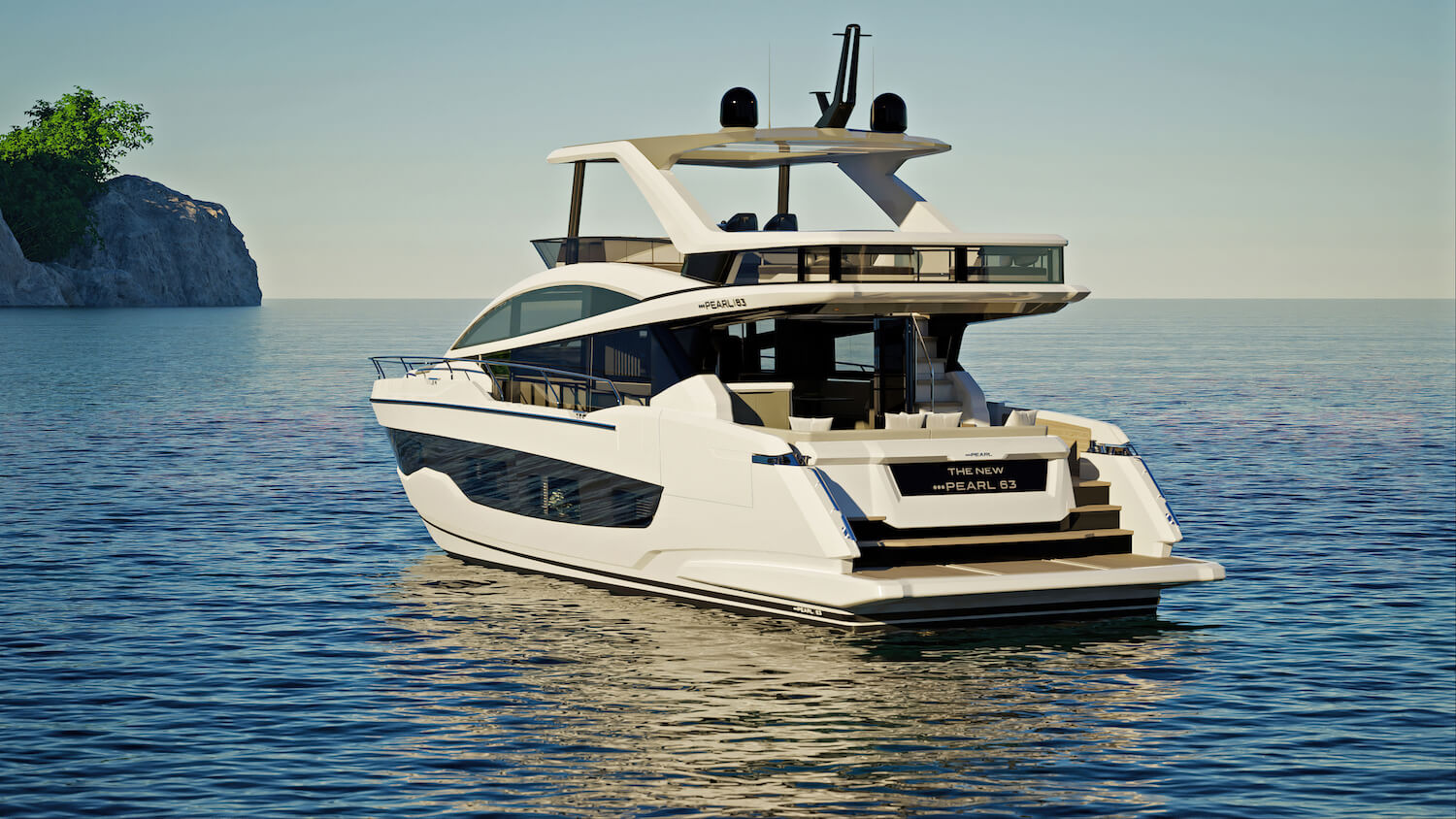
British builder Pearl Yachts will present the new Pearl 63 at the Palma International Boat Show from April 30-May 3. The Pearl 63, already hailed for its innovative design and functionality, will be the centrepiece of the display, which will also include the Pearl 72, Pearl 82, and the flagship Pearl 95.


The new Pearl 63 will debut at the Palma International Boat Show


The new Pearl 63 draws on the success of its predecessor, the multi-award-winning Pearl 62, and enhances it with notable advancements. Designed for the discerning owners, the yacht offers expansive accommodations, exceptional ease of operation and an unrivalled owner experience.


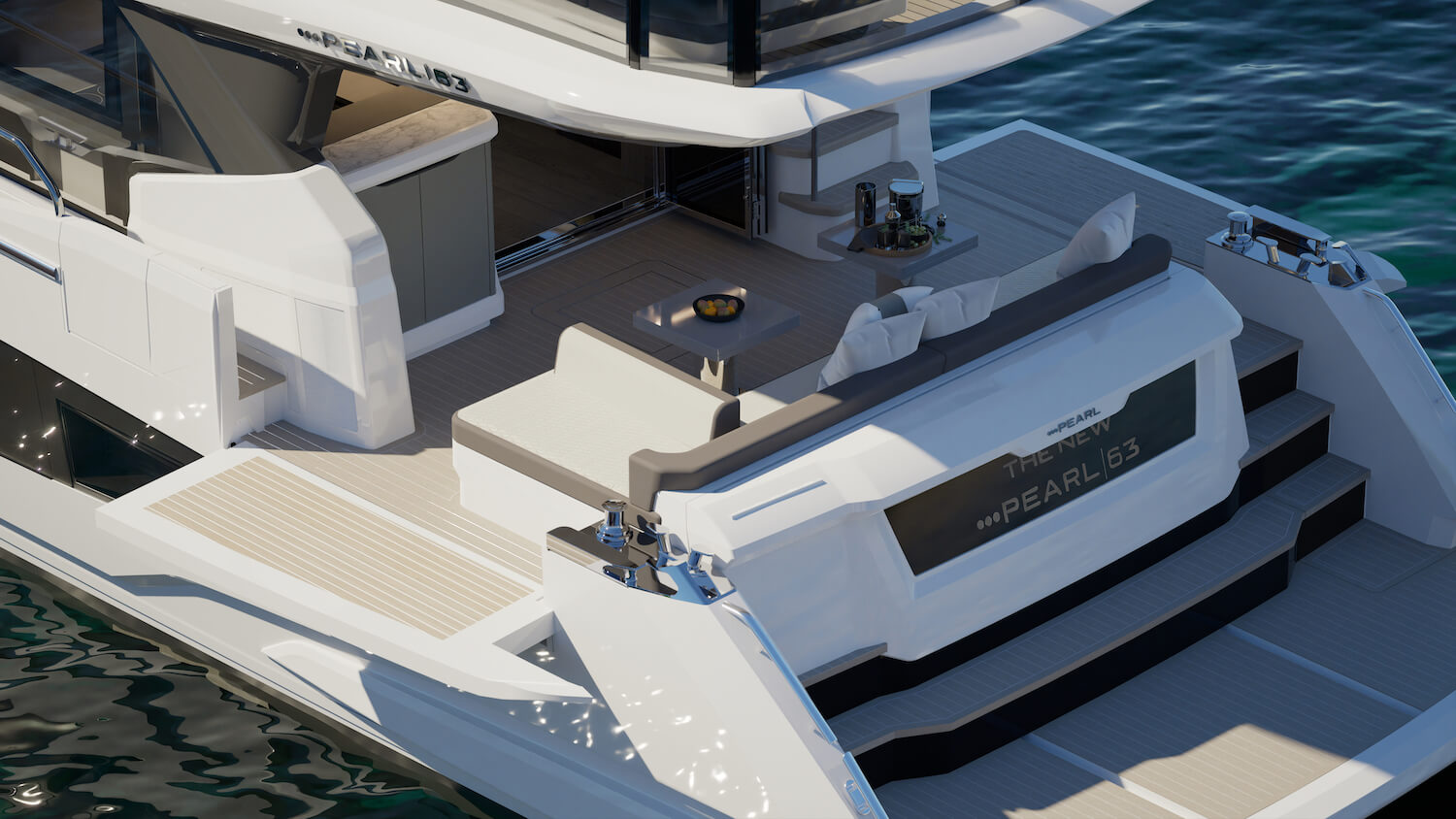
The aft cockpit of the Pearl 63


The aft cockpit layout features opening side balconies and two versatile high-low dining tables, the space fosters a seamless connection with the ocean, perfect for socialising and relaxation; the backrest of the L-shaped sofa flips to create a lounge with a sea view. 


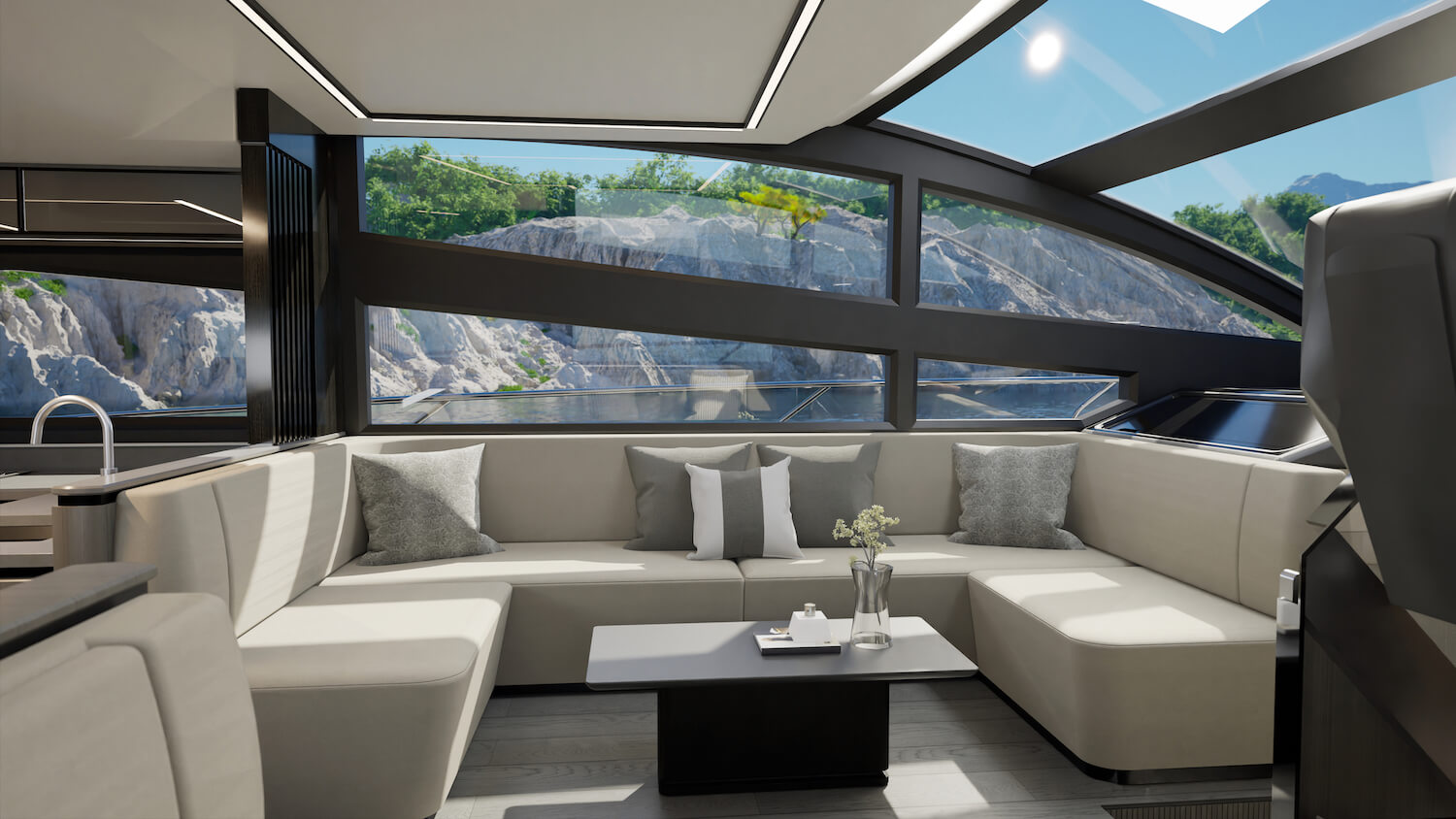
The seating area in the main saloon


In the saloon, there is a family size dining table, restyled seating including a chaise longue forward with multifunctional pull-out poufs.


The helm station in the main saloon


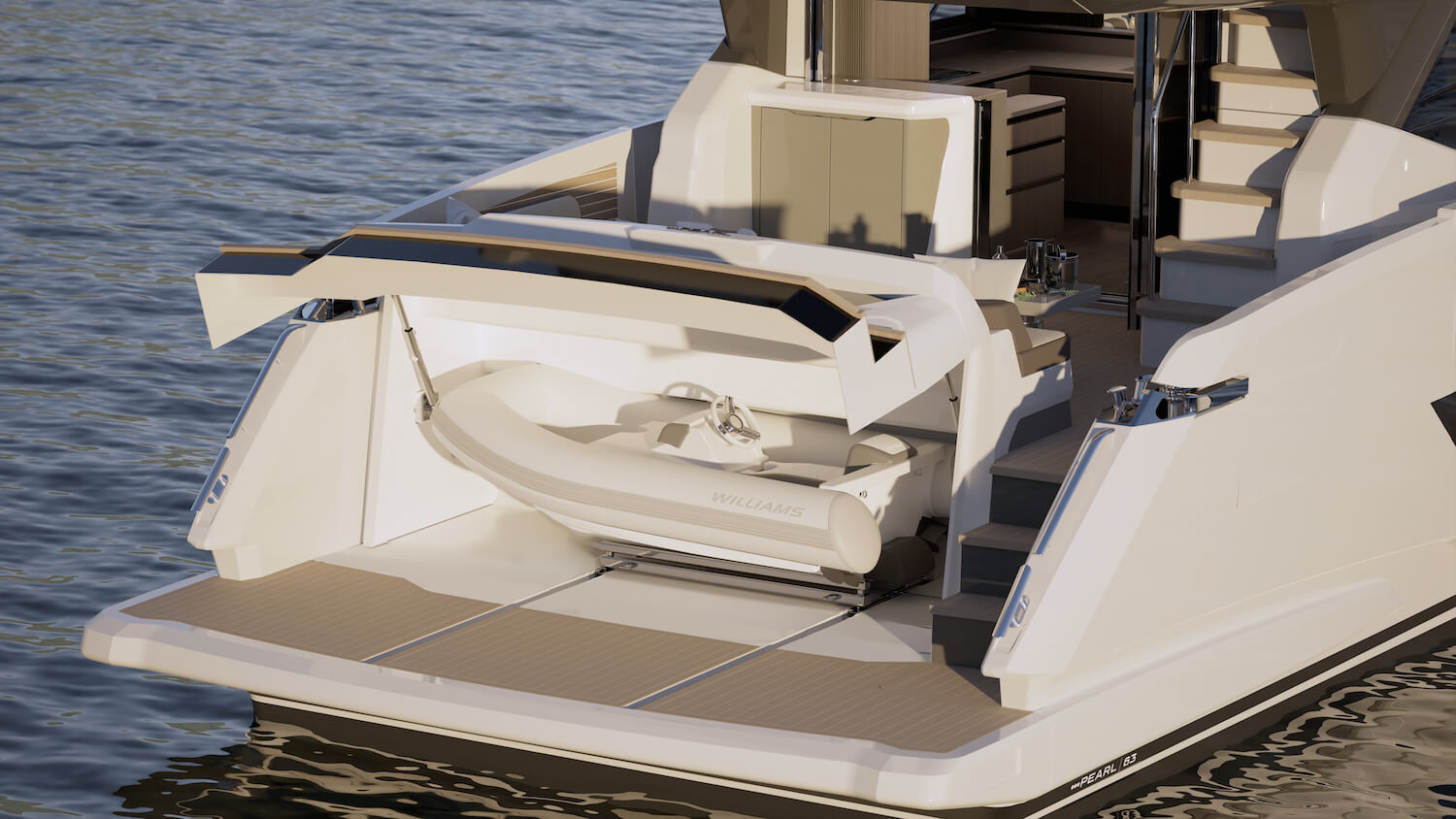
The Pearl 63 includes a hi/low bathing platform and a tender garage large enough to accommodate a Williams 285 jet tender or Seadoo Spark Jet Ski. Alternatively, this space can be configured as a crew cabin.


The tender garage can be reconfigured as crew quarters


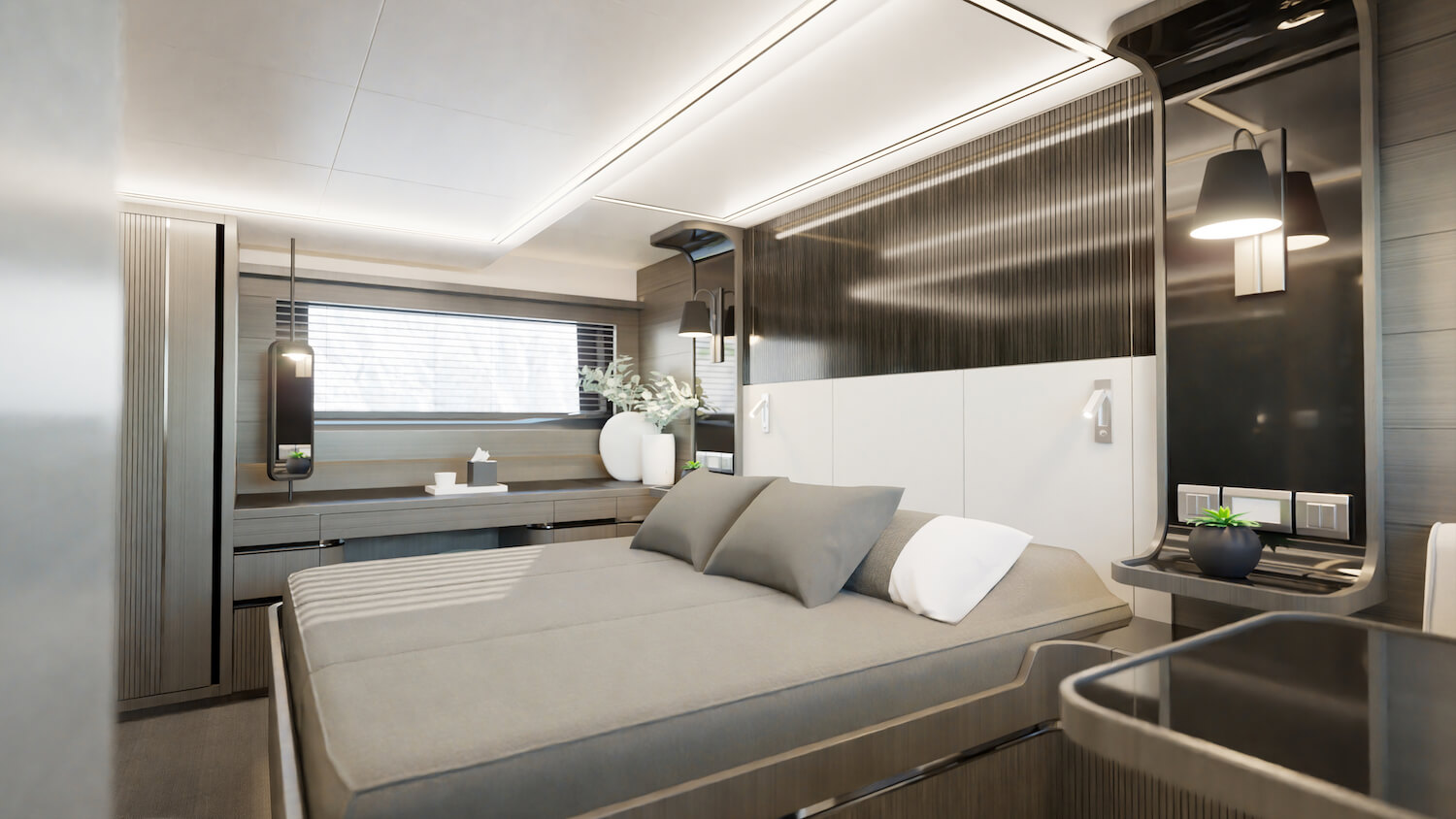
Unique within the 60ft category, the Pearl 63 offers accommodation for eight guests across four luxurious cabins and three bathrooms. Highlights include a full-beam master suite with private stairway access, his-and-hers closets, and panoramic hull windows for abundant natural light. The en-suite features a large wet room with a Corian sink unit and WC.


The full-beam master suite


For those seeking enhanced performance, a high-powered engine option with twin Volvo Penta IPS 1350 is also available for speeds up to 33 knots.


The Pearl 63 boasts a fresh hull glazing design that floods the interiors with natural light while providing stunning views. Owners can select from four interior themes curated by Kelly Hoppen Interiors London – Indulgence, Luxury, Modern, and Monochrome – ensuring a unique experience. The saloon is designed with large, glazed areas, a fully equipped galley connected to the cockpit, with dining table opposite and a sociable, relaxing lounge space forward. 


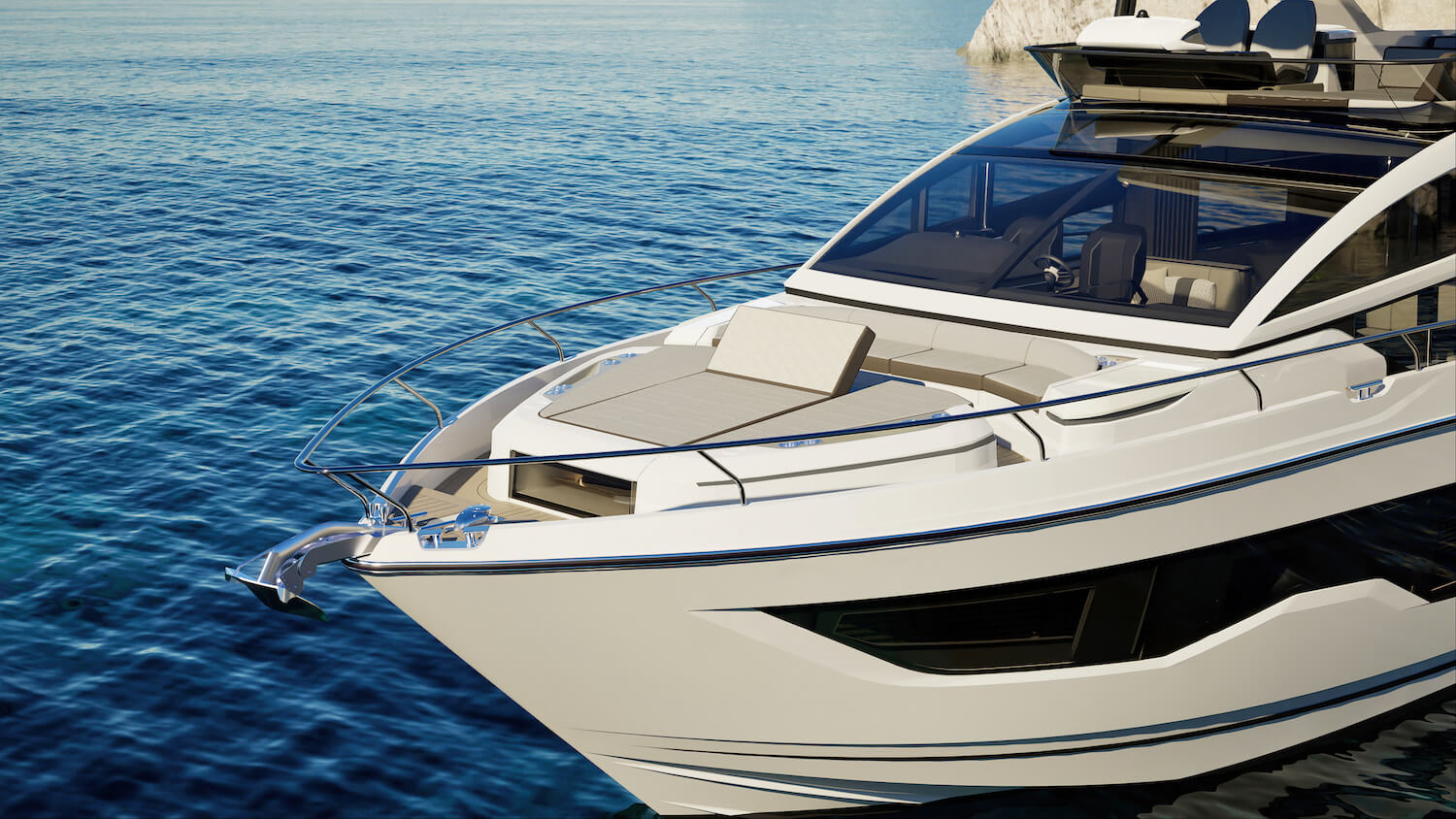
The foredeck lounge also offers an optional Bedouin-style canopy


Wide side decks lead to the foredeck lounge, complete with foldaway table, adjustable sun pads, and the option of a Bedouin-style canopy. The flybridge, accessible via a starboard staircase, features a sleek hardtop with an optional opening section, a wet bar, BBQ, and ample seating and sunbathing areas. 


Volvo IPS propulsion provides exceptional performance and efficiency. Intuitive joystick controls, a dynamic positioning system, and integrated Garmin touchscreens ensure effortless navigation, and make the new Pearl 63 an ideal yacht to be owner-operated. Proportional thrusters enhance maneuverability, giving owners full control even in tight spaces. 


“The Pearl 63 is a further testament of our commitment to innovation and luxury,” said Iain Smallridge, Managing Director of Pearl Yachts. “With this yacht, we have pushed the boundaries of design, space management and functionality, tailoring every aspect to enhance the owner’s experience at sea. We are proud to introduce this exceptional yacht to our discerning clientele.”


The Pearl 63 flybridge features a sleek hardtop with optional opening section


Cenk Efe, Managing Director of Mallorca Marine Group, added, “It is an honour to present the Pearl 63 at the Palma International Boat Show. This yacht perfectly embodies the sophistication and advanced engineering our customers expect from Pearl Yachts. Its debut here in Palma is a celebration of our long-standing partnership and a testament to our shared commitment to excellence.”

pearlyachts.com


Pearl 63 to be unveiled at Palma show Read More »

Leopard Catamarans, Leopard 46, Cannes Yachting Festival, Annapolis Sailboat Show, International Multihull Show, Singapore Yachting Festival, Robertson and Caine, South Africa, Cape Town, Franck Bauguil, Michael Robertson

Electric Leopard 46 set for Europe debut

SHARE

Electric Leopard 46 set for Europe debut

SHARE


The hybrid electric version of the new Leopard 46 will make its continental debut at the International Multihull Show in France.


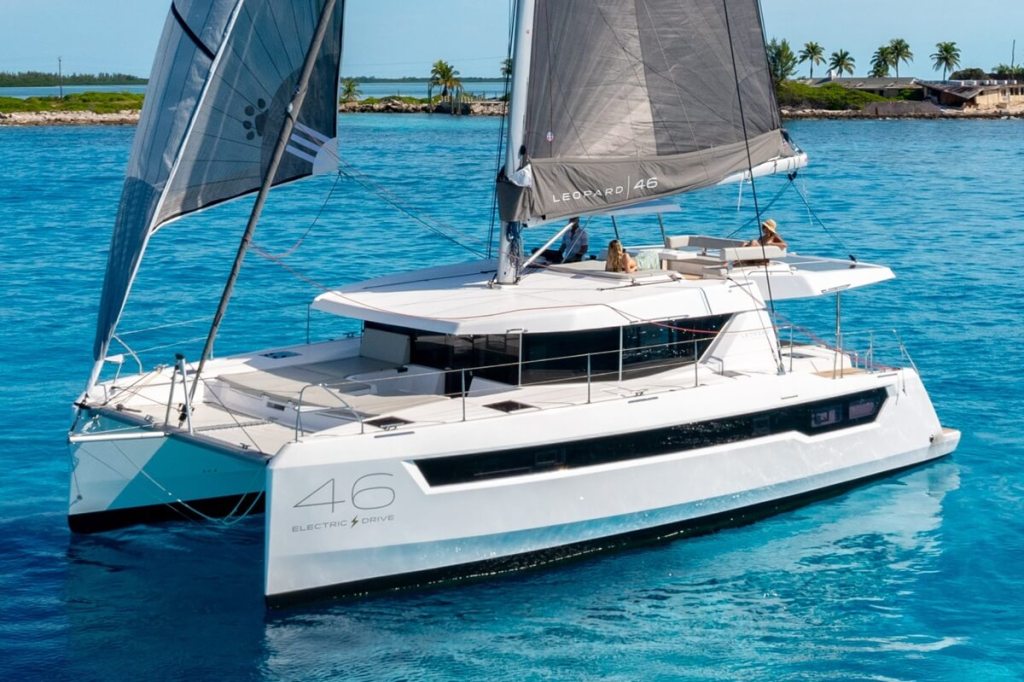
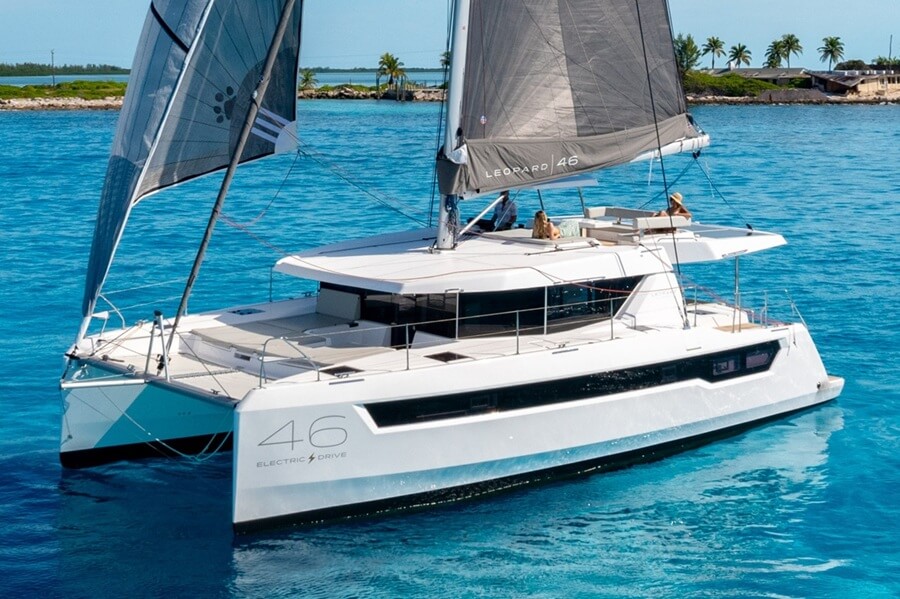
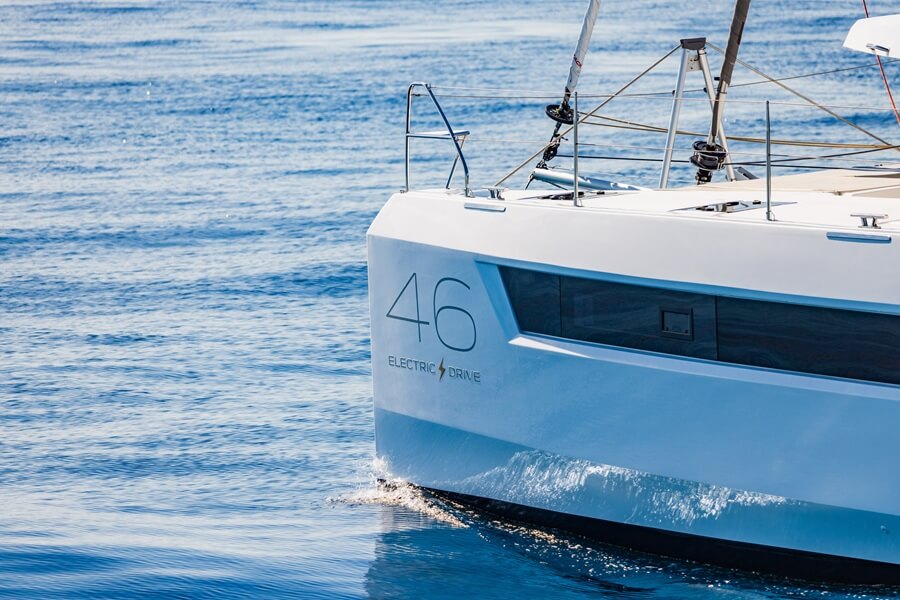
Leopard Catamarans is preparing to stage the Europe debut of the hybrid electric edition of the Leopard 46 (click for Review) at the International Multihull Show, which will be held from April 23-27 in La Grande Motte near Montpellier on the south coast of France.


All Leopard catamarans are built by South African builder Robertson and Caine in Cape Town, and include three sailing catamarans (42, 46, 50) and three power catamarans (40PC, 46PC, 53PC).


Succeeding the former Leopard 45, the Leopard 46 had its world premiere at Cannes Yachting Festival last September before making its US debut the following month at the Annapolis Sailboat Show. The brand hoped to host the Asia premiere at the recent Singapore Yachting Festival, but the anticipated hull is now expected to arrive in the region in May.


The hull in Asia will feature conventional diesel propulsion, while the hybrid electric edition will gain further exposure at the International Multihull Show, where Leopard will again have a strong display.


Franck Bauguil, Leopard’s Global Sales Manager, said: “The Leopard 46 is a testament to Leopard Catamarans and Robertson and Caine’s commitment to engineering excellence and elevated onboard living. We have meticulously designed and built a vessel that not only delivers exceptional performance but also provides an unparalleled level of luxury and comfort.”


The Leopard 46 features a sleek, contemporary exterior design inspired by the brand’s powercat lineage. A taller mast than the 45 enhances its sailing performance, which can be boosted by an optional performance package.


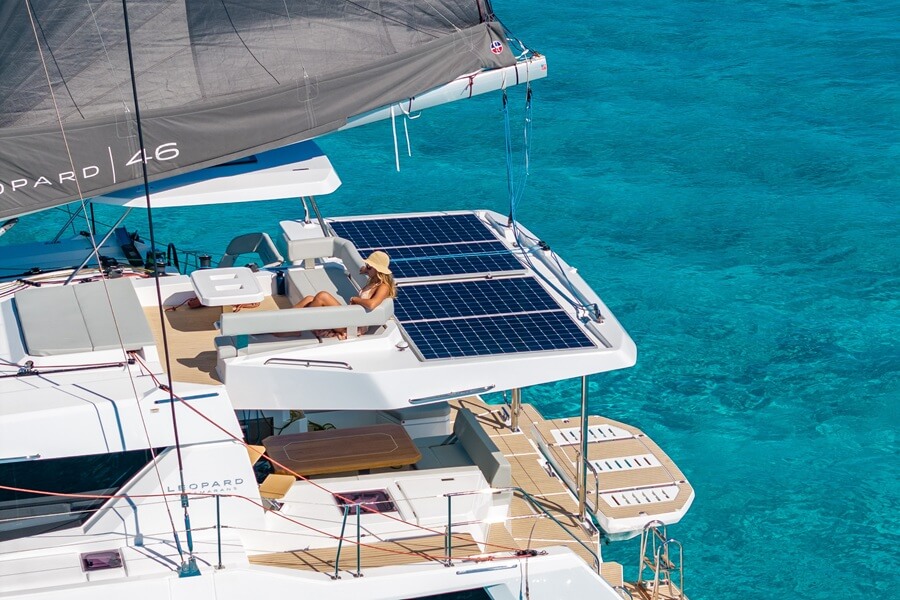
Integrated solar panels offer increased autonomy and reduced reliance on generators, while options include a hybrid electric drive as well as a lifting tender. The wraparound coachroof windows offer breathtaking panoramic views and flood the interior with natural light.


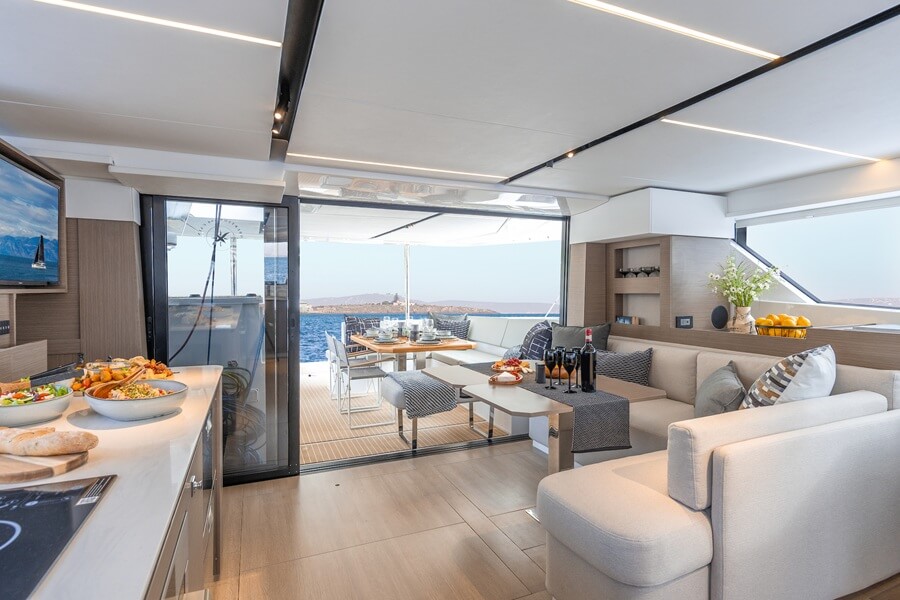
The innovative companionway sliding door, which fully retracts behind the helm station, connects the saloon and aft cockpit, offering versatile spaces perfect for relaxation and entertainment. Unlike other designs, the solution maintains the functionality of two distinct spaces, even when the door is closed. The hulls can include three, four or five cabins.


Michael Robertson, Leopard’s Chief Designer, said: “The design of the Leopard 46 is a testament to our commitment to innovation and excellence. We’ve carefully considered every detail to ensure that this vessel not only looks stunning but also provides a truly exceptional sailing experience.”


Like all Leopard models, the Leopard 46 is available for charter and in charter yacht management programmes with The Moorings and Sunsail.

leopardcatamarans.com

mooringsyachtownership.com

sunsailyachtownership.com


Electric Leopard 46 set for Europe debut Read More »

Damen Yachting, Amels, superyacht, yacht, Yunzhu Jin, Amels 80, Amels 60, Amels 80, Yacht Style Awards, Jon Bannenberg, Sinot, Harrison Eidsgaard

Yunzhu Jin on the superyacht scene in Asia

Yunzhu Jin on the superyacht scene in Asia

SHARE


Damen Yachting’s Asia Director says the shipyard “has something for just about every owner”, including the successful Amels Limited Editions series.


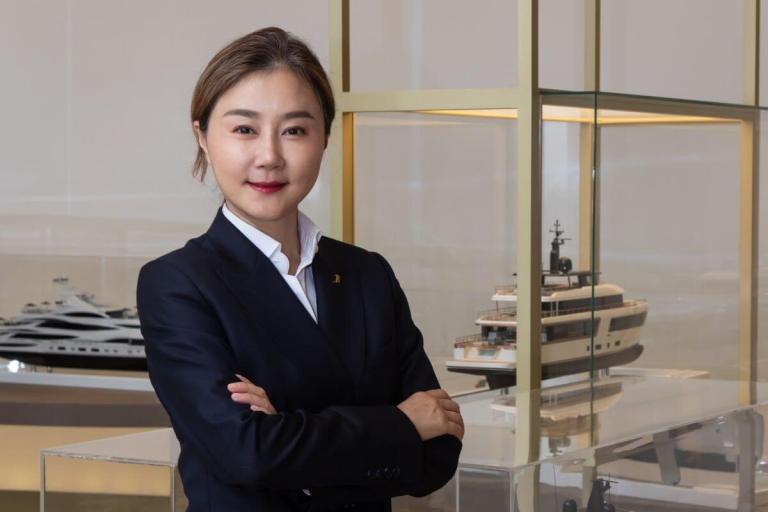
Yunzhu Jin, Asia Director, Damen Yachting


Yunzhu Jin is Asia Director for Damen Yachting, the first Chinese national to work for the company, and has been responsible for superyacht sales in Asia since 2015. Before that she worked for Damen Shipbuilding as Greater China Manager, focused on commercial vessel sales, from 2006-2015. Yunzhu received a Master’s degree with distinction in the Netherlands and completed an internship at Damen Naval Shipyard in 2005.


Damen Yachting vessels, including the Amels marque, have become leading brands in Indo-Asia-Pacific waters. Why?

We have four principal superyacht lines. All are especially suitable for cruising and chartering in the extensive Indo-Asia-Pacific region. Amels Custom superyachts such as 77m Boadicea and 74m Ilona, both for Australian owners, were built in a huge shed at Makkum in Friesland, after the modern superyacht era got seriously under way in the late 1980s and 1990s.


The shed stood out in a landscape better known for its cows. Other 50m-plus Amels Custom motoryachts were constructed at Makkum, some like Tigre D’Or with Australian captains and crews. The legendary Australian stylist, the late Jon Bannenberg, designed Boadicea and the 78m Amels Custom Montkaj for a Middle East owner.


Damen Shipyards, an enormous global conglomerate, bought Amels in 1991. Build activity began moving to Vlissingen near the Dutch-Belgian border in 2003, and Ilona was later extended there to 82m to accommodate a helipad. Amels Custom builds have continued apace since, and the Espen Øino-designed 120m Project Tanzanite is scheduled to be delivered at Vlissingen this year.


Amels 80 won the Superyacht 70-80m category at the 2025 Yacht Style Awards


In 2005 Amels Limited Editions were introduced at Monaco Yacht Show. Designed by Briton Tim Heywood and with interiors by Laura Sessa, they quickly became the most successful superyacht builds ever.


The first Limited Editions, a 171ft or 52m vessel called Deniki, was delivered in 2007, and she recently completed a lengthy period cruising and chartering in Indo-Asia-Pacific waters for her original owner. Then followed a wide range of Limited Editions models ranging from 177ft to 272ft.


The 180 or 55m model was enormously popular, with 25 purchased, and Heywood, using some deft design touches, managed to make each of them look somewhat unique. The basic concept was simple. The tried-and-tested naval architecture and complex internal systems of superyachts can be built in two years.


So, Damen Shipping, with annual revenue of about €2.5 billion, could afford to finance such construction, allowing buyers to come in at the custom outfitting stages, and we offered two-year deliveries instead of a lengthier four-year wait. Combine this with economies of scale, and Amels salesmen and women had a near-perfect pitch.


Leading superyacht designer Espen Øino styled the Amels 60


In the second phase of Limited Editions, 60m and 80m designs by Espen Øino have been introduced, and are already selling strongly. Damen Yachting, a subsidiary of Damen Shipping, now controls the Amels marque, and launched its own Yacht Support vessel concept, storing toys, tenders, helicopters and whatever other nautical bric-a-brac is needed in a separate, more workhorse yacht, thus freeing up living space on the mother ship.


Before long, the yard noticed that not a few of these Yacht Support vessels were also being used as stand-alone expedition craft, and so a new breed was born, self-contained Xplorer luxury motor yachts, to visit remoter and more exciting parts of the world, such as in Indo-Asia-Pacific waters.


Add in Classics and a Refit Division, and Damen Yachting has something for just about every owner, hence the proliferations of such vessels in anywhere from exotic Borneo and charming Japan to French Polynesia and the Antarctic.


When did Asian owners become interested in superyachts?

China and India both have about 1.4 billion people. Chinese expats account for another 60 million mostly in Asia but spread around the world, as are Indian migrants. Thailand has become a hugely popular yacht cruising area, and the world’s two largest archipelagos, Indonesia and the Philippines, are next door. The Asian market keeps developing each season.


Amels 60 interior design by Harrison Eidsgaard


Asians, and Chinese in particular, started building and buying superyachts about the same time as the new-wave Europeans, Americans and Middle East buyers. Brian Chang with his 48m Asean Lady in Southeast Asia, followed by an 88m vessel of the same name, David Lieu’s 65m Van Triumph in Hong Kong, and Chang Yungfa’s 101m Evergreen in Taiwan, are examples of this early trend.


Later owners found that ordering from established European yards was a more efficient way of handling such builds and resales, and Damen Yachting and Amels benefitted from that because they offered a wide range of sturdy vessels with attractive delivery times and rates.


In the years 2019 and 2020, for example, six Amels Limited Editions were delivered, and three were for Asian owners. Damen Yachting has since increased its share of the Asian market rapidly, due to high-quality finishes, short delivery times, and its famous brand reputation.


Rich Asians, especially the younger generation, who have an international view and want to explore the world in different ways, realise that superyachts are an amazing opportunity to expand their business platforms, and at the same time see the wider world in comfort and style.


Is selling in Asia different to other places?

Small to mid-size superyachts are very popular in Asia. If we talk about larger ones, say over 55m, it is a different story. Asia is a new and increasing market for such vessels. If you look at the established, traditional big boat brokerages, their headquarters are all in Monaco or London or in America, and they have at most a few Asian branch offices.


Øino’s Amels 80, also in strong demand, is strikingly different


That means the top superyacht specialists spend less time here than in Europe and America. Conversely, we take the view that we are in Asia, selling not only the yacht, not only the superior product, but the dream and the lifestyle, which in the East is not nearly the same as the West.


I speak Mandarin, dialects such as Shanghainese, Cantonese, Ningbo and some Japanese. But Asia is very big. Languages can be the tool to help to set up closer relationships. More important is the real meaning conveyed by the language.


I and our team keep on learning about Asian culture, style, hospitality, and design differences. Understanding our Asian clients, and putting their needs first, is the key to our success.


How do you see superyacht sales developing here?

There are many geopolitical factors to consider, so there is no easy answer, but generally speaking, the size of vessels bought, and number of sales are steadily rising. Problems of the past are gradually being overcome, such as more suitable marinas and facilities throughout the region, better refit and repair yards, and there is progress on removing red tape that in turn helps to resolve chartering issues.


An example of an Amels 80 interior design by Sinot


Most European builders would probably like to see one of the Asia-Pacific boat shows emerge as a genuine superyacht centre, like Cannes and Monaco in Europe or Fort Lauderdale in Florida. Shanghai and Hainan have been tried.


Singapore was a focus in pre-covid years. Some have suggested Sanctuary Cove in Australia, and other plans have been mooted for a South China multi-event in the Pearl River delta involving Hong Kong, Macau, Shenzhen, Guangzhou and other wealthy cities in the estuary.


Damen Yachting and Amels strongly support existing Indo-Asia-Pacific events, in line with our substantial fleets in these waters, but it would be nice if one of the boat shows now develops into a gathering place for regional superyacht people.

damenyachting.com

amelsyachting.com

SHARE

Yunzhu Jin on the superyacht scene in Asia Read More »

Lodovico Antinori’s legacy of innovation in Italian fine wine

Lodovico Antinori’s legacy of innovation in Italian fine wine

SHARE

From shaping the reputation of Tuscan wine to his latest venture — Lodovico Wine — Italian winemaking pioneer Marchese Lodovico Antinori has never been bound by tradition alone.

By Sanjeeva Suresh

  •  
  •  
  •  
  •  
  •  
  •  
  •  


For over six centuries, the Antinori family has shaped the course of Italian winemaking, establishing a legacy built on tradition, pioneering vision and an unwavering pursuit of excellence. But Marchese Lodovico Antinori has never been one to rest on heritage alone. From founding Ornellaia and Masseto — two of Italy’s most celebrated wines — to his latest venture, Lodovico Wine, he has consistently pushed boundaries, redefining what Tuscan winemaking can be.


In this exclusive interview, Mr Lodovico Antinori reflects on his journey — from transforming the global perception of Italian wine to embracing sustainability and the evolving tastes of a new generation. With an unshakable commitment to quality and rarity, he continues to shape the future of fine wine, proving that the luxury wine industry is not just about name or history alone — it is about vision.


The Antinori family name is synonymous with centuries of winemaking excellence. How does Lodovico Wine both honour this heritage and carve its own identity?

I started working with the family business in America when Italian wine had a very remote presence there. This was in the late ’60s, a time when the perception of Italian wine was quite low. Many wines still came in straw-wrapped bottles, and the industry was dominated by French wines for reds and German Rieslings for whites. Italian wines were seen as second-tier.


That experience shaped my vision. I realised that Italian winemaking had the potential to evolve beyond tradition and stand on equal footing with the world’s best wines. Fifteen years later, I stepped away from my family business to create something small but of exceptional quality — something that truly reflected my philosophy.


I launched my first independent project in the 1980s, aiming to elevate the standards of Italian wine. At the time, many Italian producers were complacent, sticking to the status quo. My goal was to wake them up, to show that we had the land, the climate, and the potential to do better. I wasn’t just another Antinori — people knew my family name, but they also saw that I had built something on my own. That inspired many small producers to raise their standards. Today, the quality of Italian wine has improved significantly, and I take pride in having contributed to that shift.


Lodovico Antinori and his daughter Sophia – 2022

What was the inspiration behind founding Lodovico Wine, and how does it differ from your previous ventures in the wine industry?

The idea for the wine came from a vineyard that was uniquely exposed to the north. Traditionally, vineyards are planted facing southwest to maximise sun exposure. But with the rising temperatures and climate change, I thought — why not do the opposite? So I planted the vineyard facing north, where it would receive less direct sunlight.


At first, I wanted to name it “Vigna Nord,” which means ‘North Vineyard.’ But my German agent—one of my strongest supporters — insisted against it. “That would be a disaster,” he told me outright. He left my office abruptly, and later, I called him to ask why. His response: “You’re getting old—you left the answer right in front of you”. I was taken by surprise because I had never planned to put my own name on the wine. I was hesitant and shy about it at first. But then he gave me an ultimatum — he even wrote me a blank cheque and said, “If you name it Lodovico, you can fill in the amount and cash it. But if you insist on calling it Vigna Nord, I won’t give you a single cent”.


When you’re starting a project, funding is critical, so in the end, I gave in. That’s how the wine came to bear my name. Of course, with a personal name comes a great sense of responsibility — especially in the American market, where putting your name on something means a commitment to quality. It implies a deep level of care and involvement. People assume I inspect every barrel myself, which, to be honest, I don’t. But I do take the responsibility seriously.


What sets Lodovico apart from your previous projects?


The biggest difference is that Lodovico is centred around Cabernet Franc. Before this, with Biserno —which you may be familiar with — we worked with a Bordeaux blend, incorporating all the classic varieties, including Petit Verdot. But this project focuses primarily on Cabernet Franc.


That said, the wine we’re drinking today also contains a bit of Merlot. That’s because our winemaker, Michel Rolland, has a strong preference for Merlot — he just can’t resist adding some to the blend. He’s not as keen on Cabernet Franc as I am, so we’ve had a few debates about the percentages. Over time, though, he’s started listening to me more, and from the 2020 vintage onward, we’re reducing the amount of Merlot.

Before that, from our first vintage in 2007 through to 2019, we used a higher percentage of Merlot — sometimes 10 to 12 percent, sometimes five percent, depending on the year. But moving forward, we’re focusing even more on Cabernet Franc to give the wine a distinctive personality.


Sustainability is a key topic in luxury winemaking today. How does Lodovico Wine integrate sustainable practices without compromising on quality?

We’re not fully biodynamic or organic, but we are following a set of protocols that will allow some of our vineyards to transition to organic practices in the next five years. That said, it’s not my primary focus at the moment. Sustainability is important, but my main priority is always quality. It sets an example in the region. But of course, sustainability comes at a higher cost. A sustainability-focused approach is more expensive than traditional methods. For example, in conventional winemaking, you can simply spray chemicals to remove weeds, but that’s not good for the soil or the roots.


We’ve taken a more ecological approach. Instead of actively removing weeds, we let them die off naturally. This means we don’t need to plough as often or disturb the land unnecessarily. We aim for sustainability, or as we say in Italian, ecosostenibilità, but without necessarily adhering to strict organic certification, which requires specific treatments that are costly and don’t necessarily improve the wine.


For pest control, we no longer use pesticides. Instead, we use a German-developed solution that prevents insects from reproducing. It doesn’t kill them — it simply disrupts their reproductive cycle. This way, the population gradually declines without introducing toxic chemicals into the vineyard.


Of course, all of these add to the cost of production. Sustainable practices are more expensive than the standard viticulture methods used across Italy, which rely on cheaper, conventional treatments. Labour is also a significant factor. While many wineries use machines or quick-fix chemical treatments, we require skilled workers to tend to the vines manually, ensuring every step is done with precision. This level of detail and care is what makes our wines expensive — but also what makes them exceptional.


Marchese Lodovico Antinori with Michel Rolland, a Bordeaux oenologist

The luxury wine market is becoming increasingly competitive. What do you believe sets Lodovico apart as a collector’s wine?

Quantity plays a crucial role. For example, Lodovico is limited to only 10,000 bottles per year. And that number will never increase — it’s written into a contract, even after I’m gone.


There’s always the temptation, when a wine is successful, to produce more. But I believe that would be a mistake. Collectors and connoisseurs aren’t foolish—they have refined palates, and they can immediately detect even the slightest change in quality. That’s why we remain committed to this strict production limit. Rarity is a key factor in luxury, and maintaining exclusivity ensures that our wine remains truly special.

Another defining element is the role of Cabernet Franc in our wine. The potential for aging is extraordinary. In the world of luxury, longevity is an important statement. A great wine should not only be drinkable when young but should also improve significantly over time.


For example, we recently opened a bottle of Lodovico from 2007 — one of the earliest vintages, when the vineyards were still young. Only 3,000 bottles were produced that year, yet it has aged beautifully. The wine has evolved, gaining depth and complexity without any signs of decline. That’s what defines a truly great wine: the ability to mature gracefully over decades while remaining a pleasure to drink at any stage.


How is Lodovico engaging with the new, younger generation of wine drinkers, and what strategies are you implementing to appeal to their evolving tastes and preferences?

They want something different. Many of them come from wealthy families, so they’ve grown up surrounded by fine wines. But they want to distinguish themselves, to drink wines that aren’t the same as what their parents prefer.


At the moment, my wines appeal more to an older audience. But I do have a project in the works for younger drinkers — a wine called Le 2 Ville del Nicchio, which will be starting from the 2023 vintage.


This is a project I’m working on with my daughter, who is 25. She will be more in tune with the preferences of the younger generation. I believe they (younger consumers) prefer wines with lower alcohol content, wines that are a little lighter, less opulent, and more restrained. The trend is shifting away from the bold, highly concentrated wines that were once designed to impress the American market.


In the past, American consumers were used to drinking whiskey, milk, or almost nothing else. When they were first introduced to wine, they found the taste too tannic, too harsh. That’s when Robert Parker — a very famous American wine journalist — had a major influence. He convinced European winemakers, including the French, to soften their wines. We adapted, making wines with rounder, smoother tannins, and harvesting later to achieve riper fruit flavours. That style dominated for a long time.


That leads me to my next question. There is a growing trend of alcohol-free wines, particularly in the U.S., driven by a new, health-conscious movement on social media. What are your thoughts on alcohol-free wine, and do you think it impacts fine wine?

No, fine wine will not be affected by that at all.

In America, they call this kind of thing a “fad”. Just like orange wine became a trend, alcohol-free wine is something that’s gaining popularity with certain groups, particularly younger, health-conscious consumers. But it won’t have any real impact on the fine wine world.


With a growing interest in wine as a form of investment, do you consider Lodovico a wine meant for collectors, investors, or purely for the pleasure of drinking?

We produce wine for pleasure — we want people to drink and enjoy it. That’s the core purpose.

But in reality, there are collectors who buy wine as an investment. Some drink it, but others store it and sell it later when the price rises. The English are especially known for this — they often buy five cases of wine early, sell two cases after a few years when the value increases, and essentially enjoy the remaining wine for free. This was very common in the Bordeaux market when prices were booming. Investors would buy wine early, hold onto it for five years, and then sell at a profit. However, the Bordeaux market has declined recently, so this kind of speculation isn’t as lucrative right now.


Do you think your wines are suited for investment in the same way?

Not to the same extent. Our wines are not yet established enough in the market for that kind of speculation.

The first vintage I ever made was sold at auction once — just one time. That was back in 2001. Then I stopped offering it at auctions for a while. But from the 2021 vintage, I might start again.


Recently, some vineyards in France struggled to make enough profit from wine sales alone, so they introduced tourism experiences — vineyard stays, guided tours, and even Airbnb-like accommodations on their estates. Do you see this becoming a trend in Italy as well?

Yes, this concept already exists in Italy. There’s even a legal framework for it. If a vineyard becomes part of this program, they receive tax benefits and other advantages, but they must comply with strict regulations. For example, they can’t buy food from standard vendors; they must source from approved local suppliers. Ideally, they should grow their own vegetables, fruits, and eggs on-site. It’s a beautiful idea, but sometimes it’s difficult in practice. If guests arrive when certain ingredients aren’t in season, the vineyard must still find a way to provide them while staying within the regulations.


However, this model is extremely popular, especially in Tuscany, which has become an iconic luxury destination. Tuscany attracts visitors with strong financial potential, so even small vineyards can benefit. If a couple with a child wants a luxurious yet authentic experience, they can now find exactly that.


How do you see the role of living spaces, such as the one you’ve created, where the owner interacts with the guests?

They occupy one floor, pay a reasonable amount and live together with the owner, creating a kind of interactive, communal lifestyle. This has been especially successful with younger people. I think what they’re doing with that is very good. We did something similar at the beginning, but the standard was so high, it ended up costing a lot of money. Now, I hope my nephew is taking care of it. He’s very tight with finances and wants the balance sheet to be favourable. He doesn’t understand how important it is to entertain people. Even if it’s expensive, it’s the only form of advertising we do. Of course, it’s not profitable for us because we do it at a high standard, which means we need more personnel, and that’s expensive. So, it cost too much. My nephew is now focusing on making it a beautiful spot because people come and visit.


How do you see the role of limited editions and exclusivity evolving in the fine wine industry?

We always produce small batches — about 10,000 bottles, which is very small in comparison to other American wineries, which produce several thousand cases of 12 bottles each. In American terms, that’s about a thousand cases, each case containing 12 bottles. So it’s really a small operation, not like Romanée-Conti, but still very small in size. We haven’t promoted it much — word of mouth is how it spreads. Some people like it, and they talk to their friends. But we haven’t done a big promotion about the rarity. We always sell out of the cases, though. We haven’t needed to overpromote because the rarity itself attracts buyers. Our cases are expensive, but because of the limited quantity, we always find interested customers.


How do you see the role of technology — be it in viticulture, production, or distribution — shaping the future of Lodovico Wine and the wine industry?

The technological aspect we use is very modern, but we also have a philosophy of minimal intervention. The goal is to touch the grapes as little as possible to avoid shocking them. We’ve found that noise can disturb the grapes, so we try to minimize it. The French have a similar philosophy with their winemaking, where they emphasise not disturbing the wine too much. It’s a bit romantic, but it’s also about respecting the nature of the product. We believe that the less you disturb the grapes, the better the final wine will be.


What does the next decade have in store for Lodovico and the world of winemaking?

In the next 10 years, the vineyards will continue to age, and that will greatly improve the quality of the wine. Older vineyards produce better wine, and ours are only about 14 or 15 years old, so they still have time to mature. We also plan to expand into the American market, which we haven’t been able to do because we’ve never had enough wine to supply it. In terms of strategic growth, we’ll focus on making our wine available to collectors in America, which has been a long-term goal.


With regard to international expansion, right now, we are strong in Europe, especially Eastern Europe. We’ve made great strides there. Singapore is also becoming an important market, however at present, our sales are lower, but we are confident that we can boost that number to around 300 bottles. Our goal is to sell approximately 600 bottles there. We also have connections in Hong Kong and Shanghai, where we’ve had some success. However, the wealthy Chinese market is currently more interested in Burgundy wines, particularly Pinot Noir. As a result, we’re seeing a shift in the market preferences, and we’re adapting to that trend.


Lastly, in your own words, describe what makes a “good” wine.

A good bottle of wine is one that has a balance of all its elements, in equilibrium. It should have depth and personality, bringing out the character of the grapes from which it’s made. It shouldn’t be extreme — just enough to recognise the varietal. For me, elegance is one of the most important aspects of wine. By elegance, I mean that the wine must be refined. It should never be too overpowering or too weak. The key is balance. 


For more on Lodovico wine, head to their website here.

For more on the latest in leader interviews and profilesclick here. 


SHARE

Lodovico Antinori’s legacy of innovation in Italian fine wine Read More »
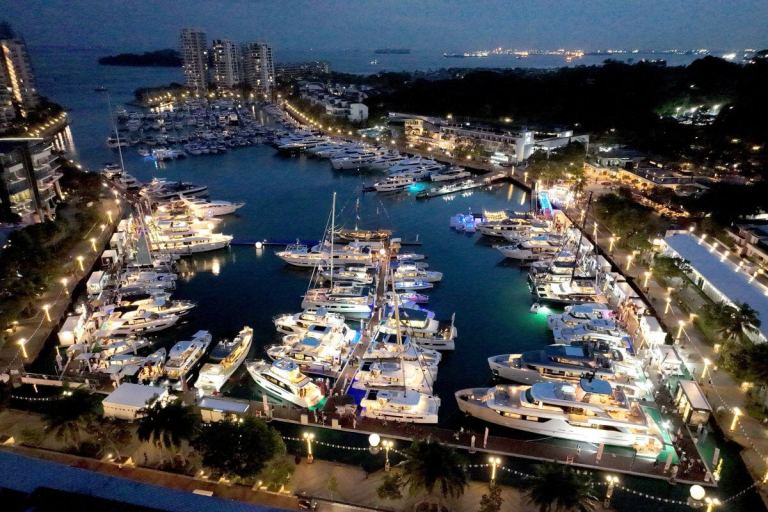
Singapore Yachting Festival 2025 delivers

SHARE

Singapore Yachting Festival 2025 delivers

SHARE

The wrapping up of the third edition of the Singapore boat show and lifestyle event drew plenty of well-earned praise from visitors and exhibitors.


The Singapore Yachting Festival 2025, held at ONE°15 Marina Sentosa Cove from April 10-13 2025 concluded on a celebratory note on Sunday night, with exhibitors taking their final opportunity to catch up with each other and swap notes on how it all went.


The annual show welcomed more than 12,000 visitors, its organisers stated, and featured more than 100 participating brands, with over 20 making a Festival debut. With 70 yachts on display – including 10 premieres, two global debuts and 15 yachts over 24m in length – this year’s event reaffirmed Singapore’s reputation and position as a key  yachting hub in Asia.


“The response to Singapore Yachting Festival 2025 has been overwhelmingly positive, with visitors, exhibitors, and partners praising the curated experiences, innovative concepts, and range of yachts,” said Arthur Tay, Chairman & CEO of SUTL Group and ONE°15 Marina. “It’s a strong affirmation of Singapore’s growing stature as Asia’s premier yachting hub. As the organiser, we’re proud to witness the continued expansion in both scale and impact, and we remain committed to raising the bar with each edition – delivering deeper engagement, stronger sustainability efforts, and broader global partnerships.”


The impressive variety of yacht premieres that headlined the on-water exhibition included the grand-scale adventure catamaran, 56m Charley 2, built by Western Australian shipyard and custom-build specialist, Echo Yachts was the largest vessel on display this year.


Joining it were regional debuts from world-class brands such as the awaited Azimut Seadeck 7 by Italian Azimut-Benetti Group, the second model in this line launched in 2023, known for technological solutions aimed at reducing emissions by up to 40 per cent.


From Italian brand Wally, the wallywhy150 by Ferretti Group impressed with its 270-degree view, and its expansive outdoor deck and beach-club areas and main-deck master cabin.


Of UAE builder Gulf Craft’s three yachts, its Asia premiere was the Nomad 101, designed for long-range exploration with its 1,000NM cruising range.


Sunseeker 90 Ocean, presented by DCH Marine, showcased a 30 per cent increase in deck space and a standout Beach Club feature for its size from the UK-based shipyard.

Bluegame BGM75, under Sanlorenzo Group, was  shown by Simpson Marine. The pioneering 74ft luxury power catamaran made its Asia-Pacific debut at the festival.


Charter showings included the imposing Song of Songs, displayedby Camper & Nicholsons: an immaculate 42.2m yacht built by China-based shipyard Heysea.

Besides the abovementioned Azimut Seadeck 7, other environmentally conscious yachts on show included the Sunreef 60 Eco by Poland-based Sunreef Yachts, a spacious sailing catamaran that made its Asia debut, showcasing solar-powered propulsion and advanced electric capabilities.


The Silent 62 by Silent Yachts was shown by Magsubsea, with its 16.8kW solar array and twin electric motors for clean cruising.


The Greenline 48 Fly, shown by Derani Yachts has earned praise globally for its hybrid engine and whisper-quiet operation.


The Rapido 500 ECO Power Cat by Rapido Trimarans featured incredible fuel efficiency and a parachute sail add-on that enhances the cruising experience.


Also on display was Seabob Asia Pacific’s latest aerodynamic range, shown by Cayago Luxury Sea Toys, which premiered futuristic-looking F9 models for the first time in Asia.

As ever, a complete luxury-lifestyle experience was devised to engage show visitors. J.P. Morgan Private Bank, the Official Bank Partner of this year’s Singapore Yachting Festival sponsored a VIP Lounge. It offered an exclusive retreat for intimate client engagement and networking with a selection of premium canapés, that included the likes of abalone, lobster, and a live oyster station, presented by Chef De Maison. Guests also enjoyed bespoke whisky masterclasses by Brown-Forman, wine tasting by Wine Adore, a pampering hand massage by La Mer, and a premium space dressed by Cancan Furnishings.

The debut of the two-story Superyacht Lounge sponsored by Damen Yachting was an exclusive space dedicated to superyacht stakeholders, newly introduced to this event in partnership with Rolls-Royce.


The Exhibition Pavilion this year was a dynamic hub of innovation and boating-related essentials, featuring a diverse mix of 37 brands that spanned the full spectrum of the marine and luxury lifestyle ecosystem – including a booth displaying Yacht Style magazines, with members of our team onsite.


Other exhibitors included Shenzhen Lannika Yachts offering lifestyle-inspired luxury yachts; Seakeeper with its Gyro Stabilisation solutions that redefine maritime comfort and performance; Asiatique Yacht Supplies – a regional distributor of leading brands of yacht paints and boat cleaning materials; Quality Marine Clothing, an Australian based shop for clothing & accessories; and Entropia, offering brokerage and charter services. This year’s expanded Pavilion showcased the increasing breadth of services and equipment providers supporting the boating industry – including several Singapore-based companies.


An eye-catching display by Aston Martin elevated the arrival experience, featuring the sporty and elegant DB12 Volante – the world’s first open-top super tourer.


Live in-water water toy demonstrations added adrenaline to the experience, while the expanded Festival Market, presented by JIU Asia, offered gourmet dining, premium spirits, boutique retail, and live entertainment—creating a vibrant social atmosphere across the marina.


“We are deeply encouraged by the overwhelmingly positive feedback from our exhibitors, and especially delighted to see many first-time sponsors and participants expressing strong interest in returning next year.”


The next edition of Singapore Yachting Festival is set for April 23-26, 2026.

singaporeyachtingfestival.com


Singapore Yachting Festival 2025 delivers Read More »