Sanctuary Cove show to host Asia-Pacific premieres
SHARE
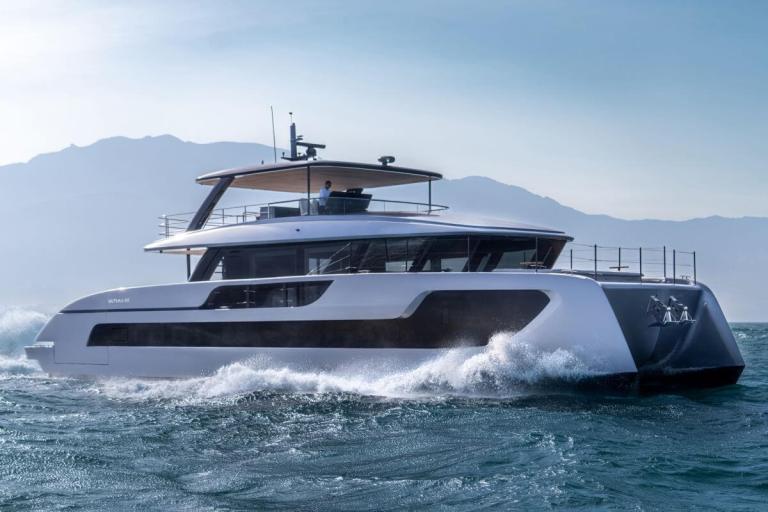
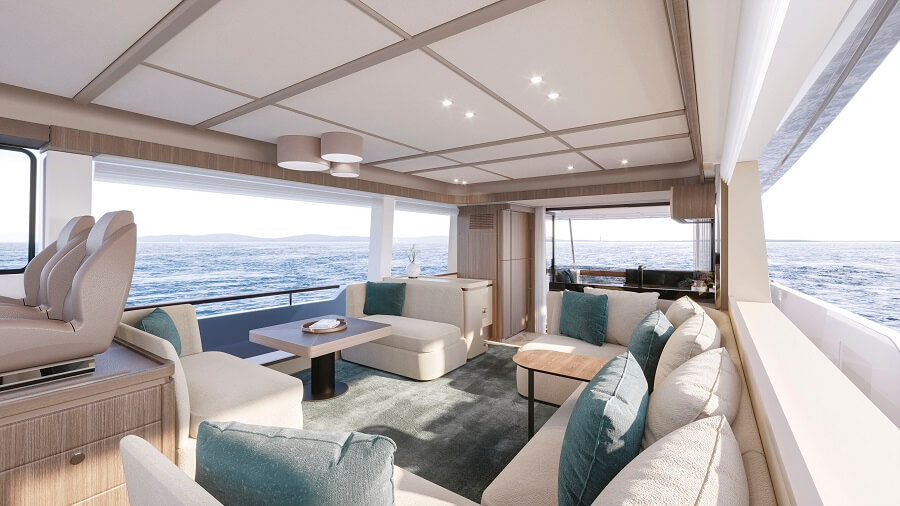
Multihull Solutions and The Yacht Sales Co will stage four regional premieres covering a sailing catamaran, powercat, flybridge motor yacht and luxury day boat.
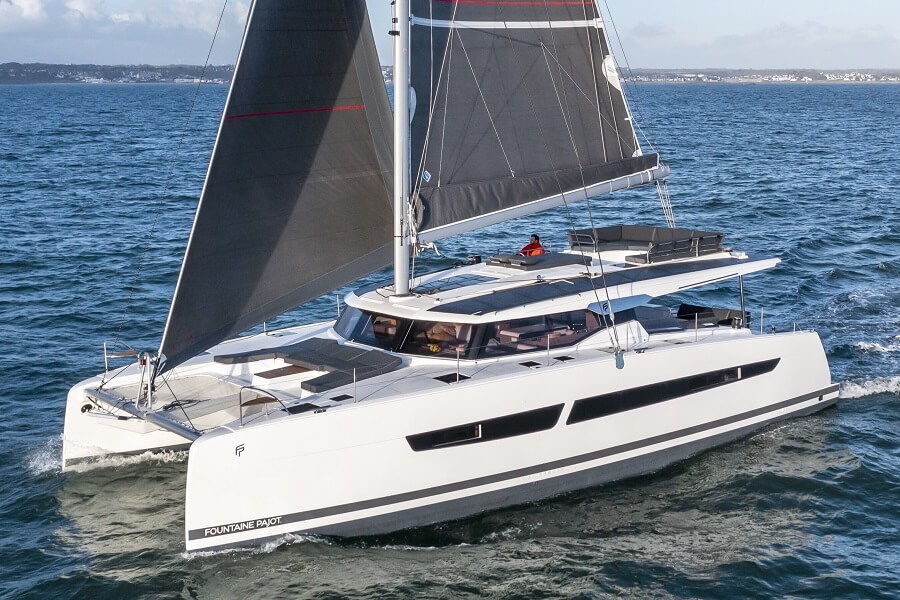
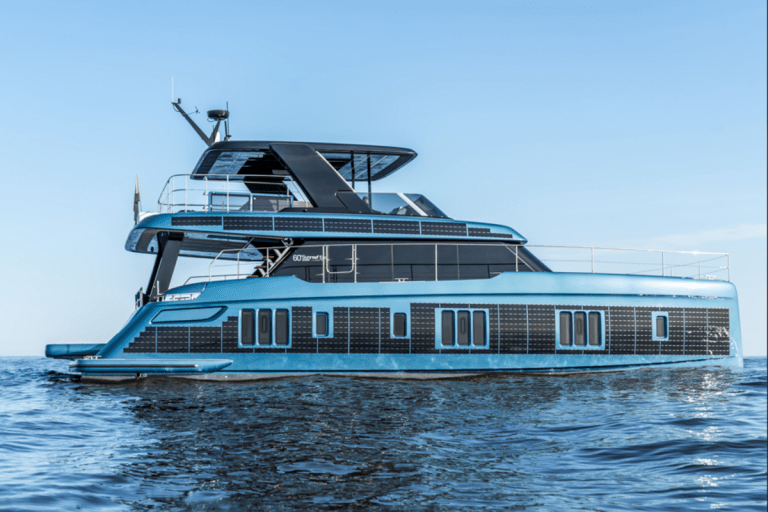
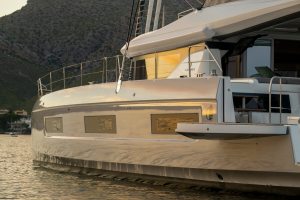
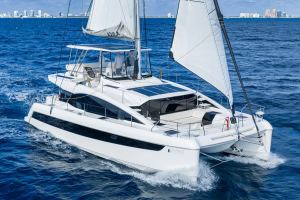
Fountaine Pajot Aura 51
Sister companies Multihull Solutions and The Yacht Sales Co will stage the Asia-Pacific premieres of four new models at the Sanctuary Cove International Boat Show from May 25-28.
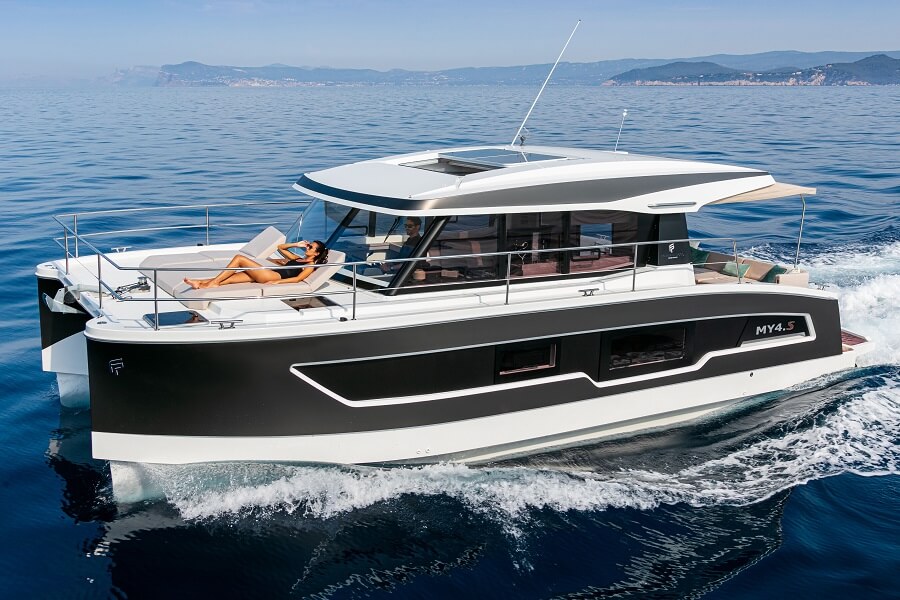
Multihull Solutions’ line-up will include the regional debuts of Fountaine Pajot’s Aura 51 sailing catamaran and the MY4.S powercat.
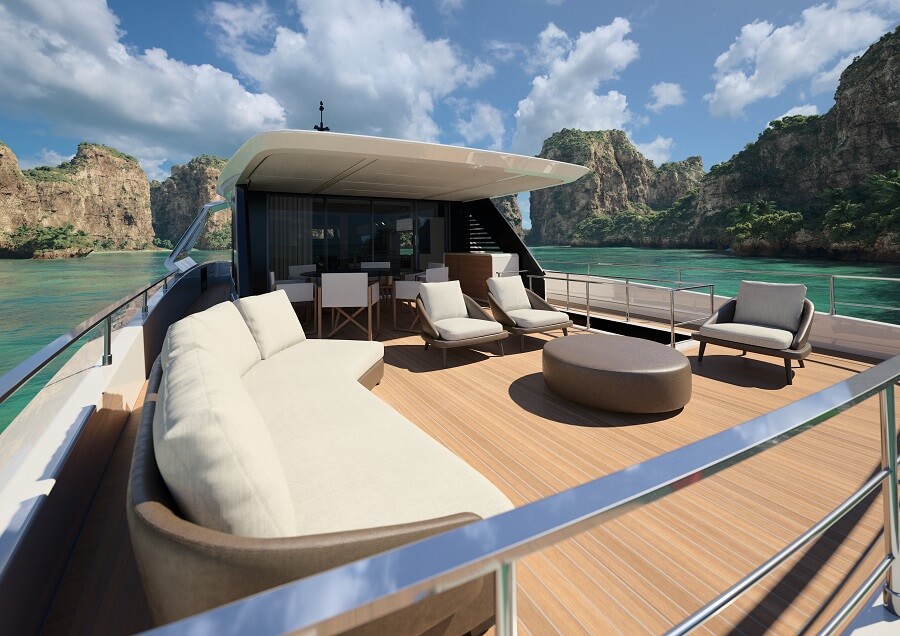
Fountaine Pajot Aura 51
Multihull Solutions has already sold five units of the Aura 51, which debuted in Europe last year and features a full opening between the saloon and the cockpit plus solar panels (2,000kW) on a flybridge featuring a C-shaped sofa and sunpads.
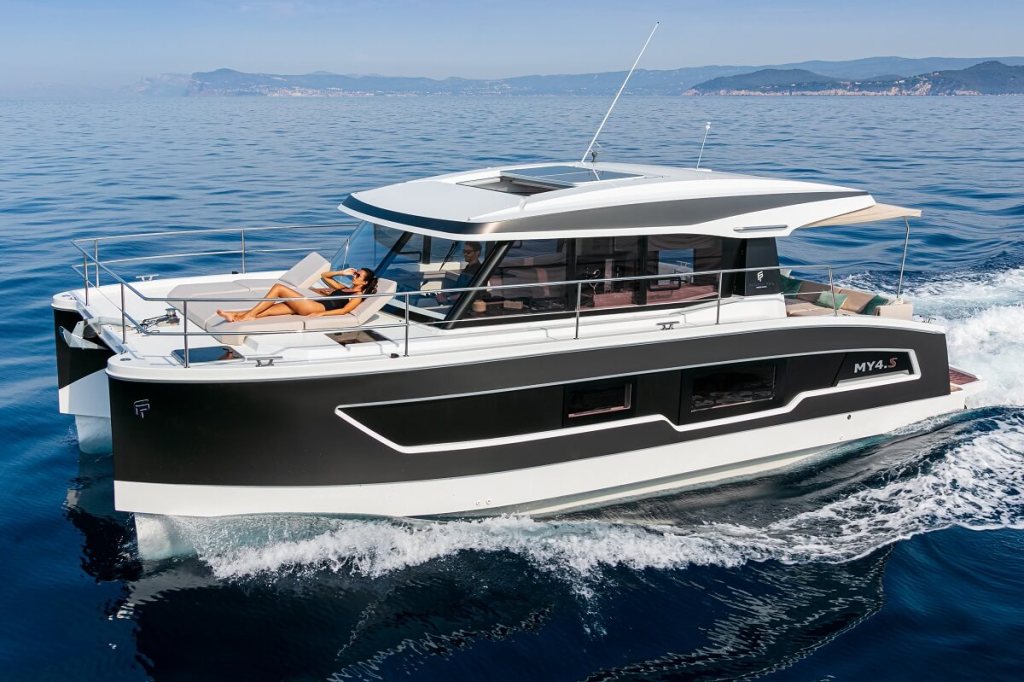
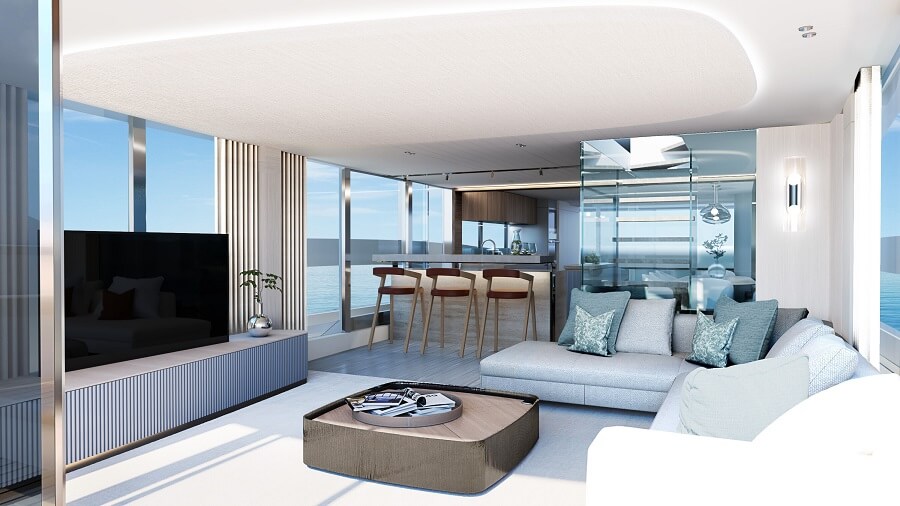
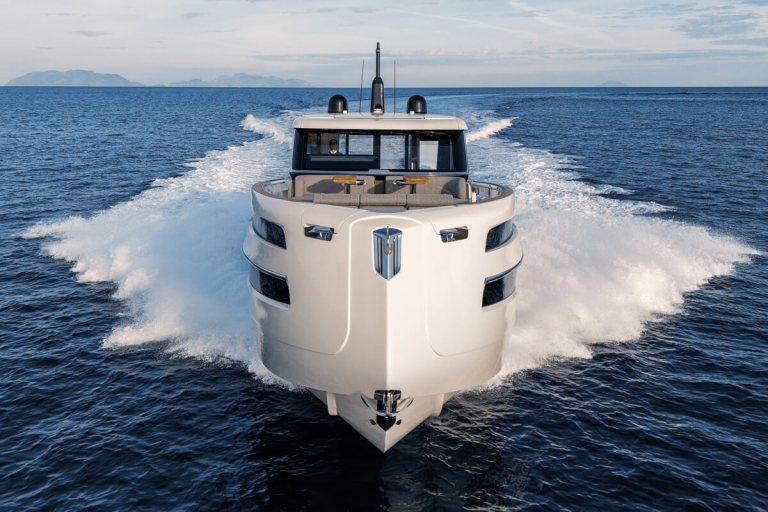
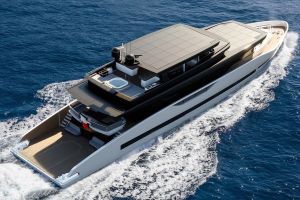
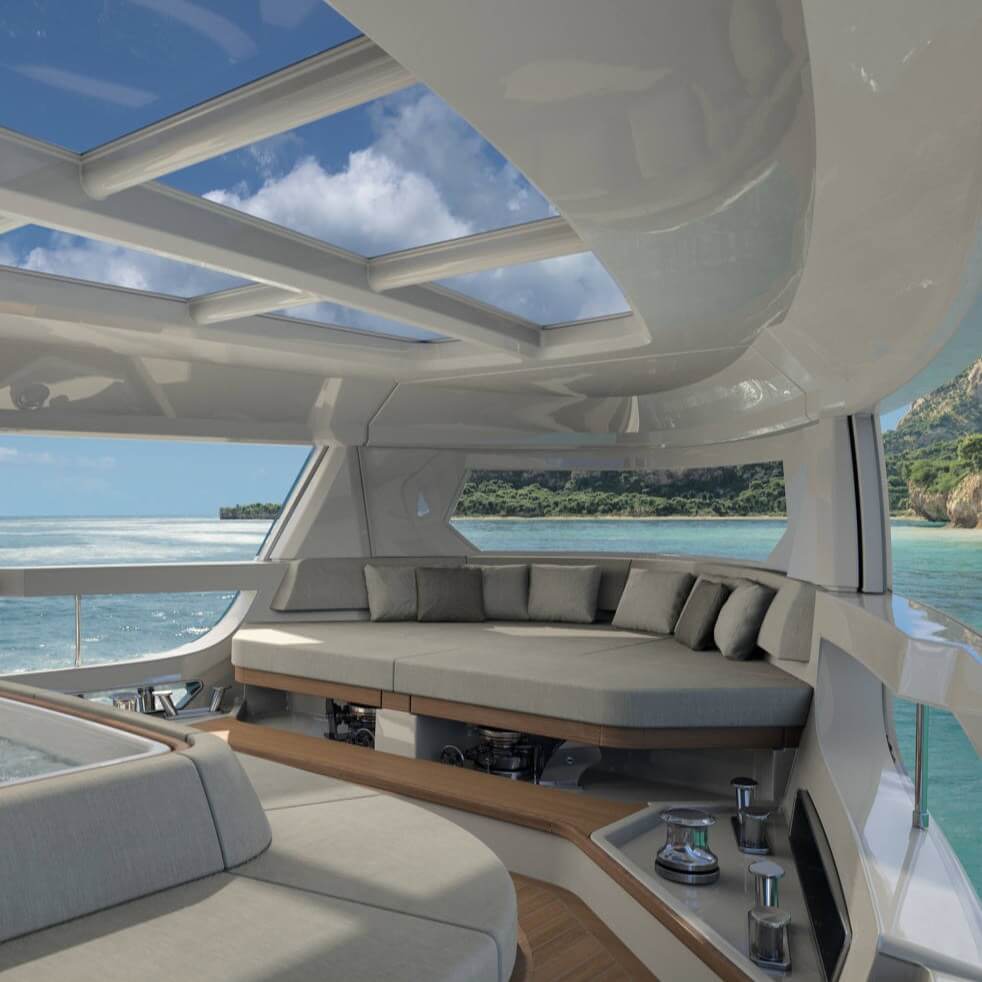
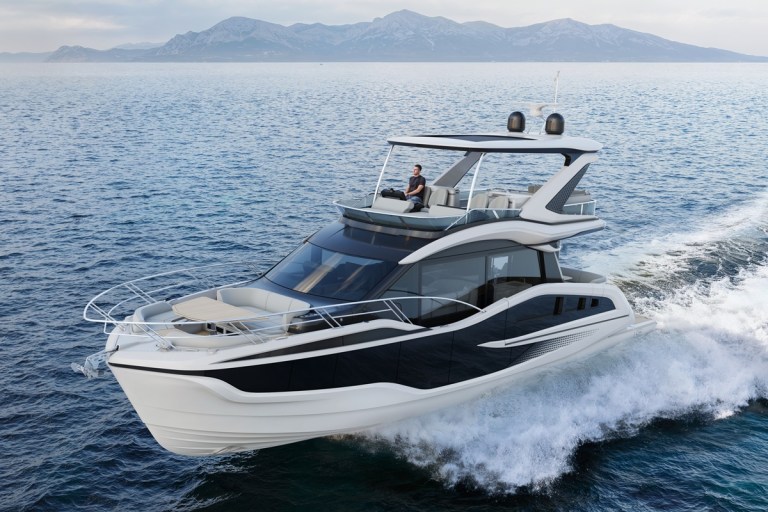
The MY4.S is the first sedan model in the French builder’s range of powercats, which also includes the MY5, MY6 and Power 67. Options on the MY4.S include an electrotonically operated skylight that offers superb natural light and ventilation.
Fountaine Pajot MY4.S
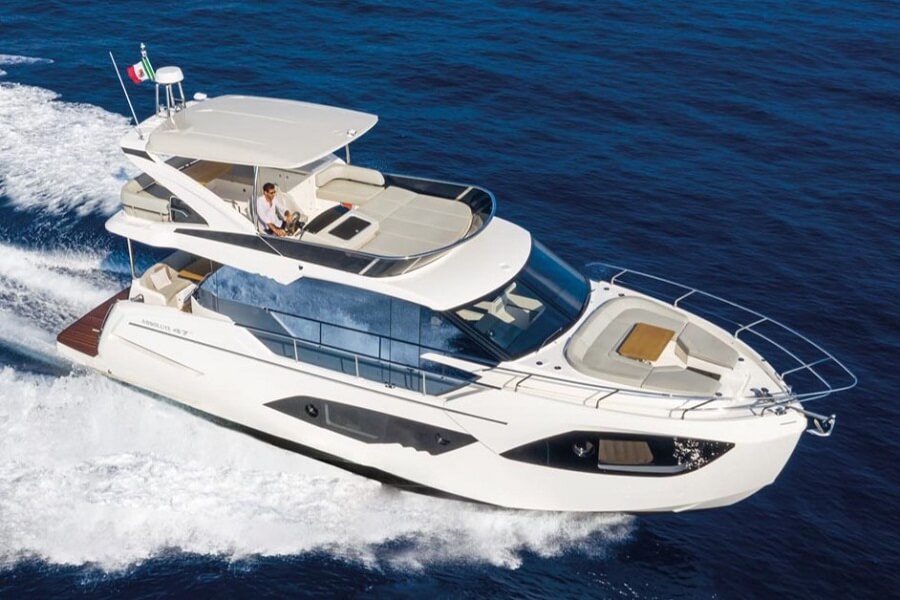
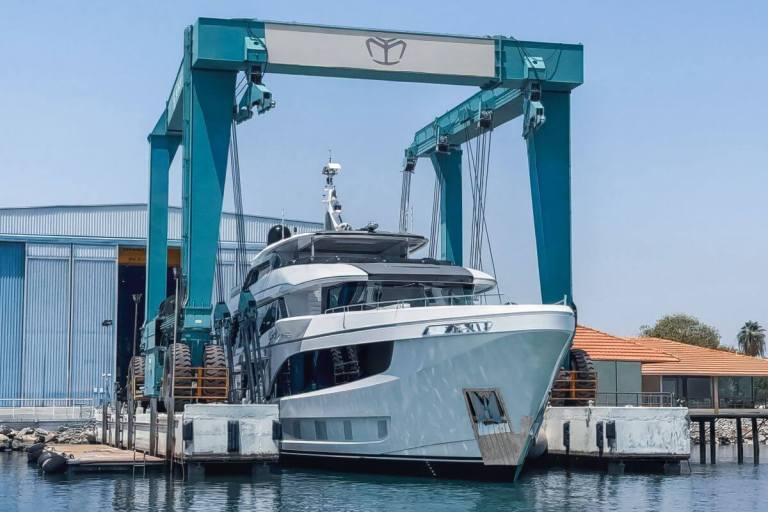
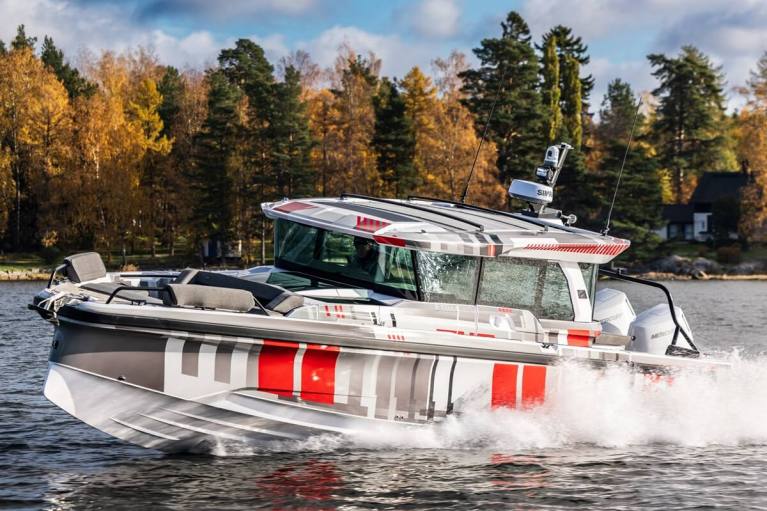
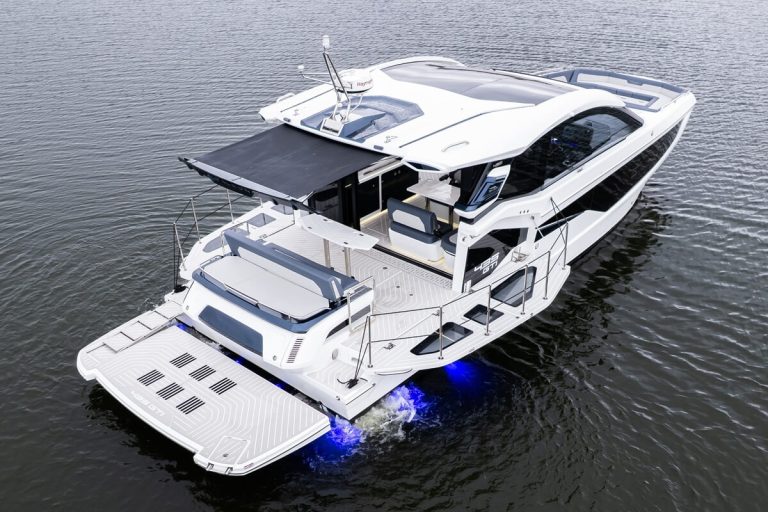
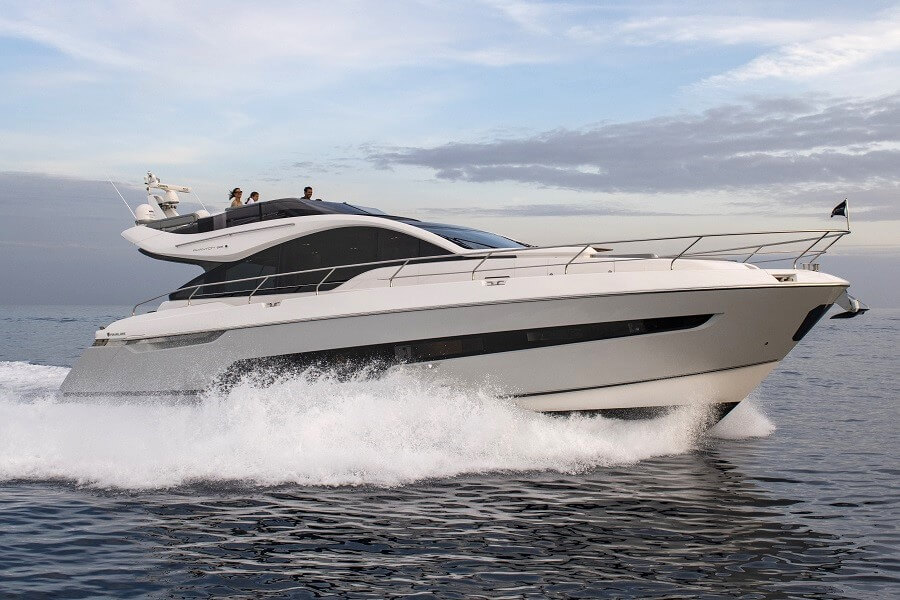
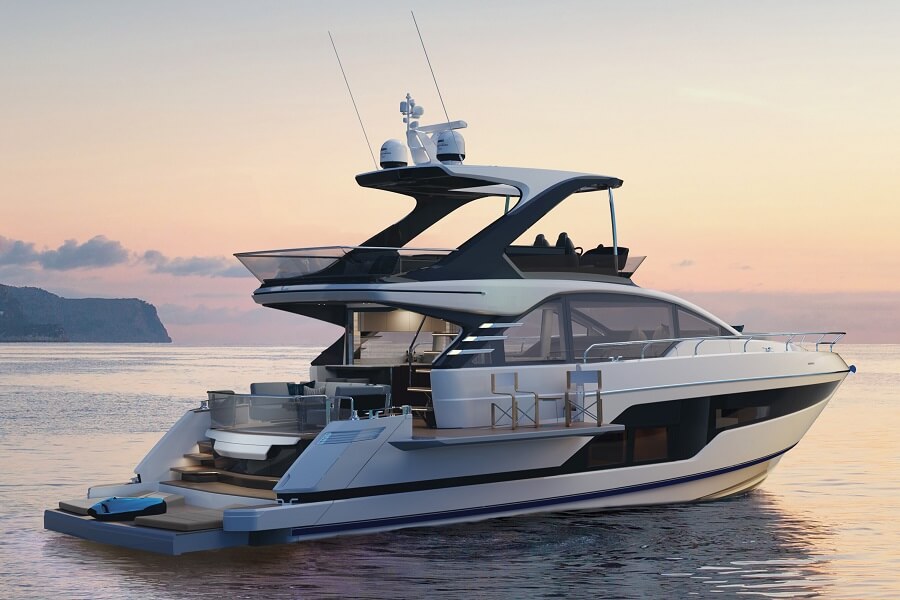
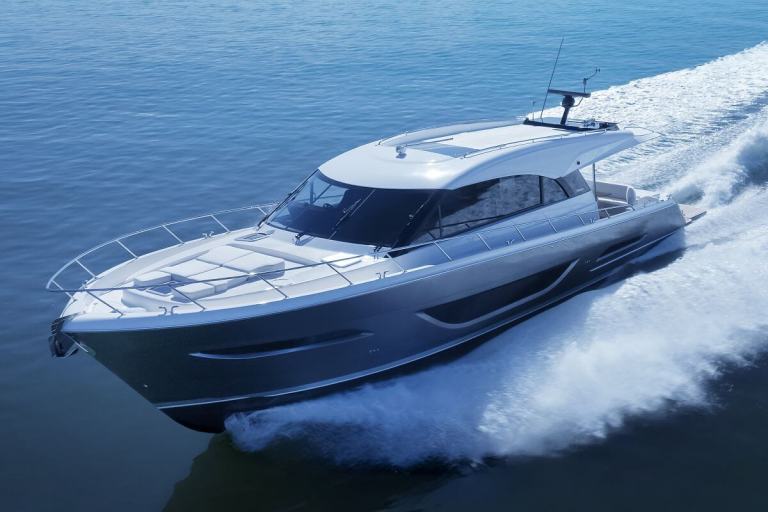
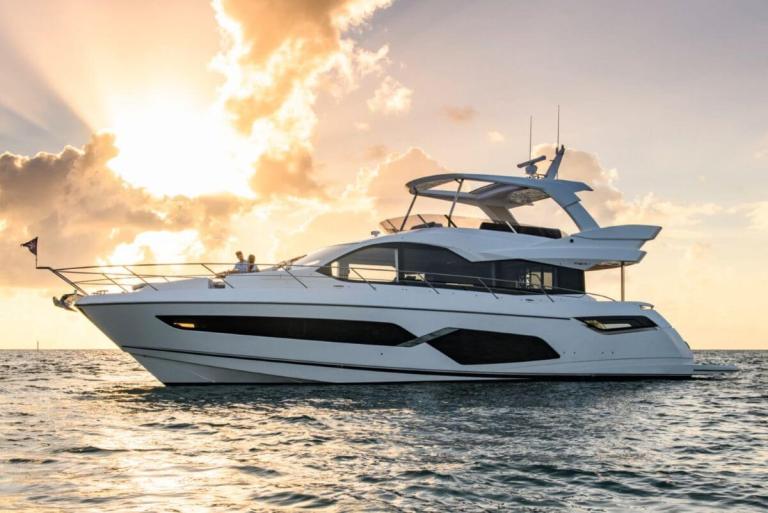
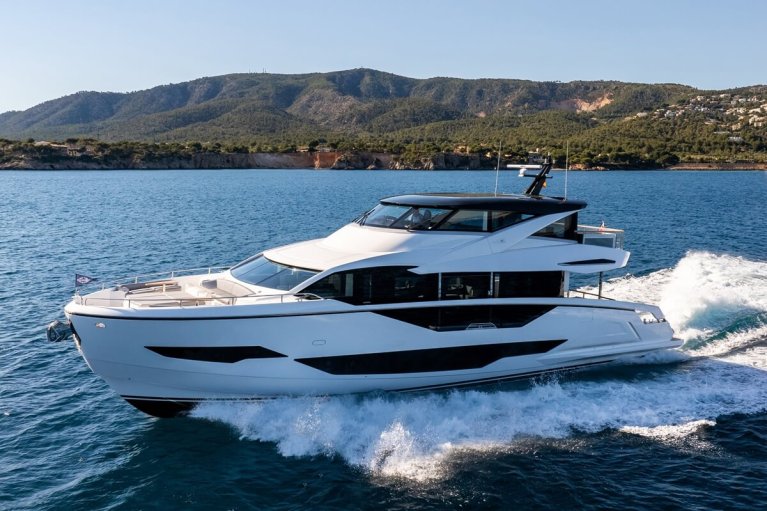
Sister company The Yacht Sales Co will unveil the Absolute 47 Fly luxury motor yacht and Tesoro T40 Outboard for their regional debuts.
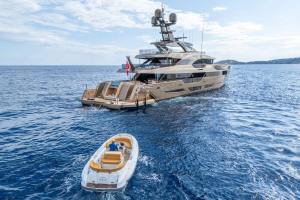
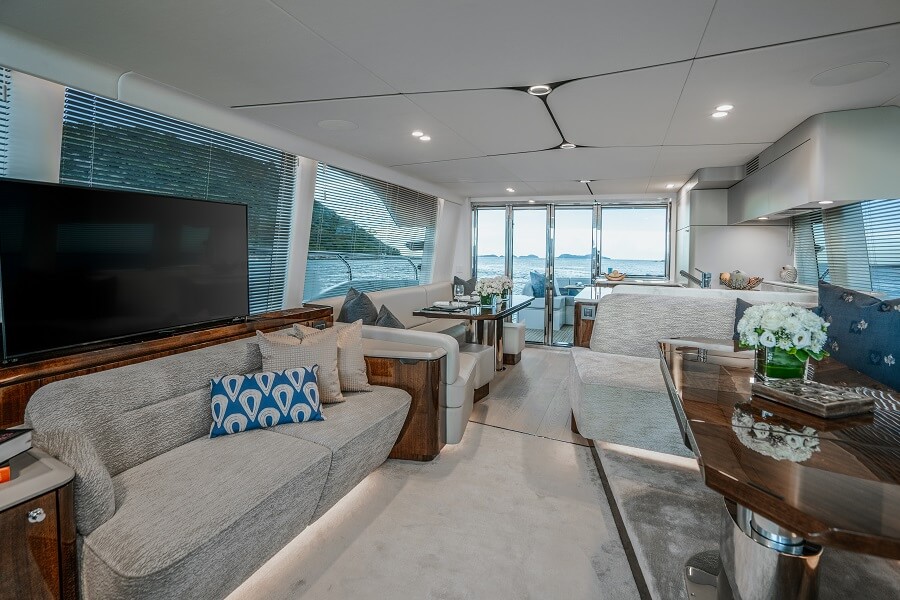
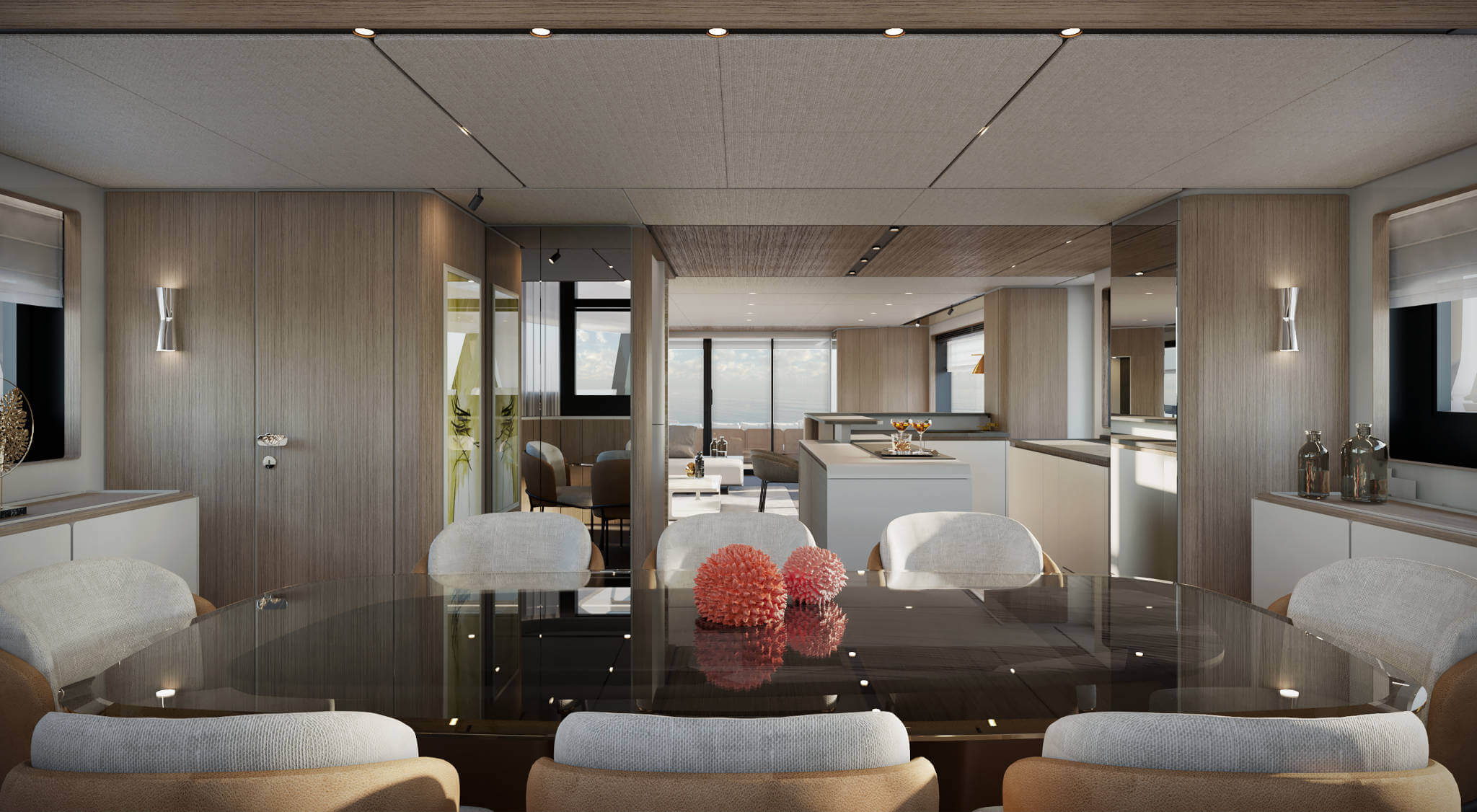
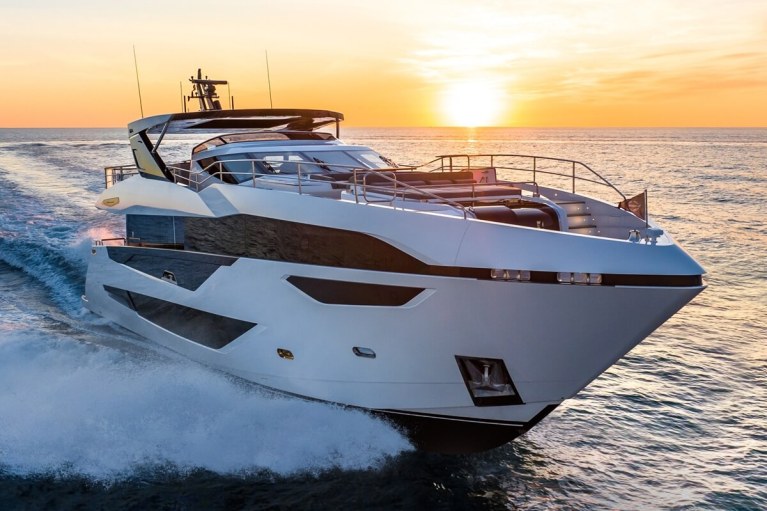
Absolute’s 47 Flyfeatures a generous flybridge with large sunbed and spacious entertaining area, a well-equipped galley that integrates with the aft cockpit, and pillar-free windows in the saloon.
Absolute 47 Fly
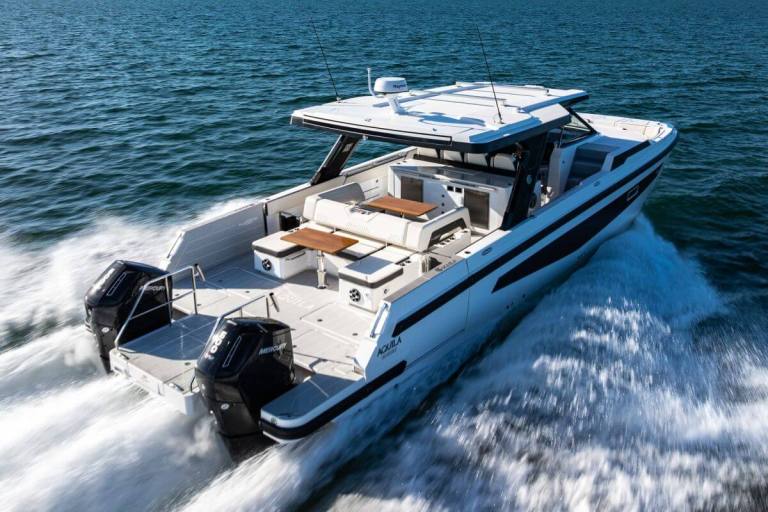
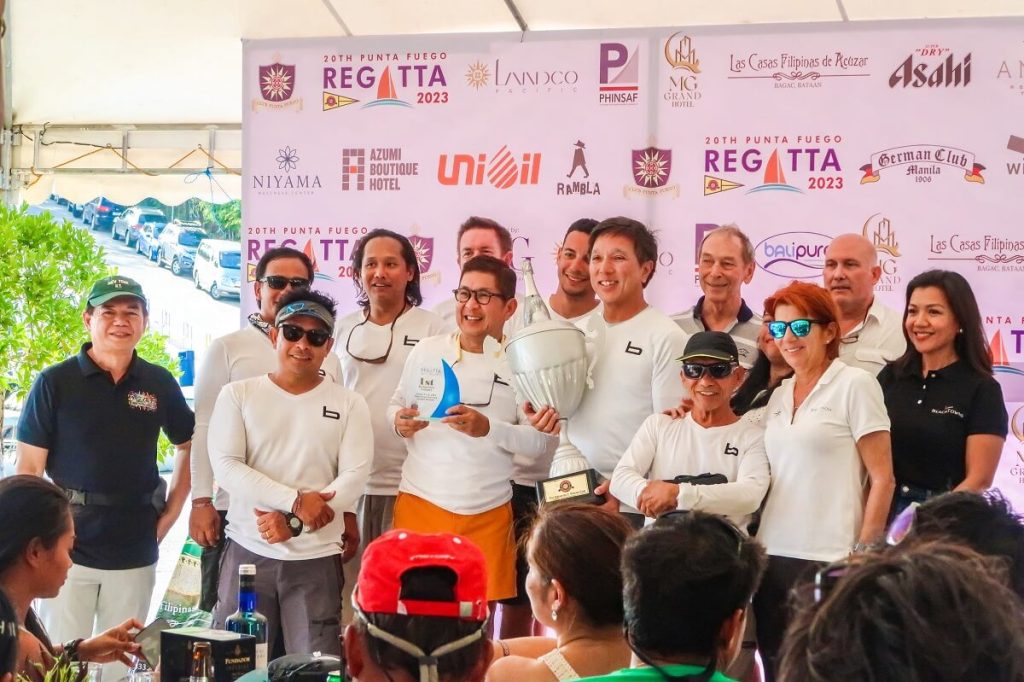
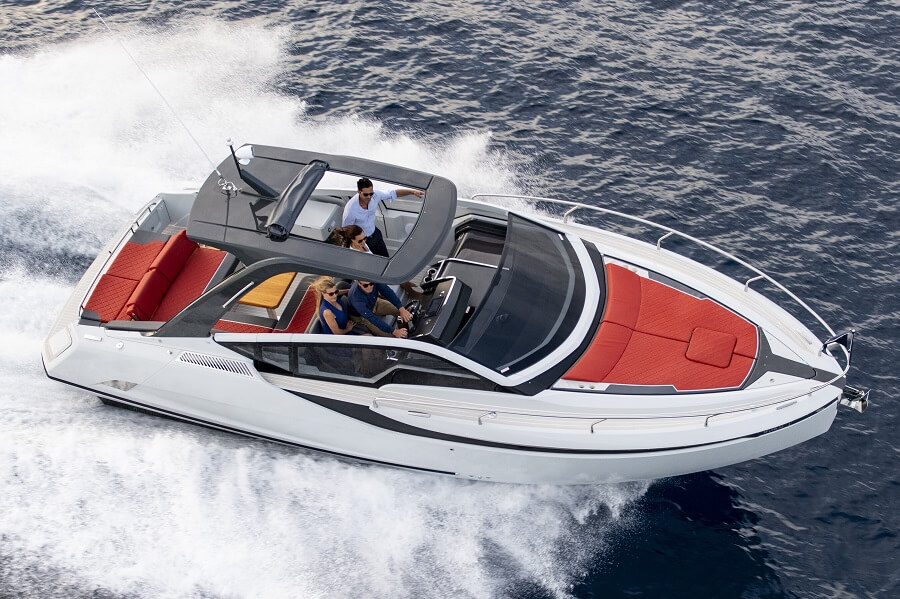
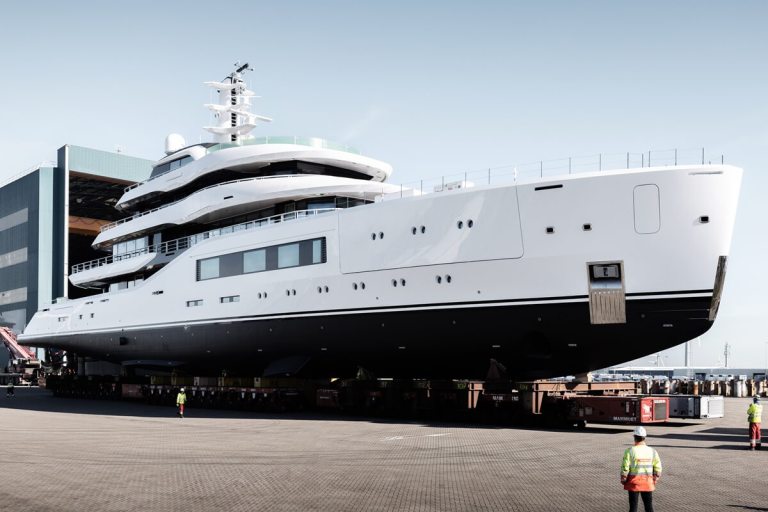
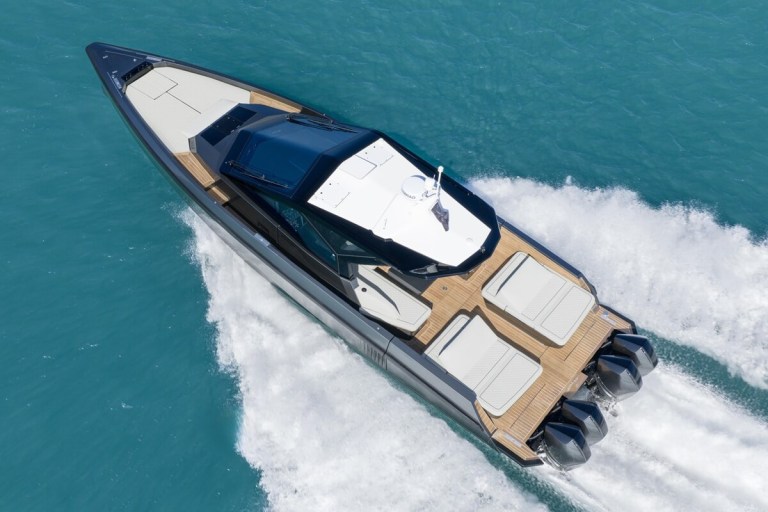
The T40 Outboard is a luxurious walkaround day boat from Dutch builder Tesoro and has a ‘wraparound’ swim platform, a new Cullinan T-Top, an expansive garage and two cabins in an interior benefiting from generous hull windows and a skylight.
Multihull Solutions and The Yacht Sales Co will also share details of models from all their brands, which include Fountaine Pajot, Dufour, Neel and Leen Trimarans, Absolute, Cora Cat and Tesoro.
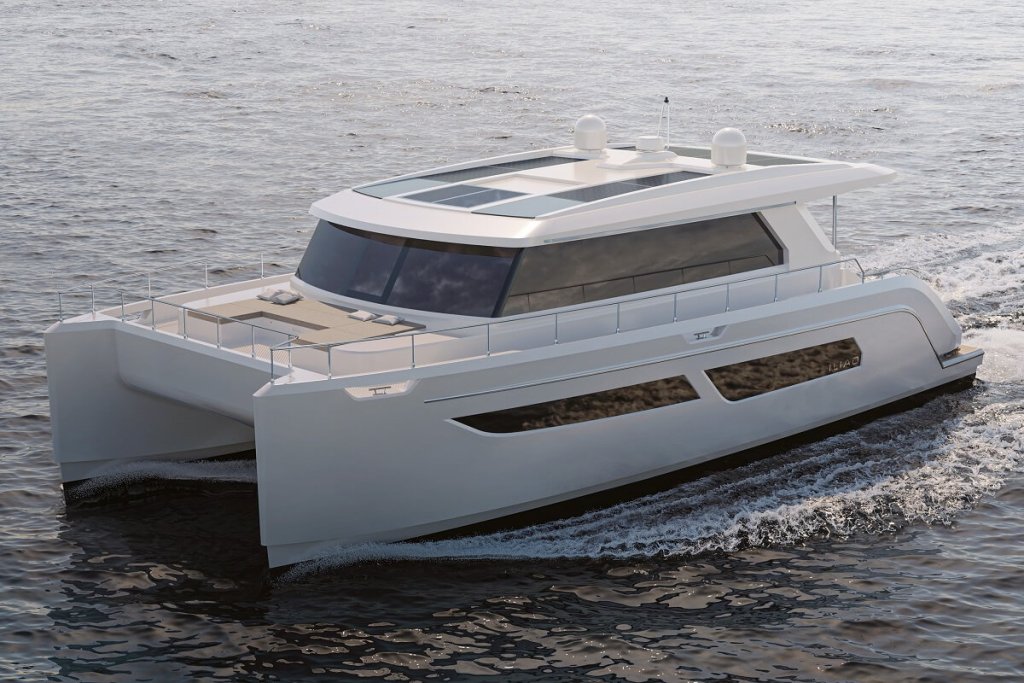
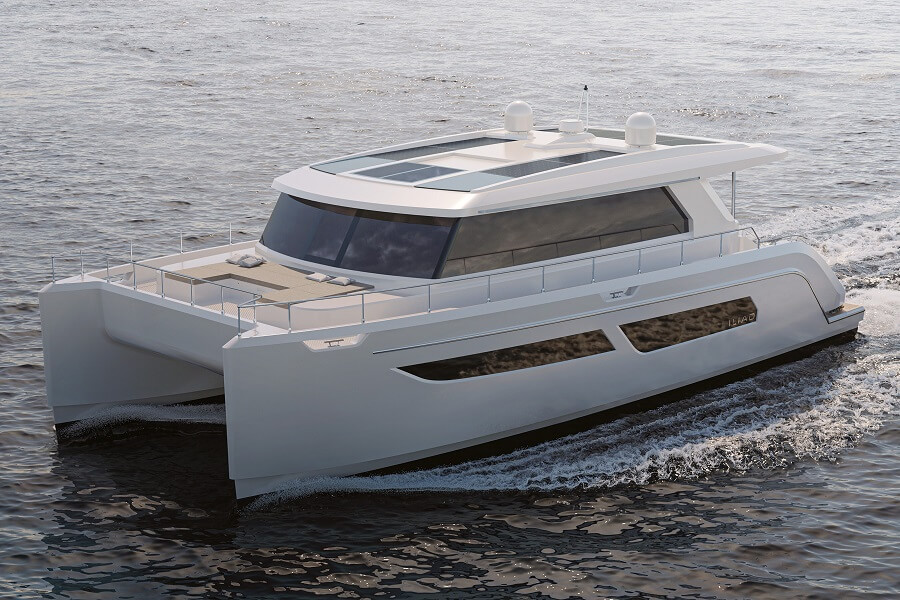
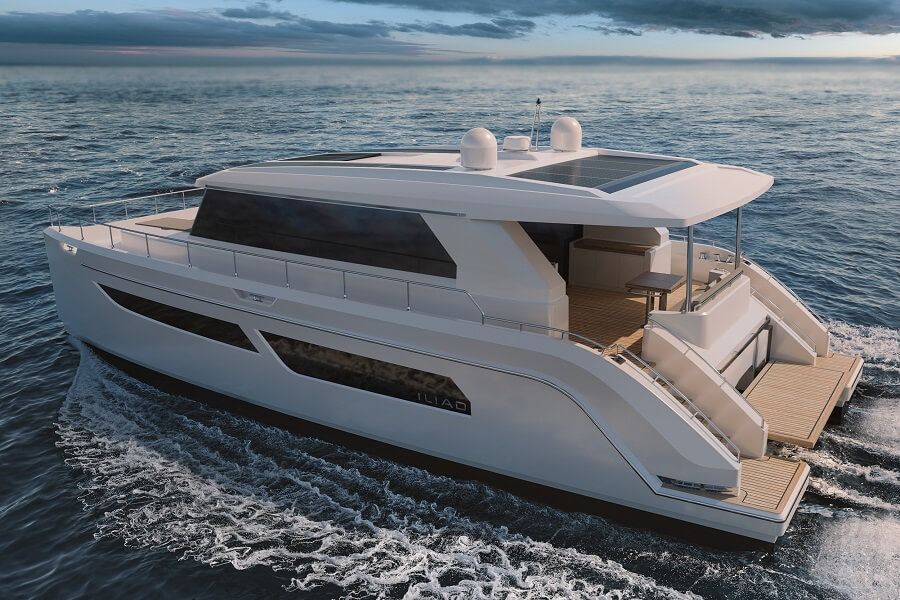
ILIAD Catamarans will stage the world premiere of the 53S powercat at Australia’s Sanctuary Cove International Boat Show in May.
The ILIAD 53S will debut at the 2023 Sanctuary Cove International Boat Show
ILIAD Catamarans will stage the global premiere of its new ILIAD 53S at this year’s Sanctuary Cove International Boat Show from May 25-28. Signalling a departure from the flybridge design that distinguishes the ILIAD 50, 62 and 75, the 53S features a sporty sedan silhouette and a comprehensively optioned model is priced from US$1.795 million.
The interior includes a huge forward lounge, helm station, dining for six to eight people, and a large skylight that increases the natural light. The galley has an island bench, full-size refrigerator and freezer, and well-designed storage areas.
The master suite occupies an entire hull and features an oversized island queen bed, panoramic windows, expansive en-suite, and “more storage and space than any other boat in its class”, according to ILIAD. The two en-suite guest cabins also enjoy an abundance of natural light courtesy of the generous windows.
The 53S is a departure from ILIAD’S usual flybridge designs
The aft cockpit features a bar area and dining for up to 10 guests, barbecue, ice-maker and refrigerator, with all waste bins concealed in cleverly designed cabinetry. The tender platform is ideal for safe sea access and can be used for sunbathing when the tender is deployed.
The foredeck features generous lounge seating for enjoying a drink at sunset and has direct access into the saloon. Handrails around the entire main deck increase safety while moving around the boat.
The 53S set for Sanctuary Cove is powered by 440hp engines delivering a top speed of 24 knots and a 3,000nm-plus range at low speeds. Engine options from 400-550hp are also available.
The standard model is comprehensively optioned with air-conditioning, generator, full electronics, water maker, washer/dryer, lithium batteries, solar panels, entertainment system and much more.
The ILIAD 53S has been constructed with all the brand’s DNA, including being beachable in emergencies, a full vinylester hull, foam core throughout, high bridgedeck clearance and premium safety features that see this new model classified in a class of its own.
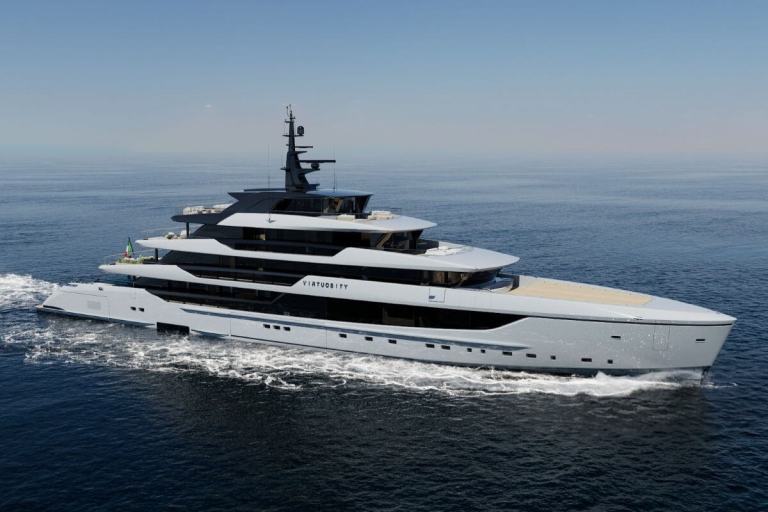
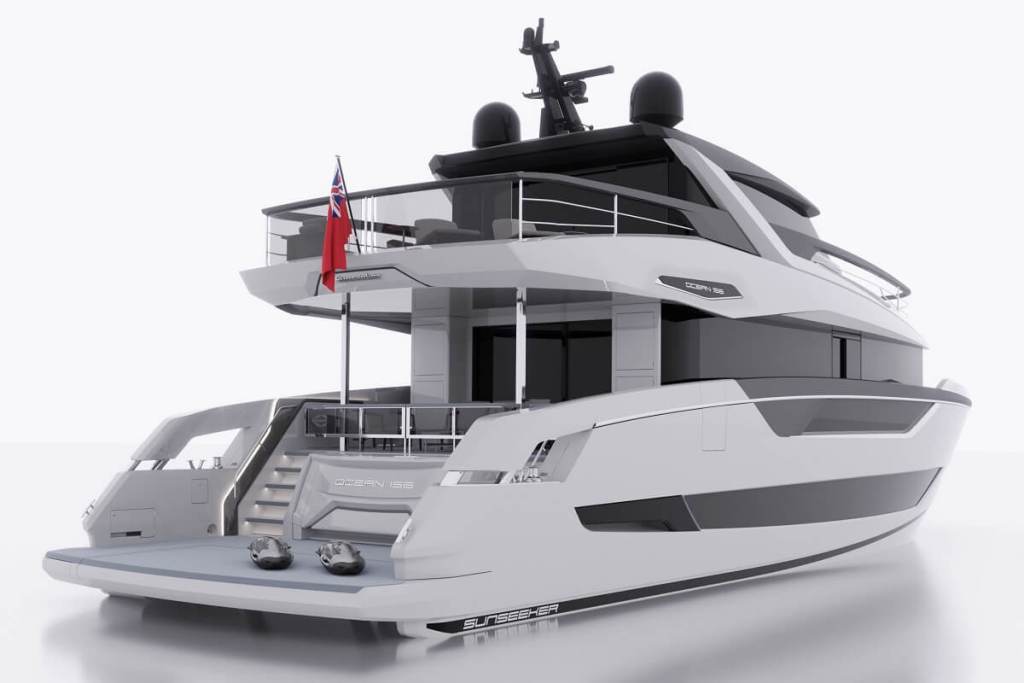
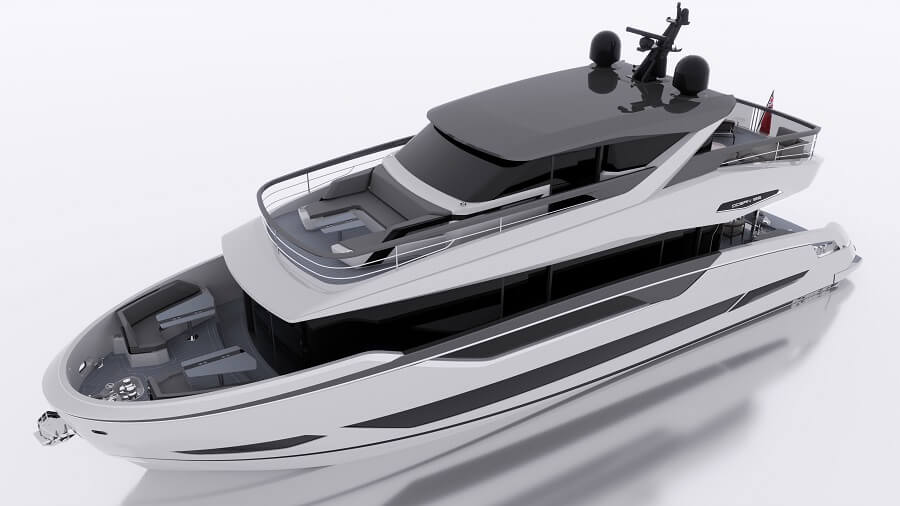
The British shipyard is growing its newest series with the Ocean 156, an 81-footer with a volume of 156GT.
The main deck has sliding doors to the foredeck
Sunseeker is evolving its new Ocean series with the Ocean 156, which has an overall length of 24.83m (81ft 6in), based on a hull with a length of 22.97m (75ft 4in) and a large beam of 6.5m (21ft 4in).
The Ocean 156 has a volume of 156GT
The Ocean 156 follows the single-helm, skylounge design introduced on the Ocean 182, which will debut at this year’s Cannes Yachting Festival (September 7-12) and is the enclosed flybridge version of the 90 Ocean that debuted in 2021 as one of ‘Sunseeker’s Famous Five’ models.
The skylounge contains the sole helm station
However, the Ocean 156 is an all-new model, without a ‘standard flybridge’ sister ship, and is purpose-designed as an enclosed skylounge model.
The infinity aft cockpit has modular furniture
Powered by twin Volvo Penta D13-IPS1350 engines, the Ocean 156 has a top speed of up to 23 knots. Notable features on the main deck include a forward door to the foredeck, while the upper deck has outdoor social areas both fore and aft of the skylounge.
Forward view of the standard layout, with aft galley and dining
Andrea Frabetti, CEO of Sunseeker International, said: “Our teams have once again managed to achieve a luxury superyacht feel with all the practicalities of a smaller model on board the beautiful new Ocean 156. We’ve really worked hard to maximise space on board and the design options are endless. We’re really excited to bring what promises to be a popular model to market.”
Aft view of the standard layout, with saloon forward
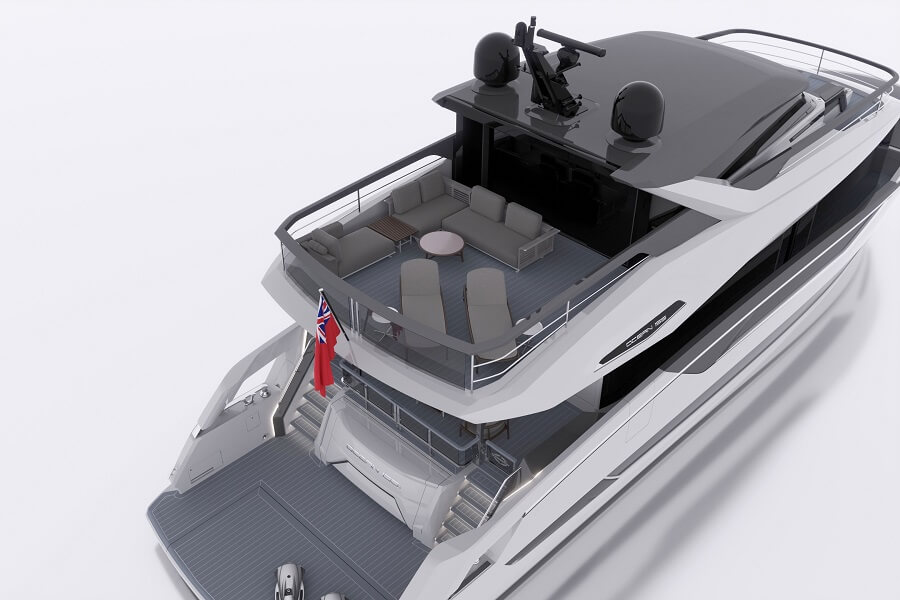
Designs show a large hydraulic swim platform overlooked by an infinity aft cockpit featuring modular furniture. The interior features full-height glazing, sliding doors on both sides and a glazed, floating staircase set midships and to port of the centreline.
Forward view of optional layout, with saloon aft
Layout options include an aft saloon and a central galley that can be enclosed, while forward is a bar and dining area with sliding doors that open to the foredeck area. Main-deck layouts also include an open galley and dining area aft, with bar area and saloon forward, while other options include a forward master suite with direct access to the foredeck.
Aft view of dining-forward layout
The upper deck has an open aft deck with area for modular furniture and sun loungers, an enclosed skylounge including the helm station, and a seating area forward of the windshield. A spa tub is among options.
The master suite midships on the lower deck
The standard lower arrangement includes a completely level floor for all the guest cabins, which comprise a full-beam master midships, a forward VIP and two guest cabins, while crew accommodation is among options.
www.sunseeker.com
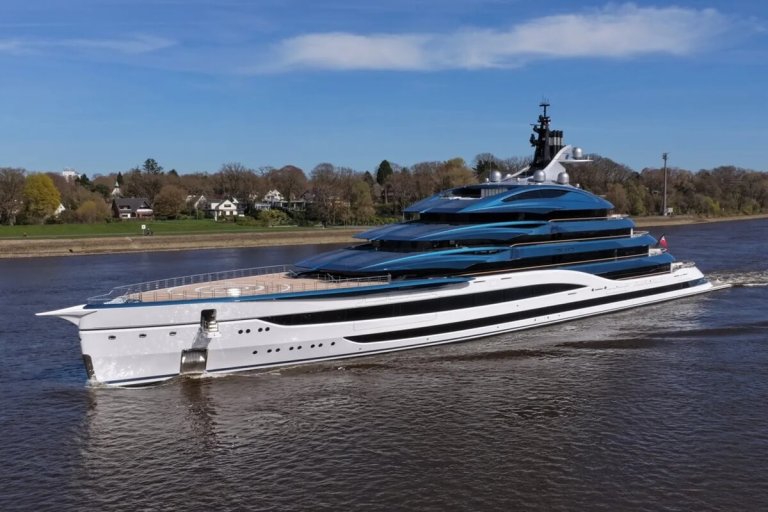
The Ferretti Group builder’s third superyacht launch of 2022 is now in the Caribbean following a trip across the Atlantic.
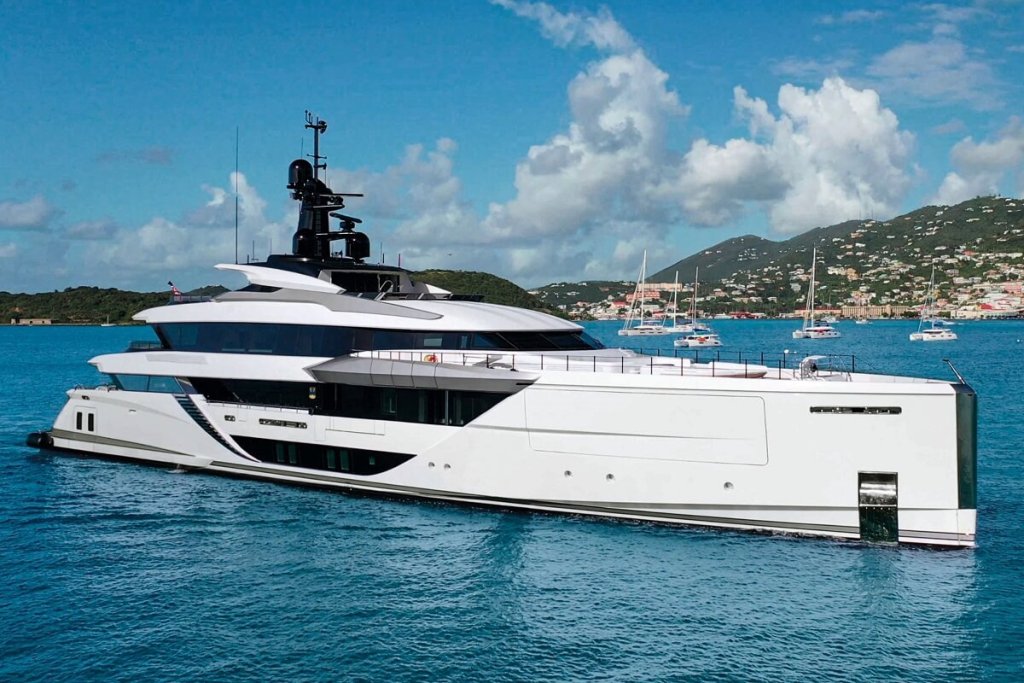
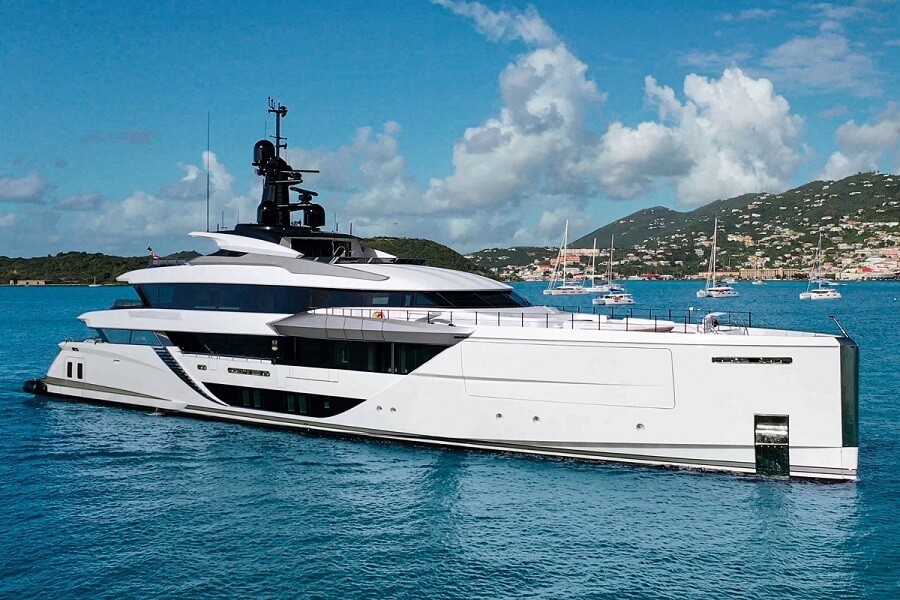
CRN M/Y 141 at Yacht Haven Grande Marina in St Thomas; Photo: Phil Blake / IGY Marinas
CRN’s aluminium-hulled MY/141 is now in the Caribbean following a trip across the Atlantic to the US Virgin Islands. Launched last September, the 60.3m superyacht completed sea trials before delivery to her owners in December, then left the Ferretti Group Superyacht Yard in Ancona on Italy’s east coast.
Italian studio Nuvolari Lenard designed the exterior and interior of the 1,114GT yacht, while CRN handled naval architecture. The five-deck yacht has a beam of 10.55m and accommodates up to 12 guests and 13 crew.
Featuring twin MTU engines and certified IMO Tier III, the 198-footer has a remarkable top speed of over 25 knots and can cruise at 22.5 knots.
“The knowledgeable owners were eager for a high-performance superyacht with a shallow-enough draft to cruise in the West Indies, using in-line propellers. They also requested airy, generous-height spaces, and large guest and crew areas” CRN stated. “Her performance is genuinely remarkable for a displacement pleasure vessel in this market segment.”
Jun Villanueva’s Ice 52 won the Racing Class at this year’s Punta Fuego Regatta, while Ultra and Tututango topped the Cruising and Ocean Multihull divisions respectively. Words: Beni Gomez Photos: Anya Hospitality Group (AHG) / Marvin Manucum
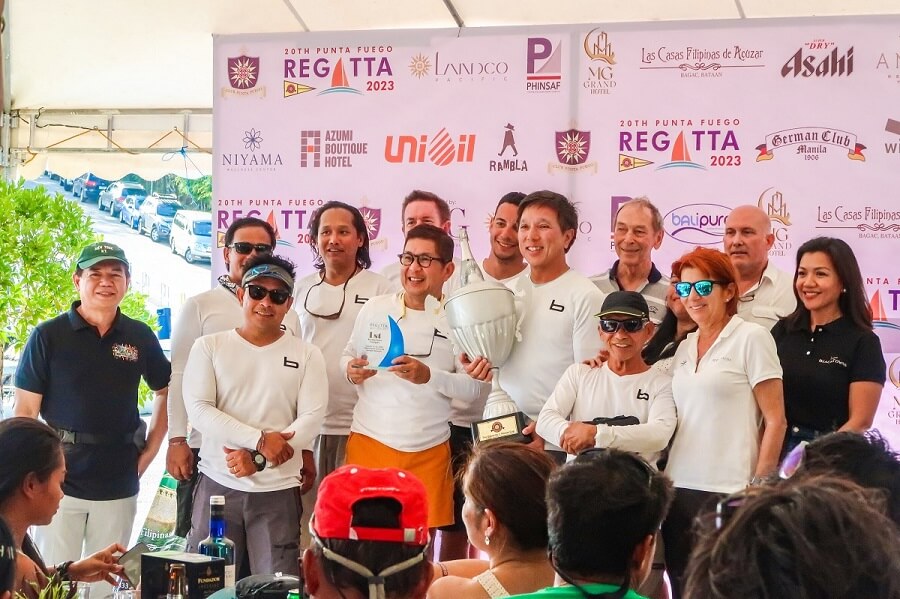
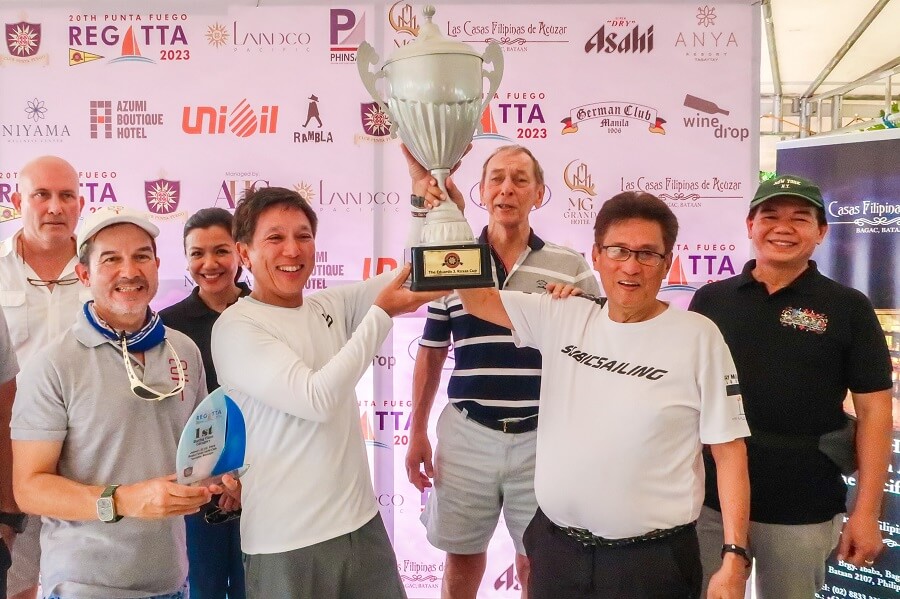
Jun Villanueva and his Belatrix crew with the trophy
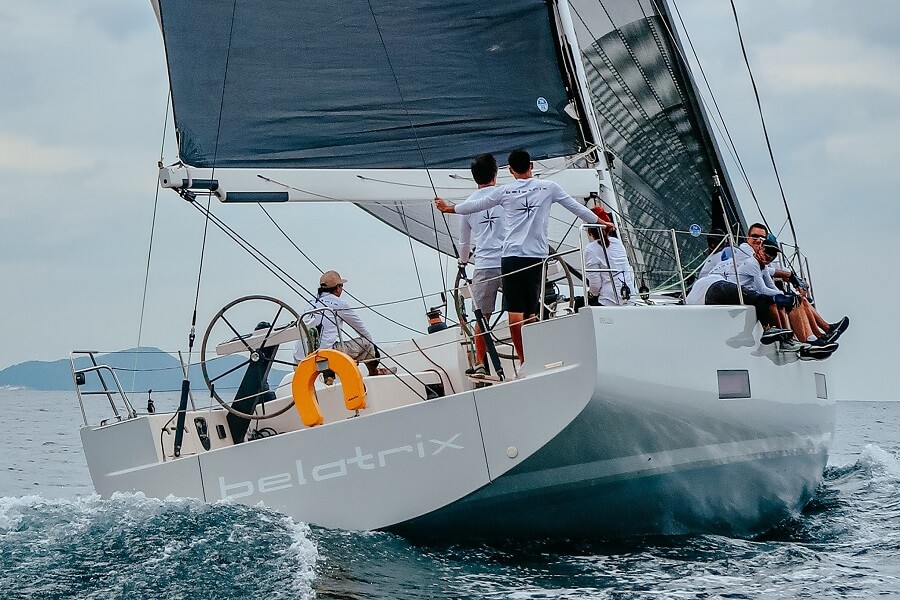
Jun Villanueva’s Ice 52 Belatrix, Pablum Lobregat’s Beneteau First 30 Ultra and Roman Azanza’s Fountaine Pajot 40 won the Racing, Cruising and Ocean Multihull classes respectively at this year’s Punta Fuego Regatta. Hosted at Club Punta Fuego, southwest of Manila, the regatta was organised by Punta Fuego Yacht Club and the Philippine Inter-Island Sailing Foundation (Phinsaf).
Registration and cocktails were held at the club’s Traditions and Contradictions Bar and Lounge on the Friday evening, before registration continued on the Saturday morning followed by a competitors briefing.
Belatrix and Hurricane Hunter compete in the Racing class
Rain and light, unstable wind conditions ruled out a windward-leeward race in the morning, before all three classes competed in the Punta Fuego to Fortune Island Race. Belatrix was first on elapsed time in 2hrs 27mins, but finished second in the Racing class on corrected time behind Hurricane Hunter, Albert Altura’s Beneteau First 40.
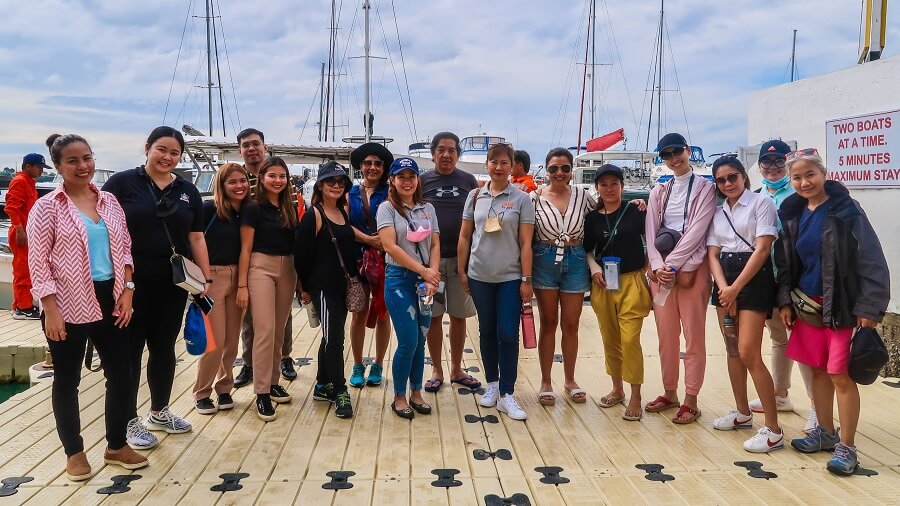
Guests of the Punta Fuego Regatta
In the Cruising class, Ultra finished first on elapsed and corrected time, ahead of Papaya II, Rene Ticson’s Jeanneau Sun Odyssey 42, and Captain Napoleon, Napoleon Paterakis’ Beneteau Oceanis 40.
In Ocean Multihull, Hans Woldering’sIkapati finished in 2hrs 58mins, but finished behind Tututango (4hrs 0mins) on corrected time, with Monchu Garcia’s Carino in third place. The day finished with a party at the club’s San Diego Restaurant.
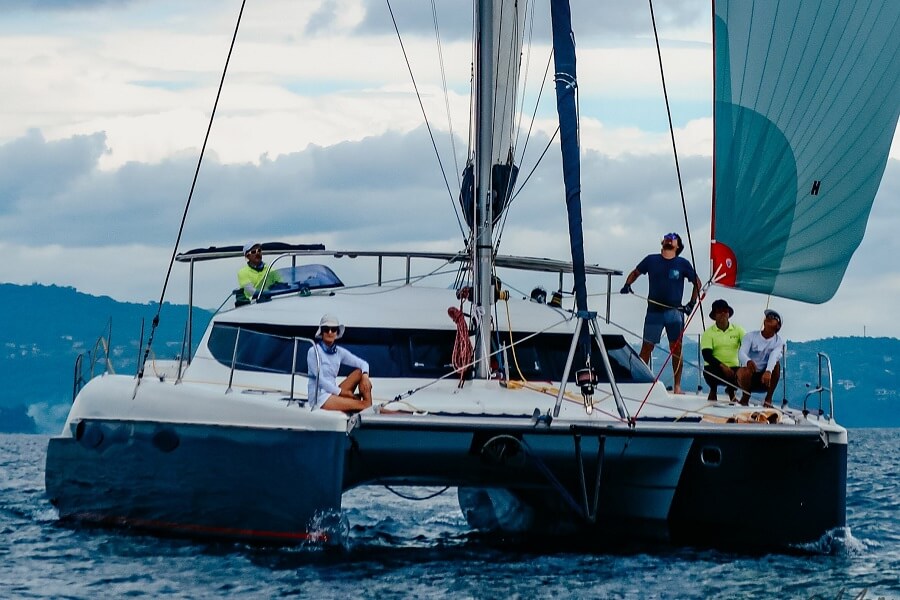
Tututango won the Ocean Multihull division
Rye Lee Caasi, a member of Jerry Rollins’ race management team, said: “It was a fast race for the Racing class and a tough one for the Ocean Multihull class because of the strong tides they experienced while rounding Fortune Island and on the way back.”
On the second day, winds ranged between 10-18 knots, which allowed for a windward-leeward race for the two monohull classes as well as one long race for all three classes. Belatrix topped the Racing class after finishing the shorter race in 38mins, then finished the second, longer race in 1hr 49mins and narrowly pipped Hurricane Hunter on corrected time to win the division and overall trophy.
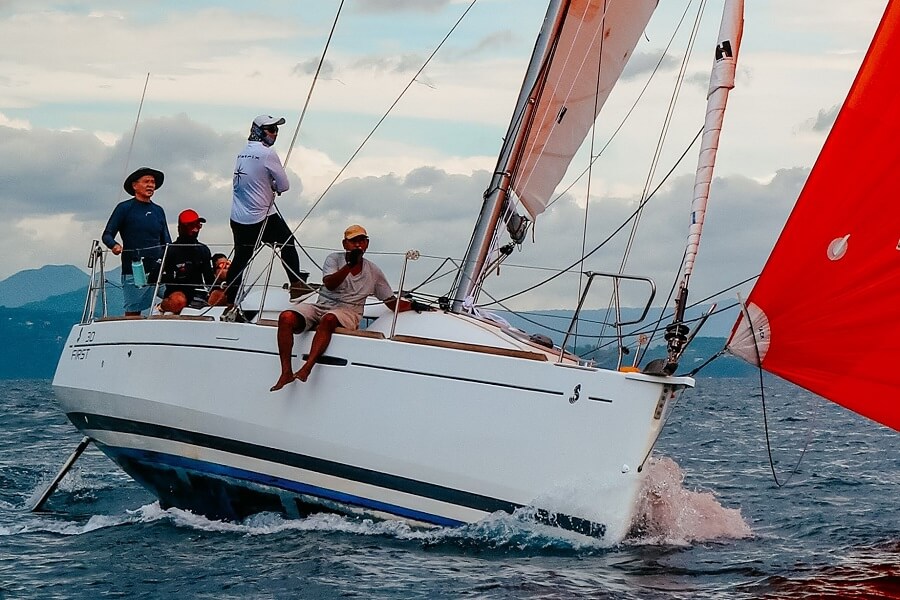
Ultra, a Beneteau First 30, won the Cruising class
In Cruising, Ultra pipped Papaya II on both elapsed and corrected times to win the shorter race. Papaya II then edged Ultra on both elapsed and corrected times to win the day’s second race, but it wasn’t enough to overtake the division leader.
In Ocean Multihull’s sole race of the day, Tututango claimed the division trophy after finishing first in both elapsed (2hrs 48mins) and corrected times, with Ikapati retiring.
Belatrix, an Ice 52, topped the Racing class
At the awards ceremony, Edgar Krohn and Nichole Sze, Club Punta Fuego’s General Manager and Membership Manager respectively, were joined on the podium by Jerry Rollin and Rye Lee Cassi of the race management team. VIP guests included Mario Daga, Senior Tourism Operations Officer, Department of Tourism – Calabarzon.
“Tourism is now back on its feet. Discover Calabarzon! It’s more fun in Nasugbu! It’s more fun in Punta Fuego!” Daga announced to the cheers of guests and sailors.
Jesus ‘Jun’ Avecilla (second right) belatedly receives the trophy for his 2022 win
The teams were awarded their trophies, while Selma Star skipperJesus ‘Jun’Avecilla also attended on the Sunday night to receive his overall trophy for 2022, after last year’s results were re-calculated.
Major sponsors included Anya Resort Tagaytay, MG Grand Hotel Subic, Las Casas de Filipinas and Unioil, while other sponsors included Asahi beer, Niyama Wellness by AHG, Azumi Boutique Hotel, Bali Pure, Winedrop, German Club Manila, Teresa Marble and Kambia Restaurant.
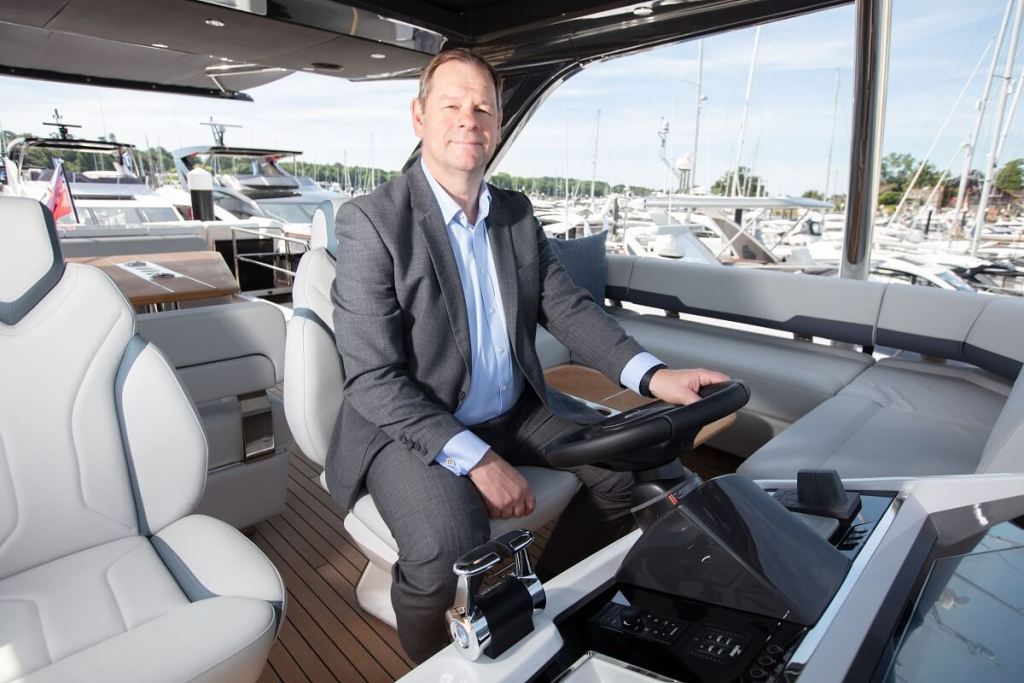
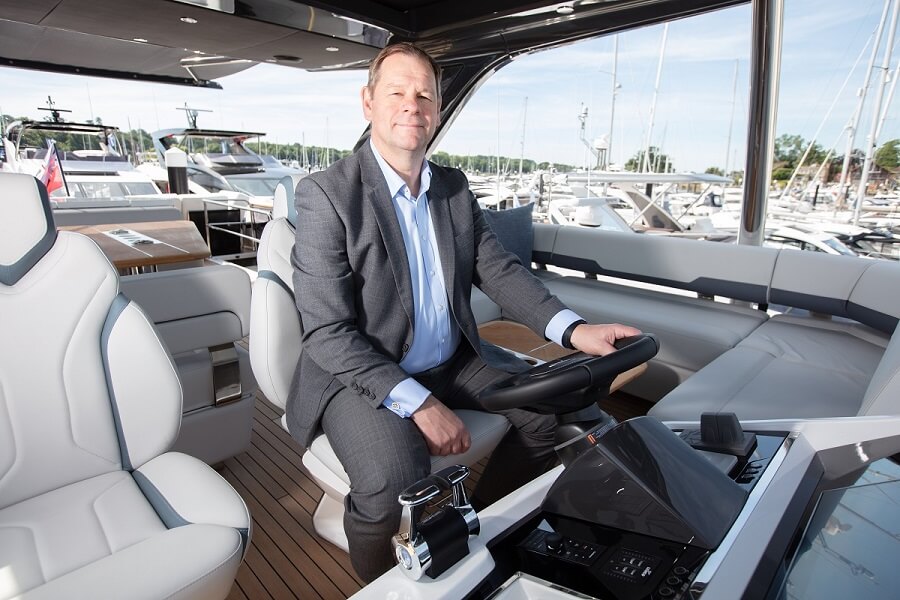
Fairline CEO Paul Grys is proud of the brand’s new Phantom 65 and flagship Squadron 68, and excited about upcoming models, yet he personally remains focused on design for manufacturing and catching up with a healthy order book.
Interview: John Higginson.
Grys has been CEO of Fairline since late 2021
Spanning nearly four decades, Paul Grys’ career includes 19 years with luxury car maker Jaguar (1984-2003) and 17 years at construction-equipment manufacturer JCB (2003-2020), where he was Managing Director of several business units before spending three years as Group Business Operations Director. He led and developed complex manufacturing businesses, a skillset that led to his appointment as CEO of Fairline Yachts in late 2021.
Paul, how would you assess your role and Fairline following your first full year as CEO?
The front end of the business is in really good shape. We’ve got good order coverage, which is outstripping our production plan for the next 12 months, while the product plan is excellent. The challenges in the business are around the supply chain and operationally, and my background is predominantly operations.
Fairline Squadron 68; Photo: Simpson Marine
Most of the years I spent at Jaguar were in operations and I moved to JCB to do more of that before I started running businesses there. At Fairline, I’m focusing on making sure we’re in good shape from the perspective of operations as well as leadership, making sure we’re connected by a joined-up plan and focused on the right priorities.
To help catch up with production, has there been any talk about expanding or supplementing Fairline’s manufacturing base in Oundle or the commissioning facility in Ipswich?
We acquired a small facility locally in Corby (west of Oundle, also in Northamptonshire) in 2022 and relocated our prototype and development team there. This has created space in Oundle for a new line, which is predominantly where the [Squadron] 58 is being built. I believe that will keep us going through 2023. If things go to plan, I expect we’d need to expand our facilities from 2024 onwards.
Fairline Phantom 65
What has been the response to the Phantom 65, the first model of Fairline’s new sportbridge series, which was displayed at the Cannes Yachting Festival and Genoa International Boat Show last September and is part of the Boot Dusseldorf 2023 line-up?
The hull is based on the Squadron 68 and the main differences are the layout on the main deck and having a sportbridge rather than a full flybridge. The new contemporary interior style we introduced on the upgraded Squadron 68 [in 2022] is also very apparent in the Phantom 65 and is the blueprint throughout all our new boats.
We’ve also had to revise the top speed of the Phantom 65 from 35 knots, as we’ve had it out on the sea at 37 knots, so we’re quite pleased about that. It’s a fun ride in a boat like this.
Interior of Fairline Squadron 68
One of the first units of the new Squadron 68 was delivered to Thailand last year through Simpson Marine. Can you talk about the model’s main changes from the earlier version released in 2019?
There’s a softer feel from a furnishing perspective. It’s lighter inside. We’ve changed the wood and colours to give an airier feel. There has also been a lot of work done in terms of optimising the space on the boat, which is key.
Fairline F//Line 33
The F//Line 33 arrived with quite a fanfare in 2019 before an updated version with optional hard top was released two years later. How is the demand for Fairline’s fastest, smallest model?
Sales have been steady. I think we produced about 17 units in 2022, so we’re keeping up with orders at that rate. The model is only available now with the new deck layout and about 50 per cent of new orders are taking the hard top option, which often depends on where the boat is based. The hard top is also available as a retro-fit and many clients are realising it could be a good addition.
CGI of Fairline Squadron 58
There’s a lot of excitement about the upcoming Squadron 58, which will feature drop-down sides.
One of the things people want on a boat is extra space, especially around the aft cockpit area. It’s something we feel is going to work for Fairline. We’re also doing a drop-down bulwark on the [upcoming] Targa 40 but just on one side. It’s a design that makes a boat more flexible and versatile, and again is a way of optimising space.
Are there any concerns about implementing this feature for the first time at Fairline?
The designers and engineers play the key role, while we need to keep an eye on the design for manufacturing, from a production perspective. From a design perspective, it’s great, but we must make sure we can build the boat efficiently, so we can continue to deliver on time.
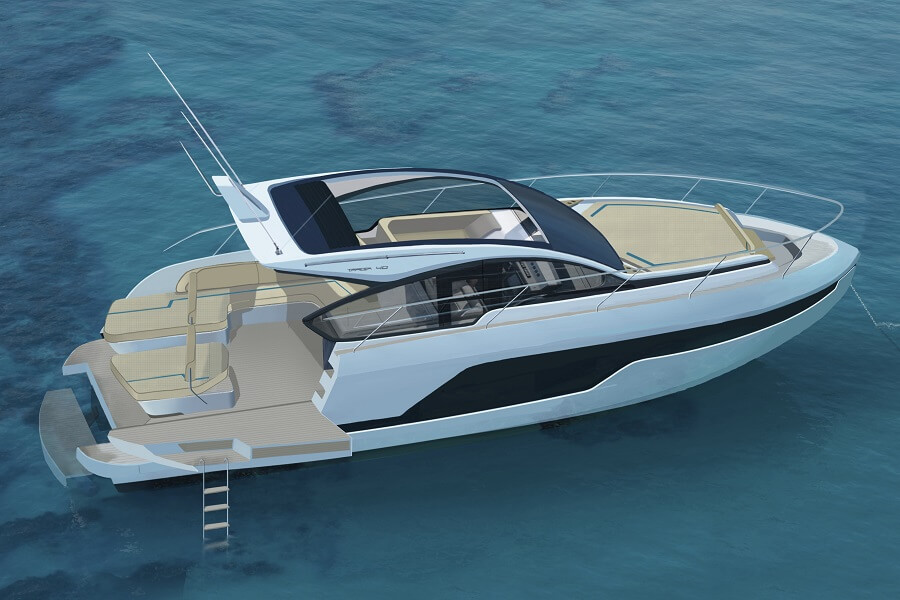
CGI of Fairline Targa 40
Each Fairline model needs to have its own personal identity, but there also needs to be a theme flowing through the ranges, so I’m trying to get a bit of commonality. I think it’s important we get better at that as we go through these new phases of our long-term plan. I’m conscious the yacht industry is different to the automotive business, but that doesn’t mean we can’t learn a few lessons.
So, what can the yacht industry learn from the car industry in terms of production efficiency?
I mentioned about ‘design for manufacturing’. I think Fairline is fantastic at designing for our customers and I think our customers should continue to be the number one priority. But I think we can be more conscious about how we design for manufacturing.
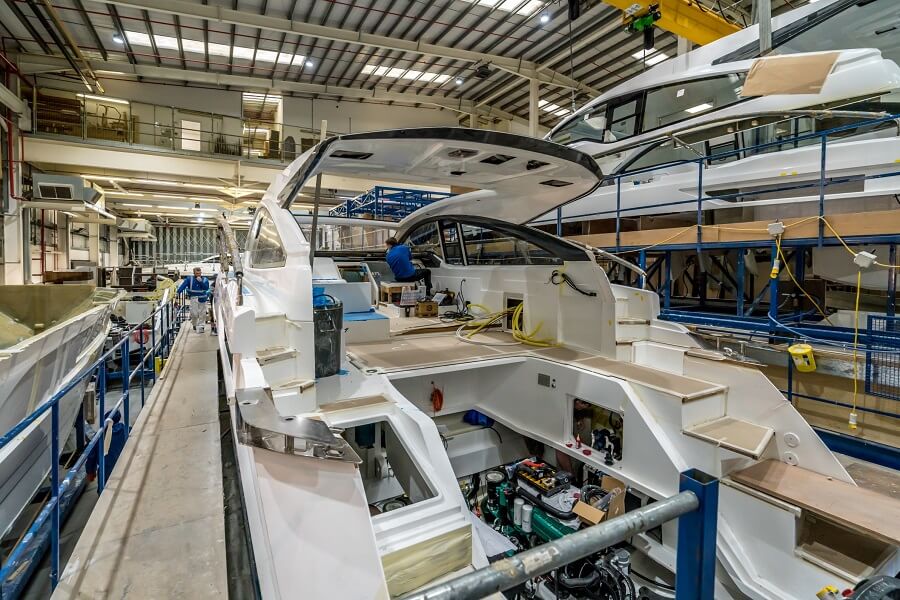
A Fairline production hall in Oundle
We’re strengthening the team and manufacturing engineering is a key element of our recruitment. Our new manufacturing team manager started in September. The idea is for that team to become the bridge between the design team and production.
I stress that we’re not changing the look or feel of our boats at all and we’re not ‘nickel and diming it’. We’re still making sure Fairline yachts embody the luxury our customers expect. We’re just pursuing a slightly different way of making the boats, which is one aspect of learning from the car industry.
Another is focusing on production targets. It doesn’t matter what you’re building or how long it takes, you need checks and balances every day to know you’re making progress according to the plan. In the automotive world – or even in the digger world, which I was in at JCB – if you build 90-100 cars a day and you’ve only built 90, you’ve not had a good day. If you build 101, you’ve had a great day.
Grys is implementing design for manufacturing
Monitoring like this in the marine industry is quite difficult, so systems need to be in place to let you know if you’re on schedule, rather than waiting a month to find out you’re not. It requires visible KPIs or measures in place to see that progress.
I think this is important, so everybody knows whether they’ve had a good or bad day. If they’ve had a bad day, we can then work on how to correct it, so we can recover. As much as anything else, it’s a mindset, which you would naturally get in the automotive world, because you can see the numbers.
We’re trying to get to a situation where we can see it here, although I understand there’s a lot more craftsmanship involved in building yachts. I don’t want to get into discussions about lean manufacturing, Toyota and the likes, as that’s completely different, but it doesn’t mean we can’t have some of those disciplines in place.
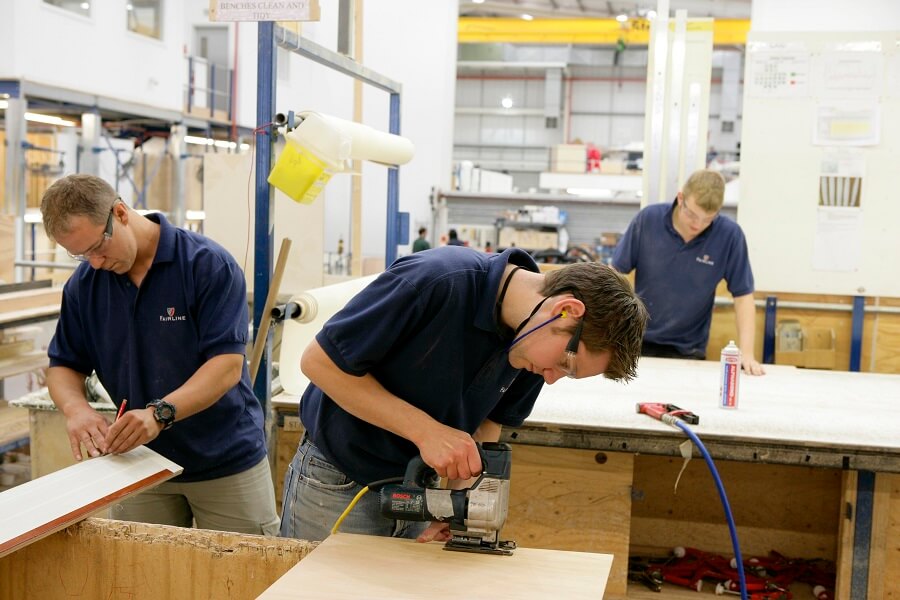
Craftsmen at Fairline’s Oundle production facility
You mentioned that production has already improved, with numbers for the first eight months of last year matching the 12 months in 2021. What’s driving the improvement?
I’d say our new approach played a small part and has a bit of influence, but the improved production is mostly because we’ve got a steadier workforce and the supply chain has got better, although there are still challenges. We have about 400 employees, we’re more stable now, so we have a good foundation from which to grow the business.
However, new designs and new product remain the lifeblood of our business and determine growth. Over the last 12 months, we’ve really strengthened our design team, which has been great. Justin Waring is our Head of Design and is supported by Andrew Pope and Christian Gott, our Lead Concept Designer. We should have a steady 2023 as the new models bed in, then we can really go for it.
www.fairline.comwww.simpsonmarine.com
Note: The original interview appears in YACHT STYLE Issue 69
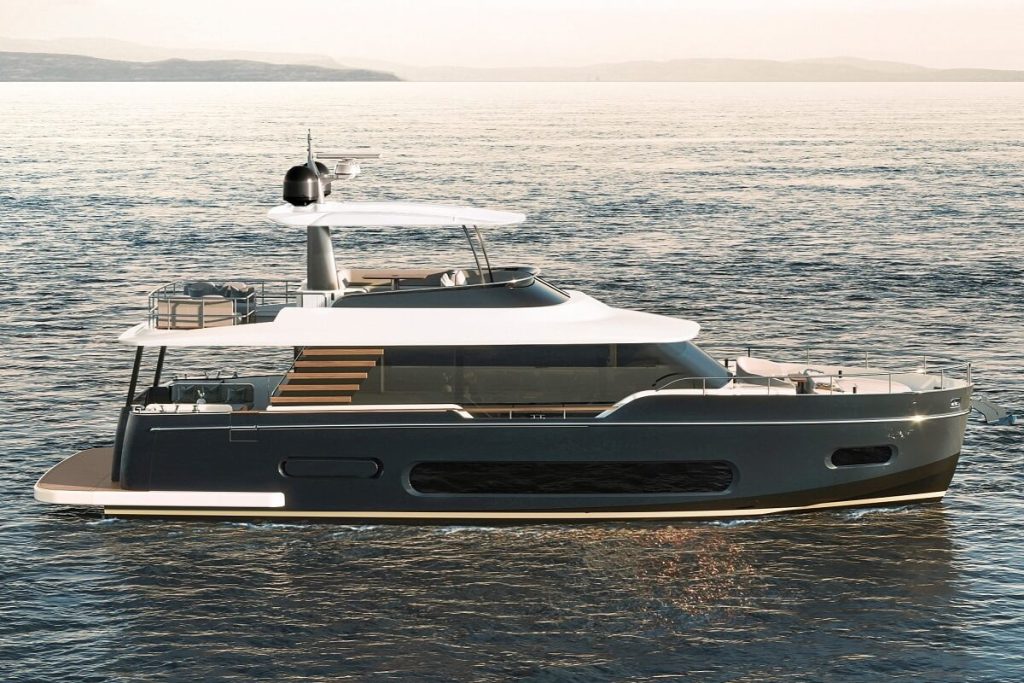
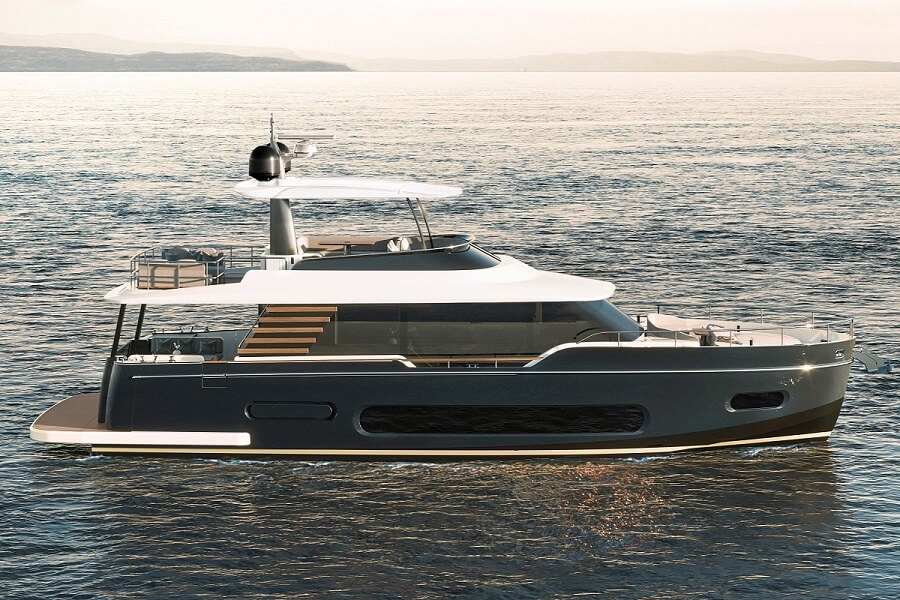
The Italian builder is growing the Magellano series with a new entry-level model set to debut at the Cannes Yachting Festival.
Ken Freivokh designed the Magellano 60
Azimut is scheduled to stage the world premiere of the Magellano 60 at the Cannes Yachting Festival. The Magellano 60 will be the new entry model for a range that includes the upgraded Magellano 66, Magellano 25M and flagship Magellano 30M, with the 66 and 30M launched last year.
The Magellano 60 is designed by Ken Freivokh – who worked on earlier Magellano models and the recent 25M and 30M – and features the aft teak louvres on both sides that have become the series’ signature.
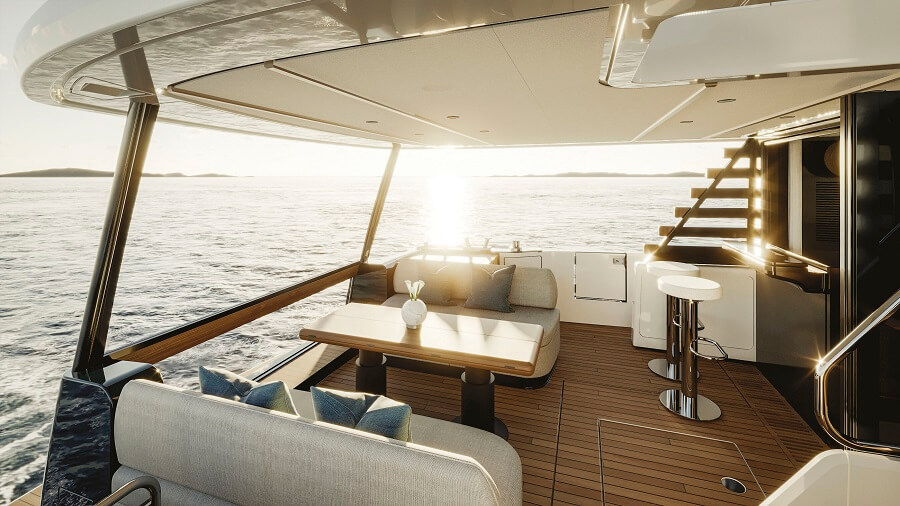
The aft cockpit has an ‘infinity terrace’
Features include an ‘infinity terrace’ in the aft cockpit, an aft galley and a forward saloon area with a starboard dining area with a sea view through the large windows.
The Magellano 60 is another step along the brand’s sustainability path and features a second-generation dual mode hull, so will join the brand’s collection of Low Emission Yachts, with at least 20 per cent less fuel consumption compared to shaft-line boats of the same weight and size with a traditional hard-chine hull.
The dining area is integrated into the saloon
“The models of the Magellano Series are crossovers for true connoisseurs, owners who love long voyages full of adventure and charm,” Azimut stated.
“Characterized by a timeless aesthetic, the Magellano 60 balances a design full of details, generous volumes and architectural solutions that guarantee not only a unique lifestyle but also freedom and intimate contact with nature.” www.azimutyachts.com www.azimutyachts.hk
The Ferretti Group brand is introducing a new range with the beamy Infynito 90, featuring an enclosed skylounge and ‘all-season terrace’ under the covered foredeck.
The Infynito 90 can reach 22 knots with 1,800hp MAN V12s
Ferretti Yachts is developing the Infynito 90, the first model in a new range of explorer-inspired vessels to be built alongside the builder’s Flybridge models ranging from the Ferretti Yachts 500 to 1000. The first Infynito 90 is scheduled to debut at the Cannes Yachting Festival from September 12-17.
Like the brand’s most recent Flybridge models, the Infynito 90 features exterior design by Filippo Salvetti and interiors by IdeaeItalia, with the studios working in collaboration with Ferretti Group’s Strategic Product Committee led by Piero Ferrari and the Group’s Engineering Department.
Filippo Salvetti designed the exterior of the Infynito 90
The Infynito 90 has an overall length of 26.97m (88ft 6in) but a sub-24m load-line length, so is a CE-certified recreational craft. Its dimensions are notable for a vast beam of 7.33m (24ft 1in), making it 1.11m (3ft 8in) wider than the Ferretti Yachts 860, which has an almost identical overall length.
Engine options are a pair of 1,550hp or 1,800hp MAN V12s, the latter driving the yacht to a top speed of 22 knots and a cruising speed of 17 knots, based on preliminary data. And with a new high-efficiency hull and 11,500 litres of fuel, the yacht has a range of 1,200nm at 12 knots.
Aft cockpit on the main deck
The Infynito 90 offers over 100sqm of open-air living spaces, which Ferretti Yachts says is almost 50 per cent more than the segment average, and over 140sqm of interiors, over 25 per cent more than the average.
Salvetti said: “The owner experience is the baseline of the creative process. The design strategy springs from the idea of prioritising the people who will be living in Ferretti Yachts Infynito, of establishing the owner’s experience as the baseline of the creative process, of asking ourselves what could still amaze and satisfy the expectations of our increasingly sophisticated end customers.
Aft view of the main-deck interior
“We’ve explored new forms and innovative functions, invented new spaces and new ways of living on the yacht. The new paradigm embraces enhanced lighting, elimination of visual barriers and the creation of new diaphragm spaces between interior and exterior, ambiences that are open but sheltered and intimate.”
The main-deck interior features a saloon, an open galley and stairs to the skylounge, and a forward dining area. And because the main deck is helm free, it offers sweeping views from bow to stern and from interior to exterior, including forward to the innovative ‘all-season terrace’.
All-season terrace forward on the main deck
Covered by a see-through roof and open on all sides, the foredeck terrace is one of the Infynito 90’s most iconic features and includes a sofa in the forepeak plus the option of a jacuzzi and sunpads, a private bar or a lounge set-up. Upstairs, the flybridge includes an enclosed skylounge with a lounge and the helm station, while aft is a customisable open deck area.
IdeaeItalia is again offering both Classic and Contemporary interior design moods, as it has for the brand’s Flybridge models. Owners can also choose between two layouts for the lower deck and three for the main deck, ranging from open-plan spaces to more formal settings reserved for daytime and night-time privacy, and even the option of including a gym.
The all-season terrace has a sunroof and open sides
Davide Bernardini and Alessio Battistini, who co-founded IdeaeItalia in 2013, said: “The Ferretti Yachts Infynito range addresses a segment that needed new concepts. The chief aim of the interior design process was to heighten the perception of space by creating virtuous layouts in which harmony reigns between the sophisticated aesthetic impact and the management of spaces that are always functional and efficient.
“Ferretti Yachts Infynito is designed for owners who are increasingly seeing their yacht as a new place to live in, as an extension of their homes. The keywords now are sobriety, clean lines, softness and equilibrium of forms and materials, but without lapsing into minimalism.
“The upholstery and coverings are characterised by soft radial patterns that transmit positivity, while the reflections in the mirror walls give even the spaces less open to the outside a sensation of spatial infinity, a key feature of this innovative project.”
Aft deck on the flybridge
The new range also introduces FSEA (Ferretti Sustainable Enhanced Architecture), a package of environmentally friendly cruising solutions including a solar roof that generates electricity and charges a lithium battery pack to power onboard services.
This technology powers ‘hotel mode’, offering a silent atmosphere with zero emissions everywhere on board, while there’s an increased commitment to energy efficiency, including optimisation of the lighting and air-conditioning systems.
Forward view of the skylounge
There are recycled and recyclable elements in the fabrics, leathers and finishings, as well as woods including sustainable teak, with the choice of greener materials including ecological paints. www.ferretti-yachts.com www.ferrettigroupasiapacific.com
Celebrating its 50th anniversary, Awlgrip launches next-generation Awlcraft 3000 with an ‘off-the chart’ colour platform.
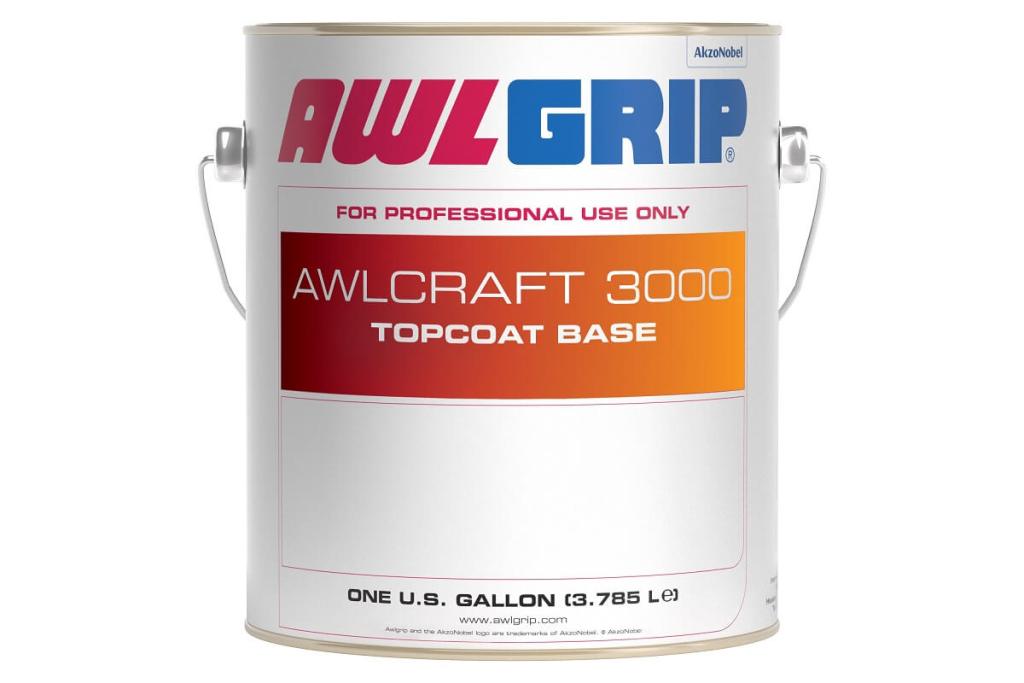
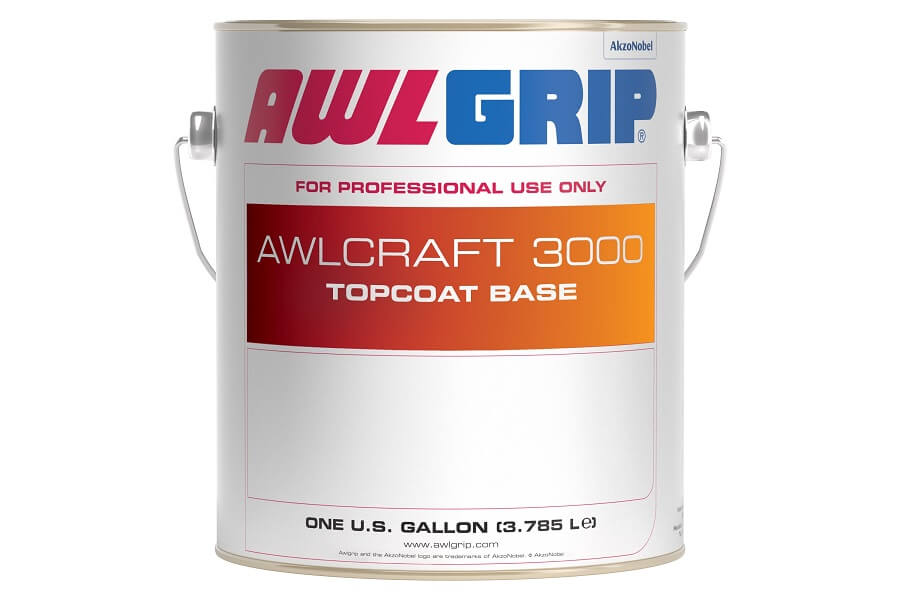
Awlcraft3000 Topcoat Base
AkzoNobel’s Awlgrip yacht coatings brand is launching Awlcraft 3000, the latest Awlgrip top coat to feature enhanced colour technology delivering truer and deeper colours for professionals and boat owners.
The new Awlcraft 3000 system uses the same toner system as for Awlgrip HDT, which reduces complexity for Awlgrip distributors. Developed specifically for professional use, the system is coupled with AkzoNobel’s suite of digital colour-matching tools that help owners find the right colour for their boat.
Sharing the next-generation colour platform with Awlgrip HDT means it offers a deeper, truer and more consistent colour performance, while retaining the long-lasting, high-gloss finish that its Awlcraft 2000 predecessor is celebrated for.
It also shares the tried-and-trusted application characteristics and repairability that have made Awlcraft 2000 such an essential part of an applicator’s toolbox worldwide for over 25 years.
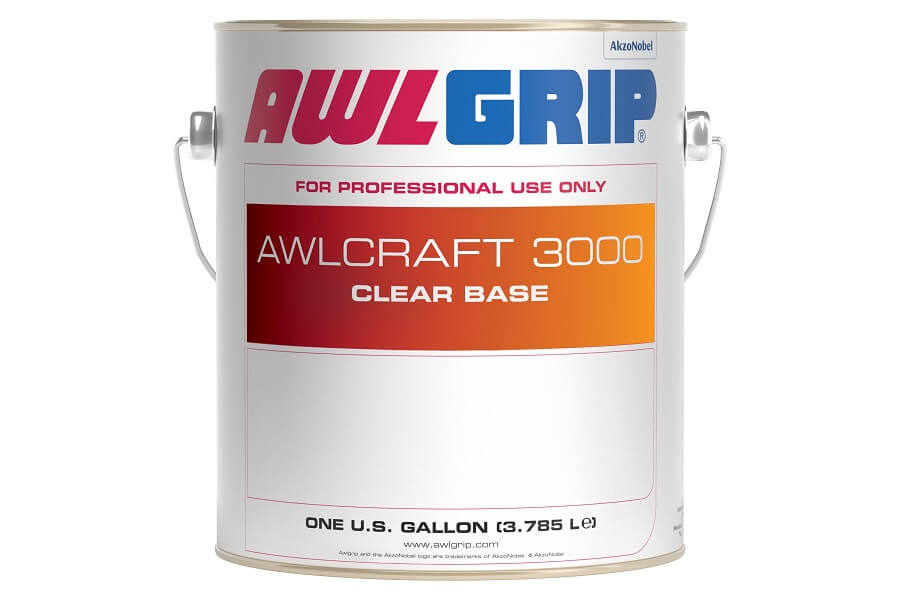
Awlcraft3000 Clear Base
The launch of the new-generation topcoat and clear coat comes in a landmark year for Awlgrip, as it celebrates its 50th anniversary.
Matthew Anzardo, Global Yacht Segment Manager at AkzoNobel Yacht Coatings, said: “Over its 50-year history, Awlgrip has become the most immediately recognisable and trusted brand in the market. There’s a reason why boaters proudly say they’ve had their vessels ‘Awlgripped’, and that’s because it’s a mark of quality recognised the world over, so it only seems fitting to begin the year by unveiling our next-generation Awlcraft 3000.
“Specifically engineered for a consistent, easy application that dries quickly, it retains all the qualities that have made Awlcraft 2000 the celebrated product loved by applicators and boat owners far and wide. Its enhanced colour platform ensures that colours pop like never before, resulting in a long-lasting, high-gloss finish that is guaranteed to turn heads.”
At launch, the Awlcraft 3000 Clear Coat and a set of ready-mixed colours will be available for the Asia Pacific, European, and North American markets that include the popular colours of: Snow White, Flag Blue and Extreme Black.
The full Awlcraft 3000 range will consist of a full range of colours, one clear coat and one binder base, the latter available later this year. Awlcraft 3000 will continue to use Awlcat #2 converter and Awlgrip Reducers.
Hublot CEO Ricardo Guadalupe On the Brand Being a Trend Maker
SHARE
Hublot CEO Ricardo Guadalupe takes us through the art of fusion, and how clever marketing can build a bright future for traditional watchmaking.
By Ashok Soman and Asaph Low
The contemporary marketing machine that powers Swiss fine watchmaking is, arguably, inextricably linked with the story of Hublot. Famously, the brand emerged from what was then a shocking idea: what if you combined gold with rubber in a luxury timepiece? Such watches are everywhere these days, from the most storied watchmakers to independents working with a completely classical mien. This fact alone was not enough to turn Hublot into the powerhouse it is today, with approximately 60,000 watches produced annually; the brand is one of the most prominent faces of Swiss watchmaking today, what with it being the official timekeeper of the FIFA World Cup, which you cannot have missed, even if you are not interested in the football (and call it soccer).
While all watch collectors associate Hublot with its former boss, the magnetic Jean-Claude Biver, its success is the result of the work of an entire team, one of whom is the current CEO Ricardo Guadalupe. Enticed by Biver to join him at Hublot in 2004, Guadalupe has been at the brand for all its hits, including the explosive trendsetter that was the Big Bang in 2005 and the controversial marketing campaign featuring former F1 supremo Bernie Ecclestone in 2010. That last one was about a literal hit, and correctly predicted a startling growth in criminals targeting the watch collectors in Europe.
Trends were a big deal for Hublot under Biver, who still urges watchmaking brands to seize the opportunity with unoccupied niches, or special offerings. Since Guadalupe took on the top job in 2012, Hublot has largely stayed the course, enshrining its forward-thinking approach in its own brand identity. “Hublot, in order to succeed, had to be different compared to other traditional brands,” Guadalupe told Gulf Business in 2021. “Why else would someone buy a classic Hublot from a 40-year-old brand when they can have beautiful watches from brands that have been in existence for over 100 years?”
We caught up with Guadalupe when he was in town a couple of months ago for the launch of the Hublot boutique in ION Orchard.
Before getting into the story of Hublot itself, you became CEO a little more than 10 years ago. How did you handle the challenge of stepping out of the shadow of Jean-Claude Biver? Arguably, his reputation continues to loom over the brand itself.
In fact, I was already in the brand since 2004, so (I know Mr Biver’s style)… and I was part of the brand’s success even before I took over (as CEO) in 2012. Of course, I am different from Mr Biver, who was very closely linked to Hublot (as a larger-than-life personality) and my priority when I took over was to have the brand stand on its own. The big challenge was to make the brand bigger and more important than any one person, and we achieved that. Today, Hublot alone is an important brand in the watch industry. What I want is for Hublot to stand on its own merits when, one day, I leave the brand.
Hublot was founded slightly more than 40 years ago, in 1980. What are some principles or values that Hublot continues to emphasise?
Hublot represents the Art of Fusion in watchmaking, and the brand did it in 1980 for the first time. It came up with a watch made of yellow gold (a traditional luxury material) with a rubber strap, which is a modern material. This fusion is what we call the Art of Fusion, linking tradition with innovation.
What phase do you think Hublot is at with its “Art of Fusion” motto?
We work on three pillars, and we can bring fusion into design. The Murakami watch, for instance, is a fusion of the art of Murakami and the Hublot art, and we realise a watch that becomes a work of art.
I think consumers are waiting for this kind of product because a mechanical watch today is not important for telling time. It’s important for what it represents, the object (and attendant emotions) it represents.
When it comes to materials, we always try to be innovative. We have coloured ceramics such as red and yellow. We industrialised sapphire crystal in 2016, and we are the only brand to have coloured sapphire, and produce sapphire crystal watches at a certain price point, even though they are expensive. We work on different alloys too (including Magic Gold and King Gold).
And from the movement side, we created the Unico chronograph calibre, various special calibres, and our tourbillon. We are creating new calibres for the future, but it takes years of development, and not months. We try at every level to be innovative.
That’s the key element for the success of Hublot in the future.
Speaking of the future, we are seeing unprecedented demand for fine watches. Do you think it really is unprecedented, and how is Hublot coping?
Yeah, it’s true, demand is really high and I’ve never seen that in my career. I think what I have done in the last 10 years at Hublot (sort of anticipating this moment in history) is building a manufacture, an integrated manufacture, being able to produce ourselves, not everything, but parts of the production of movements and in material innovation as well. This allows us to have quite good flexibility in production…of course (this does not mean) we can double our production like this [snaps his fingers]. I think we can manage to grow (and keep up with demand) with the investments we have made in our own industrial capacity.
We have also built strong relationships with our suppliers; we form an important part of their business. This is useful because when you are important to a supplier, you can ask for more and maybe they allocate more for you than other brands. Of course, we share suppliers with a number of brands… Being loyal to our suppliers over a number of years is also important to us, especially during the Covid lockdowns because many suppliers had a tough time, and had to fire staff… we tried to support as much as we could.
How does Hublot optimise its product strategy with the ever-changing taste of consumers?
We try to be innovative and creative and invest a lot in R&D in materials, movements (and in mechanics), and design. These are the three main pillars on which we work.
We try to create trends, and with our innovations and creativity, we can please the existing consumer and new consumers coming in with what we can offer. The key element is always to be innovative, and we do it more by instinct. We don’t analyse other trends; we create the trend.
How has Hublot’s presence in football helped the manufacture reach its marketing goals?
We entered football in 2006 with a very small partnership, and then in 2008, we had the Euro cup in Switzerland. And Mr Biver, at that time, thought about which sport we could support as a partner to communicate about our brand.
If you look at tennis, it’s quite complicated; if you look at golf, it’s complicated. And for football, there is no watch brand. Football is a very popular sport; it talks to not only our potential consumers but billions of people. Football has brought us brand awareness.
When I started working at Hublot in 2004, people in Switzerland didn’t know about Hublot. Today we can say that, in general, people know Hublot is a watch brand. And thanks to football, it was an accelerator for brand awareness, especially with the Hublot Big Bang Unico-shaped Referee Board that we had in Brazil.
Billions of people have seen it, so it is very positive for us and allowed us to be a strong brand in the world thanks to football.
Hublot ambassador Kylian Mbappé is currently one of football’s biggest stars. What do you admire most about him?
Kylian Mbappé wearing Big Bang e FIFA watch
To take an active player was a decision. When you have an active player, you can have good and sometimes negative parts, such as injuries or issues in his private life. When you have a legend like the late Pelé, he will remain a legend forever. But at a certain point, I saw this link between a legend and an active player, and I saw it through Kylian Mbappé. Even Pelé sees him as (a successor of sorts) because he won the World Cup at a very young age as Pelé did; they have similar looks and playing styles.
Mbappé accepted to be our ambassador; I think he’s a great personality, very positive. He has values of being serious and passionate, and he has success, so that’s important.
Ambassadorship is one of the main pillars of Hublot’s marketing strategy. What are some values that Hublot looks out for in potential ambassadors?
First of all, we need to have good alchemy in human relationships. An ambassador has to like our brand and not just do a commercial deal. So we always have dinner or spend a moment with the ambassador before signing anything. Of course, they have to carry the values of passion, having success and being aspirational to the young generation.
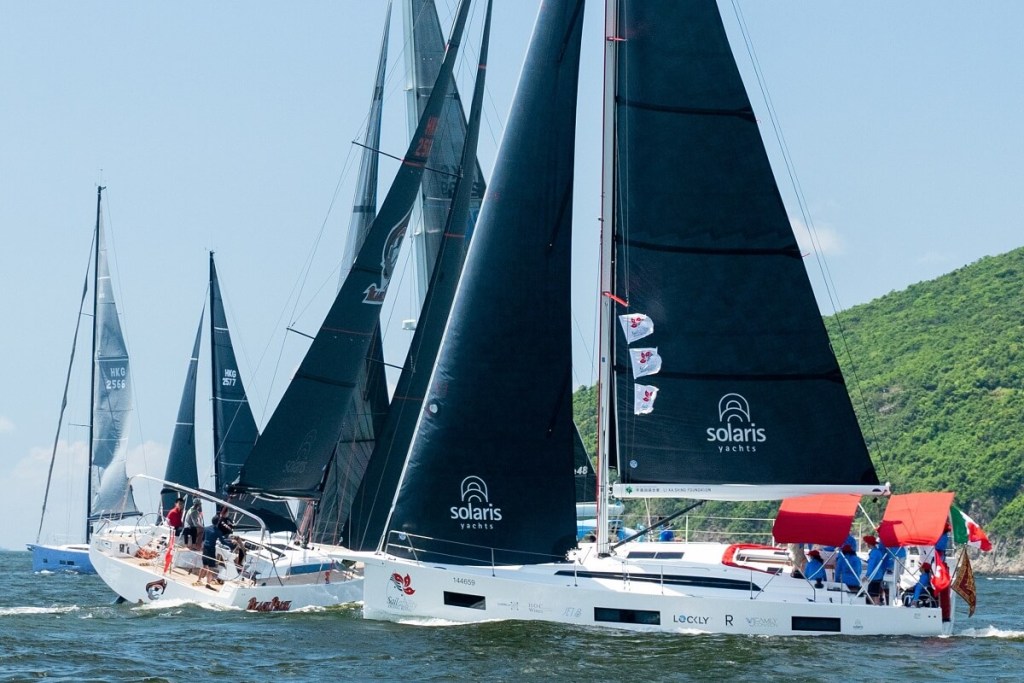
Solaris Yachts Asia sponsors Hong Kong’s Four Peaks Race
SHARE
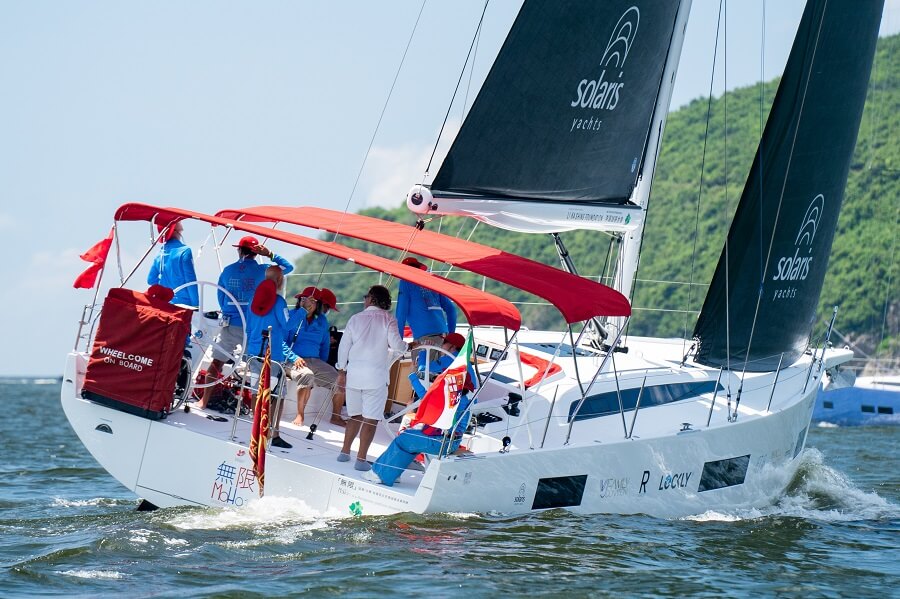
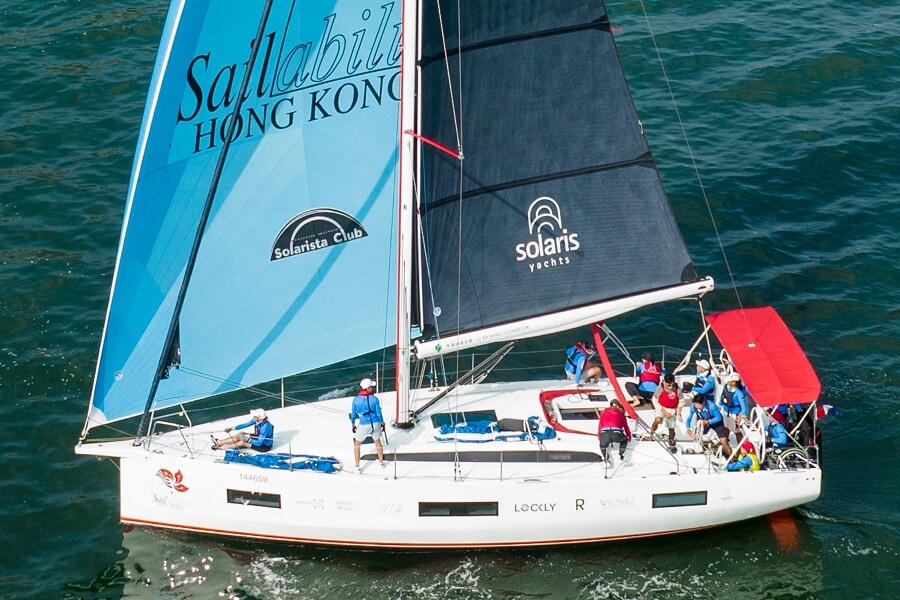
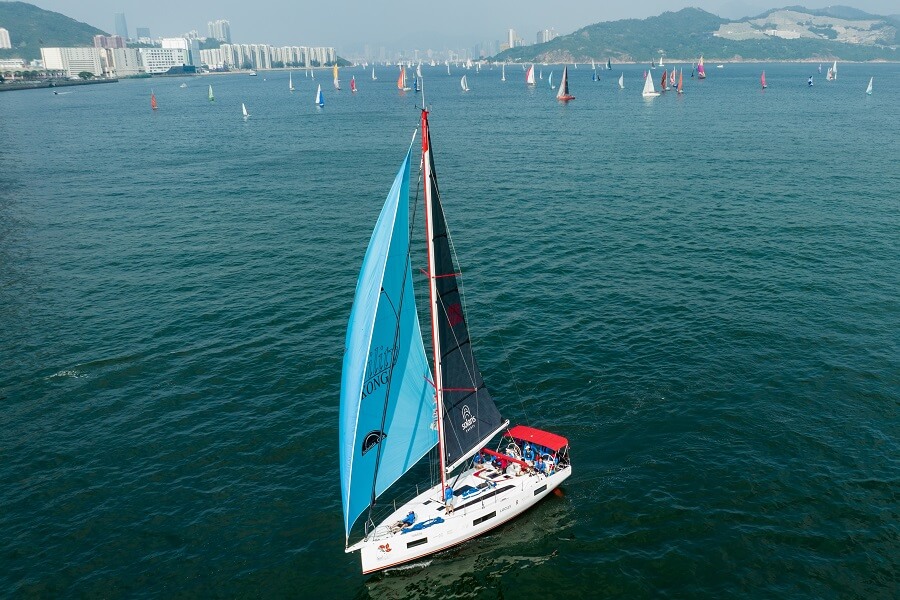
A Sailability Hong Kong team will compete in the sailing, running and kayaking event aboard the Solaris 40, Mo Han.
Solaris is sponsoring the Four Peaks Race; Photos: Panda Man
Solaris Yachts Asia has come aboard as title sponsor of the 2023 edition of the Four Peaks Race, which will be held on the weekend of February 4-5. Aberdeen Boat Club has organised the event since 1985, with boats taking an average of about 24 hours to complete the overnight challenge, which incorporates sailing, running and kayaking.
Enrico Zanella, Director of Solaris Yachts Asia, said: “It’s an honour and a great opportunity to be able to collaborate with the Aberdeen Boat Club on the Solaris Four Peaks Race, which incorporates three great challenges – sailing, running and kayaking. The event requires a fair deal of sailing strategy and adaptability to handle changing weather conditions.”
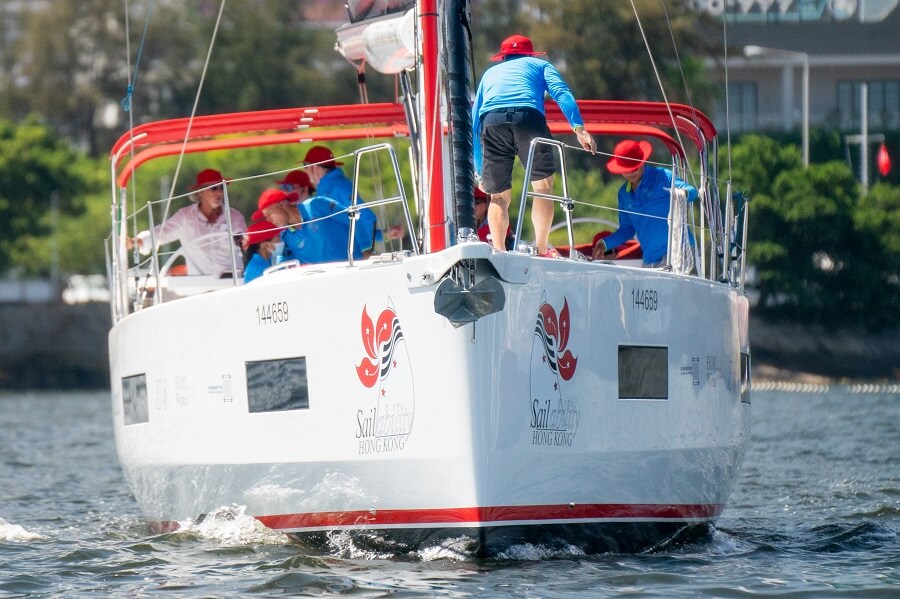
Sailability organises the Mo Han crew on the Solaris 40
A Sailability Hong Kong team will compete in the event for the first time aboard the Solaris 40, Mo Han (Limitless).
Zanella, who has been representing Italy’s Solaris Yachts and Solaris Power in Asia since 2013, will skipper the yacht, having conceived the Mo Han project for Sailability Hong Kong, which offers sailing to anyone with a physical disability, special educational needs or on the autistic spectrum.
Fred Vaudaine will be co-skipper and a runner, while parasailors include Foo Yuen Wai, Puk Chi Yeung, Leung Wun Wa and Sylvia Leung Yuk Chun.
The Solaris 40 Mo Han is making its Four Peaks Race debut
David Bridger, Sunny Law Yiu Chi and Wong Chun Kiu are lookout sailors and runners, while amputee Fung Kam Hung and hearing-impaired Cheng Yue Choong are para-runners. Sailability founder Kay Rawbone oversees crew care.
The race requires landings by transfer craft or swimming, speed and strategy on land over rough terrain, and seamanship and sailing skills on the water. Tactics, practice and stamina play a big part, with many competitors returning year after year for one of the region’s most unique adventure challenges.
Enrico Zanella (far left) will skipper Mo Han
“I wish to thank the organisers and all the participants, both sailors and runners, who are competing in this prestigious and long-running event. I hope all those competing have great fun while maintaining absolute safety as the number one priority,” said Zanella, who has been living in mainland China and Hong Kong since 1999.
“Not only is this race a challenge of seamanship, athletics and skill but above all it should be enjoyable with the goal of working as a team to maintain safety. For example, if the weather conditions are deemed unsafe, we wait for better conditions or we simply move on to the next step without hesitations. Safety first!”
There are six Solaris yachts (40, 44, 44, 44, 47, 48) in Hong Kong, with two more (50, 60) arriving this year. There’s also a Solaris 44 in Thailand and a Solaris 47 on her way to Taiwan.
Gulf Craft Experience Centre crowns first year with superyacht sale
SHARE
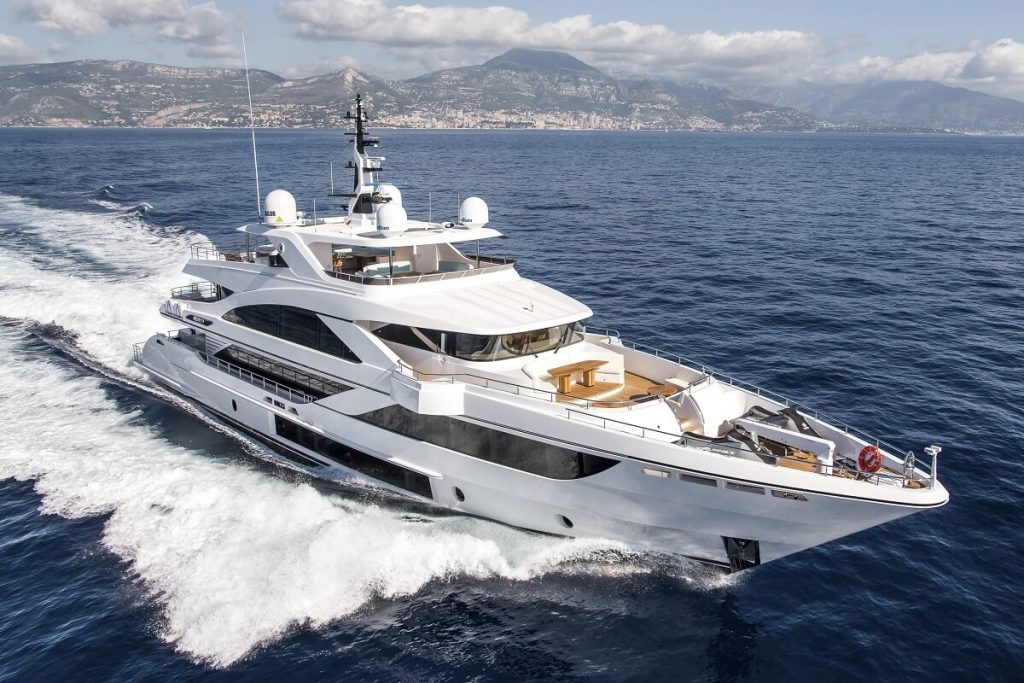
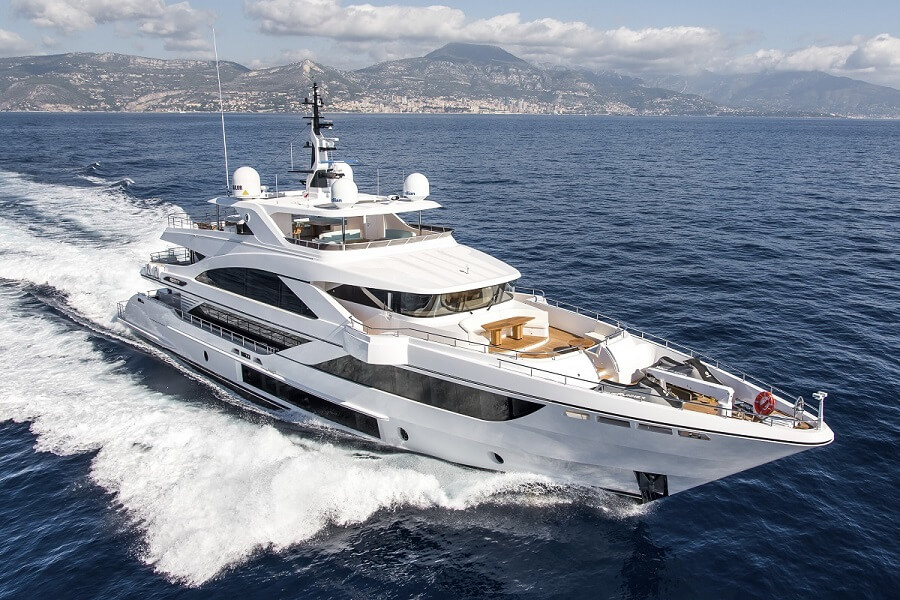
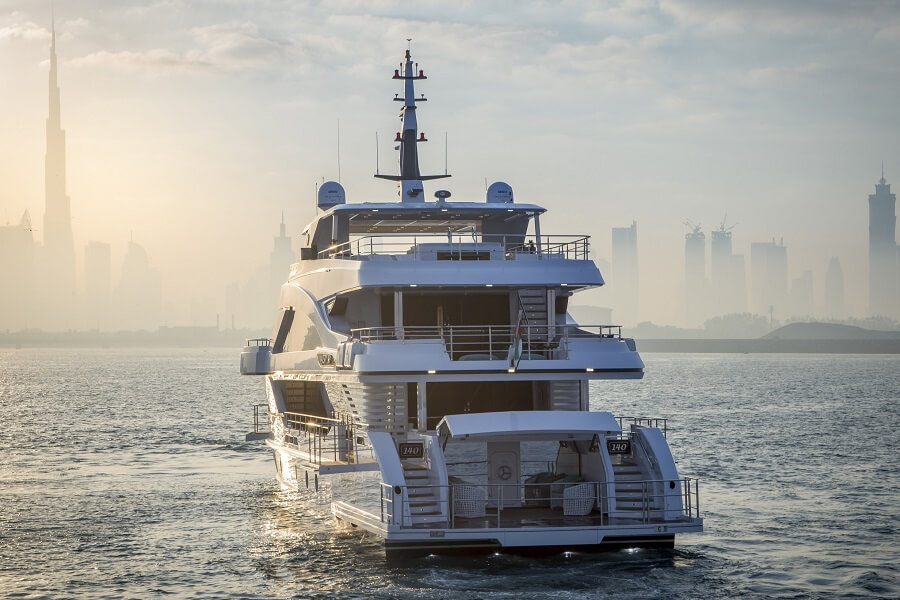
Gulf Craft marks the first anniversary of its Experience Centre in Dubai’s Port Rashid with a sale of the shipyard’s third largest superyacht – the Majesty 140.
Gulf Craft Majesty 140
Gulf Craft is celebrating the first anniversary of its state-of-the-art Experience Centre in Dubai with a sale of the Majesty 140, the builder’s third largest vessel from its flagship Majesty Yachts range. The owner is set to sail the new build in the Mediterranean during the summer and in the Caribbean during the winter.
A tri-deck design created with in-house exterior design and interiors penned by the Cristiano Gatto Design Studio, the 43m (141ft) superyacht features five or six guest staterooms. Among notable features, is the ‘one-touch’ drop down balconies and layered sun deck.
Gulf Craft Majesty 140
Mohamed Alshaali, Gulf Craft’s co-founder and Chairman, said the latest sale was another boost as the builder continues to support UAE’s Operation 300Bn, a strategy to increase the industrial sector’s contribution to GDP to AED300 billion by 2031.
“Over the last 40 years, we have been dedicated to making a distinct impact in boosting the reputation of the local and regional yachting sector. We made significant contributions to the UAE’s manufacturing industry and will continue to build on this legacy by supporting Operation 300Bn,” said Alshaali, who again appears in YACHT STYLE’s ‘Asia’s Yachting Leaders’ (click for article).
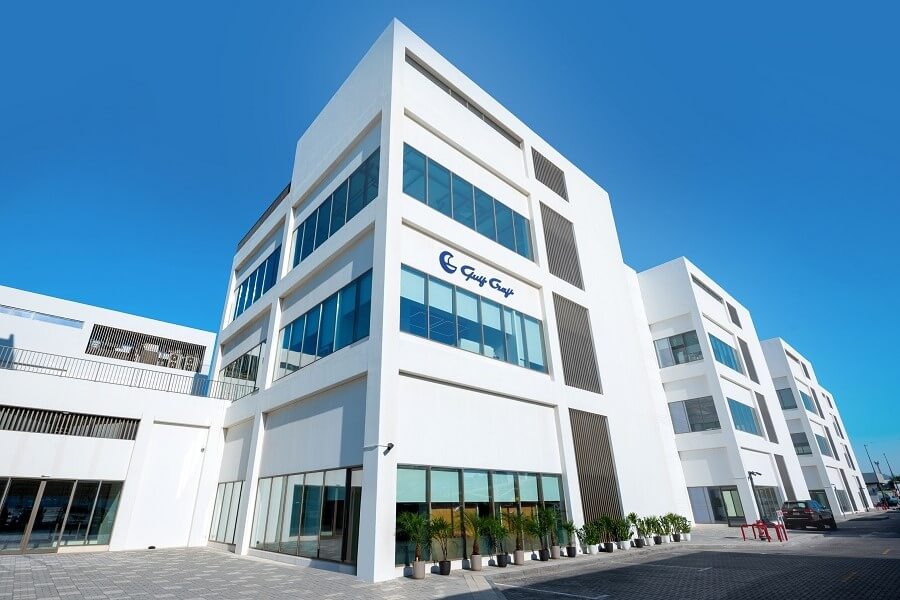
Gulf Craft Experience Centre
“We have always been an international manufacturer for marine enthusiasts across the world, designing and delivering high-quality, super-performing vessels that define the contemporary marine lifestyle.
“The Experience Centre was opened to better connect and become closer to our international clients. It has provided us the opportunity to enhance Dubai’s reputation as an international hub while delivering bespoke experiences that fulfil the needs and requirements of our esteemed customers to build their own unique yachts.”
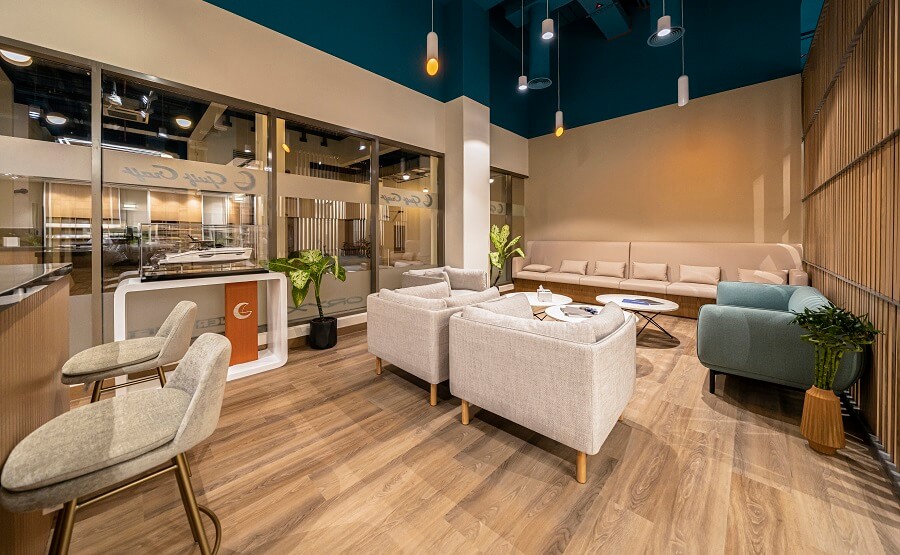
Gulf Craft Experience Centre
The Gulf Craft Experience Centre opened in January 2022 (click for article) to provide a luxurious, immersive experience for owners and prospects. Offering a window into the customisation process, the Experience Centre provides visitors with a tailored experience to explore Gulf Craft’s portfolio through virtual reality and to sample the luxurious finishings available for each yacht.