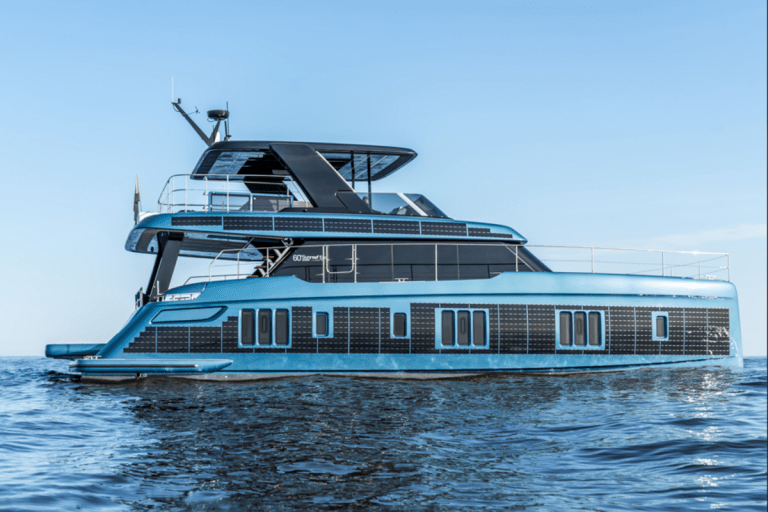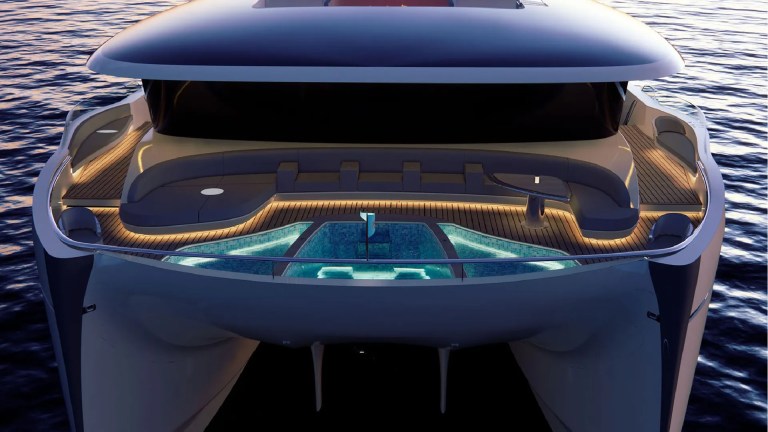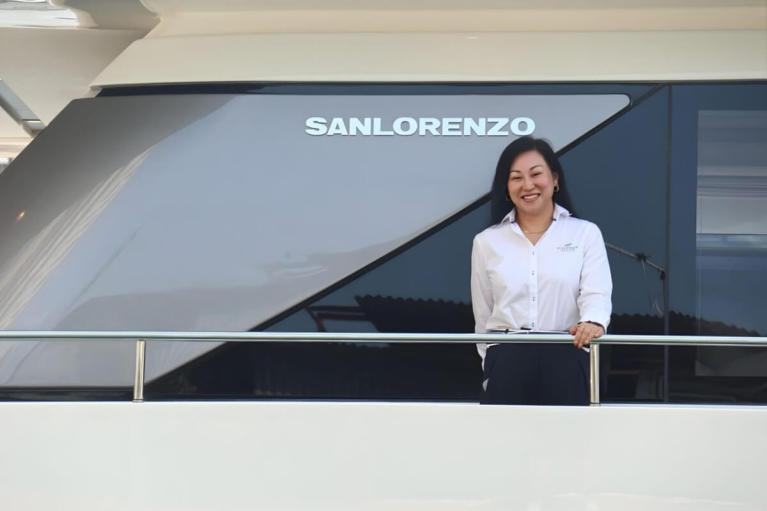
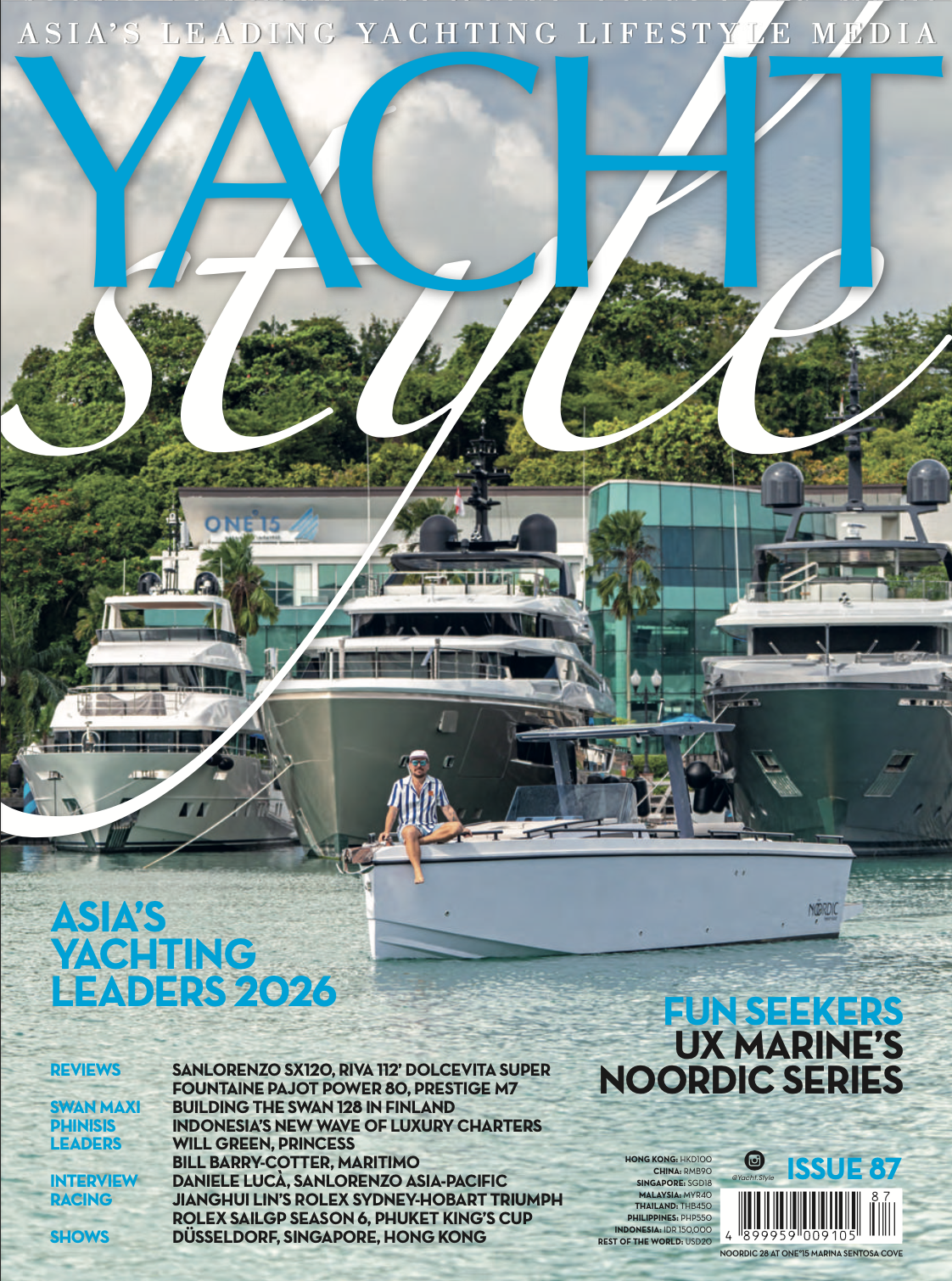
Yacht Style, Issue 89, powercat, third issue, 2026, Sunreef, Aquila, Jeanneau, Sanlorenzo, Maritimo, Greenline, Yacht Style Awards 2026, Martin Lo of CL Yachts, charter, Fraser Asia, Rolex, regattas, Hong Kong Yachting Association, Chairman, Tommy Ho, Singapore Yachting Festival
Read and download copy
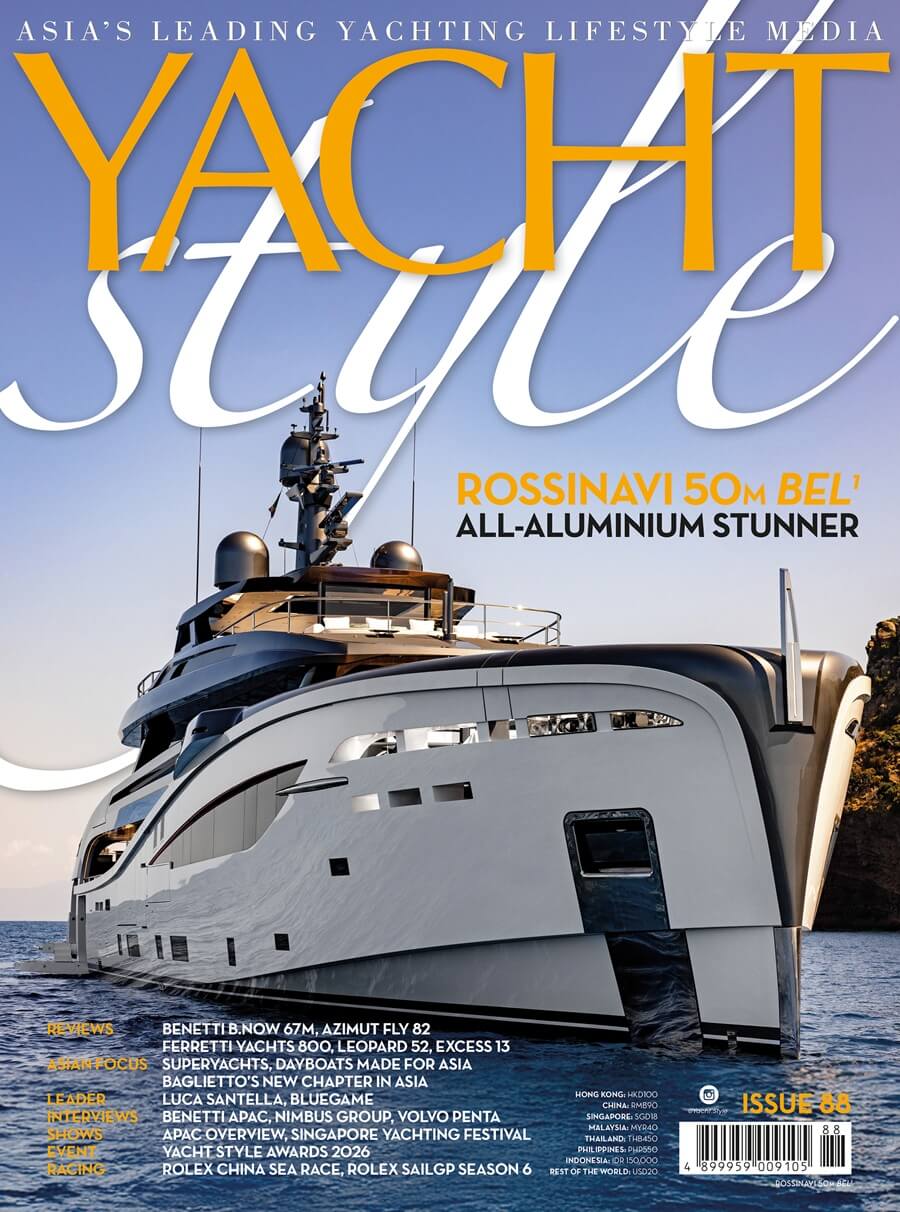
Yacht Style, Issue 88
Read and download copy
Yacht Style, Issue 86, Top 100 Superyachts of Indo-Asia-Pacific 2026, Jonathan Beckett, Burgess, Erwin Bamps, Gulf Craft Group, Fraser, Camper & Nicholsons, AB Yachts, AB 95, Van der Valk, Lalabe, Azimut, Grande 30M, Ferretti Yachts, 940, Absolute, Navetta 62, Cannes Yachting Festival, Genoa International Boat Show, Monaco Yacht Show, Lantau Yacht Club Boat Show - Festa Nautica, Rolex SailGP, Maxi Yacht Rolex Cup, Rolex Middle Sea Race, Phuket King’s Cup Regatta, Thailand, Port Takola Yacht Marina & Boatyard, Krabi, Yousuf Al Hashimi, Phoenix Yacht Management, Su Lin Cheah, ICOMIA, Suzy Rayment, Asia-Pacific Superyacht Association, APSA
Read and download copy

Asia's leading yachting lifestyle media

More results...

Generic selectors
Exact matches only
Search in title
Search in content
Post Type Selectors
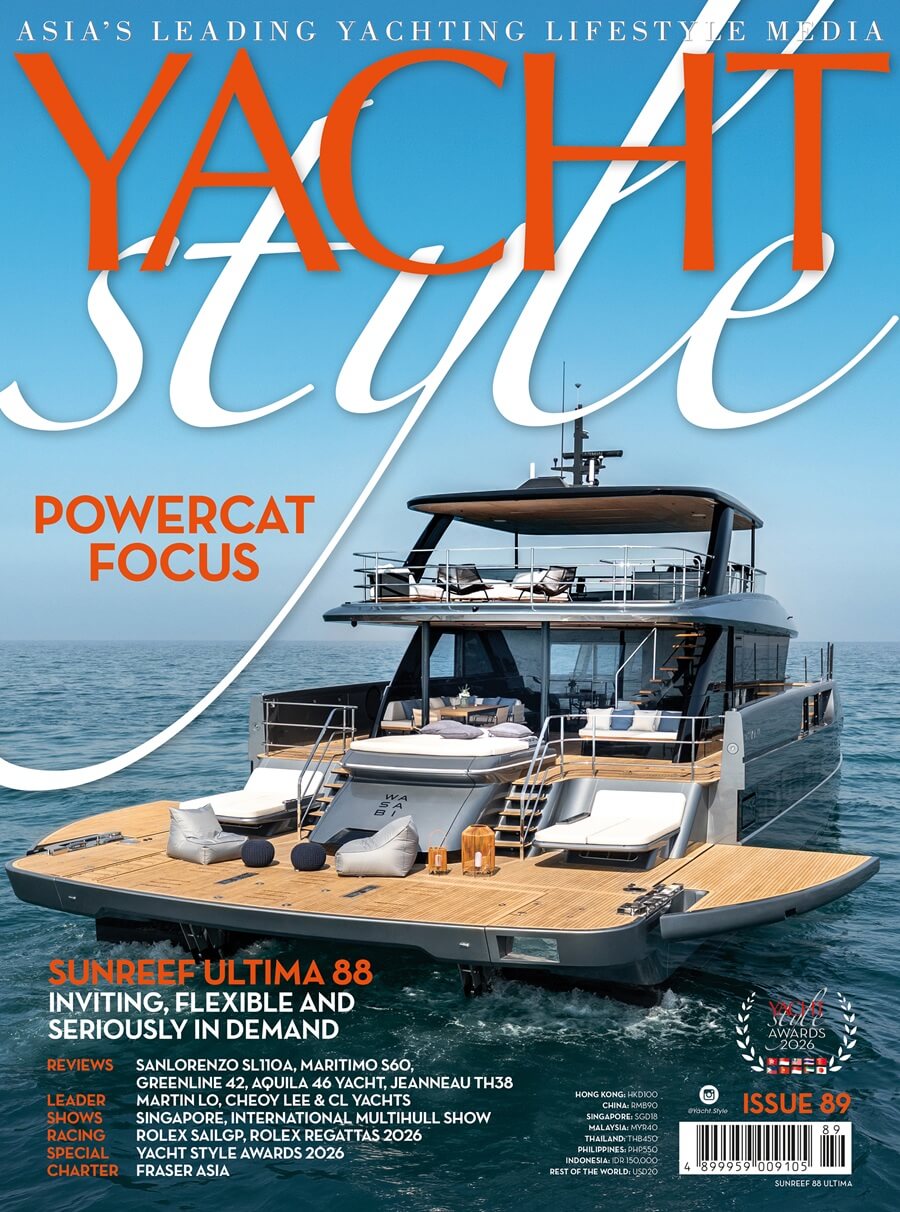
Yacht Style, Issue 89, powercat, third issue, 2026, Sunreef, Aquila, Jeanneau, Sanlorenzo, Maritimo, Greenline, Yacht Style Awards 2026, Martin Lo of CL Yachts, charter, Fraser Asia, Rolex, regattas, Hong Kong Yachting Association, Chairman, Tommy Ho, Singapore Yachting Festival
Read your copy

More results...

Generic selectors
Exact matches only
Search in title
Search in content
Post Type Selectors

More results...

Generic selectors
Exact matches only
Search in title
Search in content
Post Type Selectors

lifestyle

Jonathan Rouanet of Devinci Cars on Devinci’s Electric Collector Car Strategy

Jonathan Rouanet of Devinci Cars on Devinci’s Electric Collector Car Strategy

SHARE

Devinci Cars commercial director Jonathan Rouanet explains how the French marque is seeking a different approach to luxury motoring.

By Florence Sutton

  •  
  •  
  •  
  •  
  •  
  •  
  •  


Founded in France in 2016, Devinci Cars occupies a niche segment of the automotive market, producing electric collector vehicles inspired by pre-war and mid-century automotive design. Manufactured in small series and built to order, the company’s models combine classic proportions and open-air driving with modern electric powertrains, allowing owners to enjoy the visual appeal of vintage motoring without many of the maintenance, reliability and regulatory challenges associated with traditional collector cars.


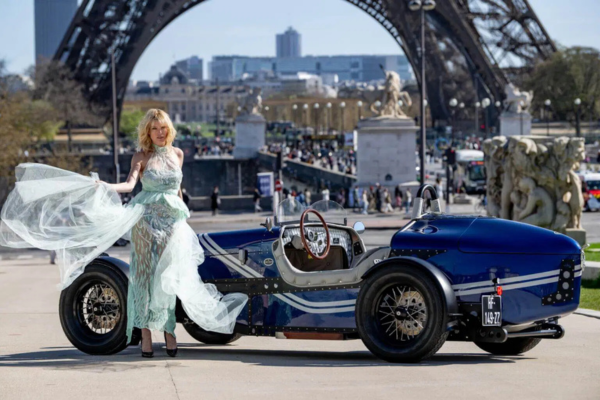
Devinci positions its cars as highly personalised luxury vehicles. Clients can customise everything from paintwork and interior materials to bespoke design details, with each vehicle produced in limited numbers. The company has also developed a private owners’ club centred around road trips, rallies and exclusive events, reflecting a broader focus on lifestyle and community alongside vehicle ownership. Unlike most collector vehicles, Devinci emphasises the experience of driving itself, particularly open-air motoring, simplicity and a closer connection to the surrounding environment. The company also appeals to a clientele that extends beyond traditional automotive collectors, attracting owners drawn to design, aesthetics and personal expression as much as mechanical engineering.


LUXUO speaks to commercial director Jonathan Rouanet on the origins of Devinci Cars, the company’s approach to design and manufacturing, the growing market for electric collector vehicles and why the brand believes electrification can offer a new future for classic automotive forms.


How was the idea of Devinci Cars conceived and what is the core DNA of the brand?

Devinci Cars was born from a desire to revive the elegance and emotional appeal of classic automobiles while adapting them to today’s world. The core DNA of the brand lies in three pillars which are craftsmanship, timeless design and modern technology. We aim to create vehicles that respect automotive heritage while offering a new vision of sustainable mobility.


Would it be fair to say that Devinci Cars delivers authentic classic cars with contemporary technologies?

Yes, this is exactly our philosophy. We reinterpret iconic automotive lines with a contemporary approach, integrating modern electric powertrains and current technologies. The goal is not to replicate the past, but to elevate it.


What advantages do electric collector vehicles offer over traditional classic cars?

Our electric collector vehicles combine the charm and emotional design of classic cars with the comfort, reliability, and environmental benefits of electric mobility. They offer silent driving, reduced maintenance, and a more sustainable footprint, without compromising on driving pleasure or aesthetics.


What are the key models in the Devinci collection today, and what distinguishes them from one another?

The Devinci range is currently composed of four models of bespoke electric vehicles, all inspired by classic automotive design. Each model is highly customisable and built in limited series, making every car unique.


Devinci’s founder once described the marque’s vehicles as “the most ecological four-wheeled road-approved vehicles in the world.” What underpins that claim?

Our approach focuses on minimising environmental impact through full electrification and responsible manufacturing processes. Beyond emissions reduction, we also emphasise durability and long-term usage, ensuring that each vehicle is designed to last and avoid unnecessary consumption.


Devinci frequently highlights the bespoke nature of its vehicles and customising collectors’ electric vehicles. Can you elaborate more on this?

Customisation is at the heart of Devinci Cars. Clients can personalise almost every aspect of their vehicle, from exterior finishes, any body colour, interior materials, stitching colours and fine design details, to even specific personalised elements such as numbers or symbolic references. Each car becomes a unique expression of its owner’s identity, crafted down to the smallest detail.


Can you share some examples of particularly distinctive or unexpected commissions that clients have requested?

Yes, you could say that each one is a unique creation, since every vehicle is designed with specific personal tastes and stories in mind. One of our more unusual projects was a collaboration with an artist where we essentially created a masterpiece on wheels for the client. We approach every project as a unique collaborative creative endeavor.


Your website does not publish a price range. How do you address pricing discussions with prospective buyers?

Each Devinci vehicle is made to order and pricing depends on the chosen model and the level of customisation. Our entry model, Brigitte, starts at around EUR 58,000, with final pricing varying depending on specifications. We prefer to engage directly with clients to understand their needs and build a tailored proposal.


How do you see Devinci Cars growing in the next five years?

In five years, we see Devinci Cars as a recognised reference in the niche of electric collector vehicles, with an international presence and a growing community of passionate clients and collectors.


Do you have a favourite automotive museum around the world?

After visiting the Musée National de l’Automobile – Schlumpf Collection several times with my family, one of my favourite car-related museums remains this one, as it bridges classic and modern cars. It has also left a strong impression on French automotive history, which resonates with me personally.


Devinci Cars will be present from the 27th to the 28th at its first edition event and will be participating in the Concours d’Élégance. We will be happy to meet you there and introduce you to the Devinci universe.


Is there a mentor or figure who continues to inspire you in your work at Devinci?

Leonardo da Vinci, of course, represents both the artist and the complete engineer. His way of elevating humanity through his pursuit of beauty, excellence, innovation, and of what had “never yet been achieved by man” is truly inspiring.


For more information, head to the official Devinci website here or contact commercial@devinci-cars.com


Visit Devinci’s social media platforms here for Instagram and LinkedIn

For more on the latest in business and leader reads, click here.


SHARE

Jonathan Rouanet of Devinci Cars on Devinci’s Electric Collector Car Strategy Read More »
Franck Muller CEO Nicholas Rudaz Speaks on the Brand’s Direction and Global Presence

Franck Muller CEO Nicholas Rudaz Speaks on the Brand’s Direction and Global Presence
SHARE

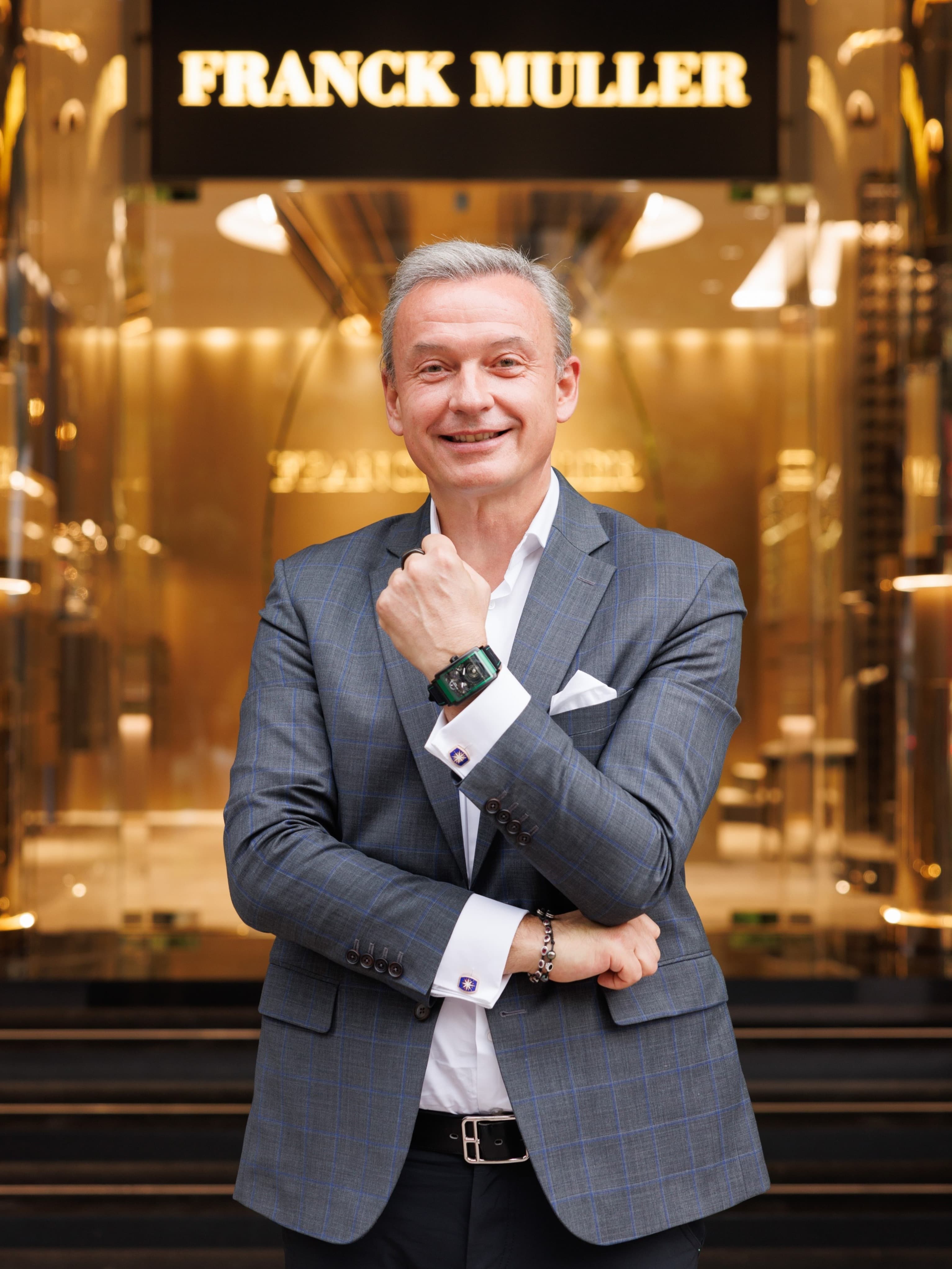
For Franck Muller, time is not a master, but a canvas. CEO Nicholas Rudaz dives into the brand’s latest innovations — from watchmaking to chocolate — and explains why “cool” is just as important as any complication.

By Ruckdee Chotjinda

  •  
  •  
  •  
  •  
  •  
  •  
  •  
CEO Nicholas Rudaz
 

In the gilded and frequently self-serious world of haute horlogerie, where centuries-old traditions are guarded with a near-religious zeal, Franck Muller has always ranked amongst the glorious outliers. A successful one at that. Since its founding in 1991, the brand has operated under a singular and defiant mandate: to be the “Master of Complications” without ever losing its sense of play. This is a family-owned firm that views time not as a rigid master, but as a canvas for creativity. This is not just a brand philosophy but what the watches are really like, in the metal. It is a philosophy perhaps best exemplified by the iconic Crazy Hours — a complication born from a desire to break the chronological order of the dial, reportedly inspired by the whimsical, “wacky” realisation that time is ultimately what we make of it, even in the haze of a holiday morning.


At the helm of this creative juggernaut is Nicholas Rudaz, a CEO whose own professional trajectory is as unconventional as the watches he oversees. Rudaz, who joined the company in 2007 and stepped into the CEO role in 2021, does not fit any kind of mould. Born in Switzerland but raised in England, he spent his formative years not in a watchmaker’s atelier, but in the highstakes world of luxury hospitality. His journey famously includes a stint as a barman at the Sydney Opera House in the early 1990s — a period he reflects on with great fondness.


It was there, amidst the clinking of glasses and the diverse stories of international travellers, that Rudaz honed the interpersonal skills and “dream-selling” mentality that now define his leadership at Franck Muller. To Rudaz, selling a high-complication watch is not unlike managing a five-star guest experience; it is about emotion, storytelling and the meticulous attention to detail that creates a lasting memory.


This human-centric approach is what keeps Rudaz on a near-constant global tour. Unlike many of his peers, he is a frequent visitor to Southeast Asia and Australia, often returning to his “old stomping grounds” in Sydney to open new boutiques and engage directly with collectors. His relationship with the press and the market in Thailand is particularly robust; he is one of the few chief executives who makes it a point to visit at least once a year, ensuring the brand remains visible and attuned to the nuances of local preferences.


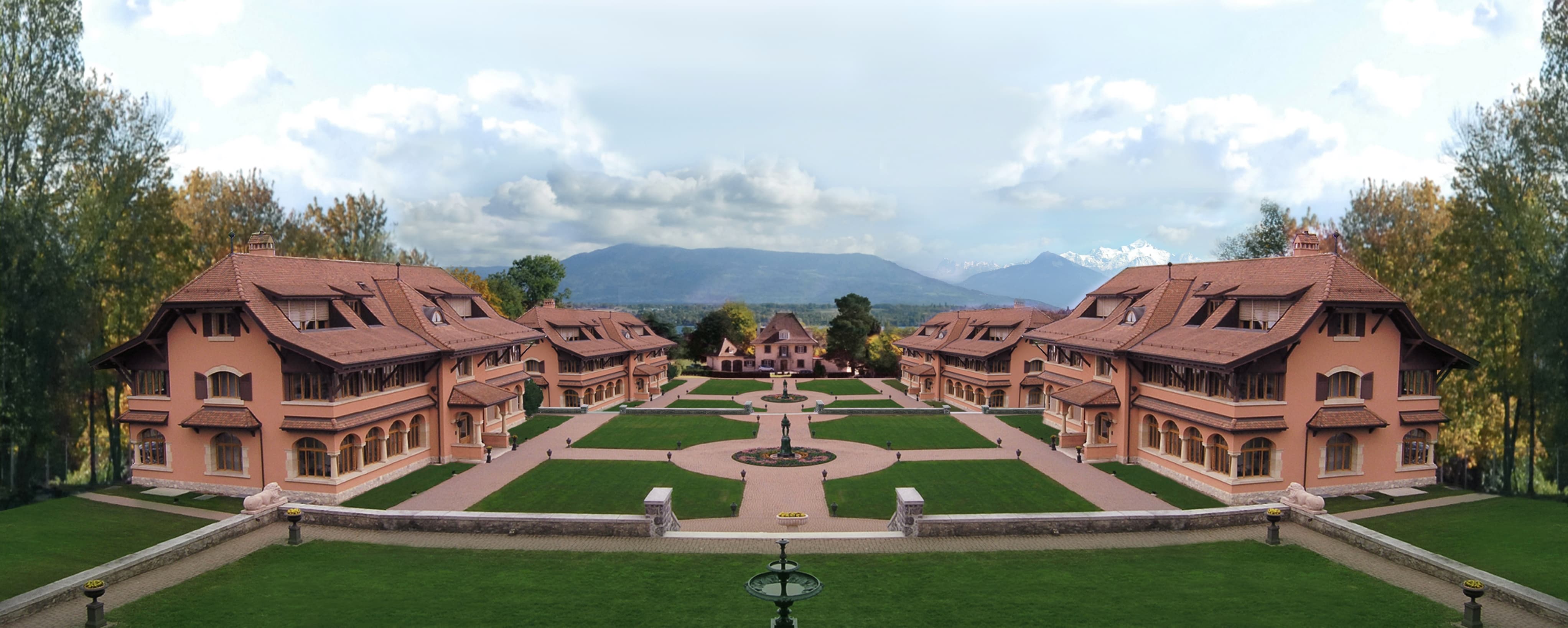
Our previous conversation with Rudaz (Spring last year) explored his strategic vision for steering the brand’s legacy into a new era while maintaining its fierce independence. Since then, the world of Franck Muller has only grown more expansive — and more surprising. During a recent visit to “Watchland,” the brand’s fairy-tale lakeside estate in Genthod, the spirit of “always staying busy” was on full display. In a move that perfectly captures the brand’s spontaneous creativity, Watchland now houses a chocolate factory. Born from a 600-square-meter canteen space that went unused during the COVID-19 pandemic, the area was transformed into a premium chocolatier at the suggestion of Franck Muller co-founder Vartan Sirmakes. Today, Franck Muller even sells these chocolates online (Japan-only, as far as we know), often personalising them for partners and journalists — a testament to the brand’s belief that luxury should be as delightful as it is complex.


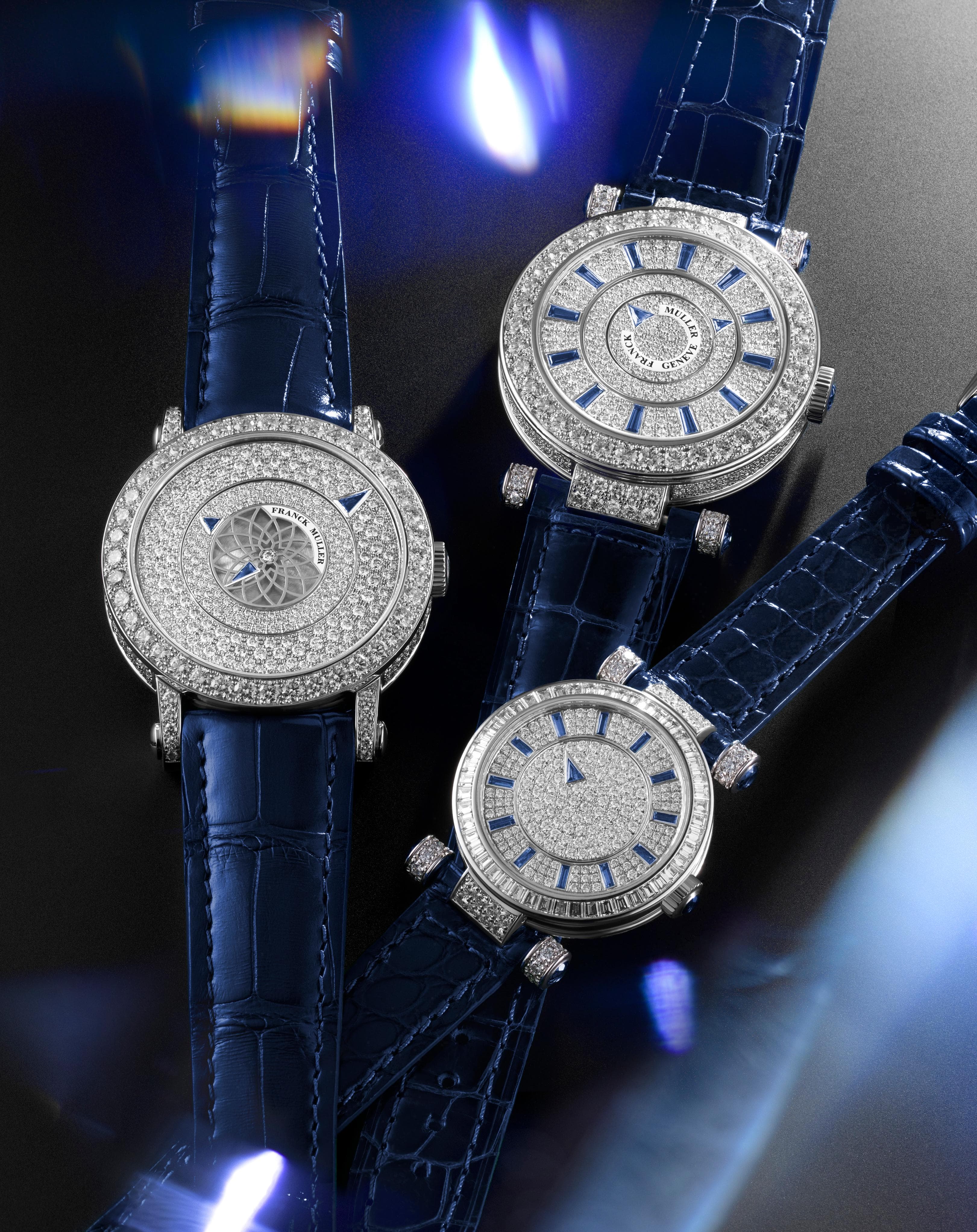
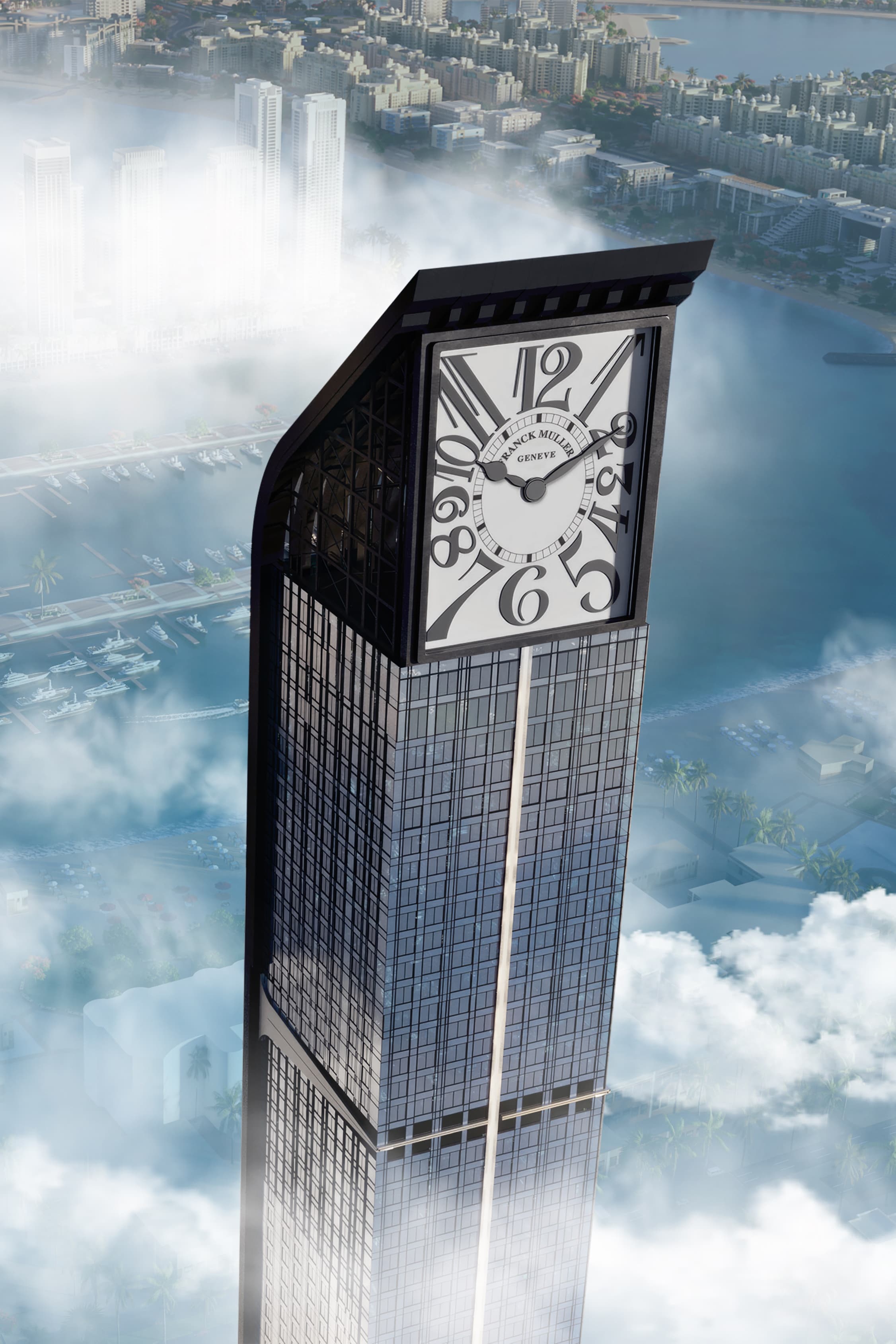
But while chocolate and lifestyle expansions like the Aeternitas Tower in Dubai — the world’s tallest residential branded building, topped with a Franck Muller clock visible from six kilometres away — make headlines, the heart of the maison remains firmly rooted in technical innovation. The current collection maintains a masterful balance between what is cool, what has horological depth and what sells. The Round Triple Mystery, for instance, represents a logical yet daunting evolution of the Mystery series. By adding a third rotating disc for the seconds, watchmakers had to overcome significant energy and torque challenges, utilising a skeletonised aluminium seconds disc measuring a mere 0.3mm thick to ensure the movement remains precise and efficient. Crucially, this complication emerged at the request of one of Franck Muller’s Asia Pacific distributors…


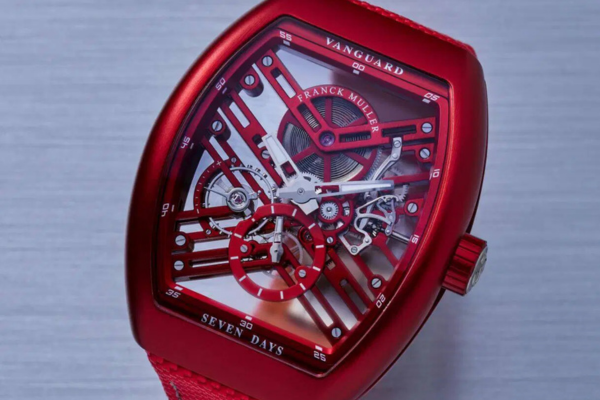
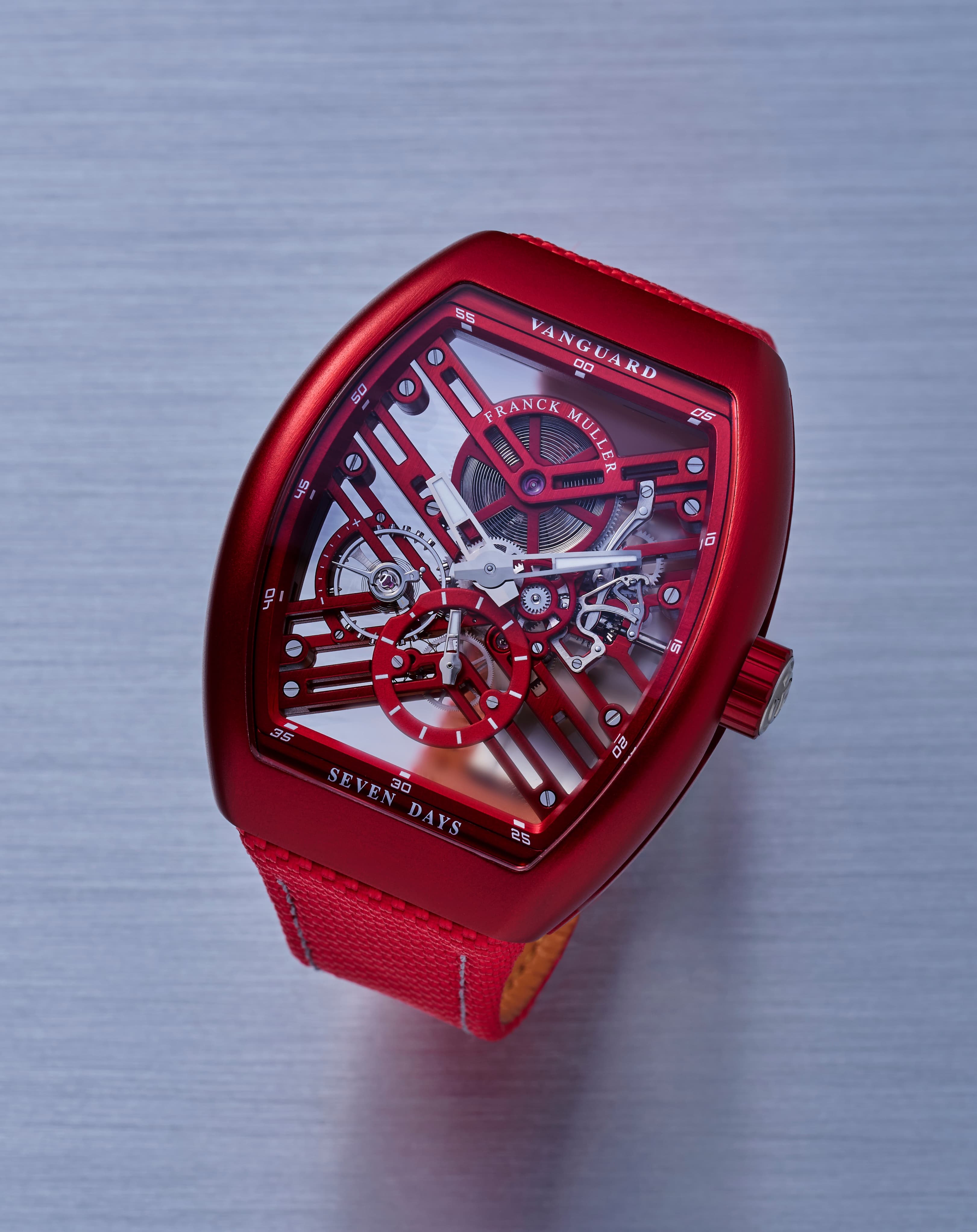
Similarly, the use of avant-garde materials such as those found in the Vanguard Royal Bauxite demonstrates a commitment to durability and aesthetic freedom. Basically, the brand has found a way to use aluminium for cases without compromising on strength, and this unlocked a rainbow of colours, which are not possible with traditional ceramic or carbon. This focus on colour and wearability extends to the new Vanguard Sfumato Slim, which addresses the growing consumer demand for smaller and thinner timepieces without sacrificing the bold dial artistry the brand is known for.

As we sit down with Rudaz once again, he reflects on three of the “five C’s” of the brand: Creativity, Complications and “Cool” — the intangible quality that keeps clients coming back. In this interview, we dive deeper into the brand’s unique strategy for the Asia-Pacific market, the technical hurdles of its latest complications and why, for Franck Muller, the most important rule is often knowing when to break one.


All three Round Mystery watches from top, clockwise: Double Mystery, Mystery and Triple Mystery


Outside of the novelties, what is new at Franck Muller?

We make chocolate. Did I tell you that? When we built the extension at Watchland, we planned one big canteen for everyone. But because this was the middle of the pandemic, we decided that maybe it’s not a good idea to have one big canteen. So, we were left with this big space, like 600 square metres, not knowing what to do. And Vartan said, let’s make chocolate. So, we went looking for the best chocolate makers in France. We actually sell it online. We also gift it, of course, when people come and visit the factory. And we can also personalise the chocolate to the distributor, to the shop and to the journalist.


And then another thing that’s going on in Dubai: We have a tower being built. It’s the tallest residential branded building in the world, sponsored by Franck Muller. And on the top, we will have a large Franck Muller clock that is visible from at least six kilometres. It will be called Aeternitas Tower. So, you’re asking about what else we are doing other than making watches? We do a lot. We like to stay busy. You asked the right question.


Artist’s impression of the upcoming Aeternitas Tower, Dubai


Why are there more limited editions for Asia Pacific than the other markets?

I think you know more about the Southeast Asian limited editions because it’s your market. Effectively, we do other limited editions for the Middle East, for South America, for Europe. We did the Snoopy limited edition with Bamford as well. So, we do quite a lot of limited editions in various markets, but Southeast Asia is one of our biggest markets and they are the most creative as well. We work closely with Cortina and Pendulum to make limited editions. And if you have any other suggestions for a new limited edition in Thailand, we’ll be happy to consider.


In terms of materials and colours, you have been quite successful and creative. The Vanguard Royal Bauxite has so many hues, for example. Can you tell us more about the practical advantages offered by using this aluminium alloy?

Absolutely. We’ve been bringing in a lot of new materials and that allows us to make new designs. And with the aluminium, it’s being treated in such a way that it’s become much stronger than any other material. I’m comparing it with steel before anything else. And it’s actually extremely solid and light. And the exceptional (property) of the aluminium is to be able to design all the colours imaginable. With carbon, you’re limited. With ceramic, you’re limited. With titanium, you’re limited. But with aluminium, everything is possible. That’s why in our collection we have incredible colours: green, orange, pink, violet, yellow. You name it, we have it.


Let us also ask you about the size, because right now a lot of our consumers are asking for smaller watches.

Absolutely. We’ve also realised the importance of having smaller watches. And we do have smaller watches available on different markets. And today we’ve come out with this Vanguard Sfumato Slim in 41 and 43 mm sizes. The thickness of the Sfumato is much thinner. It’s a totally in-house movement with a beautiful open back and very comfortable on the wrist.


The Sfumato has proven to be a very popular new collection this year, sfumato being a term used in the artistic world to talk about the differences in contrast from light to dark, dark to light. This is in reference to the dial, which we have in four different colours. And the straps are in either suede or the combination of crocodile top and rubber lining. This makes it more interesting to wear in humid weather like in Thailand.


Vanguard model in aluminium 


And your new Round Triple Mystery is simply fabulous. It is a logical continuation from its predecessors.

Thank you very much. And of course, so instead of having the hands, you have two plates, one for the hours, one for the minutes. And, yeah, the Double Mystery has been incredibly successful over the years, so now we are progressing into the Triple Mystery. So, we are adding the seconds plate, which was a big challenge technically to achieve. It’s heavier and drains energy, of course. So, the barrel has been made to give it a little bit more energy, more torque.


What would be the one quality that will enable Frank Muller to be competitive against the other brands in the coming years?

Creativity has always been in our DNA from the very beginning: in the complications, in the designs, in the shapes of the cases. We’ve always been extremely creative in our fun complications as well. I was speaking to one journalist in Sydney. He summarised it all very well. He was talking about Franck Muller and the five C’s: creativity, complications, cool, which may sound not very horological, but it’s a true reason why a lot of our clients buy… I’ve forgotten the other two things. But it was very interesting. Very true.


This story was first seen as part of the WOW #83 Spring 2026 Issue 


For more on the latest in luxury watch reads, click here.


SHARE

Franck Muller CEO Nicholas Rudaz Speaks on the Brand’s Direction and Global Presence Read More »
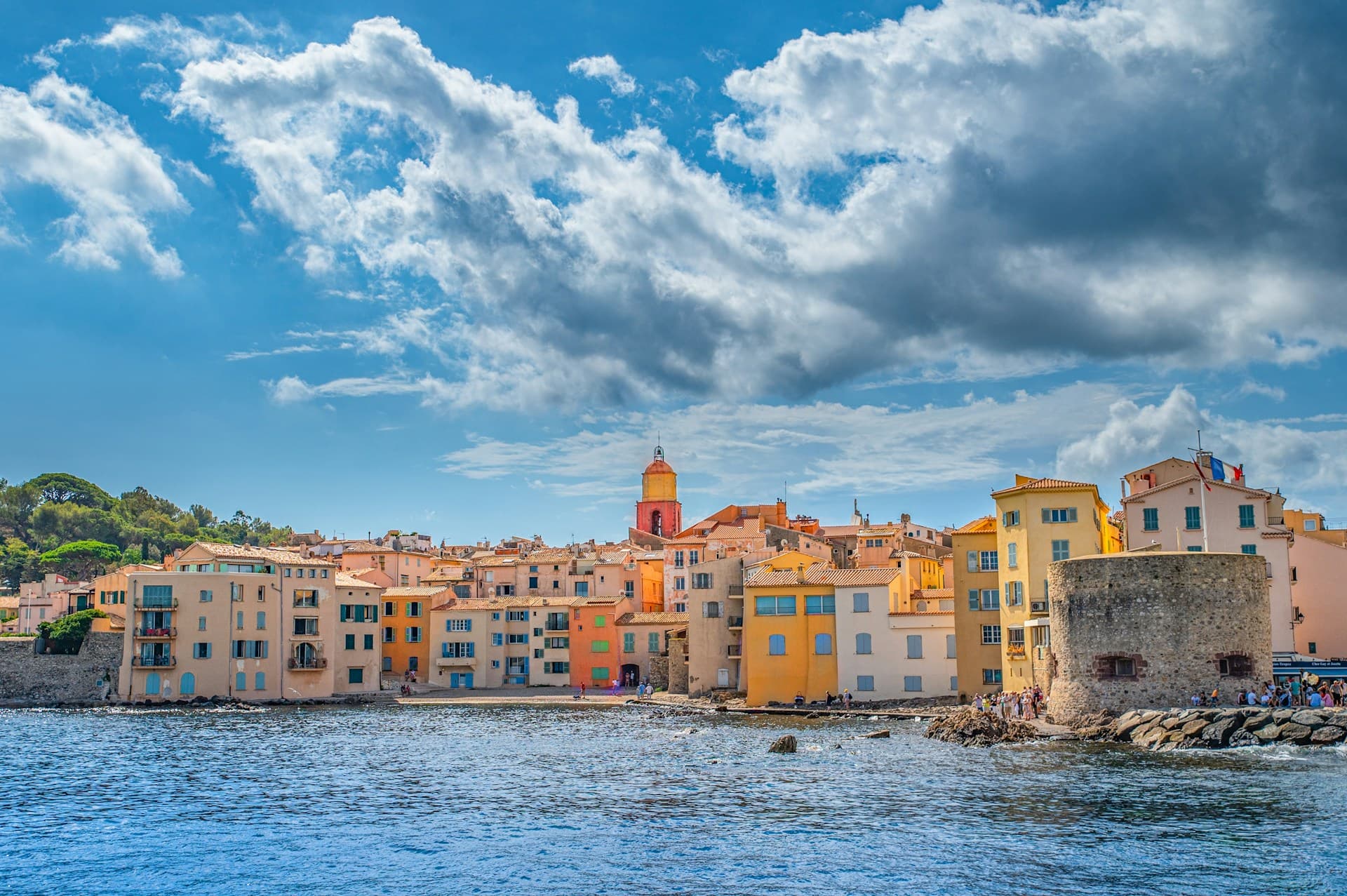
A Day in Saint-Tropez: The Enduring Allure of Beach Club Culture

A Day in Saint-Tropez: The Enduring Allure of Beach Club Culture

SHARE

Saint-Tropez epitomises summer luxury on the French Riviera with sun-drenched beaches, renowned beach clubs and stylish villa retreats.
By Florence Sutton

  •  
  •  
  •  
  •  
  •  
  •  
  •  
Copyright: Valentin Pacaut – The Explorers
 

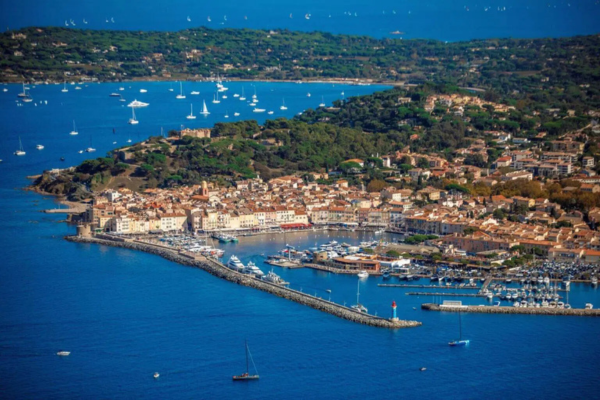
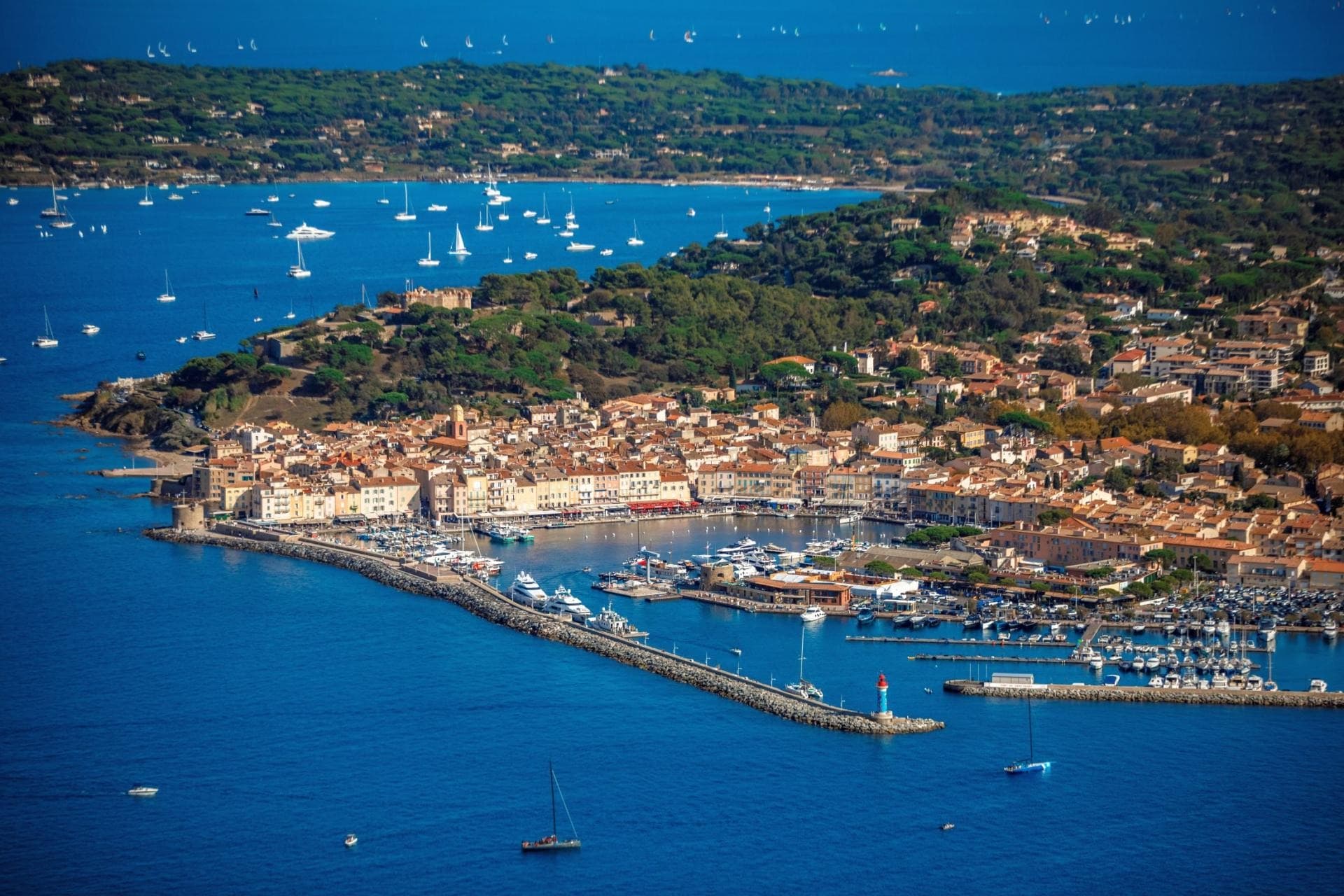
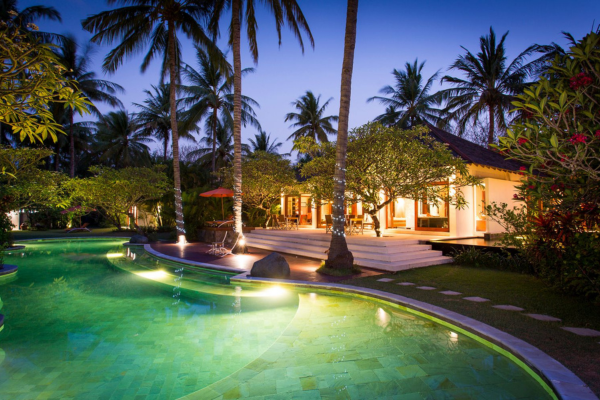
With an irresistible mix of glamour and indulgence, Saint-Tropez combines French Riviera charm, stunning beaches and effortless luxury living. In summer, the destination unfolds with a distinct, relaxed rhythm that’s only conducted by those who visit. Along the coastline, on the white sands of Pampelonne beach and hidden coves neighbouring the Mediterranean’s azure waters, lies an eclectic beach club scene to which the destination holds its identity. Offering a blend of indulgence and style, they continue to attract international clientele to Saint-Tropez year after year…


Beach clubs of Saint-Tropez each hold their own identity and style, exuding a shared understanding of what makes the region extra special. A seamless fusion of beachside luxury and high-end opulence is found amongst some of the most exclusive establishments, whilst others embrace a more contemporary energy and vibrancy with live DJs blending curated playlists. Across all clubs, fashion plays just as an important factor in the entire experience for its visitors. Outfits evolve as a form of expression, with detailed and tailored pieces that reflect an unspoken dress code in this luxury destination.


Saint-Tropez, Provence-Alpes-Côte d’Azur, France 


On a luxury summer holiday in Saint-Tropez, mornings begin slow. Typically, visitors will indulge in the breakfast delicacies served by their private chef and team, at an exclusive catered villa rental, before venturing out to a selection of sophisticated beach clubs that line the shores of the southern French coastline. By late morning, however, the first arrivals venture to the likes of legendary Club 55, refined La Réserve à la Plage and boho-chic Loulou Ramatuelle, amongst other new contemporaries, where understated elegance remains key. Linen shirts, oversized sunglasses and woven accessories are the attire of those gradually filling tables, whilst the atmosphere builds at an unhurried pace.


By midday, the French Riviera sun and Saint-Tropez beach clubs are at their highest peaks. A backdrop of beautiful blue skies that seamlessly match the sparkling Mediterranean Sea, for long afternoons that stretch until the golden glow of evening sets in. On the tables, colourful dishes of fresh seafood and seasonal salads create a tantalising beachside dining experience, with the sounds of music to provide a subtle ambience that’s one of sophistication and celebration. Alternatively, at Saint-Tropez beach clubs, such as Nikkie Beach and Bagatelle Beach, afternoon is when the party really kicks off with frequent Champagne bottles flowing and live music lending more towards the celebration side of procedures.


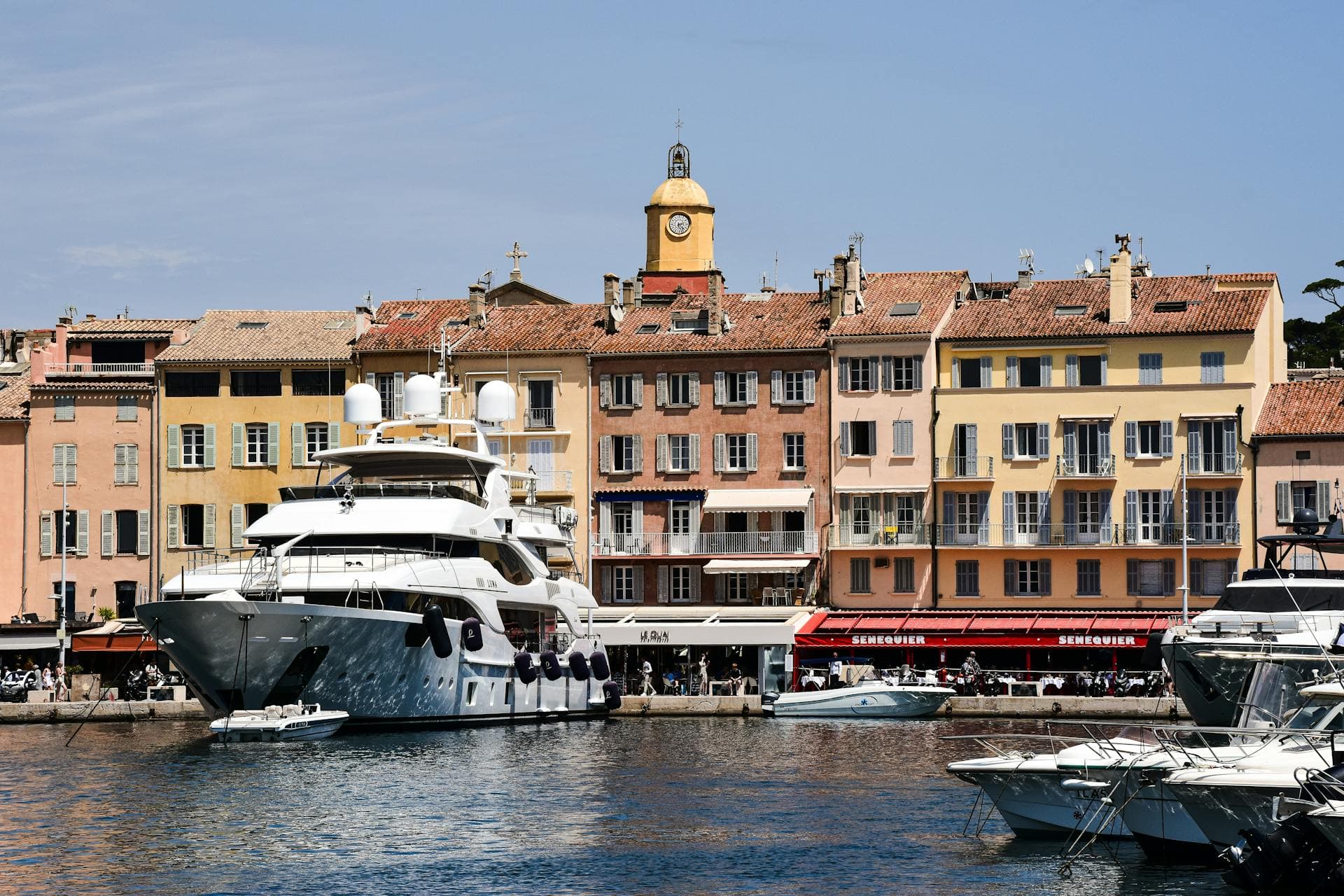
Saint-Tropez, France


In the evenings, the softened light of sunset replaces what were once bright blue hues decorating the Saint-Tropez skies. In the beach clubs, the atmosphere gradually shifts from sun-drenched leisure to something more intimate. By sunset, the energy across many contemporary beach clubs becomes quieter and more reflective, as guests linger at tables deciding on whether to return to their luxury Saint-Tropez villa or move on to another venue.


A day in Saint-Tropez is an experience defined by detail and a luxury ambience that continues to captivate the international crowds that return each summer. It offers a sense of escapism, whilst maintaining a strong connection to the destination’s refined atmosphere, something that the beach clubs wholeheartedly embody. So, why settle for less in the accommodation you choose? Villas In Luxury offers an exclusive collection of the finest luxury St Tropez villas for travellers who accept nothing less than exceptional. Providing the perfect balance of space and discretion, yet still remaining close to the heart of the scene, their definitive portfolio promises an elevated villa experience like no other.


Saint-Tropez isn’t just a place to visit, it’s a lifestyle in itself.


For more on the latest in lifestyle, culture and travel reads, click here.


SHARE

A Day in Saint-Tropez: The Enduring Allure of Beach Club Culture Read More »

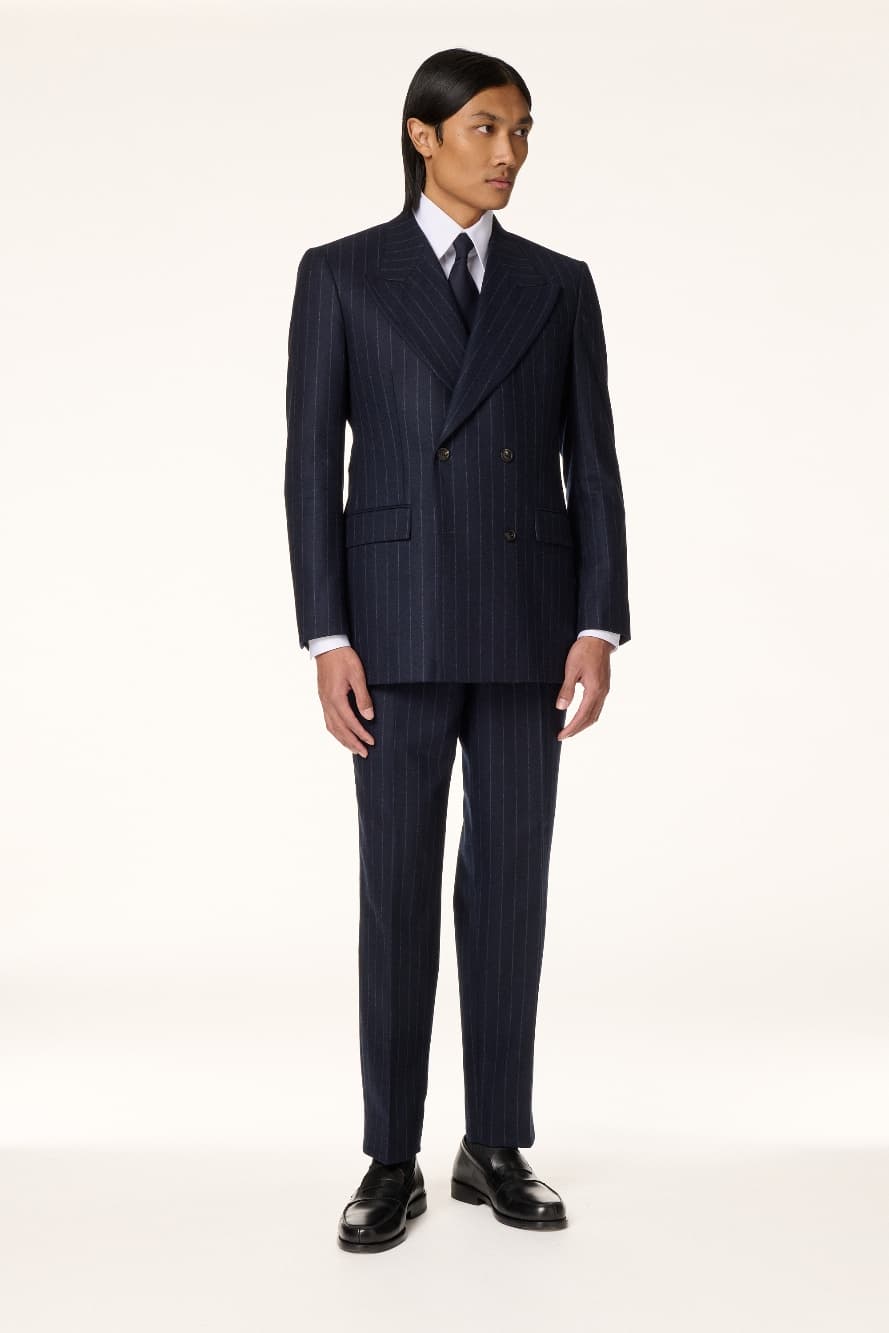
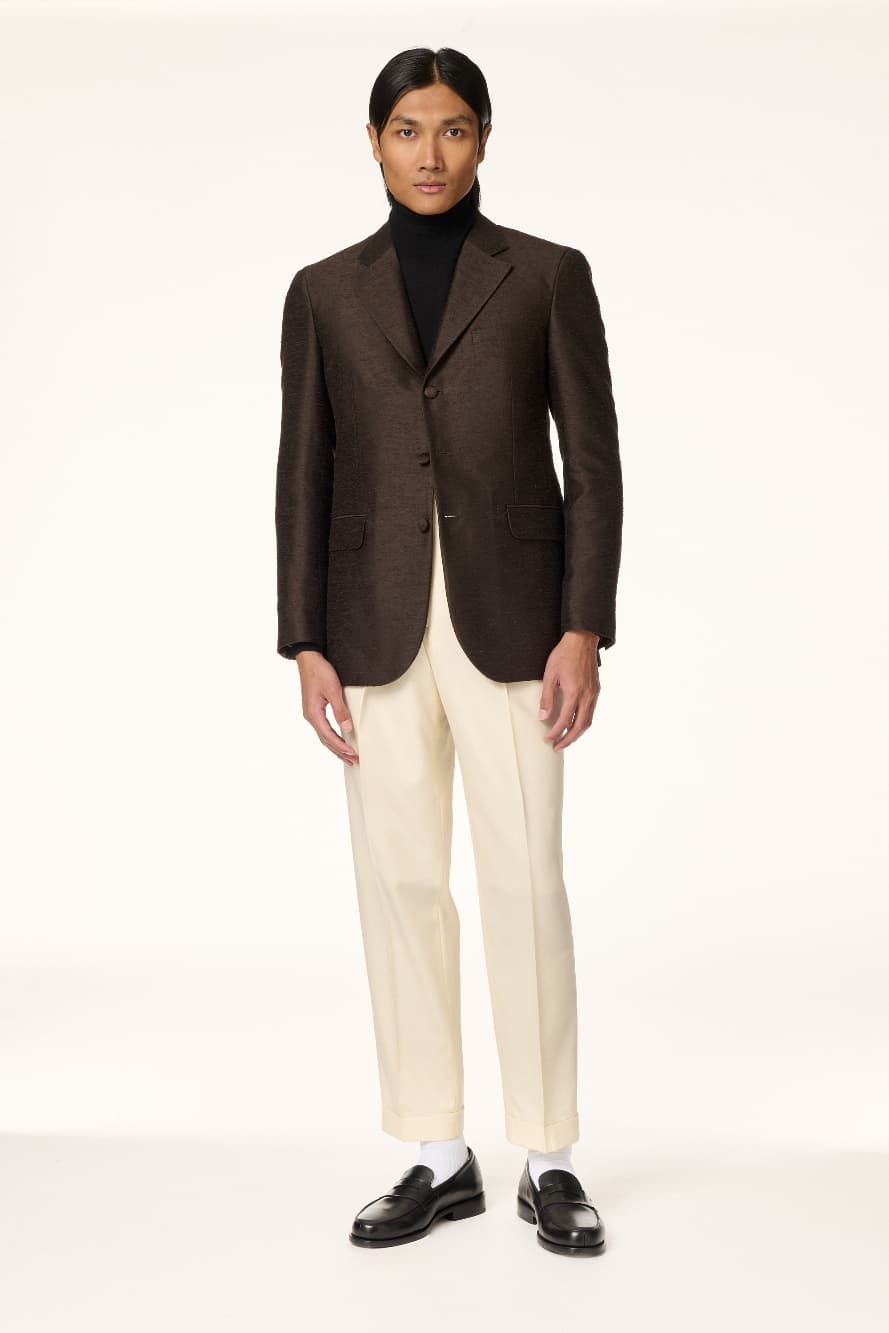
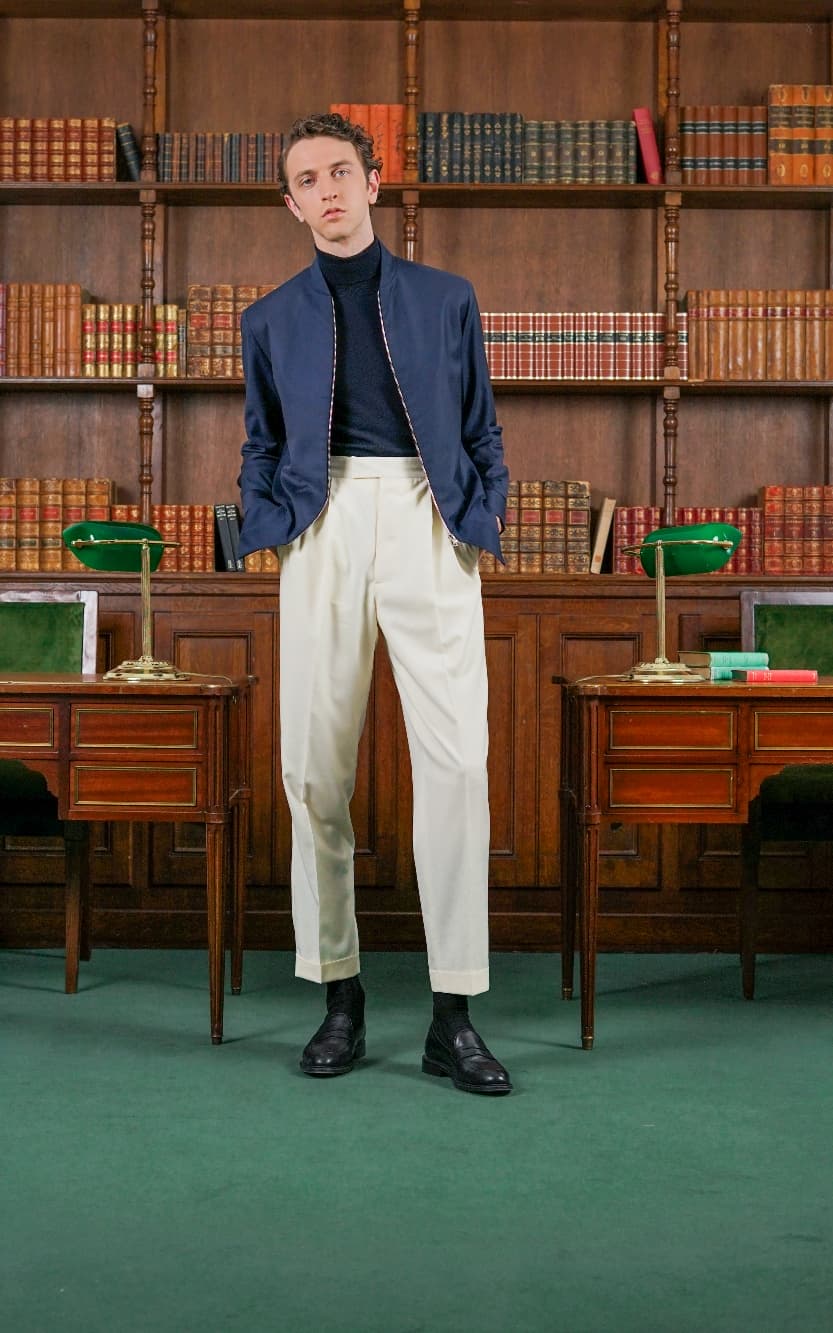
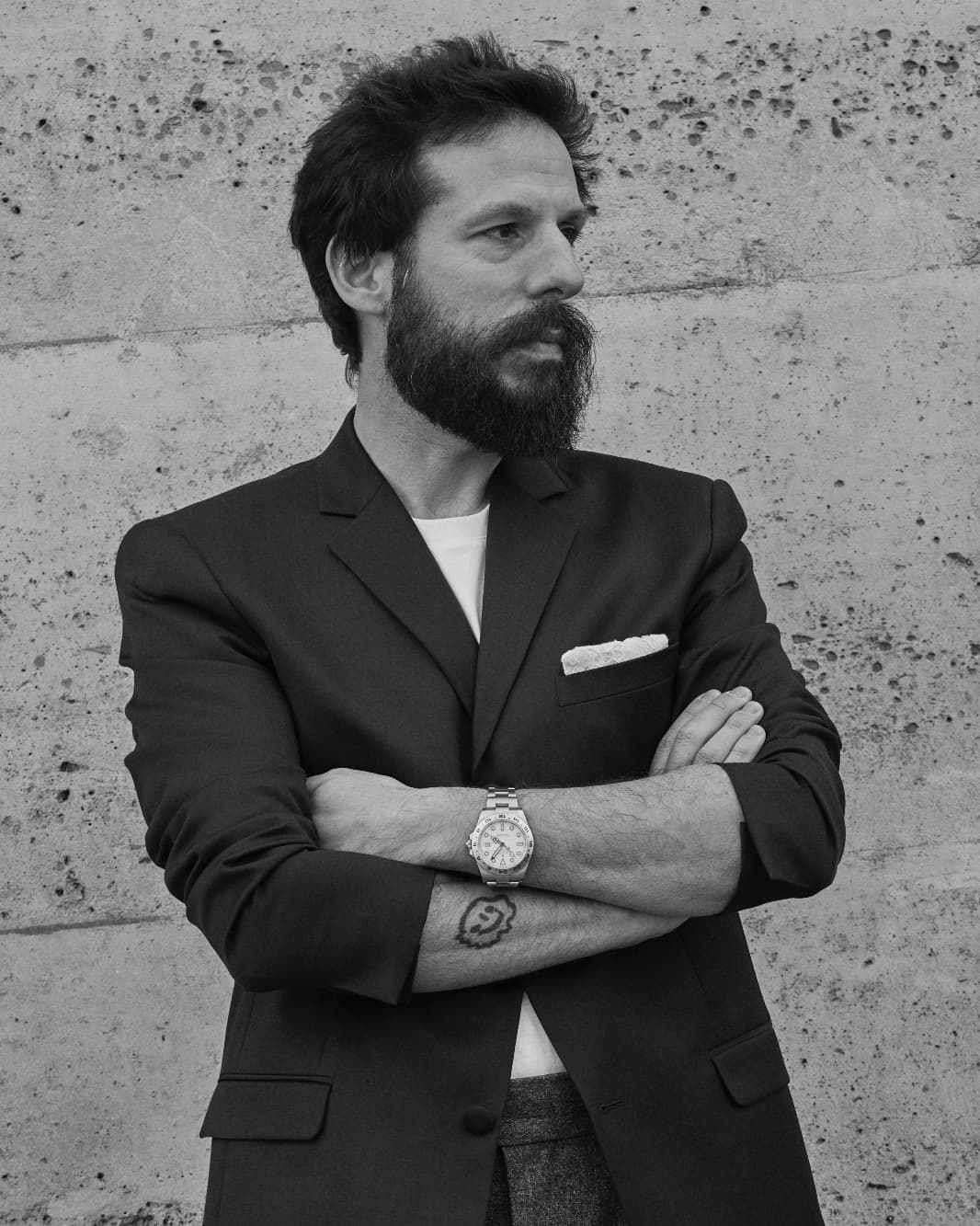
Antoine Salmon, CEO & Co-founder of RIVES Paris on Bespoke Tailoring and Modern Menswear

Antoine Salmon, CEO & Co-founder of RIVES Paris on Bespoke Tailoring and Modern Menswear

SHARE

RIVES Paris repositions bespoke tailoring as a functional, modern wardrobe tool rooted in Parisian craft tradition.

By Florence Sutton

  •  
  •  
  •  
  •  
  •  
  •  
  •  


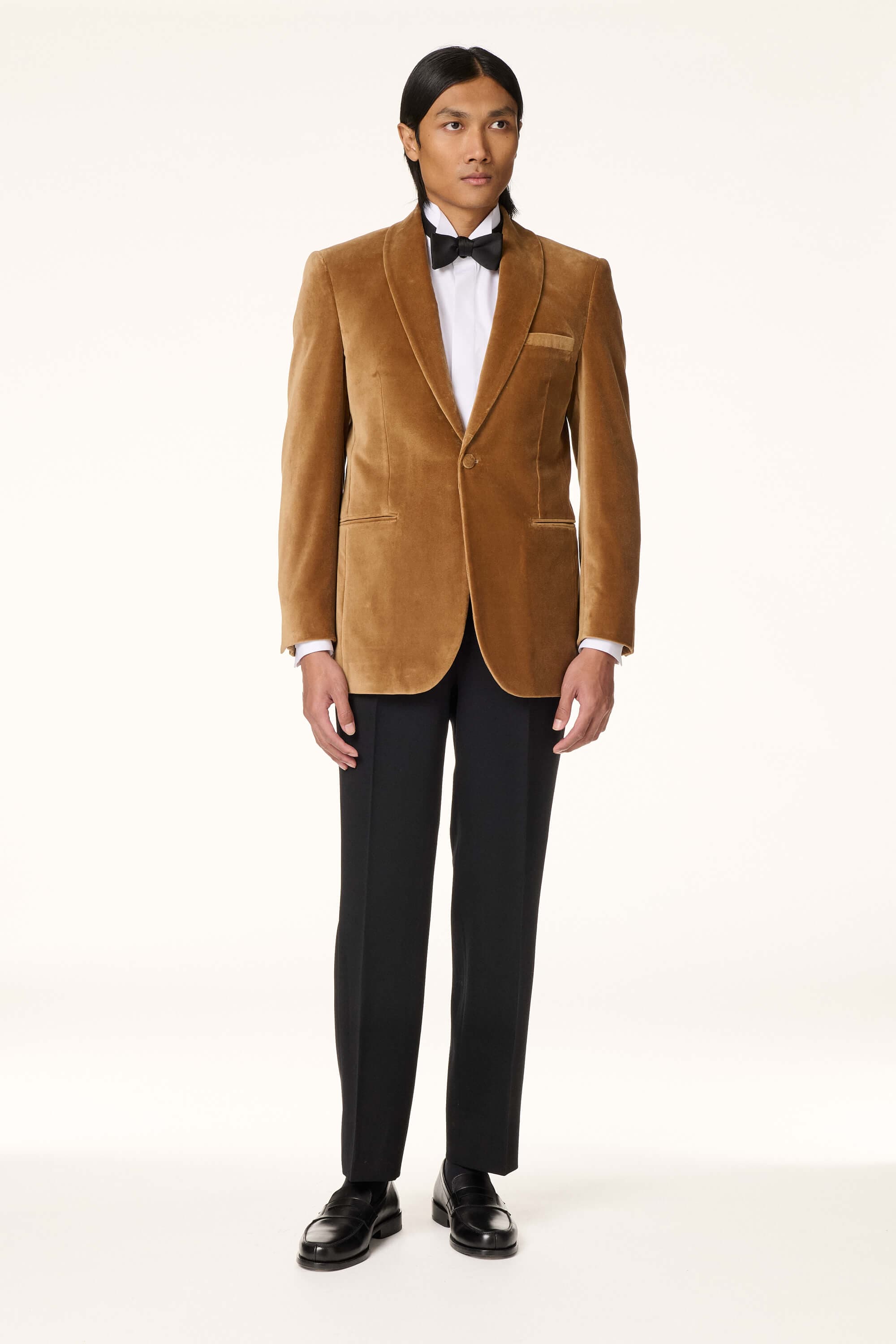
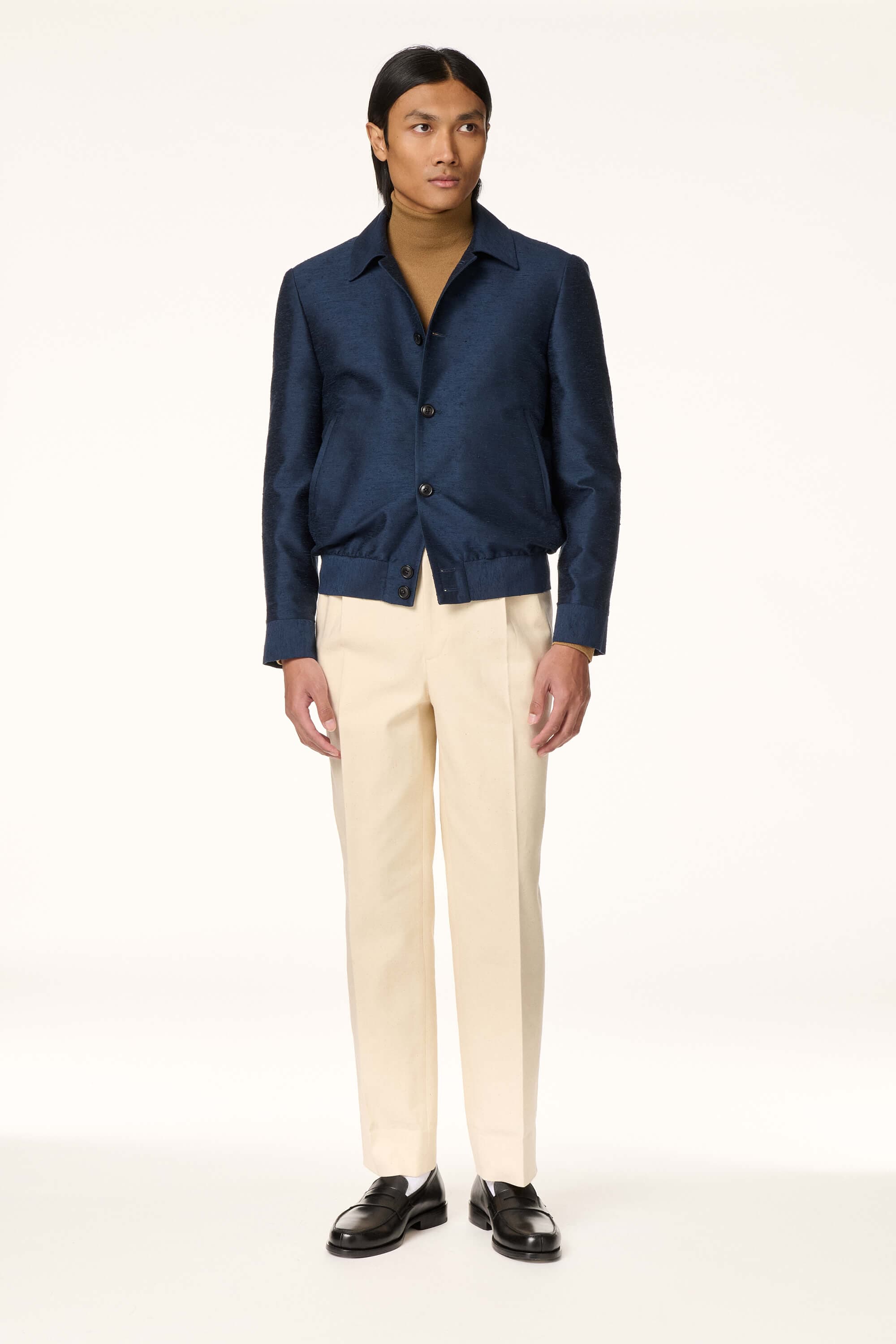
With the rise of streetwear, sportswear and a broader casualisation of dress codes in business and social settings, the suit is no longer part of everyday dressing, but reserved for formal or professional occasions. The question many tailoring houses are grappling with is no longer how to preserve the suit in its traditional form, but how to make it feel necessary again. Enter RIVES Paris. Since 2016, RIVES Paris has showcased a respect for sartorial heritage by prioritising craftsmanship in traditional workshops. As a fashion capital, Paris continues to set the tone for how heritage and modernity can coexist within menswear. The city’s tailoring tradition still carries weight, but it is its ability to evolve that keeps it relevant.


Based in Paris’s 8th arrondissement, RIVES approaches tailoring as something lived rather than ceremonial. Each garment begins with a conversation about the client — how he dresses, how he moves, what he needs from a suit — before progressing through fabric selection, construction and multiple fittings in the atelier. RIVES uses its tailoring expertise and stylistic eye at the service of all those who wish to have a unique and memorable suit by offering a tailor-made wardrobe service. Each client, each occasion and each creation is unique, which is why RIVES tailors create a custom pattern for every order. This pattern is then preserved in the House’s archives, allowing clients to reorder or replace any part of their suit identically, using the original pattern.


In this interview, CEO and co-founder of RIVES Paris, Antoine Salmon discusses how RIVES has developed its approach to modern tailoring, how the house responds to shifting perceptions of the suit, and the role of bespoke craftsmanship within a menswear landscape in transition.


Can you walk us through the founding of RIVES Paris and how the brand has evolved since?

RIVES Paris was born from a very simple conviction: that bespoke tailoring deserved to be approached differently — with the same level of craftsmanship and rigor, but with a more contemporary eye and a more natural relationship with the client.


From the beginning, we wanted to create a house where elegance would never feel frozen or intimidating. The ambition was to combine sartorial excellence with a certain modern clarity: precise lines, strong proportions, and garments that truly belong to today.


What followed has been built very organically. We started with a clear vision, a demanding product, and a very personal way of welcoming clients. Over time, word of mouth became our strongest growth driver. Today, ten years later, RIVES dresses clients in Paris and well beyond, for business, private life, weddings, and important moments — always with the same attention to detail.


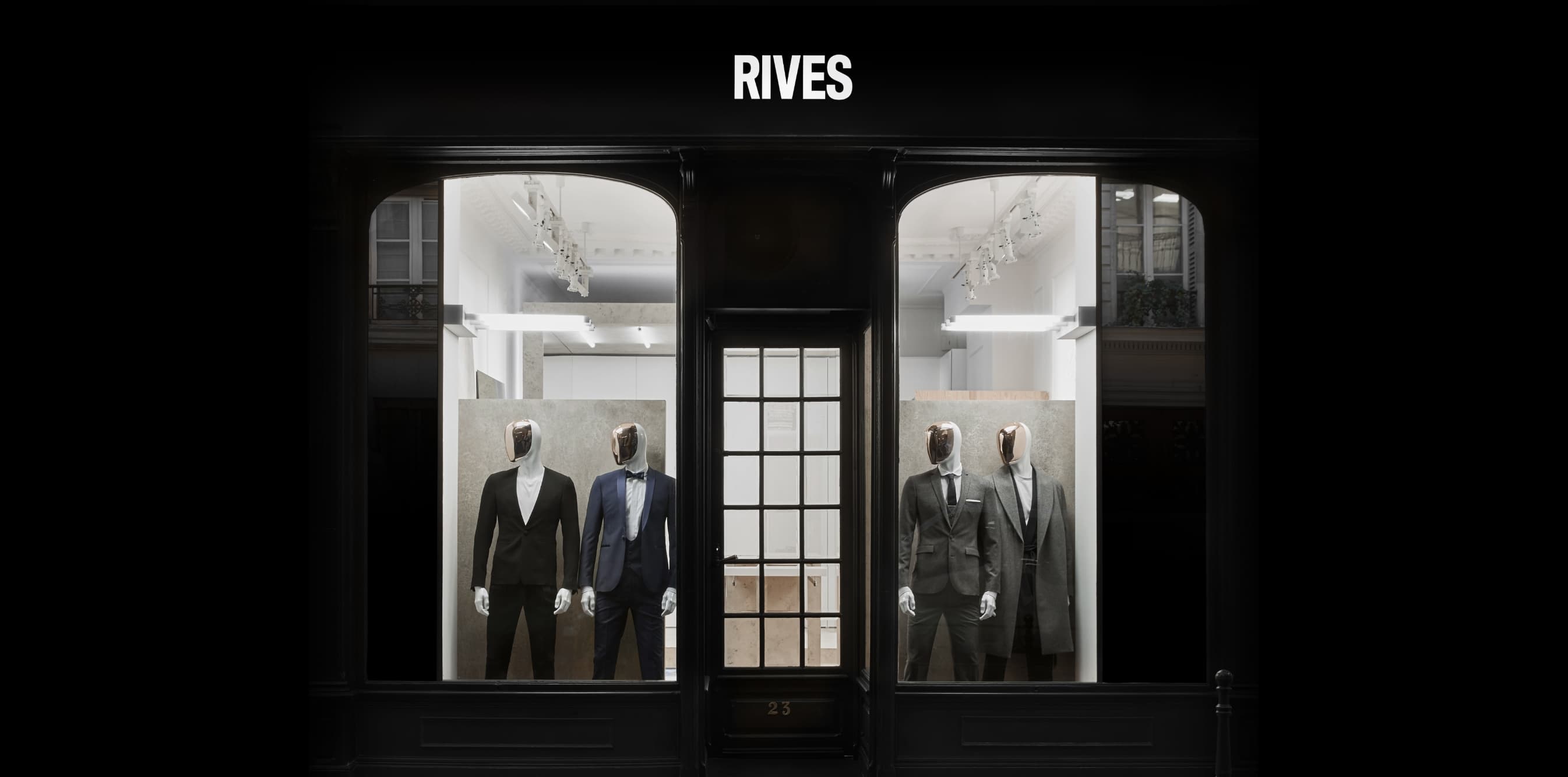
RIVES boutique, 23 rue Pasquier, Paris 8th arrondissement 


What first sparked your interest in men’s tailoring?

Very early on, I was fascinated by the idea that clothing could change presence without ever needing to speak loudly. A well-cut jacket has something almost architectural: it structures posture, attitude and confidence. I was drawn not only to elegance itself, but to what elegance produces in someone.

I also grew up admiring men whose style was never demonstrative — Cary Grant, Robert Redford, Roger Moore — men whose clothes seemed obvious because they were perfectly mastered.


With your boutique and workshop located in Paris’s 8th arrondissement, how can clients connect with you or arrange an appointment?

Our house is located in the 8th arrondissement of Paris, a district that naturally reflects the spirit of RIVES: discreet, elegant, central and deeply Parisian. Appointments can be arranged very simply by email, phone, or through our website. Paris remains our home, but many of our clients also come from abroad, so we are used to organising appointments efficiently for people visiting the city for only a short time.


Can you walk us through the fabric selection and fitting process at RIVES Paris?

Everything starts with first conversation. Before speaking about cloth, we try to understand the person: how he lives, how he moves, what he already owns, what he is missing, what role the garment should play.


Then comes fabric selection, where we guide the client through a very broad range of houses, depending on season, usage, drape, and personal taste. Measurements are taken very precisely, but the real construction begins during fittings. This is where the garment becomes truly personal: balance, shoulder expression, trouser line, collar behavior — everything is adjusted until it feels completely natural.


What is at the core of the RIVES Paris distinctive style?

Clarity. At RIVES, we avoid unnecessary effects. We like clean lines, controlled proportions and garments that remain expressive without excess. Our style often combines sartorial discipline with a certain softness: a sharp silhouette, but never rigid; elegance, but never theatrical. The idea is always to create clothes that feel timeless while remaining fully alive today.


What is the usual timeframe at RIVES Paris between the first consultation and the pick-up day?

Usually between five and six weeks. That allows enough time for production, fitting, adjustments and final refinements. For urgent needs, we can sometimes accelerate certain projects, but our preference is always to preserve the right tempo for quality.


What would you consider an essential suit in a modern man’s wardrobe?

A navy suit with perfect balance — not too formal, not too fashionable, not too rigid. A truly well-cut navy suit can accompany almost every important moment in a man’s life: business meetings, dinners, ceremonies, travel and even occasions that were not initially planned for it. It is probably the most intelligent starting point.


Mismatching a pocket square and a tie is a common misstep. What are some other mistakes men tend to make when dressing?

The most common mistake is trying too hard. When everything is too coordinated, too deliberate, too visibly “styled,” elegance disappears. Very often, the strongest looks come from restraint: allowing one element to stand slightly apart, keeping proportions right and respecting simplicity. Another frequent mistake is wearing clothes that do not correspond to one’s own personality.


What is a key piece of advice you provide to grooms looking to investing in a tailor-made suit for their wedding day?

I always tell them one thing first: do not dress for the photo only — dress for the day itself. A wedding suit must remain elegant for many hours, under emotion, movement, light and different moments. The second piece of advice is to avoid excessive details that may age badly. The ideal wedding suit should remain beautiful ten years later when looking at photographs


Where do you see RIVES Paris evolving in the next five years?

Still independent, still highly demanding, but with a broader reach. We are working on strengthening our international presence, developing selected trunk shows abroad, and continuing to refine what we do best. Growth matters, but never at the expense of identity. The objective is not to become bigger at any cost — it is to become stronger, sharper, and more desirable.


What is your approach when greeting a potential new client in your boutique?

Very simply: welcome, please take your time. A first visit should never feel rushed. The relationship starts with listening.


Do you cater to international clients and deliveries?

Yes, regularly. We work with clients living outside France and organise fittings remotely when needed, with video calls, detailed exchanges and shipping once final adjustments are completed. France remains our home base, but many garments travel internationally.

What are the menswear brands inspiring you at the moment?

I admire houses that preserve coherence over time. Hermès for consistency, discretion and quality. Brunello Cucinelli for softness and mastery of atmosphere and certain historical tailoring houses for their discipline more than for fashion itself.

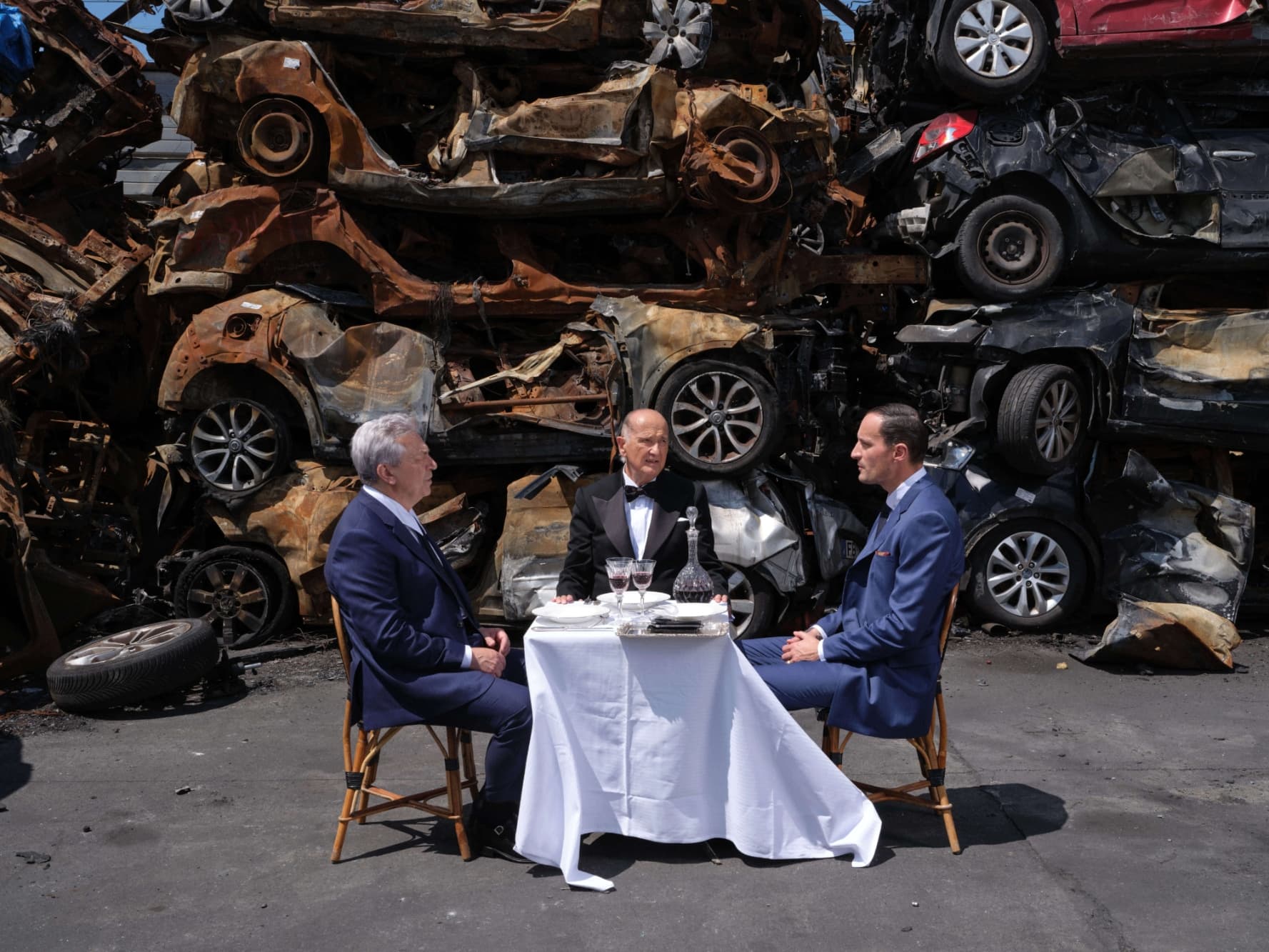
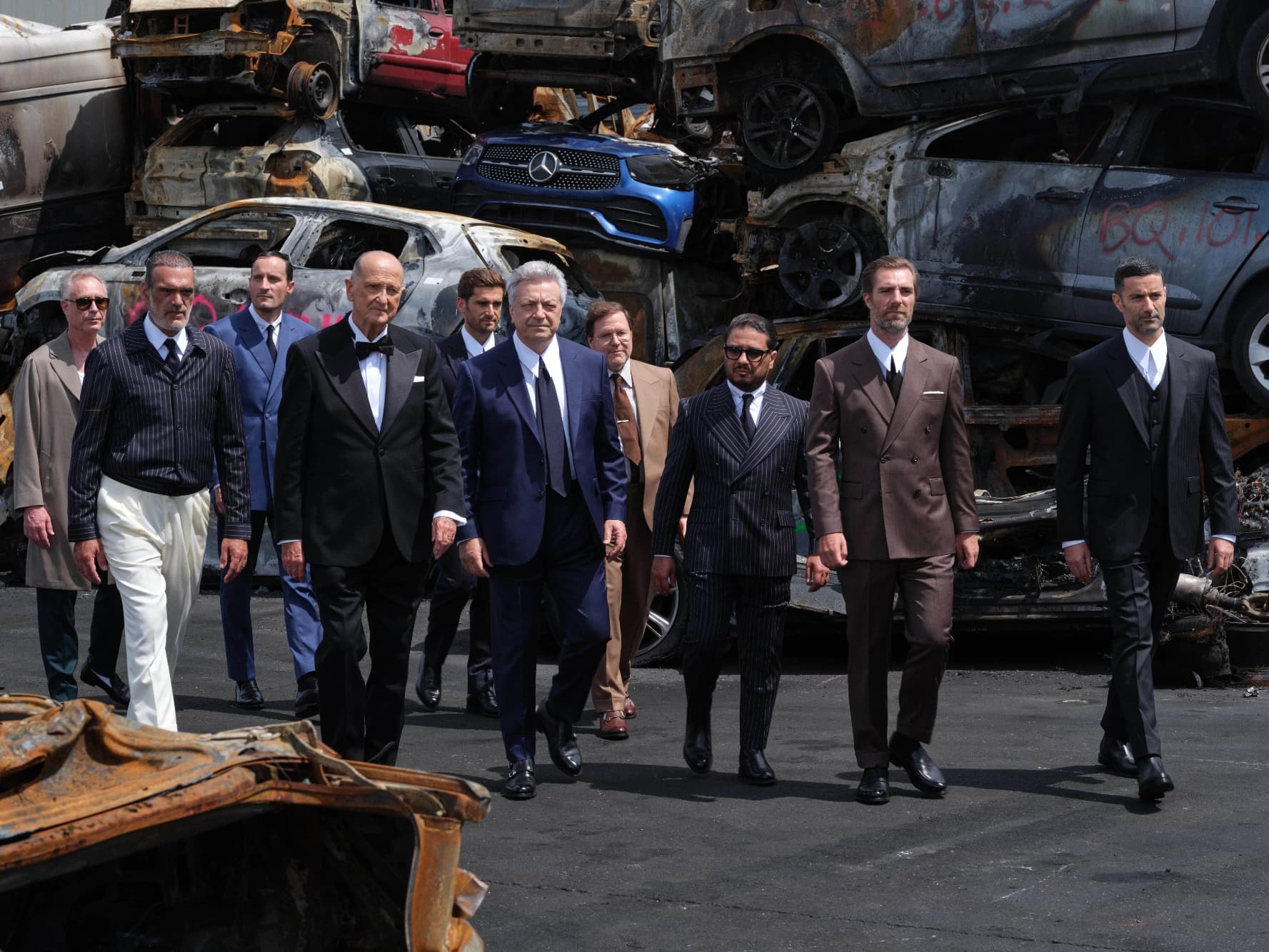
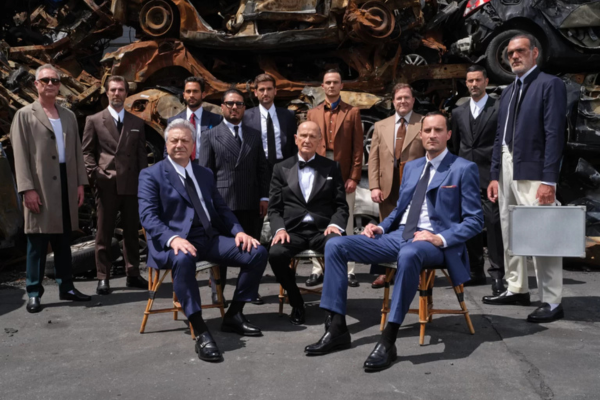
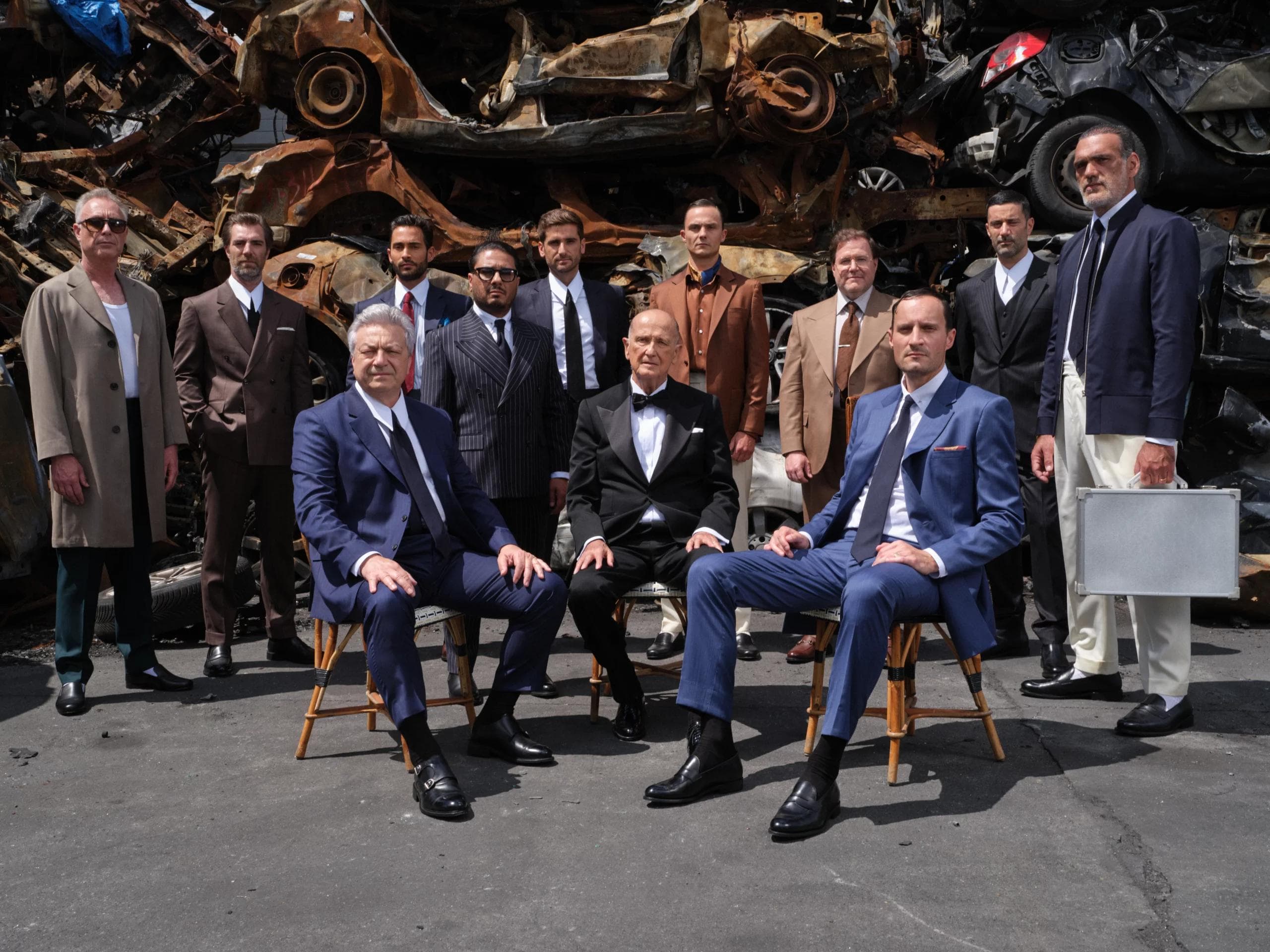
RIVES “Mafia” campaign, shot with real clients of the house.
If you were to name one person or mentor who has inspired you along your life and career, who would that be?

Rather than one mentor, I would say I have been inspired by men who combined rigor with simplicity. People who never needed excess to create presence. That remains — in many ways — what we try to express through RIVES.

RIVES Paris is located at 23 rue Pasquier, Paris, France.

For more information on RIVES Paris, visit the official website or the official RIVES Paris Instagram here.

For more on the latest in leaders, style and fashion reads, click here.


SHARE

Antoine Salmon, CEO & Co-founder of RIVES Paris on Bespoke Tailoring and Modern Menswear Read More »

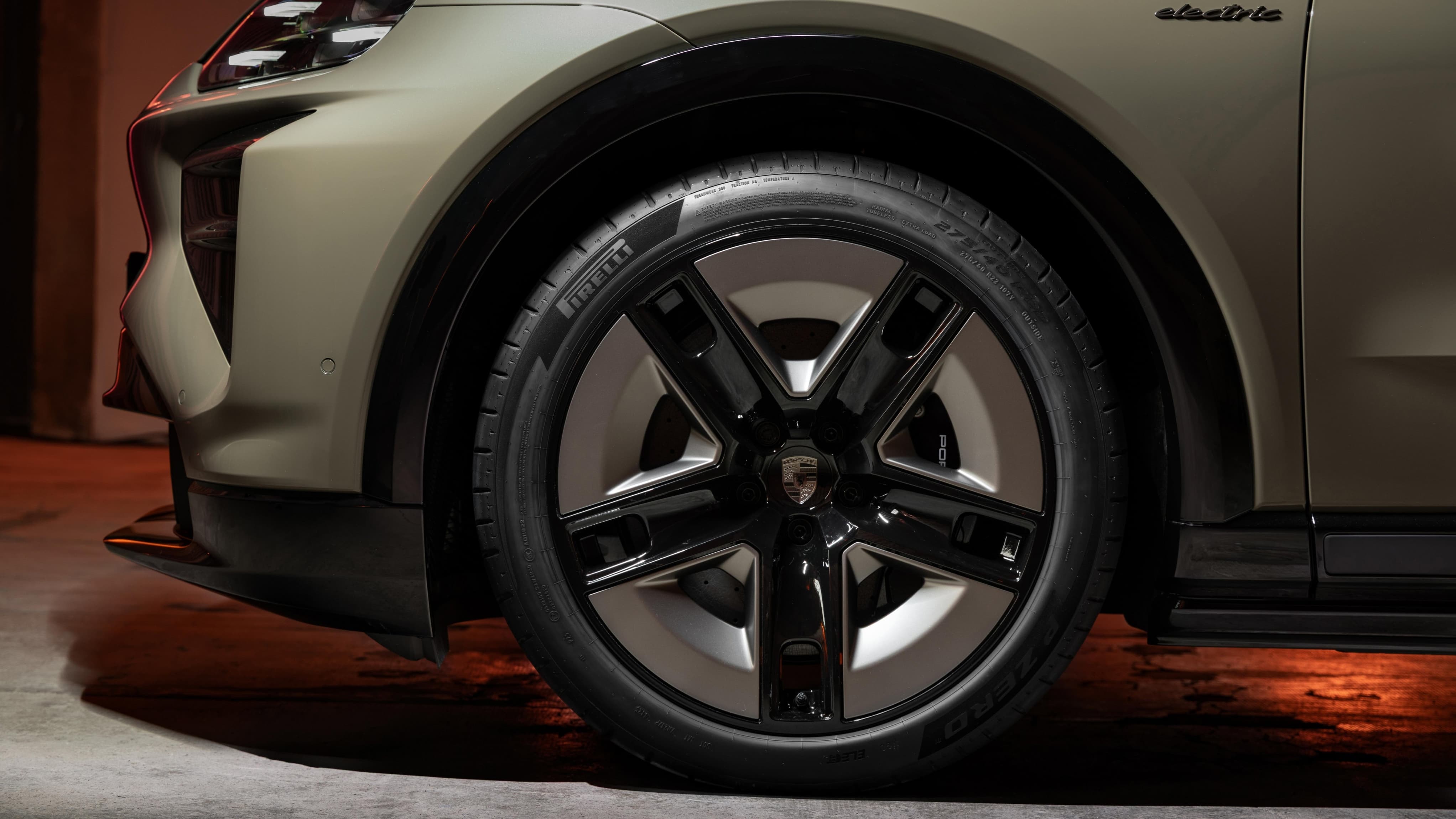
Porsche Unveils Latest Electric Extension with New Cayenne Coupé Electric

Porsche Unveils Latest Electric Extension with New Cayenne Coupé Electric

SHARE

The Cayenne Coupé Electric marks Porsche’s latest step into electrification, pairing its signature SUV proportions with a coupé roofline.

 By Alvinia Chu Jia Ying

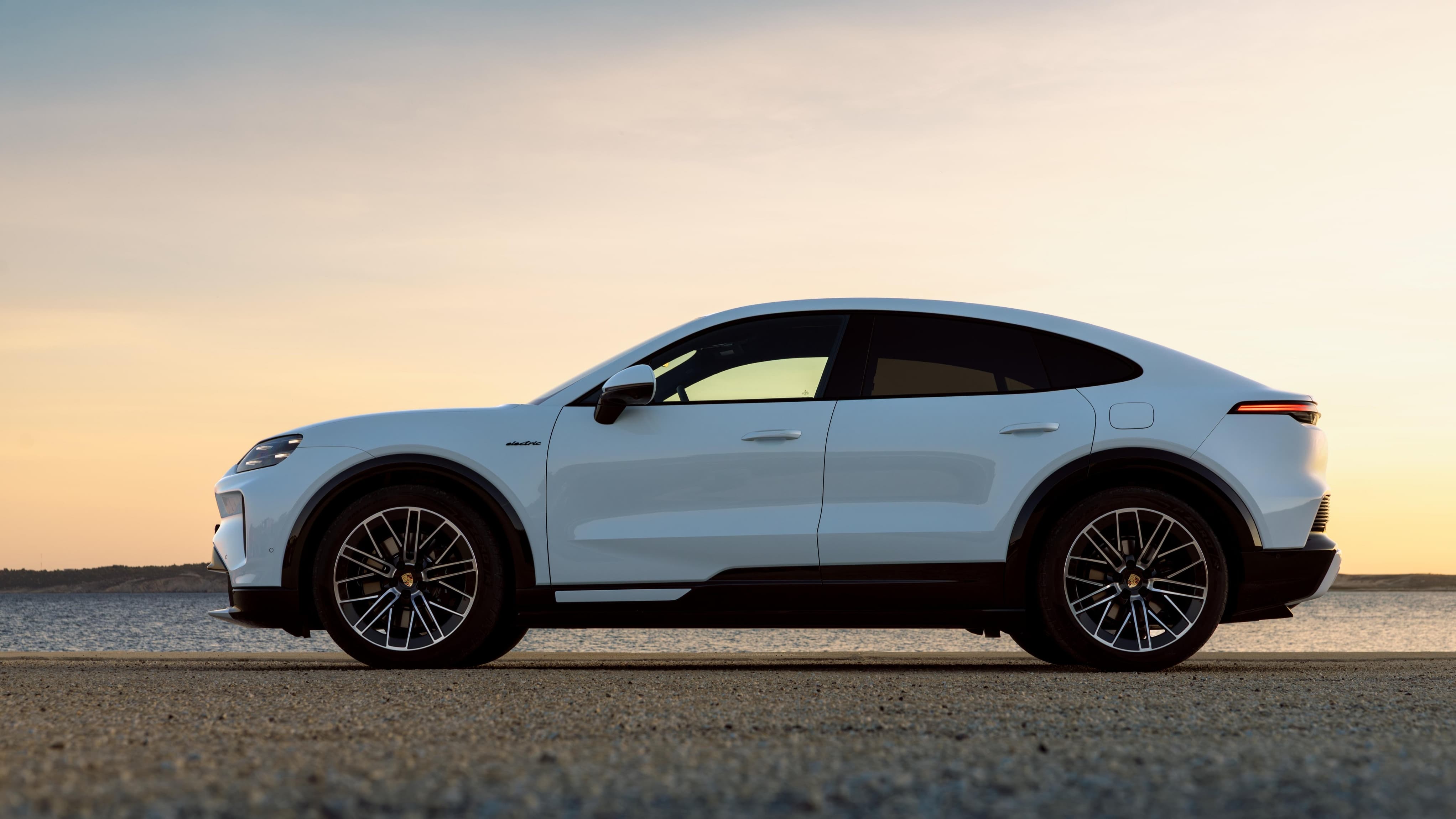
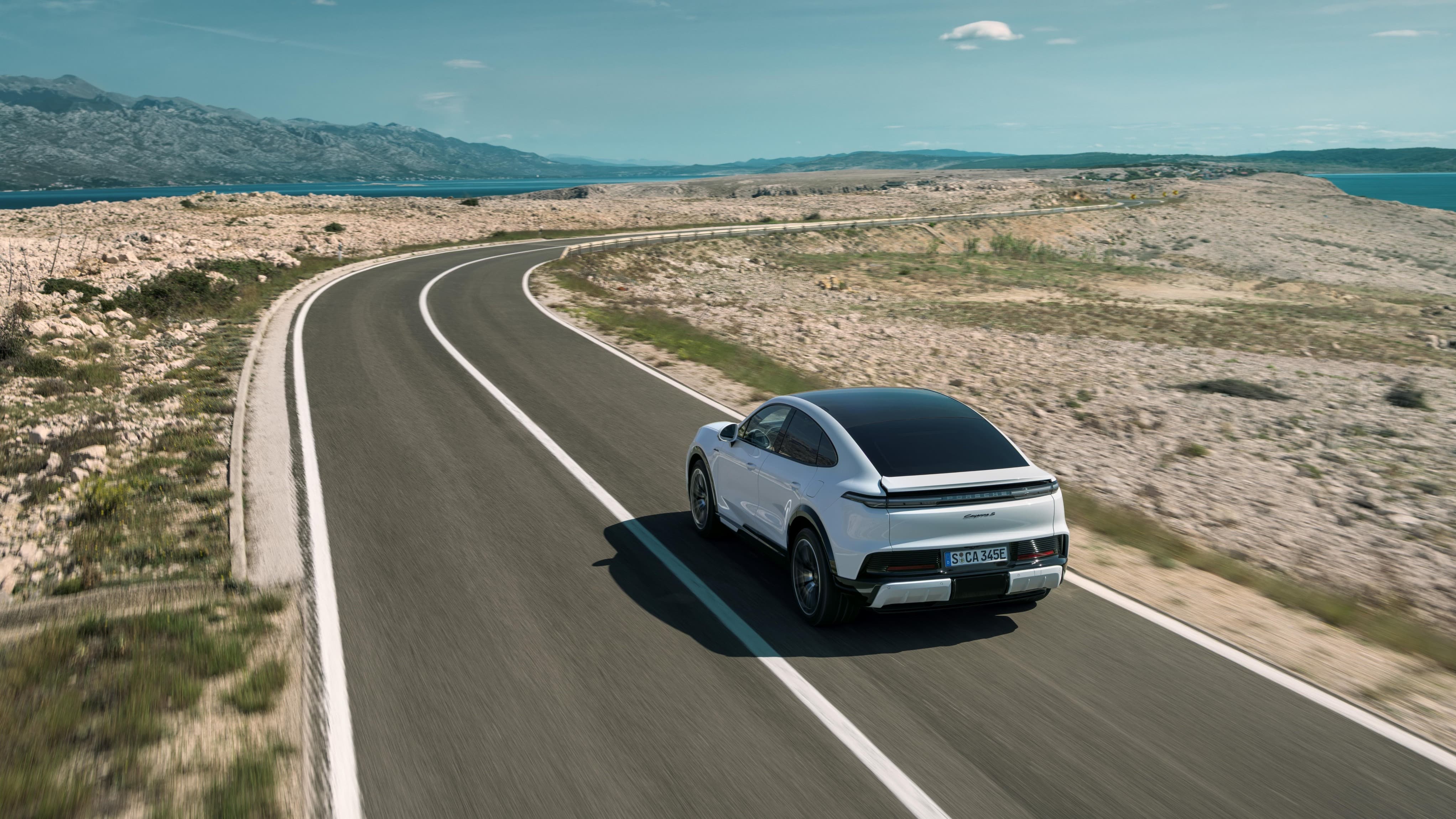
Porsche expands its Cayenne range into fully electric territory with the introduction of the Cayenne Coupé Electric — a model that retains the silhouette and intent of the original while reworking its performance architecture for a new era. The line-up spans three variants — Cayenne Coupé Electric, Cayenne S Coupé Electric and Cayenne Turbo Coupé Electric — with outputs reaching up to 850 kW (1,156 PS) in overboost. Introduced with Singapore-specific equipment — including rear-wheel steering as standard — the model pairs a drag coefficient of 0.23 and a WLTP range of up to 669 kilometres with Porsche’s 800-volt fast-charging system, positioning it as both a high-performance and long-distance electric SUV. This model transitions Porsche’s flagship SUV into a fully electric format while retaining the Coupé silhouette, which is defined by a more aggressive, sloping roofline than the standard SUV version.

Design and Aerodynamics

The exterior design is centred around the “flyline” — a specific Porsche term for the tapering roof curve that mirrors the 911 sports car. As the Coupé sits 24 millimetres lower than the standard Cayenne, it achieves a drag coefficient of 0.23. In automotive engineering, a lower drag coefficient indicates that the car moves through the air with less resistance, which directly increases the distance the car can travel on a single charge. In practice, this translates into a longer real-world driving range and a more efficient high-speed profile.

To maintain stability at high speeds, the vehicle uses an active aerodynamic system. This includes cooling air flaps that open only when the battery or motors need temperature regulation. Additionally, an adaptive rear spoiler extends into the airflow as speed increases, creating downward force to keep the rear of the car planted firmly on the road. These systems operate continuously and automatically, adjusting airflow in response to driving conditions rather than driver input.

Technical Performance and Charging

Porsche has built the Cayenne Coupé Electric on an 800-volt battery architecture. Most standard electric vehicles use a 400-volt system, but doubling the voltage allows the car to accept electricity at much higher rates without overheating the components. This allows the car to charge at speeds of up to 390-kilowatt at a compatible DC fast-charging station. This positions the Cayenne within the upper tier of current fast-charging capability in the luxury SUV segment.

The range for the vehicle is rated at up to 669 kilometres under WLTP testing, which is the global laboratory standard used to measure how far an electric car can drive in mixed conditions. For daily use, the car includes an 11-kilowatt on-board charger for standard AC power, though an optional 22-kilowatt upgrade is available to speed up charging at home or in office buildings. The emphasis is less on headline figures and more on flexibility across different charging environments.

Power Distribution and Acceleration

The lineup is split into three performance tiers. The base Cayenne Coupé Electric delivers 300 kilowatts, while the mid-range Cayenne S Coupé Electric produces 400 kilowatts. The top-tier Cayenne Turbo Coupé Electric reaches a maximum of 850 kilowatts when using overboost, which is a temporary peak in power output triggered during a Launch Control start, allowing the Turbo model to reach 100 kilometres per hour in 2.5 seconds. Across all variants, performance is defined by rapid torque delivery rather than sustained peak output.

The vehicle also features Porsche Active Suspension Management as a standard feature. This system uses sensors to monitor road conditions and automatically adjusts the firmness of each individual wheel’s suspension. This ensures the car remains level during hard cornering and stays comfortable over uneven pavement.

Specialised Features for the Singapore Market

In Singapore, all models come standard with rear-wheel steering. At low speeds, the system turns the rear wheels in the opposite direction of the front wheels, which effectively shortens the wheelbase to make tight U-turns easier. At higher speeds, the wheels turn in the same direction to increase stability during lane changes. This dual behaviour effectively gives the SUV the manoeuvrability of a smaller car without compromising highway stability.

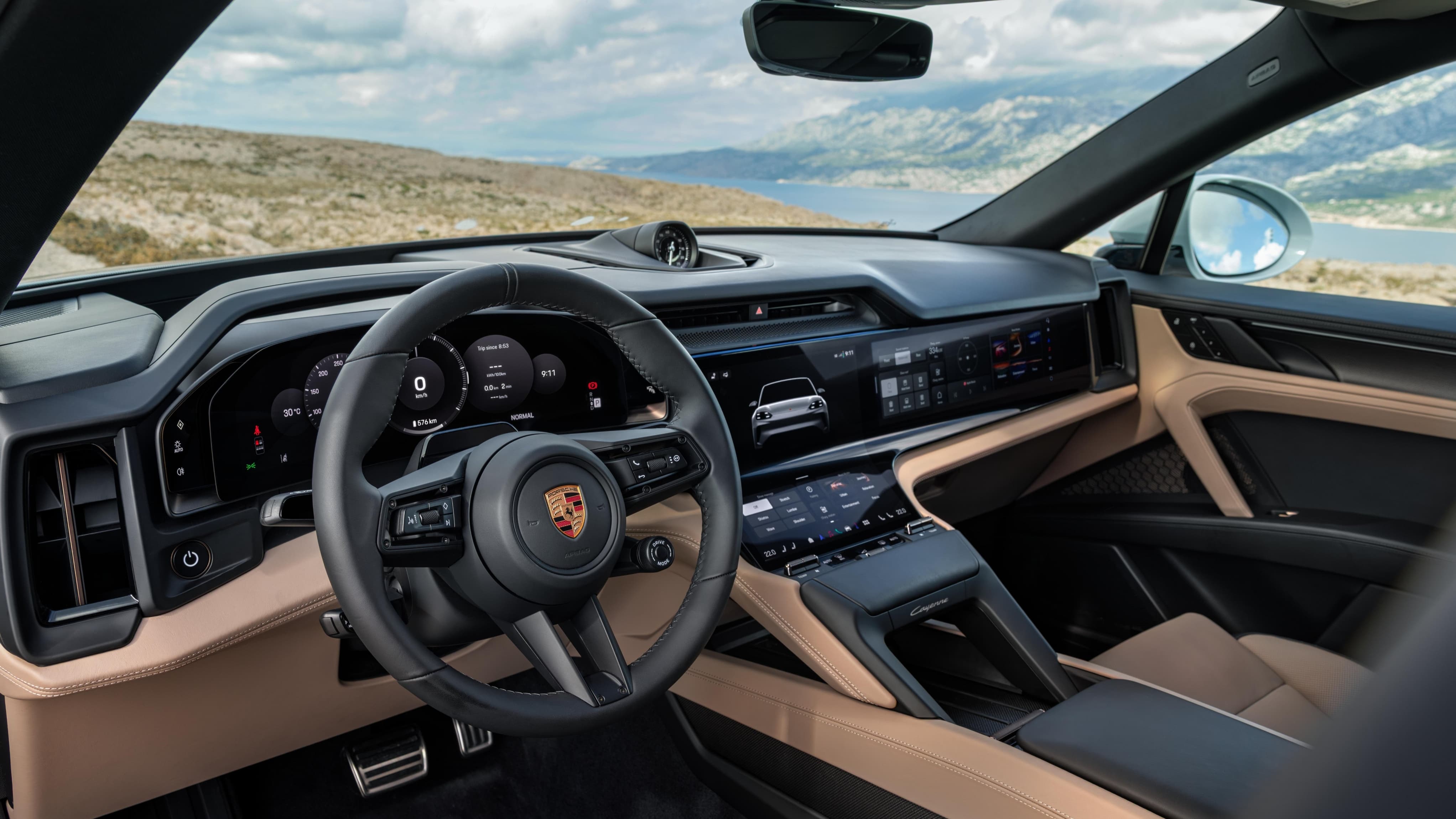
The interior features a digital interface that includes a curved instrument cluster for the driver and a dedicated display for the front passenger. This passenger screen uses a special film that prevents the driver from seeing it while the car is moving, allowing the passenger to stream content without causing a distraction. The layout reinforces Porsche’s shift toward a dual-zone cockpit experience, separating driving focus from passenger entertainment.


Pricing for the new models is indicative and excludes the Certificate of Entitlement (COE). The base model starts at SGD 394,488. The Cayenne S is positioned at SGD 493,388 and the Cayenne Turbo starts from SGD 683,388. These prices include a five-year maintenance and warranty package, along with registration fees and estimated carbon rebates.

The Porsche Cayenne Coupé Electric is now available for configuration in Singapore, with customer deliveries scheduled for the second half of 2026.

For more automobile reads, click here.


SHARE

Porsche Unveils Latest Electric Extension with New Cayenne Coupé Electric Read More »

Key Takeaways from Watches and Wonders Geneva 2026

Key Takeaways from Watches and Wonders Geneva 2026

SHARE

Green dials, black ceramic and stone-set textures: Watches and Wonders Geneva 2026 revealed a deeper focus on chronographs, complications and movement innovation.

By Florence Sutton

  •  
  •  
  •  
  •  
  •  
  •  
  •  


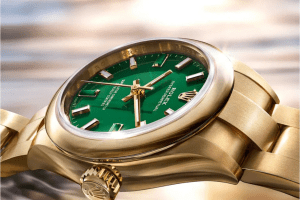
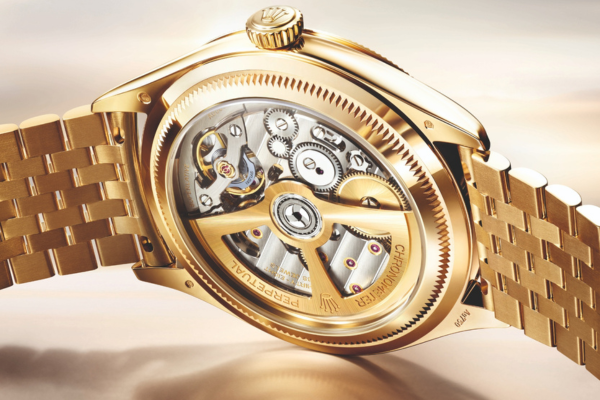
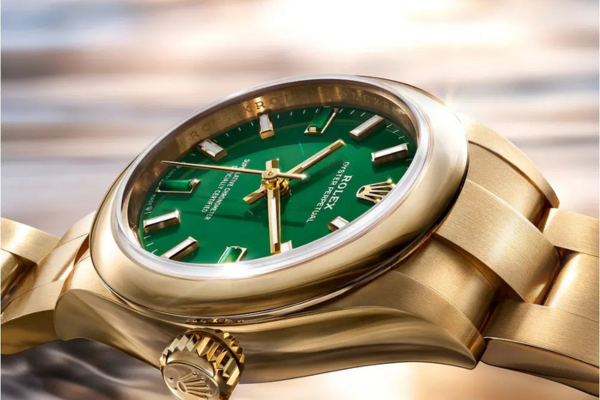
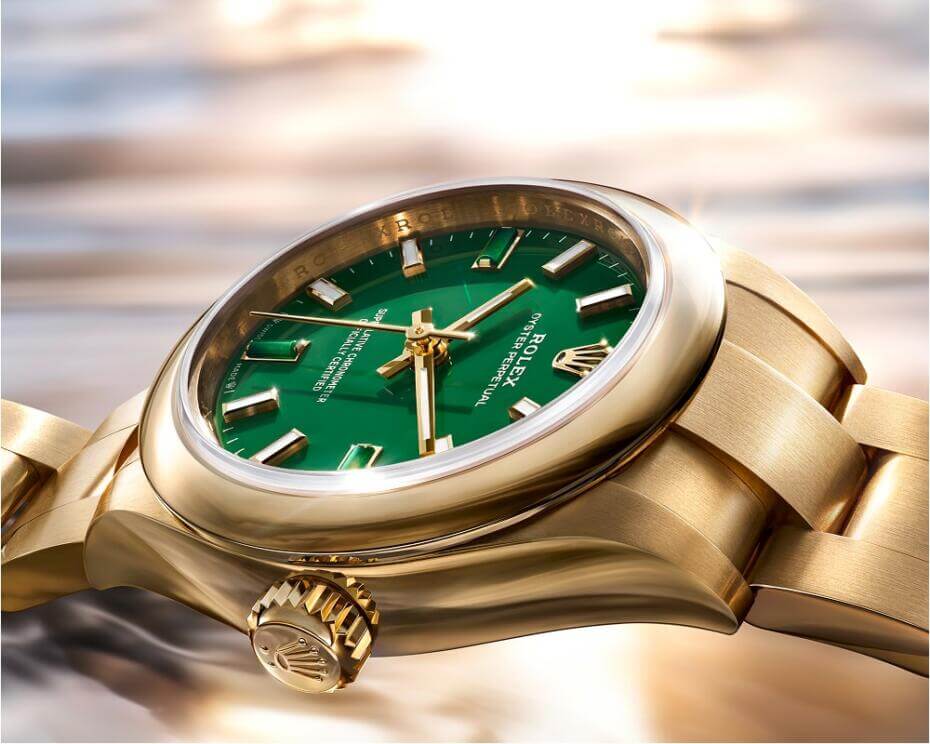
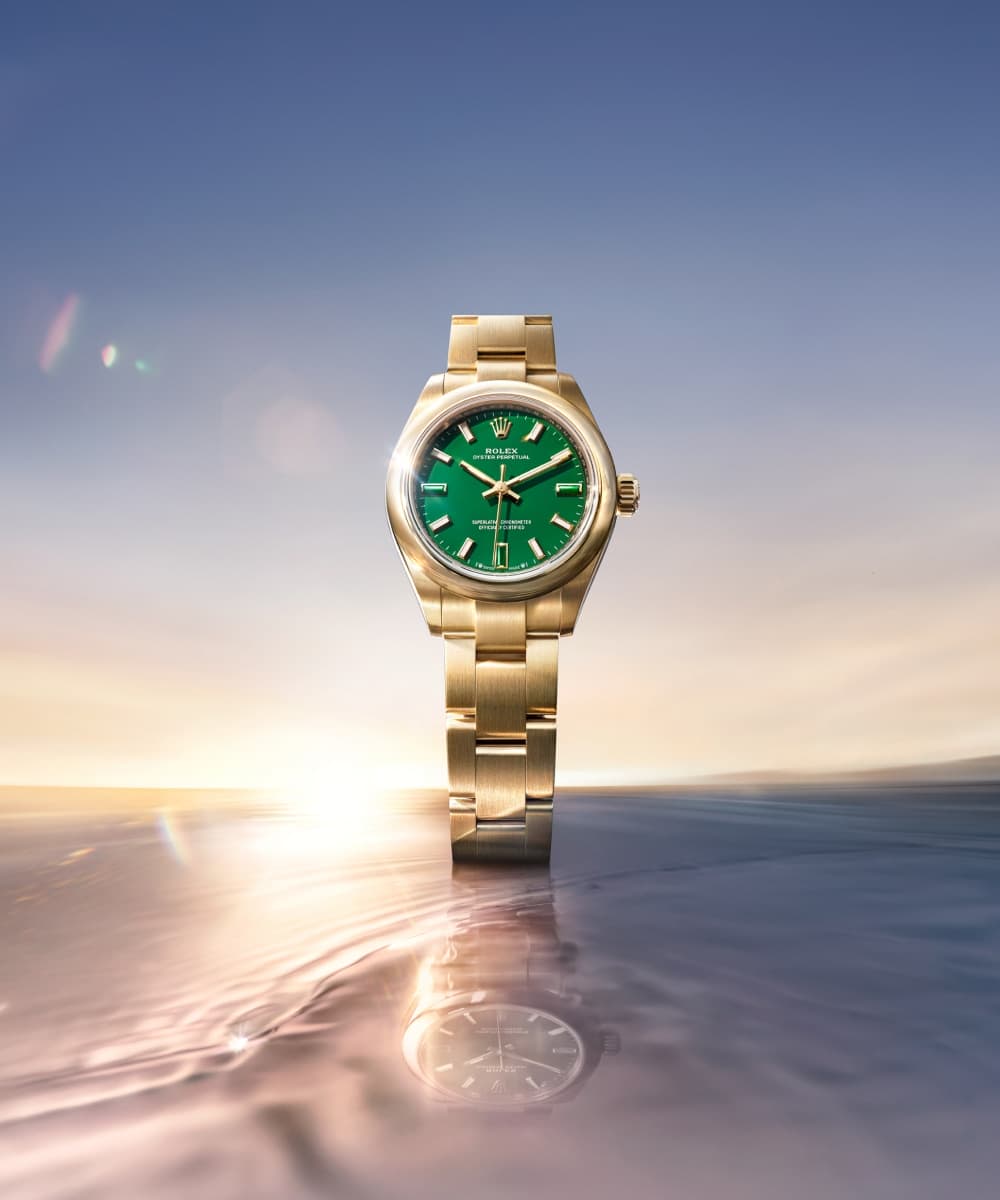
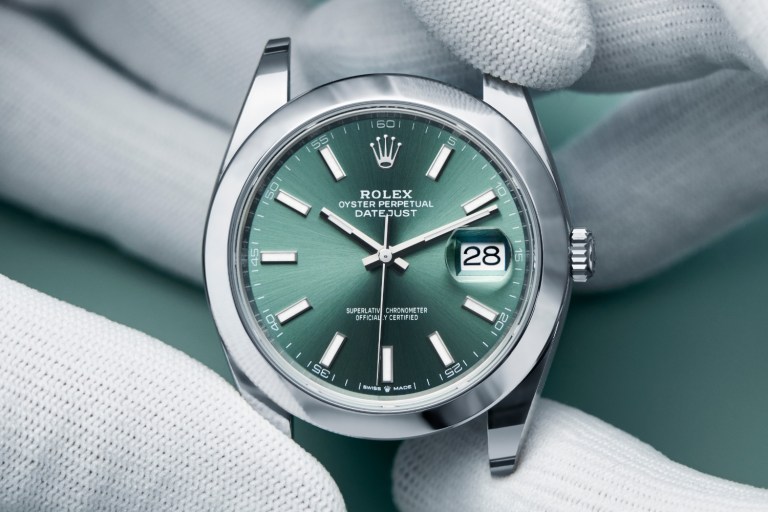
Anniversaries are always important for traditional watchmakers and there are two big ones this year. First, Rolex celebrates the 100th anniversary of the monumental Oyster Perpetual collection with three watches, the Oyster Perpetual 41, and the Oyster Perpetual 28 and 34. While the Oyster Perpetual 41 is the star, the lacquer dials of the green and blue Oyster Perpetual 28 and 34 models (respectively) are very fetching. Meanwhile, Patek Philippe has a slew of limited production Nautilus time-only models to pay tribute to the 50th birthday of that revolutionary family of watches.


Both these moves are notable since Rolex rarely pays attention to anniversaries (once again setting itself apart from its peers) while Patek Philippe actually discontinued the time-only Nautilus in 2021. On that note, perhaps the biggest news from Watches and Wonders Geneva this year is the discontinuation of the popular Rolex Oyster Perpetual GMT-Master II with red and blue bezel (affectionately known as the Pepsi).


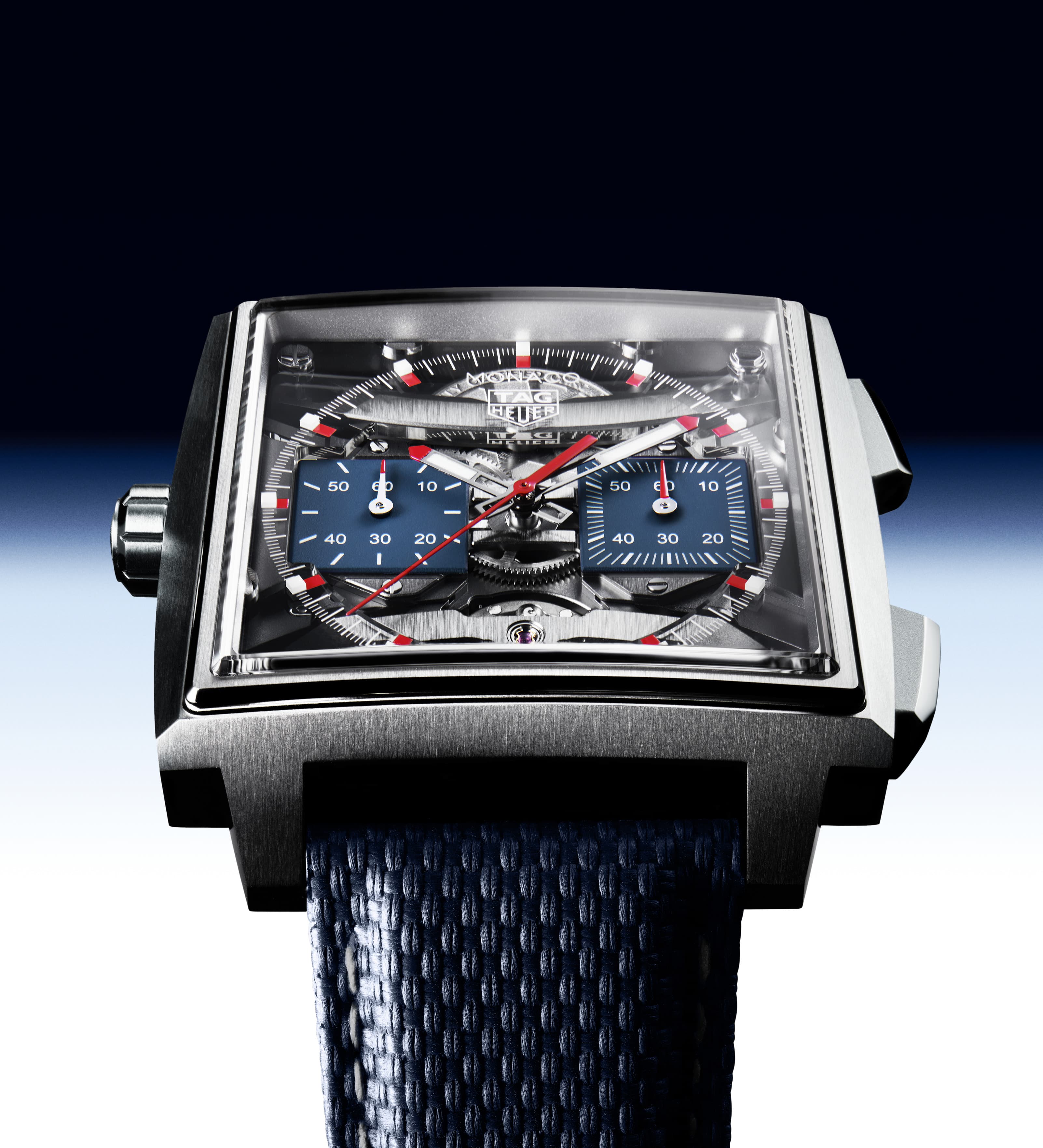
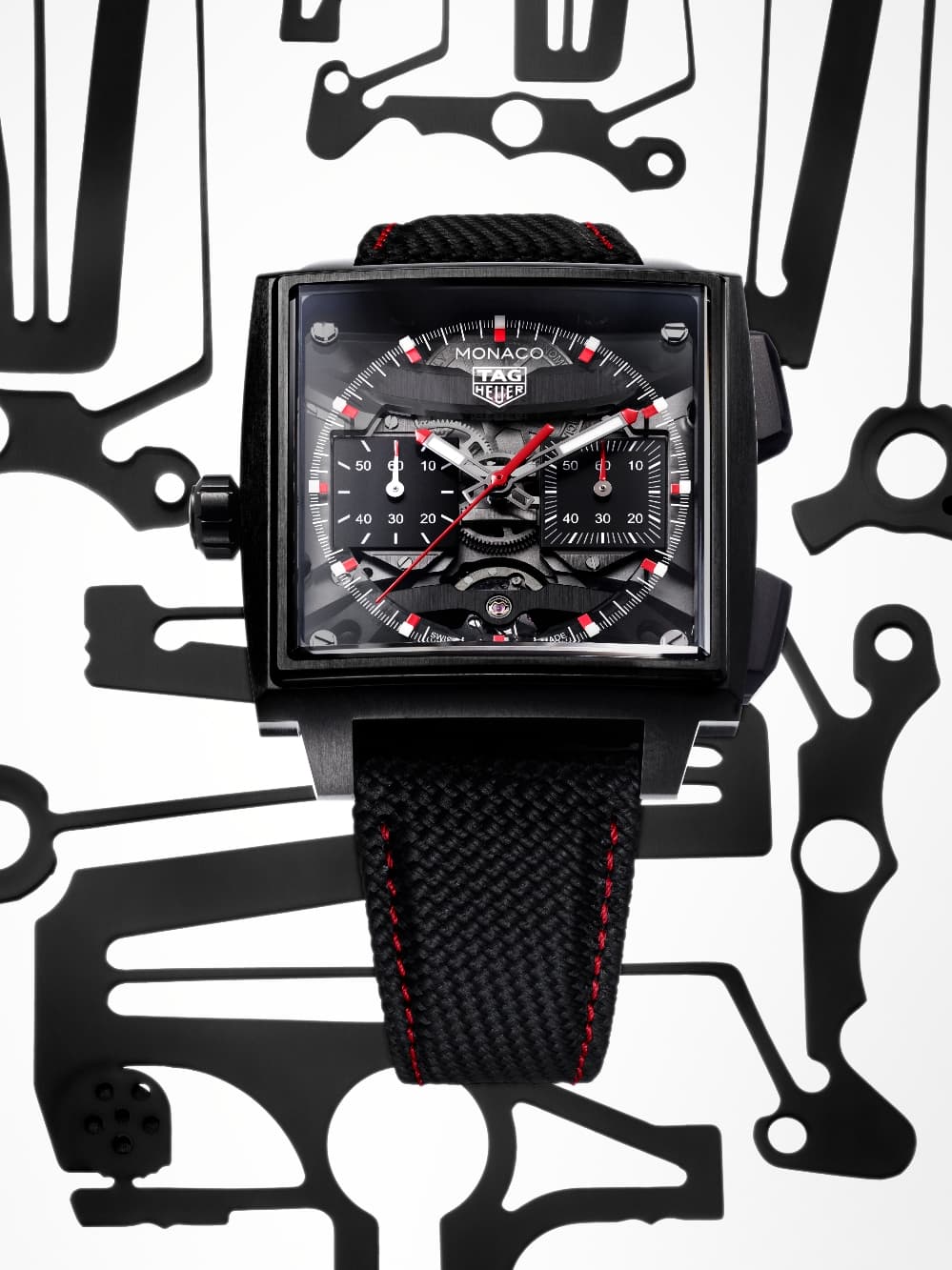
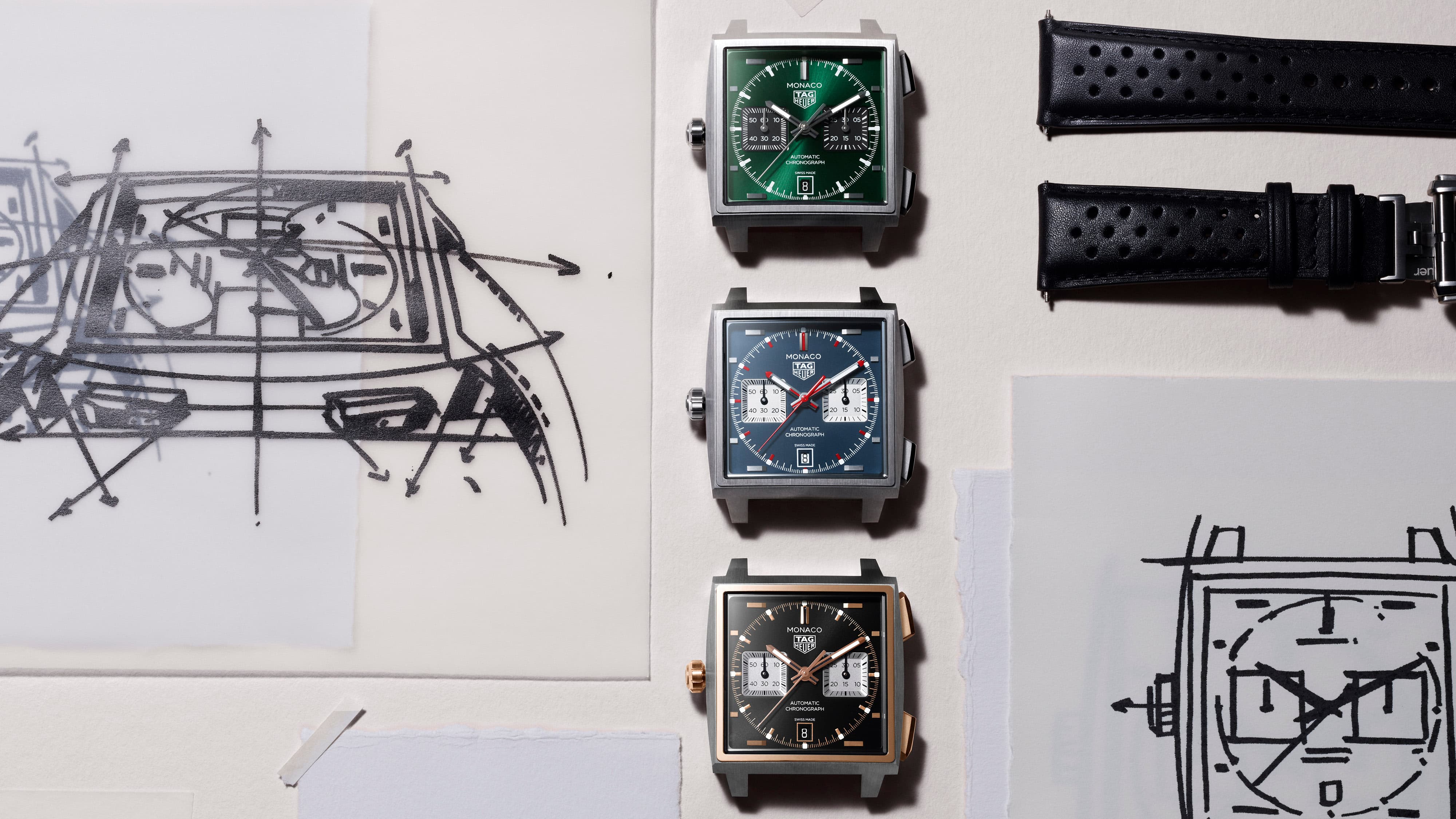
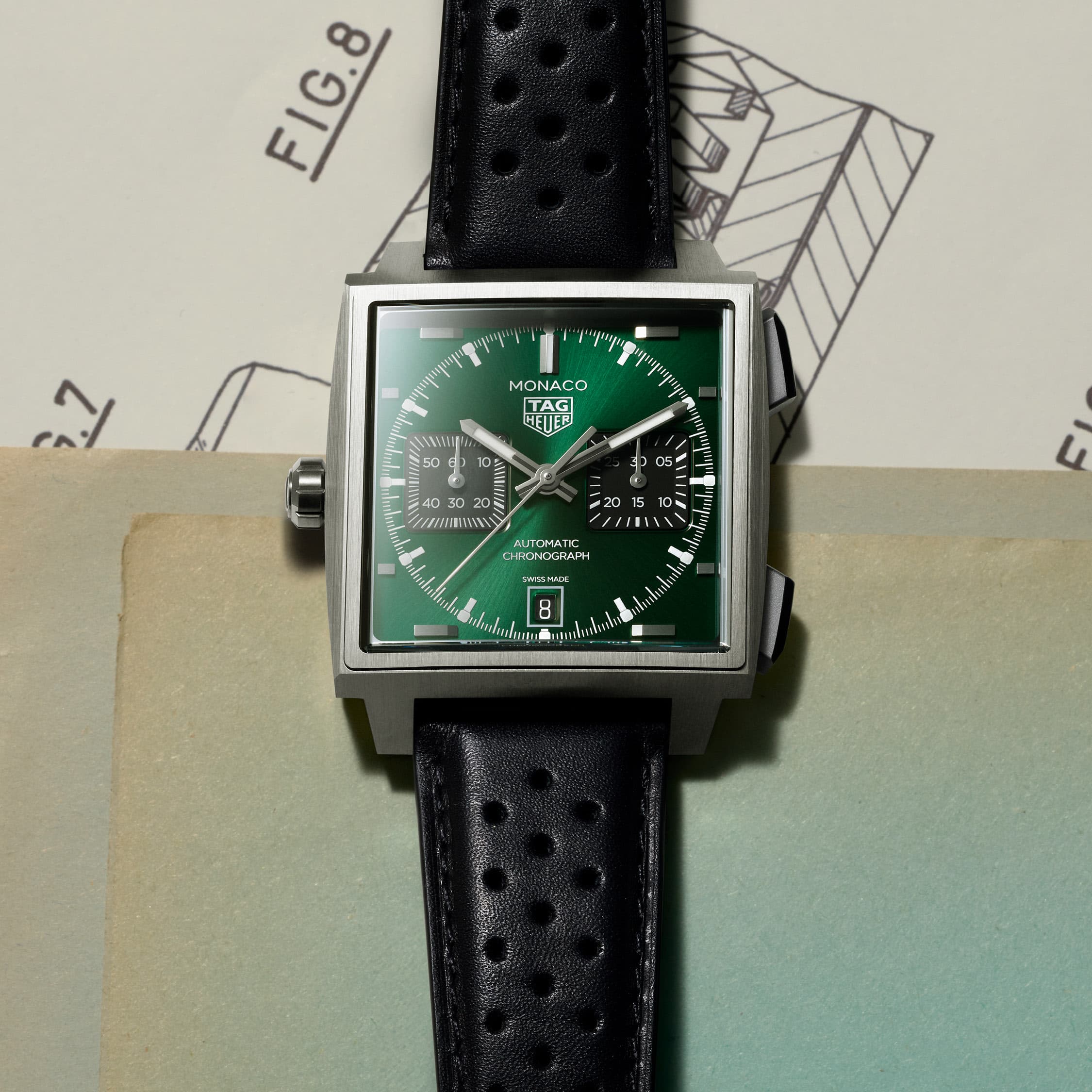
TAG Heuer Monaco Evergraph


Beyond Rolex, TAG Heuer introduced the Monaco Evergraph, pushing the boundaries of the chronograph. Historically central to the brand, the complication is reimagined here with the support of Vaucher. The Evergraph departs from traditional chronograph architecture, eliminating components such as levers, cams, clutches and even the column wheel, while remaining fully mechanical. Building on its earlier split-seconds innovation, this model represents a fundamental rethink of how a chronograph functions.


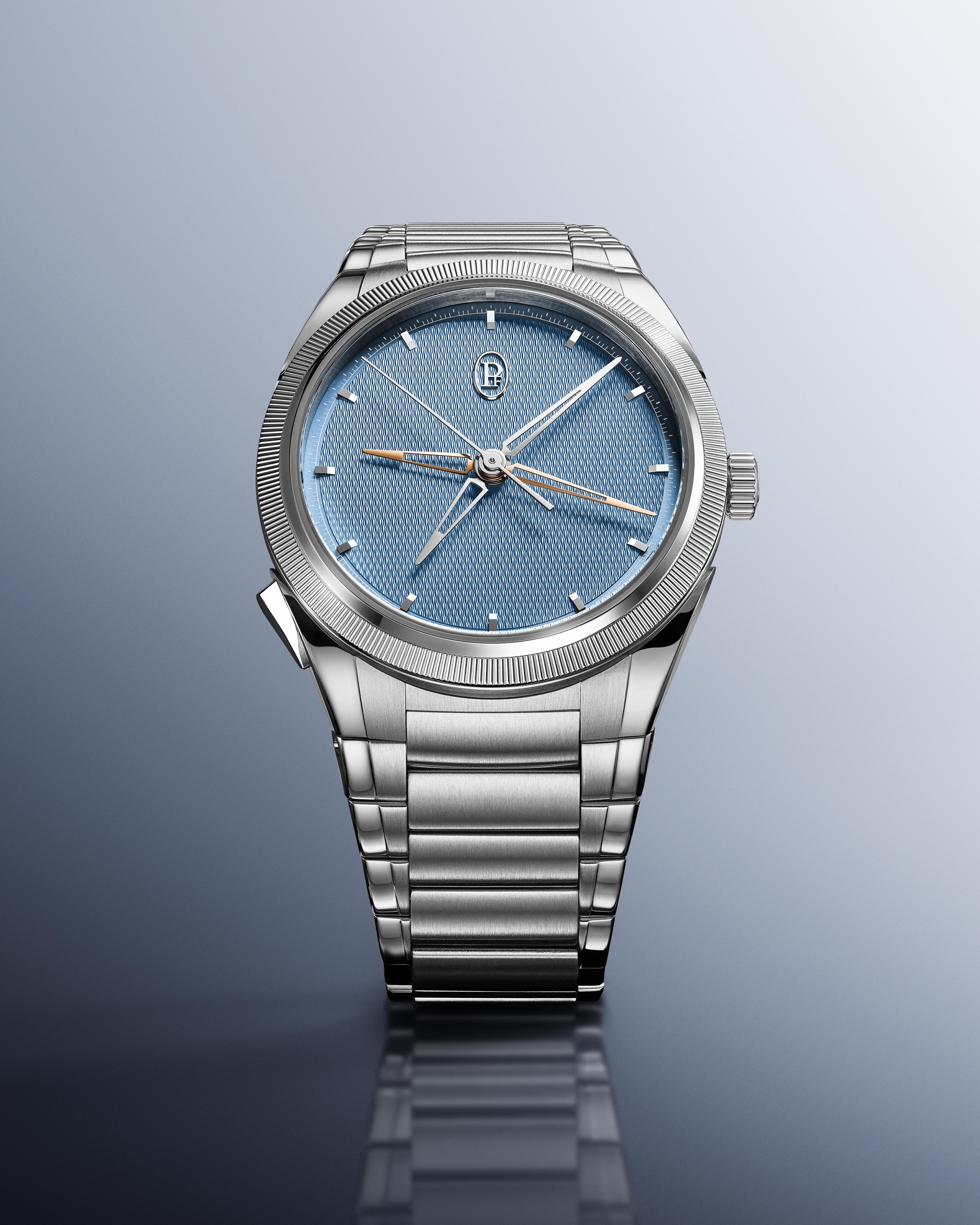
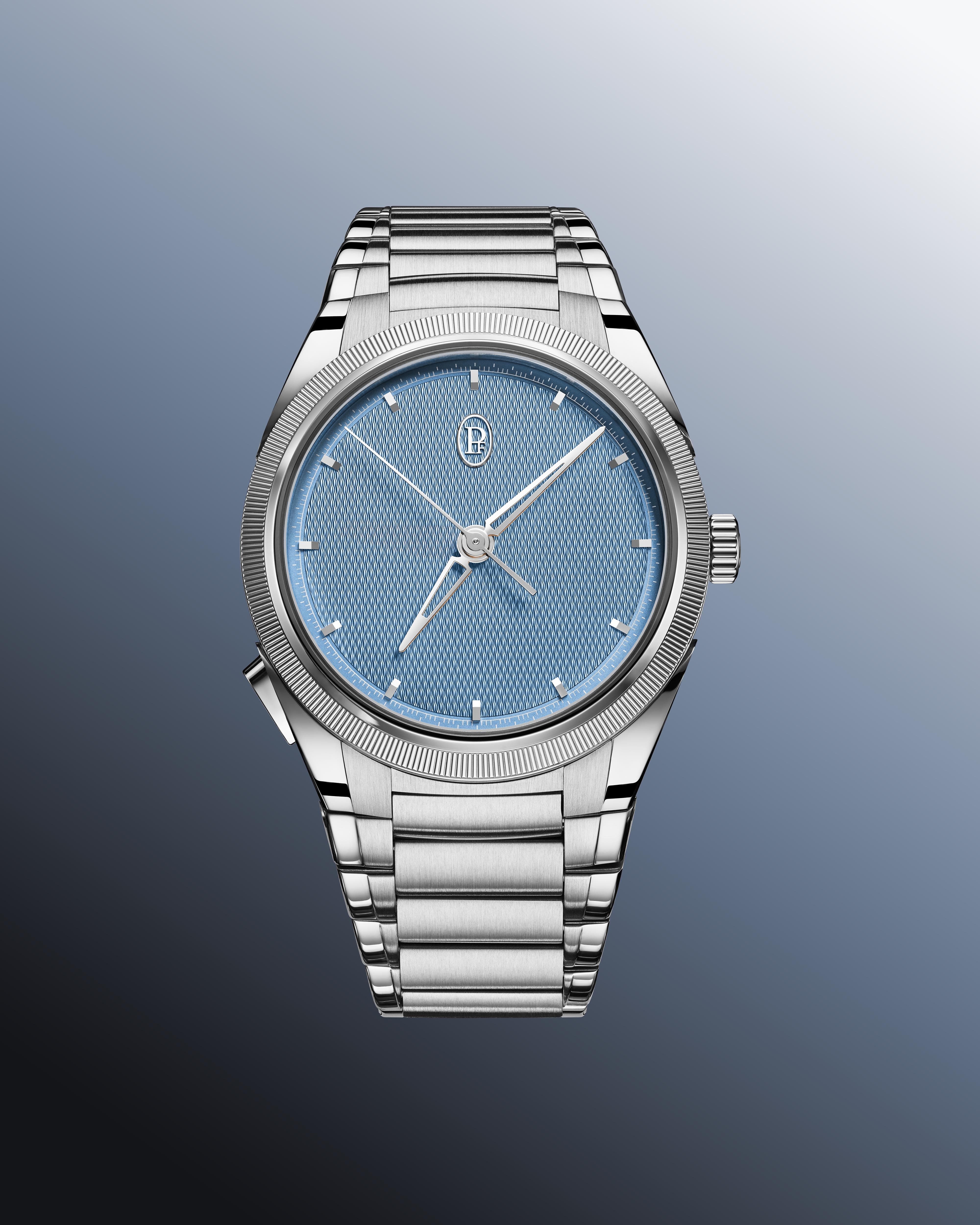
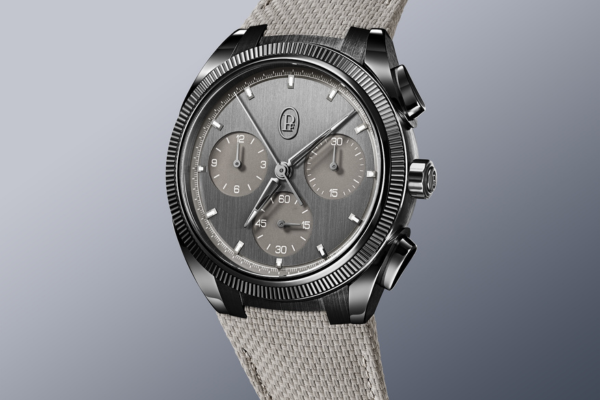
Parmigiani Fleurier Tonda PF Chronographe Mystérieux


Speaking of Vaucher, Parmigiani Fleurier’s movement maker is having a banner chronograph year because the Tonda PF Chronographe Mystérieux also present an all-new vision for the complication. While the good folks at TAG Heuer keep most of the clever thinking under the dial, Parmigiani Fleurier opted to reinvent how the chronograph looks.


Instead of reworking the internal mechanics alone, the brand focuses on visual minimalism. The chronograph is concealed beneath what appears to be a simple three-hand display, though the watch actually features five hands. With a combination of one vertical and two horizontal clutches, the technical complexity remains hidden beneath a restrained exterior.


Celestial Complications and Technical Depth

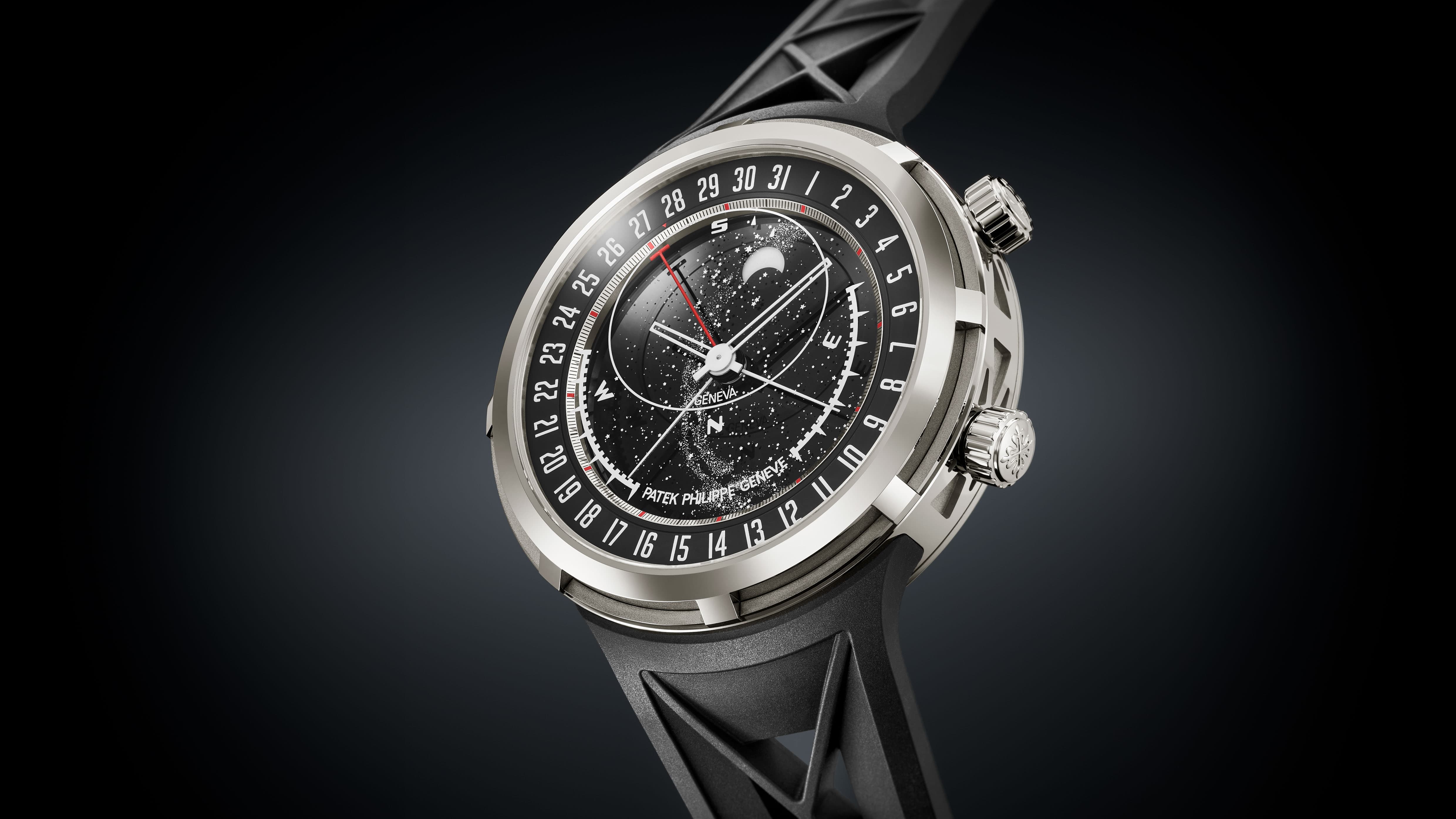
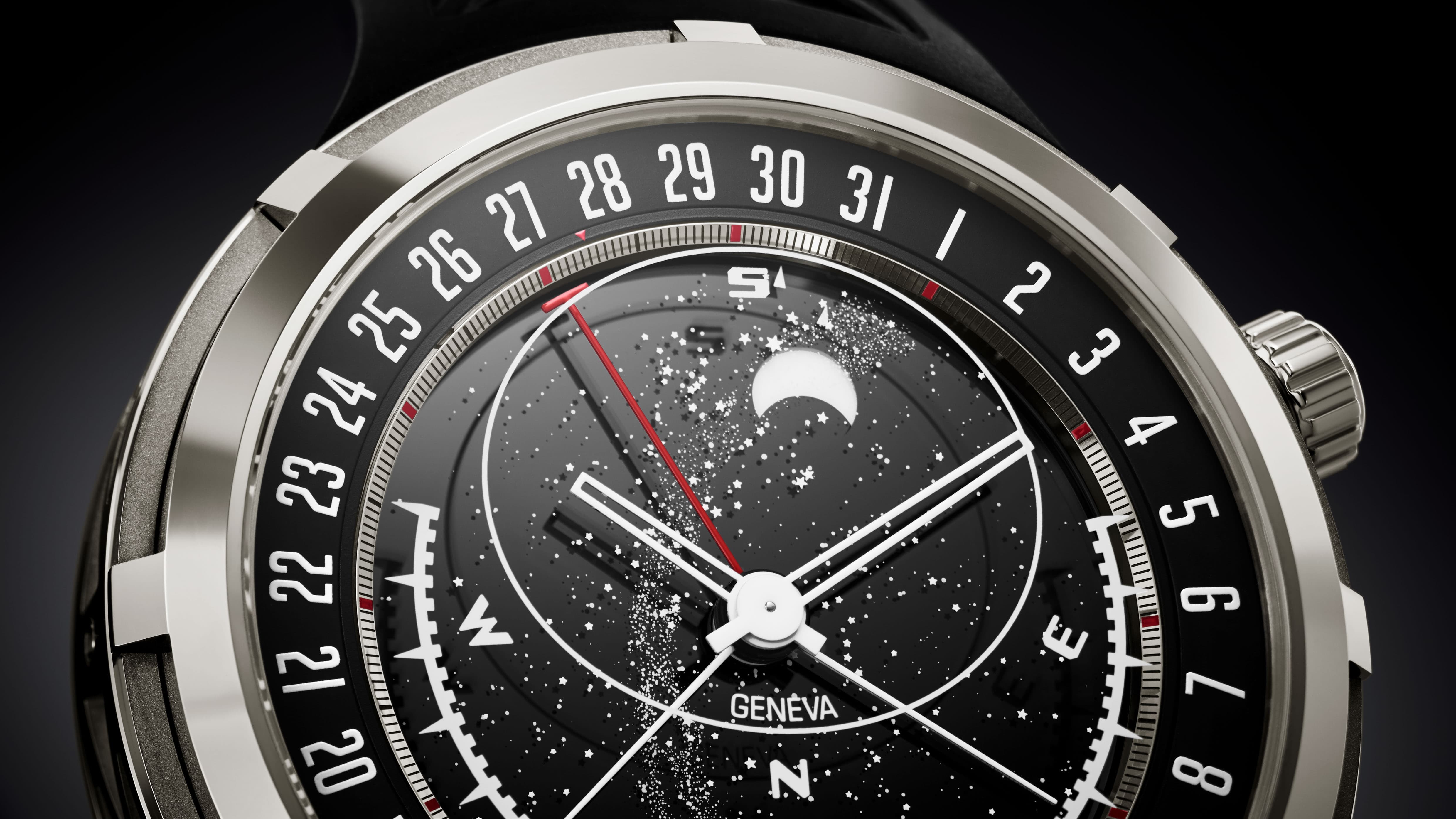
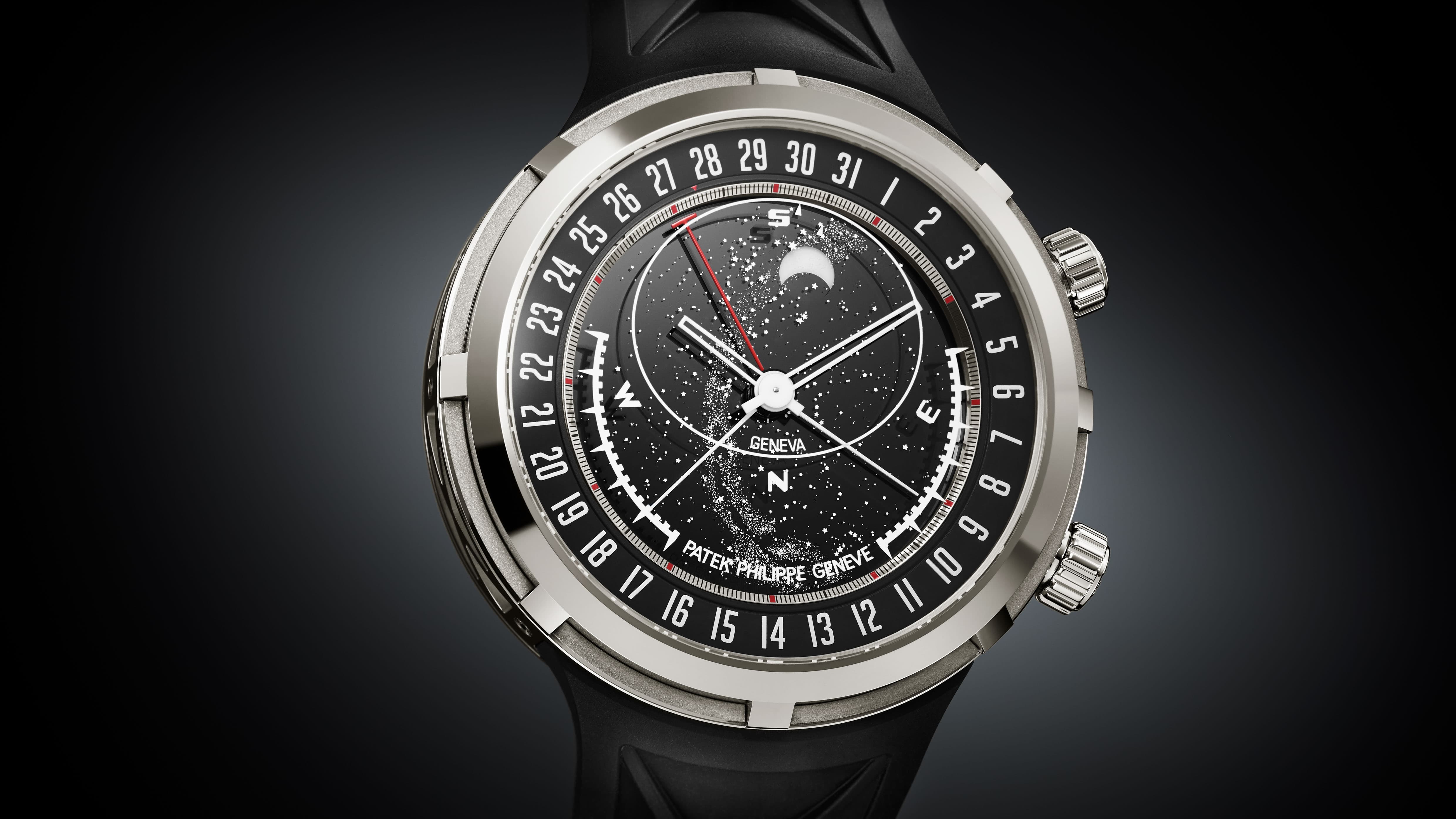
Patek Philippe Ref. 6105-001G


Patek Philippe’s Ref. 6105-001G is classified as a grand complication; it introduces several firsts for the brand, including sunrise and sunset indications and the ability to account for daylight saving time. The 47mm case accommodates a rotating night sky display calibrated to Geneva, reinforcing both its scale and technical ambition.

Patek Philippe Ref. 5840P-001 (Cubitus Perpetual Calendar)


Also from Patek Philippe, the Ref. 5840P-001—known as the Cubitus Perpetual Calendar—stands out for its shaped movement and skeletonised automatic calibre with micro-rotor. While visually striking, it maintains the brand’s signature finishing. Alongside it, a lesser-publicised reference revisits a heritage pocket watch concept with an automaton-based hours-and-minutes display, combining technical complexity with a more playful execution.


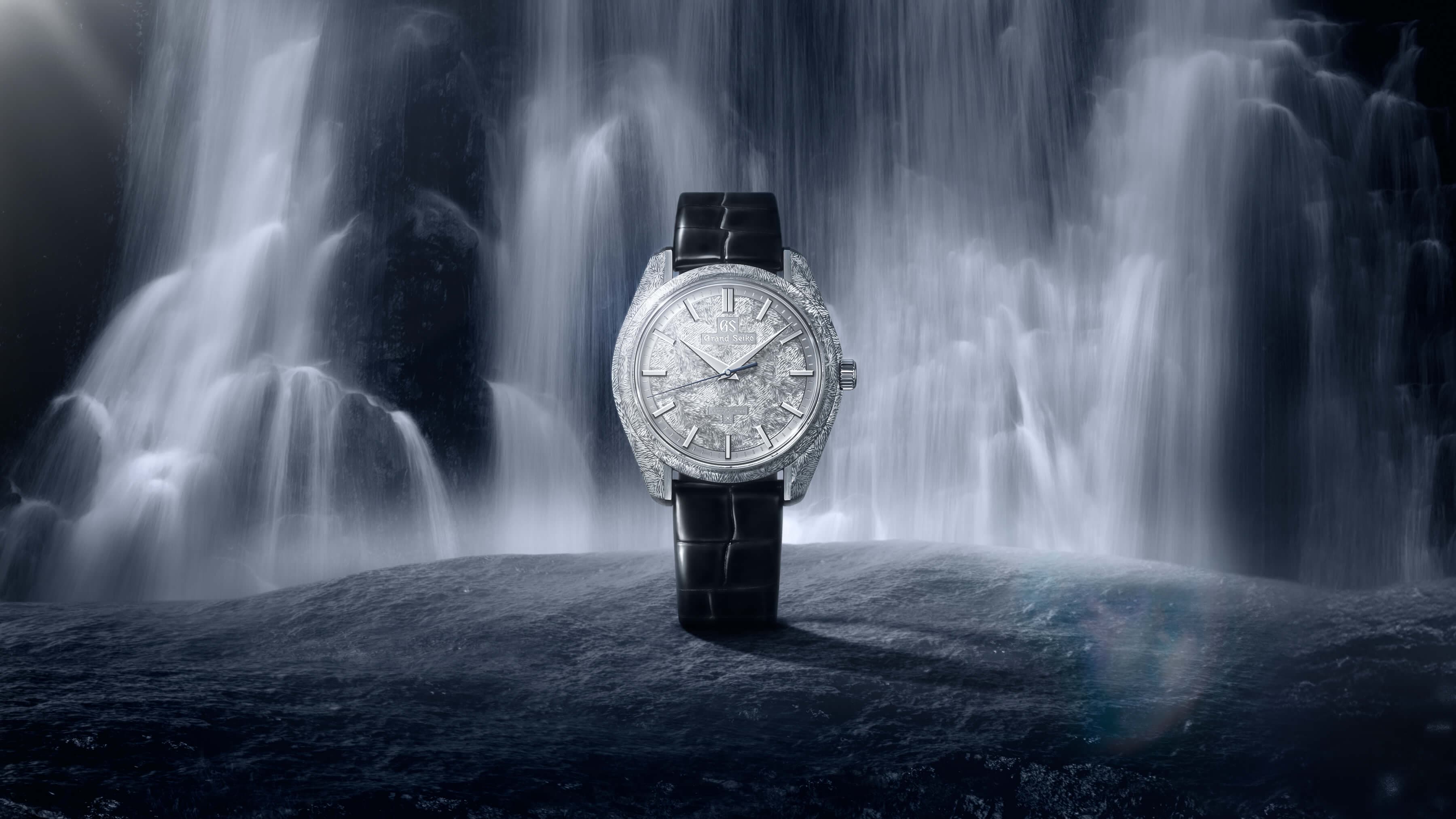
Grand Seiko SBGZ011 “Mystic Waterfall”


Grand Seiko Ref. SBGZ011


Grand Seiko’s SBGZ011, nicknamed “Mystic Waterfall,” highlights artisanal craftsmanship. Fully hand-engraved across its surface, the watch is powered by the manually wound Spring Drive calibre 9R02 from the Micro Artist Studio. Limited to 50 pieces, it continues the brand’s tradition of nature-inspired design, referencing the Tateshina Otaki waterfall while emphasising fine finishing and texture.

High Complications Return to Focus

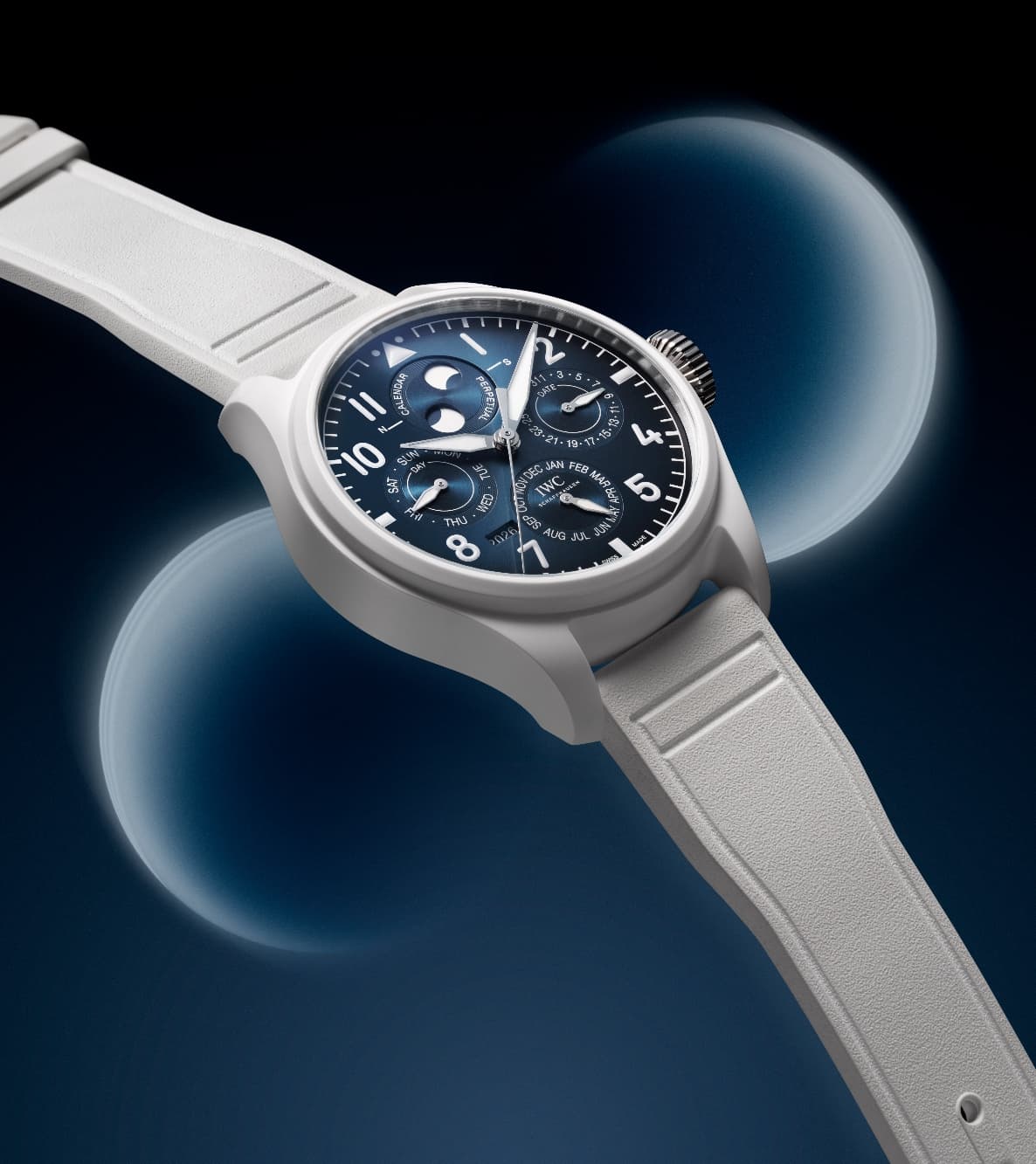
IWC ProSet Perpetual Calendar


IWC introduced the ProSet perpetual calendar, a significant development in high complications. Building on its historic single-crown system, the new mechanism allows for both forward and backward adjustments — addressing a long-standing limitation. The removal of the traditional grand lever marks a key technical shift, positioning this as a major evolution in perpetual calendar design.


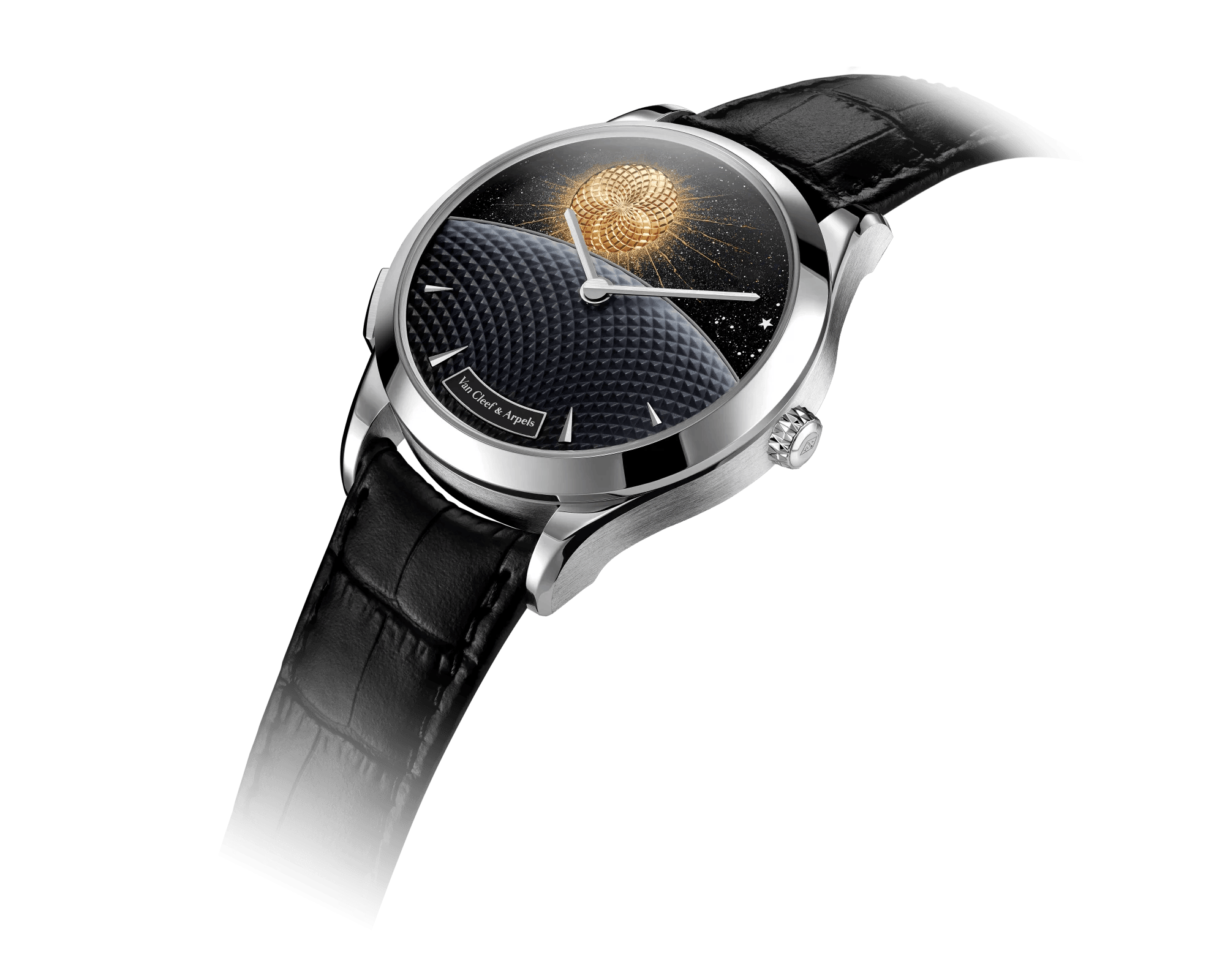
Van Cleef & Arpels Midnight Jour Nuit Phase de Lune

Van Cleef & Arpels presented the Midnight Jour Nuit Phase de Lune, combining a 24-hour display with a moonphase complication. The entire dial rotates over 24 hours, with the moonphase integrated into the animation. Uniquely, the moon can be obscured by the guilloché section, with an on-demand pusher at 8 o’clock revealing the full display without affecting accuracy. The piece reflects the brand’s narrative-driven approach to watchmaking while maintaining technical sophistication.


For more on the latest in luxury watch reads, click here.


SHARE

Key Takeaways from Watches and Wonders Geneva 2026 Read More »

What Happened to the Shah of Iran’s Huge Classic Car Collection?

What Happened to the Shah of Iran’s Huge Classic Car Collection?

SHARE

 Following the 1979 revolution, the Shah of Iran’s legendary 140-car collection was seized, mummified and eventually displayed in Tehran.

By Alvinia Chu Jia Ying

  •  
  •  
  •  
  •  
  •  
  •  
  •  


The 1979 Iranian Revolution saw the immediate state seizure of one of the world’s most significant private automotive collections. Mohammad Reza Pahlavi — the last Shah of Iran — had used the state’s oil wealth to amass approximately 140 exotic vehicles before his exile. Following the collapse of the monarchy, the cars fell under the control of the Bonyad Mostazafan — or the “Foundation of the Oppressed” — a government entity established to manage property confiscated from the toppled regime.


For over four decades, a majority of the fleet remained in storage, often referred to as being “mummified” due to their complete isolation from the elements and public view. This period of total concealment preserved the vehicles in a high state of mechanical originality, many of which retain exceptionally low, delivery-level mileage from the late 1970s.


The Collection’s Crown Jewels

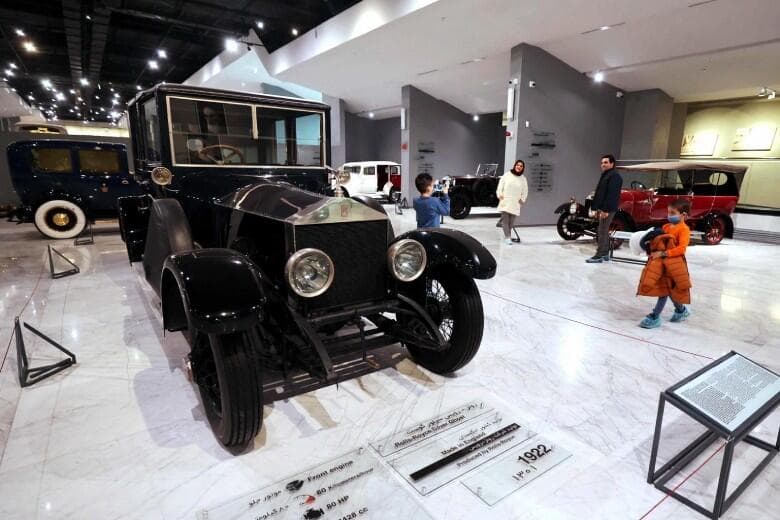
Tehran Car Museum

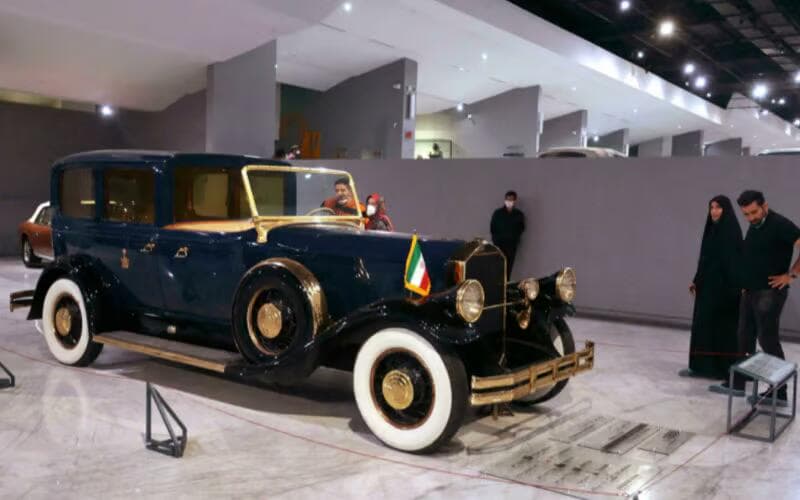
In 2001, the state opened the Iran Historical Car Museum in Tehran to showcase the survivors of the revolution. The institution serves as a repository for one-off models — vehicles built to the Shah’s personal specifications that do not exist elsewhere.


Pierce-Arrow Model A (1930)

A primary exhibit is the 1930 Pierce-Arrow Model A, a gold-trimmed luxury vehicle that was the most expensive American car of its era. At a purchase price of USD 30,000, it cost the equivalent of one-eighth of Iran’s entire state budget at the time of its acquisition.


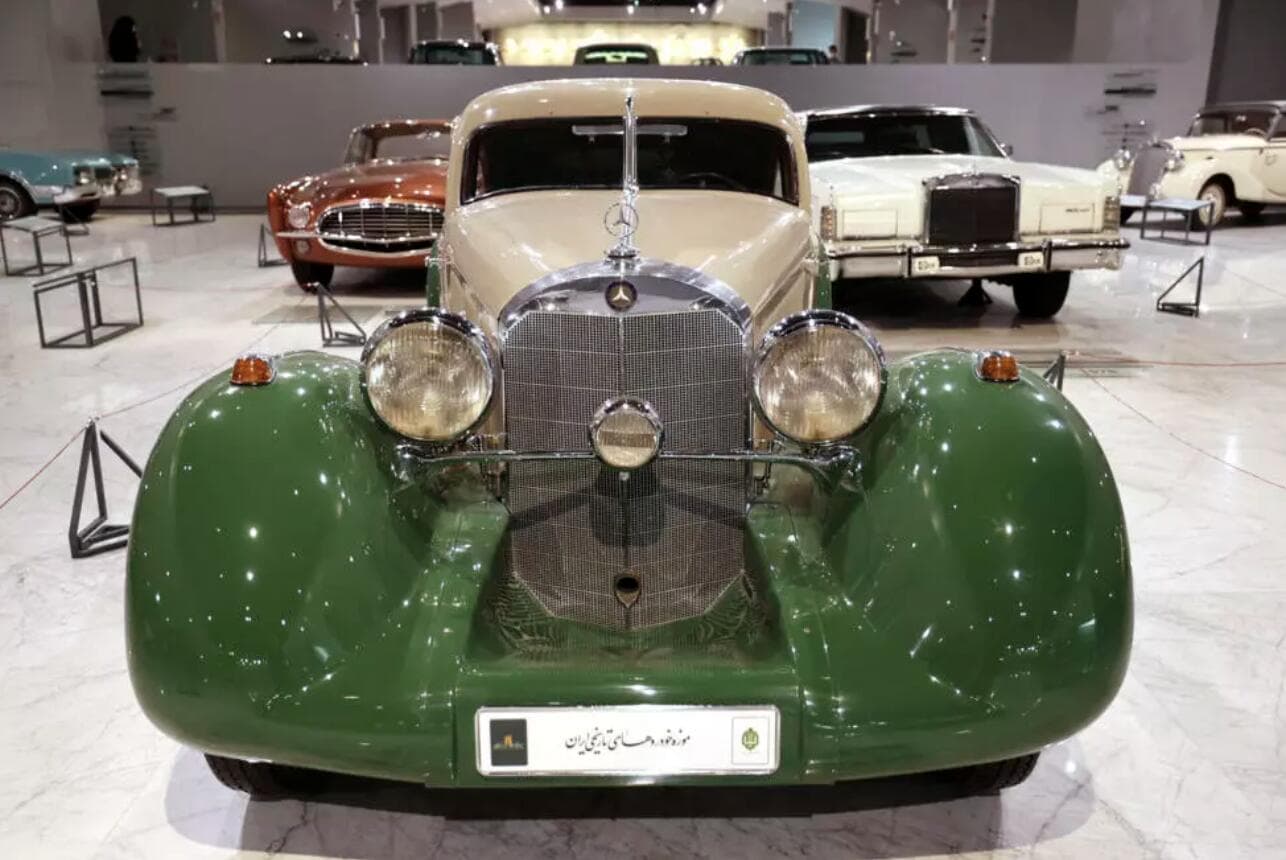
Mercedes-Benz 500K Autobahnkurier (1934)

The museum also houses a Mercedes-Benz 500K Autobahnkurier, a streamlined model designed for high-speed travel on Germany’s early highways. Only six of these “highway couriers” were ever built and the Shah’s car is one of only two surviving units in the world today.


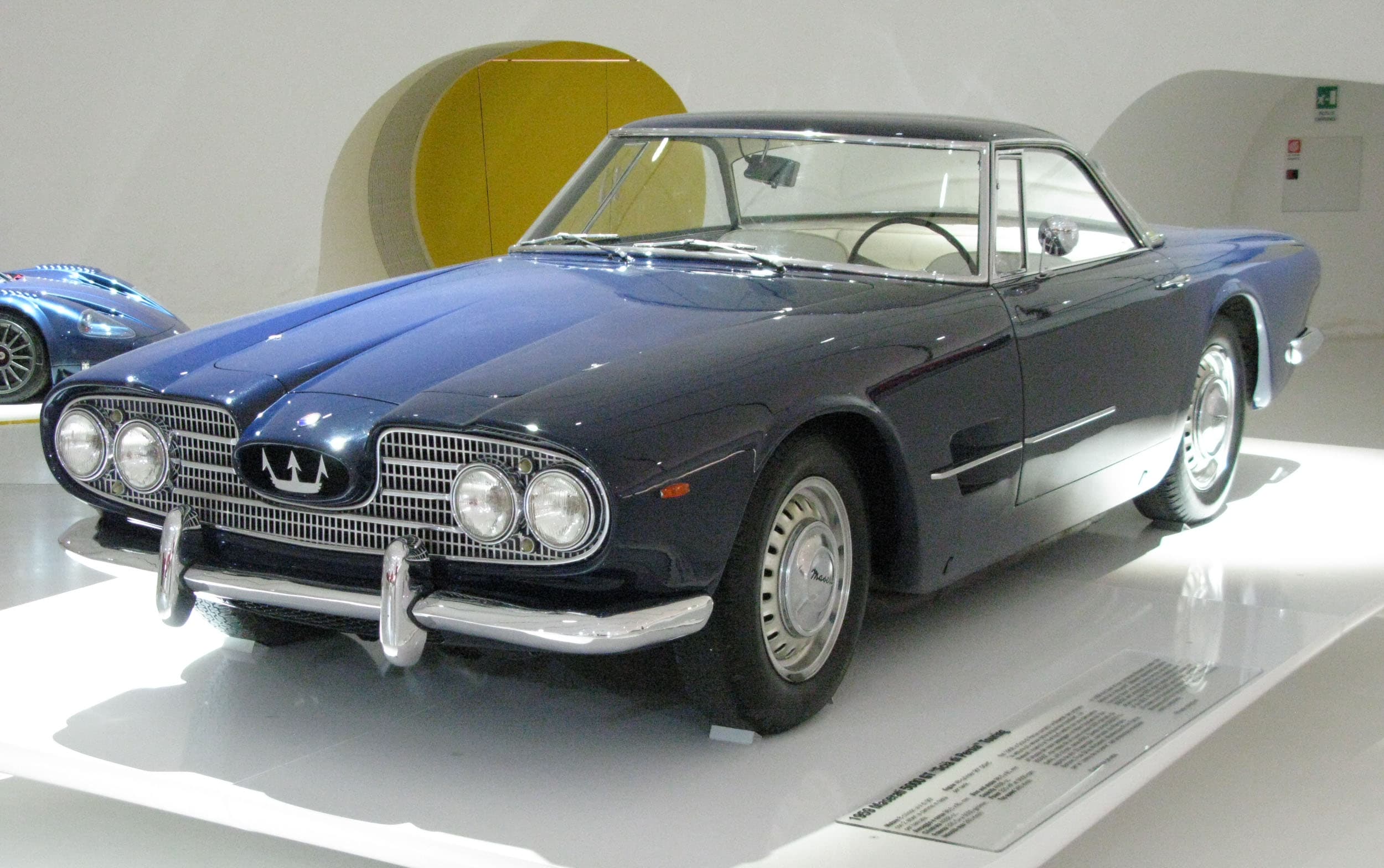
Maserati 5000 GT Shah of Persia (1959)

Another bespoke project is the Maserati 5000 GT “Shah of Persia”. Dissatisfied with the performance of the standard Maserati 3500 GT, the Shah commissioned the Italian manufacturer to install a 4.9-litre V8 engine from their 450S racing car into a custom-designed body. This request led to a limited production run of 34 units named in honour of the Iranian monarch.


The Dispersed Assets

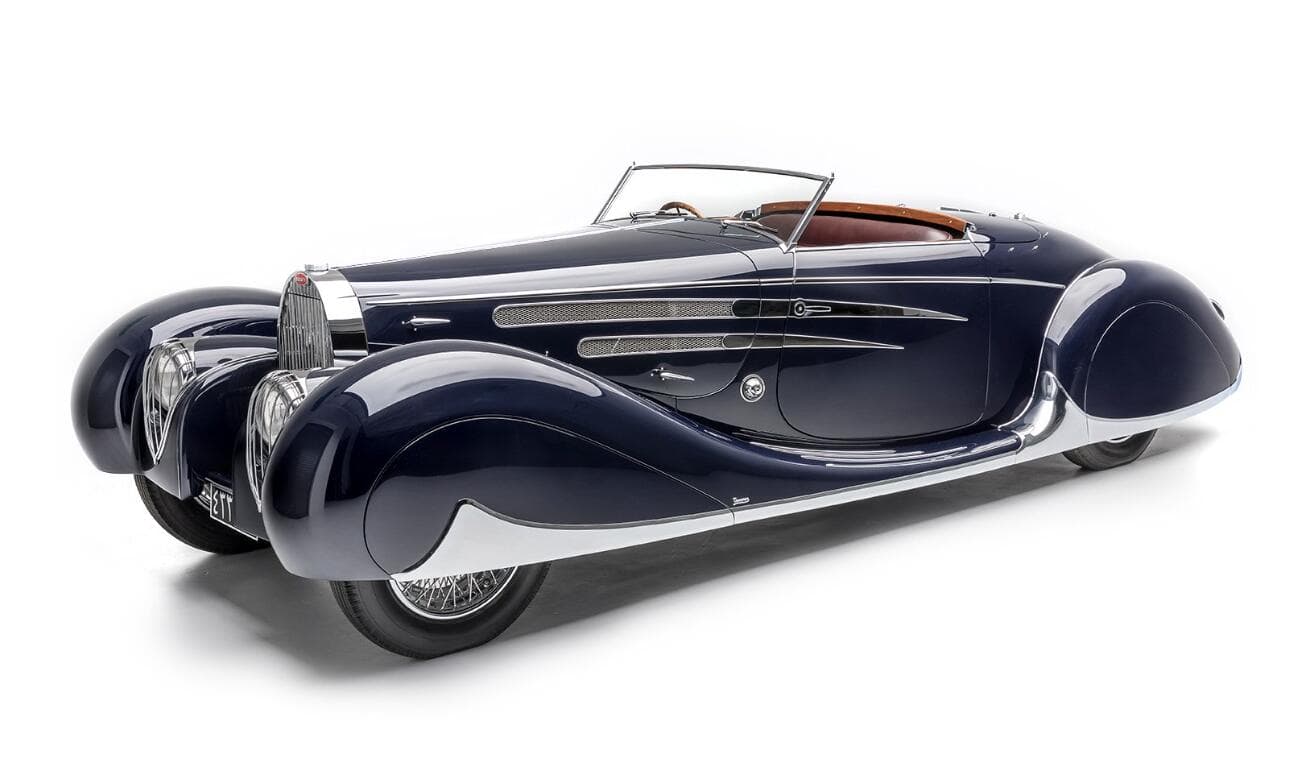
Bugatti Type 57C (1939)

While the Bonyad Mostazafan maintains the core fleet, several prominent pieces were either sold or moved during the political transition. The most notable loss to the national collection is the 1939 Bugatti Type 57C, originally a wedding gift from the French government. In the years following the revolution, the new government sold the car for a mere USD 275. It has since been restored and is currently a centrepiece at the Petersen Automotive Museum in California.


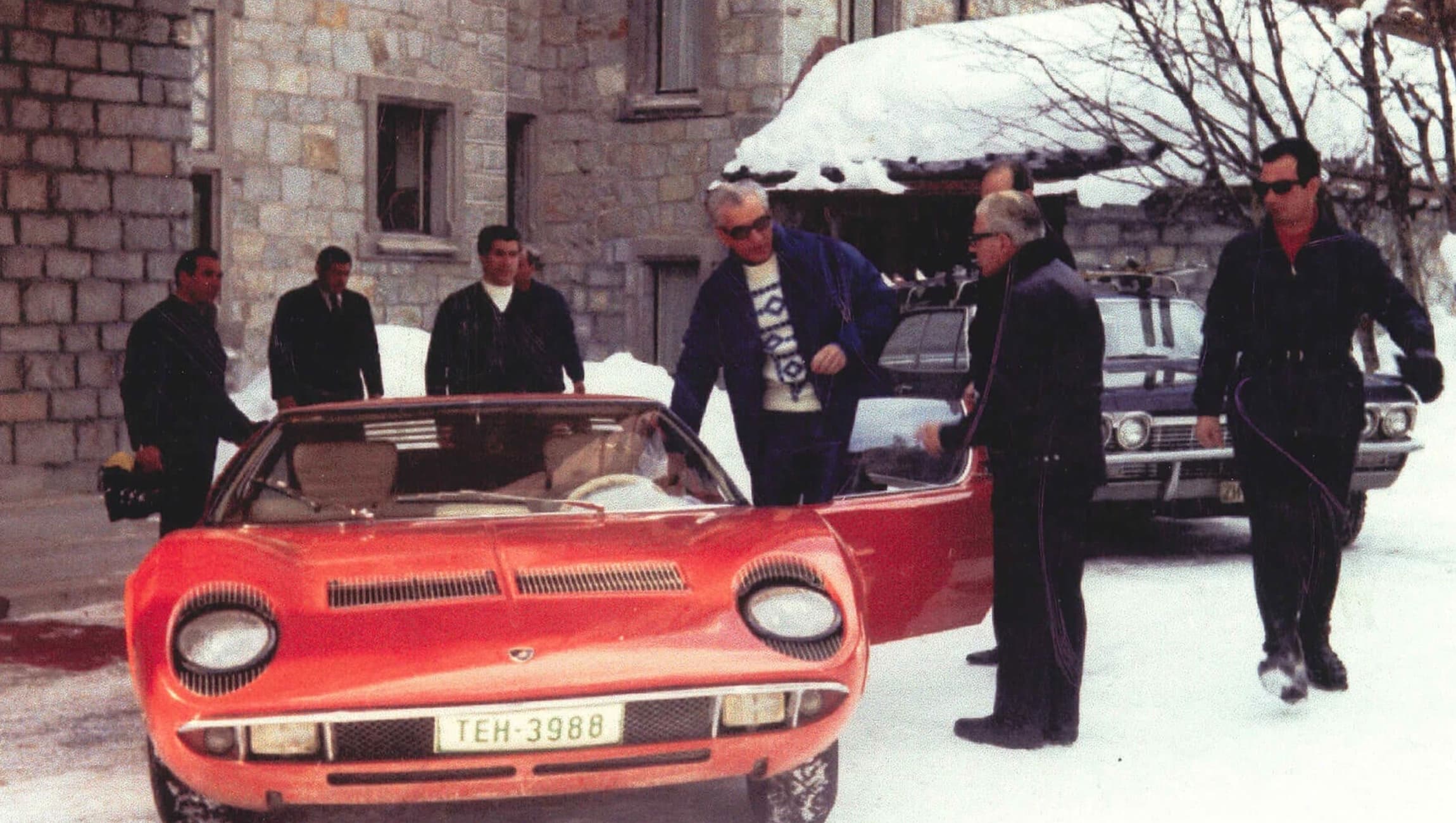
Lamborghini Miura P400 (1968)

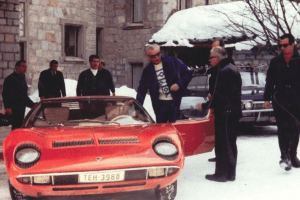
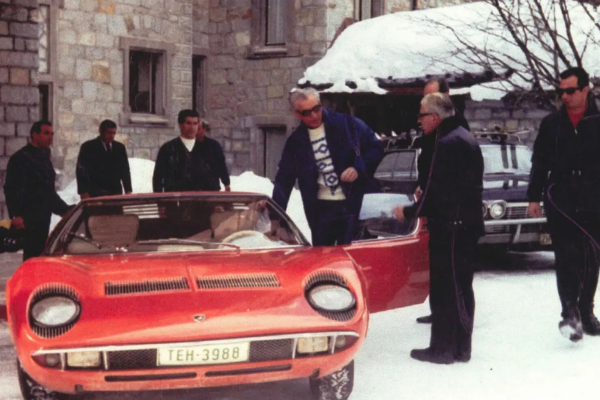
Other rare units have entered the private collector market. One example is the Shah’s 1971 Lamborghini Miura P400 SV Jota, one of only six original factory-spec Jotas produced. This specific car was famously purchased at an auction by actor Nicholas Cage in 1997.


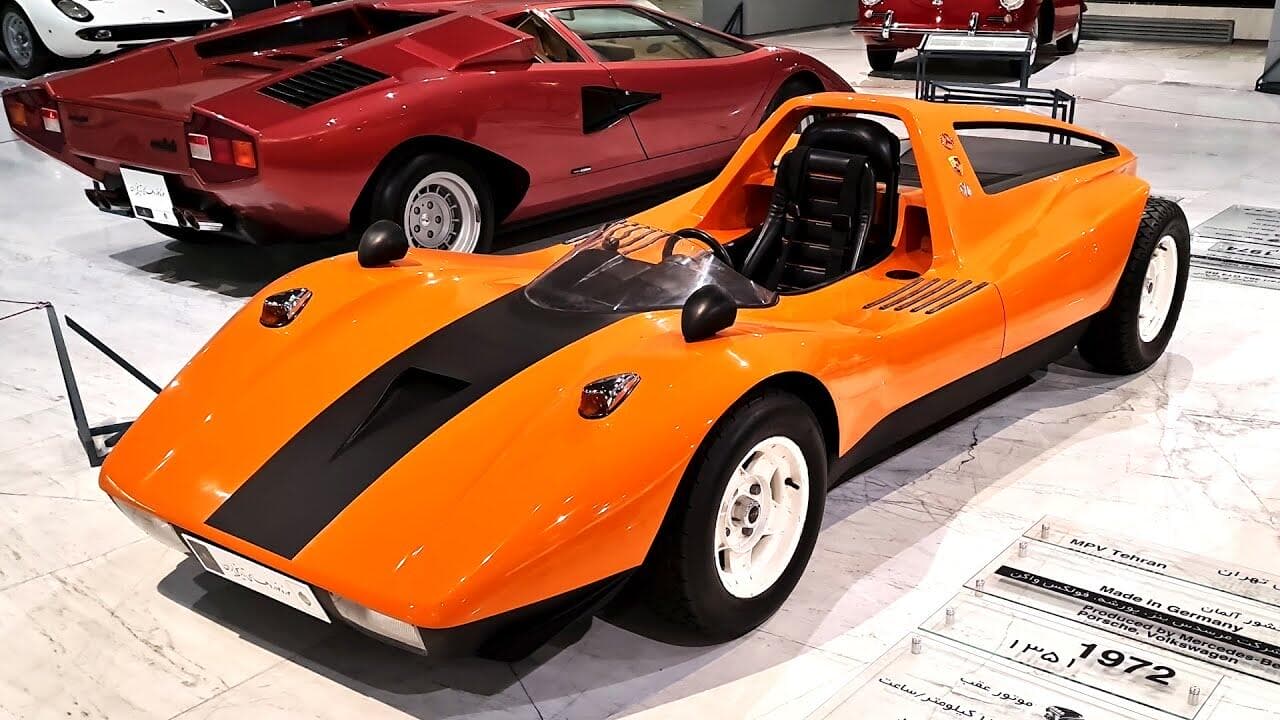
MPV Tehran Type 

Within Iran, the museum continues to display approximately 50 vehicles. These include royal carriages used for Pahlavi coronations and unique technical collaborations like the MPV Tehran Type, a single-seater developed by Mercedes, Porsche and Volkswagen to teach the young Crown Prince how to drive.


The Museum

Tehran Car Museum

The Iran Historical Car Museum is located at Azadi Square, Special Karaj Road, in Tehran. Open to the public from 9:00 AM to 5:30 PM daily (except for Saturdays), it provides a rare look at an era of unprecedented automotive procurement preserved by political upheaval.


For more automobile reads, click here.


SHARE

What Happened to the Shah of Iran’s Huge Classic Car Collection? Read More »

Mystique Gin Enters Singapore’s Luxury Spirits Market

Mystique Gin Enters Singapore’s Luxury Spirits Market

SHARE

Mystique Gin enters the Singapore market with a botanical-led London Dry, offering a polished counterpoint to the industry’s more overt expressions.

By Sanjeeva Suresh

  •  
  •  
  •  
  •  
  •  
  •  
  •  


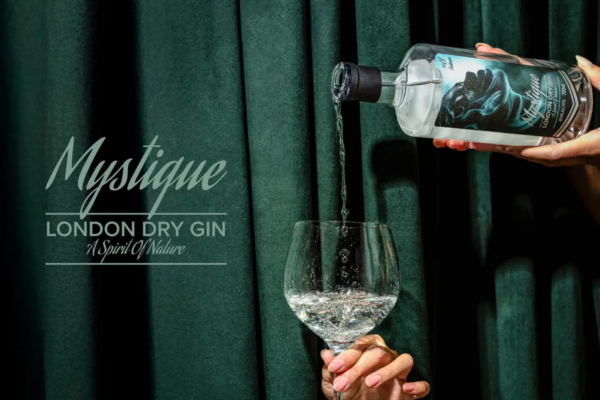
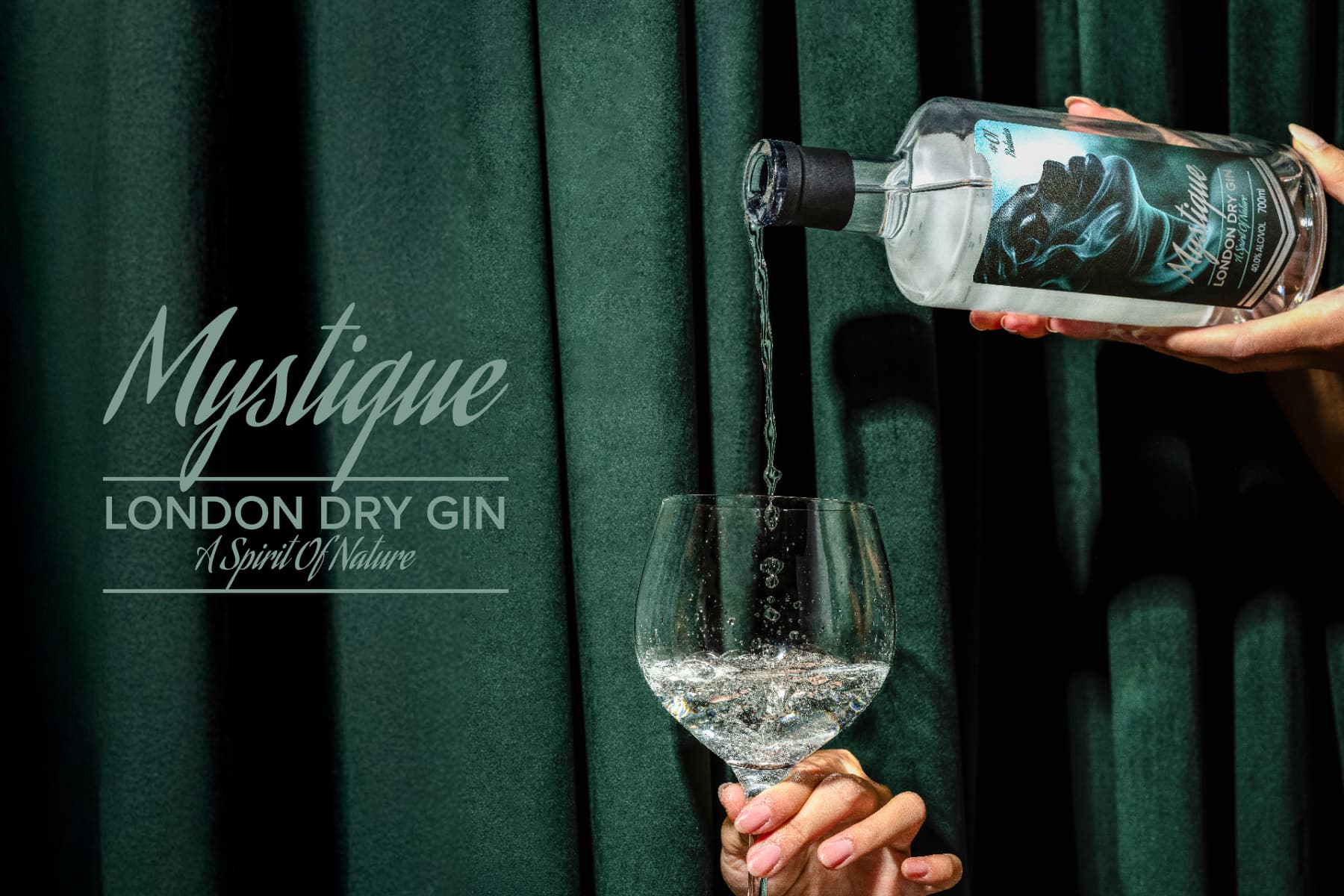
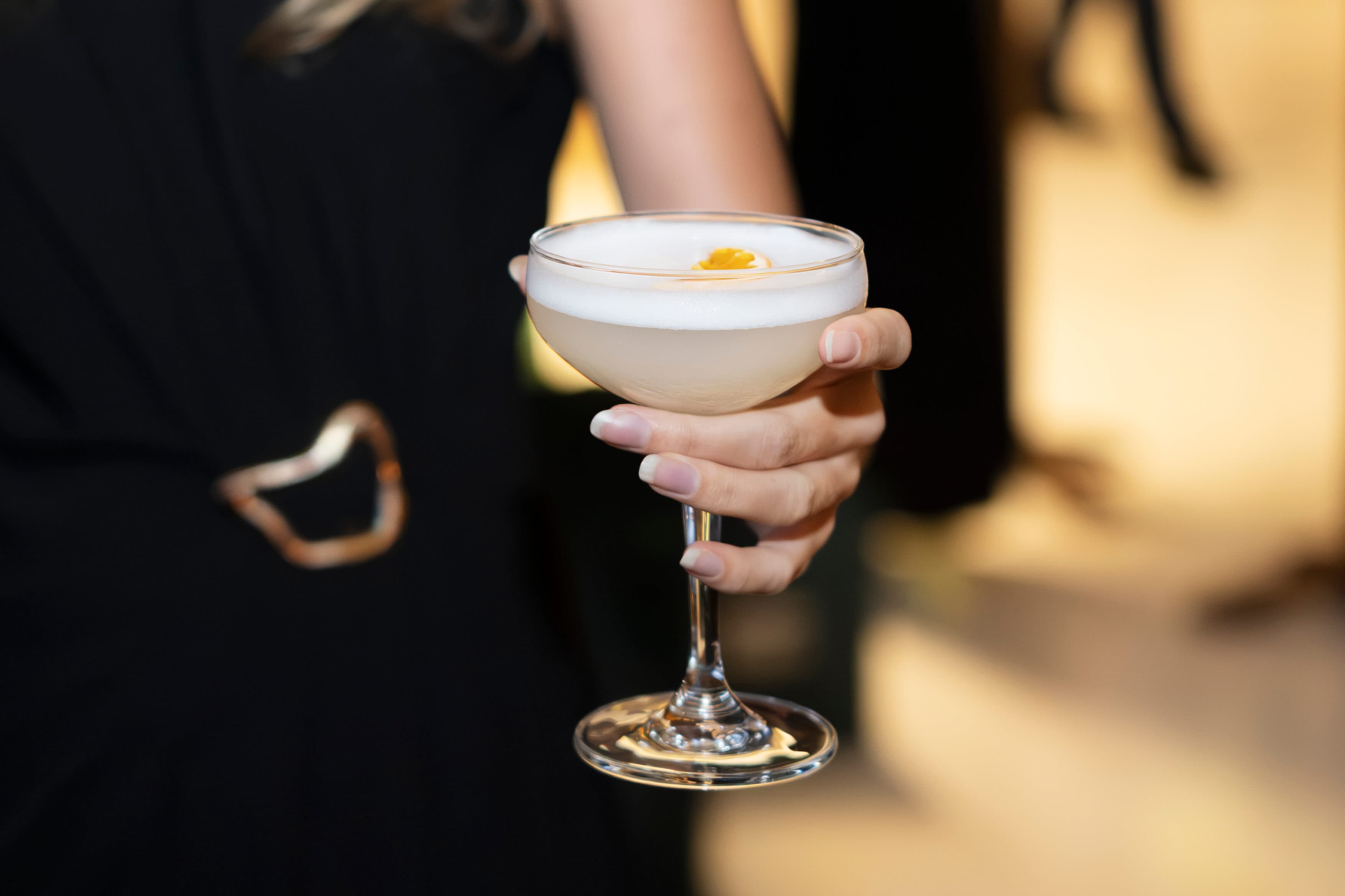
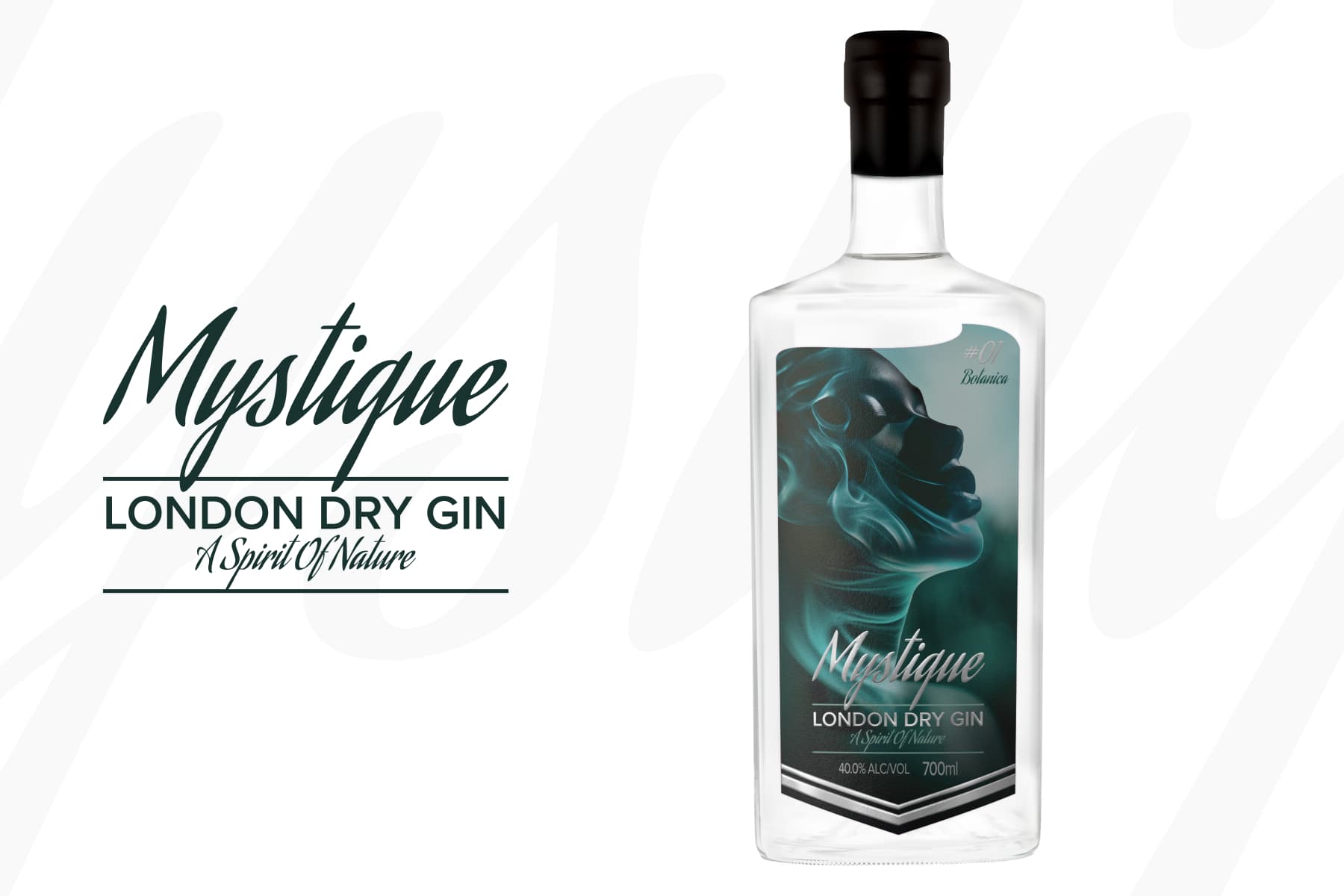
Meet the latest gin on the block. In a market saturated with craft spirits competing for consumers’ attention (and shelf space) through increasingly elaborate marketing strategies, Mystique Gin takes a distinctly different approach. Making its debut in Singapore, the brand’s London Dry Gin expression leans into restraint and is keen to deliver gin enthusiasts with a refined yet understated drinking experience.


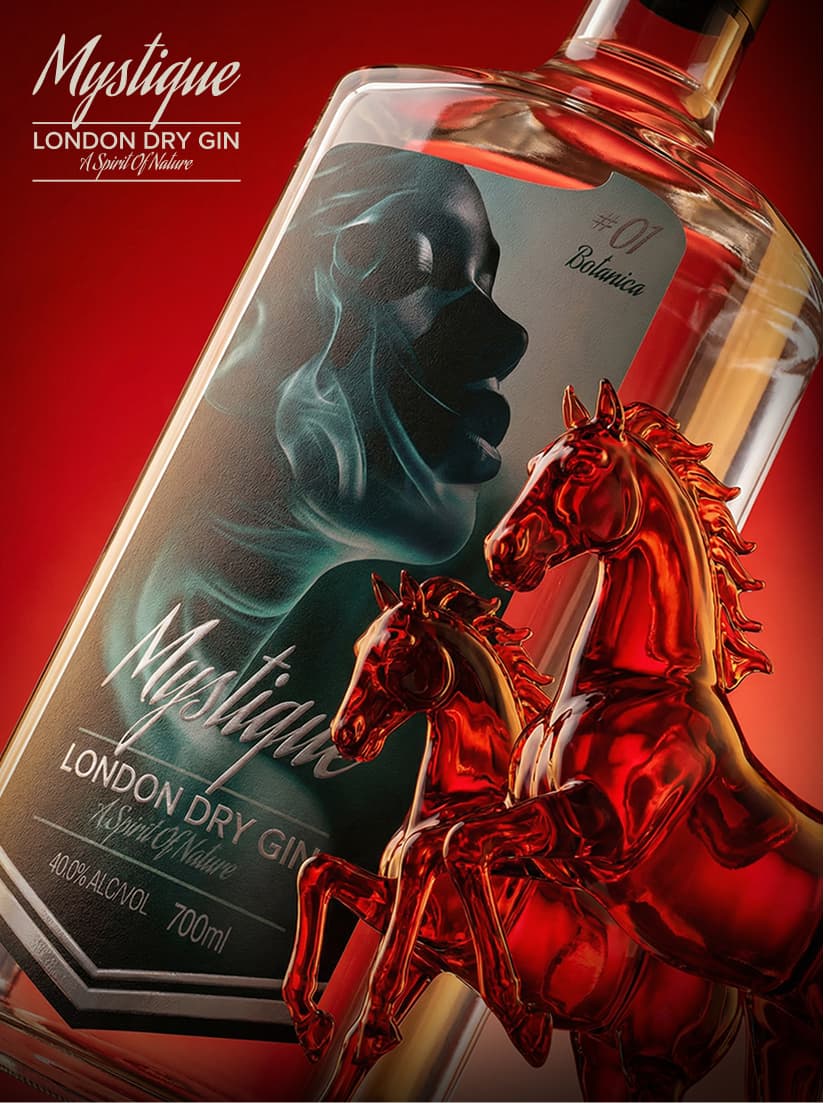
Distilled in the United Kingdom and inspired by the founders’ connection to nature, Mystique Gin enters the premium spirits category with a focus on the artistry of botanical balance. Its profile blends classic gin foundations with a more regionally nuanced composition, incorporating lemon peel, caraway seeds, moringa leaves and kaffir lime leaves, alongside subtle notes of rosemary. Each pour embodies the mystique of nature’s finest ingredients, skillfully combined to intrigue the palate and enrich the drinking experience. The result is a spirit that is crisp and layered — designed to appeal to drinkers who value both structure and drinkability.


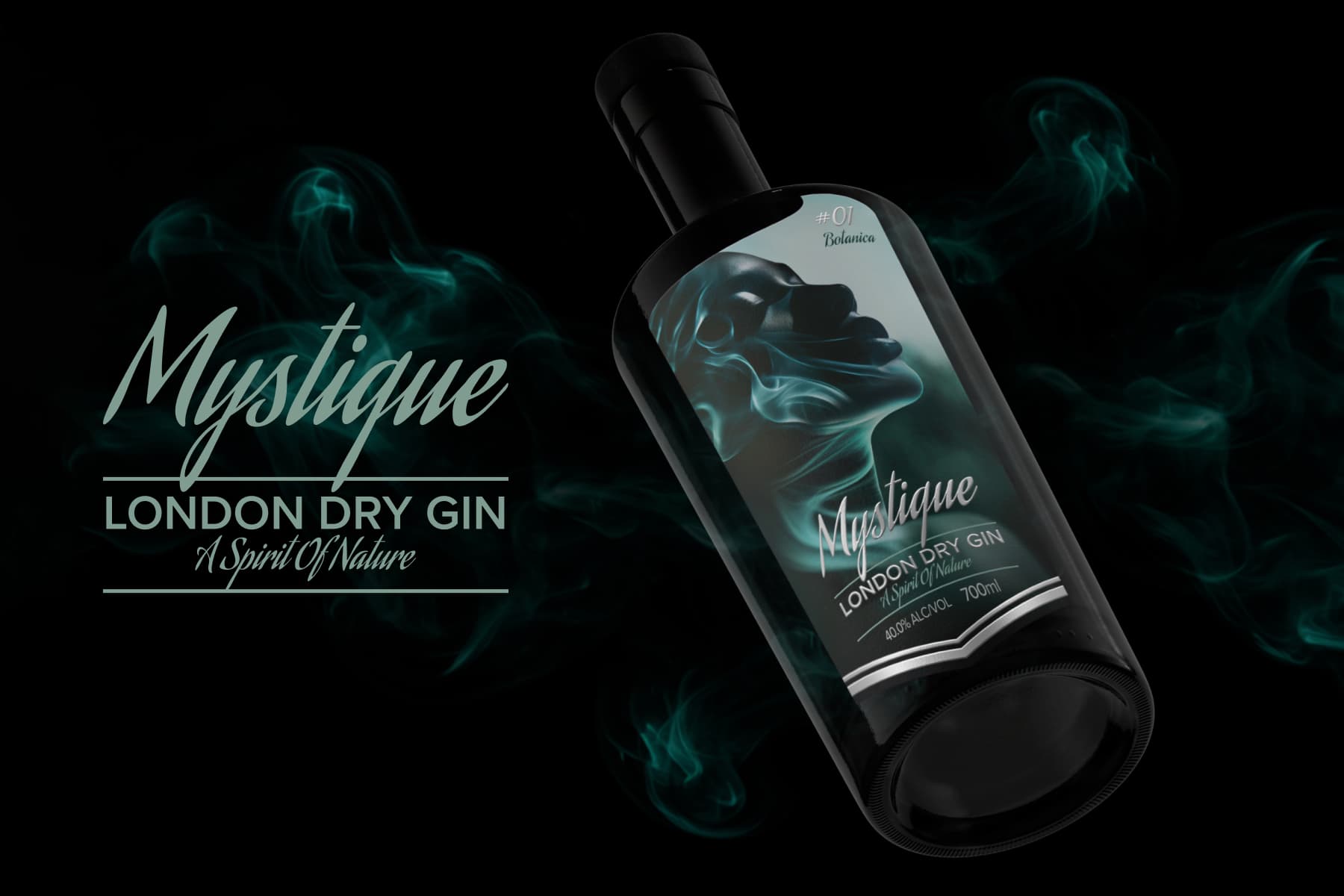
Rather than framing itself as a disruptive force, the brand aligns more closely with what might be described as quiet luxury — a category defined by discretion and an emphasis on craftsmanship. At the heart of Mystique’s brand identity stands a mythical figure — a goddess of nature who symbolises the spirit’s essence. Rooted in lush greenery, she embodies Mystique’s allure: a harmonious balance of nature and sophistication, simplicity and depth. This philosophy extends from the flavour composition to the bottle design, which features a minimalist silhouette with refined detailing to mirror the spirit’s quiet elegance.


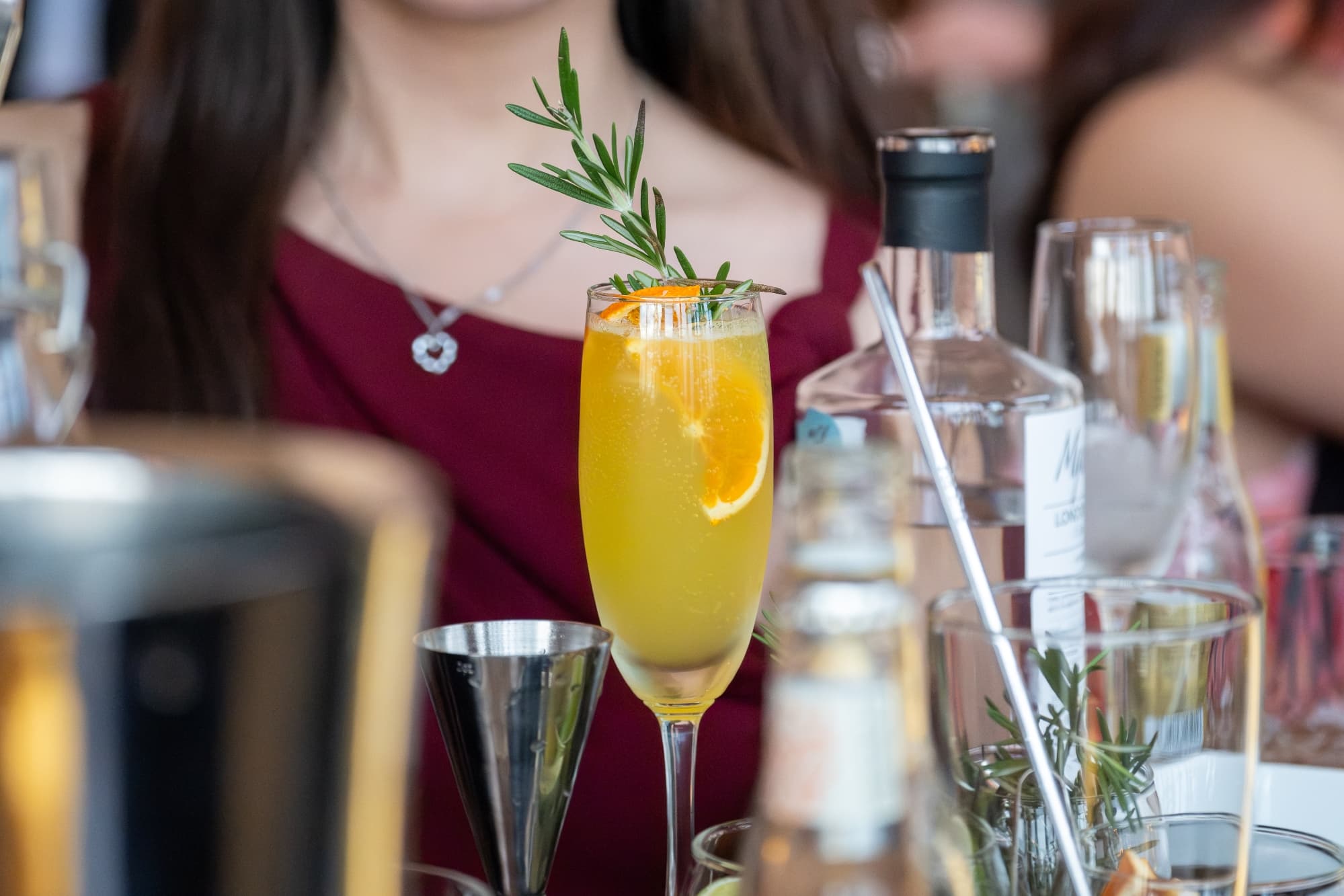
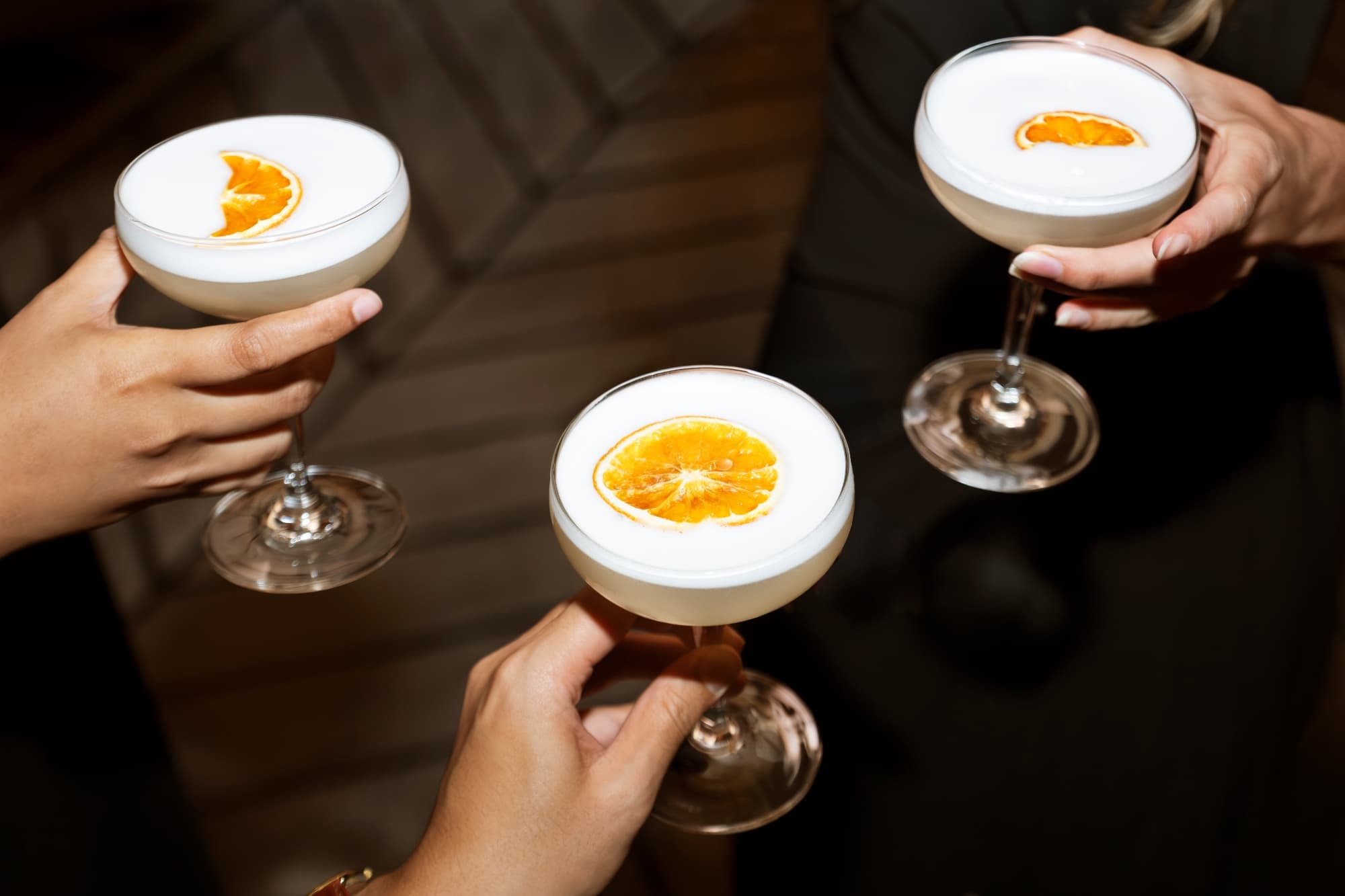
Founder Jose Jeuland describes the gin as an exercise in reduction. The intention, he notes, was to create something approachable without sacrificing character — a spirit that can be enjoyed neat, lengthened into a classic gin and tonic, or used as a versatile base for cocktails. That versatility has already resonated with bartenders, who cite its smoothness and adaptability across both classic and contemporary serves. “It is a premium gin that speaks for itself – no frills, no complications. Just an invitation to enjoy it neat or as the perfect gin and tonic. This spirit was born from the desire to demystify gin, where less is more, so I created a drink as approachable as it is enchanting,” says Jose Jeuland, Founder of Mystique Gin.


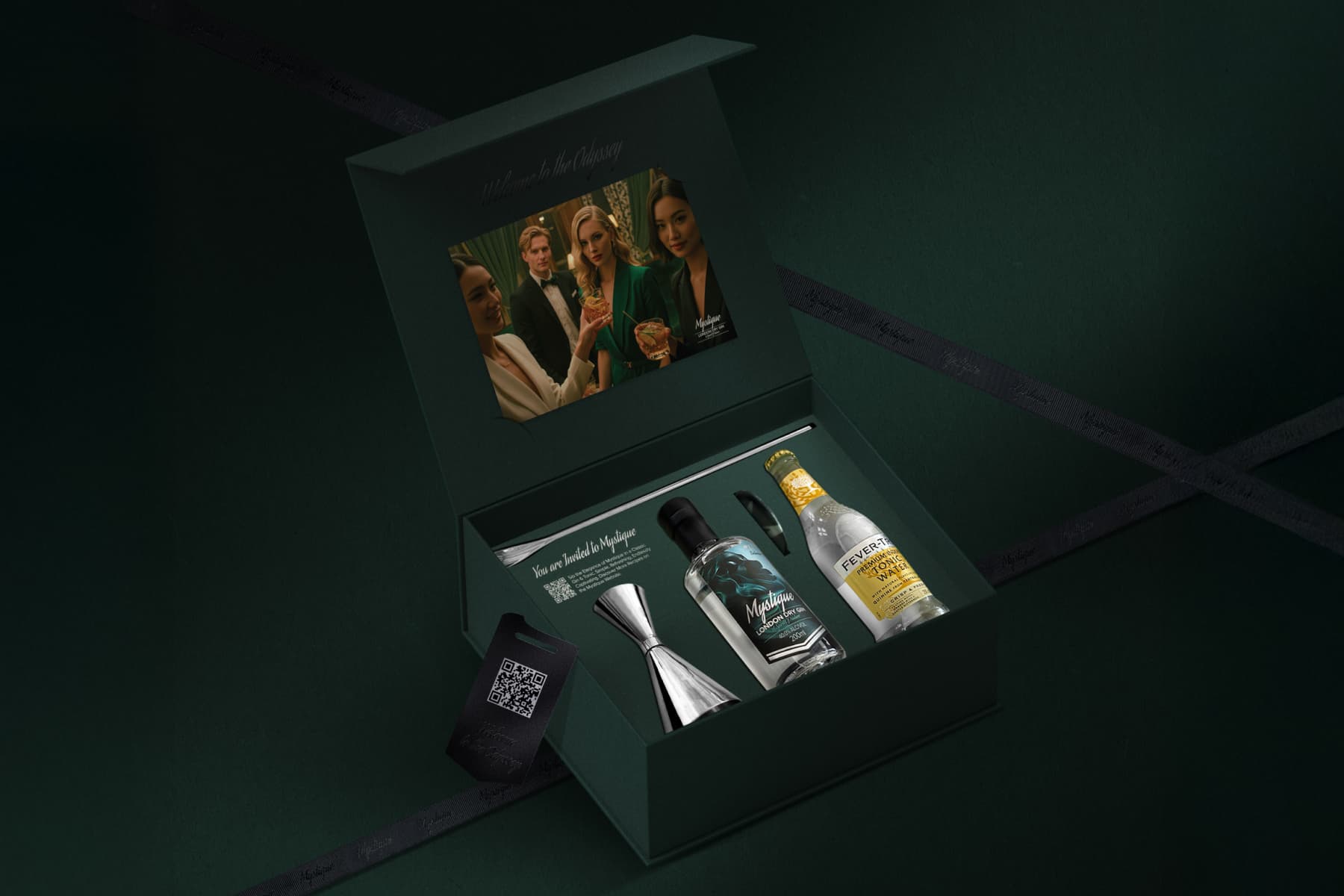
The brand’s entry into Singapore is anchored by a strategic hospitality partnership, with The Westin Singapore serving as the first venue to showcase Mystique Gin. Available at the hotel’s Lobby Lounge — long regarded as a destination for gin enthusiasts — the placement positions the spirit within a curated, experience-led environment rather than a purely retail context. It is a move that reflects a broader shift in how premium spirits are being introduced to consumers, with emphasis placed on discovery through lifestyle experiences and premium service.


Beyond its immediate launch, Mystique Gin speaks to a wider evolution within the category. There is a growing demand for products that feel intentional rather than engineered for attention. In this sense, Mystique Gin is less about reinvention and more about refinement. It does not seek to redefine gin, but to distil it — stripping the category back to its essential elements while introducing just enough intrigue to justify a second pour.


Mystique Gin is now officially available for purchase. For a limited launch period, the 700ml bottle is priced at SGD 108 (regular price SGD 125) and the 200ml bottle is available for SGD 45 (regular price SGD 55). All purchases can be made exclusively through the brand’s official online store: mystiquegin.com.


Head to the links below to find out more on where one can enjoy Mystique Gin in Singapore


The Westin Singapore: https://www.marriott.com/en-us/hotels/sinwi-the-westin-singapore/overview/

Lobby Lounge: https://www.lobbyloungesingapore.com/


For more information on Mystique Gin, head to the links below:

Website: https://mystiquegin.com

Instagram: https://www.instagram.com/mystique.gin/


For more on the latest in alcohol and luxury spirits stories, click here.


SHARE

Mystique Gin Enters Singapore’s Luxury Spirits Market Read More »

Porsche Design Tower Bangkok spearheads Sky Villa living

SHARE

Porsche Design Tower Bangkok spearheads Sky Villa living

SHARE

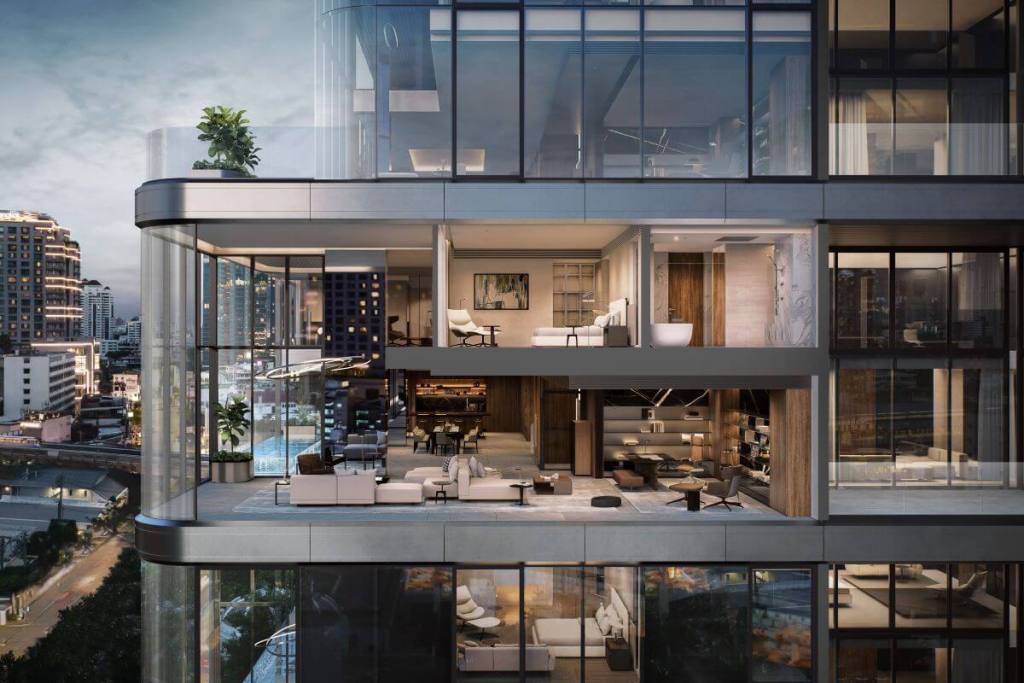
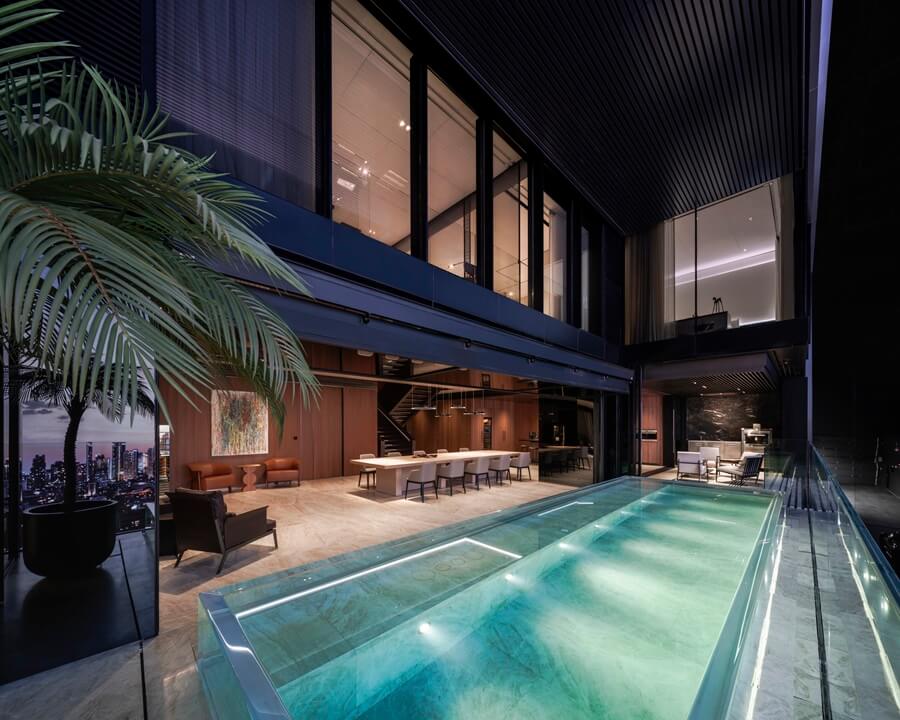
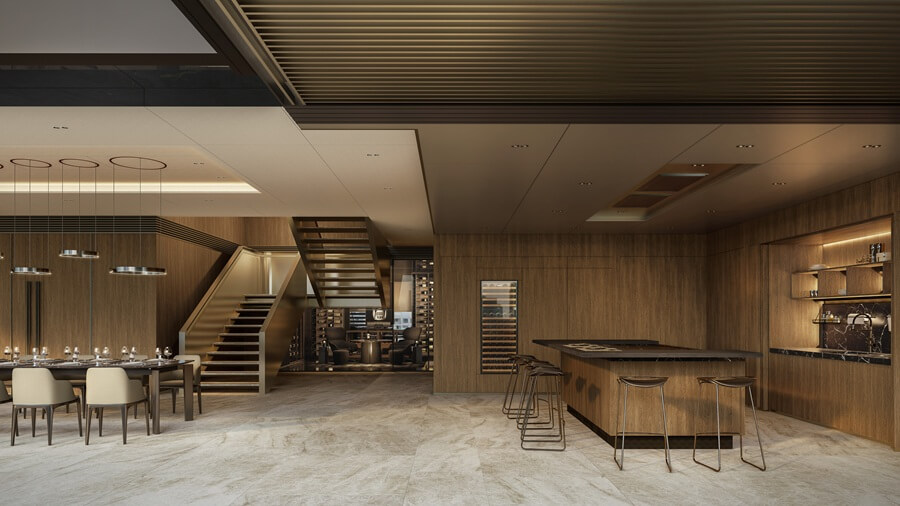
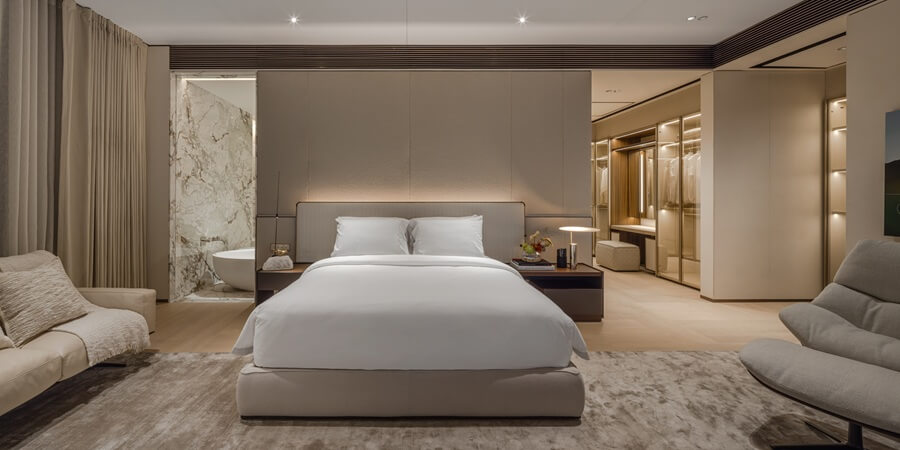
Asia’s new benchmark in ultra-luxury living, Porsche Design Tower Bangkok presents just 22 high-end Sky Villas, each with a luxury garage and a private lift to a multi-storey home with lofty ceilings, a wellness spa, wine and cigar room, Western and Asian kitchens, barbecue patio and private outdoor pool.
Words: Joe Lim; Photos: Ananda Development & Porsche Design


Porsche Design Tower Bangkok, Ananda Development, Porsche Design, Sky Villas, Thailand, Thonglor, Sukhumvit 38, Miami, Stuttgart, Mission R, Professor Ferdinand Alexander Porsche, Antonio Citterio, Gessi, Sub-Zero, Wolf, Kinetic Move


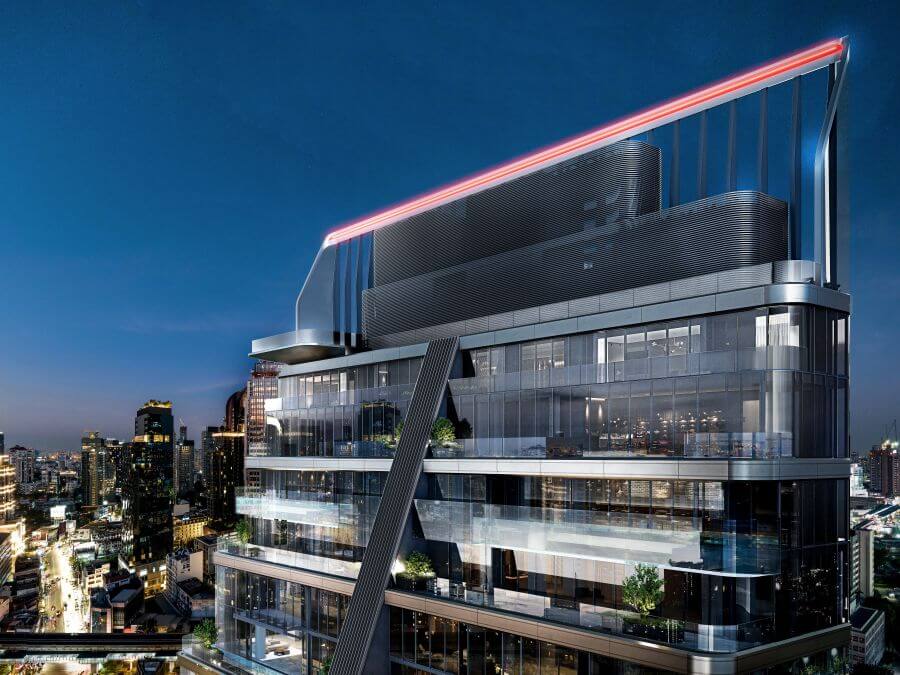
Porsche Design Tower Bangkok stands out as a unique representation of contemporary living in an era marked by rising global affluence and a persistent desire for opulent homes. This project, conceived through a partnership between Ananda Development, one of Thailand’s top real estate developers, and Porsche Design, a well-known German luxury lifestyle design brand, is Asia’s first and only residential tower bearing the Porsche branding.


Following skyscrapers in Miami and Stuttgart, the arrival of the 95m tower in Bangkok reflects Porsche Design’s continuing expansion into the global branded residences market. The 21-storey project is marketed as a highly specialised residential offering designed for ultra-high-net-worth buyers seeking privacy and design pedigree in one of Southeast Asia’s most vibrant cities.


A SIGNATURE IN BANGKOK’S SKYLINE


Porsche Design Tower Bangkok is situated on Sukhumvit 38 in the affluent Thonglor neighbourhood, which is known for upscale restaurants and shopping, sophisticated urban living and vibrant culture. The precinct is one of Bangkok’s most sought-after addresses because of its mix of domestic tranquillity and cosmopolitan activity.


Porsche Design’s philosophy emphasises function as the starting point for form, as reflected in the architecture’s simple yet powerful language. Important visual components include a unique lit ‘Crown’ designed to punctuate the Bangkok skyline after dark and the X-Frame structural pattern, which was inspired by the Mission R concept car.


Porsche Design leads the architectural direction, rooted in the design philosophy of Professor Ferdinand Alexander Porsche. This approach ensures Porsche’s design language and engineering precision remain integral to the tower’s identity, rather than serving as applied ornamentation.


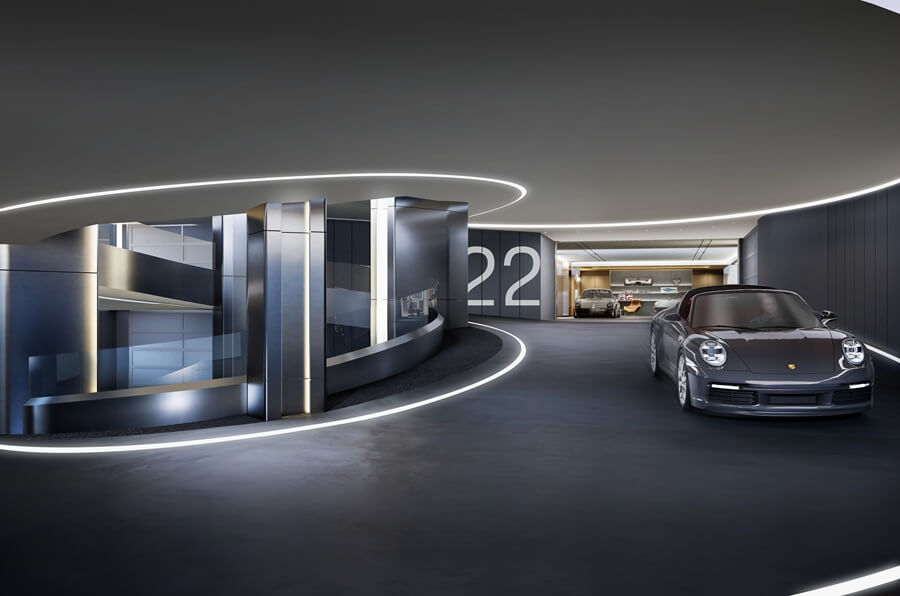
These elements create a design language that integrates motion and precision, echoing Porsche’s automotive DNA in an urban residential form rather than relying on decorative expression. The Loop, a central spiral access ramp providing direct entry to each residence’s ‘Passion Spaces’ – or large, luxury garage – reinforces the project’s automotive heritage.


PRIVATELY TAILORED RESIDENCES


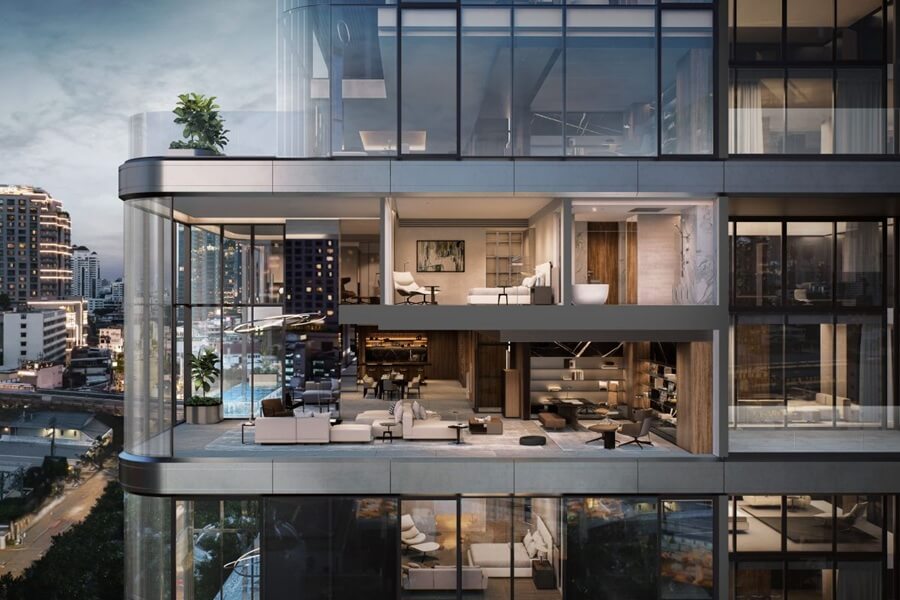
The high-end residence offers only 22 Sky Villas, in contrast to traditional condominium buildings. Each duplex and quadplex, which range in size from 525-1,135sqm (5,650-12,200sqft), was designed to combine generous spatial layouts with restrained, high-quality materials.


Large living areas are paired with sophisticated kitchen designs and integrated technology in interiors shaped by a minimalist luxury approach, prioritising durability, precision finishes and understated elegance.


Stainless surfaces, custom cabinetry and sophisticated appliances create settings that are practical as well as elegant, while materials and finishes prioritise durability and restraint over ostentation.


Spearheaded by architect and designer Antonio Citterio (co-founder of ACPV Architects, interior designer for Custom Line superyachts), kitchen spaces are created in partnership with Italian specialist Arclinea, adding a layer of European craftsmanship consistent with the project’s precision-led ethos. Other notable fittings include kitchen taps by Gessi, refrigerators and freezers by Sub-Zero, and built-in ovens by Wolf, to name a few.


Every villa includes a private elevator and at least one private pool, architectural features underscoring the project’s emphasis on convenience, privacy and refined living.


The ‘Kinetic Move’ terrace system is another signature feature of Porsche Design Tower Bangkok. It is a fully automated façade mechanism, allowing the boundary between indoor living space and the outdoor terrace to transform at the push of a button.


PASSION SPACES


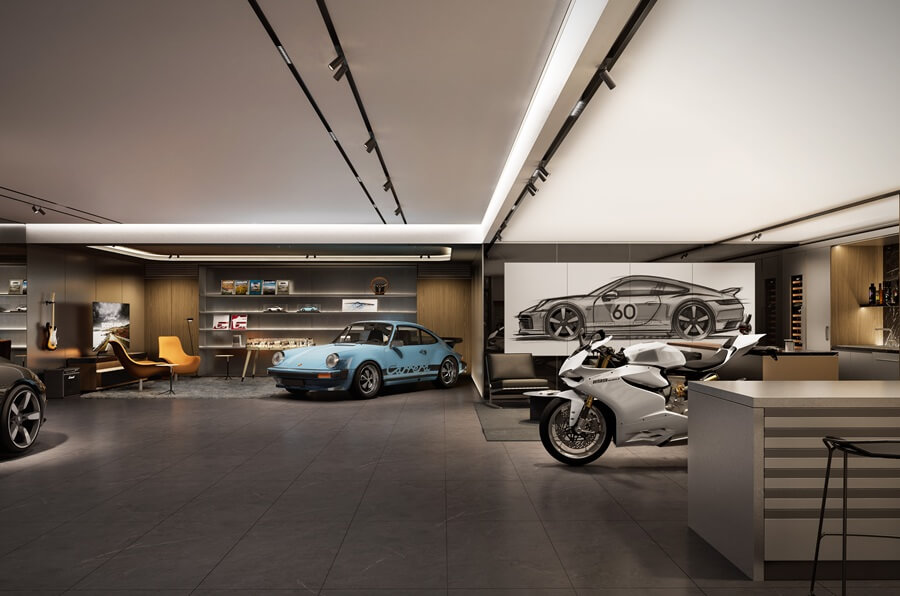
Among the development’s signature features are the ‘Passion Spaces’, which are private, customisable garages intended to function as both practical storage for valuable cars and unique lifestyle areas for their owners.


These can be designed to accommodate art collections, private lounges, entertainment venues or carefully chosen car shows, providing a customised haven inside the home.


The spaces are designed for owners who view their homes as extensions of their identity and lifestyle rather than simply places to live. The feature represents a distinctive offering in Bangkok’s real estate market, tailored for a global clientele that values privacy, independence and design integrity.


FACILITIES AND EXPERIENCE

The tower provides a curated selection of shared facilities to complement its private residences. These include a 25m swimming pool, a modern fitness centre, a wellness spa, social lounges and business spaces. Designed for both daily living and occasional entertainment, the amenities balance practicality with a refined sense of comfort and lifestyle quality.


Furthermore, living in Thonglor places residents within easy reach of Bangkok’s dining, retail and cultural districts, including upscale restaurants, art galleries, boutiques and private clubs. The development also benefits from its proximity to verdant spaces such as Benjakitti and Benjasiri parks, supporting a balanced urban lifestyle.


MARKET POSITIONING AND DEMAND


The Porsche Design Tower Bangkok is at the top of Bangkok’s luxury market with unit prices ranging from about US$15 million to US$40 million. This pricing range represents the elevated level of design and amenity specifications as well as the exclusivity of the supply. The project sits firmly within the top tier of the world’s premium residential offerings, reflected in its price positioning.


While the price per square metre exceeds that of most luxury condominiums in Bangkok, it aligns with the benchmarks set by flagship ultra-luxury developments in major global cities, where branded residences typically command a premium driven by design pedigree, limited supply and the lifestyle assurance associated with established luxury brands.


Porsche Design Tower Bangkok, Ananda Development, Porsche Design, Sky Villas, Thailand, Thonglor, Sukhumvit 38, Miami, Stuttgart, Mission R, Professor Ferdinand Alexander Porsche, Antonio Citterio, Gessi, Sub-Zero, Wolf, Kinetic Move


Sales data indicates significant interest from both foreign and local buyers, especially those who view Bangkok as a centre of Southeast Asian commerce and culture, and an appealing base. Even before formal previews, there was a waiting list, according to early reports.


RARITY, DESIGN AND LONG-TERM APPEAL

Porsche Design Tower Bangkok represents the brand’s entry into Asia’s ultra-luxury residential landscape, defined by scarcity, brand heritage and architectural precision. With only 22 residences, the project reflects the growing global demand for branded homes that combine design credibility with lifestyle privacy rather than scale.


According to Knight Frank, branded residences appeal to high-net-worth buyers not only for their location and design pedigree but also for the convenience and lifestyle certainty they offer, often functioning as secondary homes or long-term private retreats.


As Bangkok continues to strengthen its position as a global destination for luxury living and investment, developments such as this signal the city’s gradual shift toward design-led residential architecture.


Porsche Design Tower Bangkok stands as a carefully calibrated expression of that evolution – rooted in precision, restraint and the idea that luxury is ultimately defined by space, exclusivity and craft.

pdtowerbangkok.com


Porsche Design Tower Bangkok spearheads Sky Villa living Read More »

Amarta Azul: Where the Cliff Meets the Infinite

Amarta Azul: Where the Cliff Meets the Infinite

SHARE

On the untouched clifftops of Pecatu, Amarta Azul is a private oceanfront estate redefining what it means to disappear in style.

By Florence Sutton

  •  
  •  
  •  
  •  
  •  
  •  
  •  


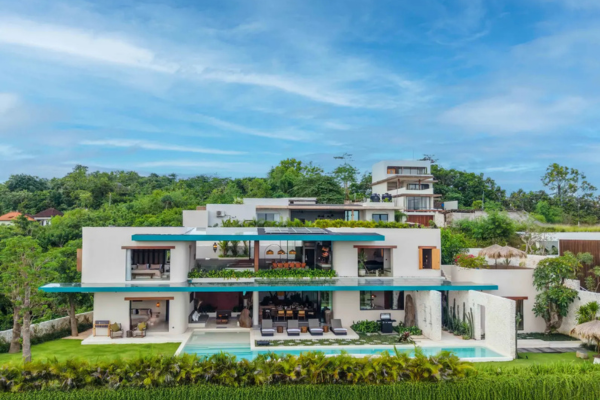
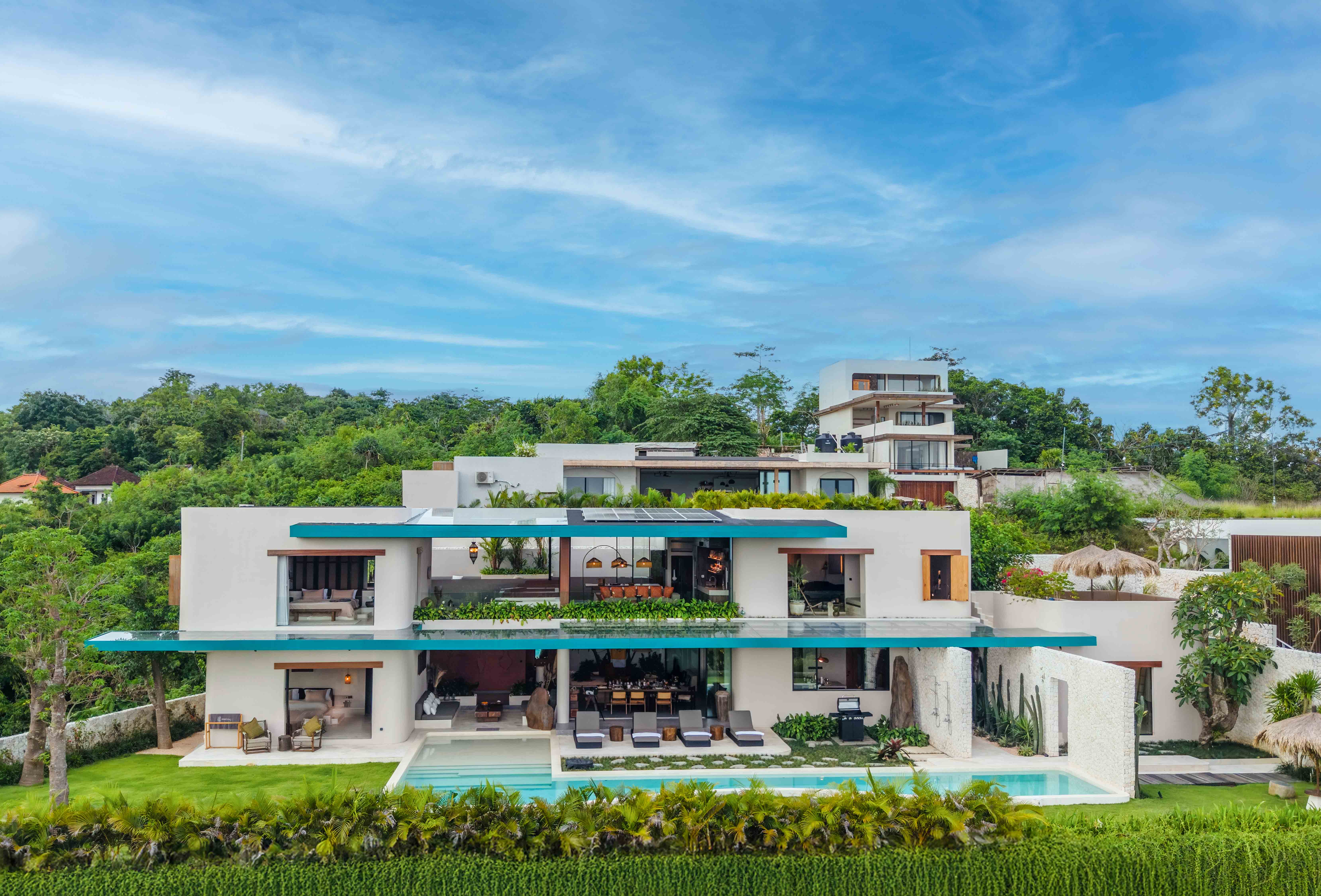
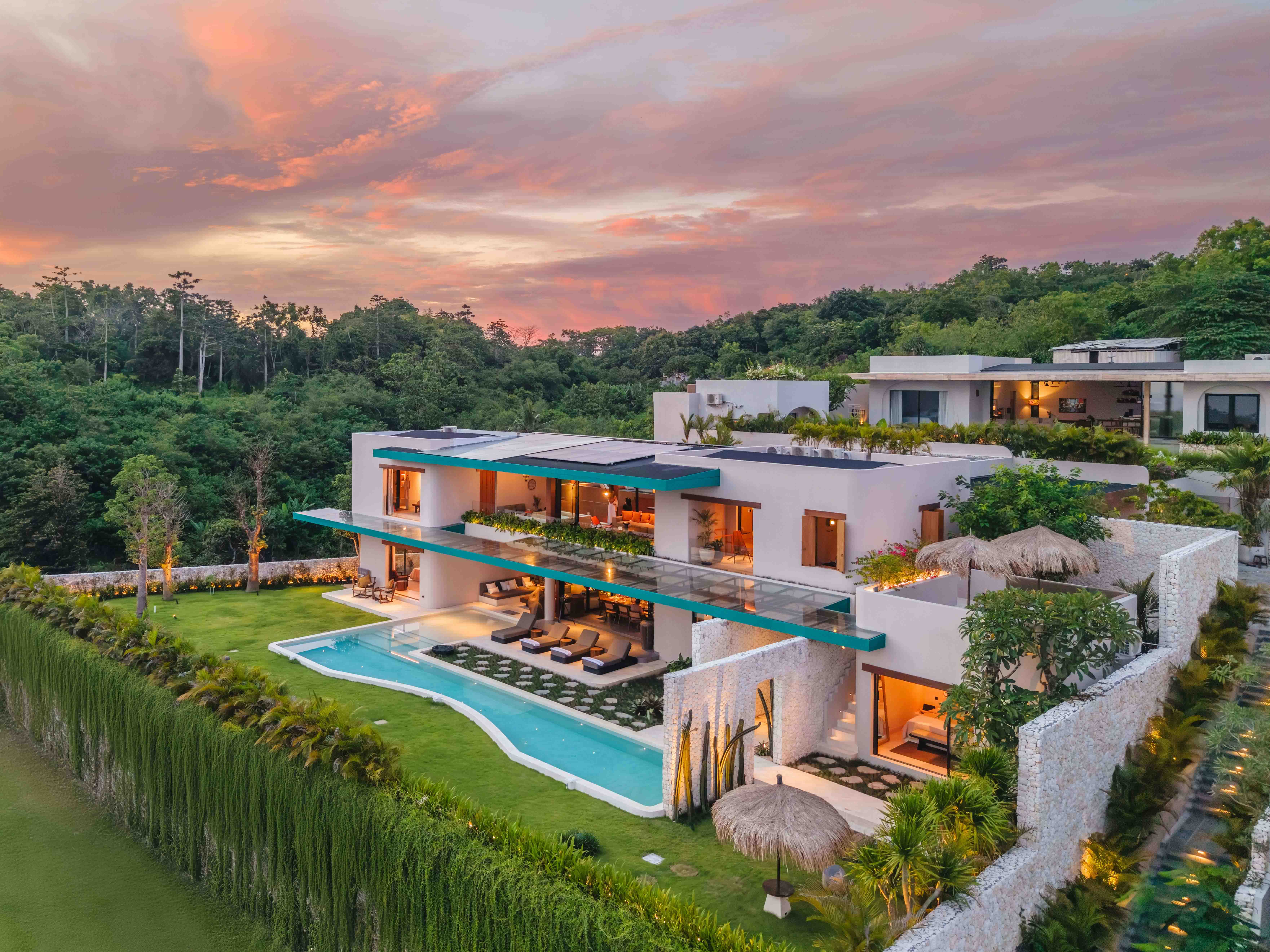

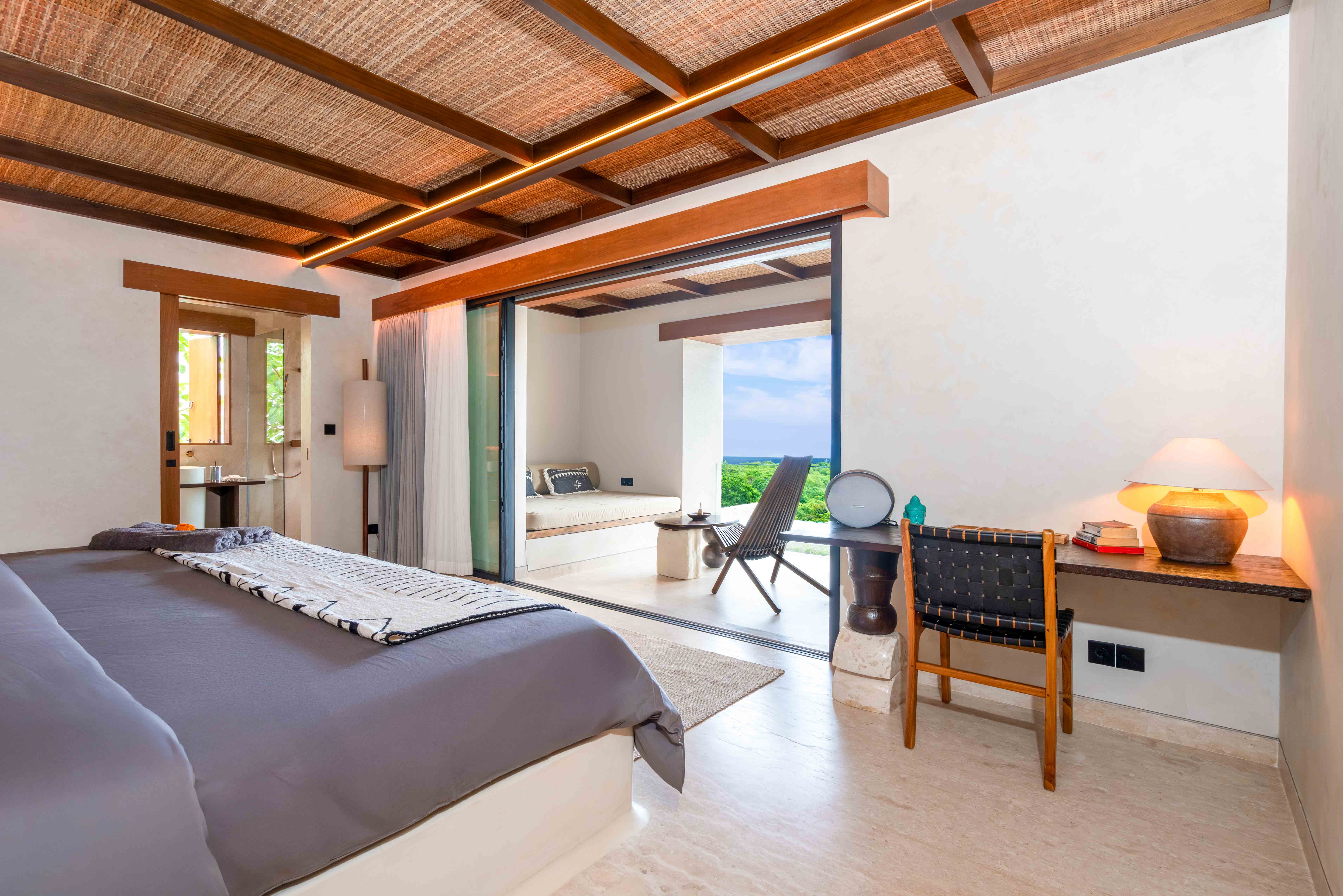
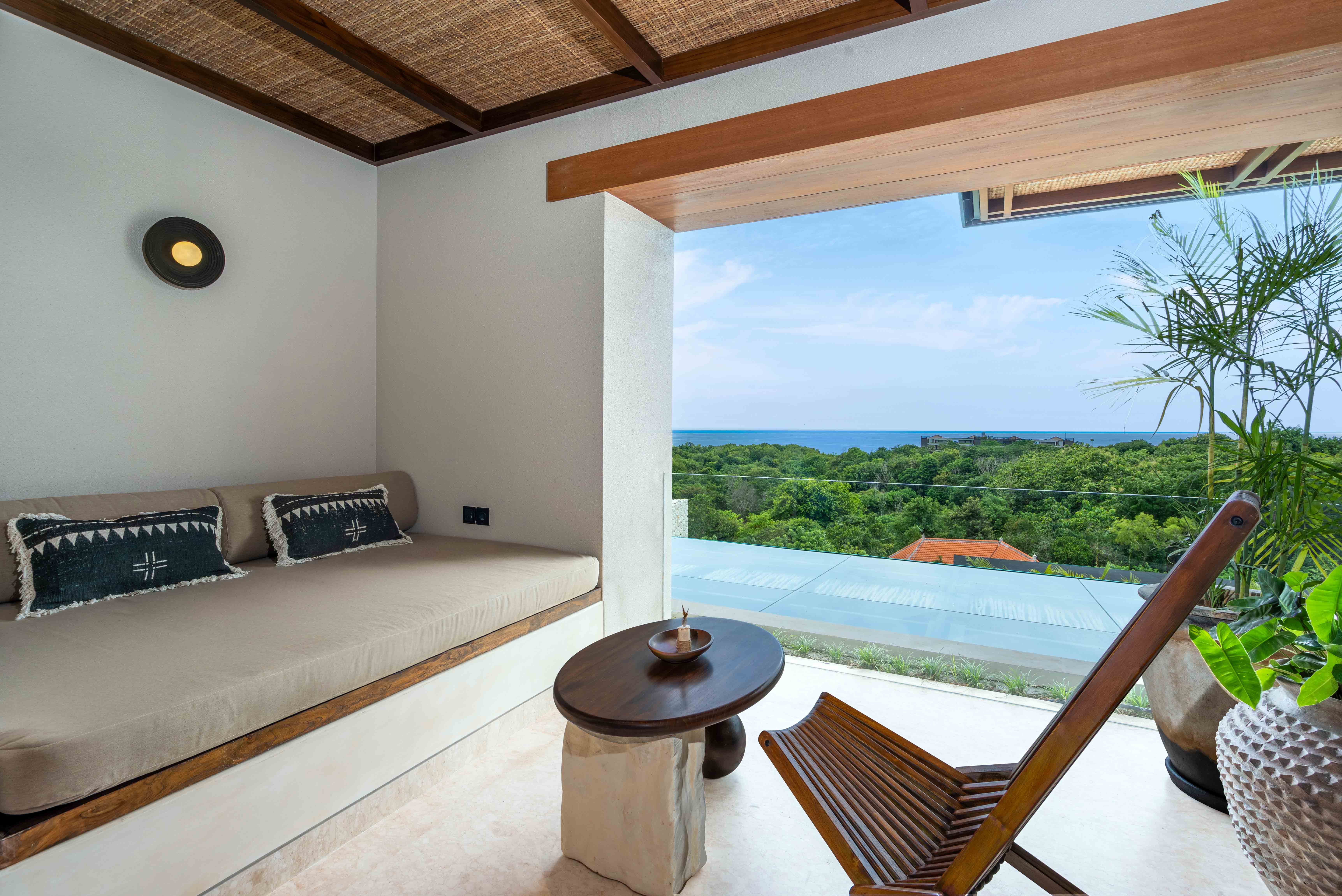
Perched on the volcanic cliffs of Pecatu, high above the full sweep of the Indian Ocean, this four-bedroom clifftop estate occupies one of Bali’s most privileged natural addresses. In a part of the island where the coastline has become increasingly sought-after, truly unobstructed positions are rare. Amarta Azul is one of them — a residence where architecture, landscape and silence converge in rare harmony.


The staff are already present when you arrive. The chef is already planning your evening. The concierge seems to know what you will need before you do. From the first moment, the only thing required of you is simply to exist within the rhythm of the place.


Built for the Few


The guests who find their way here already know what they are looking for — complete privacy, intuitive service, and the rare luxury of time without agenda. This is not a villa designed for the many. It is designed for those who prefer places that feel discovered rather than marketed.


The concierge does not wait to be asked. The private chef does not follow a fixed menu. The estate itself does not impose a programme. It simply follows the pace of its guests.


The Architecture of Intention


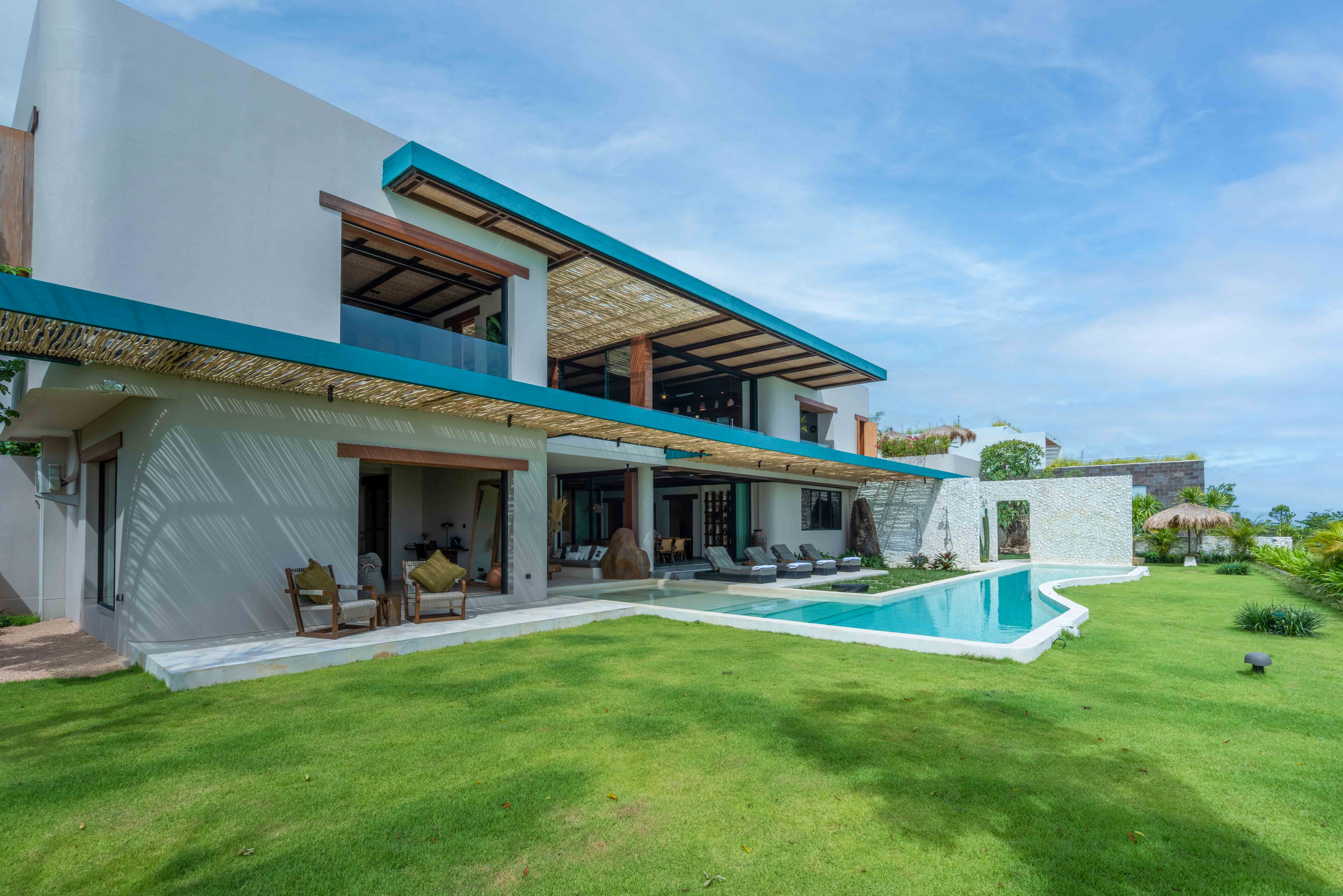
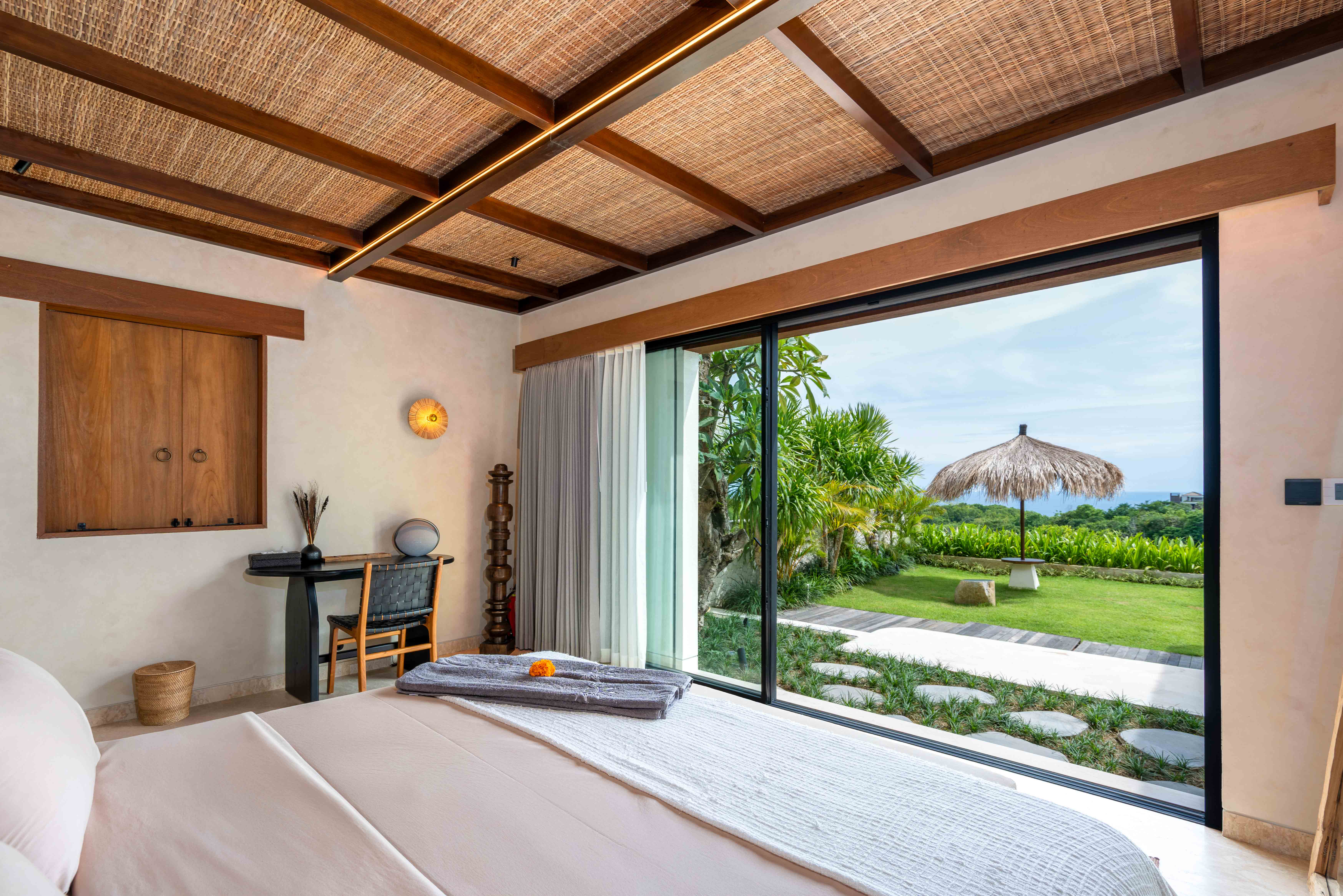
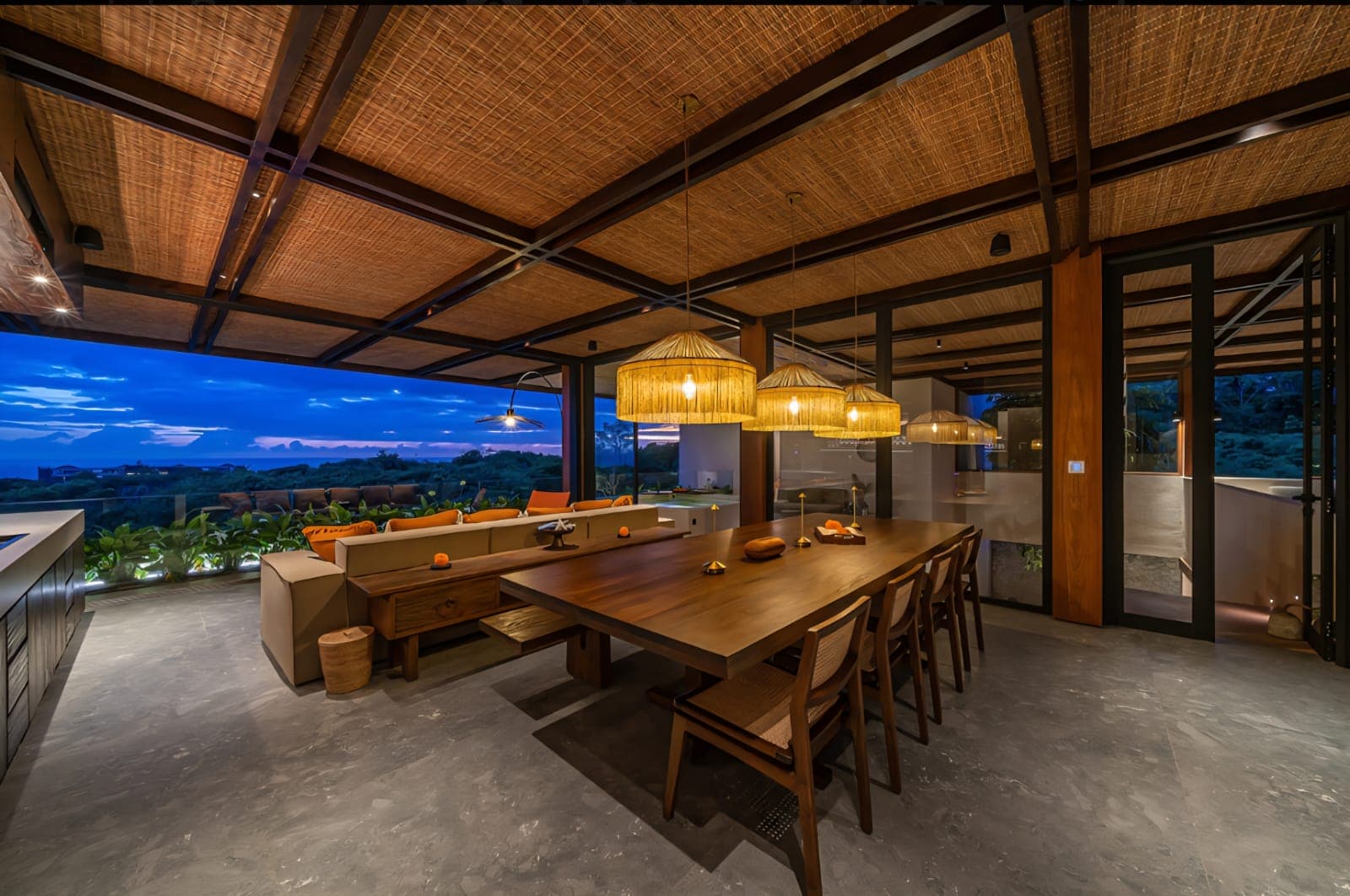
A bold multi-level silhouette descends the cliff in deliberate steps, each level angled to capture the full drama of the Indian Ocean horizon. Floor-to-ceiling glass walls stretch across the principal living spaces, turning the horizon into a permanent architectural feature.


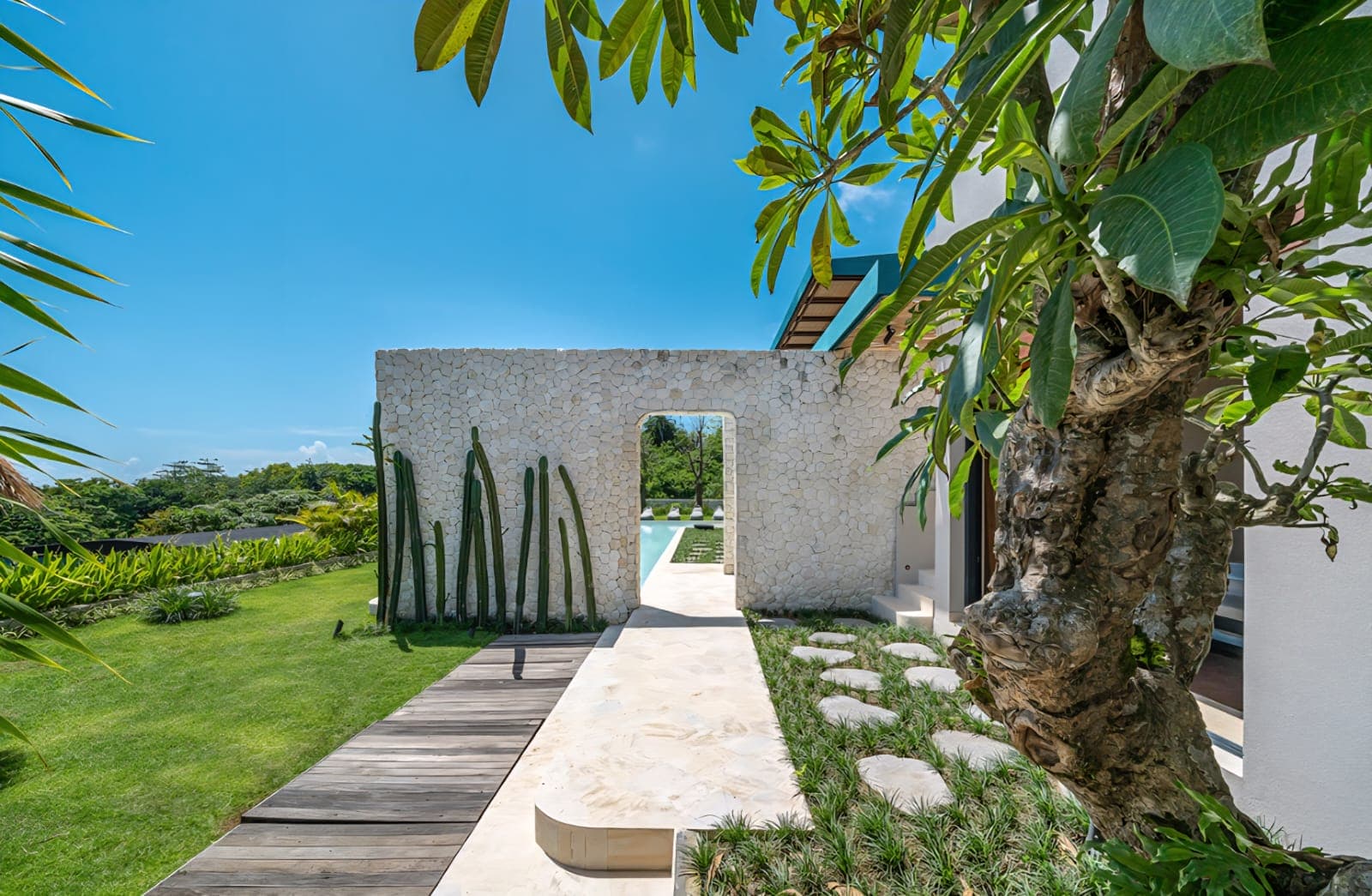
The villa was conceived at the intersection of four design traditions: the clean purity of Cycladic form, the generous warmth of the South American hacienda, the contemplative geometry of the Moroccan riad, and the spiritual intimacy of Balinese architecture.


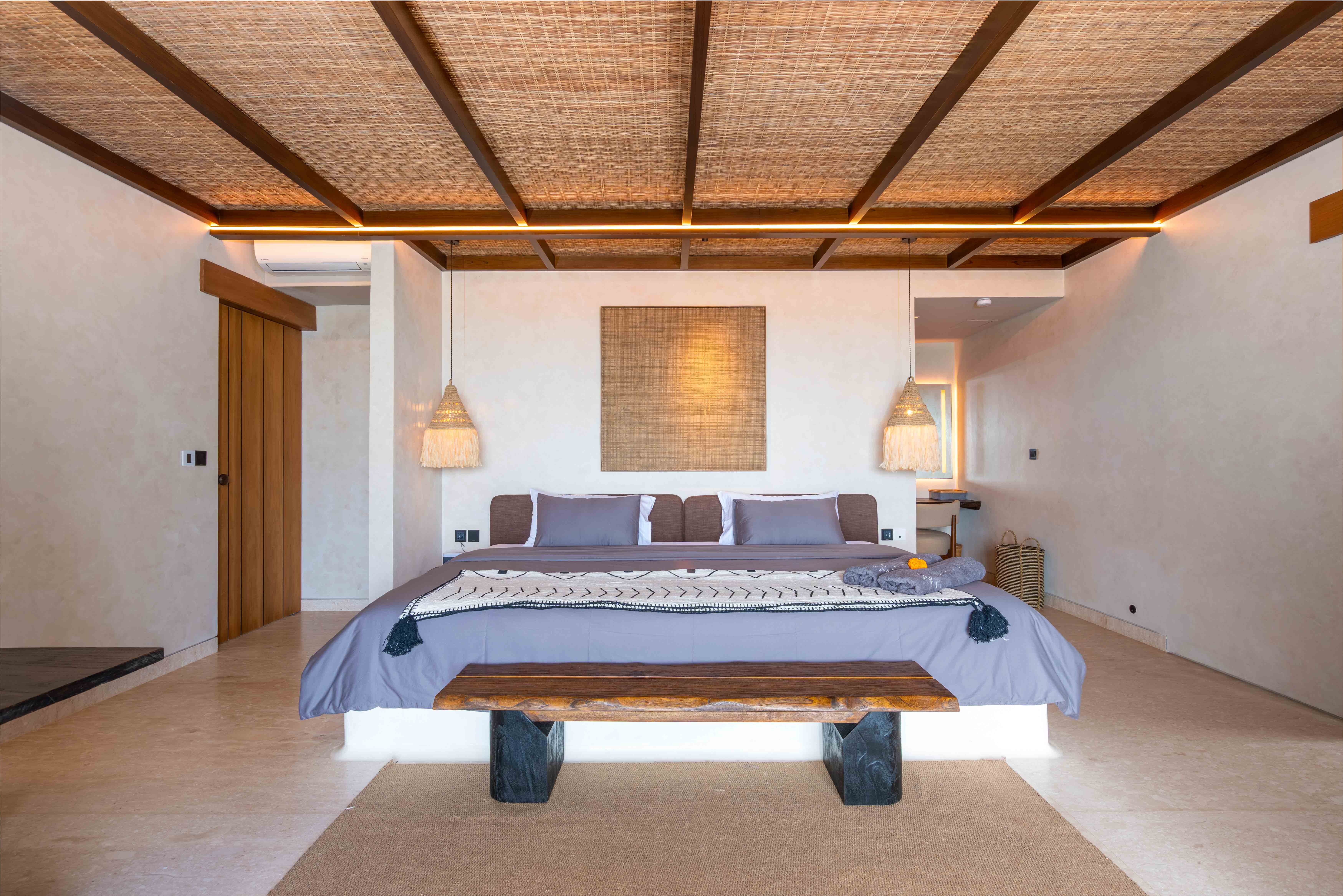
Teak, marble, onyx, rattan and brass carry the weight of these influences without ever feeling ornamental. Each material has been selected not for decoration but for permanence. The interiors extend this dialogue between worlds, balancing Mediterranean clarity with Balinese craftsmanship in spaces that privilege material over ornament. Hand-carved teak, custom marble pieces, woven rattan and aged brass accents create a tactile, refined atmosphere.


The result is an environment that feels collected rather than decorated. Cascading across multiple levels down the cliff face, the estate is arranged so that every principal space faces the ocean directly — a constant dialogue between architecture and horizon.


A Morning That Belongs to You


The private chef — present throughout the stay and entirely at your rhythm — prepares each morning as its own quiet ritual. The gourmet kitchen connects to the upper dining room through a hidden dumbwaiter, delivering each dish with a choreography so discreet it feels almost invisible.

There is no buffet. No fixed hour. No interruption to the pace of the morning. The day simply unfolds.


The Wellness Loft


On the first floor, a light-filled wellness loft opens toward the ocean breeze. Here, the body catches up with the mind. A fully equipped gym faces the sea, while an infrared sauna offers deep recovery after a day spent exploring Bali’s southern coast. For those who prefer to be worked on rather than to work, the concierge arranges in-villa massage treatments.


When the Ocean Calls


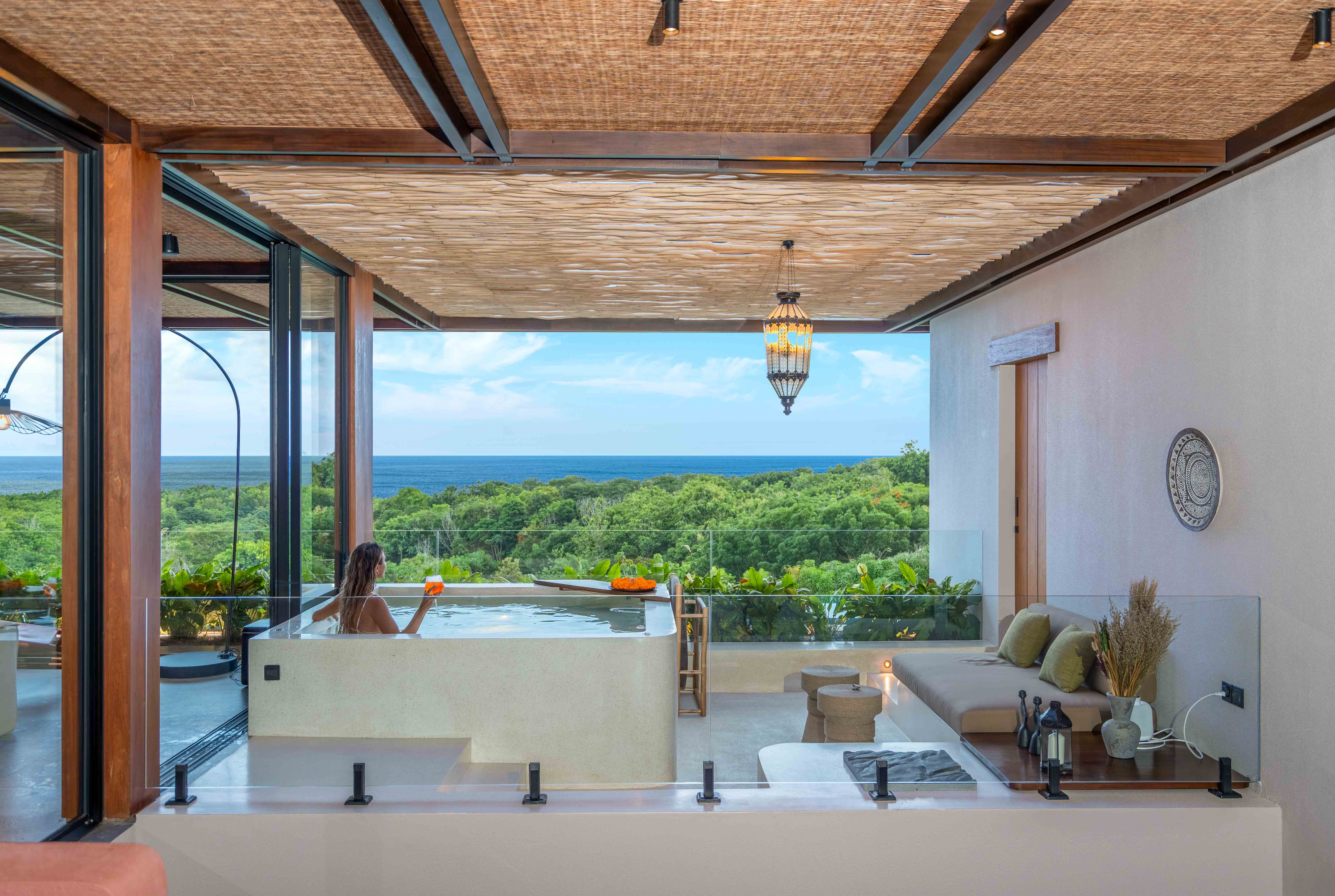
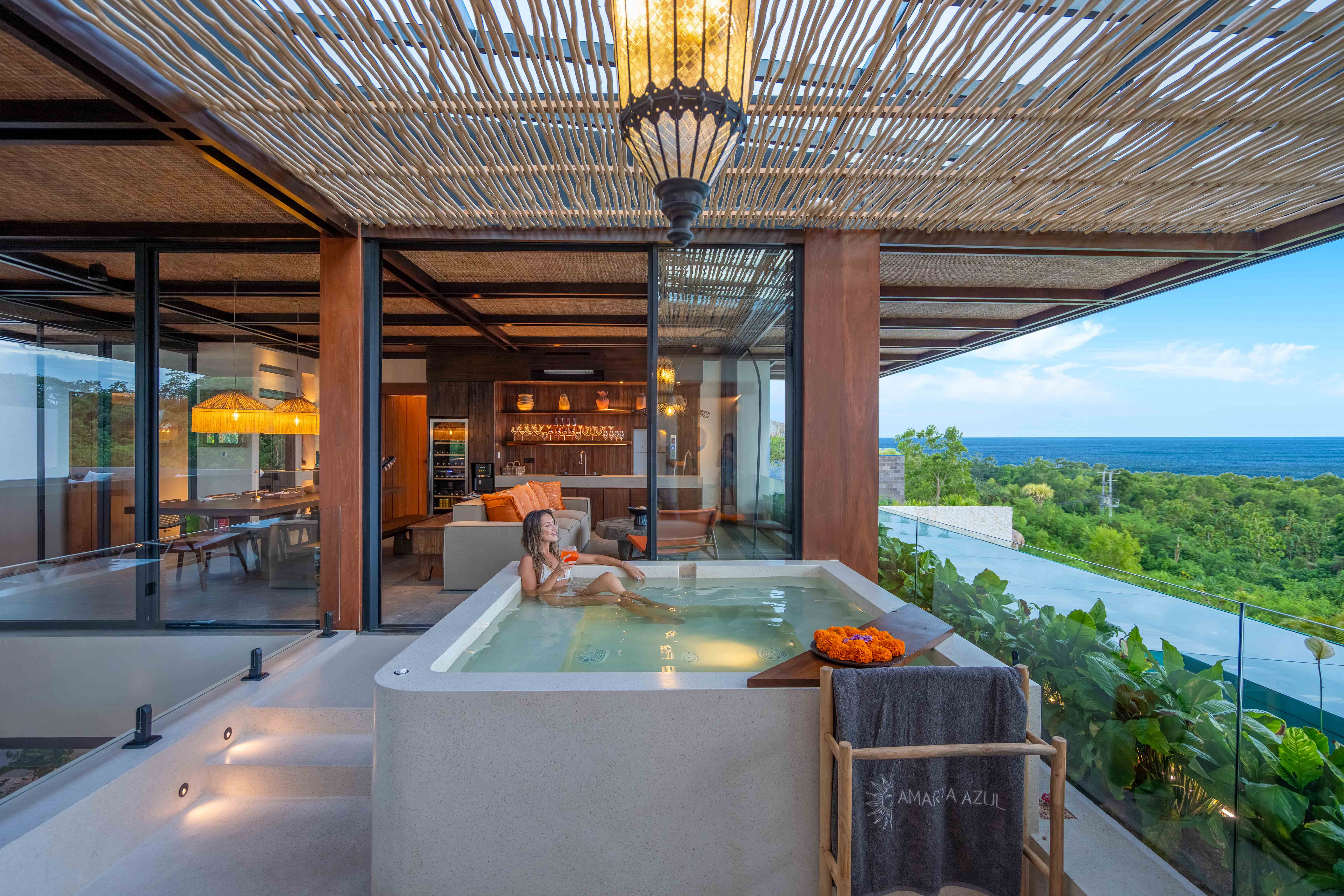
By late morning, the estate’s heated panoramic jacuzzi quietly becomes the most coveted address in the house.
 

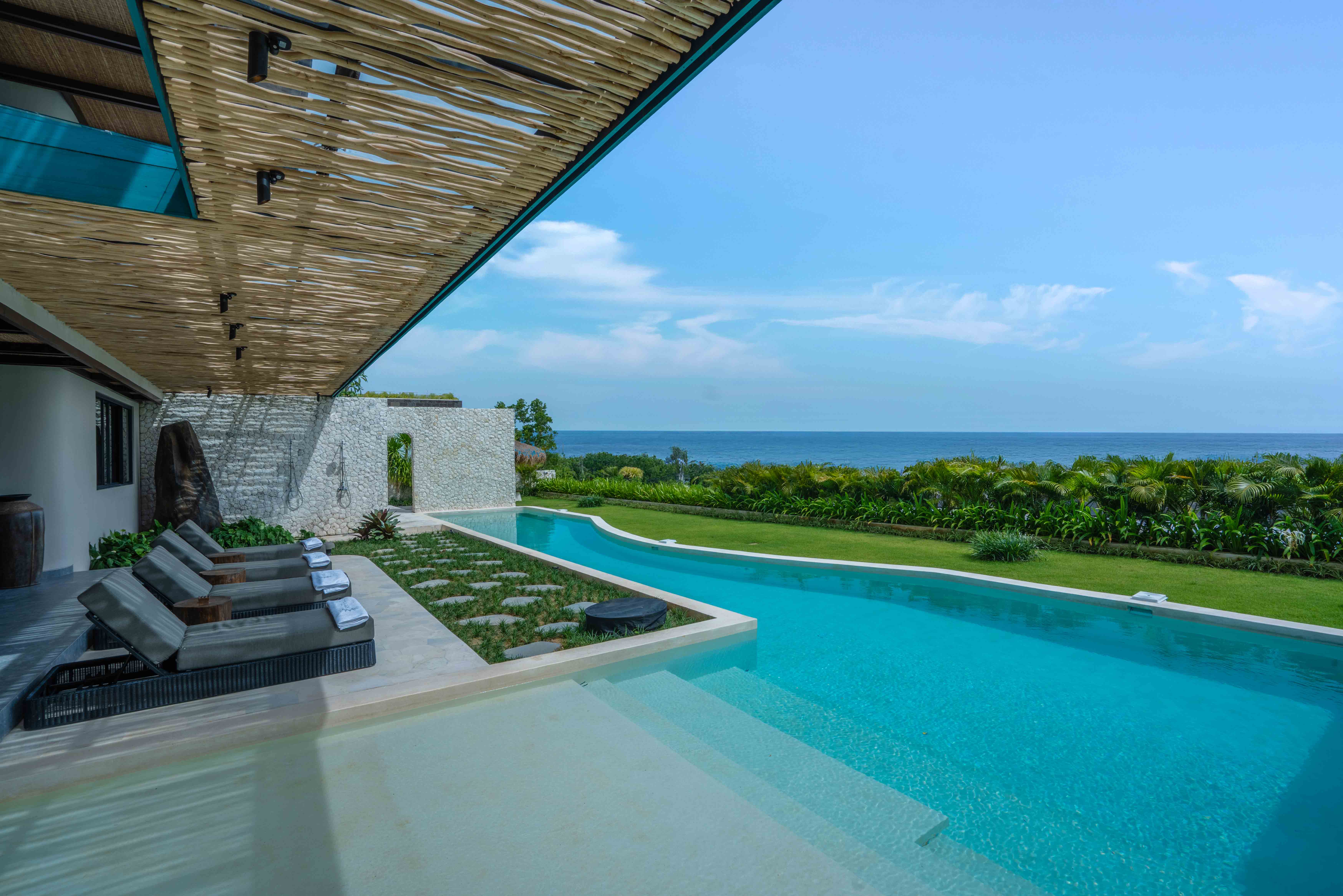
Glass-fronted and suspended above the cliff, it faces nothing but open water and sky. The turquoise coastline of southern Bali stretches endlessly below, while the horizon dissolves into the vastness of the Indian Ocean. Time behaves differently here. At night, the same water reflects the stars back with perfect stillness.


Private Dining Above the World


When evening arrives, the clifftop terrace is prepared for dinner. The private chef composes each menu around the moment — the guests, the mood, the season. A table is set above the Indian Ocean as the horizon fades slowly from gold to violet to black.


Service appears when needed and disappears when it is not. No restaurant on the island can replicate this atmosphere. It exists only here, only for the guests within these walls, and only on a night that will never return in quite the same way.


Intelligence Woven Into the Fabric


What distinguishes Amarta Azul from a merely beautiful villa is the degree to which thoughtful technology has been integrated without ever being felt. Lighting adapts to mood and hour. A premium sound system extends seamlessly across indoor and outdoor spaces. A private cinema room offers an intimate retreat for evenings that call for something quieter. Every system operates with quiet precision — present when needed, invisible when not.


The estate’s environmental design reflects the same philosophy. Solar energy, rainwater harvesting and a purified water system delivering drinking-quality water directly from the tap demonstrate a commitment to sustainability that feels intrinsic rather than performative. This is a residence built not only for comfort, but for longevity.


The Address That Defines the Category


Pecatu’s clifftop corridor is not somewhere one arrives by accident. It is chosen deliberately by those who understand Bali at its most spectacular — dramatic natural beauty, genuine seclusion and a sense of remove from the world that has become increasingly rare.


Amarta Azul occupies this address at its absolute apex. From the terrace, the horizon feels less like a view and more like a private possession. Some places are difficult to leave.


Amarta Azul is the kind that makes departure feel like a mistake.

www.amartaazul.com

Informations and Booking: welcome@amartaazulcom


For more on the latest in hotel and travel reads, click here.


SHARE

Amarta Azul: Where the Cliff Meets the Infinite Read More »

Patek Philippe Ref. 5370P: The Anatomy of a Split-Seconds Chronograph

Patek Philippe Ref. 5370P: The Anatomy of a Split-Seconds Chronograph

SHARE

The Patek Philippe Ref. 5370 serves as an open textbook on the manufacture’s split-seconds philosophy — combining technical perfection with pure emotional appeal.

By Sumit Nag

  •  
  •  
  •  
  •  
  •  
  •  
  •  
Patek Philippe Ref. 5370P

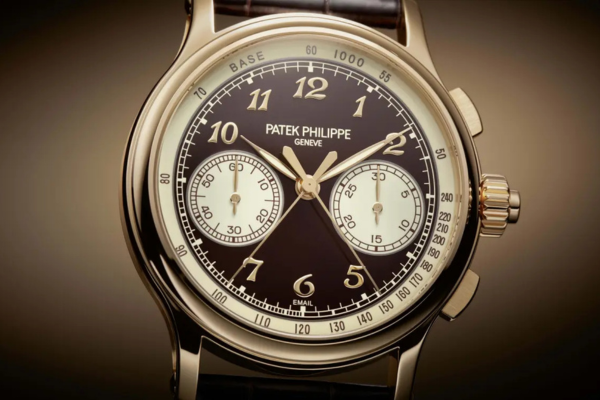
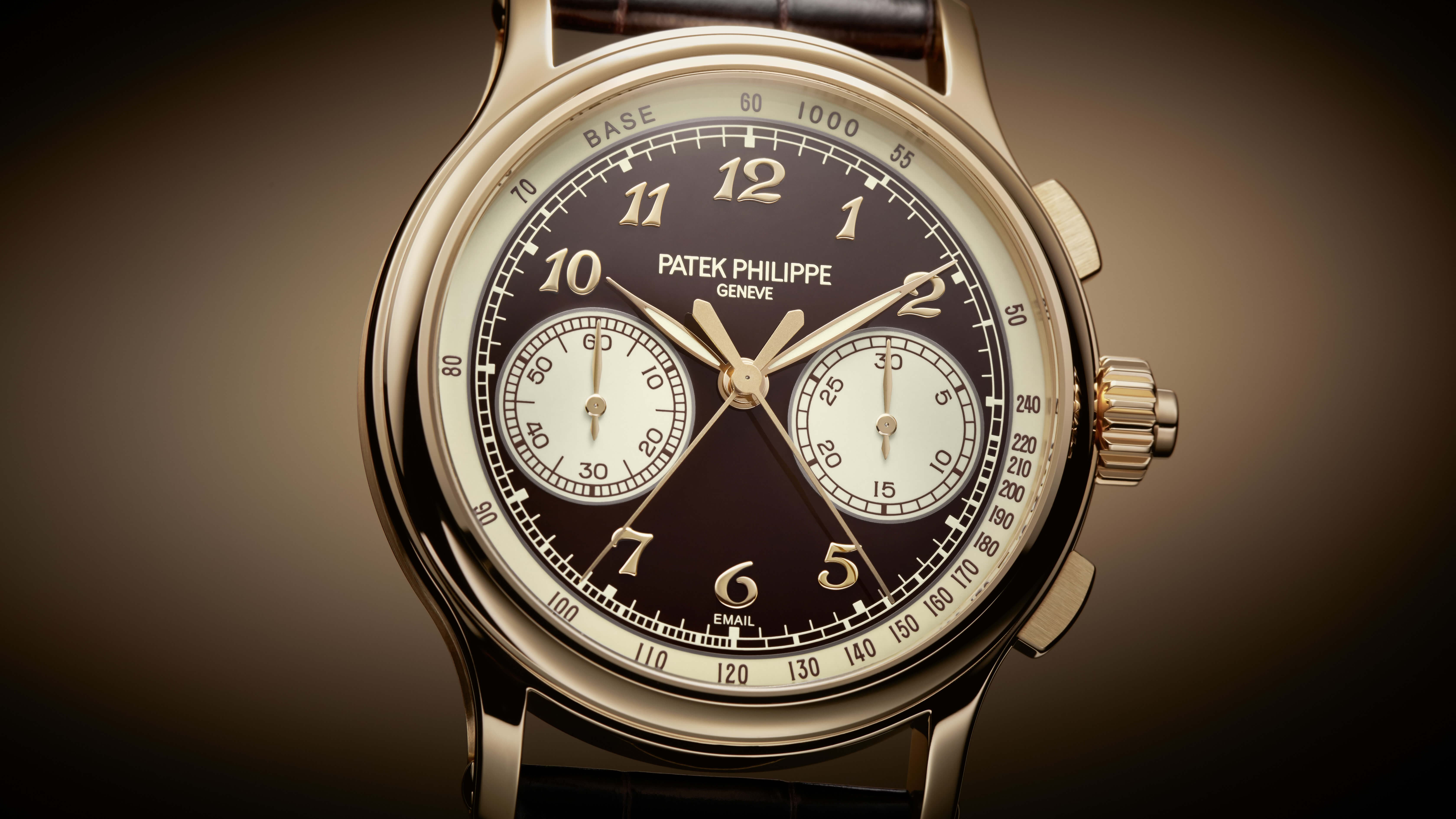
When Patek Philippe launched the Ref. 5370P — P for platinum — in 2015, and later the Ref. 5370R in rose gold, it positioned the watch very clearly: this was the manufacture’s contemporary, pure split-seconds chronograph, without calendar, without repeater, without distraction.


Patek Philippe Ref. 5370P


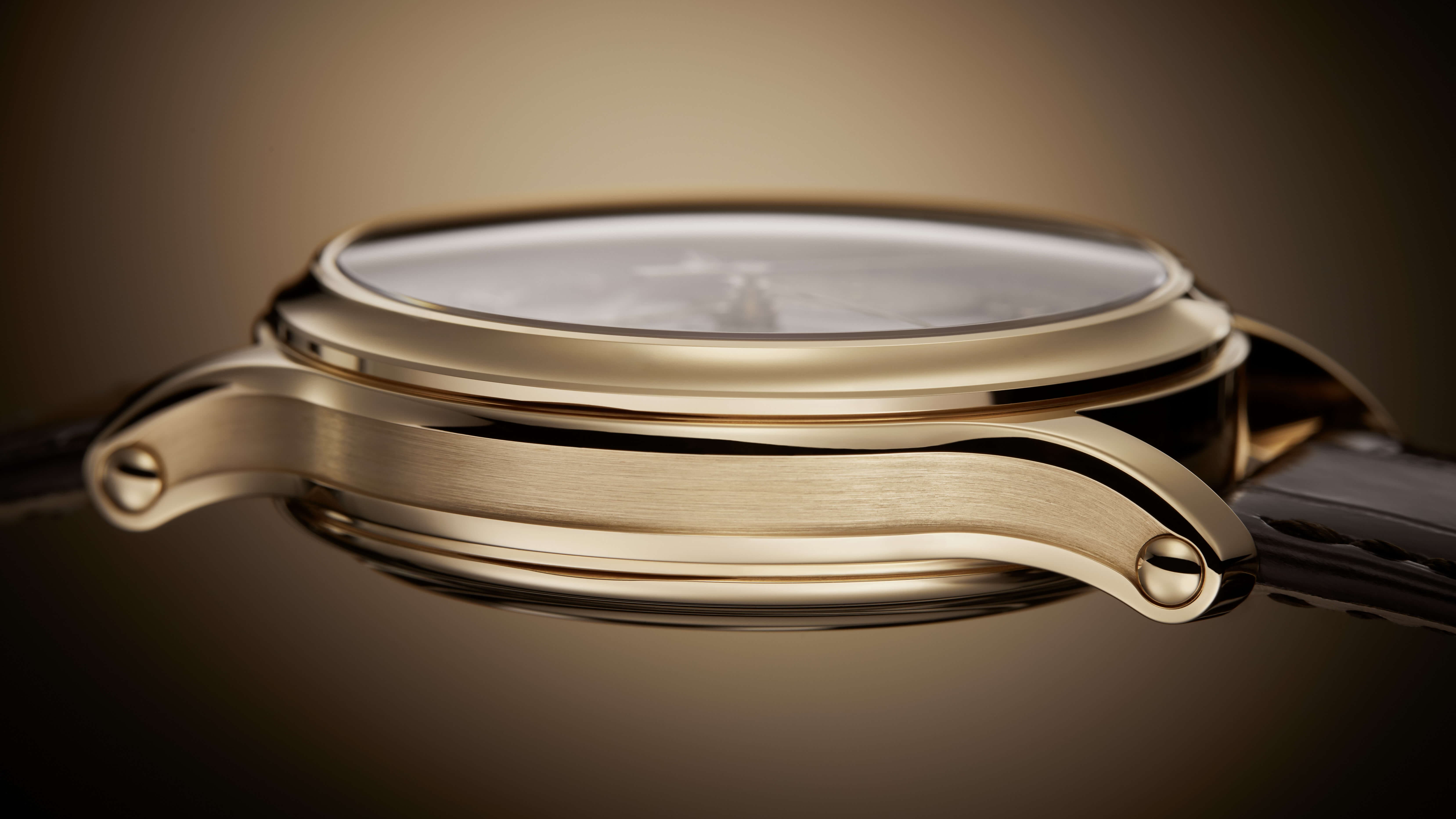
On the wrist, the 5370 is all about proportion and clarity. The 41-millimetre case is thick enough to accommodate the movement and water-resistant yet shaped to sit comfortably, with sculpted lugs and a concave bezel that frames the dial. The dial itself, first in black grand feu enamel and later in deep blue and then brown for the 5370R, is a study in restraint: with applied Breguet numerals, feuille hands, twin recessed registers and a tachymeter scale that hugs the edge without overwhelming legibility.


Patek Philippe Ref. 5370P


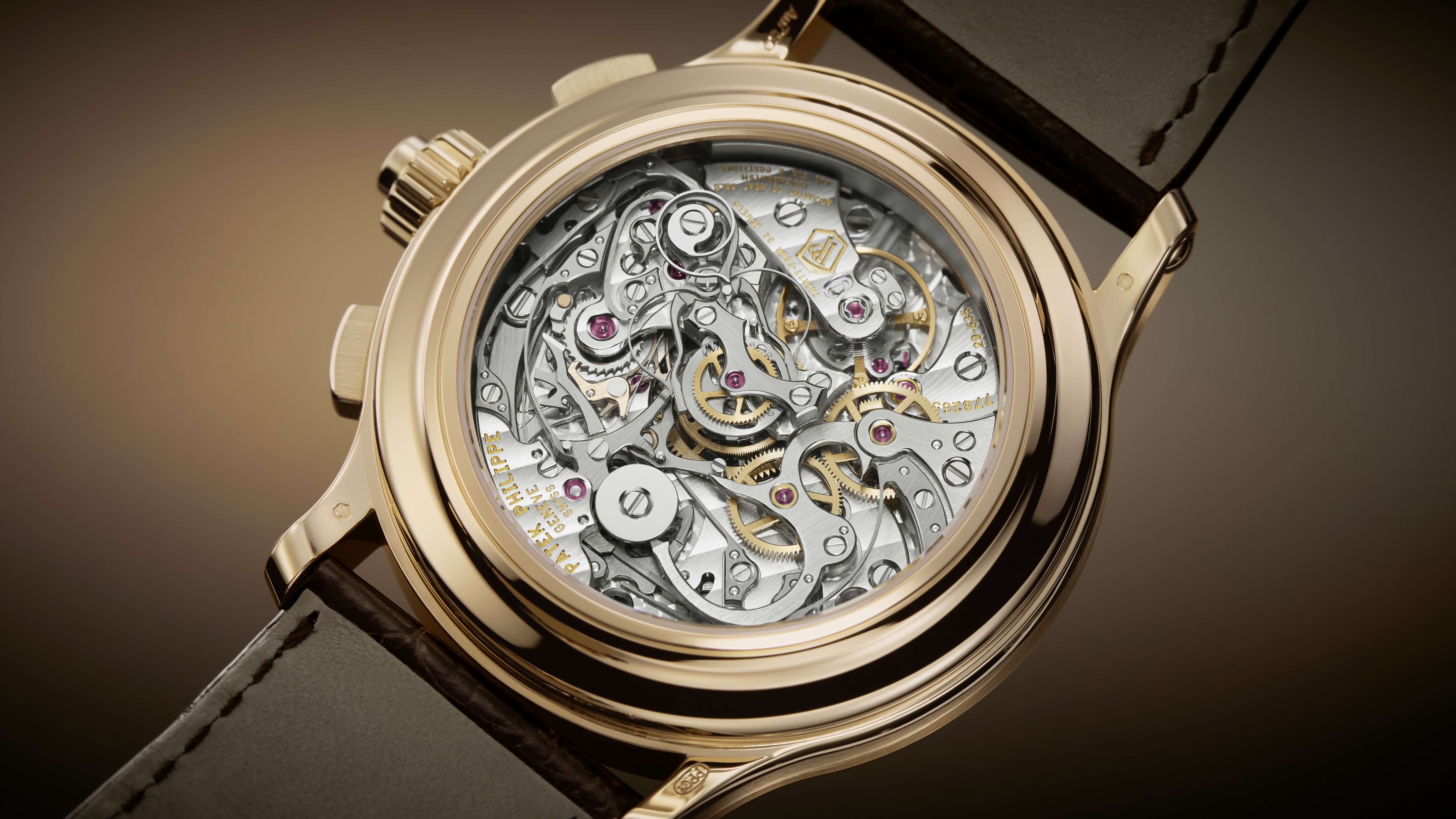
The real story, though, lies behind the sapphire caseback. Ref. 5370 houses the calibre CHR 29-535 PS, a split-seconds evolution of the base CH 29-535 PS. Here, the six base patents (see cover story) are joined by an additional set of refinements for the rattrapante function, drawn from Patek Philippe’s experience with the 5004 and formalised in the development of the 5204.


Patek Philippe Ref. 5370P


In everyday terms, the wearer experiences a chronograph whose split-seconds operation feels uncannily smooth. Start, stop, split, rejoin and reset all occur without visible stutter or hand quiver, and without the subtle drop in balance amplitude that keen observers sometimes see in earlier rattrapantes. The drive train, tooth profiles and isolator work together to ensure that the chronograph behaves like a single-hand system until the very moment a split is requested.


The 5370 therefore functions as a kind of open textbook on Patek Philippe’s split-seconds thinking. It shows what the manufacture considers essential in a rattrapante: twin column wheels, a horizontal clutch for classical feel, a carefully engineered isolator, optimised tooth geometry and a level of hand-finished steelwork that transforms clamps and levers into decorative objects in their own right. It is also the emotional anchor of the contemporary split-seconds story. Where the 5204 and 5308 integrate the rattrapante into larger mechanical ensembles, the 5370 gives it centre stage.

This story was first seen as part of the WOW #82 Festive 2025 Issue

For more on the latest in luxury watch reads, click here.


SHARE

Patek Philippe Ref. 5370P: The Anatomy of a Split-Seconds Chronograph Read More »

8 Coveted Luxury Sportscars of 2026

8 Coveted Luxury Sportscars of 2026

SHARE

The 2026 sports car lineup marks a historic turning point where traditional high-power engines meet a new era of electric performance.

By Alvinia Chu Jia Ying

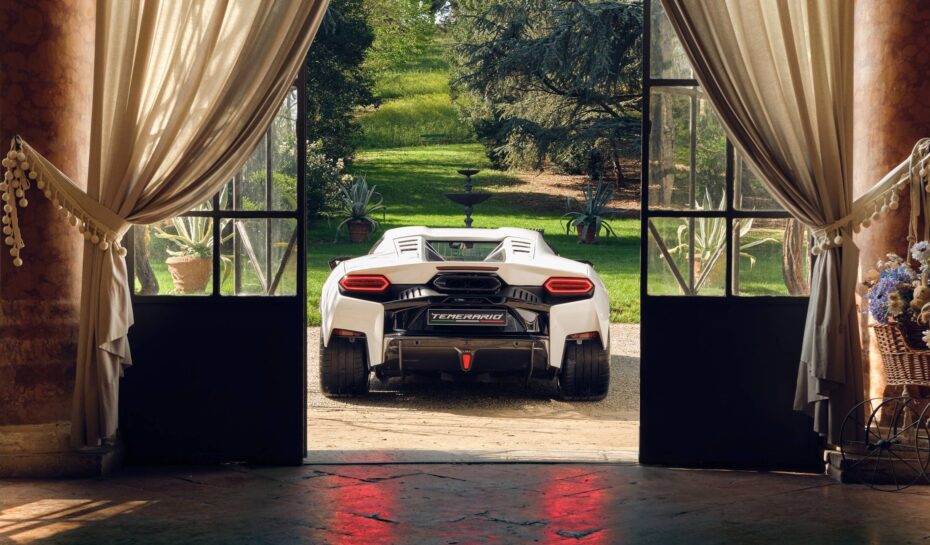
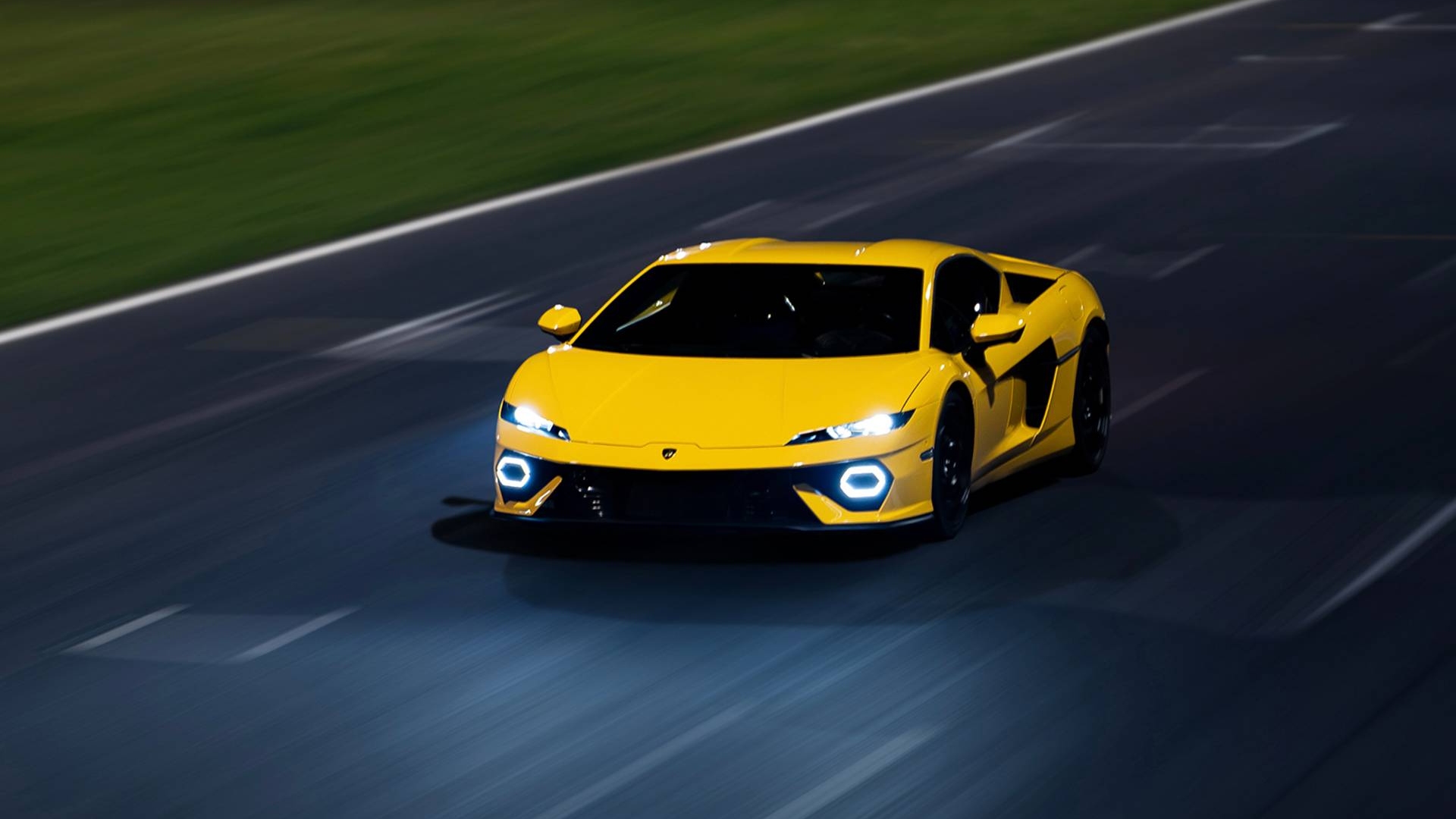
2026 Lamborghini Temerario

The luxury sportscar industry is undergoing its most significant transformation in decades. Long defined by decibels and the mechanical romance of naturally aspirated engines, the segment now stands at a crossroads shaped by electrification mandates, sustainability pressures and a new generation of high-net-worth buyers. Yet, rather than signalling the end of the super sportscar, this transition has ignited an arms race of innovation.


Hybridisation is no longer a compromise but a performance enhancer. Fully electric architectures are pushing horsepower figures into four-digit territory once reserved for hypercars. Lightweight materials, 800-volt electrical systems and torque-vectoring software are redefining what agility means at speed. At the same time, manufacturers are doubling down on craftsmanship and analogue tactility — aware that in a digitised era, desirability hinges on character as much as capability.


The result is a fascinating duality. Some marques are preserving the operatic drama of V8s and V12s for as long as regulations allow, positioning them as final chapters of an internal combustion golden age. Others are embracing electrification with unapologetic ambition, proving that silent propulsion can still be desirable. Across the board, the modern luxury sportscar must achieve three things simultaneously: extreme performance, technological intelligence and a clear sense of brand DNA.

From hybridised icons to all-electric flagships and the last of the naturally aspirated grand tourers, these are the machines defining the next era of high-performance luxury in 2026.


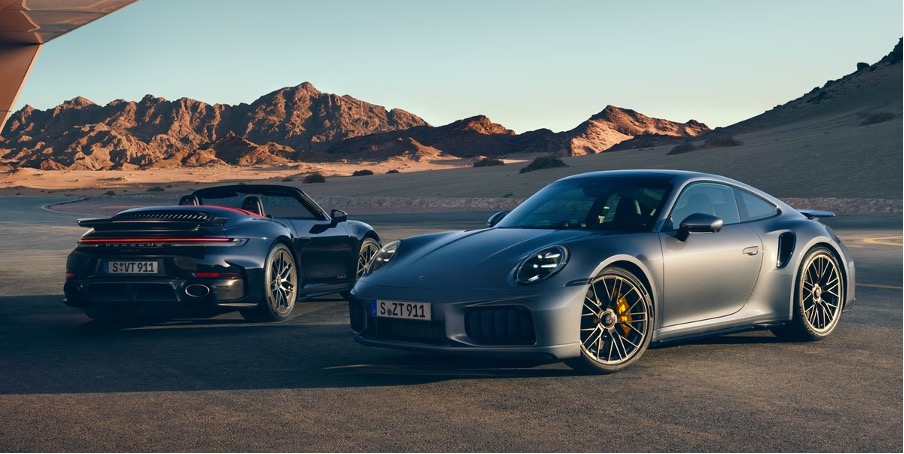
Porsche 911 Turbo S


While the 911 has long served as the North Star of the sports car world, the 2026 Turbo S marks a historic pivot for one of the most revered performance cars ever built. For the first time, the pinnacle of the 911 lineage embraces electrification through its innovative T-Hybrid drivetrain. By pairing a 3.6-litre twin-turbo flat-six with electric assistance, Porsche has birthed its most powerful production 911 yet — delivering a staggering 701 horsepower and up to 590 pound-feet of torque.


With a 0 to 60 miles per hour sprint achieved in just 2.4 seconds, this machine accelerates with a top speed nearing 200 miles per hour. Expected to arrive at U.S. Porsche Centers in Spring 2026, this new model offers a more agile, aerodynamically refined experience — featuring wider rear tyres and chassis technology for the driver who demands peak performance without losing the marque’s driver-focused DNA. Inside, the cockpit evolves with a fully digital instrument cluster — a first for the Turbo S, allowing for deeper integration of hybrid telemetry without losing the driver-centric ergonomics that define the brand.


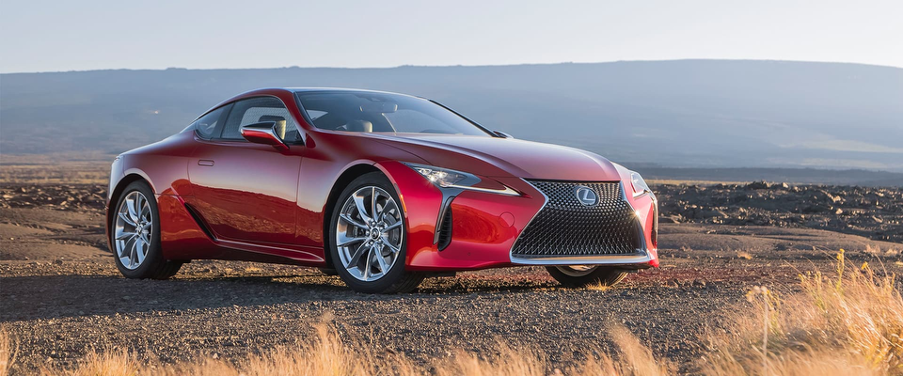
Lexus LC 500


As the automotive industry is increasingly dominated by the hushed efficiency of turbochargers and electric batteries, the Lexus LC 500 persists as a glorious, high-revving outlier. Its heart is a naturally aspirated 5.0-litre V8 engine — an engineering marvel that produces a formidable 471 horsepower. This is combined with an increasingly rare, rich emotive soundtrack — a symphony of internal combustion that is a luxury in itself. With 2026 widely expected to be its final year of production before Lexus pivots entirely from its large V8 architecture, the LC 500 offers a tangible final chapter of a specific automotive era.


Celebrated less for blistering lap times and more for its exceptional touring grace and arresting, dynamic styling, it provides a lavish sanctuary for the connoisseur who prioritises undeniable character and a true “grand touring” soul above all else. This opulence extends to the driver-centric cabin, a showcase of Takumi craftsmanship evident in details such as hand-stitched Alcantara door panels. The “Climate Concierge” system — which intuitively adjusts to the driver’s body temperature — ensures enduring comfort on any grand tour.

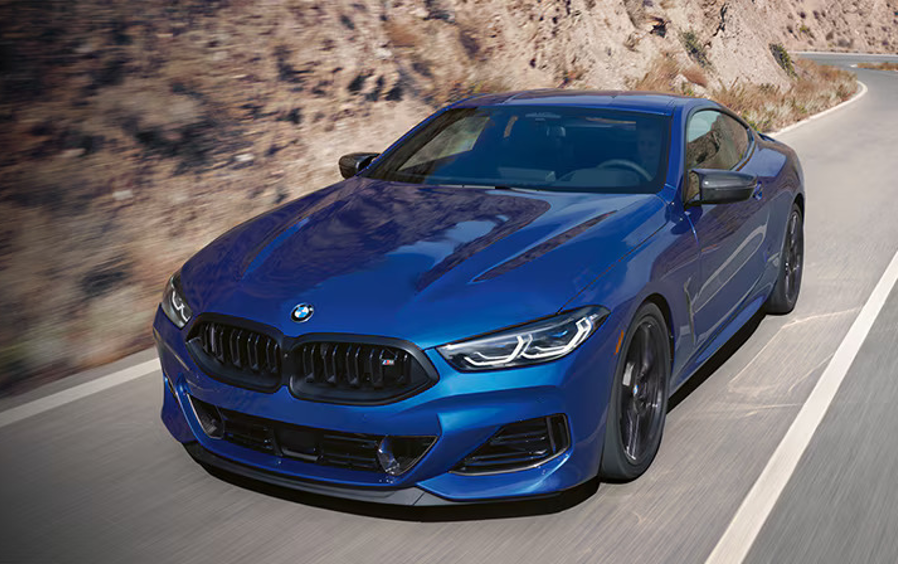
BMW M850i


The BMW M850i represents the ultimate evolution of the 8 Series: a masterful two-door grand tourer that refuses to compromise on either side of its dual personality of power and refinement. Beneath its sculpted hood lies a twin-turbo V8 that ensures this “potent athlete” remains a force of nature, capable of dispatching the 0 to 60 miles per hour sprint in a blistering 3.6 seconds. Yet, it is the sophisticated interplay of adaptive M suspension and advanced chassis dynamics that truly defines the experience, providing a “magic carpet” ride that balances high-speed stability with the serene comfort required for long-distance cruises.


It carries forward BMW’s signature blend of everyday usability and a sharp performance edge, making it the definitive choice for the automotive executive. For 2026, the cabin is further elevated by the introduction of the BMW Interaction Bar. This crystalline glass surface spans the dashboard, integrating touch-sensitive controls with dynamic ambient lighting to transform the interior into a high-tech business-class lounge. Here, BMW’s signature driver-centric ergonomics meet a new standard of digital integration.

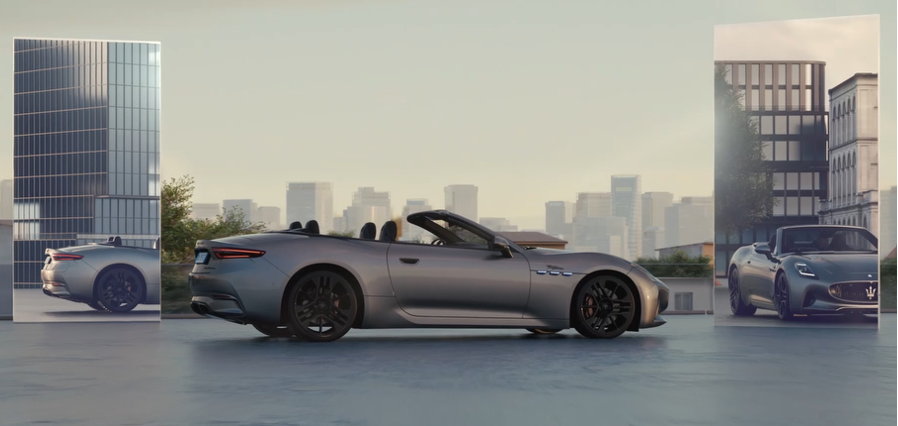
Maserati GranCabrio Folgore


Maserati’s first all-electric luxury convertible proves that “zero emissions” can coexist with “maximum soul”. As the first of its kind in the ultra-luxury EV convertible segment, the GranCabrio Folgore is propelled by a formidable tri-motor electric powertrain that unleashes a staggering 818 horsepower. This makes it one of the most exhilarating open-top experiences on the planet, capable of surging to 62 miles per hour in a mere 2.8 seconds.


By marrying quintessential Italian grand touring flair with a respectable WLTP range of 278 miles, the Trident has created a rare sanctuary of speed and serenity. As a true four-seat cabriolet, it allows the driver to trade mechanical roar for the rush of the wind and the uninterrupted sounds of the surrounding world — powered by cutting-edge 800V technology.


Inside, Maserati redefines modern opulence through a commitment to sustainable luxury. The cabin features Econyl — a regenerated nylon derived from recycled fishing nets — transformed into high-end upholstery that retains the exquisite tactile quality synonymous with the brand. It is a masterpiece of sustainable craftsmanship, designed for the connoisseur who demands peak performance with minimal environmental footprint.

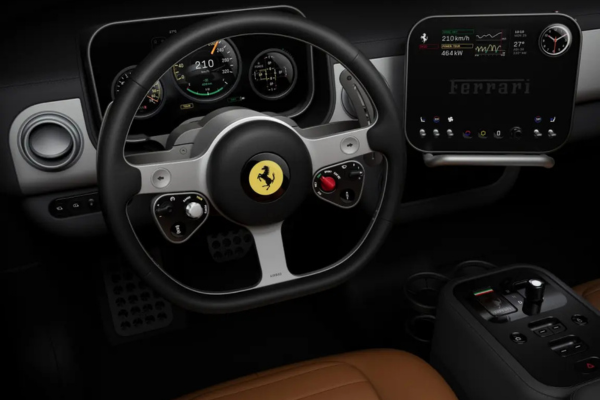
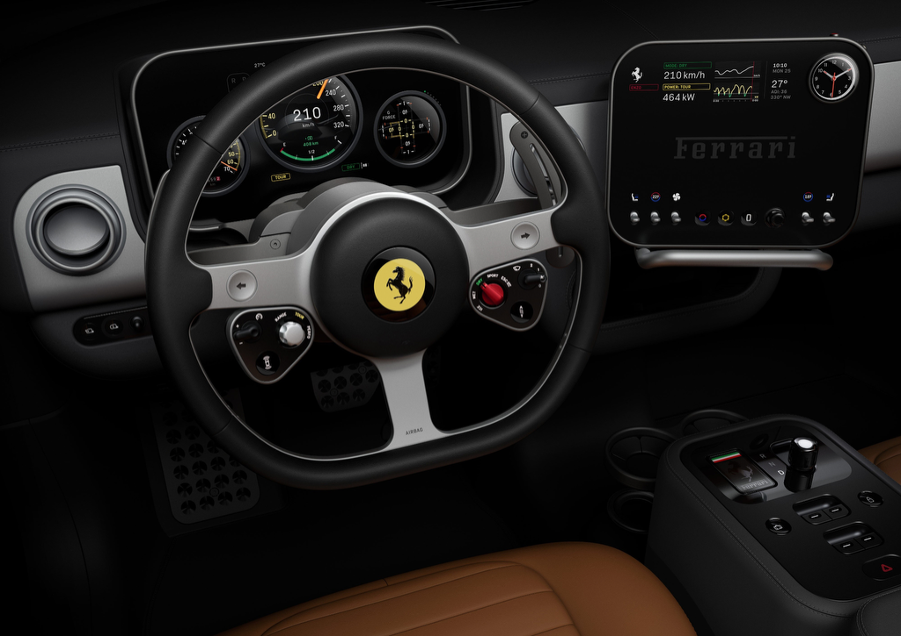
Ferrari Luce


October 2025 marked a watershed moment in the annals of Maranello: the announcement of the Ferrari Luce, the brand’s inaugural foray into the realm of pure-electric performance. Slated for a May 2026 launch, the Luce is a tour de force of future-forward engineering, wielding a stratospheric 1,100 horsepower and a massive 122-kilowatt-hour battery. The Ferrari Luce supercar showcases how Ferrari’s sporting pedigree can not only survive but thrive in a high-voltage era.


While the traditional V12 howl is replaced by a sophisticated electric hum, the Luce remains a “Prancing Horse” at its core. With a bespoke all-wheel-drive system and a chassis tuned for surgical agility, it translates the raw emotion of Italian racing into a silent, relentless surge of power. This is Maranello’s definitive answer to the electric revolution — a machine that ensures Ferrari remains the undisputed vanguard of automotive desire.


The interior is equally revolutionary, debuting a haptic-feedback glass cockpit. By eschewing traditional physical buttons for a seamless, intuitive interface that reacts to the driver’s presence, the Luce creates a near-telepathic bond between man and machine. In this “lavish digital sanctuary”, the future of the supercar has finally arrived.


Aston Martin Vanquish


The resurrected Aston Martin Vanquish honours its storied lineage with a bespoke, front mid-mounted 5.2-litre twin-turbo V12 — an engineering titan that arms the rear wheels with what can only be described as “merciless power”. This is the impregnable peak of British automotive craftsmanship — a flagship that graces the tarmac with unparalleled sophistication and a level of technology prowess previously unseen from Gaydon. Its commanding silhouette and the operatic V12 symphony serve as a poignant reminder that Aston Martin is able to deliver a car for those who demand the zenith of internal combustion, wrapped in a body of sculpted carbon fibre.


The interior is a masterpiece of artisanal detail, debuting an ultra-thin carbon fibre seat structure that balances weight-saving with exquisite comfort. Audiophiles are treated to a bespoke Bowers & Wilkins 1,600-watt surround sound system, specifically engineered to complement the acoustic profile of the V12, ensuring that every journey is a dual-layered sensory performance of music and mechanical roar.


Lamborghini Temerario


The successor to the legendary Huracán has arrived and it brings with it a thunderous new philosophy of “High Performance Electrified Vehicle” (HPEV) excellence. The Lamborghini Temerario introduces a radical twin-turbo V8 plug-in hybrid powertrain, delivering a combined output exceeding a stratospheric 900 horsepower. By pairing a high-revving, 10,000-revolutions-per-minute combustion engine with three electric motors, Lamborghini preserves its theatrical DNA while forging a path into a more potent, hybridised future.


Built upon an all-new aluminium spaceframe, the Temerario’s aggressive, aero-sculpted design signals a paradigm shift in the super sports car segment. It remains a visceral beast at heart, maintaining the brand’s signature “aggressive” driving aesthetic while offering a level of precision and torque-vectoring agility that was previously unattainable.


Inside, the “Feel Like a Pilot” philosophy is taken to the extreme. The cockpit is dominated by a new augmented reality head-up display that projects racing lines and real-time performance telemetry directly onto the windscreen. It is an immersive, jet-fighter experience designed for the track-focused driver who demands a seamless interface between man, machine and the tarmac.


McLaren W1


In the McLaren lexicon, the “1” designation is a hallowed title reserved exclusively for the ultimate expressions of the brand’s supercar philosophy. Following the legendary lineage of the F1 and P1™, the McLaren W1 arrives as a celebratory titan, marking the 50th anniversary of the marque’s first Formula 1 World Championship. It is the purest embodiment of McLaren’s “World Championship Mindset” — an uncompromising pursuit of the outer limits of automotive performance.


With its V8 hybrid powertrain delivering a monumental 1,258 horsepower, the W1 offers authentic mechanical theatre and a visceral, unadulterated connection between man and machine. It is the physical manifestation of McLaren’s obsession with driver-first engineering, translating epic power into a surgical, track-honed weapon that remains entirely road-legal.


The interior is a masterpiece of functional minimalism, featuring a fixed-seat design integrated directly into the carbon fibre Aerocell chassis. In a move mirrored by Formula 1 cockpits, the pedals and steering wheel move toward the driver, ensuring a perfect centre of gravity and ultimate racing posture. This is the zenith of the super sportscar.


For more motoring reads, click here.


SHARE

8 Coveted Luxury Sportscars of 2026 Read More »