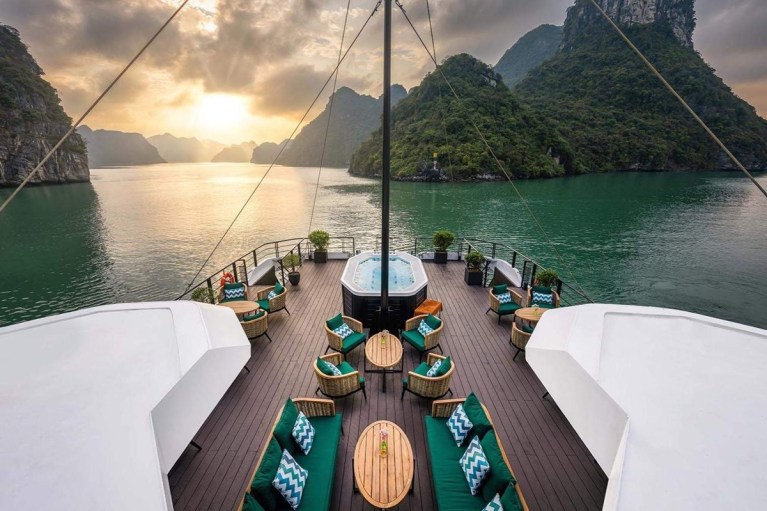
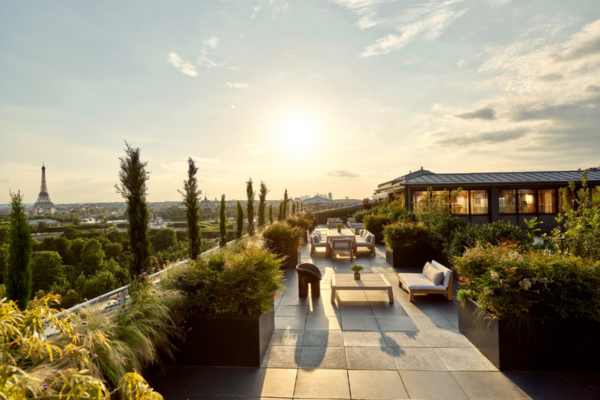
The Anandita: Lombok’s Most Desirable Beachfront Villa for Rent
SHARE
On the white sands of Sira Beach, the Anandita villa raises the bar for private island living with secluded grounds and endless comfort.
By Florence Sutton
Imagine waking up to the gentle sound of waves in your very own luxurious and private beachfront enclave, the kind of place where stars and CEOs recharge at. This oceanfront property isn’t just another island getaway, it’s a sanctuary of pampering and quiet yet refined luxury.
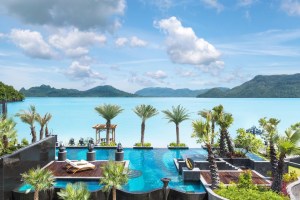
The five-star Anandita villa is set on the picturesque white sand Sira Beach, situated on the north coast of the Island of Lombok across from the Gili islands. What makes the Anandita villa truly extraordinary is its combination of private beachfront access, its attentive in-house staff including your very own private chef, and its luxurious amenities.
Enjoy unprecedented beach access and privacy at the Anandita Villa
Luxurious Accommodation & Facilities
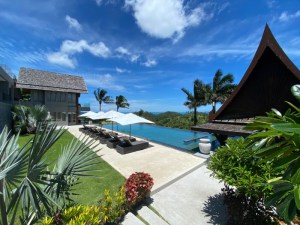
This vast luxurious property includes a fifteen-thousand-square-meter coconut grove garden with verdant lawns, and sits next door to Lombok’s Sire Beach Golf Club. At the Anandita, guests can unwind and enjoy the stunning twenty-five-meter free-form swimming pool and beautiful landscaped gardens that blend seamlessly into the powder-white beach.
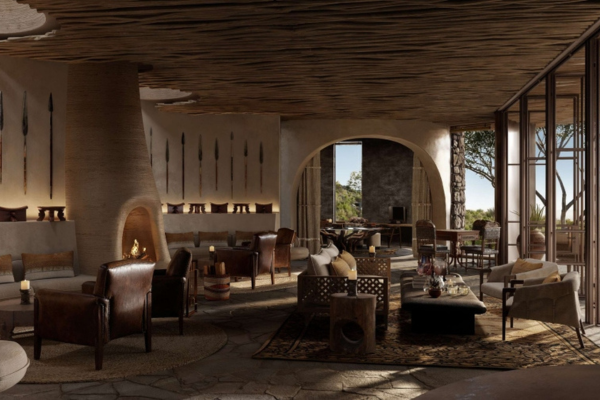
The Anandita boasts comfortable and generous living spaces, including a majestic living area pavilion with high vaulted ceilings as well as a stately dining pavilion with comfortable table seating for twelve guests.
Reconnect with nature on the expansive and manicured Villa grounds
With four large standalone bedrooms, all featuring their very own en-suite bathrooms, the villa is extremely spacious and ideally suited to accommodate large groups including families, while also providing all modern comforts and privacy.
Several features set the Anandita apart from and above most luxury villas on the market. In particular, the property includes its very own in-house spa pavilion where guests can unwind during their daily massages or yoga classes upon demand.
Guests also often have the beach almost entirely to themselves, creating a sense of exclusivity and tranquility.
The Anandita is a haven for entertaining and big groups and families
Exceptional Service and Dining
Exceptional service and world-class dining are synonymous with this one-of-a-kind villa. These attributes make the Anandita one of the best luxury beachfront villas in Lombok for rent.
The villa is fully staffed with an in-house chef, waiting staff, housekeepers, service staff, gardeners and security guards.
Dining is a highlight, as Anandita’s Chef and dining staff master both Western and Asian cuisines, often featuring fresh local produce and seafood, while also catering to the specific needs and requirements of each guest.
Experience world class dining experiences at the Anandita Villa
Alfresco dining by the beach or within the garden grounds of the property also makes for an unforgettable experience. The staff is frequently described as warm, attentive, and always ready to go above and beyond, whether organizing birthday celebrations, fireworks, or special dinners including with freshly caught lobster.
This dedication to details and personal touch of the staff ensures a comfortable and enjoyable stay for all ages.
The villa’s secluded yet accessible location, with direct flights from Bali, Singapore and Melbourne, makes the Anandita the perfect retreat for those looking for the ideal beachfront villa for rent in Indonesia. Upon request, helicopter transfers are also available for guests traveling to the villa from Bali.
Unlike most private villas, the Anandita has its very own private in-house spa
Activities and Experiences
Beyond the villa’s tranquil setting, guests can enjoy a world of adventure, including a wide array of water sports and cultural excursions.
The Anandita villa manager can arrange private speed boat charters for sunset cruises, or for guests to go diving with the giant sea turtles that inhabit Lombok’s most breathtaking dive spots around the Gili Islands and Sira Peninsula.
Guests can also use one of the villa’s many sea kayaks to explore the neighboring coastline or paddle out to the nearby reef with its own impressive coral and flora.
The villa also includes a volleyball court on the grass lawn and a pool table, while guests can also partake in a round of golf on the neighboring 18-hole course that sits just a few steps away from the villa grounds.
The more adventurous holidaymakers can also discover some of Lombok’s hidden gems including jungle treks to tucked-away waterfalls and even excursions to the famed Mount Rinjani volcano.
The Anandita villa is the ideal luxury holiday getaway in Lombok for families or groups of friends, with an abundance of space and activities to keep everyone entertained and pampered. To book your stay at the Anandita villa, head over to the villa’s official website or Instagram page.
For more on the latest luxury property reads, click here.
Four Seasons Hotel Bosphorus, Istanbul’s Best Address
SHARE
On the Bosphorus in Beşiktaş, Four Seasons Hotel, offers unmatched waterfront luxury steps from Istanbul’s major attractions.
By Lucas Raven
On the Edge of the Bosphorus, at the Heart of Istanbul
The Four Seasons Hotel Bosphorus occupies one of the most enviable positions in Istanbul—right along the European shore of the strait, where the city’s energy blends seamlessly with the calm of the water. Set in Beşiktaş, a historic neighborhood known for its culture, dining, and proximity to major landmarks, the hotel offers immediate access to the best of the city.
From here, it’s an easy walk to Dolmabahçe Palace, the refined shopping avenues of Nişantaşı, and the greenery of Yıldız Park. Ferries, taxis, and trams make navigating the city effortless, but the waterfront terrace has a way of convincing guests to linger longer than planned.
A Palace Restored to Modern Luxury
Housed in a meticulously restored 19th-century Ottoman palace, the hotel pairs imperial architecture with contemporary design. The interiors lean warm and elegant: soft off-whites, terracotta tones, patterned rugs, mahogany furniture, and subtle Ottoman references that never overpower.
Rooms and suites feel generous and serene, many with sweeping Bosphorus views that set the tone from the moment you wake. Bathrooms are spacious, marble-clad, and stocked with Diptyque amenities.
Outside, manicured gardens, a striking waterfront pool, and curated art and fashion displays create an atmosphere that is both refined and distinctly Istanbul.
Calm, Considered, and Complete
For travelers who spend much of their lives in transit, the hotel’s spa offers a welcome reset. The traditional hammam is beautifully executed, while massages—Swedish, Ayurvedic, or deep tissue—are delivered with consistency and precision. The MLX i3Dome infrared treatment adds a modern, performance-driven element for guests seeking recovery and wellbeing.
A sky-lit indoor pool, a well-equipped gym, and personal training sessions support both relaxation and routine. Whether you’re unwinding after a day in the city or recalibrating after long-haul travel, the wellness offering is impressively complete.
Refined, Fresh, and Thoughtfully Local
Breakfast sets a high standard, with traditional Turkish options—most notably the excellent çilbir—alongside continental and American classics.
Throughout the day, Yali Lounge serves Mediterranean dishes ranging from light, bright salads to comforting pastas and Turkish favorites.Aqua focuses on seafood and executes it with finesse: Mersin prawn tartare, delicate sea bass with razor clams, and a standout pistachio dessert that leans into local flavors.
For a more traditional experience, Ocakbaşi offers expertly grilled kebabs and meze. The bar’s cocktails, particularly the signature “Girl with the Pear Earring,” are well balanced and memorable.
Landmark Hotel With Lasting Appeal
As someone who travels frequently and stays in top-tier hotels around the world, what stands out here is the combination of setting, service, and sense of place. The property captures the essence of Istanbul—its history, its elegance, and its constant movement—while providing a calm, beautifully managed base. It’s a hotel that suits travelers seeking culture, comfort, or simply the rare pleasure of watching the Bosphorus drift by. A reliable, refined choice—and one that’s easy to return to again and again.
For more on the latest in lifestyle, culture and travel reads, click here.
The rise of wellness tourism signals a shift in both travel and gifting, as consumers increasingly seek restorative luxury experiences.
By Sanjeeva Suresh
As global wellness tourism surpasses SGD 1 trillion, mindful experiences have begun to reshape travel behaviour as both domestic and international travellers increasingly seek restorative experiences. Hotels, resorts and tourist destinations are responding with their own immersive offerings that see a combination of personalised services within unique environments alongside holistic spa rituals and nature-led adventures. From destination-based retreats to nature-led adventures and holistic spa rituals, these experiences transform gifts into lasting memories, offering a rare combination of indulgence and purpose. LUXUO explores how curated wellness experiences are displacing objects as the preferred form of gifting, redefining value as exclusivity over possession with four Singapore and four international wellness escapes.
Singapore-Based Wellness Experiences
New St. Gregory Wellness Centre
The newly refurbished St. Gregory offers a fully connected wellness floor combining spa therapies, fitness, hydrotherapy and mindfulness under one roof. Guests can explore everything from sound baths and Reiki to neuroscience-based sleep technology, all designed to enhance recovery and focus. Traditional Chinese and Indonesian therapies are also central to the programme, delivered by certified practitioners to ensure authenticity and efficacy.
The centre’s design furthers the sense of retreat, with earthy tones, natural textures, greenery and celestial-inspired lighting that create calm in the middle of the city. Facilities are flexible and versatile, from a gym with dedicated zones for strength, cardio and reformative training to an outdoor pool that doubles as a venue for yoga or intimate events. St. Gregory reflects a broader shift in luxury gifting. By offering curated experiences that combine science, tradition and sensory indulgence, it positions wellness as a meaningful and memorable gift, perfectly suited to today’s time-poor but experience-hungry luxury consumer.
The relaunch at PARKROYAL on Beach Road is part of PPHG’s broader Asset Enhancement Initiative (AEI). A key focus of the initiative is to rejuvenate its wellness offerings across all St. Gregory facilities. This includes curated partnerships with premium wellness brands like ELEMIS and Thalion, as well as a renewed commitment to staff training to ensure best-in-class service across the group. St. Gregory is the only one in Singapore that uses the Thalion brand, which is known for harnessing the therapeutic properties of the sea while making its products highly compatible with human skin, offering exceptional tolerability and bio-affinity.
Mandai Rainforest Resort by Banyan Tree
Marking the grand opening of Banyan Group’s 100th hotel worldwide — and its very first in Singapore — this milestone symbolises a triumphant homecoming to the Lion City. From 27 November to 3 December 2025, visitors can immerse themselves in restorative yoga sessions, sound healing, guided nature walks and family-friendly activities that connect body, mind and environment. The festival also features culinary masterclasses, including a limited-time Thai and Peranakan four-hands dining experience, turning gastronomy itself into a sensorial gift.
Beyond indulgence, the event embodies purpose-driven luxury: all proceeds from festival tickets will be matched by Banyan Tree and donated to the President’s Challenge, adding a philanthropic dimension to the experience. With guided wellness sessions and opportunities to engage with founders in dialogue sessions, the festival transforms traditional gifting into an offering of time, wellbeing and discovery, perfectly suited for the discerning luxury consumer.
RXV Wellness Village’s Eight New Integrative Programmes
RXV Wellness Village in Thailand is introducing eight new integrative wellness programmes from 1 November 2025 to 31 October 2026, designed to make holistic wellbeing accessible for all ages. Set across the 50-acre Suan Sampran Heritage estate along the Tha Chin River, the village combines modern diagnostics with traditional therapies to restore balance to body, mind and lifestyle. Guests can choose programmes tailored to their needs, from enhancing skin radiance and posture through treatments like INDIBA Face Lifting, Cryosauna, Hair and Scalp Massage and advanced facial therapies, to stress relief with private crystal sound healing, botanical aromatherapy, mindfulness Tai Chi, hyperbaric oxygen therapy and Thai eye remedies.
Detox-focused journeys incorporate belly and gut therapies, Thai botanical breathing remedies, mineral salt compresses, myofascial release and colon hydrotherapy, while mindfulness sessions offer guided mandala work, Ayurvedic massage, breathwork and sound healing to support emotional clarity. Physical Rebalance programmes combine Thai Warrior and Ayurvedic massages, postural analysis, metabolic booster IV therapy, regenerative exercise and active recovery techniques and fully personalised journeys are available with comprehensive health assessments and treatment credits to curate a bespoke experience.
Families can engage children aged six and above with playful wellness activities including crafting mandalas, kite painting, gentle yoga and brain activation exercises, while extended-stay Wellness Escape programmes allow travellers and digital nomads to immerse themselves over eight nights or more in the village’s therapies and riverside surroundings. All programmes include accommodation, full-board wellness meals, diagnostic consultations, personalised treatments, daily activities and hydrotherapy access, with pre-arrival plans tailored to each guest’s personal health goals.
Sentosa’s New Wellbeing Brand Campaign
Sentosa has launched a new brand direction — “Discover your element in ours” — to position the island as a sanctuary for wellbeing and reconnection through nature. Spanning 500 hectares and located just 15 minutes from Singapore’s city centre, the island invites guests to engage with its natural elements of sun, sand, sea, nature and biodiversity, offering opportunities for micro-restoration that support both physical and mental balance.
The campaign draws on neuroscience-backed research into the restorative effects of nature, encouraging visitors to ground themselves in sand, flow with water, energise under the sun and centre within the island’s greenery. Sentosa’s approach goes beyond conventional wellness tourism, focusing on everyday reconnection and emotional recalibration, while its updated brand film and sensory-led creative materials highlight moments of personal discovery and immersive experiences across the island. This positioning aligns with growing public interest in wellbeing and work-life balance, emphasising the importance of time spent outdoors and away from screens.
International Wellness Experiences:
Knai Bang Chatt by Kep West Launches Festive “Year End Escape”
Knai Bang Chatt by Kep West offers travellers a structured approach to wellness and coastal exploration over the transition from one year to the next. The Year End Escape begins with a nostalgic train journey from Phnom Penh to Kep, followed by three nights at the resort where guests can combine wellness, culinary experiences and coastal activities. The programme includes wellness sessions designed to support relaxation and recovery, rooftop cocktails, seafood dinners, private island excursions in partnership with Marine Conservation Cambodia and sunset cruises along the Kep shoreline.
Following this, the New Beginnings Art & Yoga Retreat offers a four-day programme focused on mindful renewal, blending daily yoga and somatic movement with meditation and art workshops. Guests also participate in a guided excursion to Koh Po, connecting creative practice with the natural environment. Together, the two experiences provide a comprehensive mix of physical activity, relaxation, cultural immersion and environmental engagement, allowing guests to enter the new year with both rest and focus. Knai Bang Chatt’s design and programming emphasise accessibility to the coast, thoughtful integration of wellness practices and connection to local culture, offering a purposeful approach to regenerative travel.
Park Hyatt Kuala Lumpur Elevates Wellness Above the Clouds
Perched on Level 99 above Kuala Lumpur, Park Hyatt’s integrated wellness sanctuary combines The Spa, Fitness Centre and Sky Infinity Pool to offer a complete approach to wellbeing. The spa features treatments designed around the body’s natural circadian rhythms, alongside signature experiences from Omorovicza and GROUND Wellbeing that integrate science-led skincare with purpose-driven rituals.
Central to the offering is Circadian Therapy — The Spa’s treatment sequence that uses natural light, temperature modulation and acupressure to support rest, energy and recovery. Complementing these therapies are the Sleep Ritual and Deep Rest Journey, aimed at long-haul travellers and city dwellers seeking measurable outcomes.
As part of Hyatt’s wider Asia Pacific Wellbeing Strategy, Park Hyatt Kuala Lumpur reflects the region’s commitment to elevating spa and fitness experiences through evidence-based programming, design innovation and measurable outcomes. The property introduces Park Hyatt’s next generation “Living Spa” philosophy, where treatments evolve with natural rhythms and wellbeing is seamlessly integrated across the hotel guest journey.
Spa Valmont Pour Le Meurice’s New Spa Experience
Spa Valmont Pour Le Meurice in Paris has launched a new wellness offering that pairs spa treatments with a Parisian afternoon tea experience. Guests begin in the spa’s wellness area with access to the sauna, hammam, and relaxation lounge, followed by a 60-minute massage tailored to their preference, whether relaxing, Swedish, deep tissue, or fully personalised. The experience then continues at Restaurant Le Dalí, where pastry chef Cedric Grolet presents a curated menu of finger sandwiches, delicate pastries and hot beverages.
Designed for two, the Cocooning Afternoon Tea combines restorative therapies with culinary refinement, offering a balanced interlude of relaxation and indulgence. The experience is available by reservation from 5 January 2026 and can be purchased as a gift card, which includes a complimentary candle with each purchase. By integrating signature spa rituals with an elegant afternoon tea, Spa Valmont Pour Le Meurice creates a layered experience that blends wellbeing, sensory pleasure and Parisian refinement, making it a thoughtful option for gifting or shared moments of restoration.
New Zealand’s Great Outdoors
New Zealand invites travellers to reconnect with nature and adventure through its expansive network of trails, cycling routes and running events. From gentle coastal walks and beginner-friendly cycling loops to multi-day hikes and technical trail races, the country offers experiences suited to all levels, whether families seeking leisurely activity, solo travellers, or seasoned athletes pursuing personal challenges. Across Aotearoa, more than 1,555 walking and hiking tracks, 11 Great Walks, and 23 Great Rides traverse coastlines, forests, alpine peaks, and volcanic valleys, offering a combination of natural beauty and cultural insight.
Active escapes in New Zealand include both organised events and self-paced adventures. The Hawke’s Bay Marathon in May 2026 guides runners through vineyards, orchards, and coastal paths, finishing at Elephant Hill Estate & Winery with a festival atmosphere. Race Tekapo in September offers alpine courses set against Lake Tekapo’s dramatic scenery and access to the International Dark Sky Reserve. In January 2027, the First Light Marathon in Tairāwhiti Gisborne allows participants to greet the sunrise along coastal routes rich with Māori heritage. Complementing these events, Great Walks, Great Rides, and hundreds of day hikes provide opportunities for independent exploration or guided experiences with cultural storytelling.
Beyond the trails, New Zealand offers restorative options to balance activity with relaxation. Visitors can soak in geothermal hot pools, stargaze under the Dark Sky Reserve, sample local cuisine, explore wineries, or engage with Māori cultural experiences. These elements allow travellers to recharge physically and mentally, making each journey an invigorating one.
For more on the latest in wellness and beauty reads, click here.
What A Day is Like in One of Thailand’s Grandest Luxury Villas
SHARE
Set on Phuket’s tranquil east coast, Villa Amaravida transforms each day into a curated journey of indulgence — from sunrise swims to rooftop sunsets.
By Florence Sutton
Situated on the serene and exclusive Cape Yamu estate in Phuket, Villa Amaravida is a masterpiece of modern tropical living, the kind of place that looks plucked from a dream. Overlooking Phuket’s stunning east coast with sweeping views across Phang Nga Bay, this eight-bedroom beachfront retreat combines eclectic design, expansive spaces, and some of the most comprehensive set of facilities found in any luxury rental villa on the island.
Villa Amaravida recently gained international attention when it appeared in HBO’s The White Lotus, yet its real-life allure far surpasses fiction. Here, a single day unfolds like a curated journey of indulgence that redefines what it means to live the luxury villa lifestyle.
The day kicks off with an al fresco breakfast at the poolside sala, where the panoramic view provides a serene backdrop. It’s the perfect spot to ease into the morning and set the tone for the day to come.
After breakfast, the morning unfolds at a leisurely pace with a fresh tropical drink by the pool, taking in the surrounding scenery.
The day moves into motion at the villa’s private gym, a space fully equipped for an energizing workout that brings a surge of vitality and happy endorphins.
For something livelier, the outdoor court comes alive with friendly matches of basketball and tennis. Playful competition set a vibrant rhythm to the morning.
Following the adrenaline rush, the infinity pool beckons. By late morning, a refreshing dip offers pure renewal, where the 38-m pool stretches out under the warm tropical sun.
At lunchtime, a luscious meal from the villa’s private chef awaits guests in the indoor dining room. With the breathtaking view of the sea as a backdrop, special moments are shared with loved ones at the table.
Later in the day, the entertainment area becomes the gathering place. The billiards and foosball table spark fun, laughter and friendly competition, creating more lively memories.
For the advanced golfers in the group, the indoor golf simulator offers a round of play on some of the world’s greatest courses without ever stepping outside.
When the time finally comes to embrace the outdoors in the early afternoon, kayaks await on the shore, ready for a leisurely exploration of the calm waters nearby.
Meanwhile, for those seeking serenity and relaxation, nothing beats a tranquil massage in the spa room with a professional therapist. The soothing spa treatments release tension in the muscles, preparing guests for more rest ahead.
To complete the relaxing rituals, a soak in the spa’s ensuite bathtub is in order, complete with herbs and flowers for much-needed aromatherapy. The uplifting scent combined with the warmth of the water creates the right atmosphere for quiet moments of solitude.
Sundown calls for a little get-together at the rooftop bar to enjoy the panoramic view of the bay. Lounge on the seats and watch the sun set over the horizon or take another relaxing dip in the whirlpool.
After a mouth-watering dinner courtesy of the private chef, it’s time for a nightcap to try out the selections from the well-stocked wine cellar.
And for those who are not ready to call it a night, there’s also a cinema room where they can binge-watch all their favorite movies and shows even past their bedtime.
There’s always time to go back to bed and catch up on sleep, no matter how late everyone stays up. Luckily, the villa’s bedrooms are inviting, spacious, and warm, with soft linens and fluffy pillows that are conducive for rest.
What makes each day-to-day experience special at a luxury villa like Villa Amaravida are the small details, each attended to by the villa’s own staff. Housekeepers are present to keep every room tidy, the private chef is always present to create nutritious meals, and the villa manager ensures that things are running smoothly day by day.
And perfect days in Phuket don’t always start and end at the villa alone. There’s a whole new world of natural and cultural wonders that’s waiting to be explored past the villa and estate gates, from majestic temples to island-hopping trips on chartered yachts.
Sounds like a dream? Yes, but it doesn’t mean it can’t come true. Villa Amaravida is part of the hand-picked roster of Phuket villas from The Luxury Signature, which specializes in full-service villa rentals. These villas are selected for their impeccable design and elevated standards of service with the aim to delight guests and create lasting memories.
With attentive service from a professional team and a seamless booking process, guests of The Luxury Signature’s villas in Phuket can rest assured that they can not only book the villa of their dreams but also have all their specific requests catered to before they leave for Thailand, from private transportation to a fully stocked wine cellar.
The Luxury Signature’s Guest Experience Services team can even help guests plan their best days during their stay in Phuket. These professionals can assist in planning complete itineraries for guests before they arrive in Thailand, whether it’s for day trips, special in-villa events, or that little something extra to make their villa stay complete.
Plan on having perfect days on your upcoming Phuket trip by booking Villa Amaravida with The Luxury Signature. Not only will you experience the allure of villa life every single day, but you will also create memories that will linger long after the end of your trip.
Beyond the Bottle: The New Rituals of Premium Spirits
SHARE
Today’s ritual of drinking has become a sensory awakening that elevates how consumers perceive (and consume) luxury spirits.
The act of appreciating luxury spirits has evolved beyond mere consumption into an intentional act of appreciation. Each gesture — from swirling the glass to inhaling the aroma and pausing before the first sip — forms a choreography that slows the pace and elevates the experience. Premium spirit brands are increasingly designing tastings as multisensory rituals, where provenance, pairing and technology converge to engage each of the senses. The ritual of drinking today is as much about storytelling and connection as it is about the liquid in the bottle itself. LUXUO explores how forward-thinking spirit brands are transforming the act of tasting into a multisensory ritual to expand the palate and deepen consumers’ understanding of flavour.
The Elemental Ritual
Every ritual begins with stillness. In the world of fine spirits, that moment is the first pour — the sound of the cork easing open, the first inhale, the weight of the glass in hand. These small gestures mark the transition from casual drinking to a deliberate act of appreciation. At The Macallan Estate in Speyside for instance, this initiation takes on a deeper dimension. Set across 485 acres of carefully preserved land, the distillery places terroir at the heart of its storytelling. Guests are invited to trace the origins of each whisky — from the River Spey’s mineral-rich water to the barley fields and oak casks that define its flavour. It is an experience that reintroduces time and place into the modern drinking ritual. By foregrounding scent, sound and texture before the first sip, The Macallan transforms anticipation into an integral part of the tasting experience.
What distinguishes The Macallan’s approach is how it reconnects whisky with its natural environment. The Macallan estate serves as part of the ritual itself. At The Macallan Estate, the tasting experience is designed to heighten awareness of the surroundings that shape each bottle. Guests are encouraged to move through the landscape before they taste — observing how light falls across Easter Elchies House, hearing the rush of the River Spey or catching the scent of pine and damp earth in the air. Inside the bar, the serve ritual incorporates ingredients drawn from the local environment, reinforcing the link between nature and craftsmanship. Each sense plays a role in preparing the palate, turning what might be a simple act of tasting into a sensory prelude and exploration of atmosphere.
Sipping Meets Sound
Multisensory tastings incorporate sound and light to heighten sensory experience. Modern tastings increasingly activate sound and space as much as they activate the palate. For example, Hennessy’s “Immersive Initiation” tour invites guests into its historic Cognac cellars for a full two‑hour experience that pairs a tasting of Hennessy V.S and V.S.O.P (neat, on the rocks and in a cocktail) with a virtual‑reality odyssey named MOBILIS.
Starting with a solar‑powered boat ride across the Charente River, the tour guides guests into the Pavillons Cellar, where hundreds of oak barrels line the walls and the lighting subtly shifts from natural daylight to internal low light — accentuating the texture of the casks and the chalk‑marked years of harvest. Within the VR portion — developed by artists Olivier Kuntzel & Florence Deygas — visual and auditory cues such as vibrating floors, simulated wind, shifting light and immersive soundscapes correspond precisely to the seven tasting notes of Hennessy X.O. By reframing the tasting as a choreography of environment, story and sense, Hennessy extends the ritual beyond glass and cognac — so the moment of first sip is only one part of a broader sensory architecture.
The Ritual of Pairing & Design-Driven Drinking
Pairing spirits with cigars, chocolate or curated accompaniments elevates the tasting by engaging more than just the palate. At LOUIS XIII, Cellar Master Baptiste Loiseau has developed food pairings that showcase how textures and flavours interact with the cognac. For example, beluga caviar on a mother-of-pearl spoon enhances the cognac’s complexity, allowing its delicate floral and fruity notes to come forward, while wafer-thin shavings of Bellota ham echo the smooth, rich texture of the spirit, creating a lasting sensory impression. LOUIS XIII also extends the ritual beyond taste, introducing porcelain tableware collections such as “Soil is Our Soul” and “Light of Time”, so that the act of serving and consuming becomes part of the sensory experience, merging visual, tactile and gustatory appreciation. The act of serving and handling the tableware engages the senses of sight and touch alongside taste, creating a full-bodied appreciation of the spirit.
Cigar pairings offer a similar depth, particularly with whisky. A lightly peated single malt can be paired with a mild Connecticut-wrapped cigar to complement the smoky undertones of the spirit while avoiding dominance over more delicate notes. The slow, deliberate process of lighting, drawing and tasting encourages the drinker to focus on subtle shifts in aroma, spice and oak influence. In both cases — food or cigars — pairing encourages guests to slow down and engage with the spirit in a structured, intentional manner.
The New Social Ritual
Appreciating premium spirits has evolved into a social ritual that blends discovery and human connection. Many brands now position their products as tools for creating memorable experiences. By crafting immersive tastings, pop-ups or curated pairings, brands invite consumers to actively participate in a ritual, making the act of drinking itself a story to remember. Modern alcohol experiences emphasise interaction, storytelling and Roku Gin’s “Live Your Peak” pop-up at AIR CCCC in Singapore offers a prime example of this. Over three days, the brand invited guests to explore its full range of gins alongside AIR CCCC’s ingredient-led culinary creations. The experience was designed around multiple sensory zones, from intimate dining and curated pairings to elevated casual serves — each carefully staged to enhance flavour perception and social engagement.
Visitors were guided through tasting sessions by Suntory’s Brand Ambassadors — rotating between light gin tastings, seasonal cocktails and pairing exercises — while also enjoying immersive elements such as light projections, curated music and a rooftop Fizz Bar. Guests could sip alongside friends, discuss flavour combinations and participate in a culturally rooted experience inspired by the Japanese principle of “Shun”, which celebrates ingredients at their seasonal peak. Beyond the cocktails themselves, the activation encouraged storytelling and memory-making. Attendees left with both tangible keepsakes — like complimentary mini bottles — and lasting impressions of shared discovery, reflecting how premium alcohol brands now frame “building memories” as a central element of marketing. Experiences like these extend the ritual of tasting beyond the palate, emphasising connection, participation and the narrative behind each spirit.
Time and Terroir
Exploring provenance — from water source to cask wood — deepens one’s connection to the spirit, turning the journey itself into part of the tasting ritual. At Glenfiddich in Speyside, visitors walk the same paths as the malt masters, from the Robbie Dhu Spring — the source of the water used in every drop — to stone warehouses cradling maturing casks. Guided tours highlight the craftsmanship behind hand-built copper stills, the scent of ageing oak and the influence of climate-controlled warehouses on flavour development, allowing guests to taste whisky in its natural ageing environment. Experiences range from introductory tastings to hands-on blending sessions and deep dives into rare expressions, giving consumers an intimate understanding of how time, place and technique shape every dram.
Similarly, Nikka Whisky’s distilleries in Japan offer tours that emphasise the surrounding environment as an active ingredient. At Miyagikyo, for instance, the cool mountain air, local water and humidity-controlled warehouses all interact with the casks to create Nikka’s signature flavour profiles. Guests are invited to explore the maturation process and taste spirits directly from the warehouses, highlighting the impact of terroir on the final product.
The principle extends to rum as well. Zacapa’s “House Above the Clouds” in Guatemala matures barrels 2,300 meters above sea level, where the cool, moist climate and the Solera system allow casks to exchange aromas and flavours. The journey from lowland distillation to high-altitude ageing demonstrates how environmental factors — temperature, humidity and altitude — are deliberately harnessed to develop Zacapa’s signature body, aroma and depth. In each case, the ritual of tasting becomes inseparable from understanding the spirit’s origin. Observing the interaction between water, wood, climate and craftsmanship transforms consumption into a sensory education, connecting flavour directly to place and time.
The Digital Ritual
Technology is rewriting the art of tasting, transforming it from a purely sensory ritual into an interactive, personalised experience. Augmented reality labels, AI-driven flavour recommendations and virtual tastings now allow drinkers to explore aroma profiles, experiment with blends and engage with a spirit’s story in ways previously reserved for distillers. In 2025, Diageo’s “What’s Your Whisky?” platform leverages AI to analyse individual taste preferences, matching users with single malts that reflect their unique palate. Suntory has taken a similar approach with AI-guided recommendations, enabling consumers to design custom blends that mirror their mood or personality, turning personal data into a sensory journey.
Beyond digital tools, brands are experimenting with immersive environments: Glenlivet offers virtual distillery tours where users navigate production spaces and ageing warehouses from home, while Jack Daniel’s connected bottles overlay AR content that reveals the spirit’s heritage and craftsmanship. These innovations illustrate a broader shift in that tasting is about communicating the story, environment and interactivity surrounding it — a modern ritual shaped by technology as much as tradition.
For more on the latest in alcohol and luxury spirits stories, click here.
A. Lange & Söhne’s Tino Bobe on Keeping Time with Tradition
SHARE
A. Lange & Söhne Production Director Tino Bobe delves into the novelties of the year and the particularities of watchmaking at the German brand.
By Ashok Soman
A. Lange & Söhne Production Director Tino Bobe
Before we get down to business at A. Lange & Söhne at Watches and Wonders Geneva, we always confront the serious question of beer… You see, the Glashütte watchmaker is rather famous for its amber goodness, which is only available at the booth and nowhere else within the Palexpo. Simultaneously, our particular story with regards to the brand has had something to do with a pint (or so) for years now, mostly because I keep doing the interviews and presentations and I have never managed to grab that drink with Production Director Tino Bobe.
This year, I finally had the occasion to hang about the A. Lange & Söhne booth at length since I was also heading to the ‘friends of the brand’ dinner. No celebrities at this one (sort of), just collectors, pundits and writers – all I can say about this wonderful gathering this year is that my contribution had something to with a discussion on Juliette Lewis (with regards to Kalifornia and the Amazon Prime TV series Yellowjackets) and Charles Bronson. Yes, watch nerds are capable of talking about normal (sort of) subjects.
Make no mistake though, Tino Bobe is the ultimate in watch nerdery, which I cannot believe is a real word but there it is. Of course, being a watch nerd is a compliment in our books, and this book in particular. In case you missed his backstory, Bobe has clocked more than 20 years at A. Lange & Söhne (it will be 30 years in 2029) and once described how the various departments at the firm work with each in ping pong terms – people at the manufacture have to bounce things off each other.
“I joke that I have an A. Lange & Söhne barcode on my body <gesturing to his heart>,” Bobe told us in 2021. “I’m really proud to be part of this team, and to be part of the success we have here, in making really beautiful watches.”
It is also worth remembering that Bobe is that rarest of breeds, a Glashütte native who happens to be a watchmaker at a company that established the fortunes of the hamlet. Besides his undeniable authenticity and technical chops, he also has a sense of humour, which he sometimes demonstrates in unusual ways. For example, in discussing the new Minute Repeater Perpetual, he cites a couple of repeaters that A. Lange & Söhne has made but left out the Grand Complication. Well, we caught it anyway, Tino, if you are reading this.
I will admit that A. Lange & Söhne and Bobe have still caught us coming up short because I failed to write down the name of the beer served at the booth. With that technical writing flourish out of the way, read on to discover some surprising facts about the novelties from A. Lange & Söhne this year.
The Minute Repeater Perpetual
We have to begin with the Minute Repeater Perpetual and the calibre name, L122.2, which puts many, including us, in mind of the L122.1 in the Richard Lange Minute Repeater. Is this a continuing story from that?
In terms of knowledge, it’s a continuing story because you get your knowledge by doing things… we had a Zeitwerk Minute Repeater that we learned from; we also had a Richard Lange Minute Repeater; and now the next one (is the Minute Repeater Perpetual). This watch is now a combination with the perpetual calendar (function) and yet we wanted to have this really elegant size with only 12.1mm thickness and 45mm diameter. So, we really had to pack all the components – it is not just a modification of an existing movement or just to add (a perpetual calendar module to an existing movement).
We had to build it up because it’s 640 movement components – so (to give you some idea by way of comparison) the Odysseus Datomatic is 11.1mm thick with a 40.5mm diameter with only 312 movement components. So, this means that in one millimetre more (for the case of the Minute Repeater Perpetual), you have more than double the number of components. So yes, we base all the knowledge we have for this new watch from both the watches on the perpetual calendar side and the minute repeater side; in this sense, it’s a continuing (story), but movement-wise, it’s completely new. (To your point), the perpetual calendar is integrated because we had to do it this way since it would be too thick as a module. So, it is now the perfect size.
We always try to add little things, and those who know us know that the perpetual calendar indication is clear – in this case, it’s the outsized date. Then you have the push piece, the recessed push piece, to advance all the indications by one day forward, if the client has left it in the safe and the watch has stopped. It’s very convenient and useful for the client. The same for the minute repeater, which is not only a classical minute repeater, which it is in the sense that it chimes the hours, quarters and minutes. But, if there are no quarters, there is this pulse elimination system, which is very useful. The client doesn’t have to wait and wonder if the watch is broken! There is no waiting time (repeating mechanisms often have a gap if the first quarter has not yet passed, meaning the movement skips the chime; the Minute Repeater Perpetual does away with this).
Security-wise, we thought that it would be good to protect the repeater! That is why the watch has two bars of water-resistance and the security mechanism – you can’t pull out the crown and set the watch if the repeater is activated and, vice versa, if the crown is out, you can’t activate it. Basically, the watch is not just a normal combination of a minute repeater and perpetual calendar (as if such a thing would be normal in any case).
On that note, we do know of collectors who bring their perpetual calendars back to the boutique to have it set there, mainly because of the safety issue. People might be afraid that something will go wrong, basically if you adjust the date indication too far or something. In extreme situations, you might need a watchmaker to intervene-
That’s terrible! And that’s why you have the possibility to adjust each indication (on the perpetual calendar) separately or everything together. Both possibilities are open (To be clear, the Minute Repeater Perpetual still only adjusts forward so the usual cautionary practices should be followed here).
Do you think that’s a practical perspective for people who use it? How do you tell people that it’s really safe for them to adjust, or use, in the case of the minute repeater function?
If the client gets the watch, he also receives a really qualified explanation of the watch. Right down to how to set it, and so on. I think it’s the best way, even though we provide short videos from our academy where you can find all the information (about any relevant watch or function). But I think the best way is to get this information in person, with the watch. This way, if the client has a question, you can give the answer. It’s the best way to interact, in the very moment where you, as a client, get your watch.
“It’s never mass production at A. Lange & Söhne. The watches have become more complicated so our quantity goes down a bit because we need more production hours”
Tell us about the sound of the Minute Repeater Perpetual – how do you get the right balance for it?
So, it was never the case (in development where we said) let’s do it as loud as we can. It’s always the quality of the sound. It’s exactly how colourful the sound is and how clear it is. And this is why we even developed this hammer blocking system (unique to the Minute Repeater Perpetual). I think it’s a very intelligent way to bring the hammer back and to hold it there (at the end of each hammer’s strike sequence). As a result, you don’t have a second or third touch (or ricochet between hammers and gongs). The sound is much clearer and even a little bit louder because you don’t lose energy from the gongs. You get both advantages, which we can attest to, based on hearing the repeater in action a couple of times.
(Returning to the development process), when we started with the acoustical time indication, we even developed acoustical test equipment. An external institute and two universities helped to measure frequencies (of sound waves). In this way, you can find a range of frequencies and measure multiple frequencies, which gives colour to the sound. If you have just one frequency, it is not a colourful sound. In the end, it is still the ear of the watchmaker making decisions but he gets helped by this measuring (apparatus).
And it gets complicated because we can’t dictate how different materials are influencing the sound – the honey gold of the Zeitwerk Minute Repeater produces warmer tones than the platinum of this new watch. Each calibre also has its own specificities because of how the gongs are attached to the movement or the case, and the volume of air in the case…then there is the order and the speed of the strikes besides. There are many factors to have under control to deliver acoustic beauty; the watchmaker tries to bring it together and finishes his work when he is convinced that the sound is now colourful and clear (or as far as he can make it considering the materials he is working with).
Odysseus in honey gold with bracelet
Of course, it is not only about this one watch so we should talk a little about the Odysseus in honey gold. Solid as it is, it makes me wonder if you considered how people would feel about this watch, and how they would feel it?
I think, as human beings, we are all different; I can imagine even in the development team there are different feelings (about this and other watches that we worked on). But it’s clear here (with the Odysseus) that feeling includes the haptic, especially when you consider the bracelet too. If you take it in your hands (or hand when you wear it), we wanted to give this feeling that ‘oh yes, this is valuable.’ So, there is no merit in having the lightest case…if maybe (the client) does not get the impression that it is valuable, or has value. It has impact if someone picks it up and says ‘wow!’ In fact, that is what happened in one of the presentations (at WWG), where I unveiled the new watches and this lady said (of the Odysseus) that this is exactly what you want to have (A. Lange & Söhne makes it a habit to have the new watches arrive covered with a cloth; the senior management then pulls away the cloth with a bit of practiced flourish and watches your reactions. So, you are inspecting the watches and the watchmakers are inspecting you).
It was, for us, a little bit logical (to use honey gold for a sports watch, and introduce the honey gold bracelet for it) because it is twice as hard as normal gold. If I want to have a gold version of a sporty watch, it’s better to have the harder one to be more scratch-resistant, and (all the other virtues that hardness affords). The second point was that the honey gold fits perfectly with different skin colours (and seasons too). If I’m wearing it in the summer, and I’m wearing it outside in sunlight, it looks (more) brown. In the winter, it looks more white. So, it’s always perfect, I think, and that is not the case with every kind of gold.
Well, there is a hunger amongst collectors to see more honey gold pieces…
It’s so difficult, even with the processing of the alloy (before any machining happens, and the machining is pretty tough) and the heat treatment – we even had to reject some batches of the material. That’s why we stay with limited editions for (watches in honey gold). At the moment, there’s no way to do it for a watch in the normal collection.
Of course, this reminds me of the situation with the Odysseus Chronograph…
It’s never mass production at A. Lange & Söhne. You know, the (entire assortment) becomes more and more complicated. At the moment, even the quantity goes down a little bit as a result; this year, no more than 5,000, and maybe (only around) 4,800. This is because you need the production hours for more complicated watches.
For example, now we are training the second watchmaker who will work on the Minute Repeater Perpetual. There is a third one but he is working on the Richard Lange Minute Repeater, still, while also doing servicing for the Zeitwerk Minute Repeater. So, we are training people but it takes time. Hopefully, the 50 Minute Repeater Perpetual watches will be produced in three or four years…if everything goes well. It’s not fair to have the client wait five to eight years for that watch.
This story was first seen as part of the WOW Legacy 2025 Issue
For more on the latest in luxury watch reads, click here.
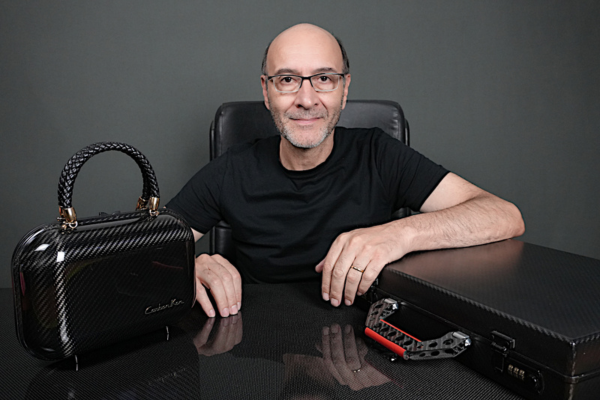
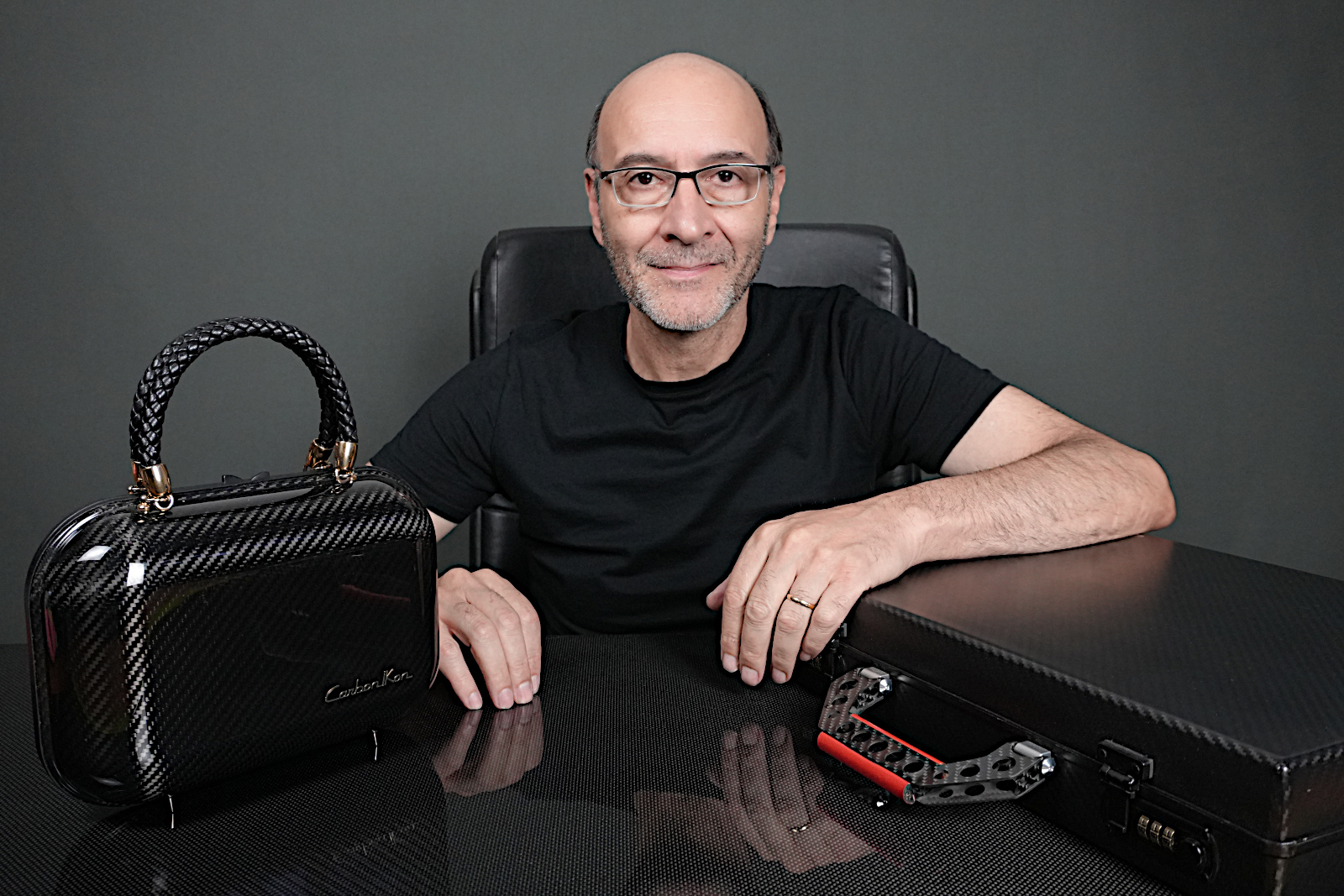
Carbonikon and The Art of Luxury Innovation in Carbon
SHARE
Born from aeronautical expertise, Carbonikon brings carbon fibre engineering into the luxury accessories market with products defined by lightness and long-term value.
By Florence Sutton
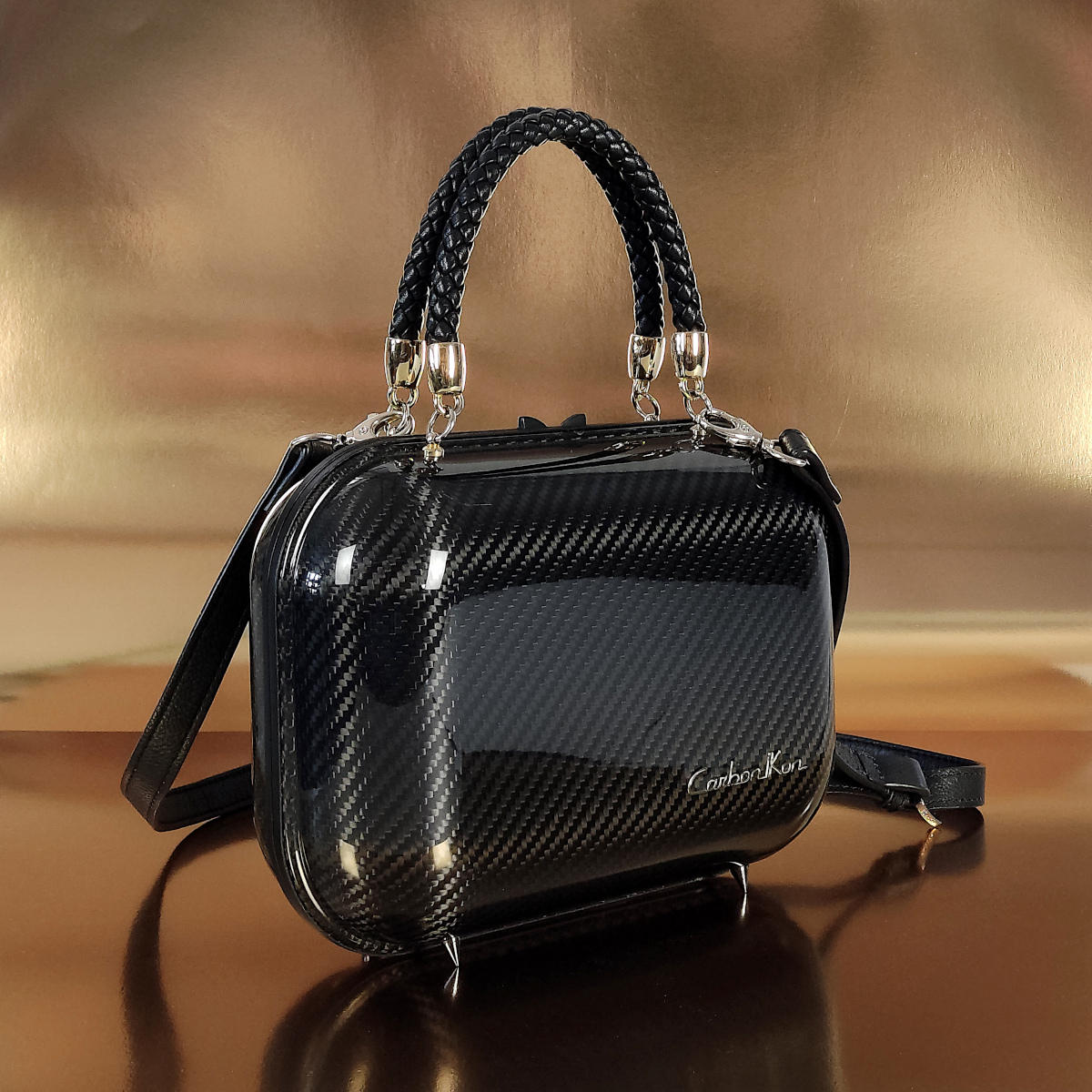
Founded in Rome, Carbonikon operates at the intersection of design and material science, applying aerospace-grade carbon fibre engineering to the luxury accessories market. The company’s roots in aeronautical manufacturing inform its commitment to structural performance, product longevity and lightweight design. Rather than rely on aesthetics alone, Carbonikon’s handbags and briefcases are positioned as long-term assets that combine industrial-grade precision with practical utility. By focusing on resilience and efficiency over seasonal trends, the brand challenges traditional notions of luxury and offers a performance-driven alternative for discerning consumers. With growing interest in high-performance materials within the luxury segment, Carbonikon’s approach aligns innovation with sustainability and measurable value.
Many of Carbonikon’s products have registered copyrighted designs. The company’s mission is to offer objects that reflect the feeling and passion for their work. “Our creations are part of us and our family who actively participate in their conception and creation,” says Fabio Manieri, Company Owner of Aviacompositi – Carbonikon. LUXUO speaks to Manieri on how the brand is translating aeronautical innovation into the language of luxury.
Your bags made of carbon are truly unique! Tell us about your passion for carbon, which is usually a material associated with the aerospace and automotive sectors?
My passion for carbon fibre stems from my passion for aeroplanes and their technologies. Having grown up in Ciampino, where Rome’s second airport is located, it’s easy to imagine why. My passion for aeroplanes and all the technologies applied to them dates back to when I was very young. I started building model aeroplanes at the age of five, and as I grew up I built all kinds of them. My passion for aeroplanes led me to attend the G. Galilei aeronautical construction school in Rome. In 1985, studying in even greater depth, I decided to build my own two-seater ultralight aircraft. I designed the aerodynamics and the structure and built it over three years of intense work. After many tests, I took it for a flight in 1988. I had realised my dream! I later took my wife, my father and many friends up for flights. It’s incredible to think that I built it in the family Woodshop, which was located on ‘Wright brothers’ street! It seemed like a sign of destiny…
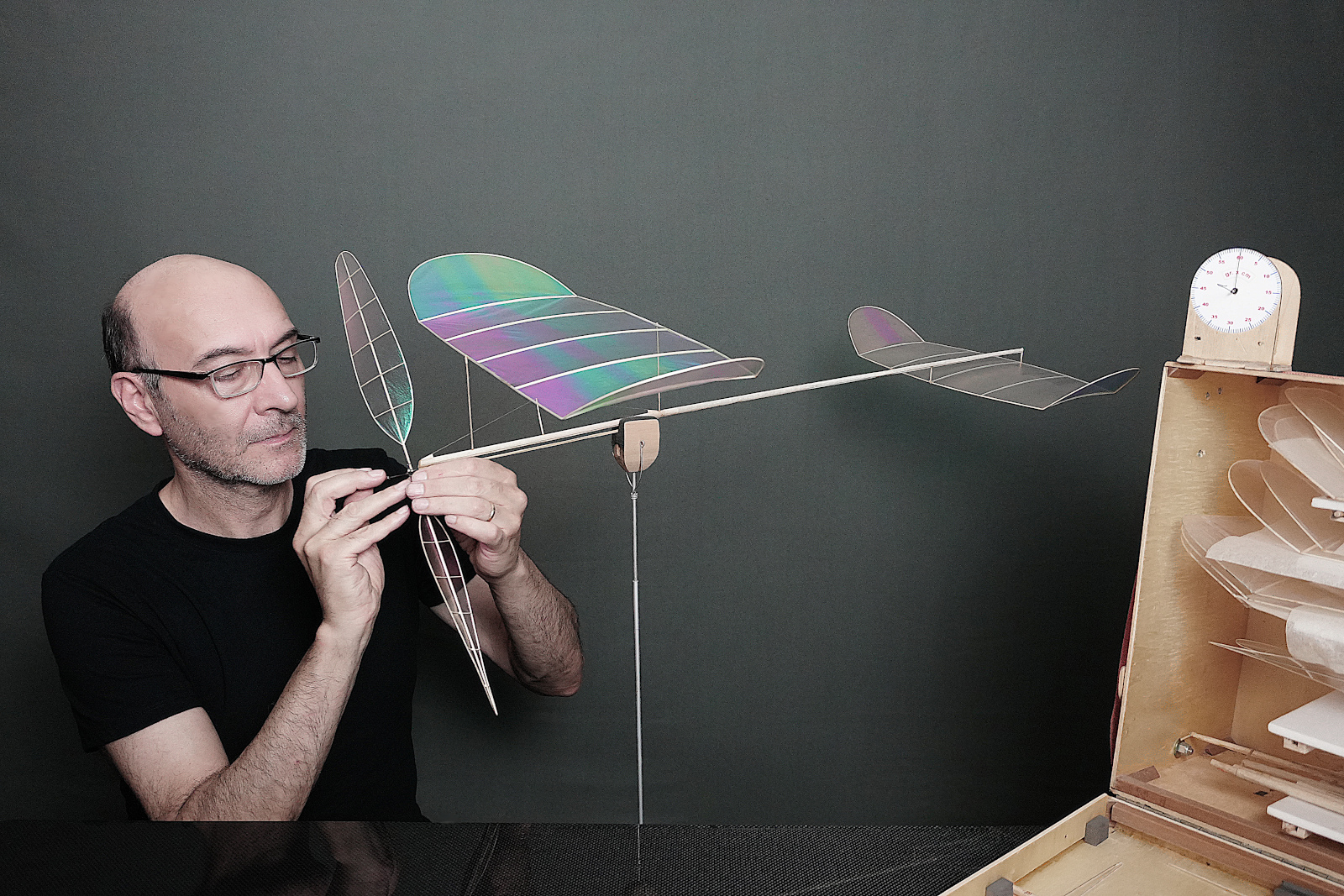
Many years later, from 2001 to 2018, I resumed my old passion for model aeroplanes, winning 18 consecutive Italian championships in the “FAI” (Fédération Aéronautique Internationale) F1D and F1M categories, Ministick and TH are endurance model aeroplanes weighing between 0.49 grams and 3 grams (this is not a mistake; they really weigh between 0.49 and 3 grams depending on the category). They fly on their own without radio control and with a rubber band motor. They are extreme in their construction and aerodynamics, and even have an automatic variable pitch propeller, built as if it were part of a watch! If well built and set up, F1Ds, which represent the top of the category, can fly for almost half an hour in a single flight. They are extremely efficient and represent the essence of flight physics. This is an ancient category of model aeroplanes that embodies all the modern concepts of lightness and energy saving, which are the same reasons why carbon fibre is used today.
Returning to carbon fibre, from 1988 to 1992 my passion led me to work at Agusta helicopter company in the composite materials plant, where I was employed in the experimental composite materials department and in the industrial engineering office, thus increasing my specialisation in these materials that I already knew. During those years, carbon fibre began to be used in other sectors as well, and I constantly followed its development. In fact, around 1992, after leaving Agusta, I began to manufacture model aircraft parts and motorcycle parts in carbon fibre. In 1998, I founded Aviacompositi, which for 27 years has been producing many carbon fibre parts for the automotive sector as well as for many research and development sectors.
One of the most important and unusual projects I have personally undertaken was the design and construction of the carbon fibre support for the statue of Apollo Belvedere for the Vatican Museums. It was a very challenging project that took me over eight months to design and build. The Apollo, a statue created around 150 AD by the Romans, is a landmark and icon of classical sculpture. It was once again shown to the world last October after five years of restoration. The video of the restoration, which also shows me installing the carbon support, can be viewed on YouTube.
Tell us about the unique properties of carbon?
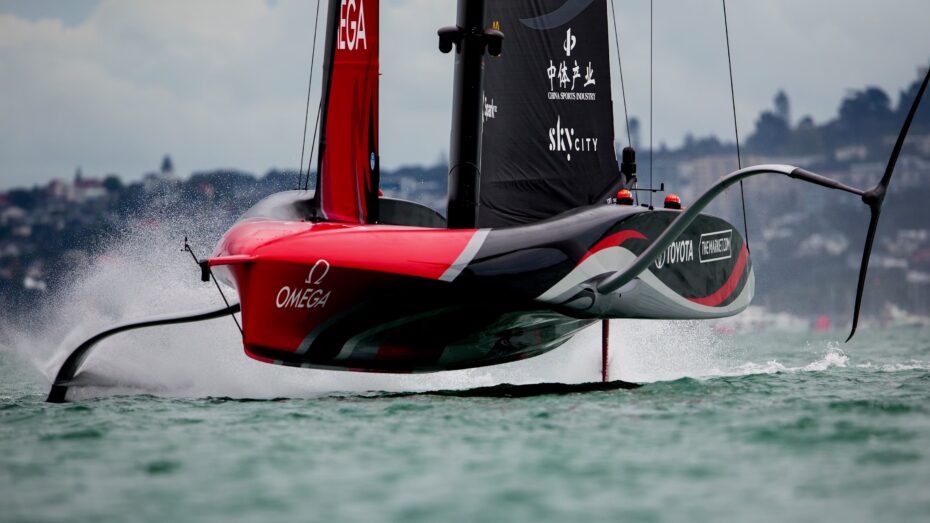
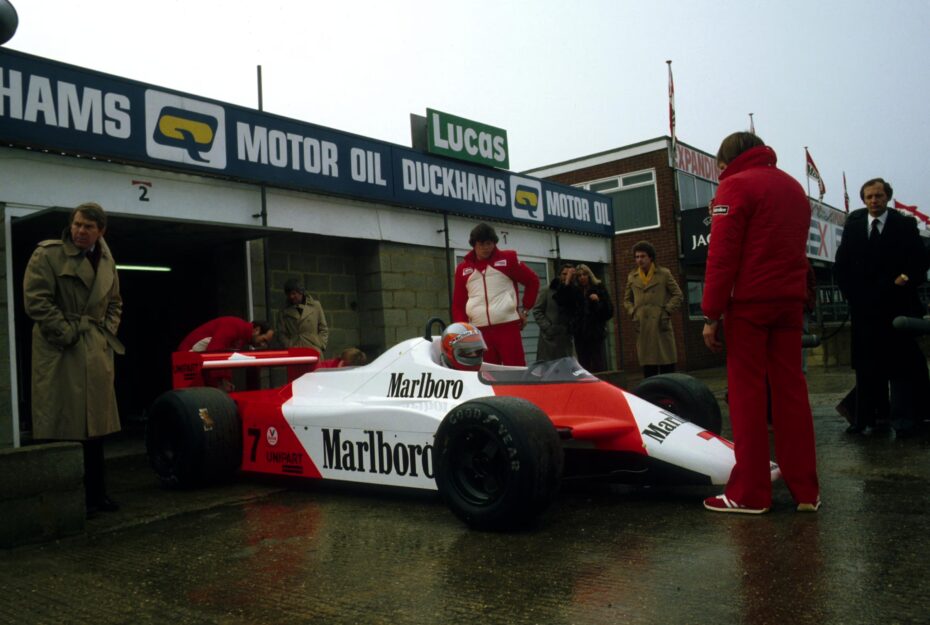
The main properties of carbon fibre are its high mechanical strength and stiffness, compared to its low weight, which, when properly exploited, offer great advantages. Its low weight allows for significant energy savings. For example, in transport, many commercial aircraft make extensive use of carbon fibre. Being lighter, they consume less fuel, resulting in lower costs and less impact on pollution. As a general concept of high performance and maximum efficiency, just think of Formula 1 cars or America’s Cup boats.
You stated that the Carbonikon bags you have created are not just accessories, but style statements that reflect the harmony between form and function. Can you elaborate there?
Carbonikon bags and accessories are not just beautiful objects in themselves. When I design them, I don’t just think about their form, but also their practical everyday use. I believe they should bring satisfaction and lighten our days, not only by being beautiful objects to look at, giving us that feeling of enchantment we get when we look at a work of art, but also by having a practical use. For me, this is the concept of perfect balance between aesthetic form and functionality.
Why is the lightness of carbon a key element of differentiation for your bags?
It is the same concept of energy efficiency expressed above: lightness reduces energy consumption for us too, as we tire less easily. It is better to have a lightweight container which, when added to the load to be carried, has the lowest possible weight. For example, our empty briefcase weighs about 1 kg (2.20 lbs) less than a standard one, which means that when full, it will weigh on average the same as or less than a normal empty briefcase. The same concept is applied to the women’s handbag that weights only 380 grams (0.84 lb).
Do you see yourself as an engineer or a fashion designer, or both?
Considering my passion for technology, my many interests, passions and studies – from aeronautics to mechanics, design, electronics, computer science, photography and so on – I believe I am a multifaceted engineer with an innate sensitivity to design and the beauty of things. This is not meant to be self-celebration, but rather a thoughtful reflection on a life devoted to pursuing my passions.
At Carbonikon, traditional craftsmanship meets technological precision. Tell us about the production process.
The production process for a carbon fibre component is very long and complex. There are stages where modern technology can be used, but there are also many stages where high-level craftsmanship and skills are required. For example, in the design phase, we move from pencil drawings to 3D CAD, and to create the mould, the model is normally milled using CNC, but in some cases it may be more convenient to do it by hand using the traditional method. To make the product, the carbon must be layered in the mould entirely by hand, and this is where human skill makes all the difference. To achieve a high-quality aesthetic effect, the fibres must be layered very carefully without distortion or asymmetrical orientation.
Then, in the finishing stage, there is a whole phase of manual sanding, followed by painting, which gives the carbon beauty and durability, and mirror polishing in the case of a glossy finish. The process is as long and complex as that of painting a supercar. in addition to this, taking our women’s bag or briefcase as an example, there is also the preparation and manual sewing of the inner lining, its gluing to the carbon shells, the gluing of the closing frames, the assembly of the handles and bottom studs, all very long and delicate manual operations that, when done skilfully, really make the difference.
What is the profile of your clientele and what do they look for when purchasing a Carbonikon bag?
Our customers seek the uniqueness of an object, its soul that carries with it a part of us, our passion for what we do and my personal history in the world of technology and design. Ours is a modern customer who appreciates the combination of technology and refinement, loves exclusivity and personalisation, and knows that the product they are buying is not a sterile industrial production but a product with a history, the result of the passion of people who have dedicated their lives to seeking excellence in their work.
You argue that a product that lasts over time is more sustainable. Can you tell us what you think about this?
Fast fashion certainly produces more pollution due to the large quantities produced, which generates a large amount of waste to be treated. My vision is of a product that lasts over time without ending up in a landfill after a few months. At Carbonikon, we apply this concept to everything we do, and it also represents our concept of quality, which translates into a benefit for both the planet and the customer.
Do you use recycled materials?
Where possible, we always try to use materials with a very low environmental impact, such as water-based mould release agents and so on. At the same time, we try to optimise production processes to minimise energy consumption.
Do you create limited series?
Yes, we plan to create limited series and unique pieces of our products.
Where do you see your brand in five years? Will you operate a network of Carbonikon boutiques?
I see steady growth towards the main global markets. At the moment, we operate directly through our online shop, but growth will most likely lead us to create a network of Carbonikon boutiques.
What is your definition of success?
For me, success means having people appreciate what we do. Of course, it also means seeing Carbonikon grow in terms of reputation and popularity around the world and knowing that many people identify with our style. Success in economic terms is obviously important, but for me it comes after these things.
If you were to name one person or mentor who has inspired you along your life and career, who would that be?
Both for inspiration and gratitude, to my father who was so creative in his work, called “Archimedes” by his friends, who passed on to me his passion for invention and ingenuity, to my mother too with her conviction that my creative activities and passions would help me in life. I think they were both absolutely right, to my wife Antonella, who has always stood by me and supported me in my work for many years, physically making our products with me and contributing her ideas and creativity which met mine as well; to my daughters, with whom I often discuss things, listening to their points of view and advice. They are all true sources of inspiration and guiding lights in my life.
In Conversation with Laurent Delaunay on Edouard Delaunay’s Landmark Partnership with Bonhams
SHARE
In a first-of-its-kind collaboration, Burgundy’s Edouard Delaunay joins forces with Bonhams for an exclusive ex-cellar auction — offering collectors, never-released wines that redefine provenance and long-term value in the fine wine market.
By Florence Sutton
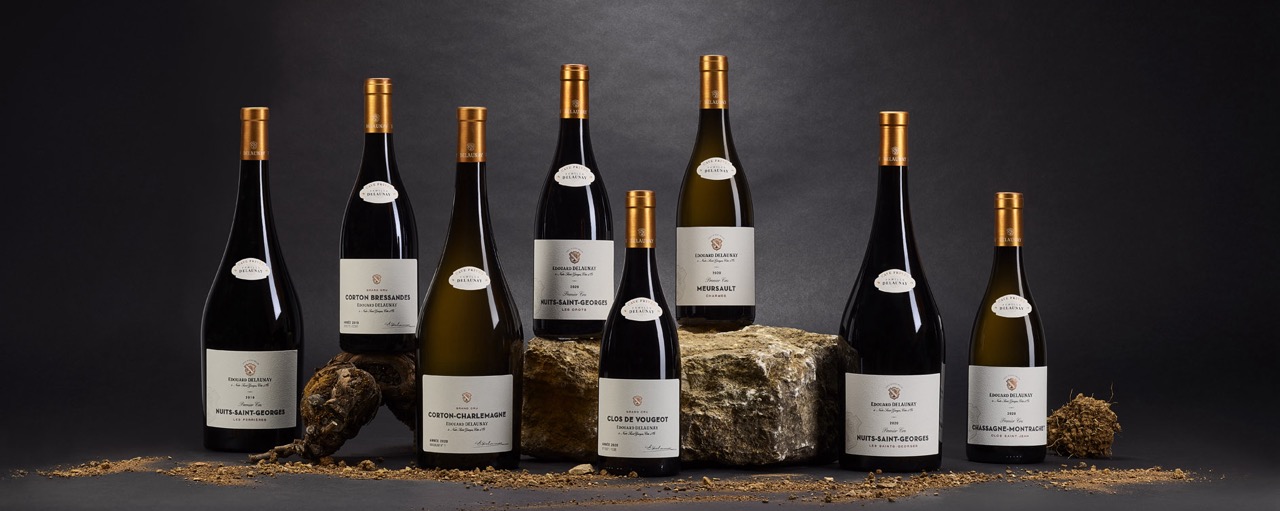
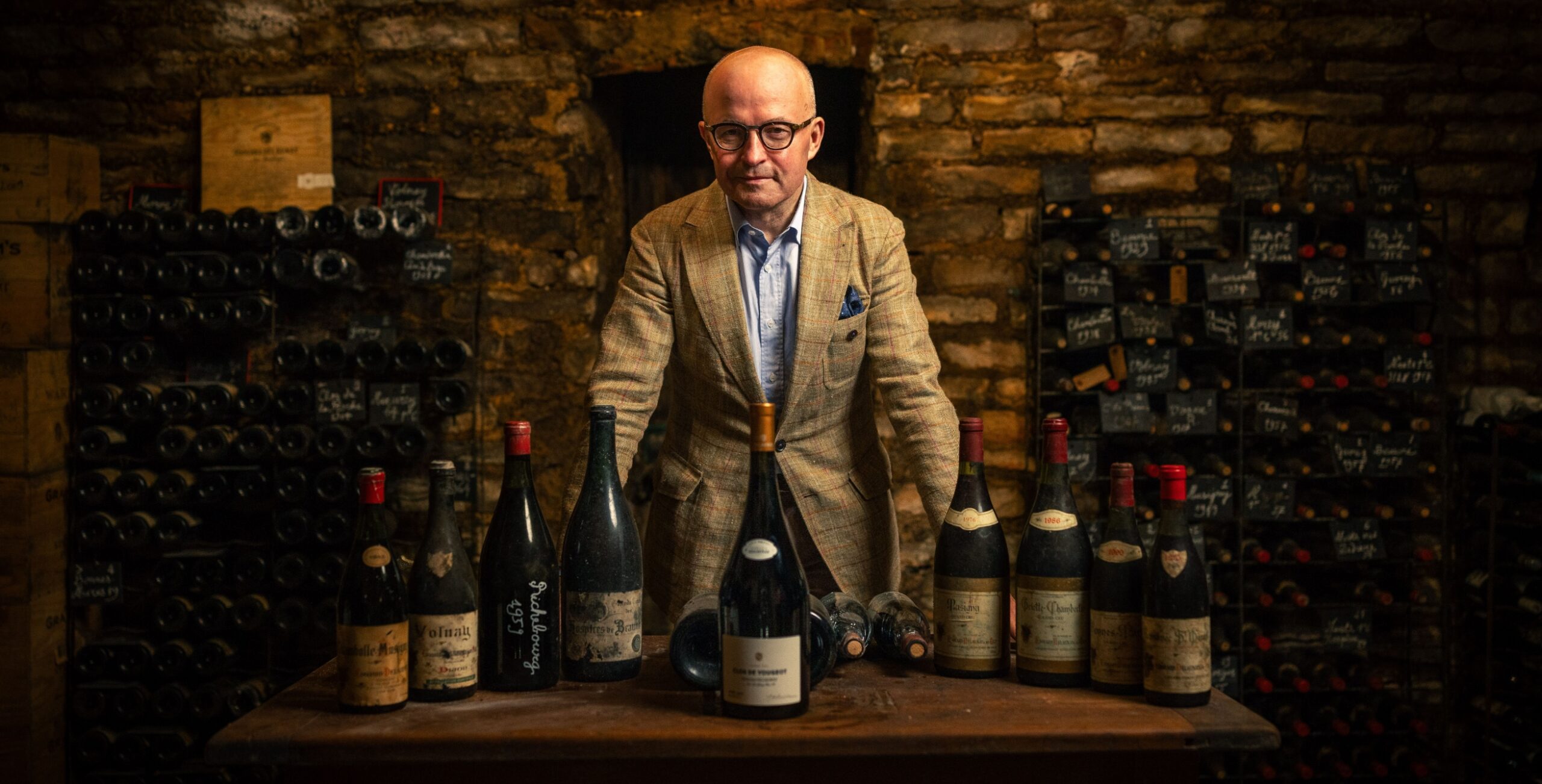
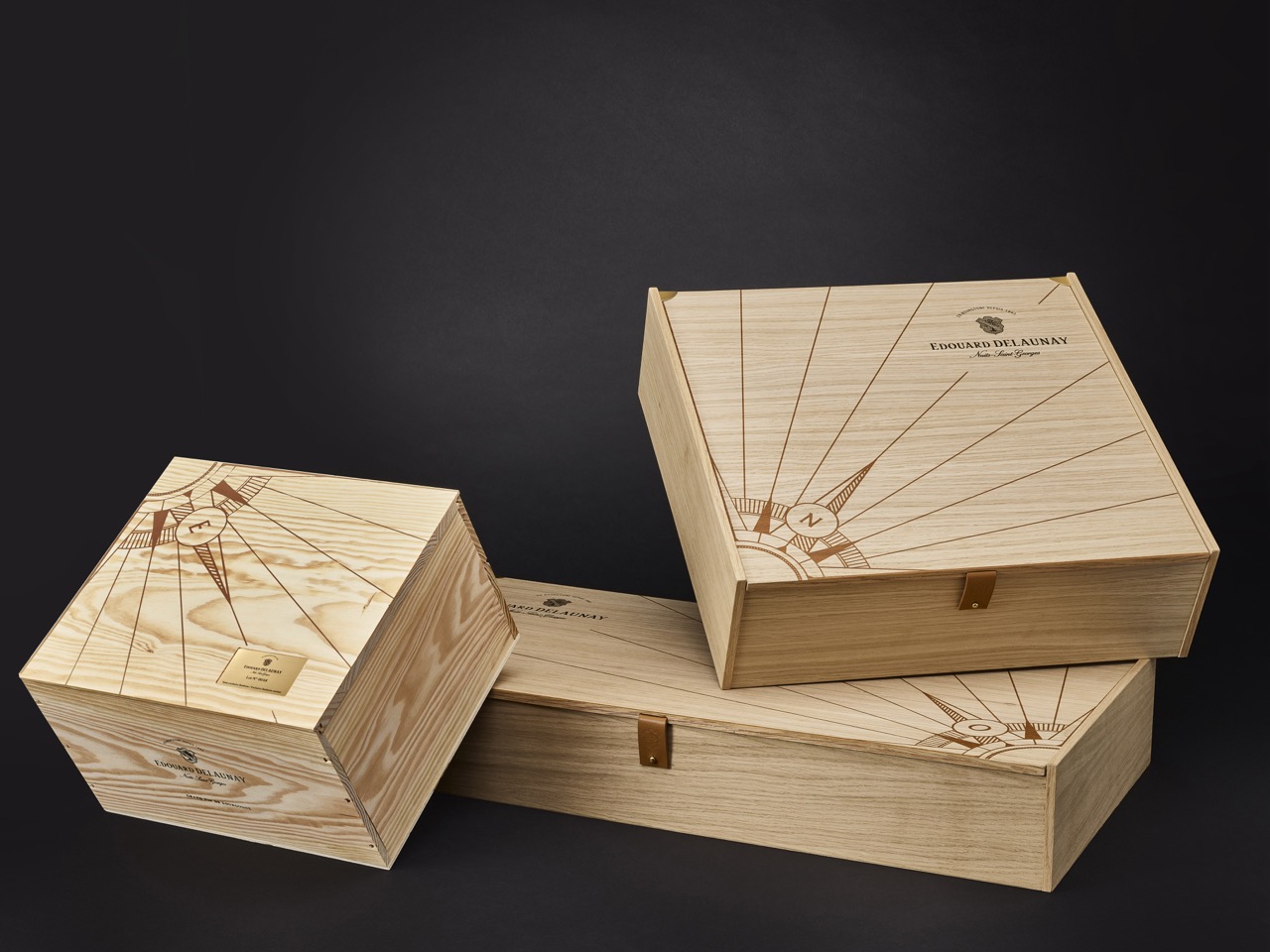
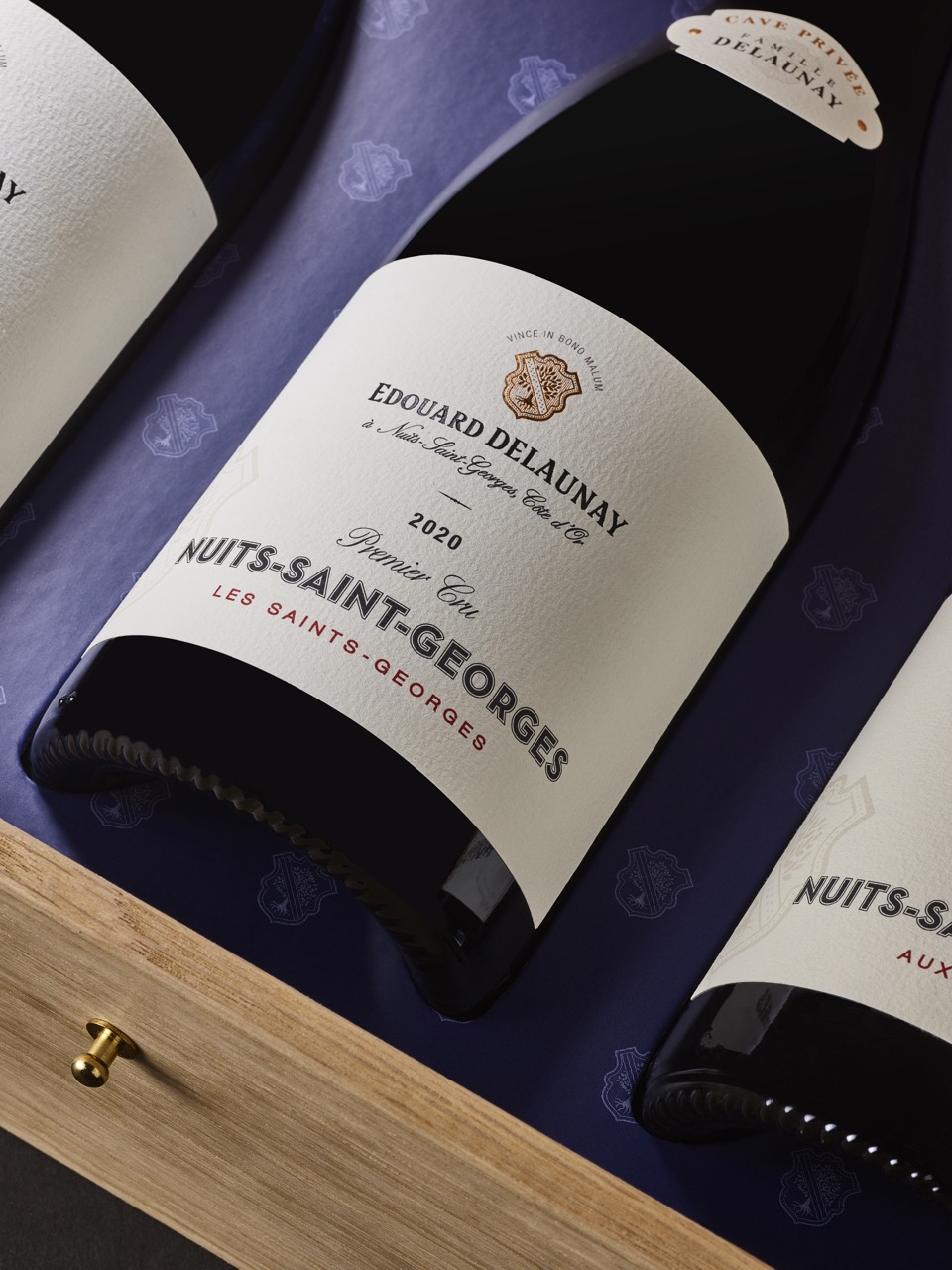
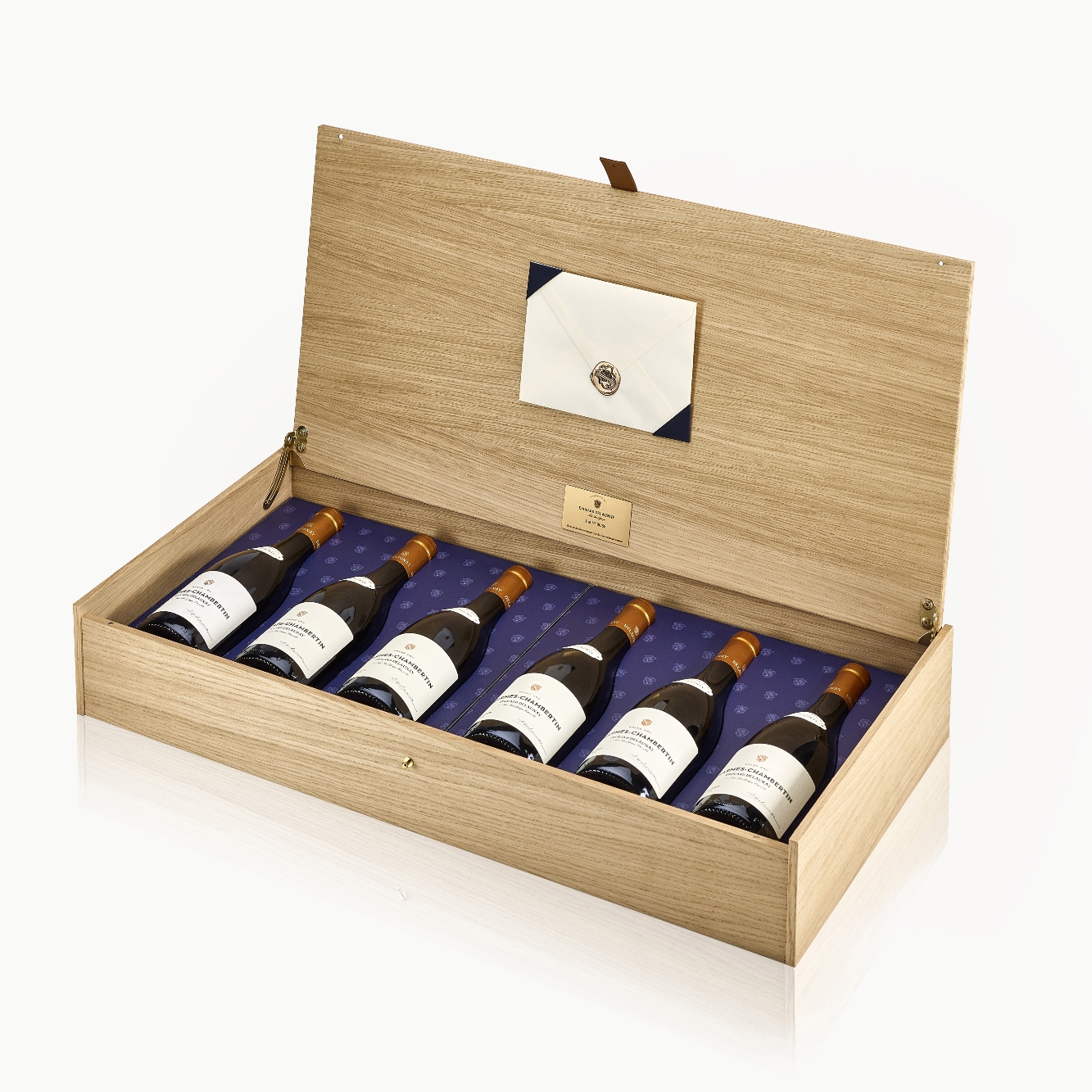
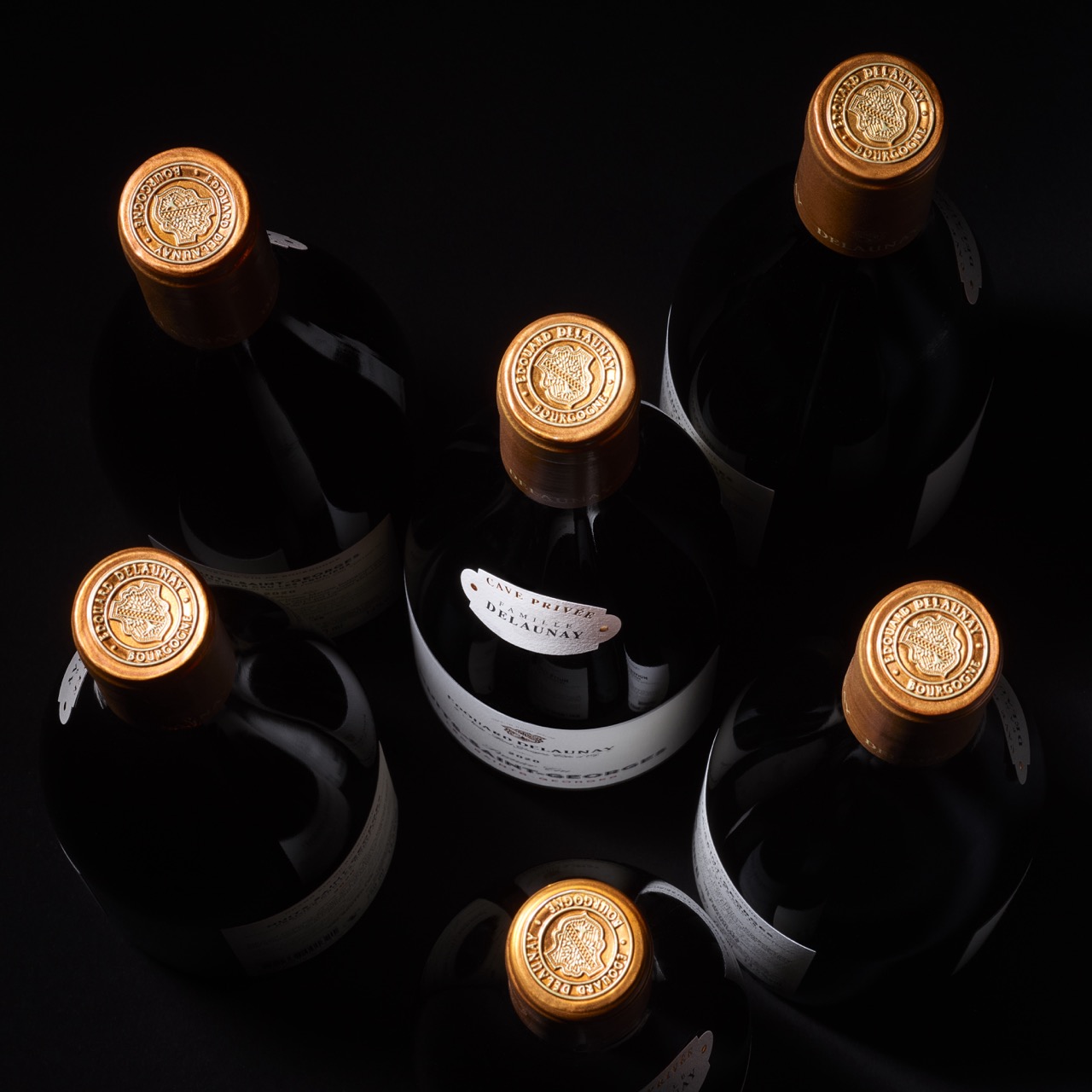
When Bonhams announced its partnership with Burgundy’s Edouard Delaunay for “Jubilant Revival in Burgundy: Maison Edouard Delaunay Ex-Domaine – Finest & Rarest Wines”, it marked so much more than a milestone auction. It also represented a shift in how fine wines are released, authenticated and collected. Running online from 5 to 27 November 2025, the sale features 68 exceptional lots sourced directly from the Delaunay family’s private cellar — bottles that have never left their home at Château de Charmont until now.
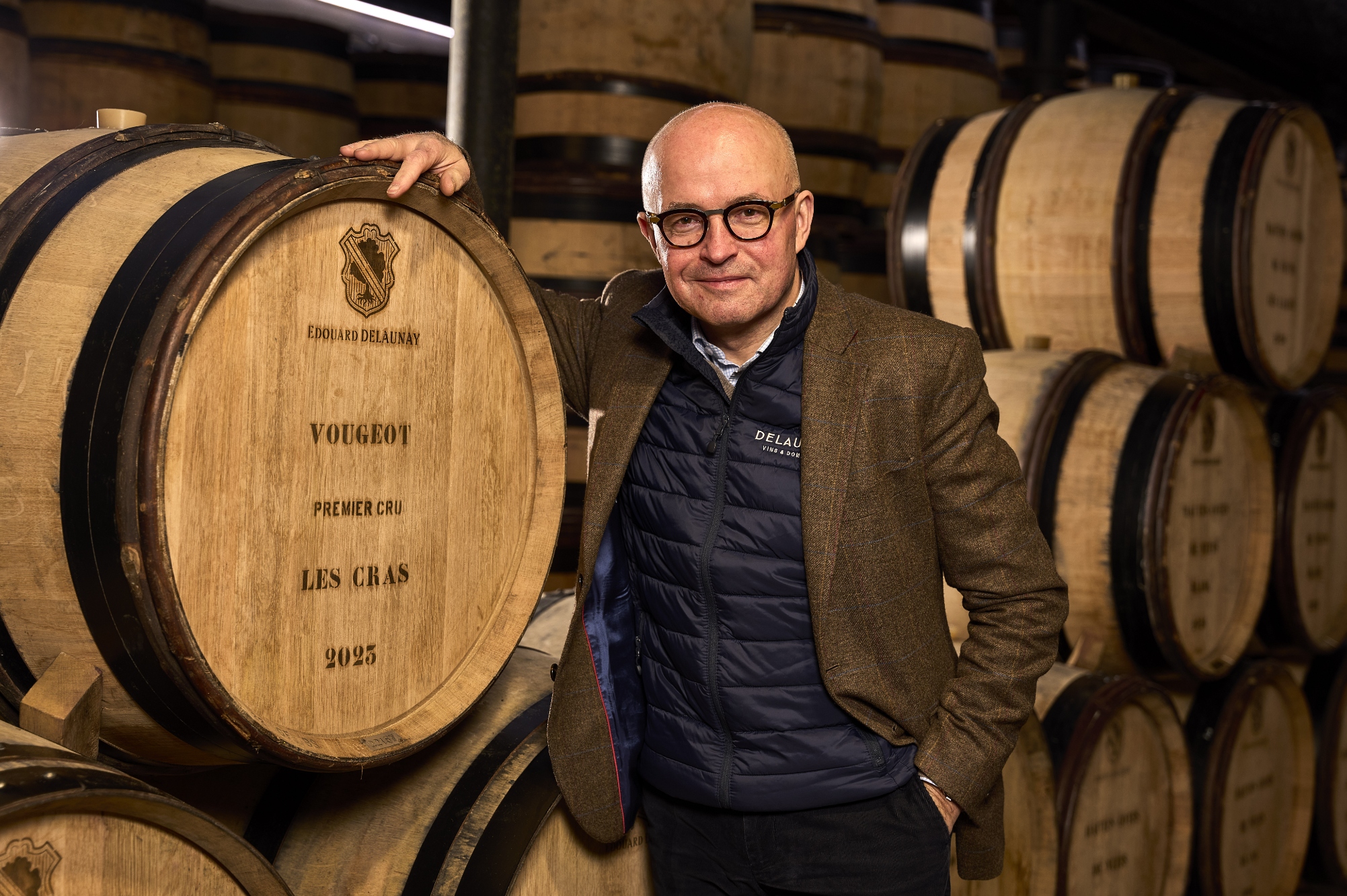
Founded in 1893 and revived in 2017 under fifth-generation winemaker Laurent Delaunay, the Maison has become a model of Burgundy’s modern renaissance, uniting heritage with technical mastery. LUXUO speaks to Laurent Delaunay, president of Edouard Delaunay, about the significance of this unprecedented collaboration with Bonhams, the evolution of Burgundy’s auction market and why provenance remains the ultimate benchmark of value in fine wine.
How unique – and extraordinary – is this association between Bonhams and Edouard Delaunay?
For us, it is both new and truly unique. This is the very first time that we have worked on such a project with a prestigious auction house of this calibre. Traditionally, wine auctions have focused on the secondary market — collectors or cellar owners reselling bottles they had previously purchased from producers or négociants. These sales confirmed that fine wine could be both a pleasure to share and a valuable investment.
In recent years, however, a new approach has emerged: auctions featuring wines released directly by the producers themselves, often bottles that have been carefully kept until they reach their ideal maturity and market interest. This is precisely what we are offering through this collaboration with Bonhams.
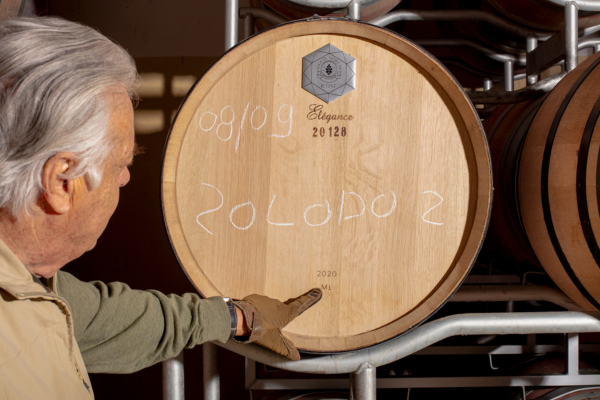
For wine lovers, the benefits are clear. Authenticity and provenance are fully guaranteed since these wines come directly from our own family cellar. They have never travelled, have always been stored in perfect conditions at our Château de Charmont in Burgundy, and are now released at their optimal drinking window. Although this approach is gaining traction, it remains rare. For us, this is a true première.
How important and knowledgeable are Burgundy wine lovers in the Far East?
Extremely. Alongside the USA and the UK, wine enthusiasts in the Far East are among the most passionate and knowledgeable in the world. Since relaunching our Burgundy winery in 2017, we have made this part of the world a priority — selecting the finest importers and distributors, spending time in the region to present our wines, and welcoming many Asian visitors to Château de Charmont, just outside Nuits-Saint-Georges.
Over the years, many of these encounters have evolved into genuine friendships. I am constantly impressed by the curiosity and deep understanding of Burgundy that our Asian friends display. On several occasions, they have even introduced me to fellow Burgundy producers I had not met before — which says a lot about their passion and network.
What will be the profile of the bidders at this special auction to be staged in Hong Kong?
Open-minded wine lovers and collectors — people who are eager to discover a different facet of Burgundy, one that reflects the spirit of an authentic family Maison they might not yet know. Burgundy is a fascinating and singular wine region where, even for seasoned connoisseurs, there is always more to explore: new names, forgotten appellations, hidden gems.
As the renowned wine critic Michel Bettane recently wrote, “This is no longer a renaissance, it is a masterful return to the forefront.”
And although the auction will be launched from Hong Kong, it will be accessible online to wine enthusiasts across the globe.
Do you expect some record-breaking numbers?
Not necessarily. We are fully aware of our current market positioning and we continue to build our reputation step by step. However, given the exceptional quality of our wines — which have been unanimously praised by critics and sommeliers alike — we are confident that their value and recognition will continue to grow over time.
This auction, therefore, represents an ideal opportunity for discerning collectors to invest in our best wines while they remain attractively priced. Above all, it allows us to introduce Edouard Delaunay to a new audience of collectors, to strengthen our image, and to establish an initial benchmark within the auction world.
How will you assess whether the auction is a complete or partial success?
Together with Bonhams, we have set moderate guide price targets and will be pleased if they are reached or exceeded. But beyond the financial aspect, what truly matters to us is the level of interest and enthusiasm this event generates around Edouard Delaunay.
Are there other similar initiatives by Edouard Delaunay planned elsewhere in the world?
No. This will remain a unique initiative, with no plans to replicate it in the near future.
Jean-Loup Afresne on Devialet’s Art of Engineering Endurance
SHARE
With the launch of the Devialet Phantom Ultimate, chief product and technical officer Jean-Loup Afresne discusses how engineering rigour and product longevity define the brand’s lasting success in the luxury audio landscape.
By Sanjeeva Suresh
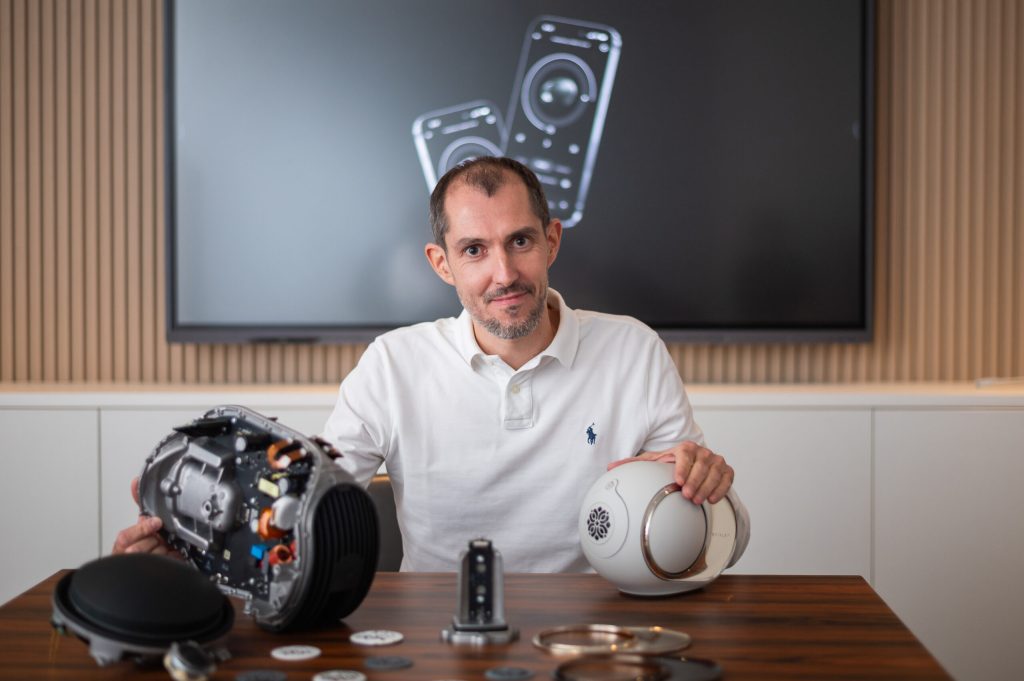
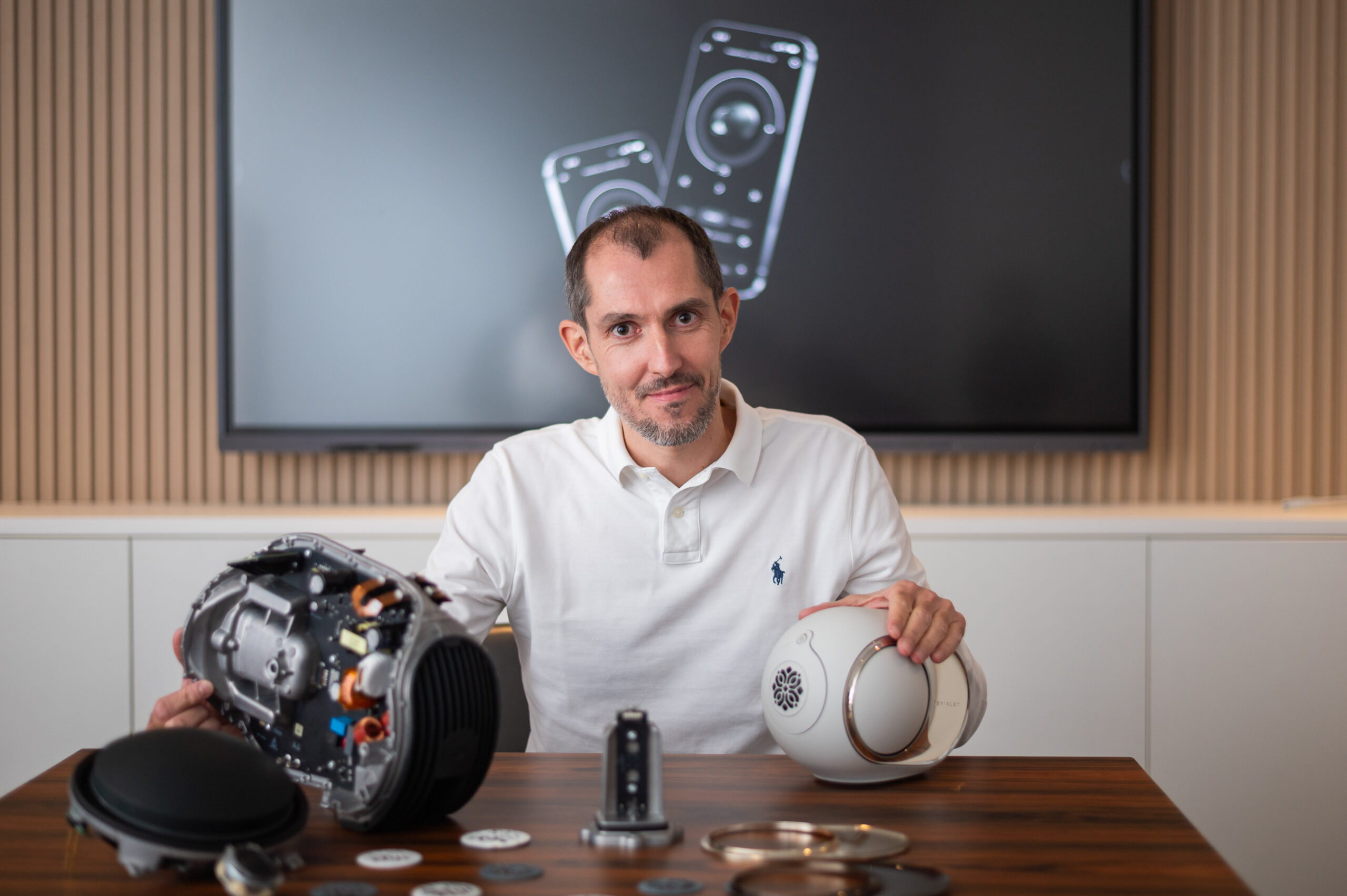
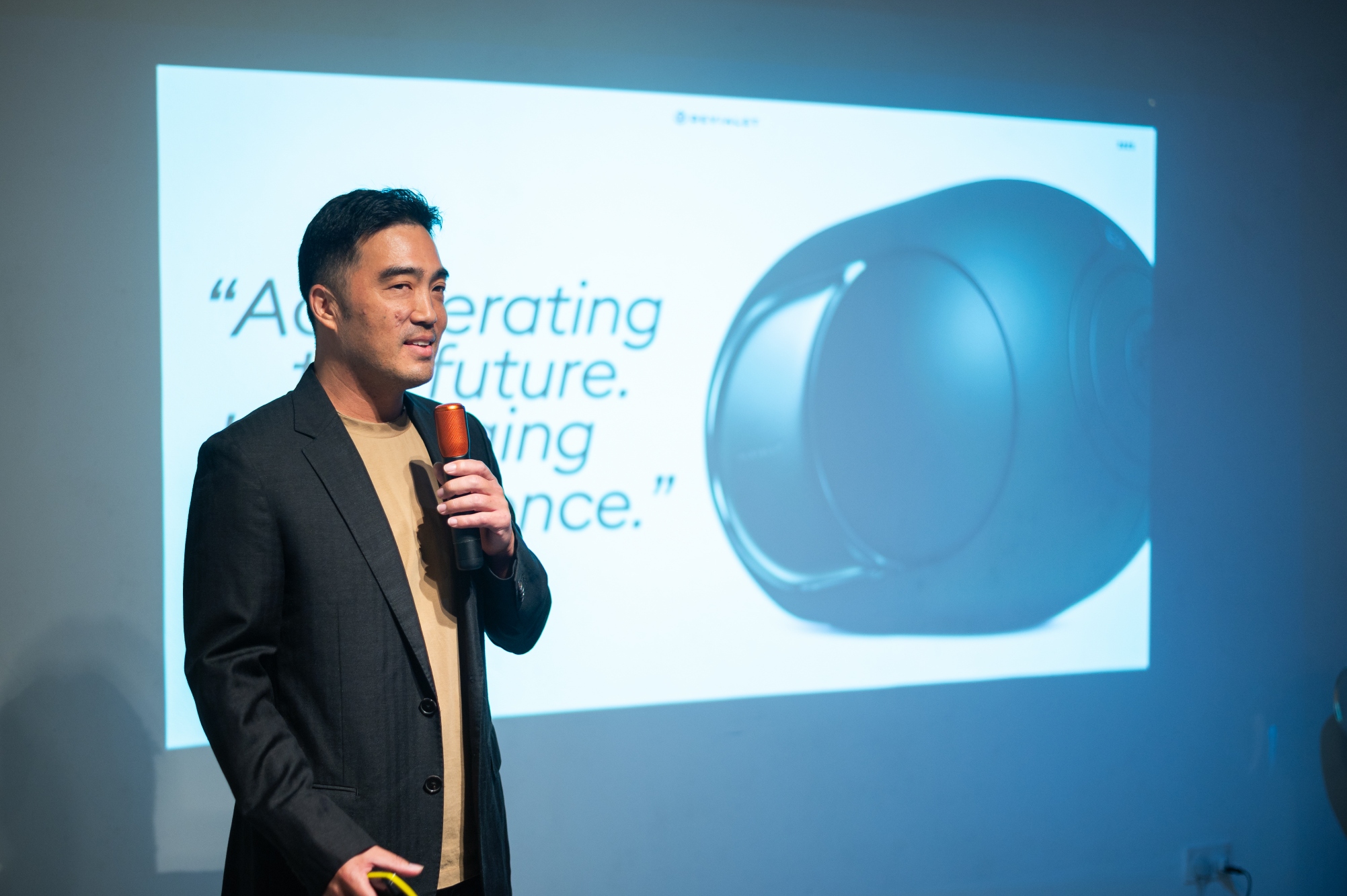
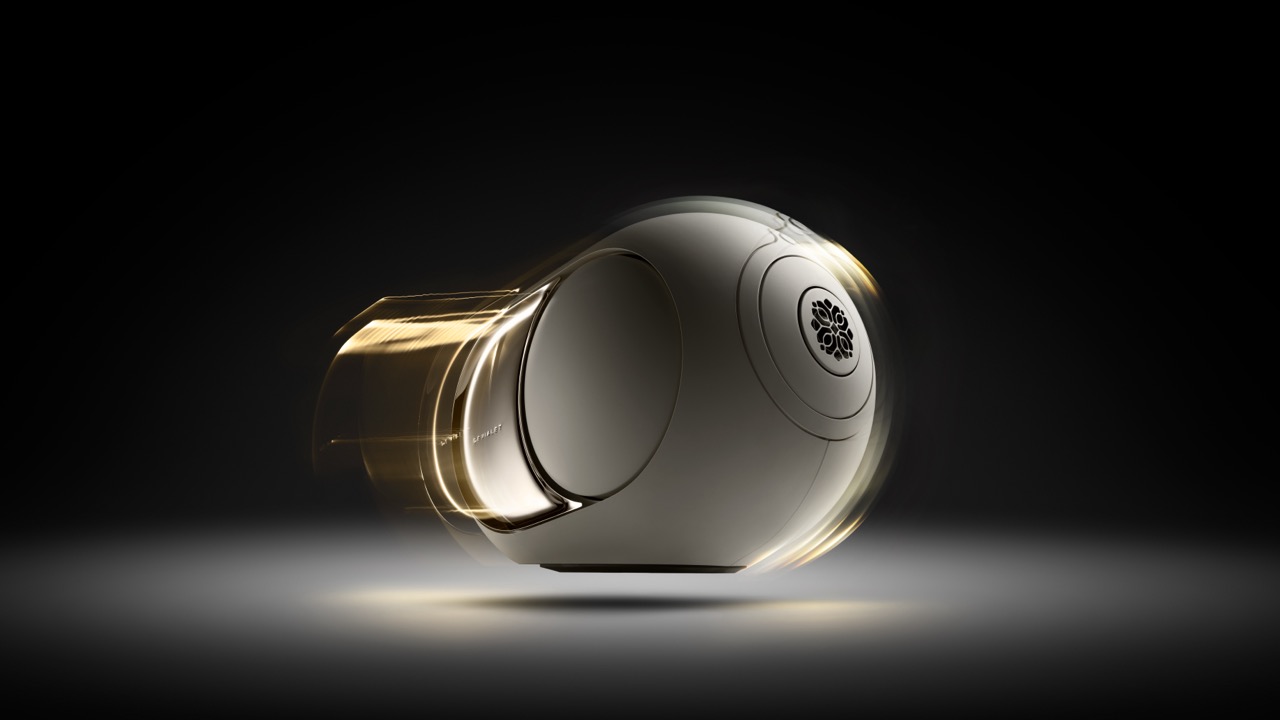
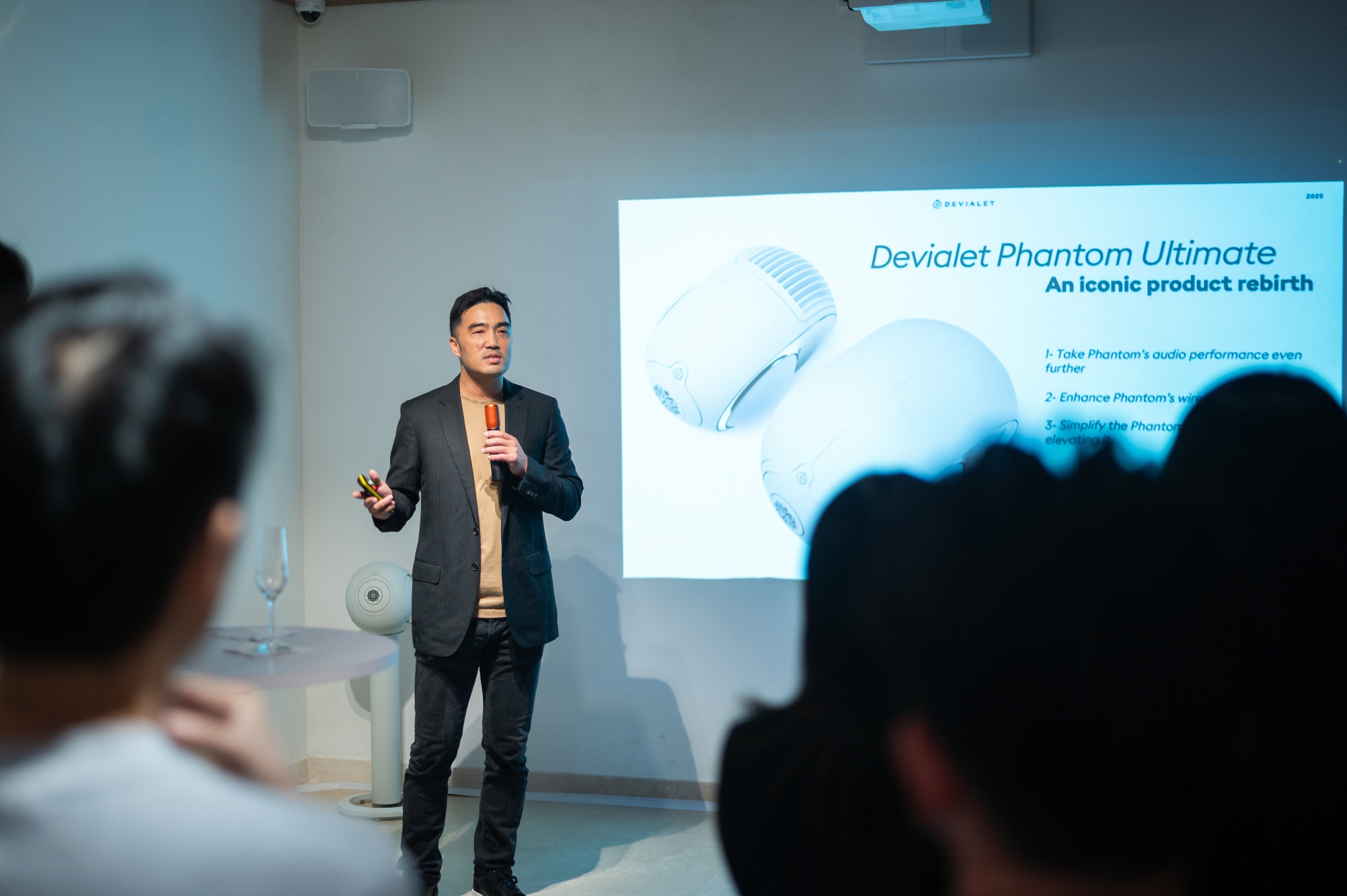
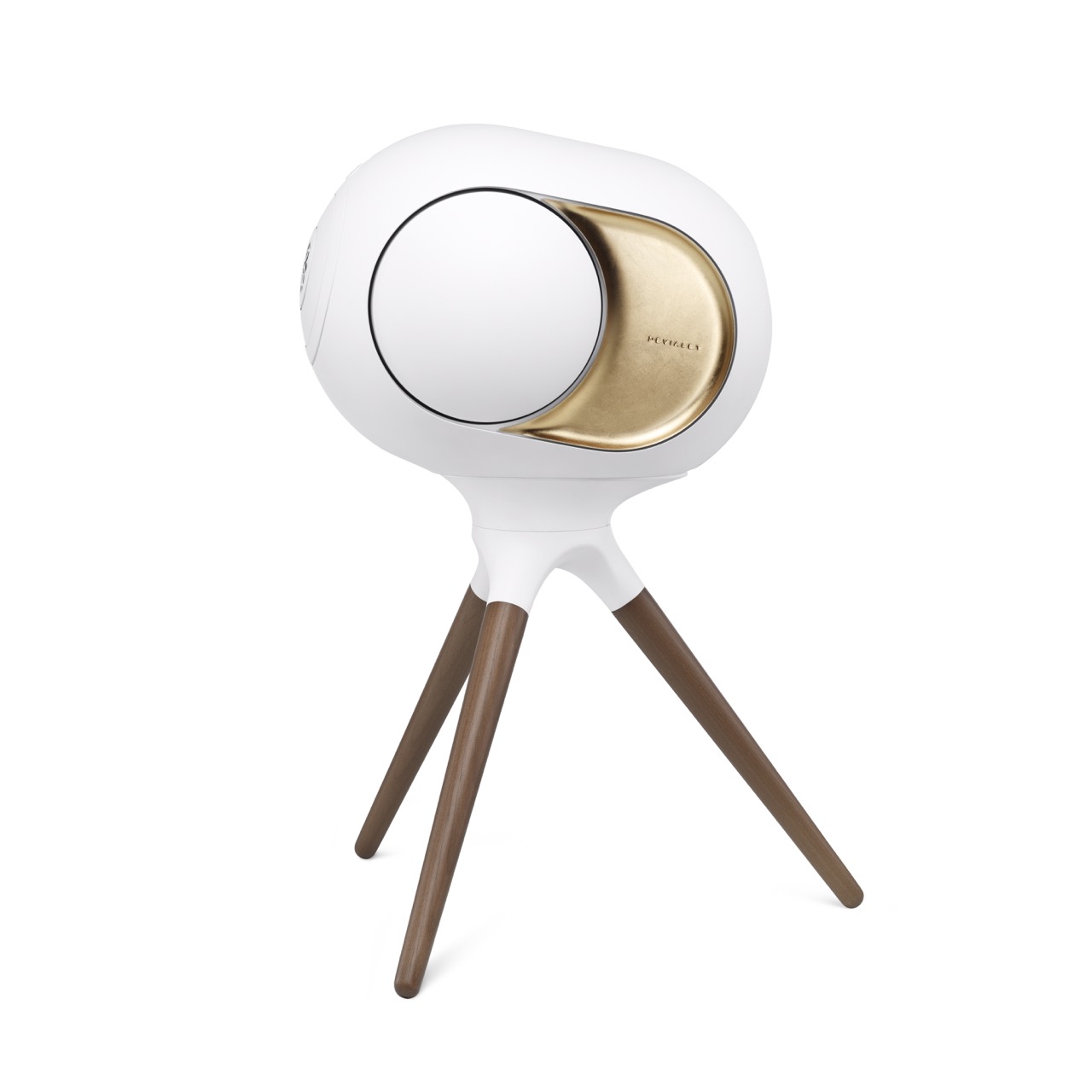
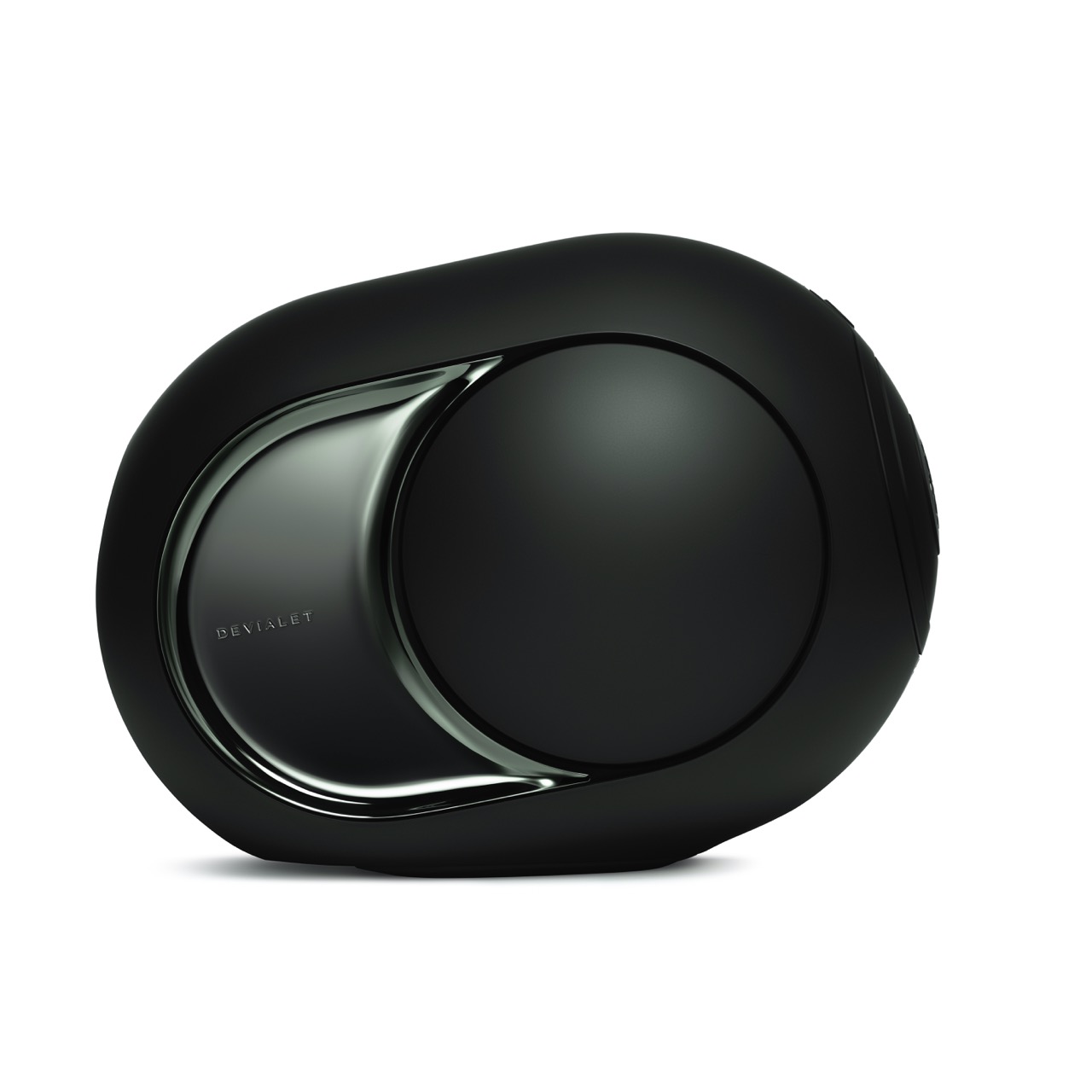
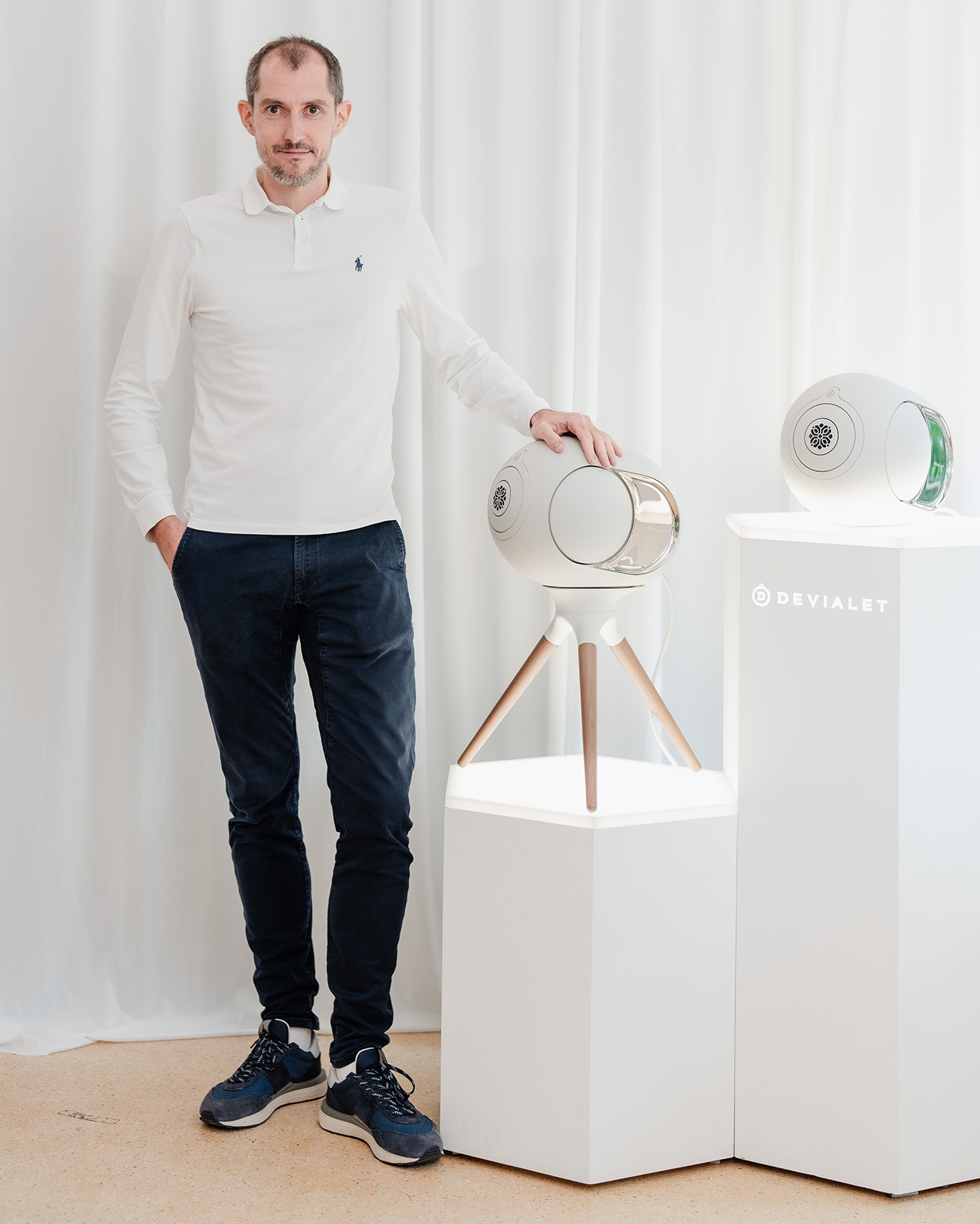
Entering the foyer of Devialet’s largest flagship store in the Asia Pacific region — located at the Grand Hyatt Singapore — I am greeted by Jean-Loup Afresne, Devialet’s chief product and technical officer. We make our way towards the store’s immersive Listening Room, where the interview takes place opposite the Devialet Phantom Ultimate — the successor to the original Phantom first introduced a decade ago. This latest iteration is described as French acoustic engineering at its finest, delivering pure, high-resolution sound through a radically striking singular silhouette.
Before beginning the conversation, I take note of Afresne — dressed in a casual navy shirt beneath a blue blazer and washed denim jeans. Calm and unassuming, he is every bit the image of an engineer whose work quietly speaks volumes. Seated to his right is Martin Ku — Devialet’s regional director — who joins the conversation to give his input on Devialet’s marketing and business-related strategies. Dressed in sharply tailored suit and pocket square he embodies the corporate polish that complements Afresne’s understated technical poise. Together, they reflect the dual essence of Devialet itself — an understanding of design and presentation.
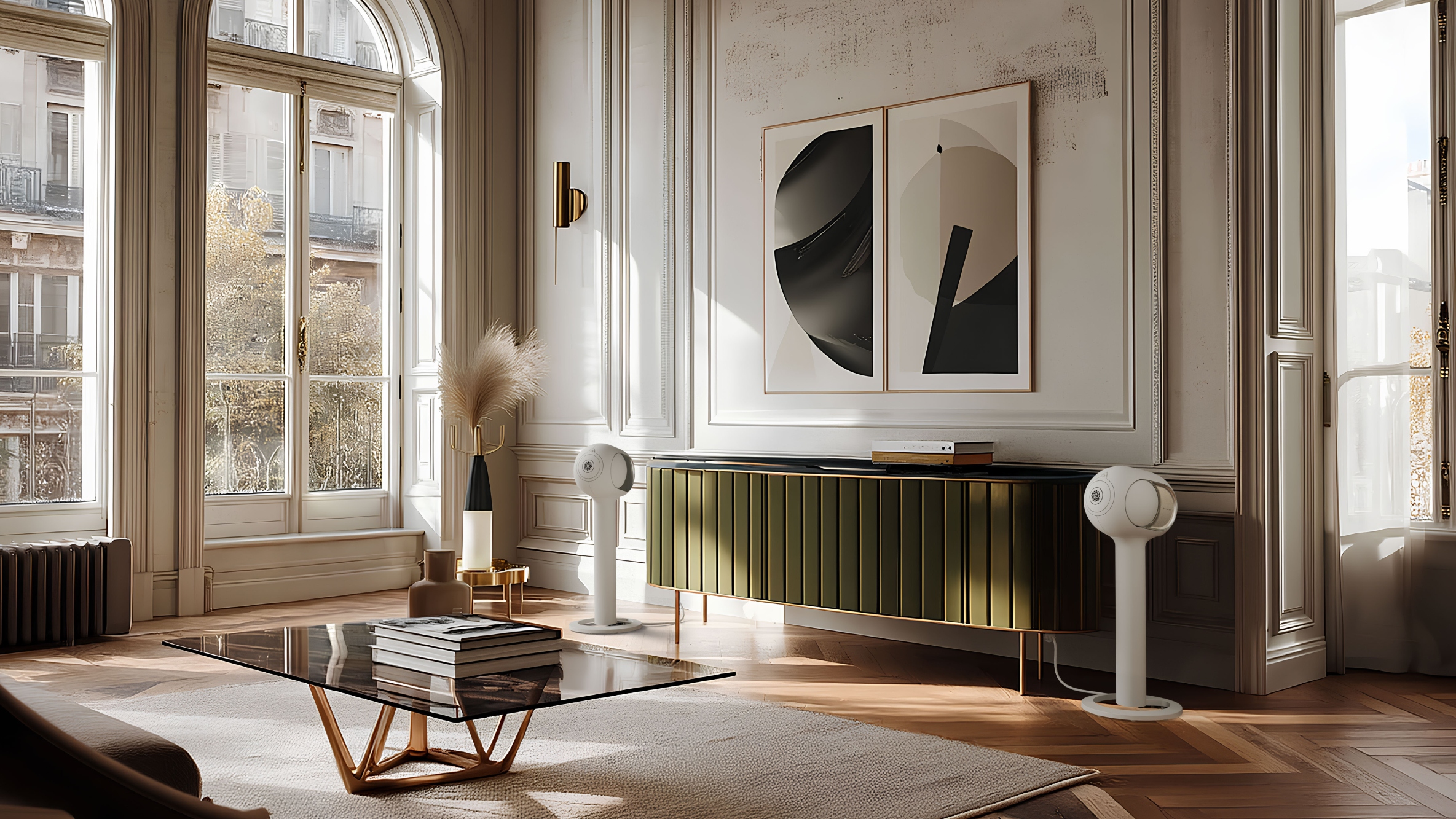
While Devialet’s legacy rests on pioneering design and boundary-pushing acoustics, its reinvention of the Phantom Ultimate proves that masterpieces endure only when innovation is treated as a constant, not a destination. With over 250 patents, Devialet’s vision of sound as a cultural and lifestyle investment has redefined how technology integrates seamlessly into luxury interiors. From its decade-long evolution to its integration with modern smart home technology, Phantom Ultimate is as much about emotional connection to music as it is about technical perfection. In this exclusive interview, LUXUO explores how Jean-Loup Afresne’s quiet mastery of sound engineering anchors Devialet’s continual evolution in the world of luxury audio.
Design trends shift quickly — how do you approach creating products for Devialet that feel timeless rather than temporary?
Jean-Loup Afresne (JLA): Yes, so this is actually one of our targets — to make a product that lasts. From the beginning, in our development process for new products, we focus on finding solutions that will last for a long time. This is not just a wish; it is a strategic mindset. We do not think about products as something to replace every two years — we aim to make fewer products and improve them over time. That is why we started with an amplifier, then Phantom speakers, then Devialet Mania. Endurance and product longevity are really a strategic decision for us.
You mentioned strategy and strategic decisions, can you expand on what kind of strategies you go through?
JLA: The foundation of our product design strategy is to make products fully optimised for what they do. For a single target, there is only one optimised solution. If we take time to find it, then the endurance target is met. For example, with the Phantom speaker, the main target was compactness — something very compact without compromising performance or design. By focusing on this target, we arrive at one solution, ensuring the product lasts, which is exactly what we did with Phantom.
You were the engineer behind the original Phantom. Now with the Phantom Ultimate, can you explain what evolutions customers can expect and how it has changed over the last decade?
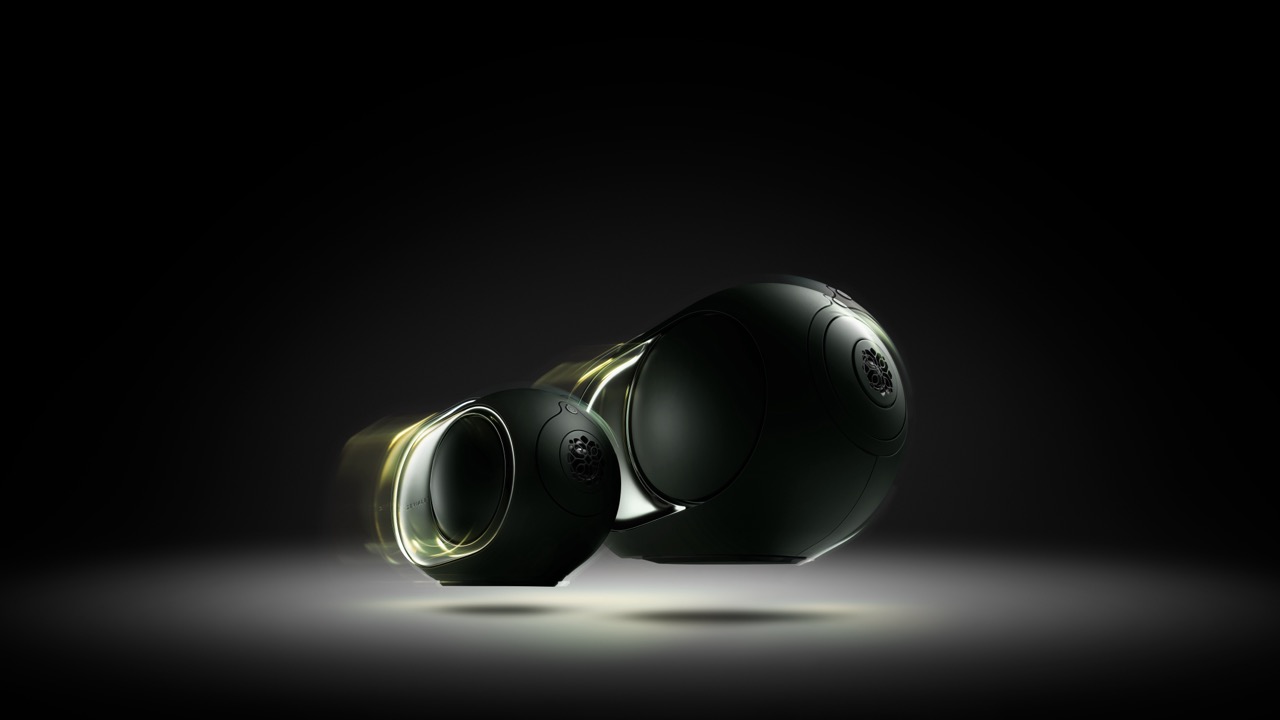
JLA: From the outside, the design looks similar, but it has been refined with improved details. Inside, everything has changed — electronic, mechanical and acoustic components. With Phantom Ultimate, we kept the architecture and system design unique to Phantom but upgraded all components to improve performance.
You have been with Devialet since the early days, moving from engineer to chief product and technical officer. How has your personal and professional journey shaped how you lead Devialet today?
JLA: Devialet today is the same as in the beginning: bringing exceptional sound experiences to a wider audience. Exceptional sound can bring emotion and enhance people’s lives. That has always been our target.
When you mention emotion, what kind of emotion do you want the consumer to have?
JLA: We don’t dictate specific emotions. We want users to connect with the music and they will react in their own way. Our products are enablers between the artist and the listener.
Engineering and design often have conflicting demands. As chief product and technical officer, how do you navigate that tension?
JLA: Our target is not to make compromises. Usually, technical constraints and creative design targets conflict and the easy path is compromise. However, we challenge everything: why a design choice exists, is it really necessary or just a habit or industry standard? By doing so, design and technology amplify each other rather than compete, which is why Phantom lasts so long.
Looking back at the original Phantom of 2015, what were the key lessons that inform your engineering process today?
JLA: The key learning was to never forgive shortcuts and to stay aligned with the target. For instance, compactness was critical. Even though an easier solution would have slightly increased the size, we pushed the design to meet our original target, which required managing more complexity but maintained our radical approach.
As Devialet launches globally — including Singapore — how do you adapt the brand’s positioning for local and regional markets?
Martin Ku (MK):Being a French brand is beneficial in Asia. We position ourselves as a luxury, audio and lifestyle brand, which is unique. French heritage brings rigour in design and development. Combining brand image, product experience and retail location creates a strong, unique positioning. Singapore — in particular — is our priority in APAC with two flagship stores. The market’s receptivity and fast decision-making help us expand rapidly.
Singapore is a hub for premium audio and luxury lifestyle brands. What role does this market play in Devialet’s global growth strategy?
MK:Singapore is the standard for Asia. Partners train and see stores here before expanding in their markets. It’s a benchmark location for launching new concepts and limited editions.
Audio products are evolving with connectivity and a seamless user experience. How does the Phantom Ultimate respond to these expectations?
JLA: The electronics have been improved, with a processor more than four times faster than the previous generation. Phantom Ultimate supports Ethernet, Wi-Fi and smart home integration. Future updates will ensure compatibility with evolving smart home protocols.
Technology and luxury increasingly overlap. Do you see Devialet as a tech brand, luxury brand or hybrid?
JLA: Technology is a means, not the target. Our products are positioned at the intersection of luxury, lifestyle and audiophile performance. Technology enables usability, aesthetics and extreme audio experience, without being showcased directly.
How does Devialet reach younger consumers while also appealing to traditional audiophiles?
JLA: We design timeless products rather than targeting a specific demographic. Music is universal, so our audience is wide. Partnerships — like with Fendi or Opera de Paris — allow reaching niche audiences while the base product appeals broadly. Custom finishes help adapt to different tastes without changing the product itself.
Devialet has collaborated with brands like Opera de Paris, Alpine and BYD. How do you approach these partnerships and are there industries you want to explore next?
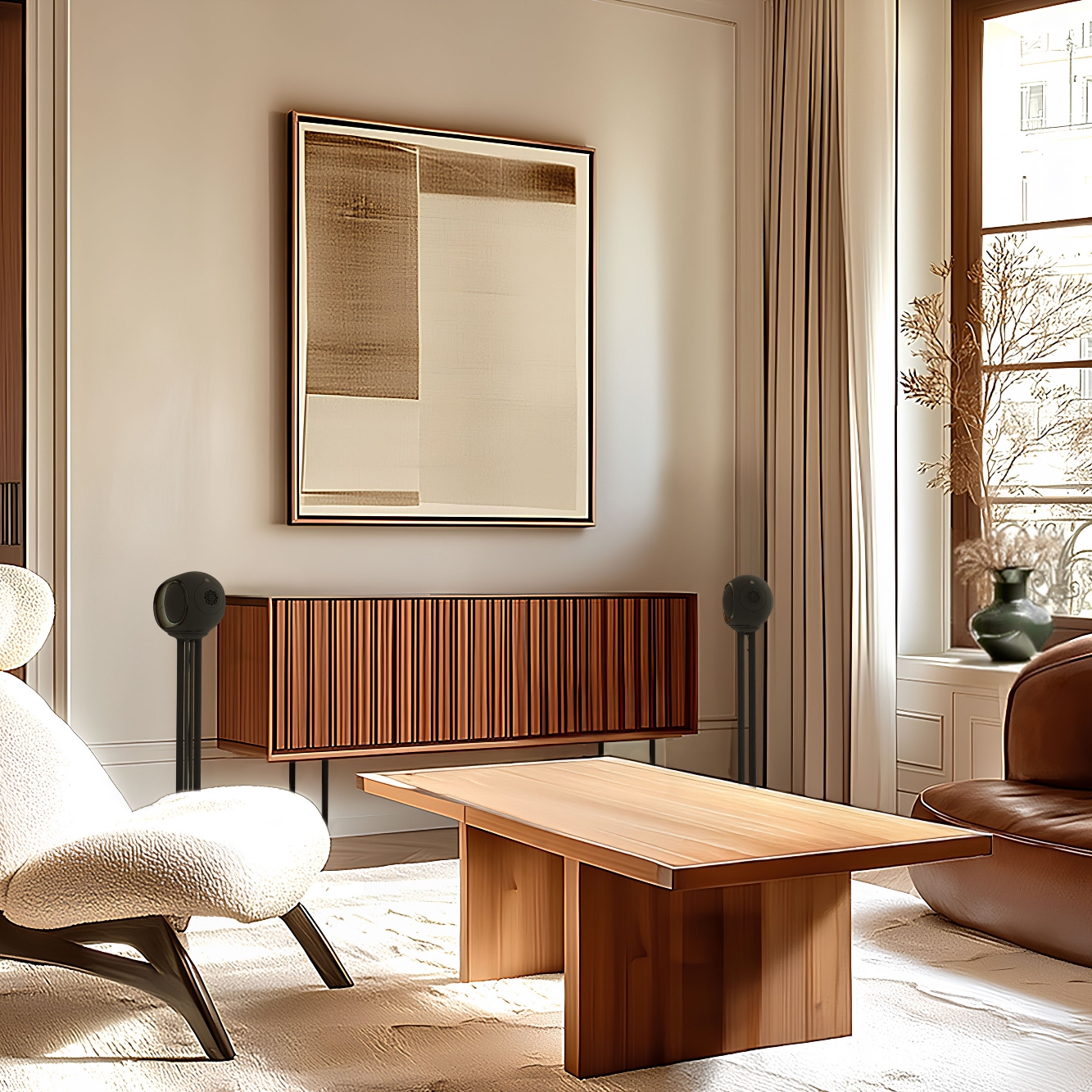
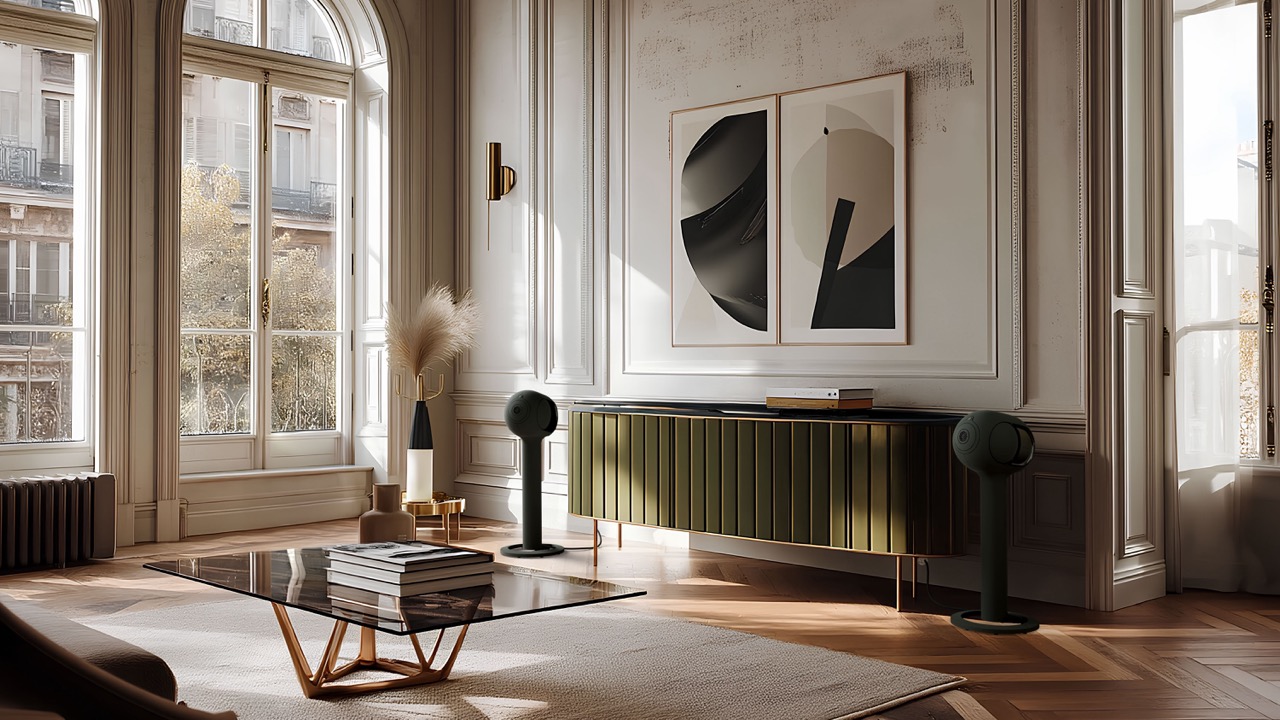
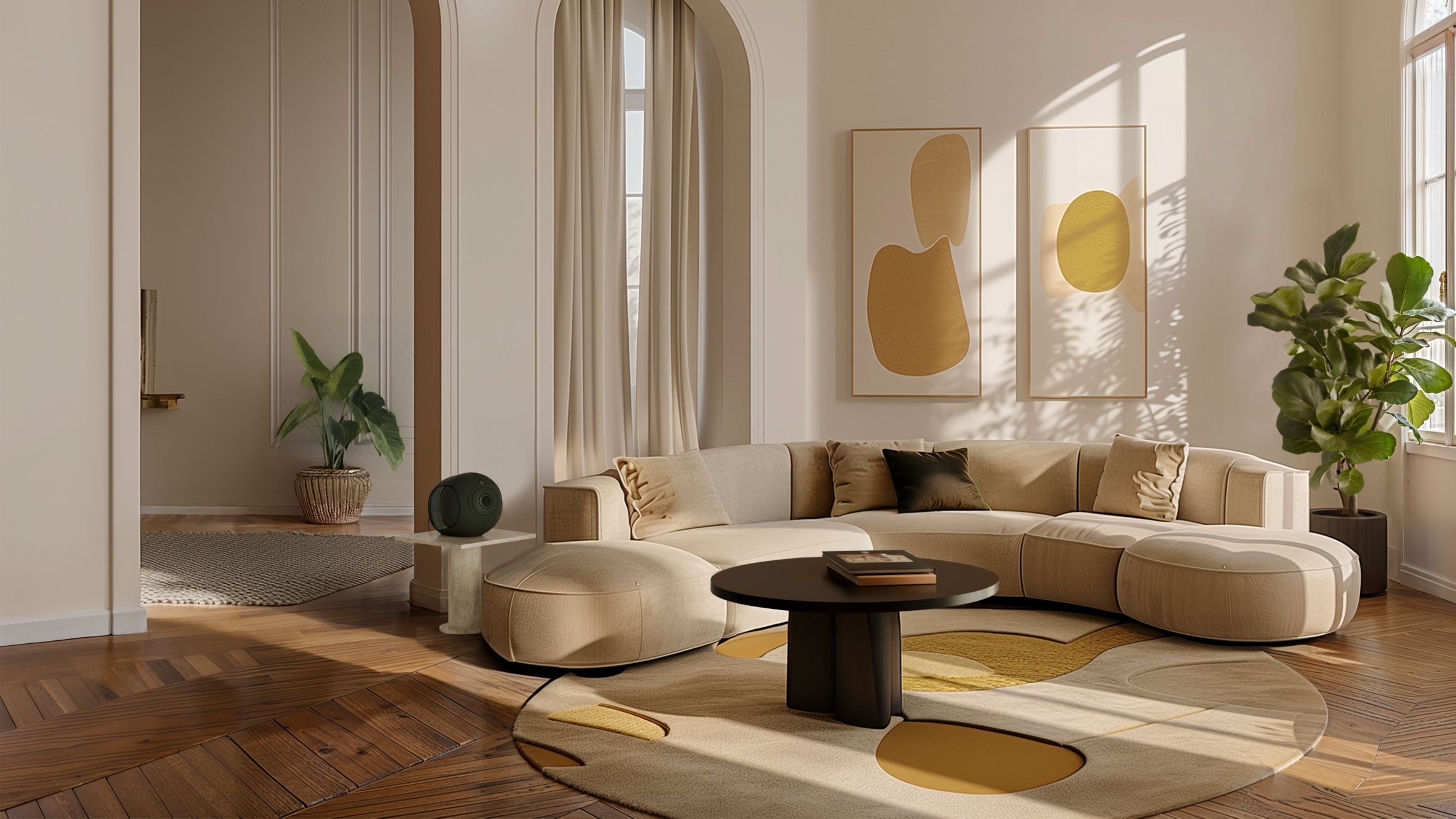
JLA: Most partnerships come to us because sound has become more important than ever. We can select which partners to work with, often bigger companies than ours. We are now in planes, automotive, TVs, etc. Future opportunities could be in architecture and interior design, integrating audio experiences from the start of a project.
With competitors like Bang & Olufsen and Sonos, what sets Devialet apart?
JLA: Devialet combines Hi-Fi-level audio quality with accessible, stylish, reasonably priced products. Competitors often focus on design or connectivity but don’t match extreme audio quality. Our product works both in lifestyle and high-performance audio spaces.
Sustainability is key in luxury. How does it factor into Phantom Ultimate’s design?
JLA: Material choice matters, but longevity is the main point. A green product is one that lasts. Many customers still use their first Phantom after 10 years, proving our approach.
What does success look like to you personally — recognition, adoption or product impact?
JLA: Success is about the emotion we bring to people’s homes. For example, a customer wrote about how Phantom allowed him to enjoy music again with his family, which was the ultimate success.
There is a revival of 2000s analog-style music. How does Devialet contend with this trend?
JLA: It doesn’t compete; it complements. We recently held an event for vinyl listening. Phantom can faithfully reproduce analog sources — it’s an enabler, making listening pure and genuine.
As someone who created it, how do you personally enjoy the Phantom Ultimate?
JLA: I play music at home all the time — when waking up, cooking or doing other tasks. Phantom’s goal is to provide excellent sound even during daily activities, not just when sitting down to listen carefully.
For more on the latest in tech interviews alongside lifestyle and gadgets, click here.
Ulysse Nardin’s Diver Air introducing a 52 g skeletonised titanium dive watch, the world’s lightest mechanical model.
By Ashok Soman & Daniel Goh
In the previous two editions of Watches and Wonders Geneva (WWG), Ulysse Nardin brought just one watch to the party. That watch was the Freak, in various forms, and the idea was to focus the world’s attention on just the one watch. In the case of the Freak, this made a lot of sense, and we told the top brass at Ulysse Nardin so; the Freak needs time to grow on a collector and the model should be far more successful than it is. This year, Ulysse Nardin switches gears with the watch models but it maintains the ‘one watch at a time,’ strategy. The Ulysse Nardin Diver Air, or as the brand has it Diver (Air) is basically the brand’s take on a skeletonised diver’s watch, paired with ultra-light materials, resulting in a record-breaking, world’s lightest mechanical dive watch.
This perhaps is a thrilling space for Ulysse Nardin to play in because usually records broken when it comes to diving watches always relate to depth; nobody is even looking at weight. Additionally, the contrast between the chunkiness of a dive watch versus the Diver Air’s supreme lightness is sure to surprise anyone who picks it up. And perhaps the third reason this is good for Ulysse Nardin is that alongside its Freak series, the diver collection tends to fall to the wayside and this new watch is the talking point the collection needs.
At just 52g in weight, this thing is just ultralight. The brand spared no expense to cut weight for the watch, incorporating titanium not just in the case but in the components of the movement as well. We were even told that the fabric strap paired with the watch was a result of a collaboration between Ulysse Nardin and suppliers who make lightweight wear for top-level athletes.
The most obvious way they have cut all that mass is by skeletonizing the movement to an insane degree. Bridges are cut to the bare minimum and even then hollowed out to reduce weight. The result is the space inside the watch consisting of 80% air and only 20% material. Now the last question to ask is that at 52g, will its weight completely disappear underwater considering the amount of air and its buoyant nature?
This story was first seen as part of the WOW #79 Summer 2025 Issue
For more on the latest in luxury watch reads, click here.
The 10 Greatest Innovations F1 has Given the World
SHARE
Even if you take the phenomenal sporting achievements out of the equation – the championships, the records, the victories – Formula 1 has undoubtedly made its impact on the world over the last 75 years.
Its status as the pinnacle of motorsport has opened the door for a myriad of innovative technology that has trickled down into wider society, improving sectors that you’d never think owed a small part of their progress to F1.
From paediatric surgery to London buses and toothpaste, we’ve delved into the best inventions the sport has given the world.
Project Pitlane
When the coronavirus pandemic put the calendar on pause back in 2020, F1 teams were uniquely placed to respond to the crisis. Pushing their intense rivalries aside, they came together and harnessed their incredible technological capabilities and resources in the creation of a life-saving breathing device.
Aptly named Project Pitlane, it involved the teams working alongside the UK government to reverse engineer existing medical devices, increase the production of ventilators efficiently, and design a new device.
The process of getting approval for a medical machine would usually take two years, but thanks to the relentless effort of engineers across the grid, this was completed within just four weeks, allowing an updated ventilator to be rolled out rapidly.
The 2020 season was drastically shortened due to the pandemic
Supermarket Fridges
UK supermarket Sainsbury’s has Williams to thank in their mission to become net zero by 2040 as the team repurposed their aerodynamics expertise to reduce the store’s energy consumption.
Working alongside Aerofoil Energy, Williams created an aluminium device that echoes the design of an F1 car’s rear wing – on track, this diverts air over and around the car to maximise performance, but the rehashed tech has a different impact in the supermarket aisles.
When attached to the shelves of a fridge, it stops the cold air from seeping out and instead keeps it within the cabinet, saving energy and keeping the surrounding areas warm for customers.
Fellow UK supermarkets M&S, Tesco and Asda have all adopted the technology throughout their stores, with Sainsbury’s revealing that it delivers carbon savings of 8,763 tonnes every year.
London Buses
Williams have grown into specialists when it comes to implementing sustainable technology both on the track and in our daily lives, especially if you’re a London commuter.
Back in 2009, the FIA introduced optional kinetic energy recovery systems (KERS) to the regulations and Ferrari, Renault, BMW and McLaren decided to try them out. The system harvests energy that is usually lost as heat when braking, turning it into additional power that is fed back into the car.
Williams developed their own flywheel-based KERS but elected not to use it due to packaging issues, preferring an electrical version. But the design was too good to waste, leading to the team selling the technology to the companies that run the iconic red London buses.
Regenerative braking has since been implemented in public transport across the rest of the UK, helping to reduce carbon emissions, improve fuel efficiency and lower air pollution.
Williams have been responsible for many innovations over the decades
Paediatric Surgery
Watching F1, it’s easy to lose sight of how impressive the work of a pit stop crew actually is – tell someone who’s not a fan that four seconds is considered a slow stop and they probably wouldn’t believe you.
In 2001, two colleagues from Great Ormond Street Hospital noted the similarities between the efficiency of a pit stop and the crucial process of moving an infant after they’ve undergone heart surgery. Looking down on a stop from above, the car is in the middle and worked on by the team surrounding it, much like a baby on a trolley in hospital.
This realisation sparked an unexpected collaboration; McLaren and Ferrari are historically two of the most intense rivals in sports, but on this occasion they joined forces to impart their knowledge and boost cardiac care for babies.
The Maranello team noticed that unlike their crews, doctors and nurses didn’t have specified roles when it came to transporting a child from the operating theatre to intensive care – if something went wrong, everyone would rush to fix it, rather than leaving one person to it.
Once this lesson was applied in the hospital, the number of technical errors fell by 42%, encouraging staff to recommend the procedure to hospitals across the UK.
Most modern pit stops take place in 2.5s or less
Toothpaste
What could an F1 team possibly know about making toothpaste? The answer is not much – but they do know an awful lot about planning for every possible scenario. Ahead of a race, they will have a plan for a Safety Car period, another for what to do if the tyres degrade faster than expected, and another for when their rivals are faster than anticipated.
This meticulous preparation was put into place after McLaren signed a partnership deal in 2011 with pharmaceutical company GlaxoSmithKline (GSK), which manufactures toothpaste for various brands.
Geoff McGrath from McLaren Applied Technologies analysed the process of a factory changeover, which is when the employees had to switch from one brand of toothpaste to another by rearranging tools and cleaning tubes. At the time, this took two hours and essentially halted production.
Using a computer simulation, he demonstrated how inefficient their methods were, prompting the factory team to come up with a refreshed seven-step plan that ultimately decreased changeover time by 60%, equating to an extra 20 million tubes of toothpaste produced by the end of the year.
Smooth Sailing
It takes place on a very different surface, but sailing is surprisingly similar to F1 in many ways, giving boat designers a great opportunity to learn from the series. It definitely helps when one of these designers used to work for McLaren as a Race Engineer.
Dan Bernasconi was responsible for the race-winning Team New Zealand yachts in the 2017 and 2021 America’s Cup, an international sailing competition. Incorporating his F1 knowledge of aerodynamics, he designed the carbon fibre yacht using simulation technology to take his team of 100 people to victory.
There is the added challenge of hydrodynamics, but at its core, America’s Cup is the F1 of sailing – a team of engineers must create the best car/boat they can based on smaller models, which is then piloted by a talented driver/helmsman to the finish line.
Aerodynamics and carbon composite technology aren’t the only shared elements. The yachts are covered in sensors that send real-time data back to the team for analysis, much like the ones that F1 teams monitor throughout each on-track session.
F1 expertise helped shape Team New Zealand’s America’s Cup boat
Making 5G Accessible
The importance of reliable connectivity for F1 teams can’t be overstated (imagine the chaos that would unfold if there wasn’t enough signal on a race weekend!). Gathering accurate data and sharing it with various departments is critical to their overall success.
So in another win for McLaren Applied Technologies, they harnessed the trackside technology that keeps their employees connected and built Fleet Connect, which is now being deployed across public transport networks.
From the UK to Singapore, it helps with the transmission of data and gives passengers a high-speed Wi-Fi connection, while also allowing rail teams to share live camera feeds and sensor readings to make quick decisions around engineering and maintenance.
Air Traffic Control
McLaren’s skill when it comes to data is second to none, something that airports around the world have made the most of in recent years.
Over a race weekend, their technology accurately monitors where every car is on the circuit and how fast they are going, which is equally useful knowledge for air traffic controllers keeping note of the location of planes.
Places like Heathrow Airport use tech created by McLaren to receive live information about departures and arrivals, enabling them to anticipate delays and ease congestion in advance.
Heathrow Airport benefits from McLaren’s technology
Carbon Copies
Carbon fibre, an exceptionally strong material, had been trialled in the aerospace industry with mixed results in the 1960s, but its true potential was unlocked by McLaren engineer John Barnard.
He designed the first carbon fibre composite monocoque in 1981, which is now used by every team on the grid and demonstrated how important the material could be both in racing and everyday life.
Many devices are now made of carbon fibre, from a super lightweight wheelchair that is custom fit to the user to the BabyPod designed by Williams, a monocoque-like transport vehicle that is designed to transfer unwell newborn infants in hospitals.
The McLaren MP4/1 was the first F1 car fitted with a carbon fibre monocoque
Hitting The Road
Out of everything on this list, it perhaps makes the most sense that many F1 innovations have found their way into the production of standard road cars.
Let’s start with paddle shifters, which were adopted by Ferrari in 1989 as they were both faster and more gentle on the car’s components than manual gear changes. They keep drivers in control by letting them choose when to switch gear while making the actual change automatic. It took just eight years for Ferrari to add them to their F355 road car, and now even family cars use them.
Another innovation is the highly complex F1 steering wheel, which has a button for everything the driver could need in a race. Brake bias, the differential (the amount of torque transferred between the rear wheels), and power unit settings are all controlled with dozens of buttons.
Over the years, more and more road cars have adopted similar technology, albeit with not quite as many options – you’re more likely to see a switch for radio stations than DRS in a family car!
From hybrid technology to the extensive learnings around aerodynamics that progress every year, plenty of tech developed in the competitive environment of F1 is implemented in supercars and gradually appears in more common road cars too.
With 75 years of innovation by the greatest engineering minds behind us, who knows what groundbreaking designs could arise next?
RIMOWA expands into its first leather bags series with the RIMOWA Groove collection that’s designed to complement its suitcases.
BY Asri Jasman
Ever since it released the Personal crossbody—first seen in a collaboration with Dior Men for the Summer 2020 season—RIMOWA has been steadily expanding into the lifestyle bags and accessories sphere. The brand launched the canvas-focused Never Still series shortly after, the nylon Signature collection in 2023, reimagined its aluminium suitcase as itsfirst aluminium handbag last year, and most recently released an aluminium backpack. Just in case it isn’t already apparent,RIMOWA isn’t only about luxury travel.
Now, the brand is doubling down on the category with its first-ever series of leather bags. The RIMOWA Groove collection is named after the iconic design that decorates almost the entirety of its offerings, but unlike the standard unidirectional motif, the grooves on the Groove collection are a combination of both the horizontal and vertical. They’re also bolder and proportionally more oversized for a playful update the likes of which we haven’t seen from the brand before.
The bags in the Groove collection are made in Italy using supple and resilient premium leather to craft three distinct, structured silhouettes. The largest is in the collection is the Groove Shopping Bag that has a handle drop perfectly designed to be carried as a top-handle or on the shoulder, while the Groove Sliding Hobo Bag is more relaxed in structure and fitted with an adjustable strap. Both bags come with a removable pouch and have been cleverly designed to integrate with any RIMOWA suitcase—the notches on the Groove Shopping Bag and the back slot on the Groove Sliding Hobo Bag allow the telescopic handle to slide in easily. The final silhouette in the collection, the Groove Cross-Body Bag is shaped almost like a shrunken suitcase with a top handle that’s reminiscent of the RIMOWA Classic line’s. The style is available in small and large formats, with both featuring a wide zipped opening that extends all the way to the sides of the bag.
For a start, all bags in the Groove collection are permanently available in black. The Groove Cross-Body Bags, however, are available in a range of colours. The large and small formats are also available in a seasonal silver colour, while only the latter can be found in additional seasonal colours of pink, burgundy, and green.
But how much are they priced at, you ask? The Groove Shopping Bag comes in at SGD2,870, the Groove Sliding Hobo Bag is priced at SGD2,700, the large Groove Cross-Body Bag goes for SGD2,360, and the small Groove Cross-Body Bag will set you back SGD1,600. The best thing is, like every RIMOWA piece that’s not a wheeled suitcase, every design in the Groove collection also comes with a two-year guarantee.



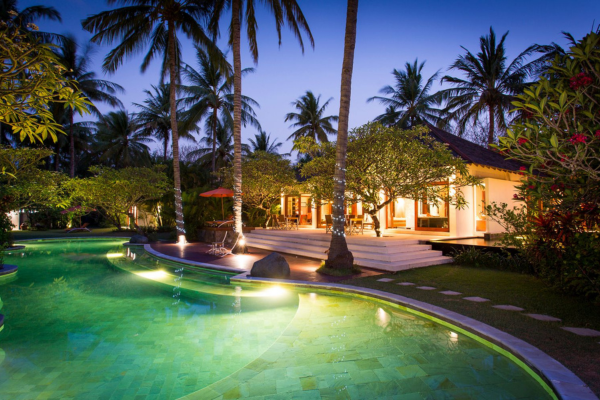
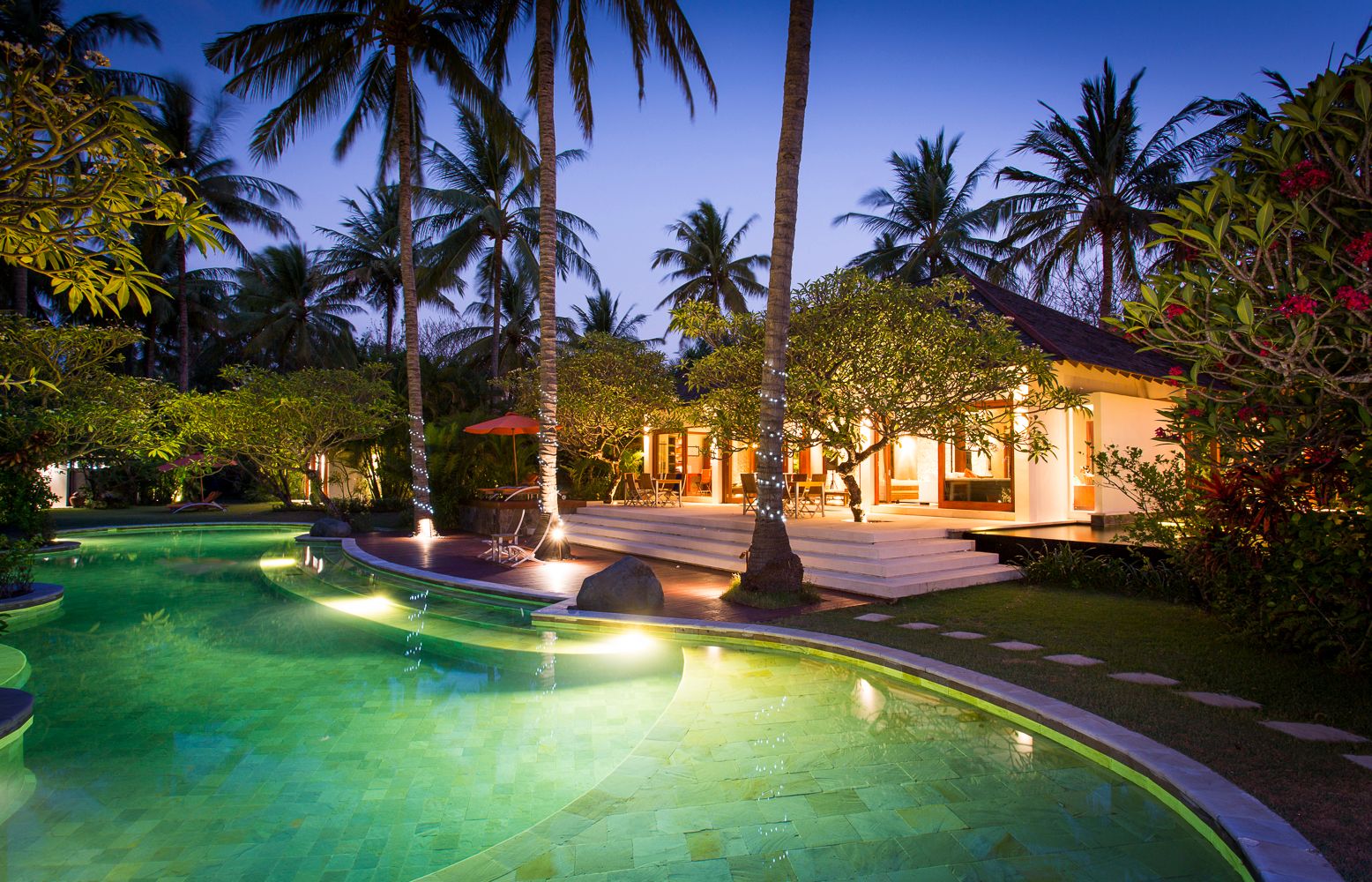
 Enjoy unprecedented beach access and privacy at the Anandita Villa
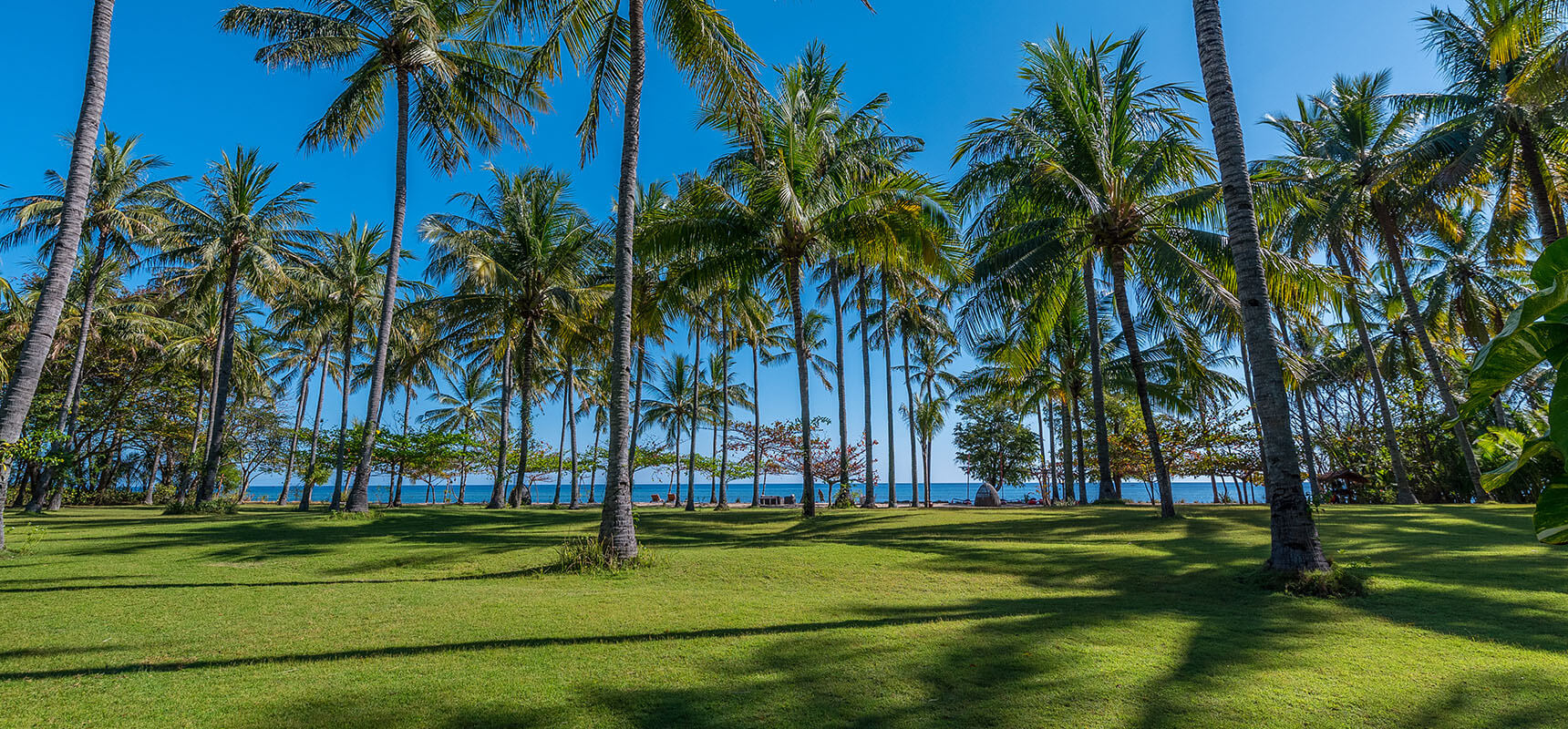 Reconnect with nature on the expansive and manicured Villa grounds
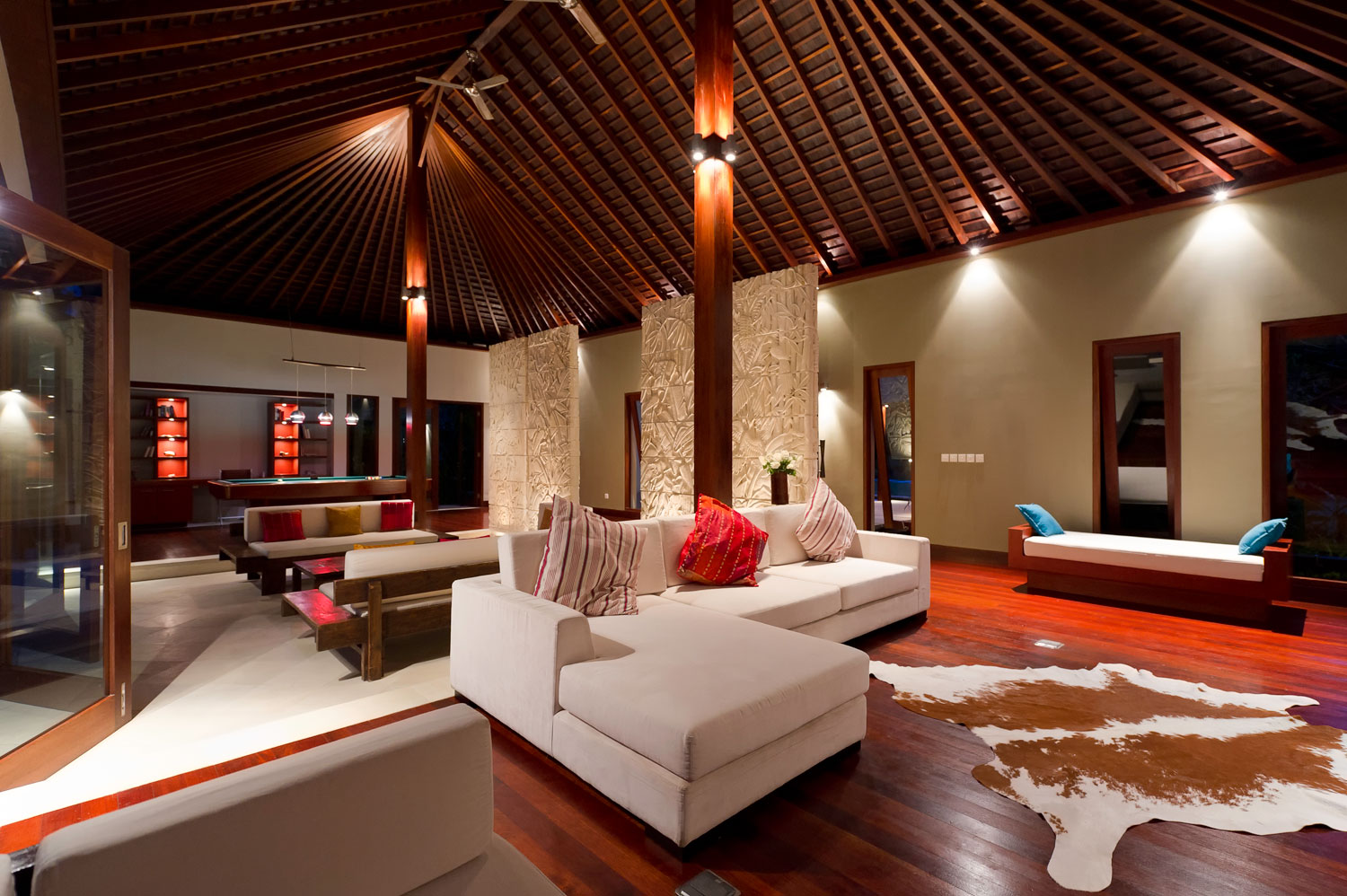 The Anandita is a haven for entertaining and big groups and families
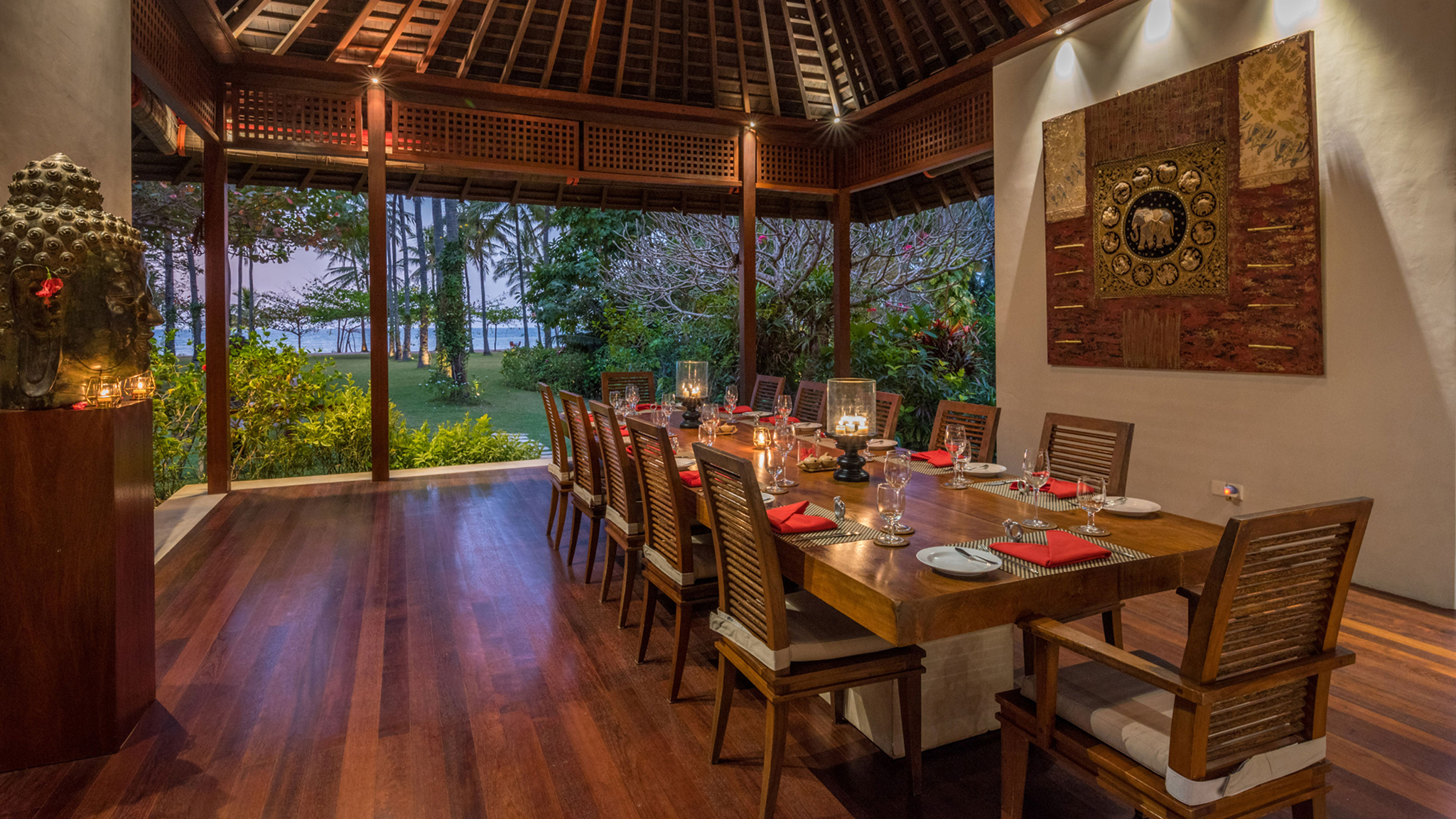 Experience world class dining experiences at the Anandita Villa
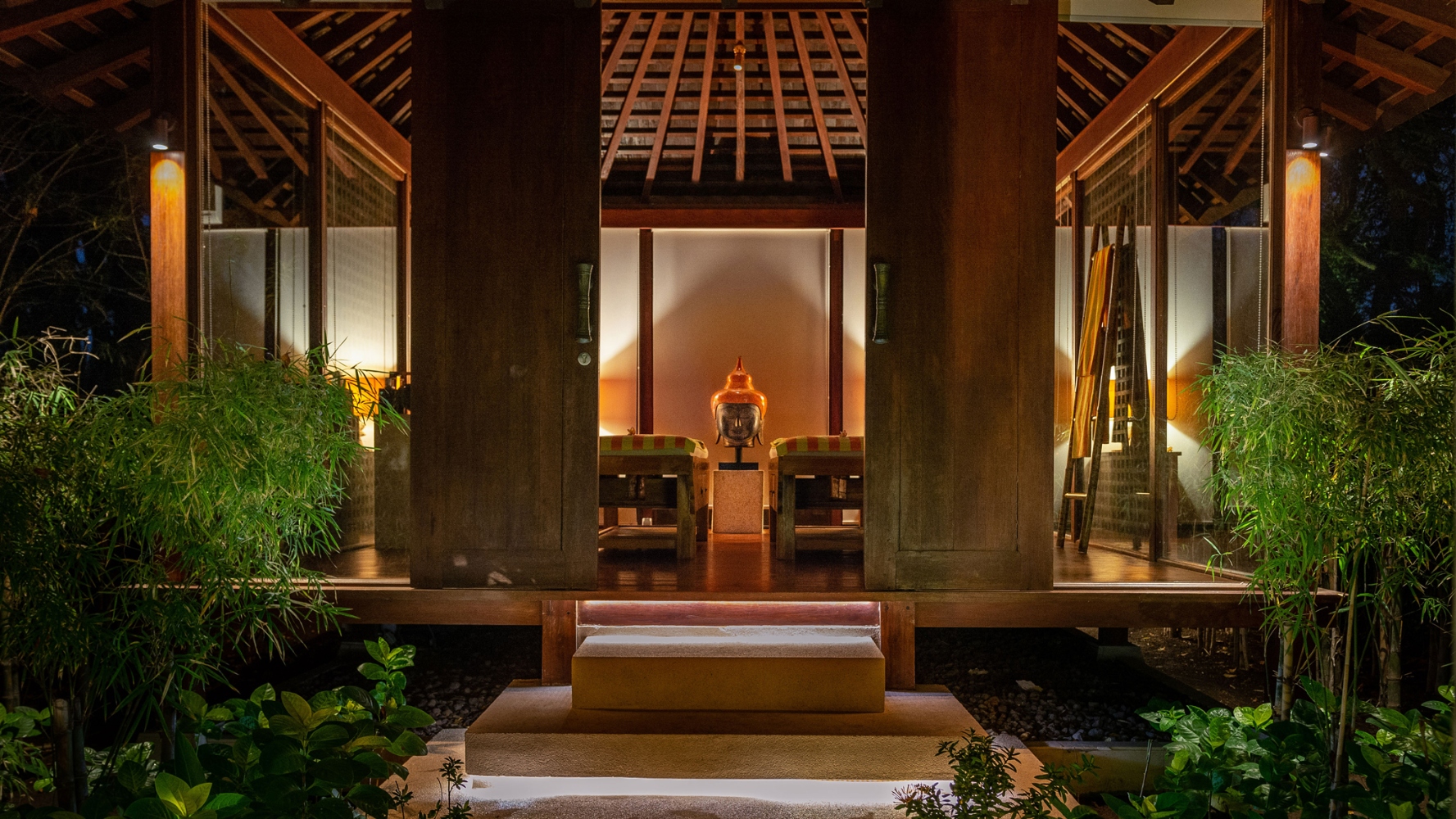 Unlike most private villas, the Anandita has its very own private in-house spa
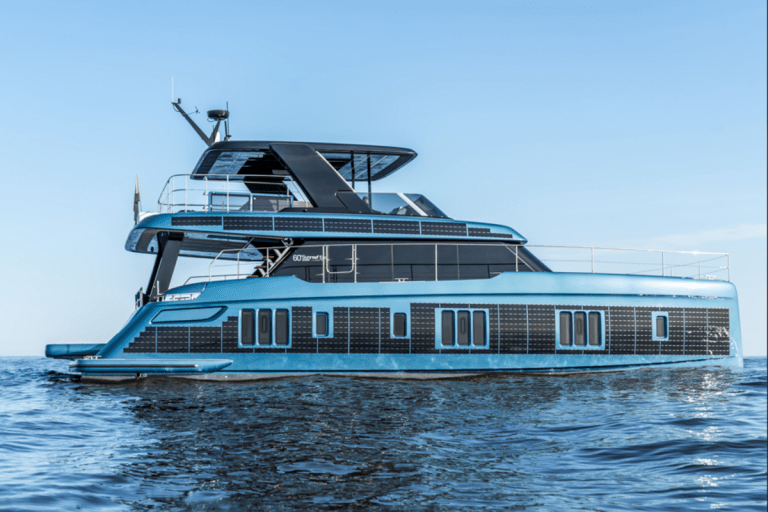
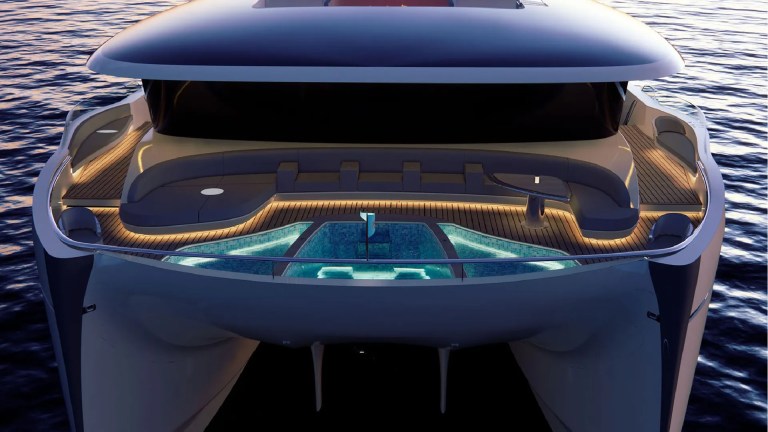

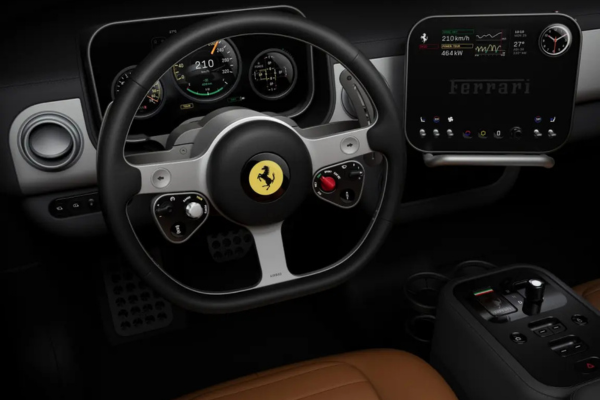

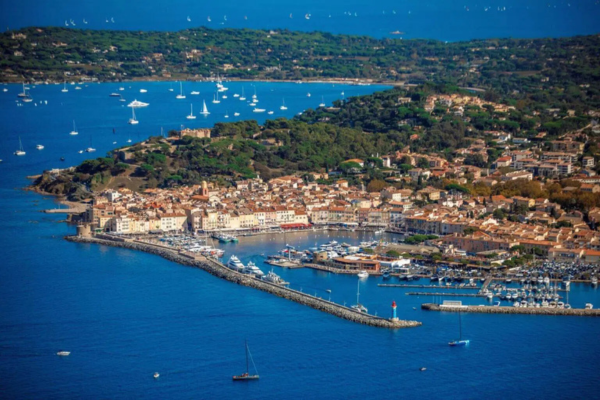



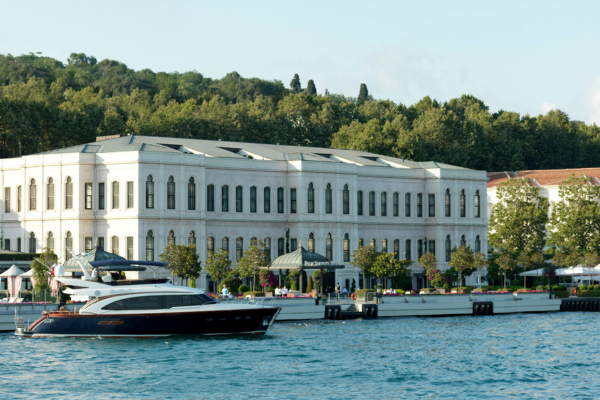
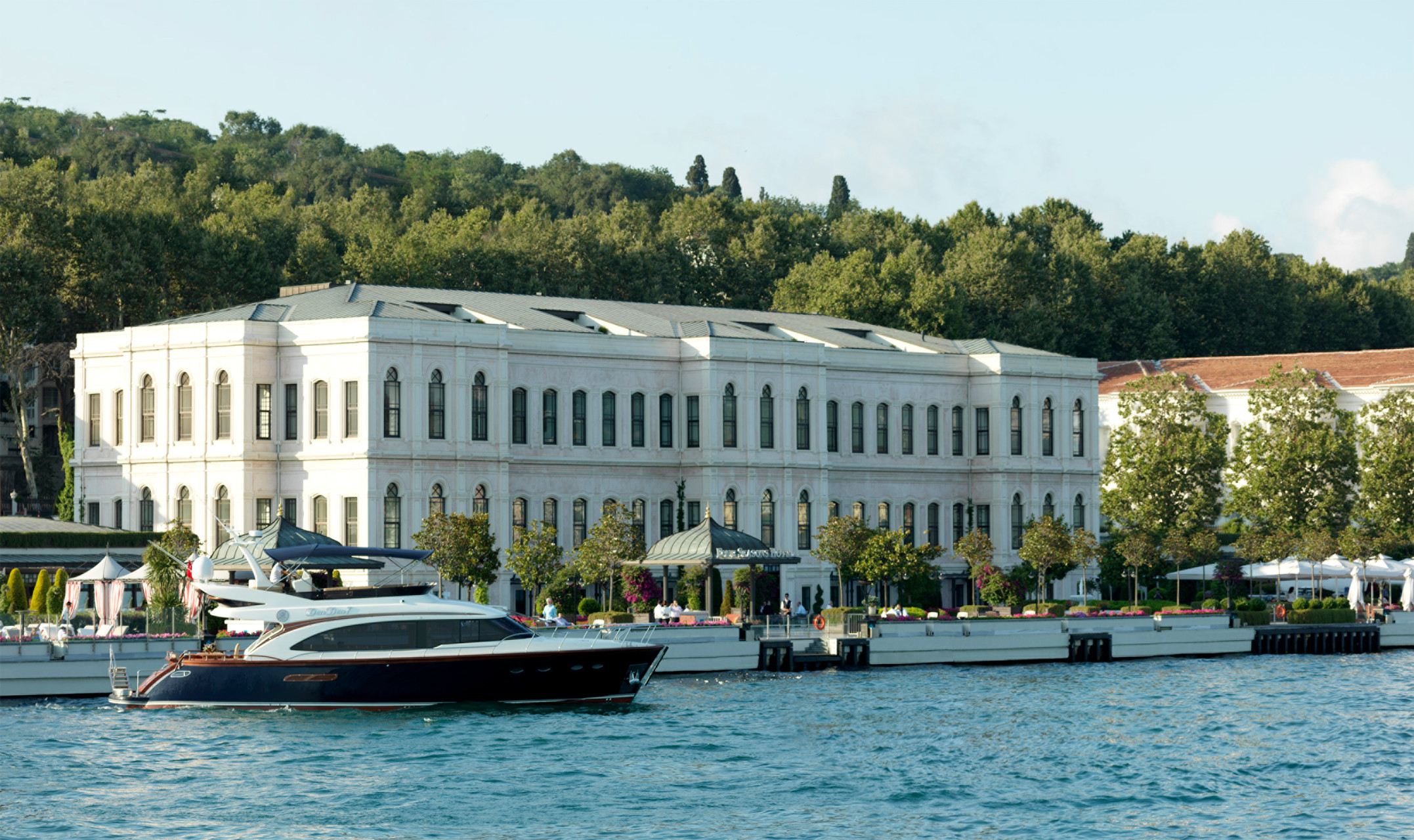
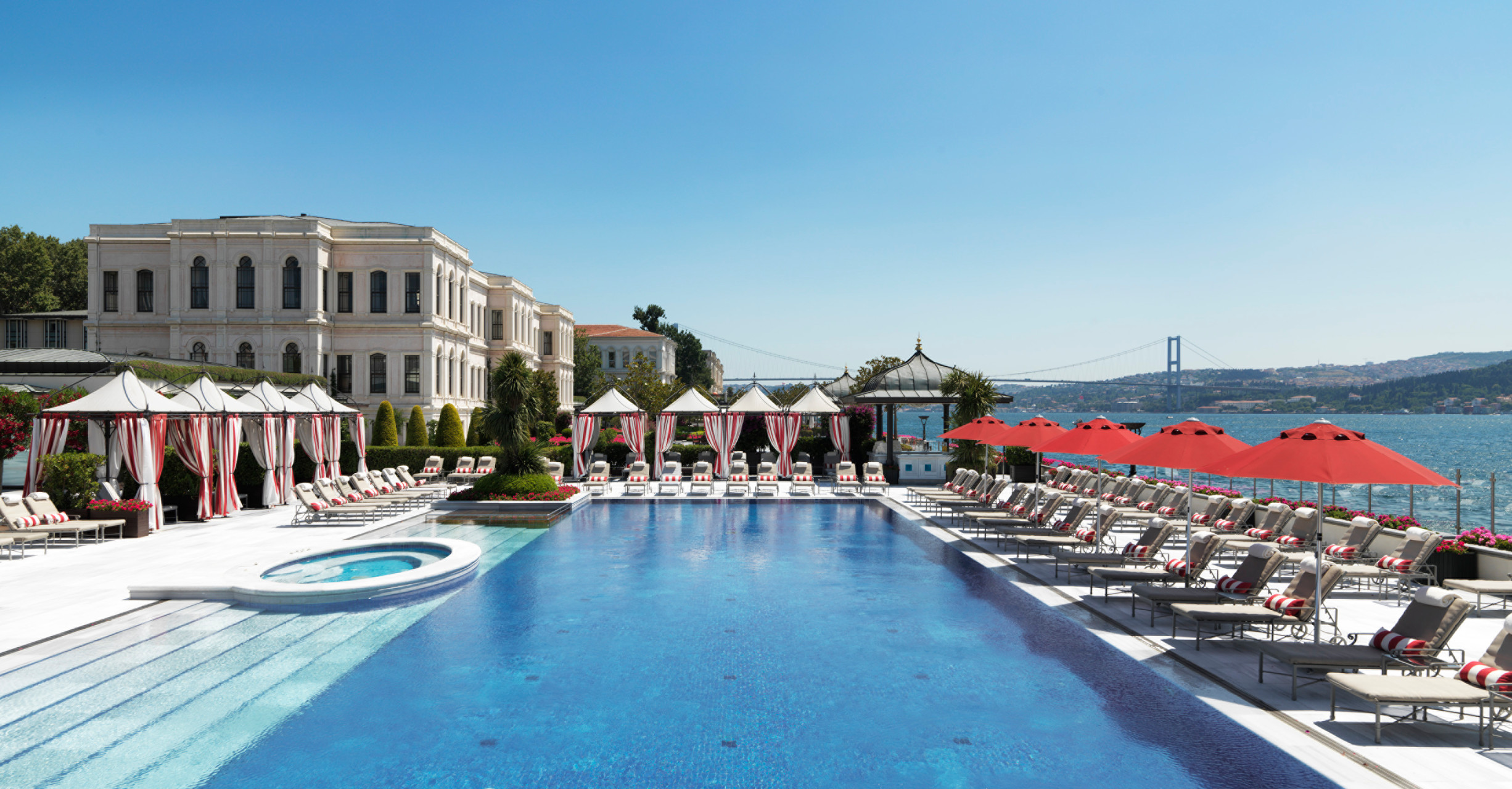
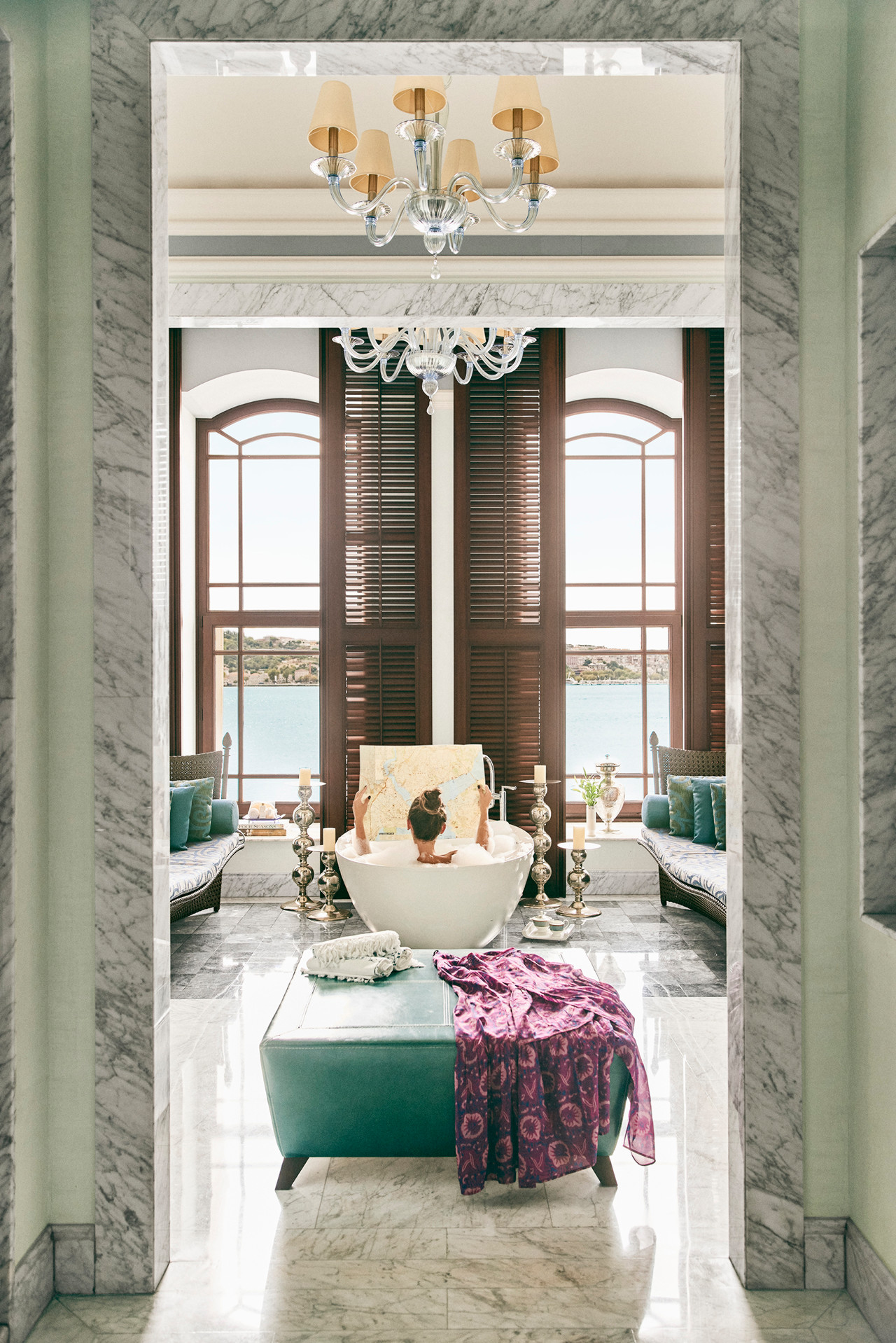
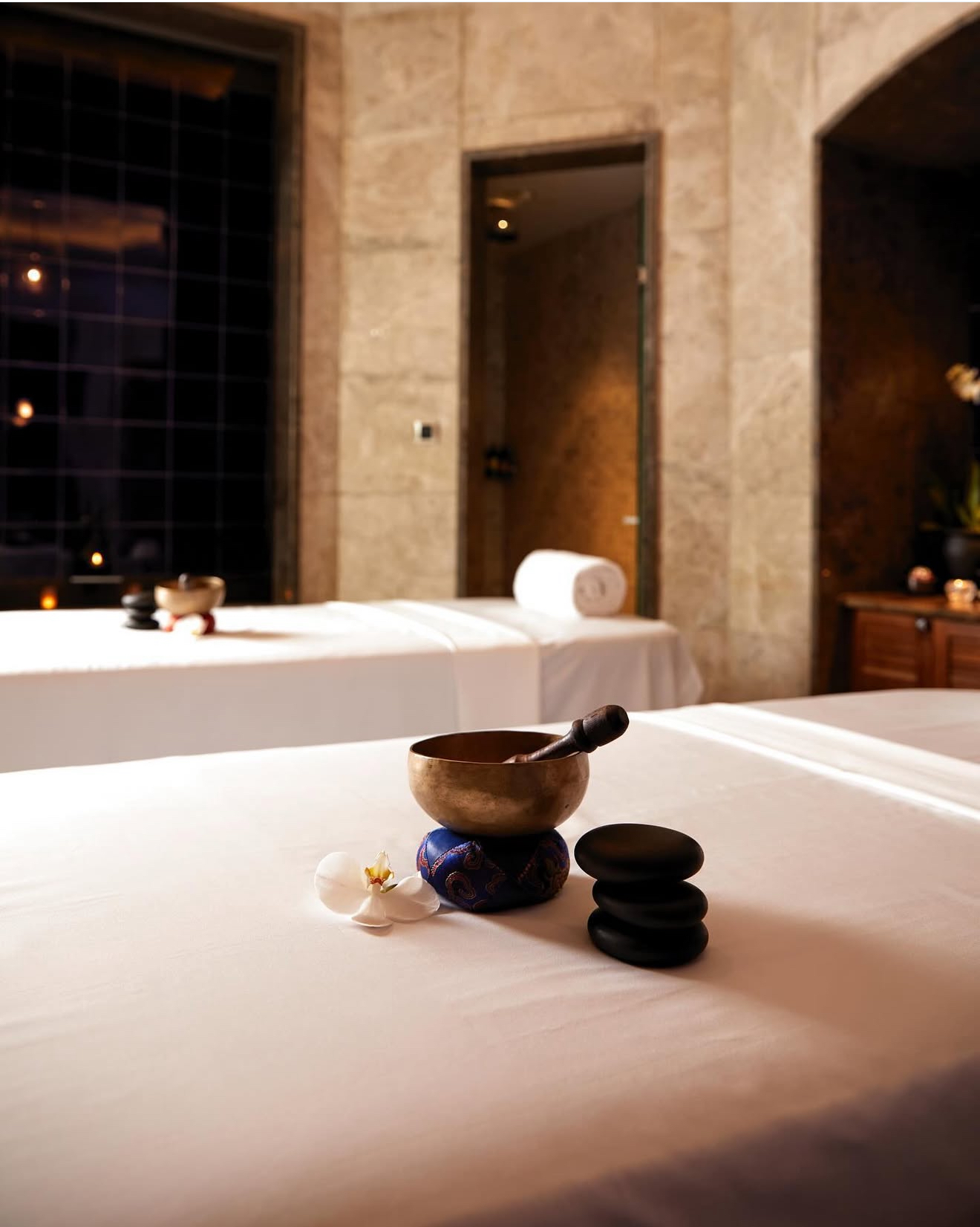
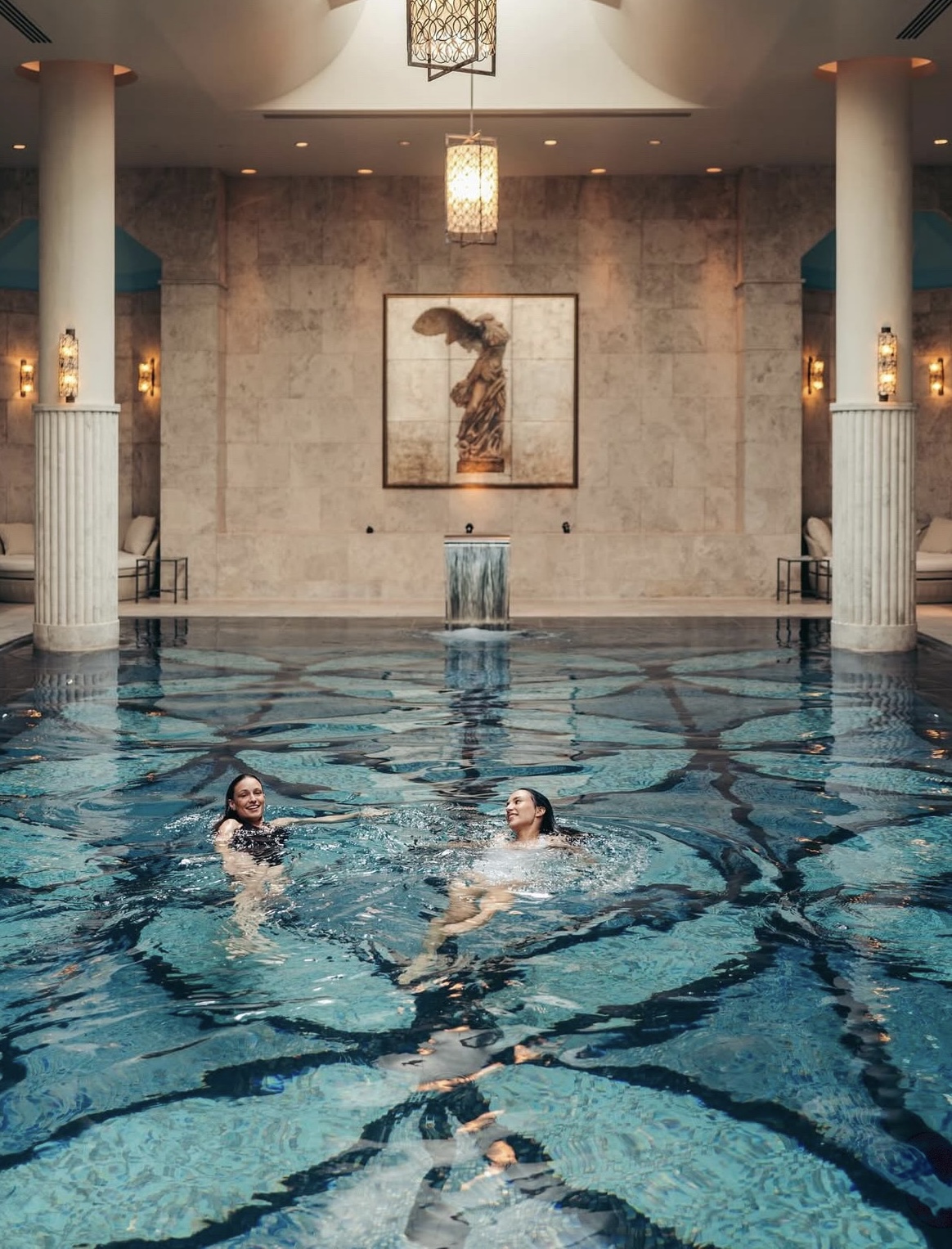
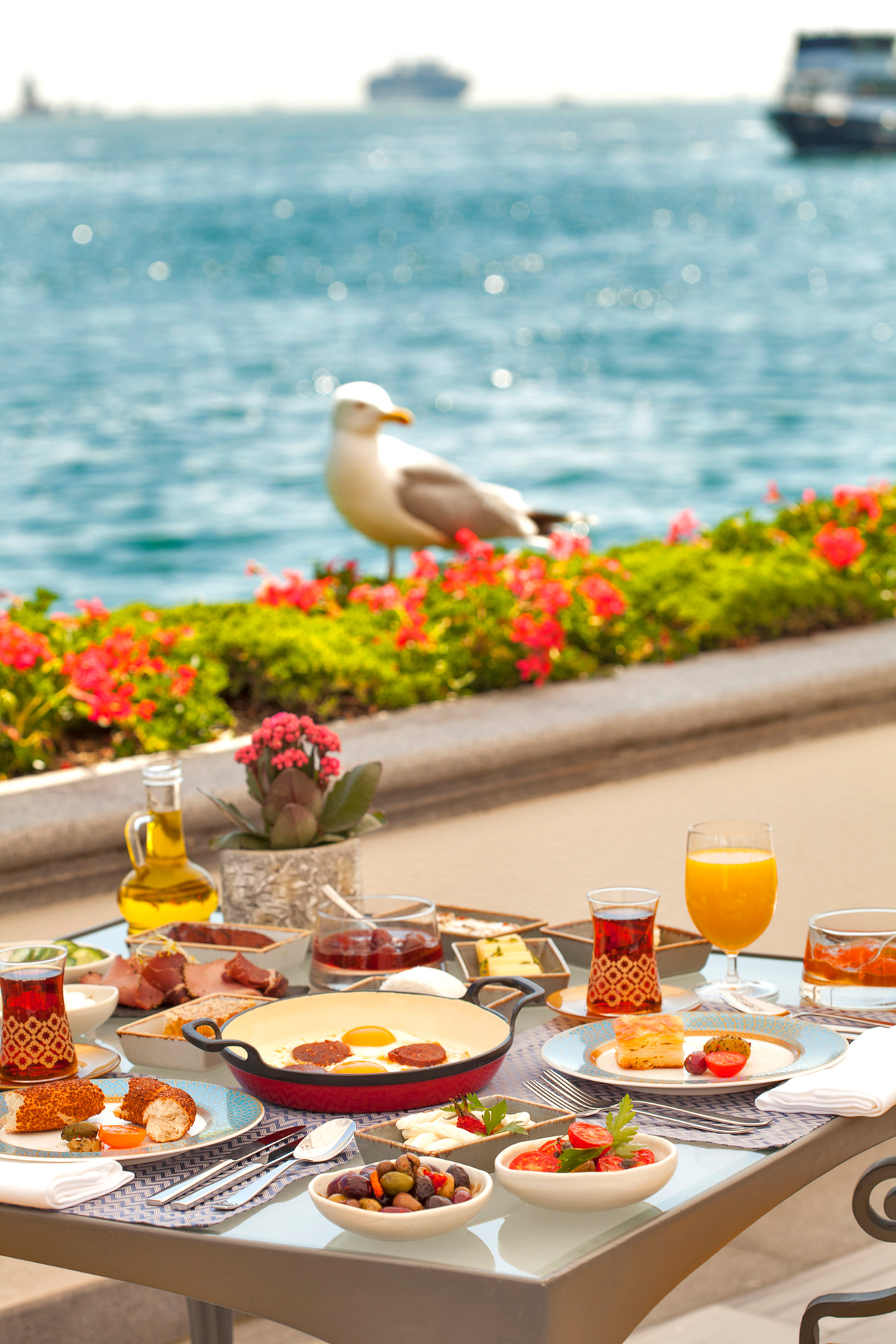
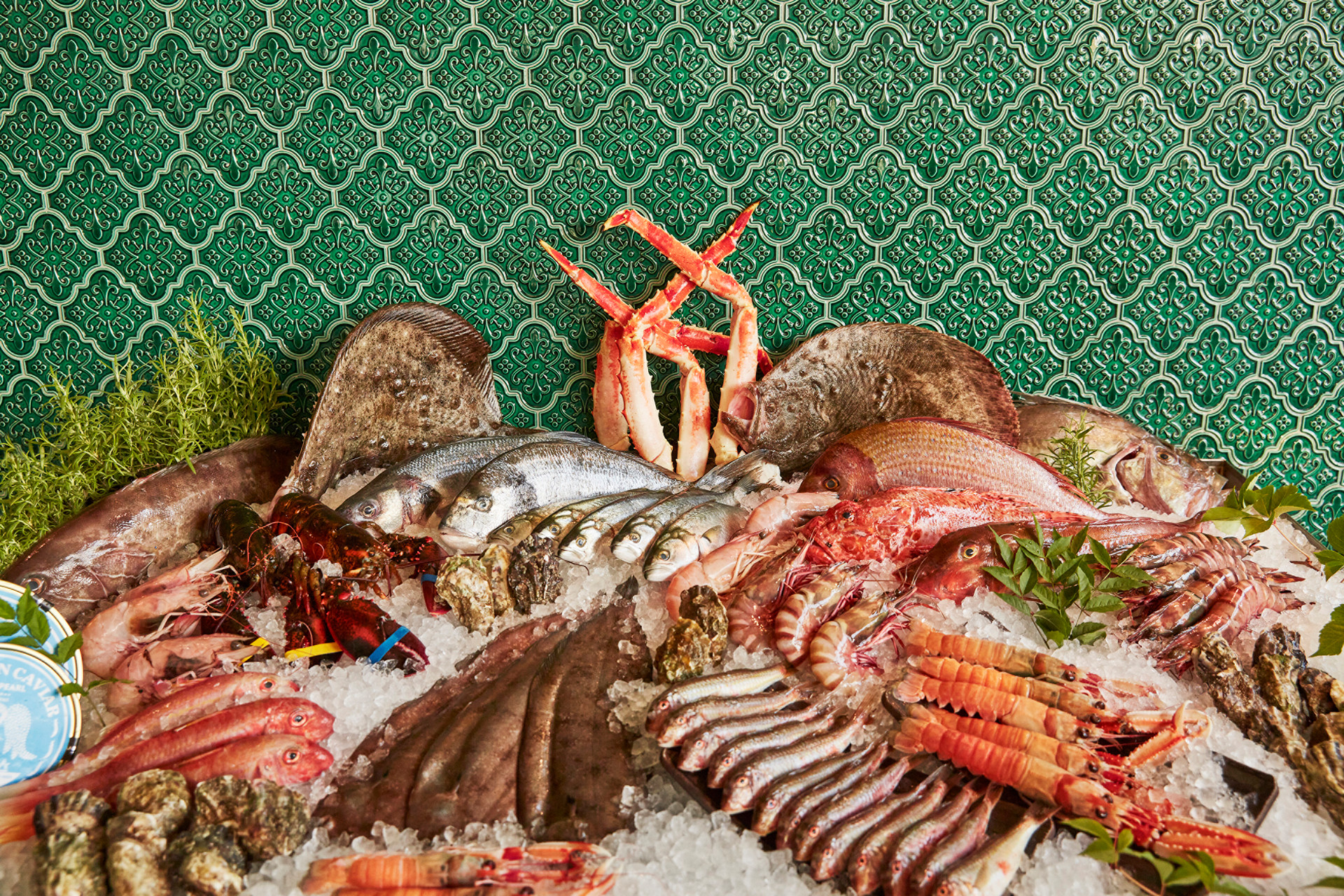
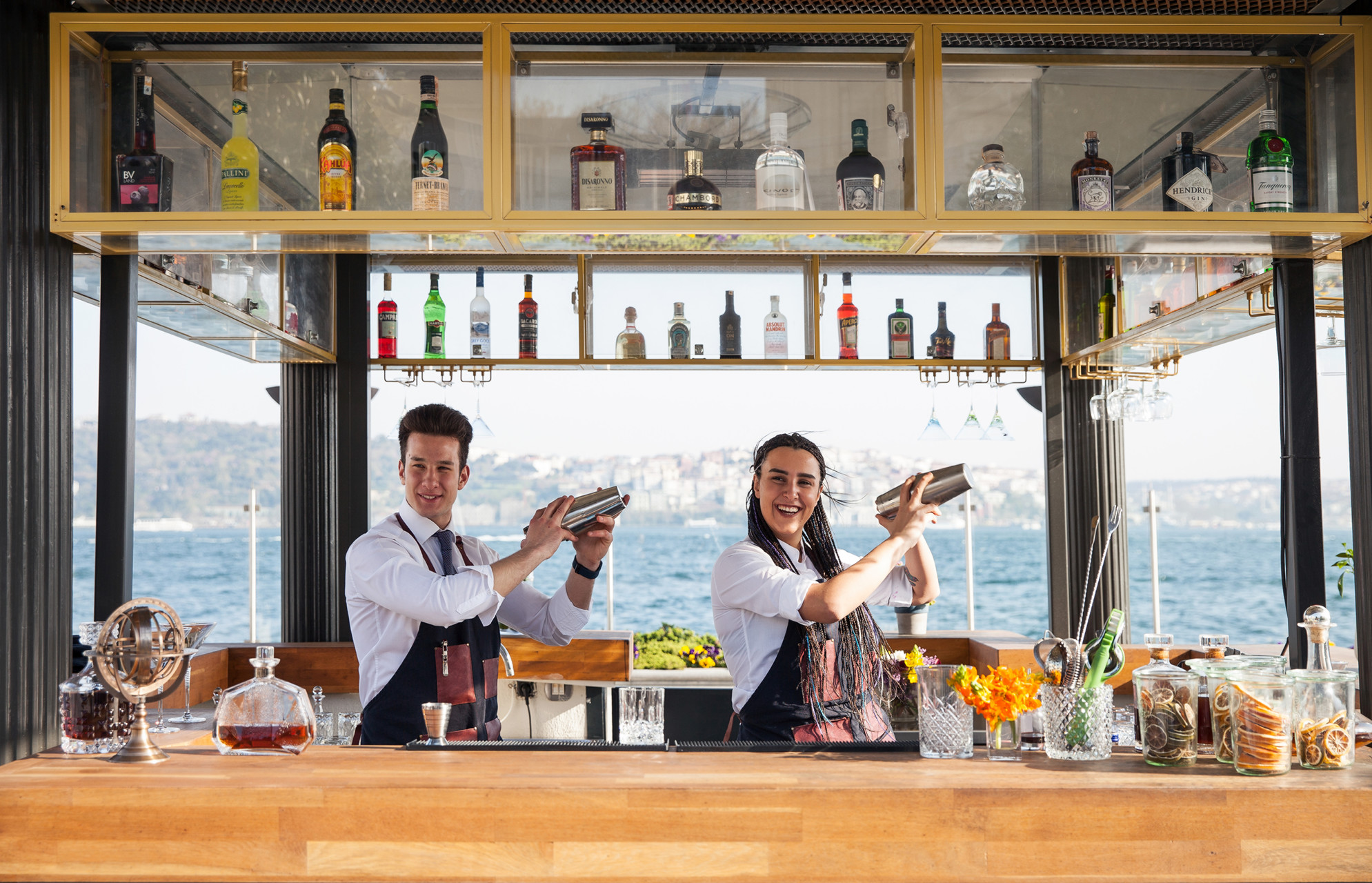
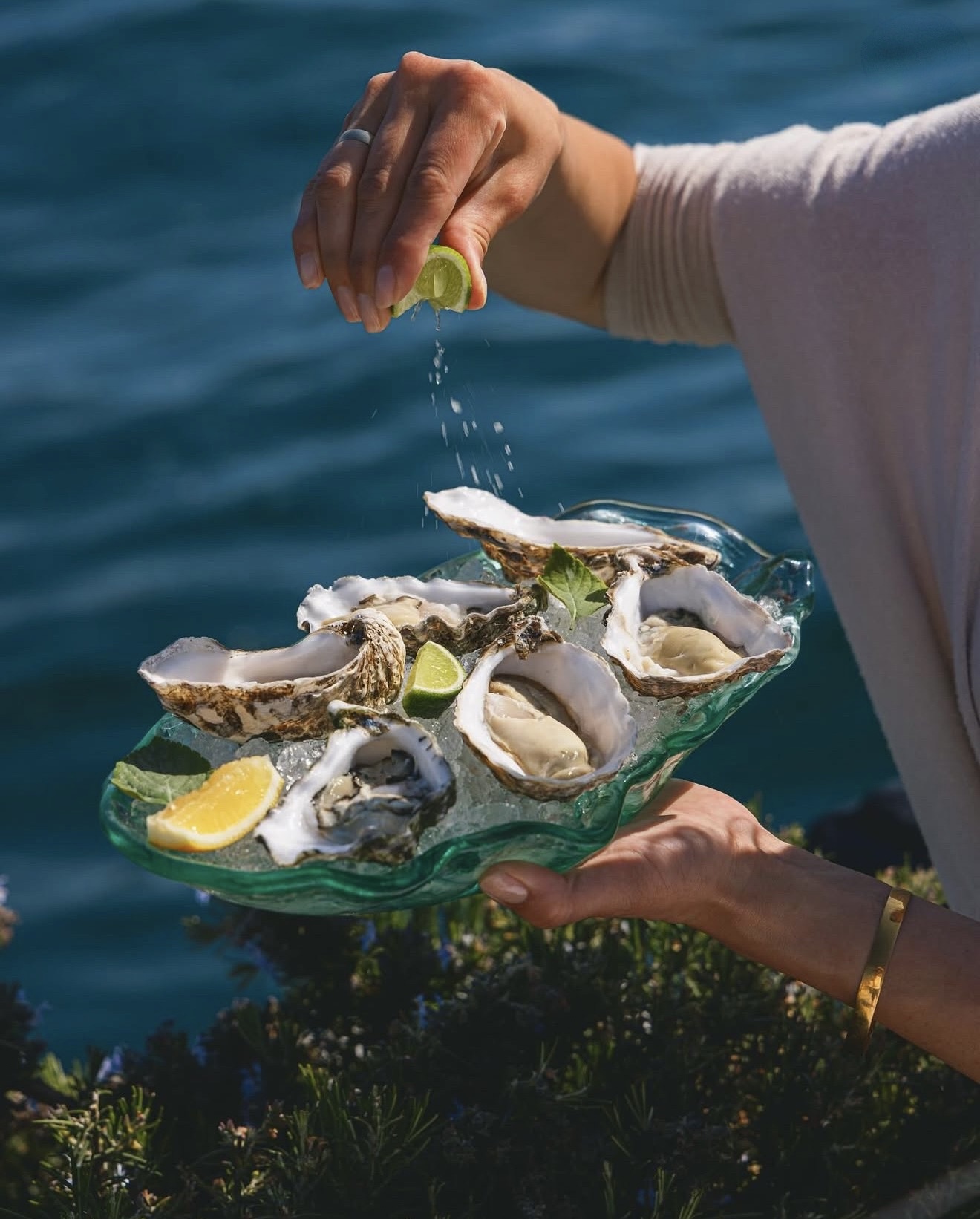
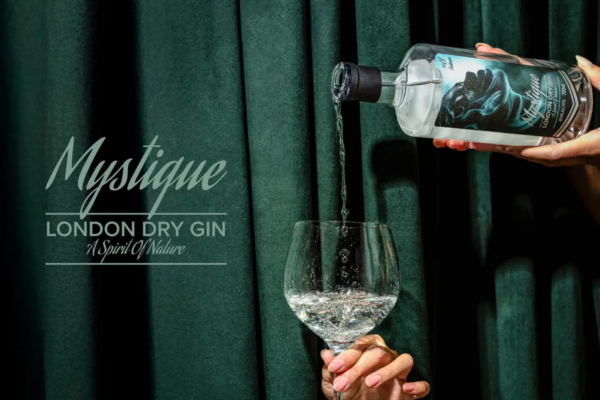

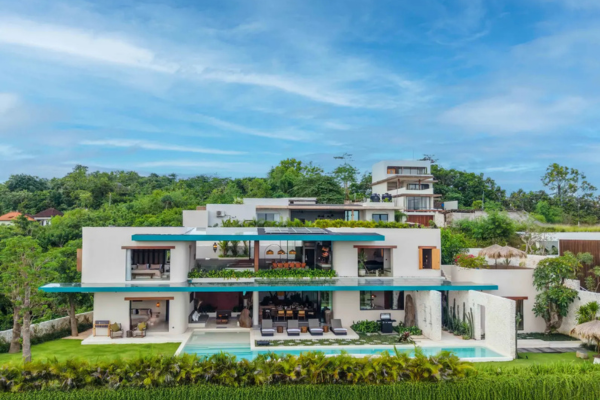





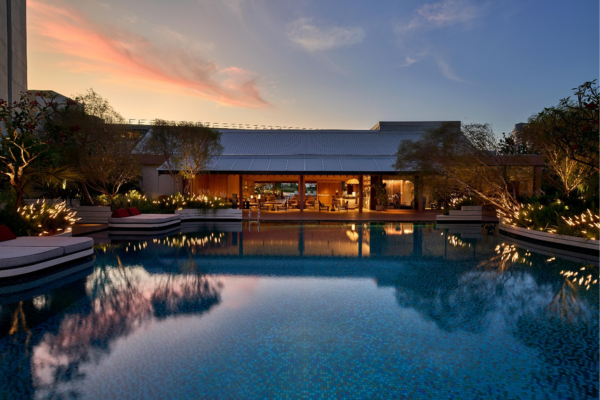

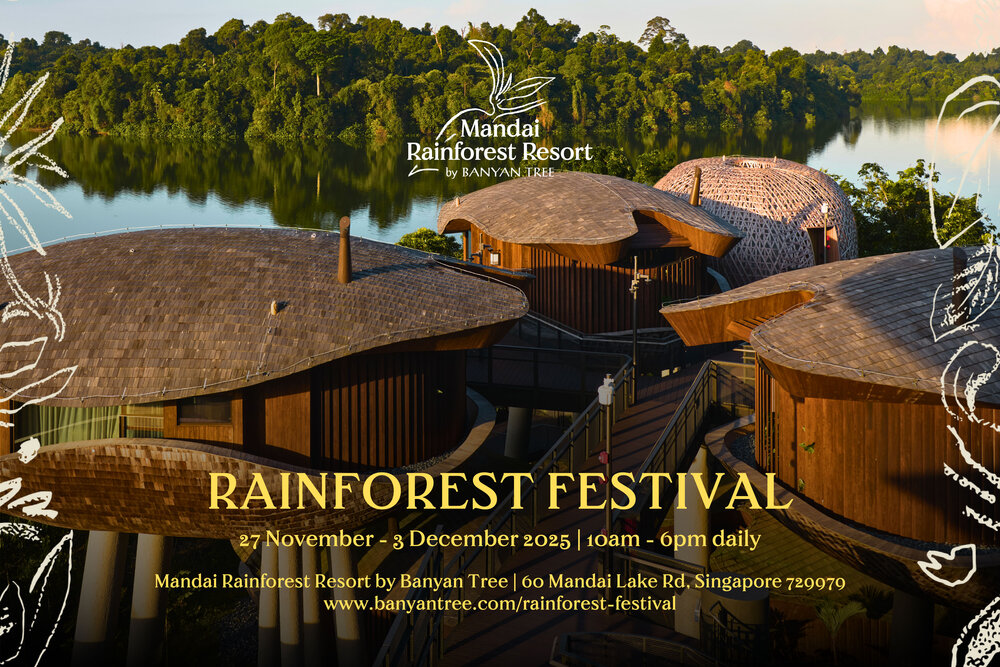
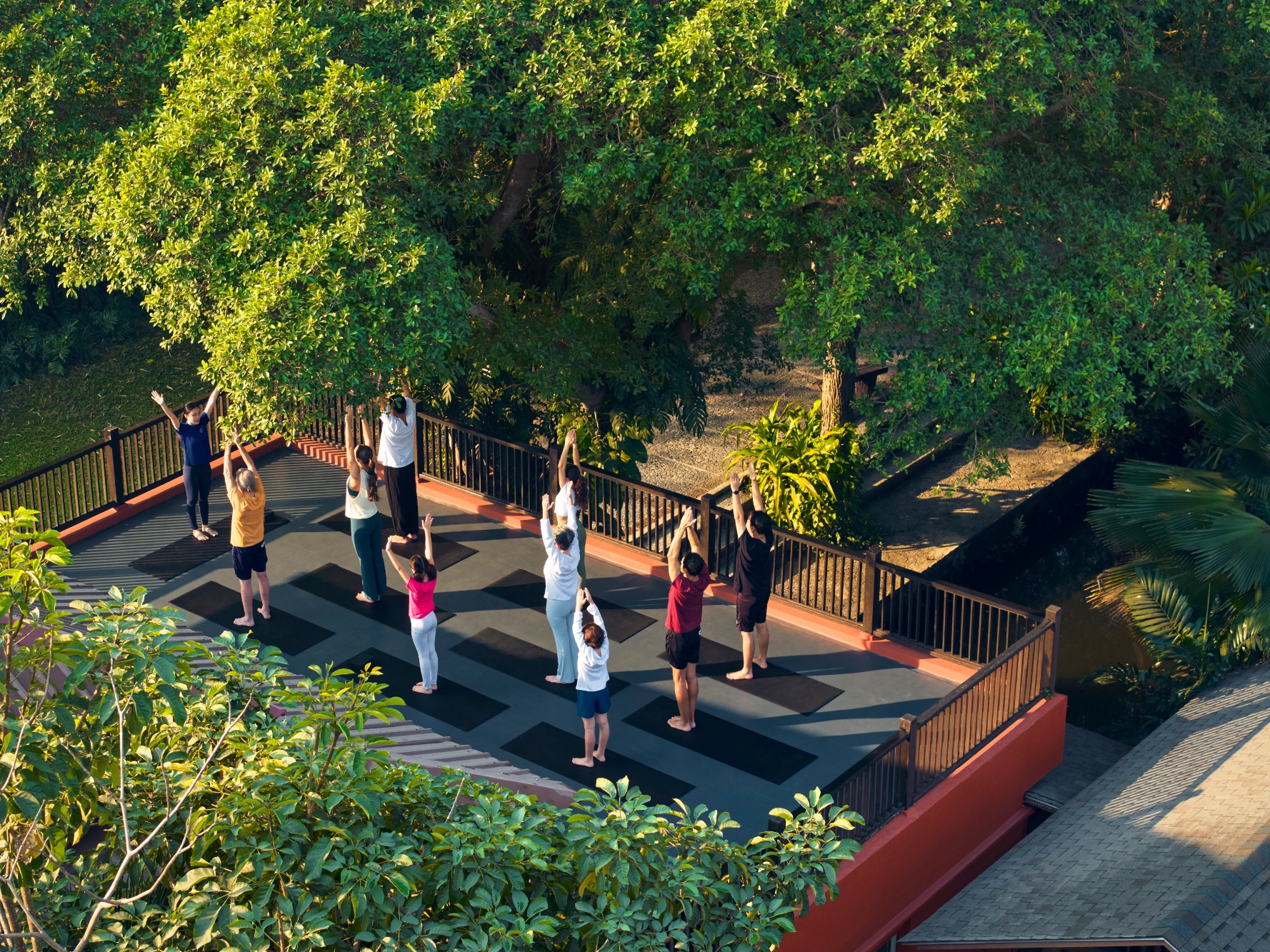

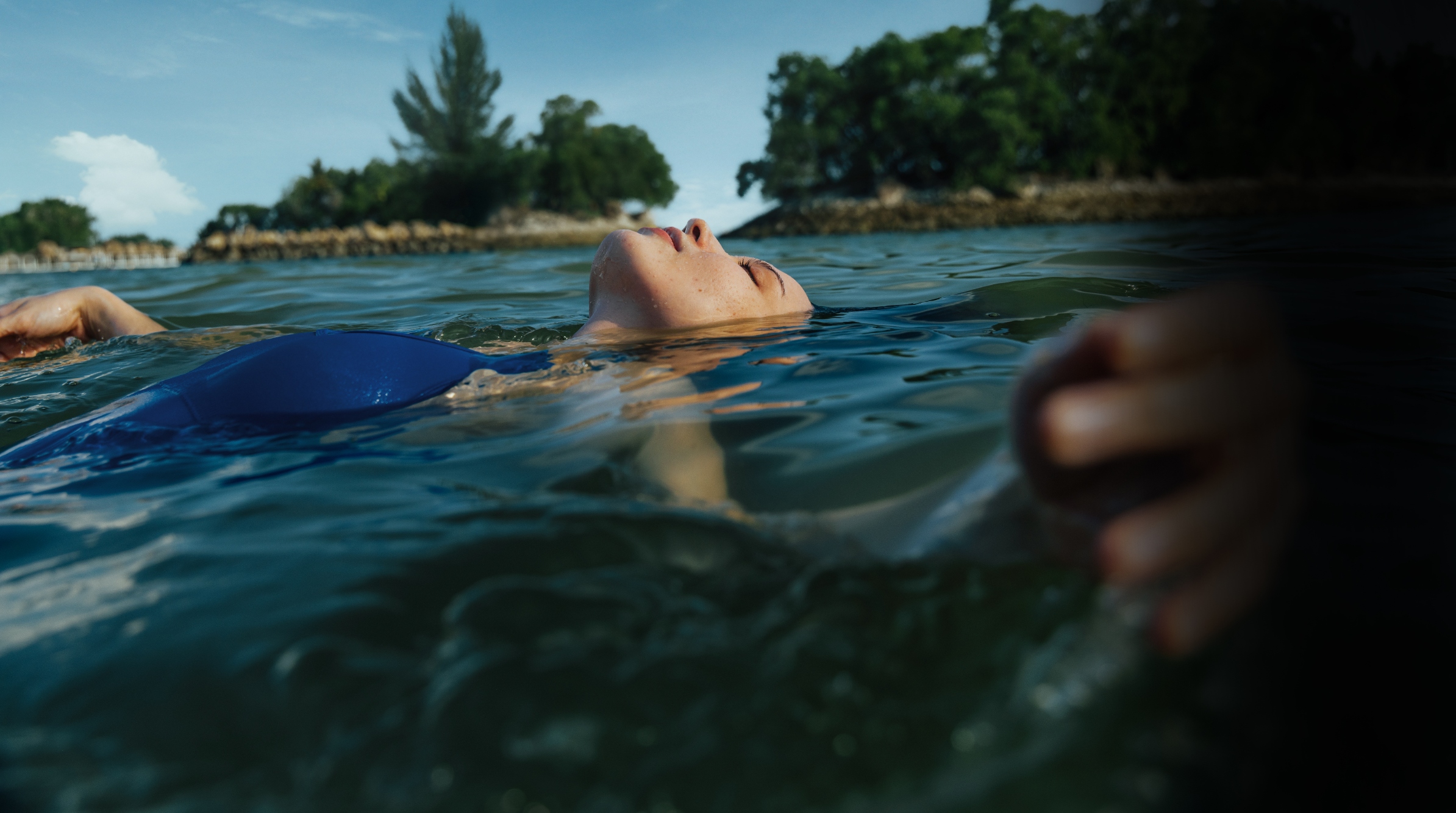


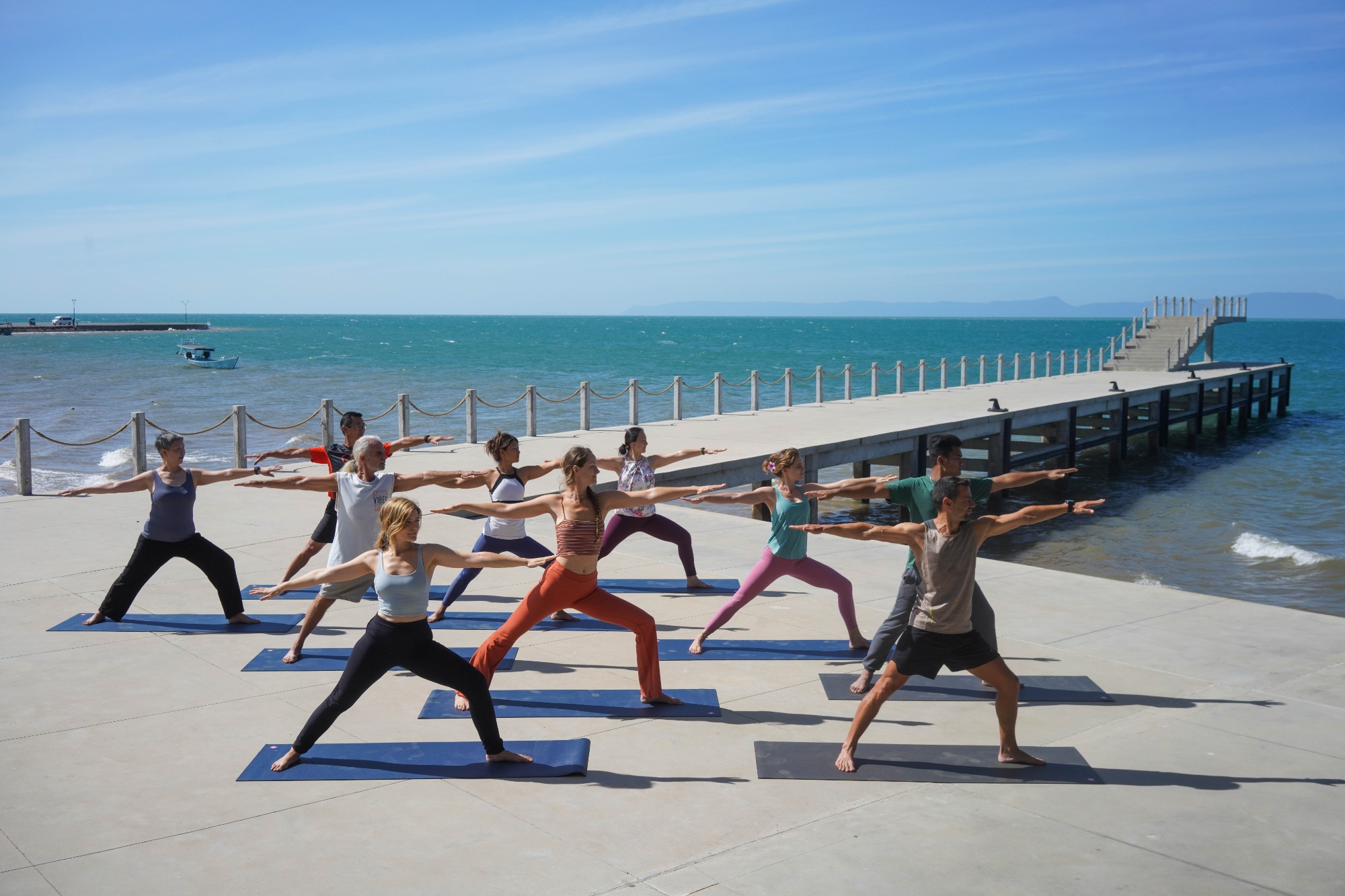
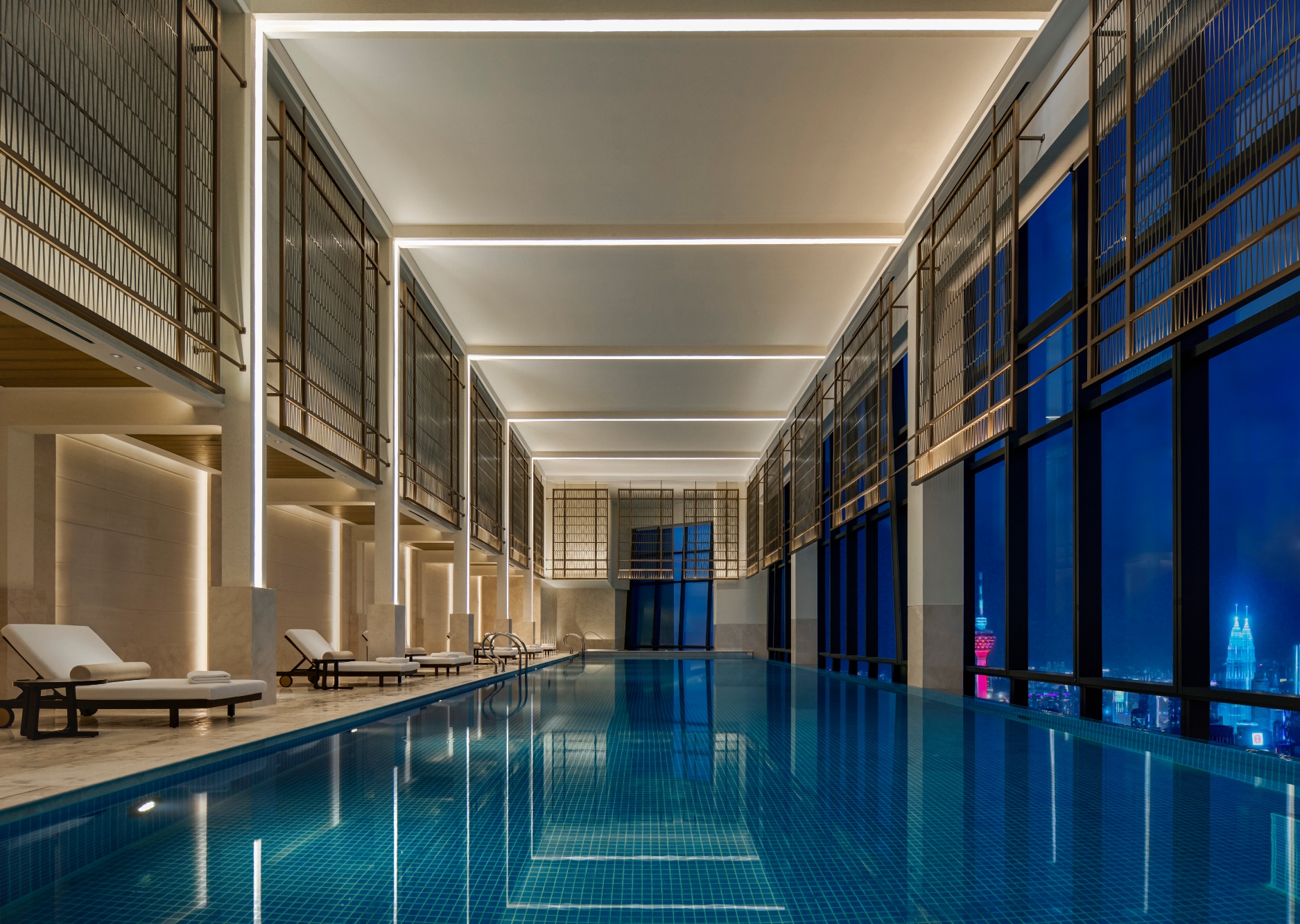

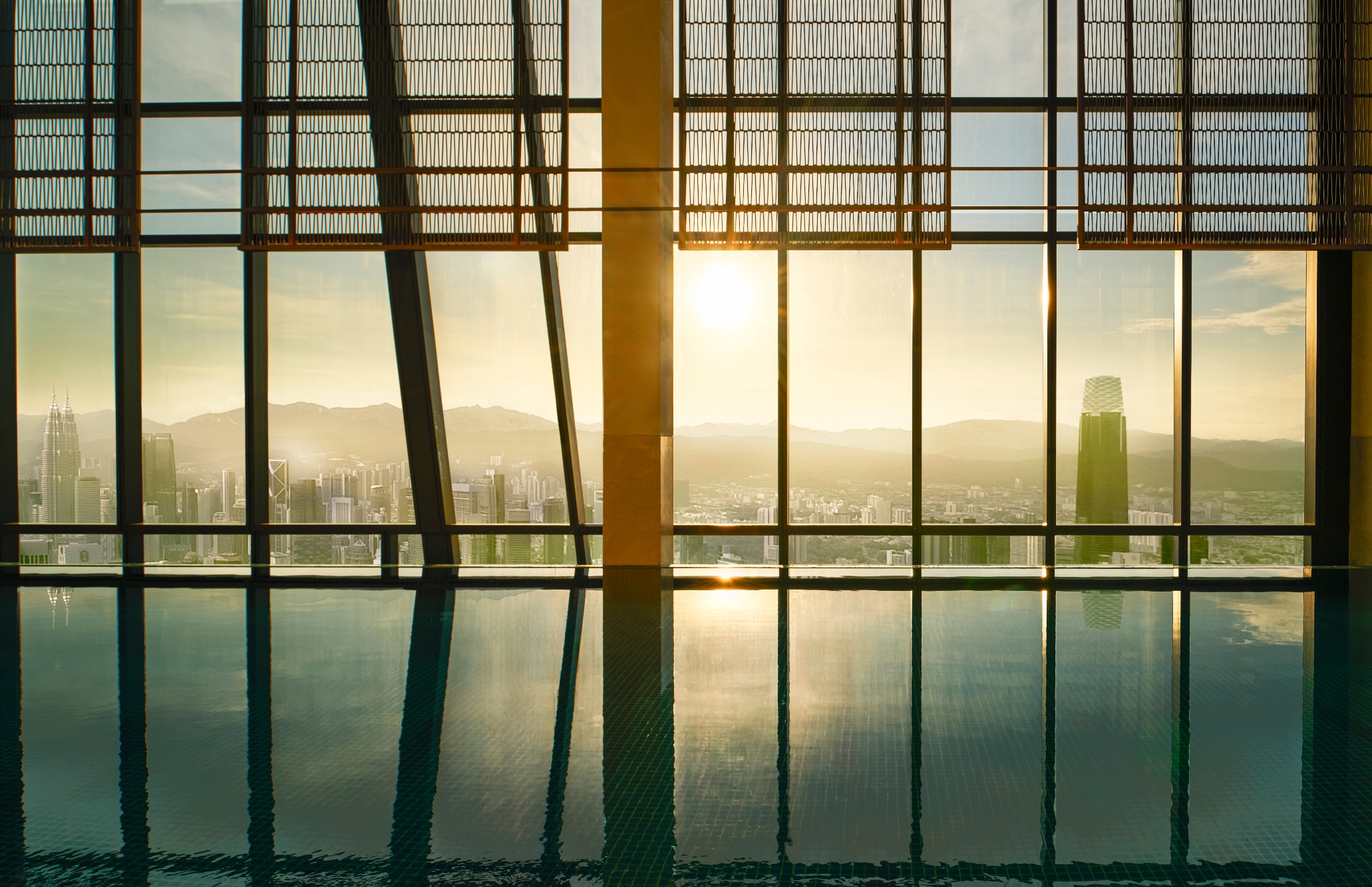
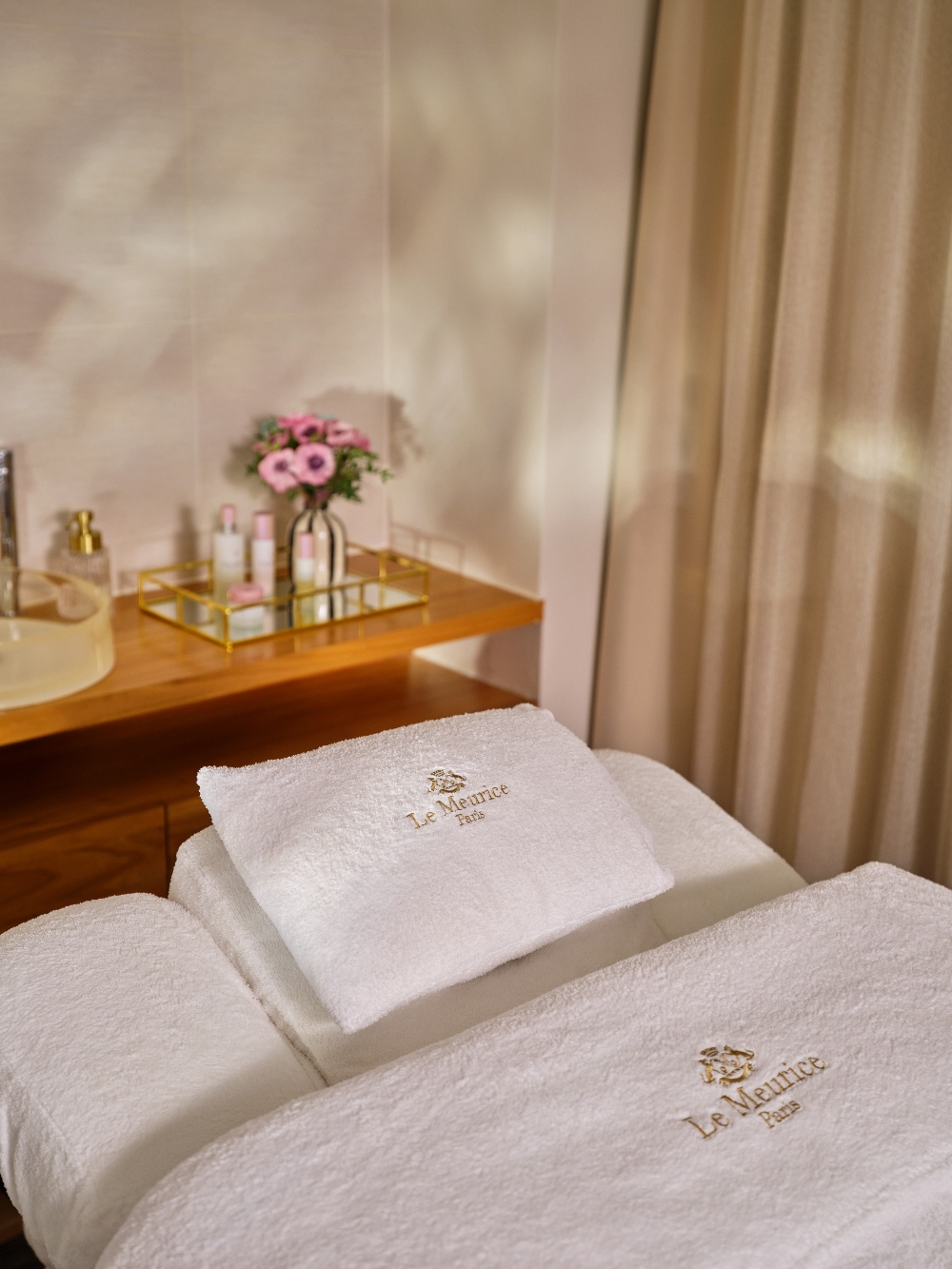
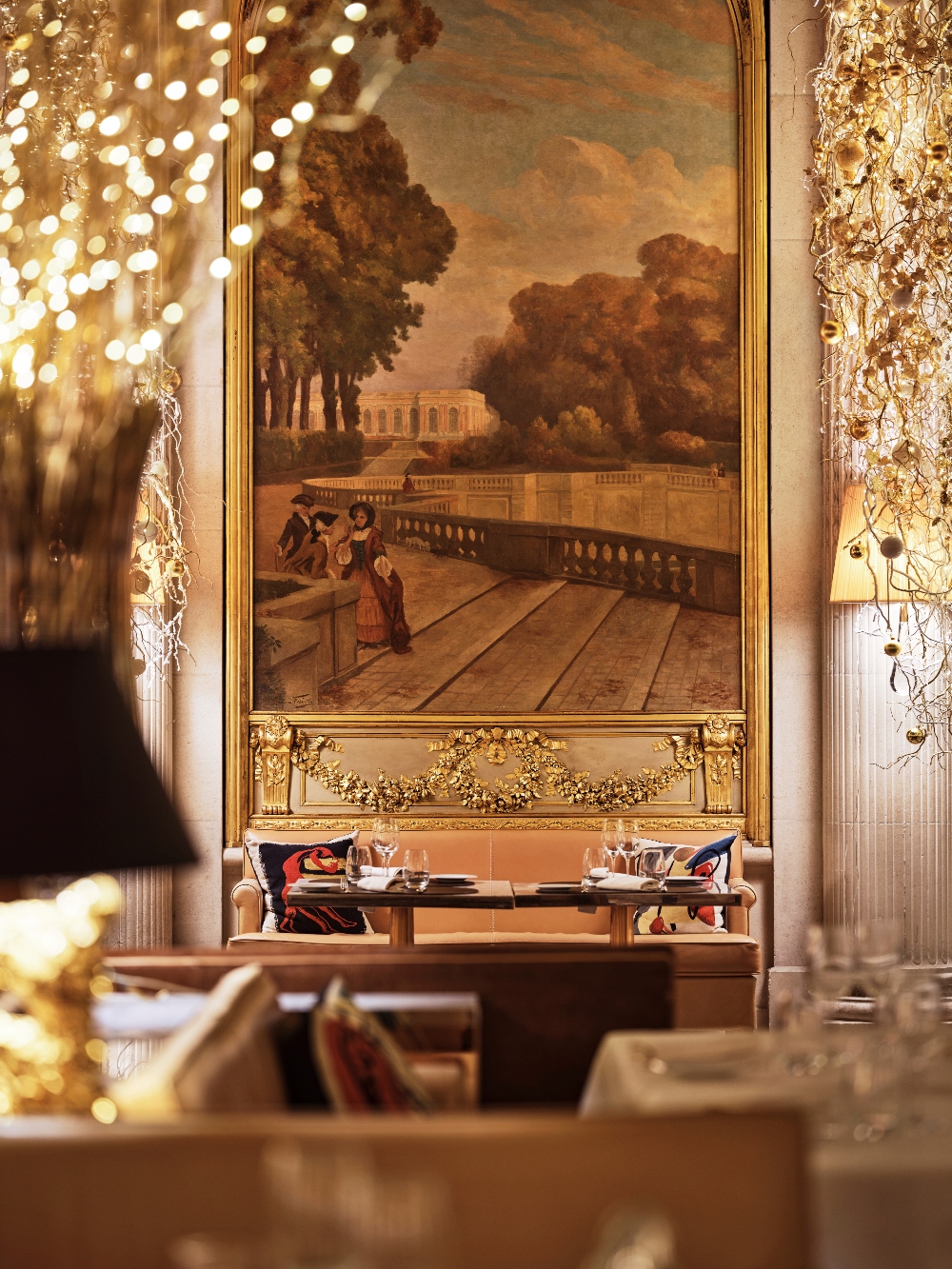




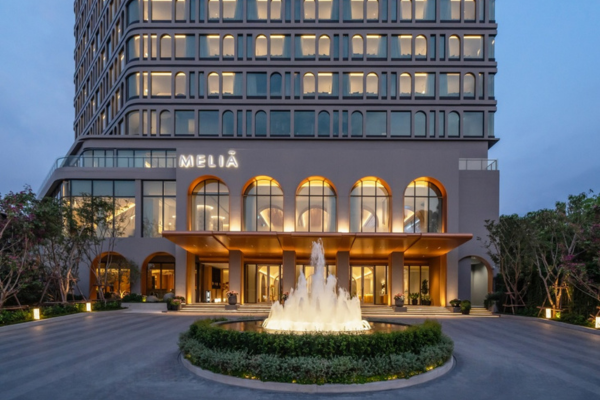



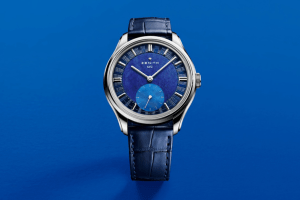

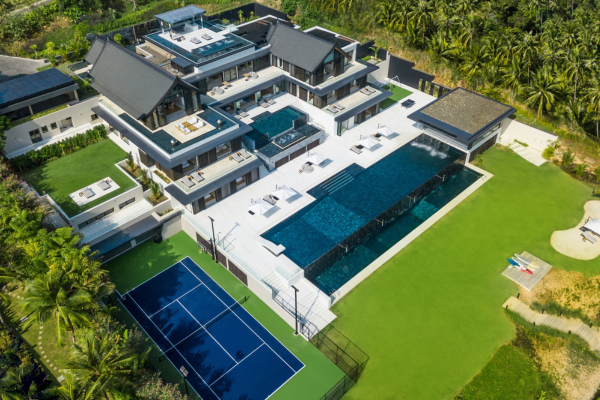
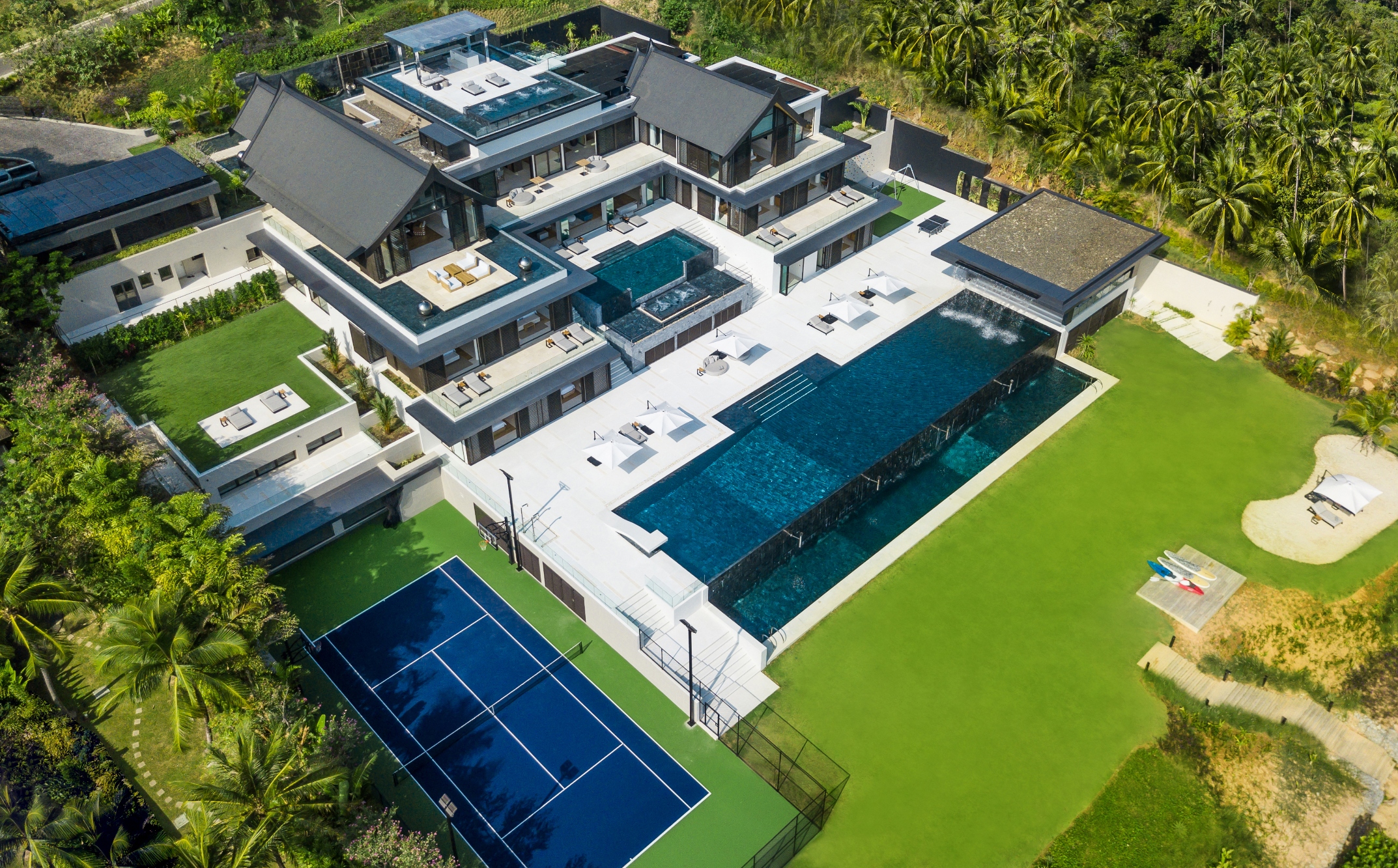
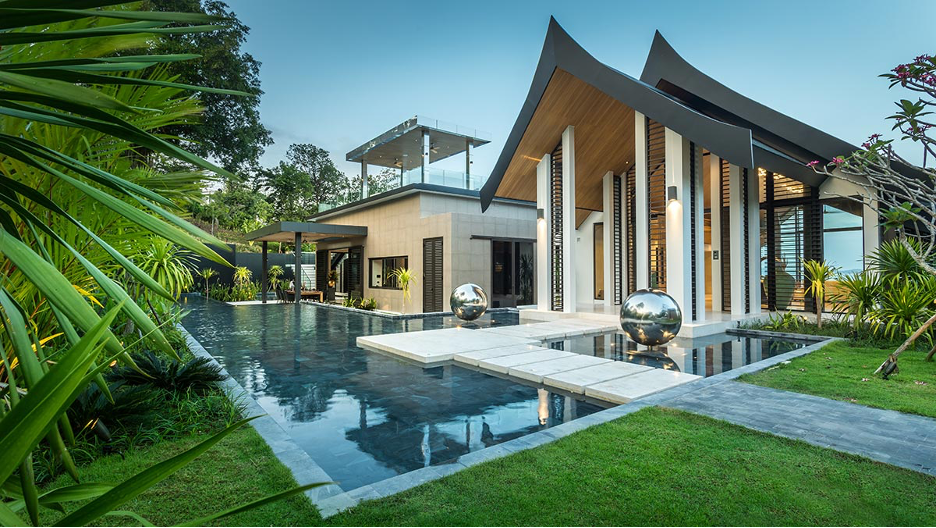
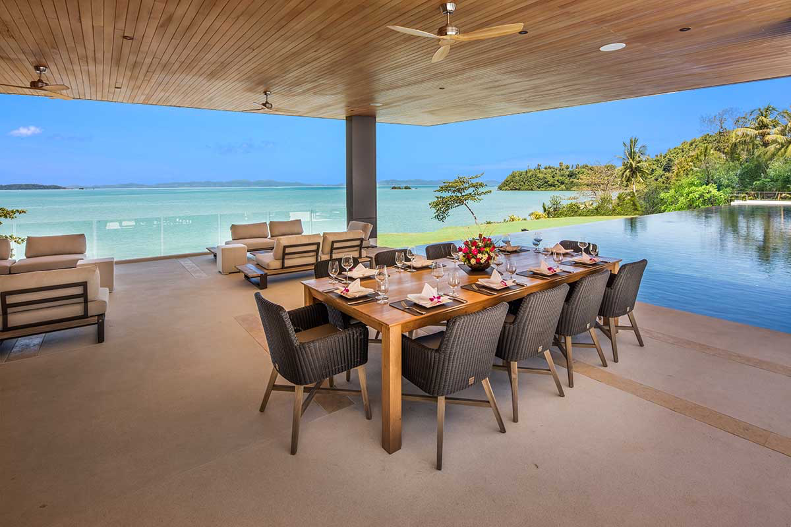
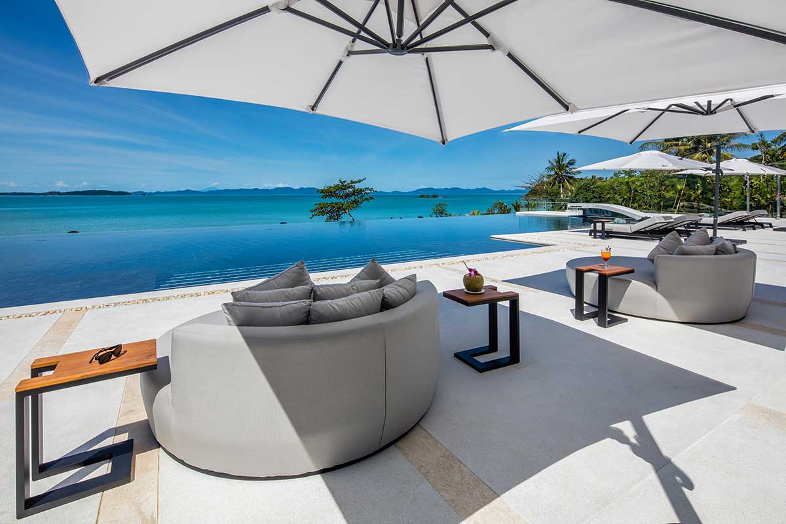
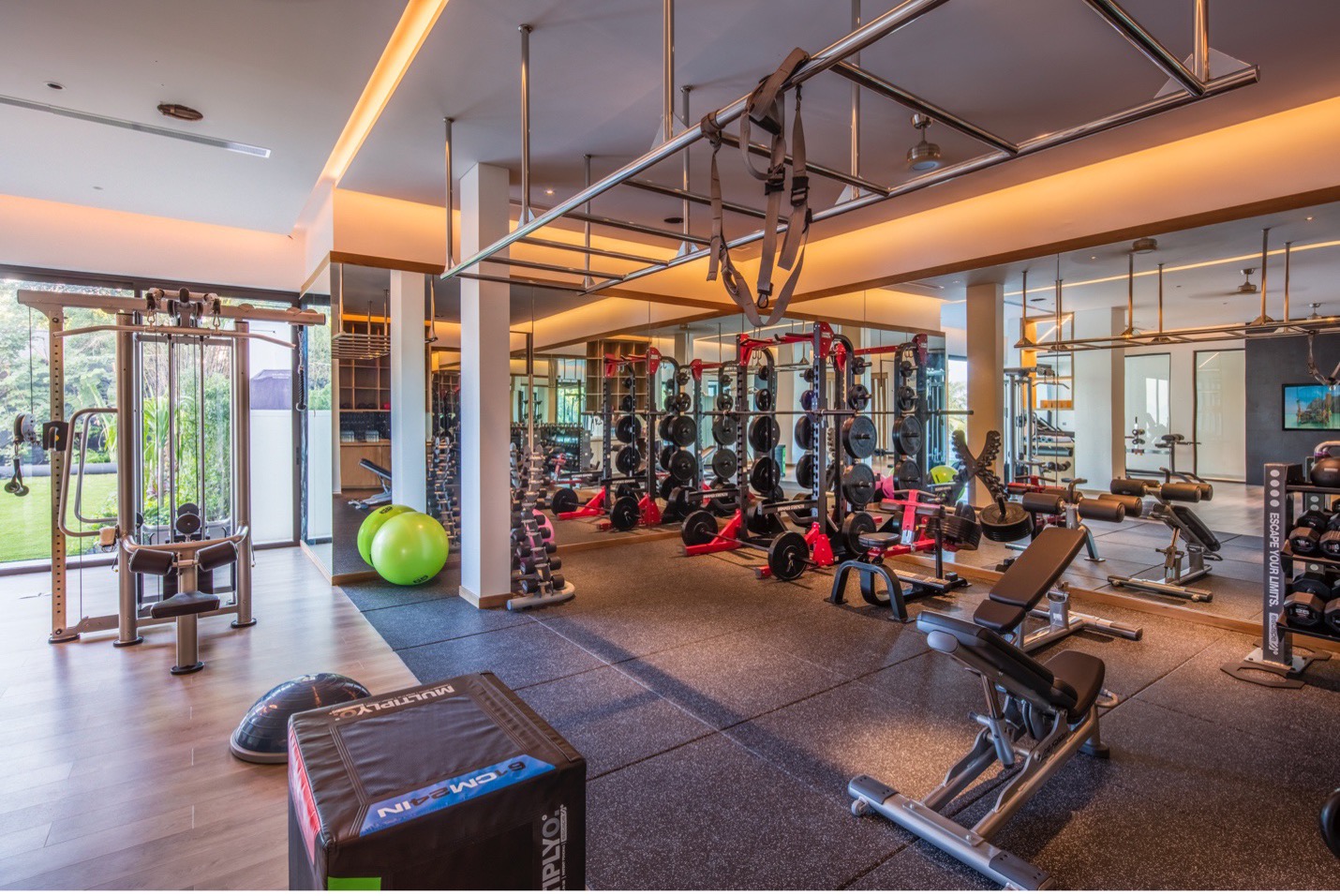
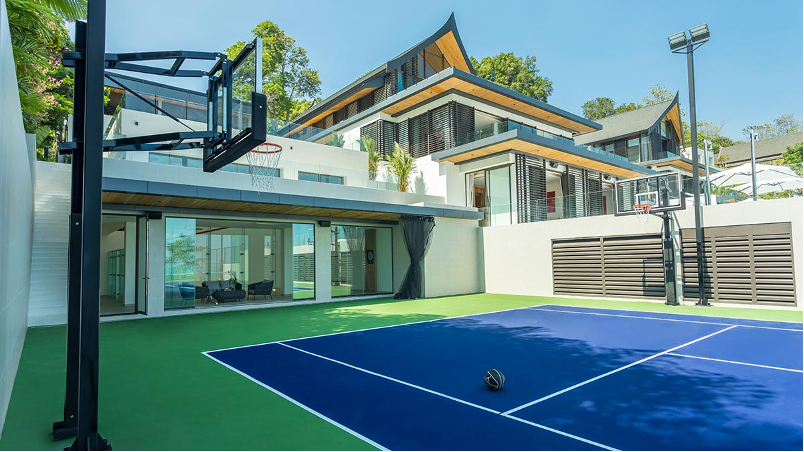
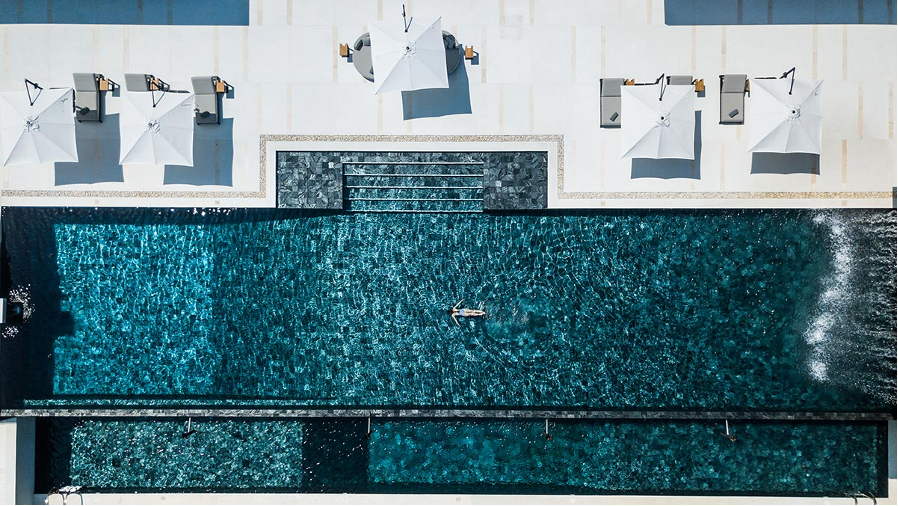
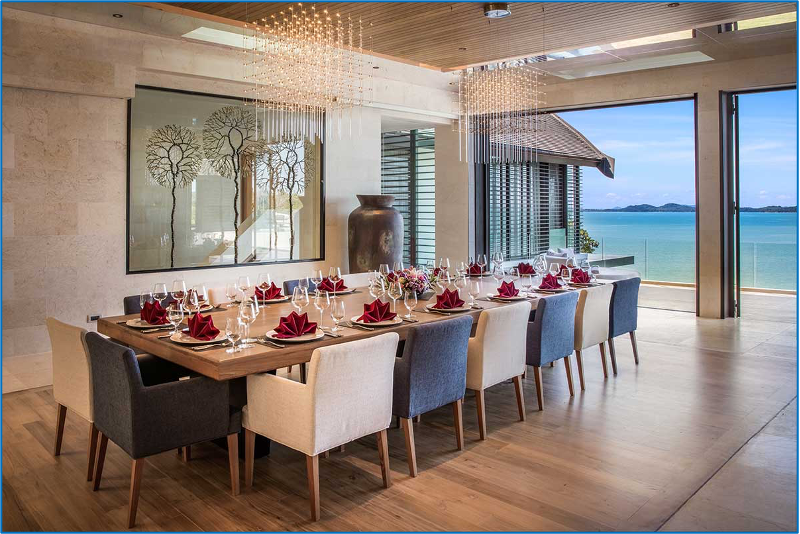
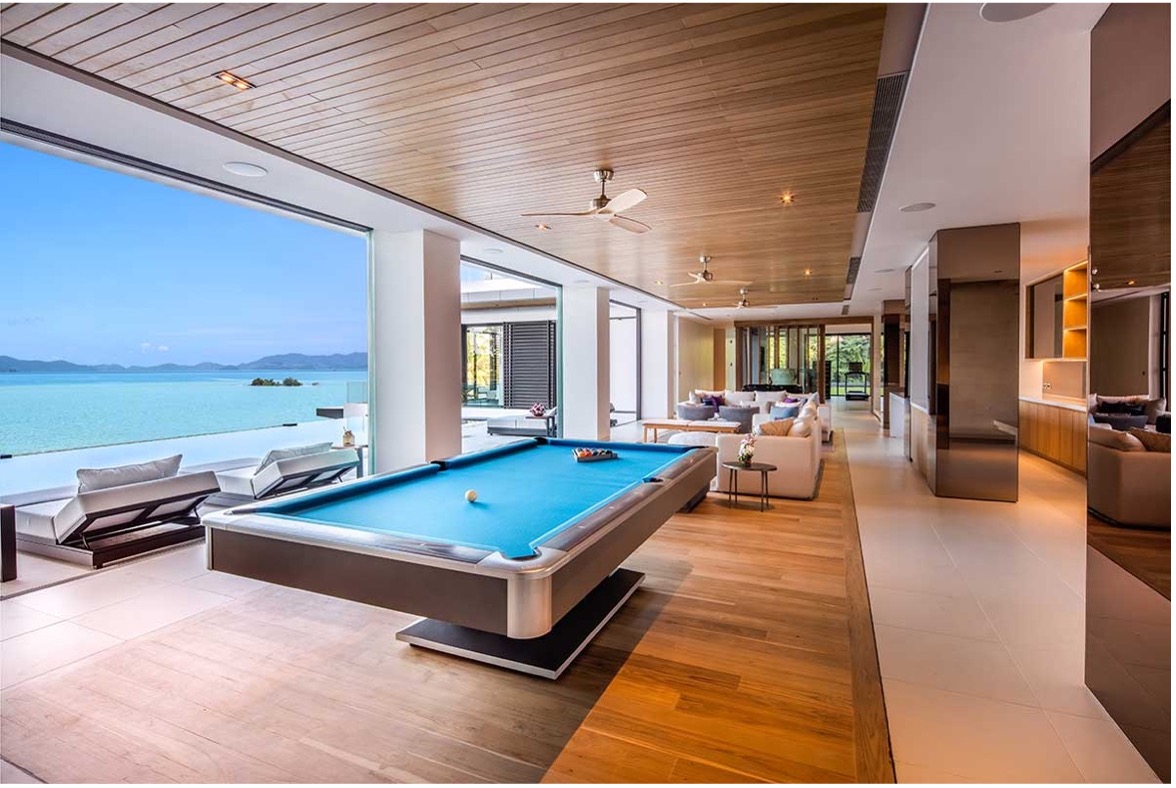
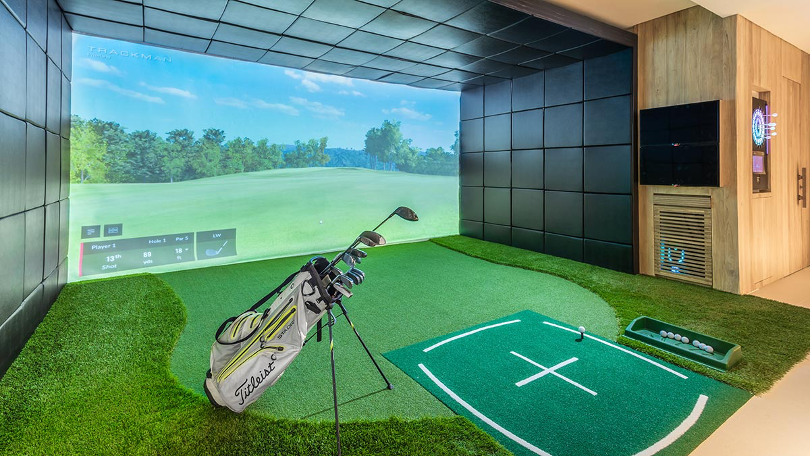
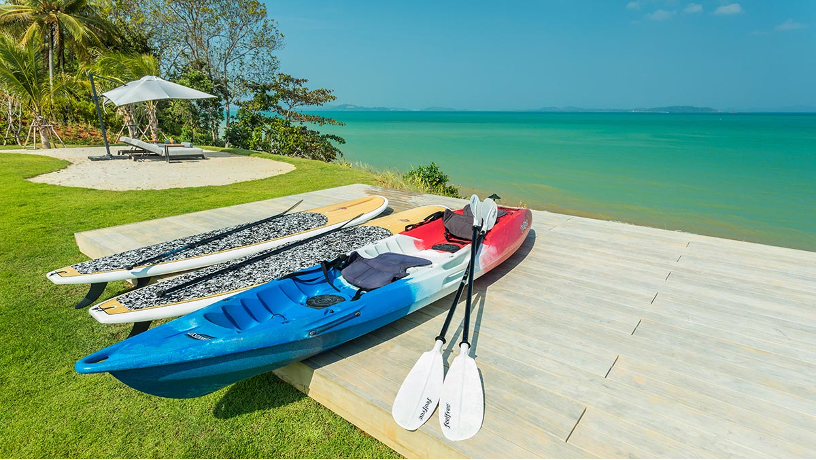
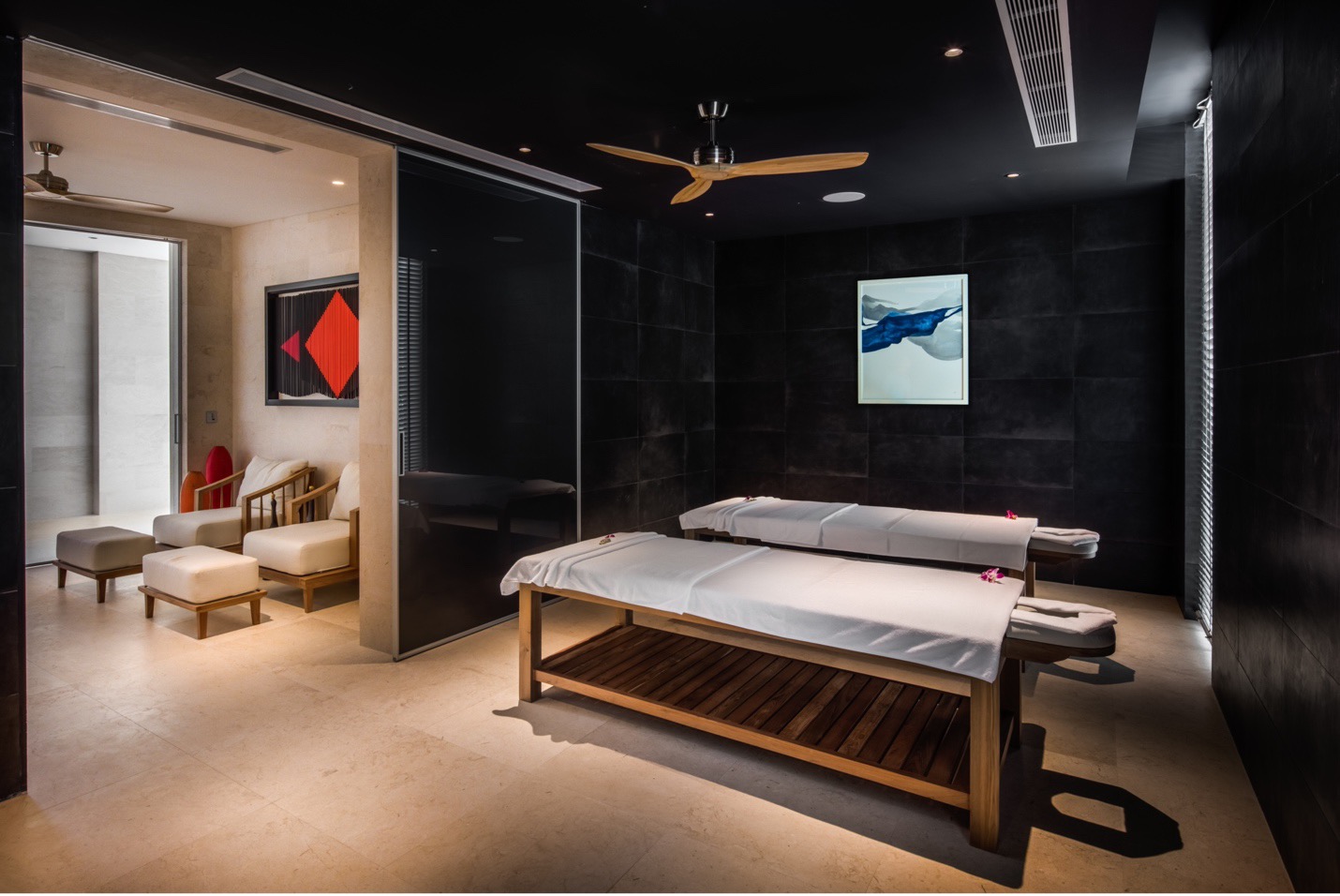
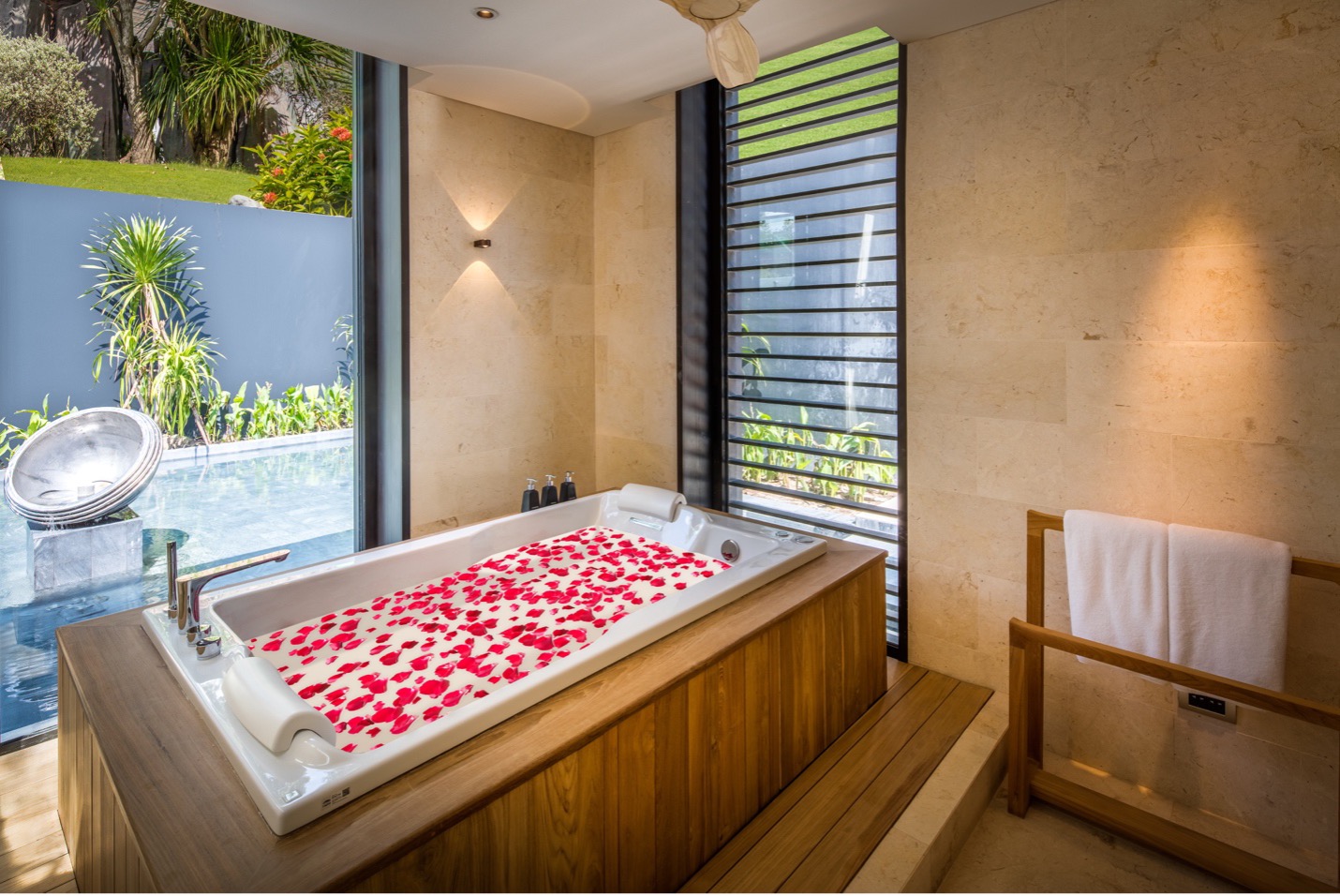
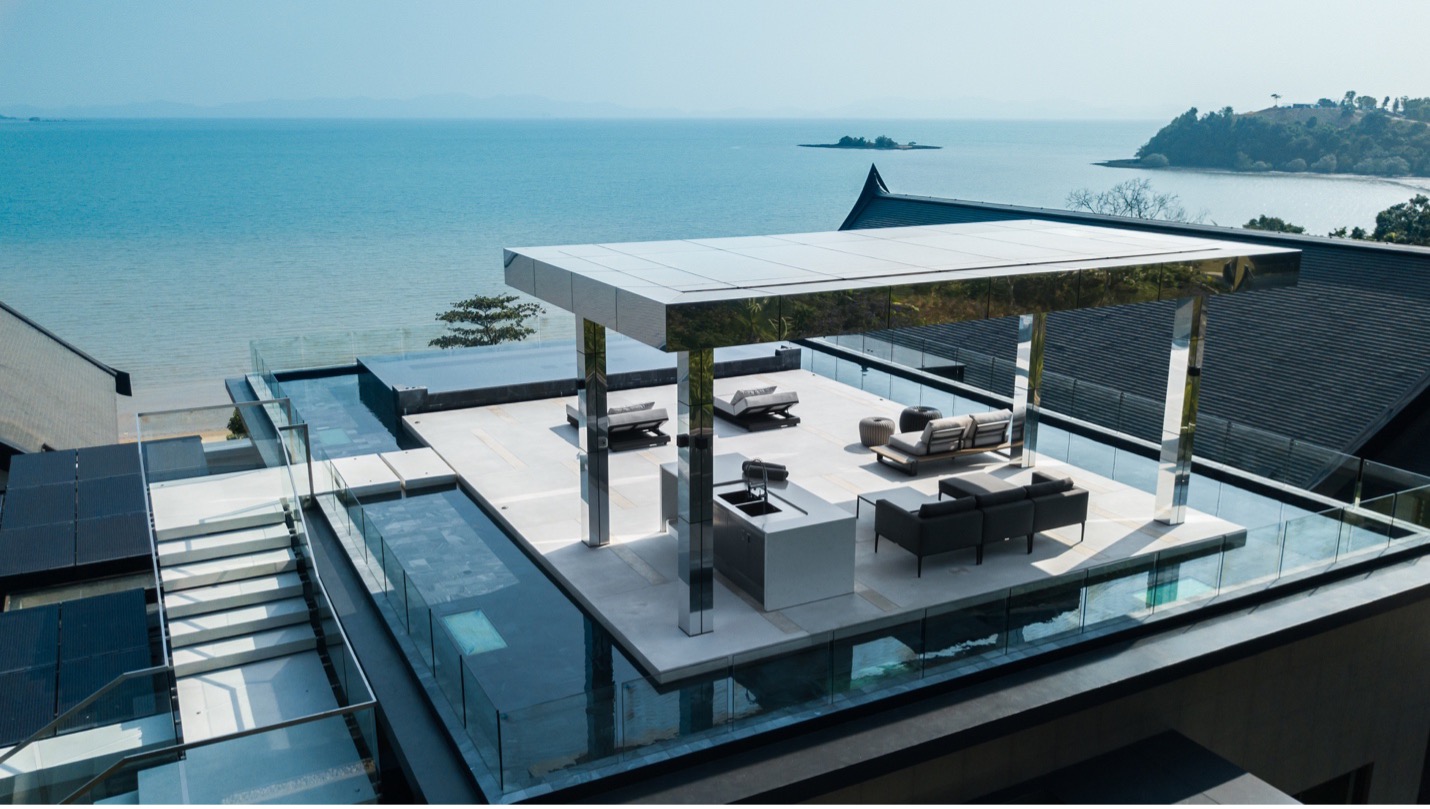
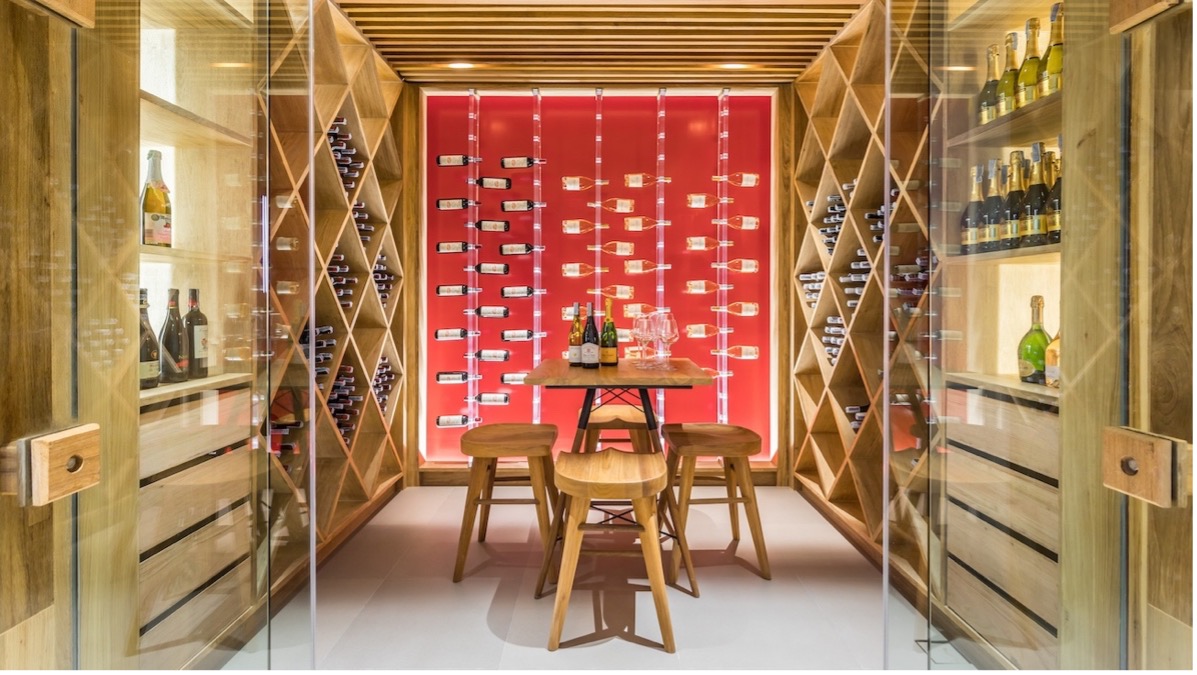
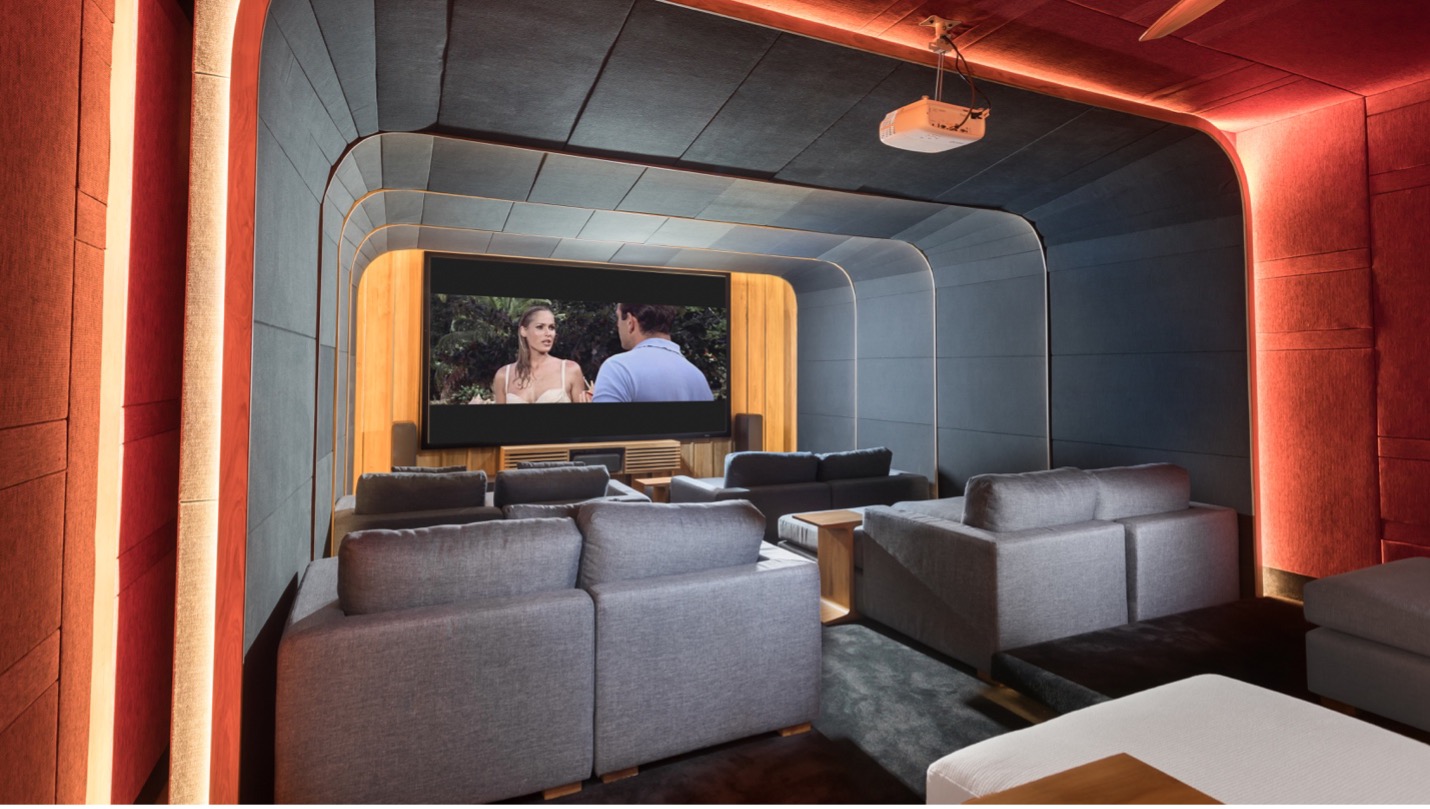
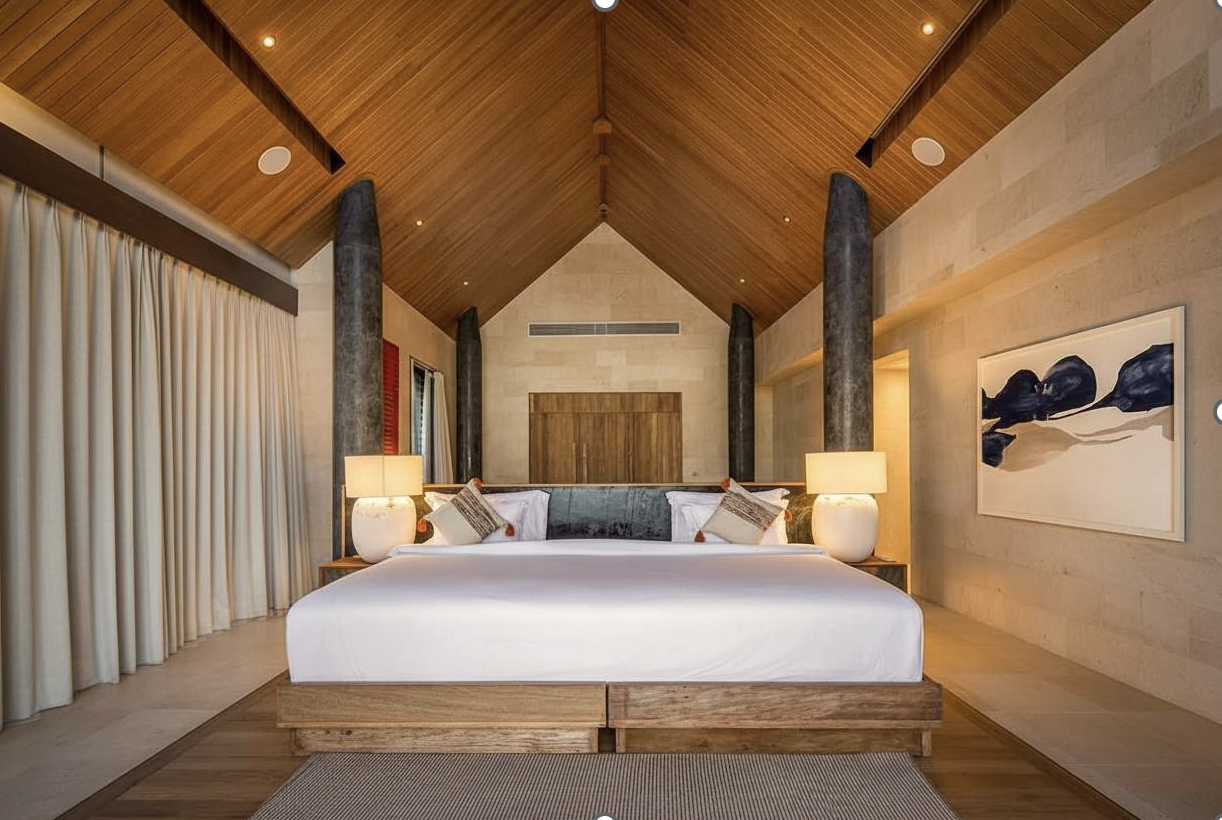

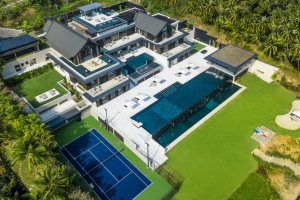







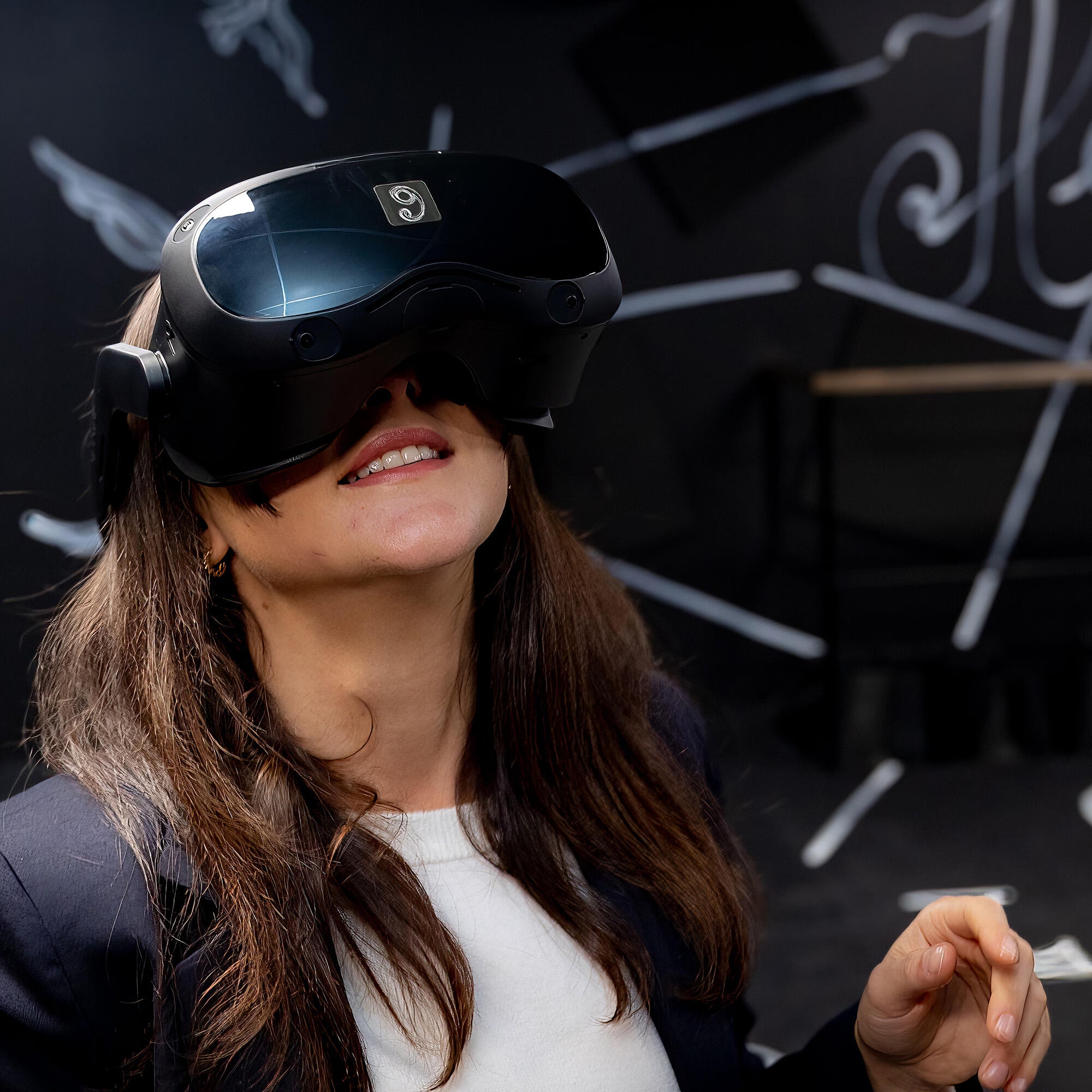
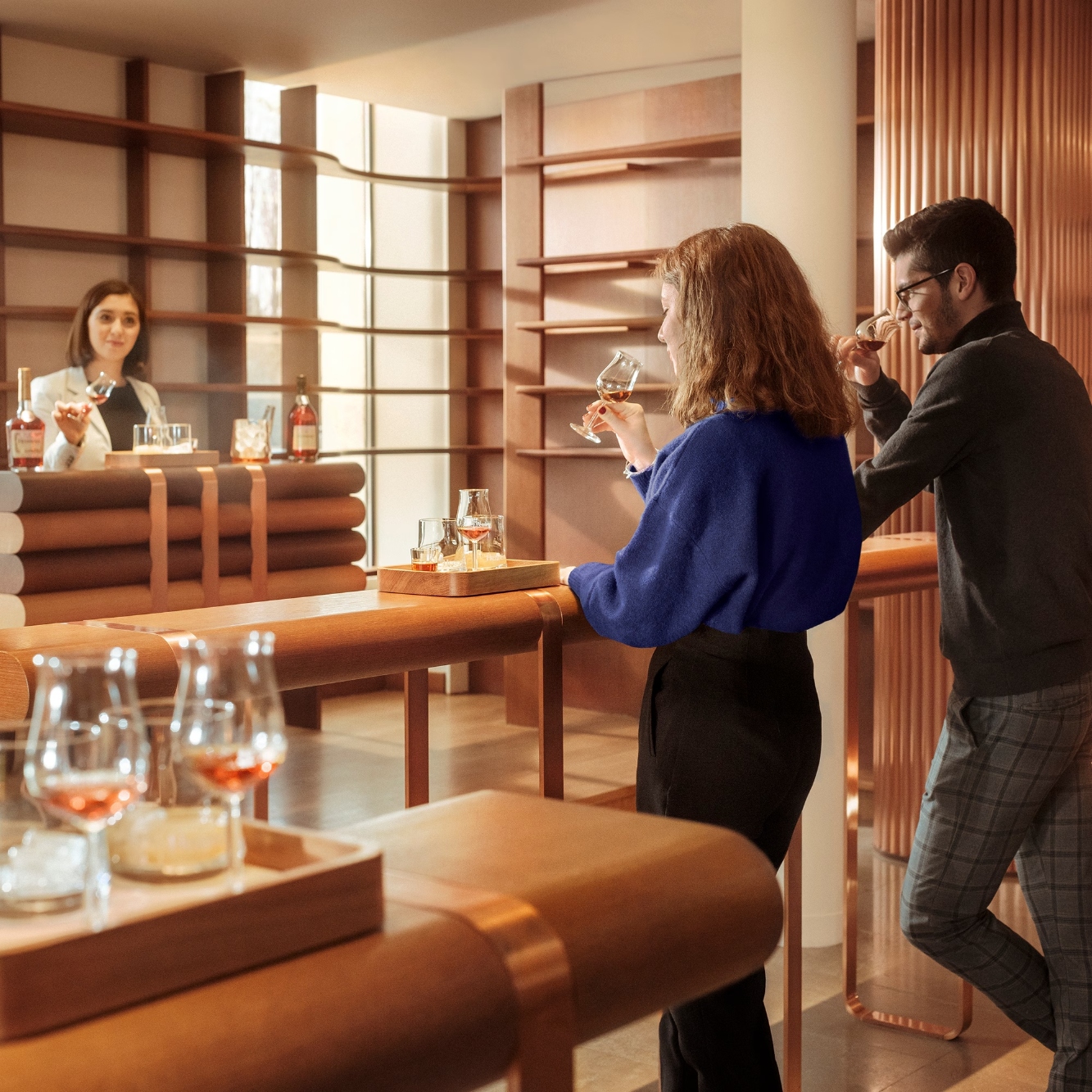
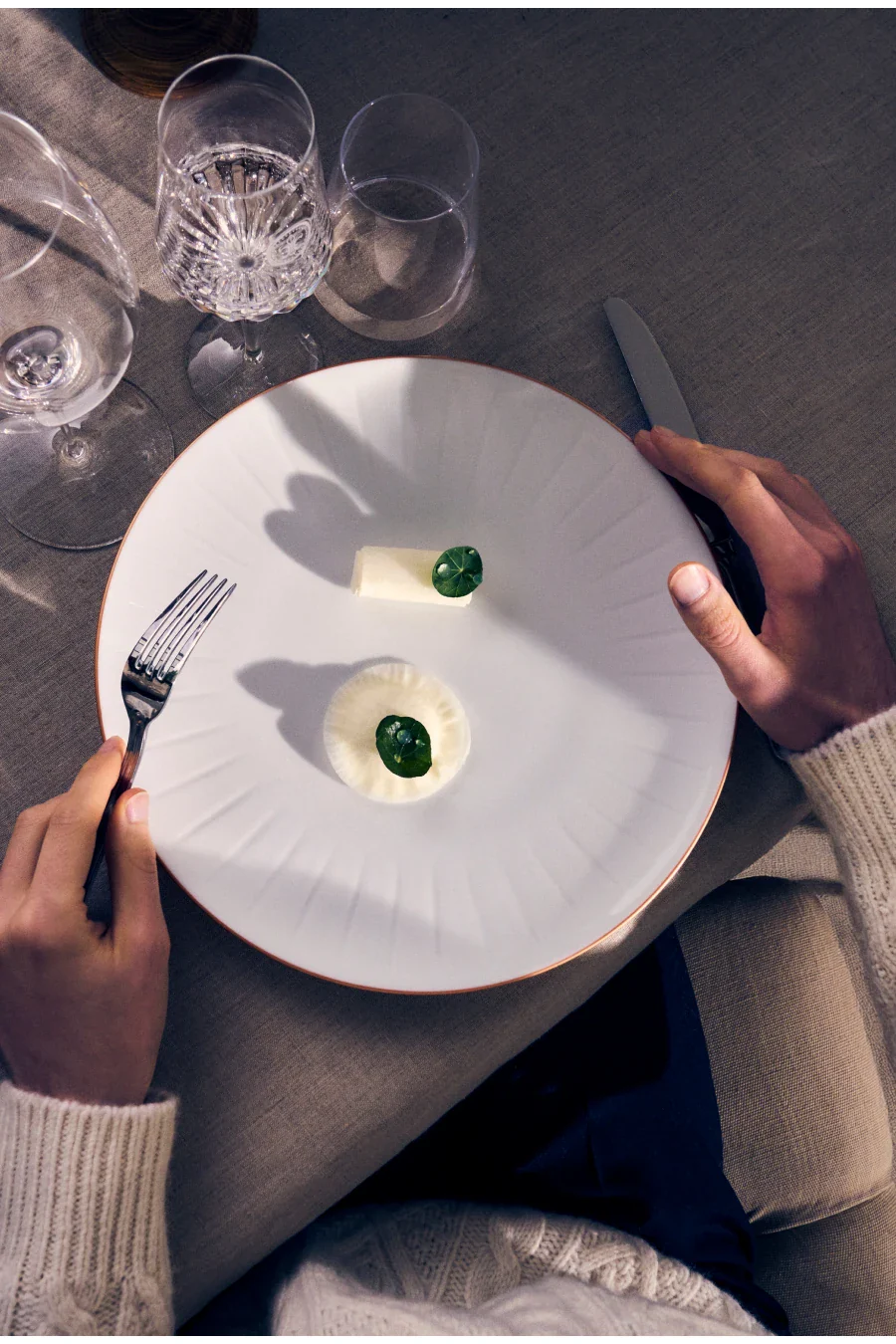
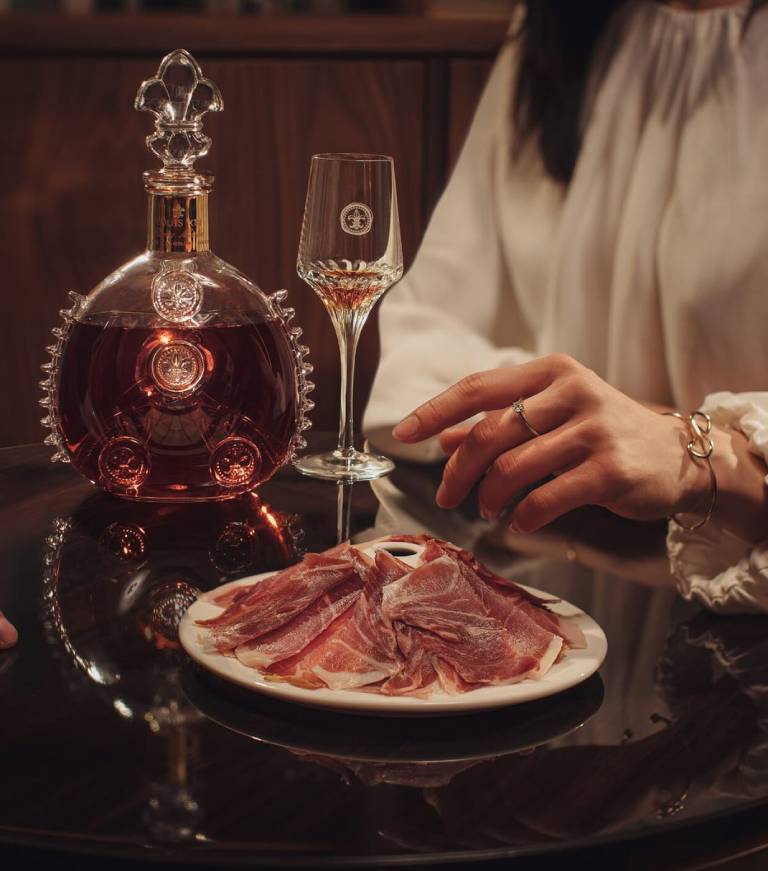
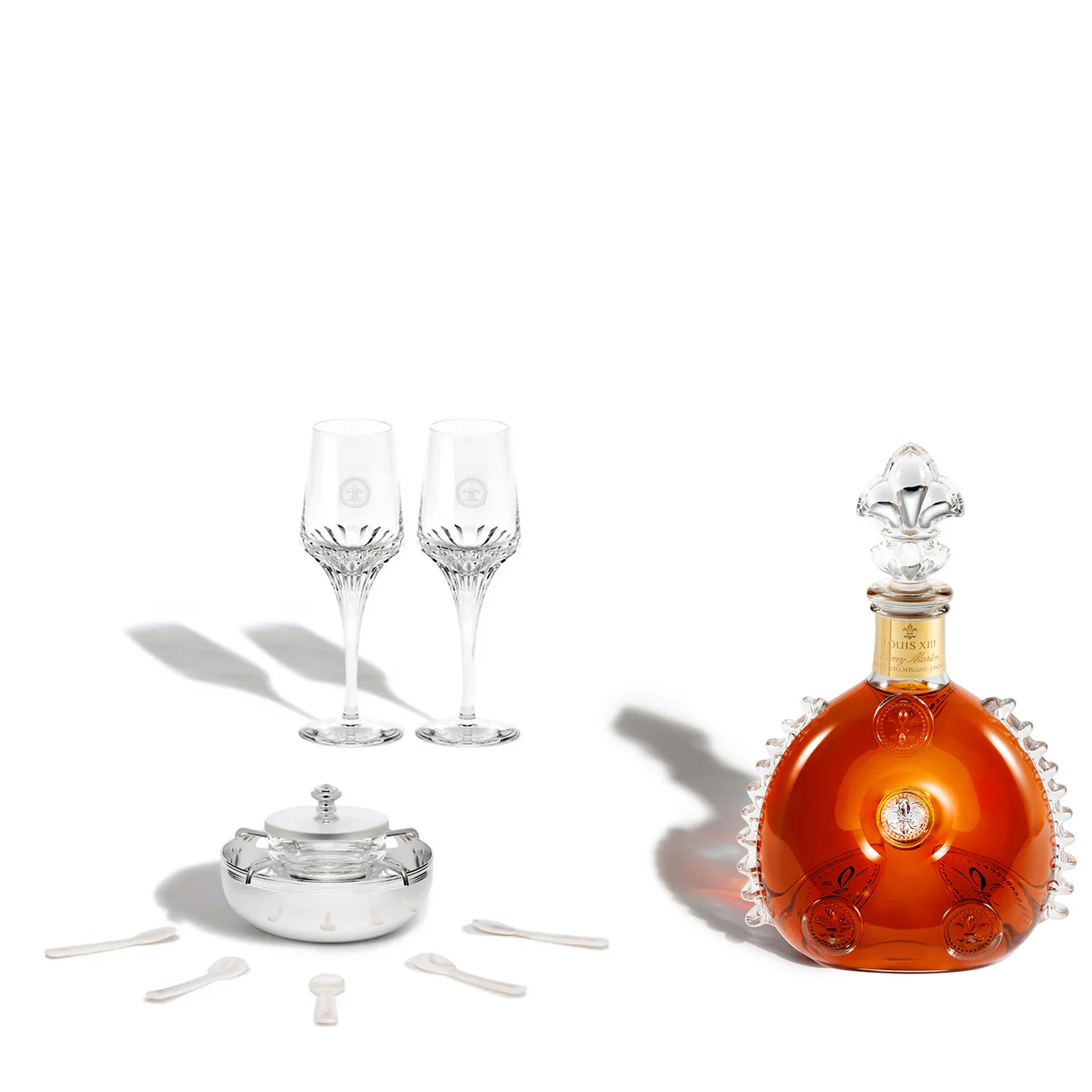
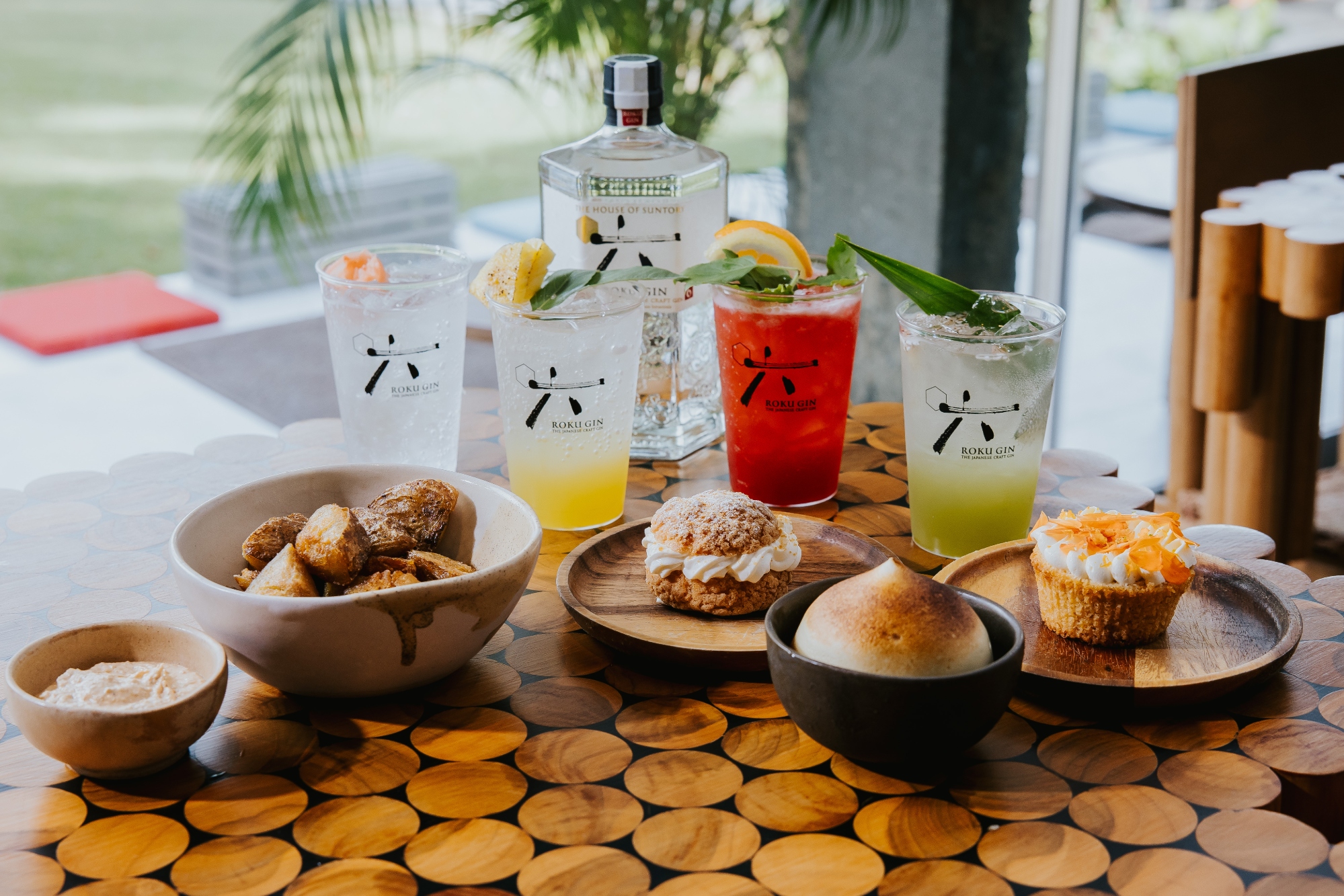
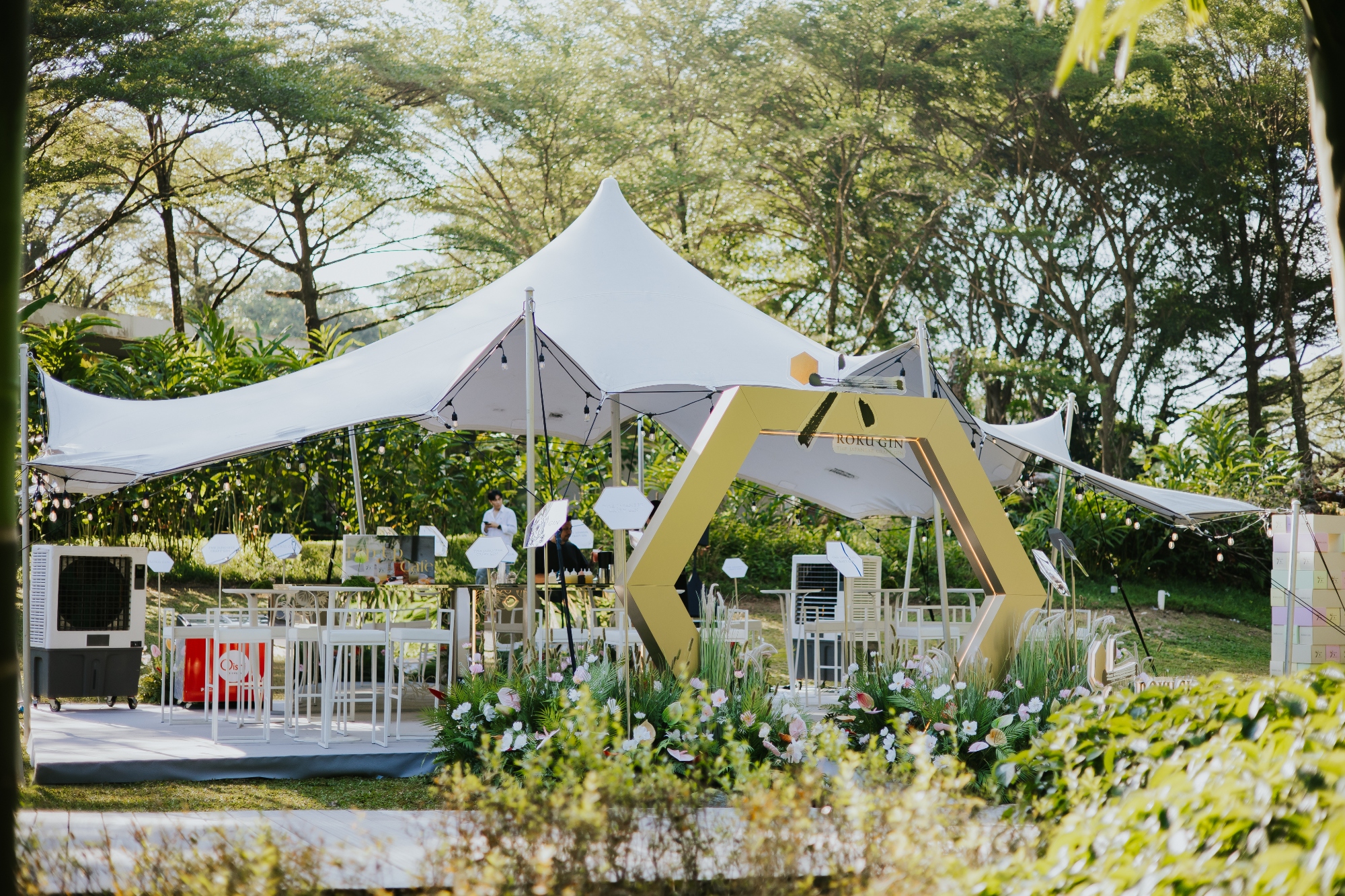






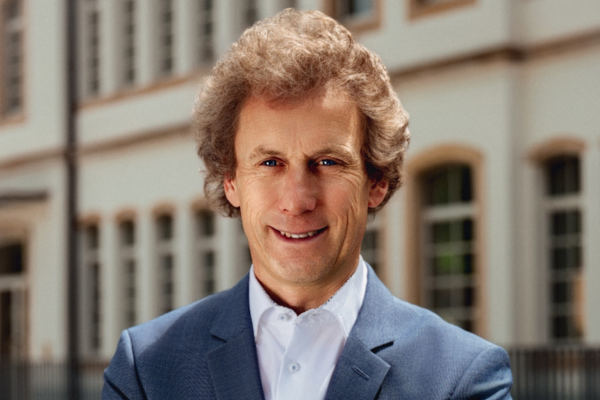
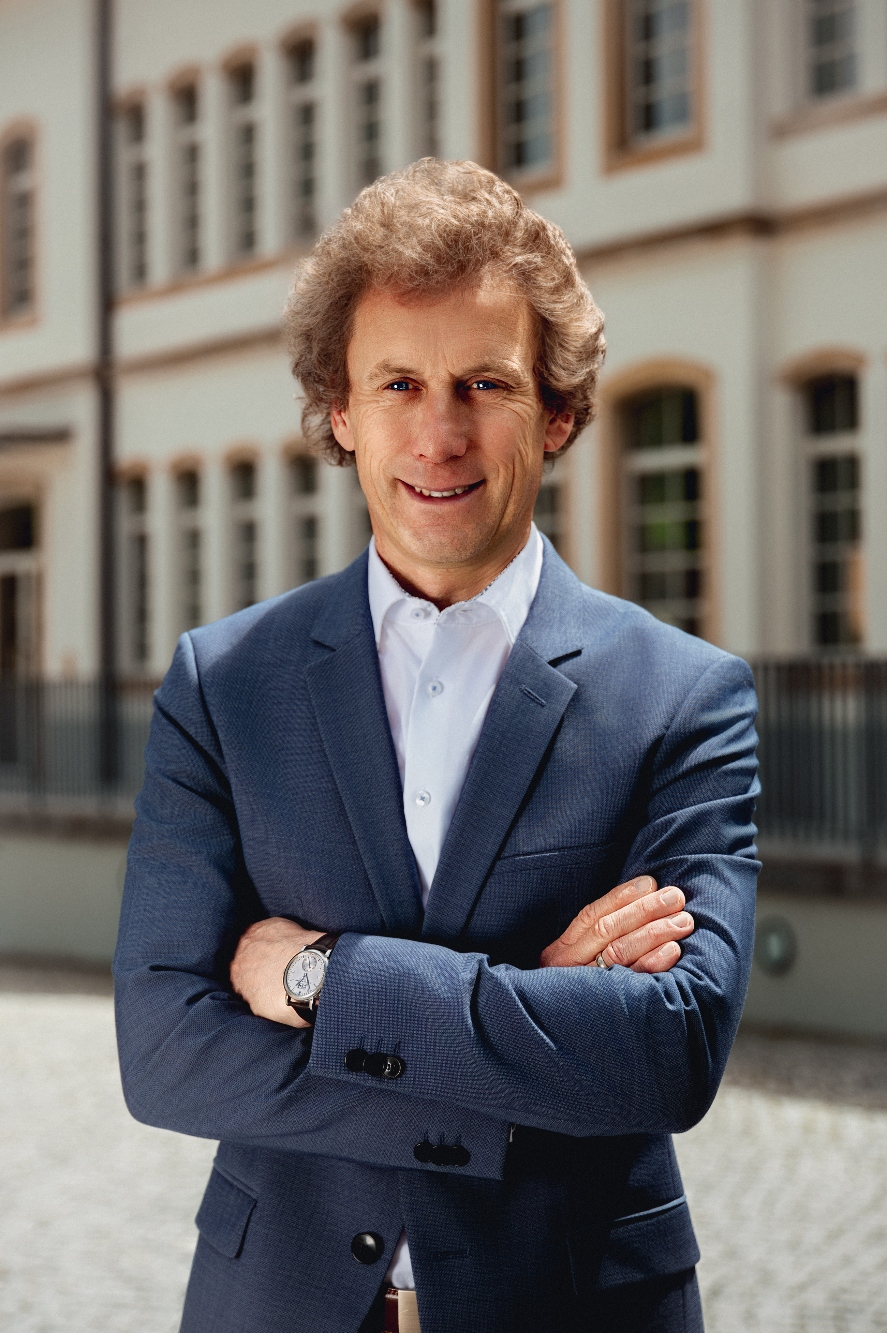 A. Lange & Söhne Production Director Tino Bobe
 The Minute Repeater Perpetual

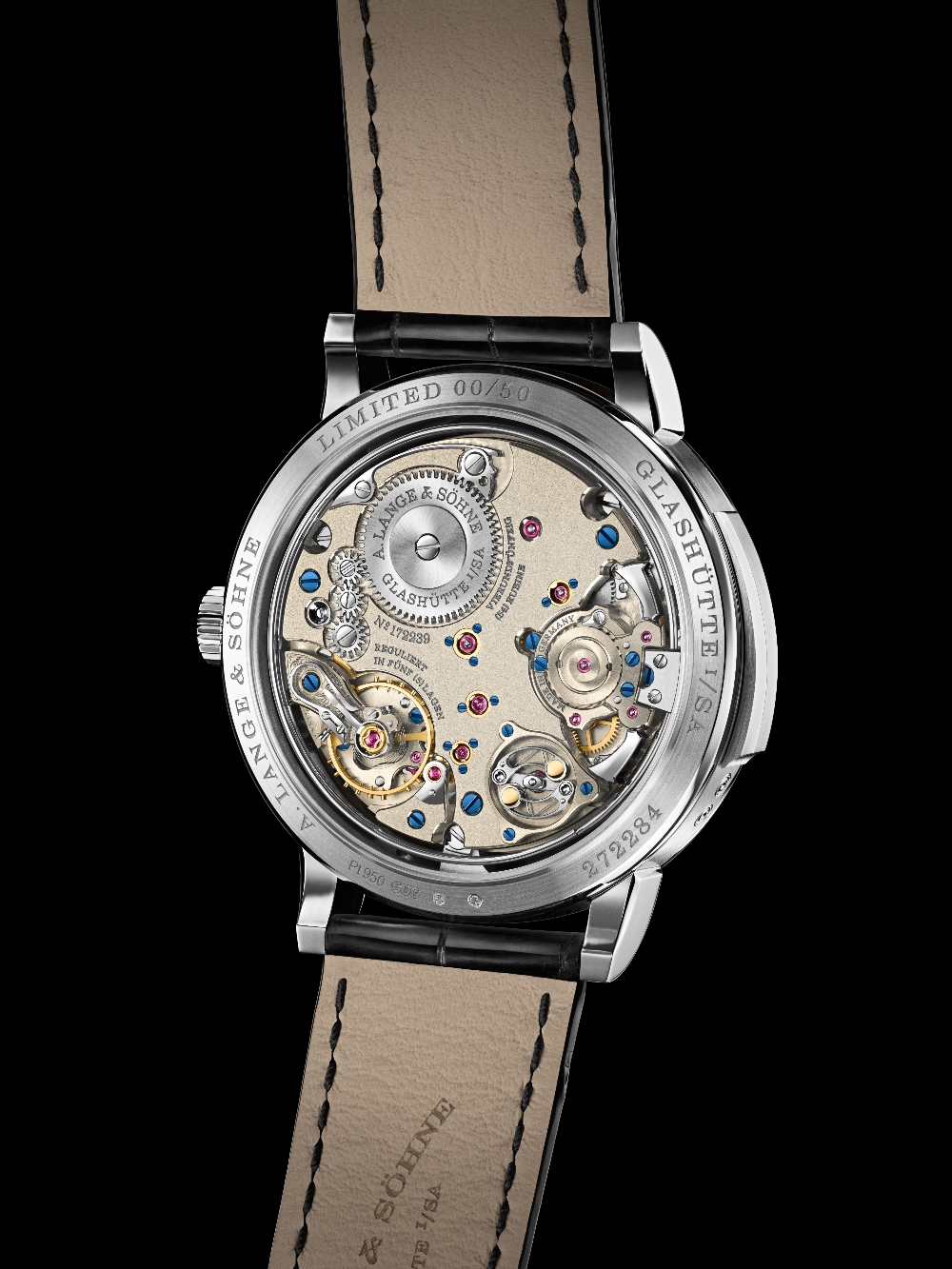


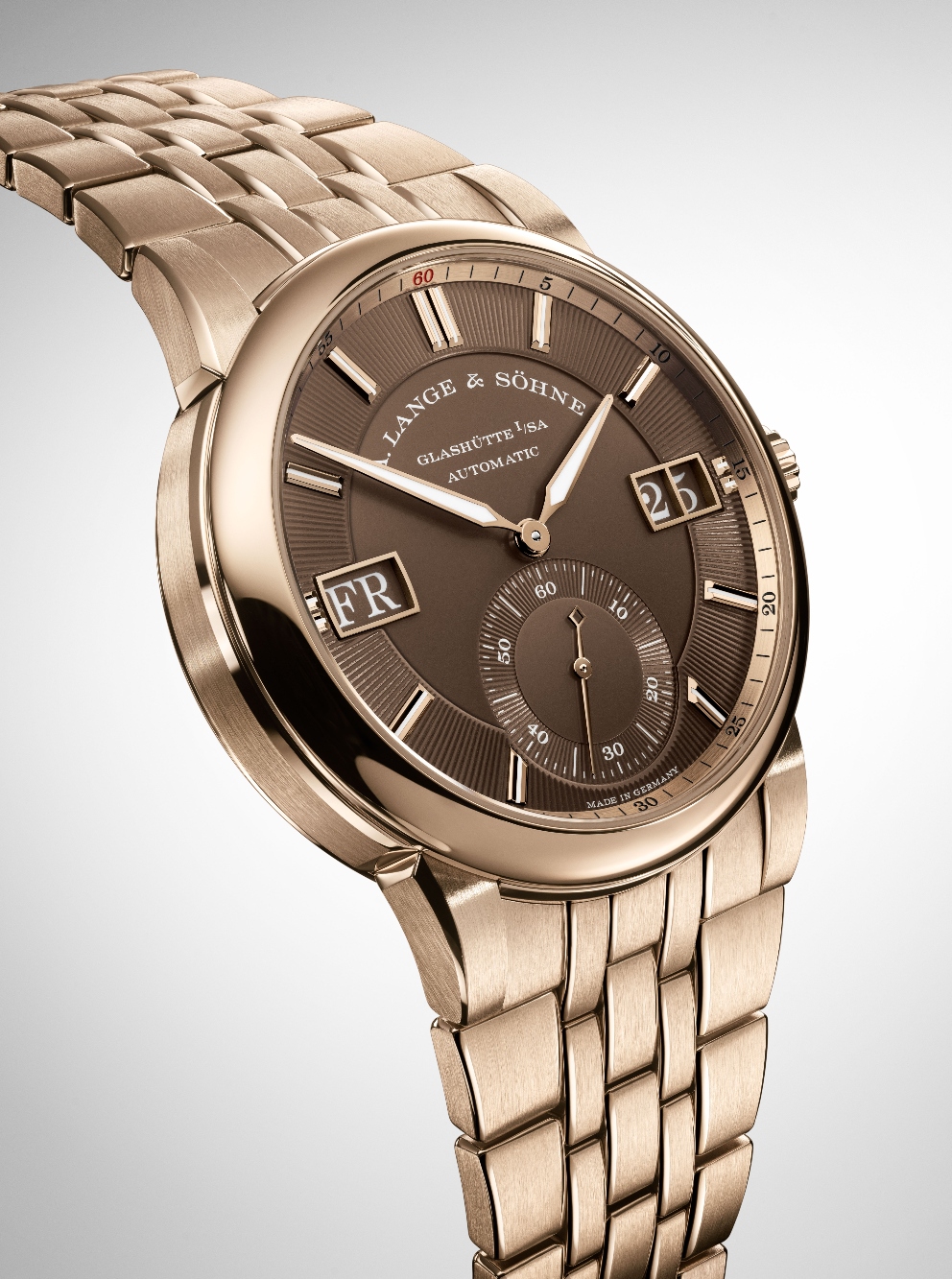 Odysseus in honey gold with bracelet