Beyond the overcrowded cities of central Spain and Greece, secluded property choices offer both privacy and modern Mediterranean luxury.
From expansive homes with showstopping architecture to estates rich in history, real estate investors should take note of these unique properties as potential investment opportunities to expand their portfolios.
The Son Bielo Estate, Alaro, Spain
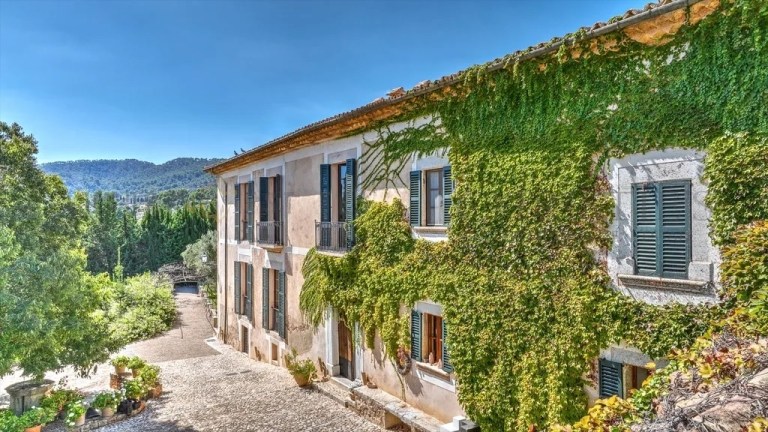
Rustic charm of this home in Son Bielo Estate, Spain. Image: Christie’s Real Estate.
Discover timeless elegance at the Son Bielo Estate in Spain, a 16th-century retreat nestled in Mallorca’s UNESCO-protected Serra de Tramuntana. With ivy-clad stone architecture, 11 luxurious bedrooms, and two private guest houses, this 21st-century, 1,629sqm sanctuary exudes heritage and charm.
Gorgeous views from the living room. Image: Christie’s Real Estate.
Stroll through lush gardens, relax by the pool, or enjoy expansive terraces with stunning mountain views. Only 30 minutes from Palma, this secluded estate offers unparalleled privacy, history, and Mediterranean allure—a perfect blend of old-world grandeur and modern luxury.
Views of the neighbourhood and the sea from the balcony. Image: Sotheby’s Realty Greece.
Experience ultimate luxury at The Infinity Loft, a penthouse in Voula’s exclusive Domes of Eternity. Spanning two floors, this 462sqm retreat offers breathtaking sea views, a private pool, and high-end finishes throughout.
Modern designer furniture and lighting in the living room. Image: Sotheby’s Realty Greece.
Featuring four bedrooms, an open-plan living area, and a lavish master suite with a walk-in closet, the space is designed for both elegance and comfort. Complete with state-of-the-art appliances, sophisticated lighting, and two parking spaces, this is contemporary Greek living at its finest.
A striking facade created for Velvet Cove. Image: Sotheby’s Realty Greece.
Discover ultimate seclusion at Velvet Cove, a luxurious beachfront estate on Skiathos. This rare gem offers direct access to two golden beaches, surrounded by 3,000sqm of lush gardens and a serene Aegean Sea backdrop.
A striking facade created for Velvet Cove. Image: Sotheby’s Realty Greece.
Combining traditional Cycladic charm with modern comforts, the 467sqm villa features six en-suite bedrooms, spacious living areas, and a private pool. Velvet Cove is a haven of tranquillity, offering an unparalleled opportunity for luxurious Mediterranean living in complete privacy and natural beauty.
A modern lap pool serves the villa’s residents. Image: Sotheby’s Realty.
Perched in the charming town of Laglio on Lake Como, this 2,500sqm luxury villa defines elegance. It has seven bedrooms and 17 bathrooms, which blend grandeur with modern comfort across the space.
Modern classical furnishings and features adorn this space. Image: Sotheby’s Realty.
The estate includes manicured gardens, an outdoor pool, a 2,000-bottle wine cellar, and indulgent spaces like a playroom, home cinema, and fitness spa. For guests, a 100sqm apartment ensures a lavish stay. The indoor pool and expansive garage enhance this retreat, offering an extraordinary experience of Lake Como’s finest living.
Gorgeous views of the Mediterranean Sea from the patio and pool space. Image: Sotheby’s Realty.
This breathtaking estate in Cala Boix, Ibiza, offers a 110,000sqm private peninsula of pure natural beauty. Surrounded by the Mediterranean, the property boasts panoramic views and total seclusion.
A charming modern space with rustic touches. Image: Sotheby’s Realty.
Its elegant villa, blending modern luxury with Ibiza’s rustic charm, features spacious living areas, multiple bedrooms, and expansive outdoor terraces. With a private pool, lush gardens, and direct beach access, this estate is an unparalleled retreat in one of the world’s most sought-after destinations. Perfect for those seeking a serene, luxurious escape on the White Isle.
An inviting lap pool to pamper its homeowners. Image: Sotheby’s Realty.
Discover the epitome of luxury living at Pyrgos Limassol, this Mediterranean-style seafront mansion offers four bedrooms and five full baths in a 704sqm interior space. It was fully renovated in 2023 and offers direct access to a pristine sandy beach. Nestled in a gated community, it boasts lush greenery, a stunning lap pool, and an outdoor BBQ area perfect for entertaining.
Lounge and relax in this modern and inviting living space. Image: Sotheby’s Realty.
The home features four sea-view bedrooms, including two master suites with en-suite bathrooms and dressing rooms. The lower floor is a relaxing haven with a gym and cinema area. Step through the custom pivot door and be greeted by breathtaking turquoise sea views.
Escape to paradise with this stunning 8-room villa in Mahé, Seychelles. Nestled in the exclusive Eden Island estate, this luxurious haven boasts private mooring, an infinity pool, and breathtaking views of the marina and scenic mountains.
The 500sqm floor plan features marble tile flooring, a remodelled centre island kitchen with Caesar stone countertops, and a private patio perfect for entertaining. This villa is the ultimate romantic getaway with five en-suite bedrooms, a cinema room, and lush landscaped gardens—experience luxury living in one of the world’s most beautiful destinations.
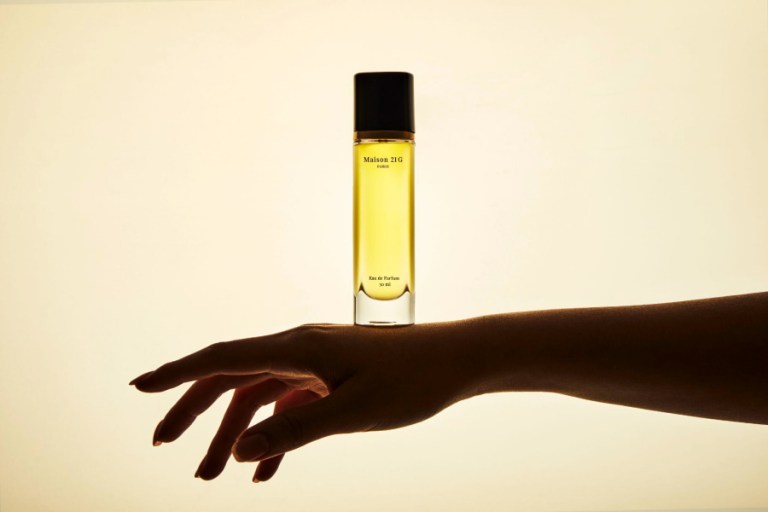
Niche Perfumery Insights From Johanna Monange, Founder Of Maison 21G
SHARE
These are Maison 21G’s fragrance trends to watch for right now.
Perfumery is an ever-evolving art that mirrors the preferences and lifestyles of its admirers. Maison 21G serves as a vibrant laboratory that captures real-time customer ingredient preferences by age, country, and season. This unique approach keeps the bespoke perfumery boutique at the forefront of market trends, allowing the brand to understand what scents resonate with different demographics and the latest desires of the season for fragrance creation.
Here are the latest trends in perfumery, as observed by Maison 21G founder, Johanna Monange, and her team of skilled scent designers across Asia, based on real-life experiences. These trends are genuine and by reading these few chapters, you’ll be ahead of the niche perfume pack in finding the perfect trending scent for the summer season.
Fresh And Vibrant Woody Notes
“A significant trend that has emerged is the growing popularity of fresh and sheer woody notesamong both men and women. Women customers, in particular, are increasingly drawn to the depth and richness of woody scents such as vetiver, sandalwood, cashmere wood, patchouli and oud. These notes offer a sophisticated base that exudes freshness, warmth, vibrancy, elegance and distinctive sillage. Woody notes are also ideal for bringing long-lasting freshness needed for hot and humid weather in Asia.”
“At Maison 21G, our customers love to bring a fresh, modern twist by blending these woody notes with elements of freshness or sensuality. Many of our clients mix these deep, earthy woody scents with fresh scents like ocean and citrus, such as bergamot, ginger, and tea, or enhance them with sensual hints of tonka bean, fir balsam, or ambergris. This combination of authentic wood and warm notes creates a balanced fragrance that is both invigorating and alluring, making it a top choice for many. Our most popular creations include Vetiver Vituoso and Ginger,Sleek Sandalwood and Tea, and Oud Outshine and Sage.“
“Vetiver Virtuoso, made from fresh roots extracted from Haiti has surprisingly conquered the hearts of many women. Unlike traditional vetiver fragrances, Vetiver Virtuoso from Maison 21G reimagines this classic note with a modern twist, infusing it with freshness and sophisticated, vibrant depth, creating a sensory olfactory experience that is both refreshing and refined. It is suitable for any occasion, from daytime to evening, making it the new trendsetter in fresh woody scents for women all over Asia from Singapore, Vietnam, Hong Kong, South Korea to China.”
“Oud continues to trend, though Asian customers often prefer it without the too animalic notes for night outings and seductive moments. Oud Outshine by Maison 21G embodies a unique blend of intensity and daring allure, thanks to his level of natural extract of oud, making it a standout fragrance. Unlike many oud-based scents, Oud Outshine has been crafted without any animalic notes, replaced by a touch of floral note, ensuring a clean and refined new sensual experience. This fragrance exudes an aura of luxury, chic sophistication and attraction, enveloping the wearer in a distinctive sillage.”
Fresh Natural Floral Scents
“Another trend gaining momentum is the demand for green, natural floral scents. Florals like muguet (lily of the valley), mimosa, osmanthus, and peony, after still trending iconic rose, are becoming increasingly popular, appreciated for their delicate yet vibrant notes. At Maison 21G, our customers like to enhance these floral notes with complementary fresh invigorating accents for the summer such as bergamot, ginger, tea, verbena, and rhubarb, or blend them with woody undertones to create a unique, long-lasting, crisp, elegant, and delicate enveloping floral-woody olfactory experience.”
“Our bestsellers include Mimosa Mantra with Bergamot mix,Muguet Muse with Patchouli, Peony Pearl with Verbena, and Rose Ritual with a hint of Honey. Interestingly, floral scents are no longer exclusive to women. An increasing number of men are incorporating floral notes liker rose and mimosa into their fragrances, seeking a new kind of freshness and delicacy. This shift reflects a broader trend towards more unisex and inclusive scent profiles, catering to diverse preferences. Notable bestsellers in this category include Rose Ritual andHavana, Rose Taif and Oud, and Mimosa Mantra and Vetiver.”
Creating Second Skin Scents Inspired By Spirit
“The third notable trend is the creation of bold, original scents that exude skin-like sensuality. Our customers are exploring more daring combinations, incorporating spirit notes like cognac and whisky, made with our unique extract of oak wood, blend of warm and clod spices, Arabica coffee extract, leather accord, and dark cocoa bean extract. These rich, intense ingredients result in perfumes that are full of character and sensuality, appealing to those who wish to stand out and make a statement of their unique personality and style with their fragrance. Our Black Collection features unique scents like Secret Spirit (the scent of the famous Cognac XO from our Hennessy collaboration), Leather Lust (made with a touch of coffee Arabica extract), and Ambergris Alchemy, a rare and ultra-sexy ingredient that lasts more than 20 hours!”
With their keen insights and dedication to the craft, Johanna Monange and her experienced team of scent designers across Asia continue to lead Maison 21G in setting new benchmarks and pushing the boundaries of creativity among their customers in the world of perfumery. Maison 21G’s polysensorial, interactive boutiques and customer-centric approach ensure that the brand remains at the cutting edge of fragrance trends, fostering experiences of creativity, sharing, and education. At Maison 21G, you can expect scents that resonate on a deeply personal level.
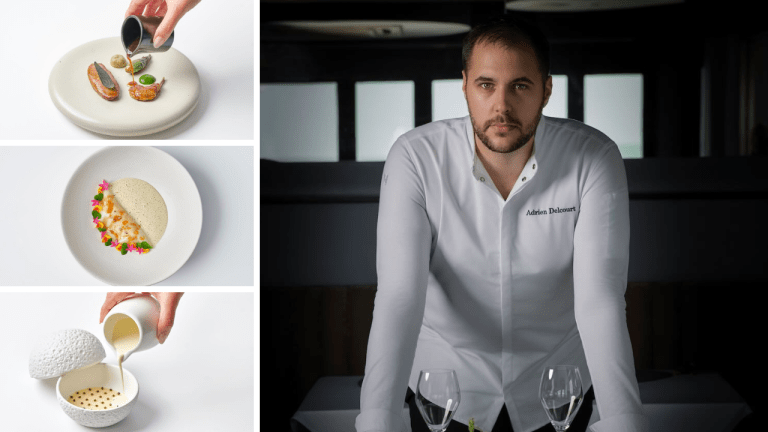
Discover the mouth-watering culinary creations of French chef Adrien Delcourt at L’ARÔME BY THE SEA, Phuket.
Photo: Courtesy of L’ARÔME BY THE SEA Situated by the blissful coast near Patong in Phuket, L’ARÔME BY THE SEA offers guests a taste of paradise, with an unparalleled dining experience of spectacular ocean views and tantalising culinary creations. Embark on a gastronomic journey of exceptional French gourmet cuisine crafted from premium ingredients and served with impeccable service. Executing this tasteful task is L’ARÔME BY THE SEA’s newly minted executive chef Adrien Delcourt.
Photo: Courtesy of L’ARÔME BY THE SEA
Adrien Delcourt is a master in the culinary arts, having trained under the prestigious Robuchon system, served as a trusted protégé of Frederic Anton and with extensive experience in Michelin-starred restaurants. His impressive resume boasts some of the most prestigious and well-known establishments including: Le Pré Catelan (three stars) in Paris, L’Atelier de Joël Robuchon (two stars), Le Jules Verne (one star) atop the Eiffel Tower, and L’Orangerie at Four Seasons George V (one star).
Photo: Courtesy of L’ARÔME BY THE SEA
The talented chef earned his first Michelin star when he served as the executive chef of the iconic Le Jules Verne, the fine-dining gem atop the Eiffel Tower in Paris. He also earned his chops through extensive prior experience with renowned chefs like Frederic Anton, Axel Menes, and David Bizet and more than a decade of experience in starred restaurants. With a massively extensive resume, the talented chef’s creations are definitely on the must-try list to try if one is planning their Phuket itinerary. Well-versed in innovating creative seasonal menus, Chef Delcourt and his team of experts have created an all-new “Vue Sur La Mer” menu.
The detectable “Vue Sur La Mer” menu of delights takes a guest on a gastronomical journey through exceptionally mouth-watering yet artistic cuisine. The meticulously curated menu pays homage to the mentors throughout his career and celebrates the abundance and freshness of seasonal produce the ocean has to offer.
Diners are first welcomed with a fresh infusion of hibiscus which not only kickstarts the palate but also refreshes it for the divine dining that lies ahead. The menu celebrates the beauty of the ocean and the treasures it provides — with the net cast wide — with ingredients such as Japanese Sea-Urchin, Norwegian black Cod, and Kaviari’s Oscietra Caviar. In addition to imported products, local produce and ingredients like local rock fish forms are also incorporated to give dishes cultural flair.
Given the spectacular oceanside location and focus on the finest seafood the ocean can offer, L’ARÔME BY THE SEA is the ideal establishment for seafood lovers. For those that prefer succulent poultry and tender red meats, fret not, as diners are also treated to a roasted pigeon — for the main — that comes from Klong Pai farm in Thailand or Japanese Wagyu beef.
Chef Adrien’s signature dish, Langoustine Foie Gras. Photo: Courtesy of L’ARÔME BY THE SEA
The signature dish of Adrien’s menu is Langoustine Foie Gras. The luxurious blend shows a complex pairing between land and sea with a poached Atlantic Langoustine being served inside of a roti shell and paired with a delightfully creamy foie-gras jus. This dish shows off the mastery of key elements in Adrien’s culinary pillars — technique, savoir-faire and delicate balance.
Whether you are indulging in a romantic date night under the stars or hosting a special event by the relaxing waves, the picture perfect oceanfront setting of L’ARÔME BY THE SEA provides a backdrop like no other. Indulge in one of the best restaurants Phuket’s dining scene had to offer at L’ARÔME BY THE SEA, where meals are thoughtfully created and ingredients are celebrated.
Cartier’s Santos de Cartier Dual Time: The First Multi-Time Zone Marvel
SHARE
Giving the Santos de Cartier a first look first.
Cartier’s Santos de Cartier Dual Time
Typically, the coverage instinct for specialty magazines like this one is to go premium when in doubt, or when faced with too many novelties. When it comes to Cartier, that means watches from the Prive collection, usually; the brand has so many new additions every year that we might reasonably miss notable ones, like the Rewind. This year, we think the Santos de Cartier Dual Time should get its due first, though not because we could ever gloss over it; the simple reasoning here is that the Santos watch is often cited as the first aviator’s watch (literally true) but it has not had anything approaching a GMT function in its storied history. Until now.
Cartier’s Santos de Cartier Dual Time
The pictures, here and wherever you get your watch news, only tell part of the story and you can let your own eyes decide on that part. It wears well, at 40.2mm, and one does have to remember that this Santos Dual Time is quite hefty by Cartier standards. This makes one wonder why this is not a Santos-Dumont watch instead, which would also be appropriate since Louis Cartier made that 1904 watch for his aviator friend Alberto Santos-Dumont.
Cartier’s Santos de Cartier Dual Time
Now, no Santos de Cartier watch, including the Santos-Dumont, are the exact models that debuted in 1904 so the brand has room to play here. We think that the aviation link does not need to be so explicit in the Santos Dual Time and the sizing issue is key. The watch, in its current shape, is the right size and does not need to be beefier. For the record, since we do not list the full size below, the watch is 10.1mm thick and is 47.5mm lug-to-lug. All of this contributes to the ease-of-wear that so impressed us.
Movement:Undisclosed with second time zone; power reserve unlisted
Case: 40.2mm in steel; water-resistant to 100m
Stap: Steal Bracelet
Price: USD 9,000
This story was first seen on WOW’s Summer 2024 Issue.
For more on the latest in luxury watch news and releases, click here.
Discovering The Garden Of Eden In The Galapagos Islands
SHARE
A place of unparalleled natural splendour, so untouched, so pure, it defies wonder. Crystal clear water, powder soft sands of red, black and white. Creatures so unique, so tame, they know not what it is to fear man.
The seductive lure of the Galapagos Islands, an archipelago in the Pacific Ocean, about 400 miles off the coast of Ecuador. Eternally disconnected from mainland, the islands seem extremely inhospitable to life, and yet life found a way. Over thousands of years plants and animals inexplicably migrated from over the sea. They adapted and evolved to the unique conditions, morphing into species vastly different to their continental ancestors. Now, half of the plant life and almost all of the reptiles in the Galapagos are endemic to the islands. A living laboratory of creatures and plants still in an evolutionary phase, only existing in this space.
Seductive Lures Amid The Galapagos Islands Landscape
Iguana soaking up the sun
Lying on the equator, the Galapagos is an archipelago of 14 volcanic islands and over 40 small islets. These islands are in their infancy in geological terms, the oldest around 5 million years old, with the youngest islands still in the process of being formed through volcanic activity.
Each island has developed its own unique ecosystem from lush, green forests, powdery beaches and rocky islands, to stark, volcanic or desert landscapes. Unparalleled diversity, this Garden of Eden attracted the attention of Charles Darwin, and became the birth place of his theory of evolution.
Galapagos Island map
It was here in the 1800s that Darwin noticed animal species specific to each of the islands that had undergone adaptations to better suit the particular conditions. This was most famously focused on the finches, as he observed they had different types of beaks depending on their food sources. Today, about 13 different species call the islands home. Darwin’s theory extended to countless species now endemic to each separate island. This makes the Galapagos the holy grail for scientists and conservationists alike.
This magical land was intriguingly featured in the novel Moby Dick. The story was famously based on the voyage of a ship called Essex that was sunk by a sperm whale, but its origins began in the Galapagos. The crew, having captured around 360 tortoises, managed to then set re to Floreana Island. They exited after complete destruction, wiping out the island and its animal inhabitants. Gratefully, Moby Dick remains a fictional story, and Floreana Island lives magnificently on. The true history of the Galapagos is no less destructive, and is also reminiscent of scary bedtime reading.
While today, the Galapagos attracts luxury cruises and mundane eco-conservationists, the islands possess a colourful history, beginning as a hideout for pirates in between all their pillaging escapades, and progressed to the delightful whalers and seal-fur hunters, who slaughtered several species, including the giant tortoise, close to extinction.
Galapagos Islands tortoises win battles with one another by competing to who can extent their neck the furthest
Fast forward through violent convict uprisings and settler assassinations to perhaps the most perplexing episode, where prisoners were forced to construct a massive wall in inhumane conditions, aptly named the “Wall of Tears’’, for no other purpose but to make them suffer. Remnants of this charming wall still remain.
Vegetation in the vicinity of Iguana Beach had many different features
The outbreak of World War II saw the location of the islands take on strategic military significance for protecting the Panama Canal. Santa Cruz and Baltra were used as a minor military base for the US to support their efforts in the Pacific theatre. Since then, they have been the tranquil site of some of the world’s foremost conservation efforts and marine and terrestrial research, as well as an epicentre of tourism in South America.
It was millions of years after life first appeared on these volcanic islands, after it was discovered by the western world, that humans came to populate the land. When travelling, often the strongest connections to a new land are formed through its people. One of our many misconceptions was that the archipelago would be home to a traditional native tribe, rich in culture and history. Thus began the slow realignment of expectations versus reality.
Ubiquitous red crabs, reminiscent of those on Australia’s Christmas Island south of Jakarta
Just 25 years ago the islands were home to 3,000 inhabitants who migrated primarily, but not exclusively, from Ecuador. Now it is a mix of various ethnicities, customs, and traditions and has cultural influences from Europe, America, as well as Ecuador.
This number has increased tenfold to 30,000 as migrants arrived to take advantage of growing economic opportunities geared around tourism and conservation. This is a slightly bumpy but well-oiled machine, and around 180,000 visitors each year flock here. The growing human population is threatening the health of the ecosystems and species tourism depends on, from the introduction of invasive species to rapid, largely unregulated construction in the towns.
It seems to be simultaneously supporting more scientific and conservation efforts and destroying the things that need to be studied and conserved. All of this results in more taxis, buses, boats, ferries, construction, garbage, sewage, and people.
Iguana in the water
There are so many people, it’s breathtaking, but more in a hyperventilating, did I get this all wrong, kind of way. Surely this isn’t the same place that complies with the countless glossy pictures of Garden of Eden-type environments, a showcase of evolution, a wonder of the world? It dawns with a thud that these “pure and untouched” islands are clearly not as pure and untouched as perceived. The disappointment is crushing.
Until it isn’t. The cacophony of barking sea lions that appear to populate every surface on land and sea in the bustling ports definitely have their charm. As does tip-toeing around baby sea wolves, gazing up at you with their deep soulful eyes, seemingly without the slightest concern about the presence of people. Watching on as these cheeky creatures jostle noisily for scraps amongst the fishermen in the fish markets like oversized puppies looking for treats.
Currently, only four of the 18 islands are inhabited by people – Isabela, Santa Cruz, Floreana, and San Cristobal. The rest of the islands are in pristine condition and carefully managed and maintained by the Galapagos National Park.
Two blue-footed boogie birds
Our adventure begins with a wet landing by boat in Punta Pitt, San Cristobal Island. We traverse a steep gully path, up a rocky cliff face, to a vast plateau surface. Contours of barren, wind-eroded peaks surround us, a volcanic wasteland sparsely inhabited by saltbush and spiny shrubs. This predominantly black surface is pierced by the presence of lush carpets of Vesuvius in a startling re engine red hue.
Otherworldly, yet strikingly beautiful, this landscape is harsh. So it is unexpected to and it heavily populated by the world renowned Blue Footed Booby Birds. Few sights match seeing this strange bird for the first time. They nest on the ground within a ring of their own sprayed poo, so comfort isn’t high on their agenda.
Their fluffy little babies with white webbed feet grow to awkward, tufted adolescents with aqua coloured feet so bright it is as if they have been dipped in paint. The adults’ webbed feet are a deep, rich blue, their ungainly foot-slapping waddle and piercing eyes make for an entertaining sight. Seeing these iconic webbed creatures was definitely a bucket-list worthy highlight, though I discover that each new experience in this natural nirvana threatens to trump the last.”
We enter the water for our drift snorkel, traveling with the current off the coast of San Cristobal, along a small volcanic rock islet. Gently floating along the shore, we lock eyes with a giant bull sea wolf, or Lobos Marinos.
He does not back off, but dives under and around us, playfully yet territorially marking out his space. Galapagos and white-tipped sharks lurk in the depths below, rays majestically glide past. A colorful array of tropical shell the water as a puffer fish floats too close for his comfort and pops his little body out.
These sights feel precious, intimate, without the presence of crowds or other boats. Rather indulgently, the tender stands by in the lee of the islet where the currents ease, and we literally float to our pick up point.
Stepping from our boat onto the black rock shelf of Tortuga Bay, Santa Cruz Island, is somewhat like stepping onto another planet. The sharp surface is furnished by the odd, paddle-like Opuntia Cactus. A key species in the ecology of the Galapagos Islands, the pads form a major food source for tortoises and iguanas.
Walking gingerly along this prickly, strange trail, we are led to a completely contrasting landscape. Powder-soft white sand, silky soft underfoot, this surf beach is bizarrely populate with hundreds of prehistoric looking marine iguana, which Charles Darwin named, “imps of darkness”
Galapagos Island herbivore iguana feeds underwater
Like all the creatures in this equatorial archipelago, they gaze at us unperturbed by our presence. These herbivores are the only iguanas in the world that feed entirely underwater. Their attended tail allows them to glide, crocodile style, below the water’s surface. Physically imposing, with their shedding skins and long spikes, they also appear to regularly and unpleasantly spit.
To be more precise, they filter out the excess salt from the sea water by sneezing it out through their blunt, spiny snouts. It’s not pretty. Though all signs point to a creature best avoided, it is their very weirdness that makes them completely enthralling.
Lava flows still dominate parts of the ancient landscape
Uneroded pahoehoe lava, hardened bubbles, and tree-trunk moulds texture the surface. Stretching as far as the eye can see, this century- old lava flow has solidified into a sheet that runs to the edge of the sea. Standing here, you can imagine how it would have once bubbled and flowed toward the water, engulfing everything in its path. The flat, long lava shorelines erodes into lava pools, caves and inlets to be explored. Santiago is one of the most volcanically active islands in the archipelago, and Sullivan Bay’s rough terrain of flowing lava fields was unsurprisingly an intriguing stop to Darwin’s itinerary. Off to the northwest of the island, James Bay holds a unique pahoehoe flow.
Galapagos iguana underwater
During his stop on the island, Charles Darwin found pieces of glass embedded in the flow. They were found to be from quince marmalade jars, and the year of their manufacture, 1684, was moulded in their base. The volcanic flow had permanently embedded a marmalade stash left by buccaneers. This ow, now referred to as the “Marmalade Pot Flow”, therefore must have erupted between the jars manufacturing in 1684 and Darwin’s arrival in 1835. Today the “Marmalade Pot Flow” remains frozen in time within a black shiny veneer of basaltic glass.
In the cool and misty highlands of Santa Cruz , surrounded by otherworldly cactus and scalesia forests, lie one of the oldest creatures in the world, the iconic Galapagos Tortoise. No visit to the islands are complete without seeing these giant lumbering creatures, and after hiking for over five hours in the searing heat to see only two small tortoises we decide to drive to Reserva El Chato.
Once farmland, the rangers have preserved the region by hunting predators and creating a safe space to prevent the further destruction of the tortoise population. As they are slow and meaty, they were almost hunted to extinction by humans, and are now very heavily protected in grounds such as this.
Here you can see huge, mature wild tortoises in their natural habitat. These primordial creatures grow up to five feet long, weigh over 500 pounds, and have been known to live over 150 years, making them the largest turtles on earth, and the world’s longest living vertebrates.
Galapagos Green Sea Turtle (Chelonia mydas agassizi) underwater
Roam through the damp grounds, best done in enclosed wet weather shoe, around muddy ponds lined with their huge domes shapes, their heads buried under the mud. It is believed that they enjoy their pond baths as a thermoregulation mechanism for heating or cooling, depending on the temperature. They could be riddled themselves of ticks and mosquitoes, or it may just feel really good.
Most of these wild tortoises migrate to the lowlands for the wet season where they mate and nest before returning to the highlands for the dry season. It is said that the only way to be bitten by this creature is to place your hand within its open jaws and wait patiently. Though terribly unlikely, the tortoises jaws are strong and lined with sharp ridges, and could easily bite off a human finger if mistaken for food.
We are reminded to respect these docile, gentle animals with the two metre rule, which applies to most creatures within the Galapagos. Sudden movements or getting too close causes these sensitive beings to withdraw within their carapaces and make a hissing sound as air is being expelled from their lungs.
Sit patiently and quietly, and they may decide to take a closer look at you. I gently shift my position as one meanders past, almost nudging into me to get access to the rough pathway.
These gentle creatures have even come up with a passive aggressive means of fighting each other, where they face each other with their most ferocious glares, open their mouths and stretch their heads up as high as they can. The winner is the one whose head reaches the highest, while the loser pulls his head into his shell as a sign the battle is over.
In between the excitement of island visits, there’s plenty of time for reflection while travelling by boat. Some spend it looking over photographs from their last adventure, some disconnect completely from the hustle and bustle of ordinary life and lose themselves in the moment, while others struggle with the motion of the waves and nausea. I was all of these people, at different times.
Speaking of people, this is a problem that continues to be an issue for the growing Galapagos. There are so many recommendations and treaties in place from various levels of government and not-for-profit organisations that it is impossible to tell what is current and binding.
Since 2009, in an attempt to limit population growth, the government kicked out thousands of Ecuadorians from their residences in Puerto Ayora, the main economic hub. It is now impossible to apply for permanent residency within the islands. This has left the islands with an unsettling ethical dilemma, as many residents now feel that they are less important than the animals they protect for the benefit of a booming tourism market.
It is equally hard to argue with the government’s stance that without the wildlife there wouldn’t be a booming economy for the Ecuadoreans to benefit from. Regardless of the politics involved, the local population continue to dedicate their lives to not only protect and preserve, but also to provide access of this UNESCO awarded world heritage site.
Our guides were so informative and enthusiastic that by the end of the trip we felt like wildlife experts. Their local knowledge gave a deeper understanding to the history and nature of the archipelago, and enriched our experience.
Due to the fragile ecosystem of the Galapagos archipelago and its priceless natural resources, the Ecuadorian government heavily regulates the tourist industry on the islands. As much of the islands are National Parks, there are only one or two boats in a particular port or point of disembarkation at a time, and strict guidelines apply for the ship routes and island visits.
Permits to access the different islands and waterways are a premium cost, and no tenders are permitted to run to shore. Therefore, having arrived by superyacht presented many challenges for us. To set foot off the yacht requires a taxi boat, to access the islands takes planning, a registered local guide and heavily restricted boat hire. To expect the usual autonomy provided by travelling in your own vessel is to be gravely disappointed. It’s hard not to notice the many ways that the Galapagos Islands have been tainted by the immense growth in tourism over the years, to doubt that it can live up to its immense hype.
Documentaries play spectacular footage of the archipelago, capturing seemingly impossible angles of the countless endemic species. Fuelled by these images, I believed this famous archipelago to be a secret garden, a remote tropical paradise lled with indescribable wildlife, untamed yet unafraid.
I imagined perfectly. It was all of this and so much more. Some of these added extras may not have been what I expected or wanted, but they became a piece of the puzzle. The Galapagos lls the senses with the stuff of legend. The geography of the islands and variety of landscapes saw us peering over the rim of enormous crates, standing on rivers of lava ow, traversing salt water lagoons lled with amingos. And the wildlife. Nothing will prepare you for such close encounters with nature. Those impossible angles that the documentaries managed to capture? I caught them too.
Yes, there are a lot more people than you might expect.
Yes, it is expensive. You pay for the privilege of visiting one of the most remote and highly protected places in existence.
The immense power of the Hublot Big Bang Integrated Time Only 38mm
SHARE
The Hublot Big Bang Integrated Time Only 38mm packs a big punch in a slimmed-down case.
The Hublot Big Bang Integrated Time Only 38mm
Hublot is among the watchmaking brands that one would never associate with quietude and is still part of the vanguard in the formerly all-powerful big watch trend. Size is relative though, as even the brand reminds everyone this year that 38mm was its own standard in the 1980s. For 2024 then, Hublot deploys the Big Bang Integrated Time Only 38mm, which might benefit from having a catchy moniker like the Supernova. The watch is, as advertised, a time-only proposition with three hands and the date, via a window at 3 o’clock. A quick scan of the Hublot website will show models with diamonds that are also 38mm but this one keeps things pure.
The Hublot Big Bang Integrated Time Only 38mm
Now Hublot recognises that going ‘classical’ like this is sure to raise eyebrows, and perhaps ire too. Nevertheless, everything that defines the Big Bang is here, just smaller. This includes – but is not limited to – the distinctive ‘ears,’ a bezel adorned with six H-shaped functional screws, large skeleton hour and minute hands, and even-numbered indices from 2 to 12 on the dial; for those who care, rubber remains in the picture, on the crown as well as in the form of a composite insert between the bezel and the case (it feels perfectly solid). As far as we can tell, one needs all these ingredients for a successful Big Bang. See for yourself how they look but remember that you will need to see for yourself how these elements come together in the dialled-down case. As noted in the introductory paragraph, we think a 38mm Big Bang is just fine, name aside.
The Hublot Big Bang Integrated Time Only 38mm
Going by Hublot’s own words and its chosen visuals for the Big Bang 38, the goal is to be more unisex than anything else, which is a thread that runs across all LVMH watchmaking brands. To be fair, the broader watchmaking trade is also working hard to find the right unisex product styling and messaging. In terms of functionality, watches are already unisex of course. The six new Big Bang 38 models feature integrated cases and bracelets, crafted from the same materials. Options include brushed titanium versions with black or blue dials, as well as King Gold versions (our jam this issue). Interestingly, the dial is made of soft ferromagnetic steel, thus ensuring optimal protection against magnetic fields; this is unusual in watchmaking, with most dials being brass.
Finally, on the HUB1115 movement used here, Hublot calls it a first for the collection and spends some time extolling its improved technical and aesthetic features, including the extended 48-hour power reserve. That power reserve should clue you in on the origins of the calibre, which the Internet thinks is a Sellita. No doubt there will be some disappointment that Unico calibres are not in play here.
Movement: Automatic HUB1115 with date; 48-hour power reserve Case: 38mm in King Gold or five other materials; water-resistant to 100m Strap: Integrated bracelet
For more on the latest in luxury watch news and releases, click here.
Dive into luxurious hotel stays if you’re visiting the French capital for the Olympics or later in the year. From movie-set interiors to modern classical spaces, take your pick!
If you have no-holds-barred spending on hospitality stays in the French capital for the upcoming Olympics or beyond, here are a handful of chic hotels brimming with regality, sophistication, and a touch of whimsy. From Wes Anderson-inspired rooms to modern interior spaces to cater to your penchants, these luxury French hotels will elevate your wanderlust moments.
Hôtel Le Grand Mazarin
Get into a Wes Anderson movie set that incorporates Alice in Wonderland flair without sacrificing modern creature comforts.
Step into a Wes Anderson-inspired room of the Hôtel Le Grand Mazarin. Image: Hôtel Le Grand Mazarin.
The 50 guest rooms and 11 suites—some of which have private balconies with views of the BHV/Marais and the neighbourhood—mostly exhibit that Wes Anderson meets Alice in Wonderland literary salon feel. As the rooms are housed in a historic, fourteenth-century building, each one naturally differs in shape and arrangement, which adds to their allure. Using contrasting motifs, colours, and fabrics that complement each other, Brudnizki’s interpretation of French classicism is further enhanced by the skill of the skilled artisans he hired to complete each piece—many of whom are employed by businesses that bear the French Living Heritage designation (Entreprises du Patrimoine Vivant).
Decompress yourself at the hotel’s luxurious spa. Image: Hôtel Le Grand Mazarin.
The plush carpets are made by Manufacture Pinton 1867, Maison Pierre Frey creates the quirky fabrics, and the custom lamps with hand-decorated legs and shades created by two different artists, Laura Horrocks and Claudia Cauville, are made by Maison Lucien Gau which has been producing bronze lighting for six generations. Although the décor differs from room to room, a few elements are shared: each room is built around an opulent bed with an Art de Lys tapestry in the Aubusson style serving as a canopy. Small bars include regionally produced delicacies, coffee capsules from Café Joyeux, a network of French coffee shops that hire disabled people, and various beauty goods, like Tata Harper and Augustinus Bader, chosen by the concept store Oh My Cream in Paris. Diptyque bath products are found in every vanity and bathroom space. Regarding cuisine, chef Assaf Granit’s award-winning team creates stellar dishes such as seafood kneidlach and scrumptious Ashkenazi dishes to tantalise your taste buds. The hotel offers a spa with a mosaic-tiled pool and jacuzzi to help you unwind. There’s also a hammam and fitness room with Dynamo spinning bikes. The hotel is a stone’s throw away from the BHV/Marais department store, which features high-end boutiques.
Hôtel Madame Rêve
For the traveller who appreciates quiet luxury and desires to slink into a pleasurable retreat far away from prying eyes.
A sensational escape at a suite featuring stunning city rooftop views. Image: Hôtel Madame Rêve
Founded by the French entrepreneur Laurent Taïeb, whose hospitality group owns the skyscrapers of the “Tours Duo” in the 13th arrondissement and a few other notable Parisian restaurants, including Kong and Le Trésor, the hotel is housed inside a Haussmanian building that dates back to 1888 and served as the city’s first (and only) 24-hour post office. The post office reopened after nine years of development (albeit it now closes at midnight), and the hotel honours its neighbour and shared residence with well-considered architectural elements, such as the 800 pieces of postal art hanging throughout. The collection was bought from a single collector who only asked for it to be displayed when they sold it. Indeed, signed, sealed, and delivered.
A room with sophisticated appointments and a cosy, stylish ambience. Image: Hôtel Madame Rêve.
Just a short distance from Les Halles, Palais Royale, and the Louvre, this 82-room hotel is located in the heart of Paris without any ostentatious signage or extravagant flags flying outside. Instead, you either know it’s a stylish hotel that was once a post office, or you don’t. Not even an automated door is there at the entry. Visitors, who include white-haired businesspeople in pink Saint Laurent sneakers and fashion designers with tattoos and beanie hairstyles, have to buzz to enter the little “lobby,” where the fantastic hand-laid floor mosaic quickly fills the nose with the aroma of musk. The hotel also has a 10,000-square-foot rooftop and restaurant with peak summer periods.
Whether it’s the corner Suite 382 facing the Eiffel Tower, 347 with a level view of the Saint-Eustache cathedral, or one of the 40 inner courtyard suites with outside terraces, the property’s colour scheme of woodsy browns and bright yellows is maintained throughout every room. All of the rooms are on the third floor (although there are six levels above ground), and getting to them through the dimly lit hallways is made simple by the signage indicating which street each room faces—Rue de Louvre, Rue Etienne Marcel, Rue Jean-Jacques-Rousseau, and Cour Gutenberg are the four streets that the massive building lines.
The rooms have a cozy, lived-in feel with thoughtful details that will make you want to linger longer. Image: Hôtel Madame Rêve.
There are two restaurants in the hotel. First up is Stéphanie Le Quellec’s majestic, art deco-inspired Kitchen, where simple yet well-prepared classic French cuisine is served all day in a dark setting with 26-foot ceilings and high-back swivel chairs at the bar or on the bright outdoor terrace, which seats seventy. Second, is La Plûme, a Franco-Japanese restaurant that is unquestionably the property’s pride and joy due to its seductive, dimly illuminated dining room and menu, both available for room service. The spa and wellness zones are situated on the first floor. The spa has two treatment rooms where guests can opt for a “sweet” or “savoury” scrub or choose the relaxing “Madame Rêve Modeling” massage. This is the closest you can go to the centre of Paris. Four streets south will get you to the Seine and the recently reopened department store La Samaritaine. Stroll west to the Louvre and Palais Royale or east to the magnificent Bourse de la Commerce Pinault Collection and Les Halles. 48 Rue du Louvre, Paris, France https://madamereve.com/
Brach
This 16th Arrondissement hotel shakes off its strait-laced vibe, all thanks to the Midas Touch of venerable French designer Philippe Starck.
Do not let its strait-laced facade fool you for it reveals a whole new world within. Image: Brach.
The hotel’s interior gets the star designer treatment from Philippe Starck. The former 1970s postal sorting facility has now been given a second life by becoming an upmarket hotel in Paris’ Opera district. The interior exudes energy and warmth with plentiful custom-made leather chairs and Masai beadwork tables. Starck weaves his magic in the rooms, creating luminous spaces filled with light while tasteful decor such as African masks, rich rosewood detailing and massive leather headboards complement it. The bathroom accommodates a gorgeous bathtub with sinks hewn from unfinished marble blocks. Suites provide terraces with hot tubs and panoramic views of the Eiffel Tower. Guests can get access to the rooftop vegetable garden and even a henhouse! Splurge on the Georges or Suzanne suites to pamper yourself for the Olympic games. If hunger pangs strike, head for Brach’s all-day restaurant under chef Adam Bentalha’s delightful Mediterranean cooking reels in the gourmands.
Brach’s interior feels cossetting and utterly sophisticated. Image: Brach.
The underground workout centre, which evokes a boxing club from the 1930s, had a waiting list from the day it opened. One side of the swimming pool has a 35-person plunge pool with a fantastic sound system. There is also a hammam, sauna, barbershop, and salt cave.
Brach Paris, with its blend of opulent residential neighbourhoods and museums such as the Palais de Tokyo and Fondation Louis Vuitton, is a game-changer for the 16th arrondissement. The neighbourhood’s sophisticated bourgeoisie, excited to have a new destination hangout, cool-hunting locals, business power brokers over breakfast, and a chic Parisian in the crowd letting their hair down. 1-7 Rue Jean Richepin, Paris, France https://brachparis.com/en/
The Peninsula Paris
Situated in central Paris, this fabulous, sophisticated hotel offers perks and luxurious details that even royalty can appreciate.
The regal facade of The Peninsula Paris will definitely wow first-time travellers. Image: The Peninsula Paris.
A historic hotel from 1908 that had been vacant for decades has been renovated into the first Peninsula brand location in Paris. It is also one of the city’s newest Palace-grade hotels, comparable to five-star establishments but far better. Airy and sophisticated public spaces with a muted cream palette enhanced by restored original wood, ornate stonework, and 40,000 pieces of gold leaf are the product of four years of effort by a stable of talented artisans. The lobby is adorned with a sculpture of 800 Lasvit crystal “dancing leaves” welcoming guests, followed by an extensive collection of abstract art.
The rooms are adorned with modern classical features which evoke old-world charm. Image: The Peninsula Paris.
Situated in some of the largest hotel rooms in town, each of the 200 rooms features mixed-media artwork by French artist Patricia Erbelding. Numerous technological accents, such as interactive bedside control panels, information-laden in-room iPads, and printer/fax/scanner/copier hybrids for all work requirements, complement the calm home décor. There are 34 rooms, five offering private rooftop gardens with city views. Guests can enjoy the well-stocked minibars, nail polish driers in each dressing room, complimentary Wi-Fi, mood lighting, separate showers and tubs, TVs built into the mirrors, and more.
The 800 Lasvit crystal “dancing leaves” welcome guests at the lobby. Image: The Peninsula Paris.
The spa features six treatment rooms for massages and facials using Biologique Recherche or Dr Barbara Sturm products, two vitality-soaking pools, and a central swimming pool. Impeccable service and attention to detail to meet every guest’s whim make The Peninsula Paris a must-visit for the discerning wanderlust individual. 19 Av. Kléber, Paris, France www.peninsula.com/en/paris/5-star-luxury-hotel-16th-arrondissement
Jack Heuer’s vision: The enduring appeal of the TAG Heuer Carrera
SHARE
The TAG Heuer Carrera: a watch birthed out of one man’s vision, its legacy, versatility and future-proof trajectory.
TAG Heuer Carrera Chronograph Tourbillon
While not every story about TAG Heuer begins with a specific human being, this one does. This is particularly true of our cover star this issue, and also of the broader collection it belongs to. You cannot quite begin to learn about the Carrera’s origins without first learning a little about the man responsible for having dreamed it up: Jack Heuer. Jack, whom this story addresses mostly by his first name to avoid confusion with the Heuer brand, is the great-grandson of Edouard Heuer who, in 1860, founded the watchmaking endeavour that stands today as TAG Heuer. He was born on November 19, 1932, in Bern, Switzerland. Jack describes in his autobiography: The Times of my Life – An Autobiography by Jack Heuer, that he had a “very happy and privileged childhood.” Jack Heuer was already comfortable navigating life in English, French and his father’s specific Swiss German dialect, at a young age. He was no stranger to the outdoors thanks to his father’s influence and, apparently, he was quite a talented skier who was allowed to go the more difficult slopes alongside kids who were significantly older than him.
Jack made his first contribution to the family business at the tender age of 15, when the resourceful teenager managed to employ the help of his physics teacher at school, Dr. Heinz Schilt, to create the Heuer company’s first tide watch, the Solunar, and later the Mareograph-Seafarer; and thus a connection with the TAG Heuer Carrera Chronograph Skipper (opposite) emerges, if only thematically.
Later in his life, for his university education, Jack went to the Federal Institute of Technology, in Zurich. It was here that Jack developed an interest and love for modern design. He writes that he loved the works of furniture designers Le Corbusier and Charles Eames, and architects such as Eero Saarinen and Oscar Niemeyer. Jack shares further that as a student, he even saved enough to buy himself an Eames lounge chair, which he confesses, looked oddly out of place in his student accommodation.
Jack Heuer joined the family watchmaking business, formally on January 1, 1958. In a few short years, he had delved into various aspects of the business, both at home and overseas, and the time had soon come for him to design his first watch… Hot on the heels of the launch of the beloved Autavia, in 1962, Jack was invited by the Sports Car Club of America to attend the 12 Hours Race at Sebring in Florida. The invite was the result of his loaning the race a handful of Heuer pocket watch chronographs with spilt seconds. And thus, the performance motoring story flagged off.
The Sebring race was the place to be during those years for anyone with serious interest in endurance racing. The race is known to have had notable participants from both the professional and amateur circuits including German racer, Jochen Rindt, the Mexican racing brothers, Pedro and Ricardo Rodriguez, and even the one and only, Paul Newman. While he was there, Jack writes that he spent the bulk of his time at the Ferrari pits. He spent so much time there that he managed to get well acquainted with the team’s drivers, the Rodriguez brothers and even their parents.
Designing the Carrera
Jack Heuer writes, recounting the conversation he had with the Rodriguez parents, “They told me that they were lucky that their boys were so young — Pedro was then 21 and Ricardo 19 — because if they had been born a few years earlier they would certainly have participated in the dangerous race across Mexico known as the Carrera Panamericana Mexico. At the time it was considered to be the most dangerous sports car race in the world and over a period of five years had claimed over 30 victims. It was called off in 1955 because of safety concerns, a decision no doubt reinforced by the disaster at Le Mans the same year.”
It was the first time Jack had encountered the word Carrera, which immediately left a deep impression on him. He writes, “I loved not only its sexy sound but also its multiple meanings, which include road, race course and career. All very much Heuer territory! So as soon as I got back to Switzerland I rushed to register the name under Heuer Carrera.”
TAG Heuer Carrera Chronograph Skipper
Jack set out to make the Heuer Carrera a watch of its time, taking inspiration from the designers he admired. For this he shares, “I wanted a dial that had a clear, clean design, and a new technical invention came to my aid. A manufacturer of plastic watch crystals had invented a steel tension ring that fitted inside the crystal and kept it under tension against the surrounding steel case, thereby greatly increasing the degree of water resistance. I decided to use the inside bevel of this tension ring to carry the markings measuring one-fifths of a second. In other words, the flat dial surface no longer had to carry these markings — they had now been shifted off onto the tension ring — and this was the secret behind the fresh, clean and uncluttered appearance of my first ‘Carrera.’”
Jack designed the dial of the Heuer Carrera, first and foremost, with legibility in mind. He limited the text on the dial to a bare minimum, essentially just incorporating the word Carrera printed above the Heuer shield at 12 o’clock and a fine print of the word “Swiss” at 6 o’clock. Jack added to the watch’s legibility by opting for black text on an otherwise monochromatic dial. He proportioned the subdials with great care, ensuring superb balance. But of course, it was the steel tension ring that fitted inside the crystal and accommodated the 1/5th seconds scale that ultimately gave the first Heuer Carrera its sense of expansiveness.
The Heuer Carrera was launched in 1963 as the reference 2447, targeted primarily at motor racers. Measuring 36mm, initially the watch had three subdials — 30-minute and 12-hour totalizer, along with a running seconds — and was powered by the Valjoux 72 chronograph movement. It did not take long, however, for the watch to evolve. Practicality required that for watch buyers with the need for specialized chronograph scales, the Heuer Carrera had to accommodate a variety of alternative scales on its dial. These scales couldn’t be confined to the aforementioned steel tension ring. So the Carrera’s dial too had to consider different outlooks.
In 1965 specifically, Jack Heuer launched the reference 3147 Carrera Date, or “Dato” as it is better known among collectors. The Landeron 189 movement in the watch allowed for a running seconds display at 9 o’clock, a 45-minute totalizer at 3 o’clock and, oddly, a date window at 12 o’clock; when the chronograph was zeroed, the large second hand would obscure the date. This was rapidly rectified with a 1967 reintroduction that took away the running seconds hand and placed the date window instead at o’clock. We will get to the 1968 version later…
First, it must be acknowledged that Jack’s design and vision for the Carrera was a strong one from the start; it provided a strong base from which to grow and develop a collection of watches. Sure enough, as the decades wore on, the Heuer Carrera saw a plethora of animations, such as in the barrel-cased versions in the 70s, automatic movements, quartz movements, ever more colorful dials, incredible complications (including world premieres), different interpretations of case shapes and much more. With every passing decade and even through Heuer becoming TAG Heuer, the Carrera became entrenched into the horological firmament.
There is, honestly, a great deal more to the story of Jack Heuer and the impact he has had in building what would become TAG Heuer, beyond the Carrera. We have been exploring these tales over the years (this is our third Carrera feature) and the mine is unlikely to run dry soon.
TAG Heuer Carrera Chronograph Skipper and Carrera Chronograph with panda dial
Now, as the Carrera took on ever more progressive designs, in terms of its case, dial elements, movements, it is hard to deny that within the collecting community, there was a yearning watches in the likeness of reference 2447, but produced with today’s technology and know-how. Limited editions such as the 2017 Skipper, produced with Hodinkee, and the Blue Dreamer, produced with The Rake and Revolution magazines, were proof positive of this sentiment. Later, TAG Heuer itself launched the Carrera 160 Years Silver, in 2020 — a faithful reissue of the 2447 — unsurprisingly, the watch was a runaway success (and our Summer cover watch that year).
Six Decades On
TAG Heuer has given the idea of reviving the 1963 Carrera aesthetics a right good dose of rocket fuel since then. There have been several superb launches that take after the 2447, such as the Carrera 60th Anniversary unveiled — as its name suggests — on the occasion of the Carrera’s 60th anniversary, in 2023 (the watch was last Summer’s cover star). But the most significant development, in terms of taking inspiration from the original Carrera, was the 2023 Carrera Chronograph “Glassbox”, which is a delicate reinterpretation of the 2447 with a decidedly contemporary edge.
At 39mm, and with a “box” sapphire crystal, the case features an angular façade with a mix of brushed and polished surfaces that boldly play with any and all available light. Taking inspiration from the original, TAG Heuer was deliberate and intentional in printing the tachymeter on the sloping flange, paying a homage to Jack Heuer’s design chops. The watch was made available in a reverse panda variety — with the date window at 12 o’clock — as well as a blue version with its date window at 6 o’clock.
Another newsworthy development last year was the introduction of TAG Heuer’s brand new Calibre TH20-00. In simple terms, the movement is an evolution of the Heuer 02, launched in 2016 as the brand’s signature workhorse (developed from the ground up at the manufacture’s own facilities at Chevenez). The Heuer 02 is in fact the same movement upon which TAG Heuer developed its industrial tourbillon movement, the Heuer 02T.
Carole Forestier-Kasapi, TAG Heuer’s recently appointed Movement Director — and industry legend —shares about the Heuer 02, “The Heuer 02 movement is an extremely well-made calibre, it’s flawless. Our mission was to take it to the future as well as possible.” This future proofing meant fine-tuning targeted aspects of the column-wheel and vertical clutch equipped chronograph movement. An extensive study was first conducted over six months, the results of which informed Forestier-Kasapi and her team. They set out to devise a very precise development pathway in order to imbue the Heuer 02 with significant improvements.
The entire exercise took two years and yielded the new generation of the Heuer 02, now equipped with a bi-directional rotor, that is even more discreet and quiet. It also allowed for some aesthetic updates such as the movement’s new rotor shaped in the silhouette of TAG Heuer’s shield. The biggest impact from all these upgrades to the movement, however, is that TAG Heuer is now standing behind the TH20-00 with a five-year warranty, up from the previous two. Says Forestier-Kasapi, “To go from two to five years of warranty, the mechanics behind the watch have to keep up. This is a major challenge for any watchmaker.” She goes on, “TH20-00 represents a leap in quality and durability. All TAG Heuer movements will now have to meet this new benchmark of excellence.”
TAG Heuer also took the occasion of the Carrera’s 60th anniversary to demonstrate the versatility of its new TH20-00 family of movements by announcing an all-new 42mm Carrera Chronograph Tourbillon. In accordance with our story thus far, the new Carrera Chronograph Tourbillon does away with the 2016 version’s industrial outlook for an aesthetic that takes after the 2447.
The movement used to bring the timepiece to life is the calibre TH20-09, which retains the column wheel chronograph mechanism and bi-directional rotor from the essential TH20-00 and adds to it a 4Hz tourbillion. But then, there is a further cherry on the TH20-09’s proverbial cake, in that the tourbillion chronograph movement is impressively COSC certified.
Another Carrera launched to mark the collection’s 60th anniversary include the reissue of the Carrera Skipper, in a 39mm steel case with the TH20-06 calibre, which builds on the TH20-00 with a 15-minute regatta countdown indicator. Still another was the 42mm Carrera Chronosprint x Porsche, launched as a nod to the Carrera’s “brother from another mother”: the Porsche 911, which was serendipitously born in 1963. The Carrera Chronosprint x Porsche’s calibre TH20-08 was designed to recount a very poignant moment from the 911’s introduction. Forestier-Kasapi explains, “Just as the car went from 0 to 100km/h in just 9.1 seconds, so does our second hand. It takes exactly 9.1 seconds to cover the red portion of the dial and recreate that feeling of exhilaration evoked by the acceleration time of the first Porsche 911.” TAG Heuer also paid homage to Jack Heuer’s gold Carrera reference 1158CHN with a new 39mm rendition executed in yellow gold and equipped with the TH20-00 movement. Lastly, not a watch, but TAG Heuer took the occasion to launch “The Tag Heuer Carrera: The Race Never Stops” book, which beautifully bears witness to six decades of the Carrera (and is referenced heavily for this story).
The Seventh Decade and Beyond
As the Carrera embarks on its 61st year, TAG Heuer’s already geared itself to build on the momentum gathered from the prior year’s worth of celebrations. As early as January, at the LVMH Watch Week in Miami, the 42mm Carrera Chronograph Tourbillon got its next rendition with a striking circular brushed, green dial. This particular shade of green is not unfamiliar to TAG Heuer. It first appeared on a prior Carrera Chronograph launched in 2021 and has since been part of TAG Heuer’s colour palate.
The “Dato”
TAG Heuer Carrera Chronograph Dato
Alongside the green Carrera Chronograph Tourbillon, TAG Heuer launched the 39mm Carrera Chronograph “Dato”. In this instance, “Dato” refers to a very specific execution of the reference 3147 that was launched in 1968. The watch had a 36mm steel case and was still powered by the same Landeron noted earlier. It had a stark black dial with applied baton markers, white print, a white 45-second totalizer at 3 o’clock and a curiously placed date window at 9 o’clock. The unique placement of the date window earned the watch special nicknames among collectors: Cyclops and Dato 45. The former was because collectors likened the watch’s solitary date window to the solitary eye of the mythical creature. And Dato 45 — probably the cleverer of the two names — because of the placement of the date window at the 45th minute/second and also the 45-second totalizer on the reference 3147.
The 2024 Carrera Chronograph “Dato” is a contemporary reissue with the all-new Carrera case that was introduced with the Carrera Chronograph “Glassbox”, and it has a 30-minute totalizer. It must be pointed out that with the significance of the solitary date window, TAG Heuer has been thoughtful about how it has been placed in the new watch.
The scarcity of dial elements, also, really lends itself for studying the details TAG Heuer has applied to the contemporary Carrera, with the “box” sapphire crystal accentuating the sloping flange that rises from the edge of the dial and then dips down again into the primary dial face. The total effect of these details gives the dial a visual suggestion of being larger than it is.
Powering the watch is the calibre TH20-07, a further development within Forestier-Kasapi’s TH20-00 family of chronograph movements.
Golden Skipper
TAG Heuer Carrera Chronograph Skipper
A few short months later, at Watches & Wonders Geneva (WWG), TAG Heuer unveiled the aforementioned Carrera Skipper, in a 39mm rose gold case. The Skipper was first produced under Jack Heuer’s leadership as the reference 7754, in 1968. The watch is a bit of an anomaly among the early Carreras as Jack had produced the Carrera with motor racers in mind. The Skipper takes an odd turn in that regard with its regatta timer.
Peculiarity aside, the watch is highly memorable with its incredible use of colours: its blue dial and the shades of teal and striking orange used on the regatta subdial, make for an unforgettable sight.
Now, the Skipper was sold in extremely limited quantities. Jack Heuer had produced the 7754 to mark the victory of the New York Yacht Club’s ‘Intrepid’ boat over New Zealand’s ‘Dame Pattie’ in the 1967 America’s Cup. The Skipper was a congratulatory gesture on Jack’s part, because he had earlier equipped the team with hand-held yachting timers and Aquastar wristwatches to use during the competition.
The colours used for the regatta timer on the Skipper are in direct reference to the winning vessel: lagoon green (inspired by Intrepid’s rigging); Intrepid teal (the colour of the sailboat’s deck) and, for the final five-minute ‘get ready’ sector, Regatta Orange. Orange tends to be the colour of choice on a lot of sailing apparatus due its contrast against the blue of the waters.
The 2024 Carrera Skipper, now, builds on the 7754’s grand legacy with a rose gold case that gives the timepiece an elevated sense of formality. Not to mention that the blue of the dial really does pop against the rose gold.
Not an average panda
Carrera Chronograph with panda dial
The other Carrera launched at WWG, and the final watch of our focus here, is a Carrera Chronograph with the beloved “panda” dial. Jack Heuer first produced Carreras with the “panda” and “reverse panda” dial configurations in 1968 (roughly) as the reference 7753, powered by the manual Valjoux 7730 movement. Silvered dials with black subdials were designated 7753 SN, SN meaning “silver” and “noir”, while “reverse panda” dials were designated 7753 NS by logical convention. TAG Heuer has now applied these important pages from the Carrera’s history books to the new “Glassbox” Carrera.
The 2024 timepiece (opposite) begins with its silvered sunray dial bearing the now familiar “Glassbox” Carrera’s complex dial silhouette. The dial is set with black subdials. Interestingly, thereafter, the sloped flange is in black and marked with a tachymeter in white print. Really a clever use of contrast here, as on first sight it almost appears as though the tachymeter is engraved on an external bezel insert.
While TAG Heuer has called it a “panda” dial, said dial does deviate from monochromatic norms. As you can see, the brand opted for a pop of colour with the hands on the chronograph 12-hour and 30-minute totalizers: a very distinctive red, which is repeated on the tip of the large central chronograph second hand.
Keeping to all things contemporary- Carrera, the watch is powered by the calibre TH20-00, which is, once again, in clear view when the watch is turned over. What is different here from the new Carreras we have encountered thus far is that this one comes fitted on a three-row steel bracelet that has been designed to work seamlessly with the “Glassbox” case. While the end result looks effortless, designing bracelets to work with an established case design is never an easy feat and for this we must applaud TAG Heuer.
Sixty years on, the strength in Jack Heuer’s blueprint for the design of the Carrera is self-evident not just in the collection’s longevity, but also in the many Carrera expressions the company has delivered. Of course, every extrapolation was made while keeping the mantra of clarity and legibility front and centre. Now, as the Carrera embarks on its seventh decade, it is amazing to see how much the design of the original 2447 still holds watch enthusiasts captive.
The present generation Carrera wristwatches, specifically the “Glassbox” cased examples, bear a striking resemblance to the original. Only thorough inspection gives away the contemporary angles and refinements, and the newly minted TH20-00 family of automatic movements, visible through the watches’ display casebacks. Having said that, the present state of the Carrera does however raise a pressing question: Can Jack Heuer’s blueprint remain relevant for decades more, and beyond? What we can say for sure is that for as long as clarity and legibility remain pertinent to the universe of horology, so will the TAG Heuer Carrera.
This story was first seen in WOW’s Summer 2024 Issue.
For more on the latest in luxury watch news and releases, click here.
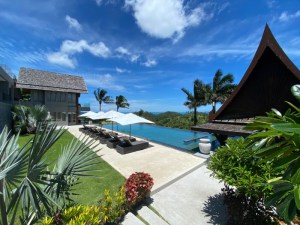
An exceptionally scenic investment property in Koh Samui
SHARE
This Koh Samui villa is definitely an investment to consider, with its panoramic views, stunning architecture and brilliant facilities.
Photo: Courtesy of Villa Suralai
Going for THB 80 million, this one-off, architect-designed, 6-bedroom luxury private pool villa located in Samui’s sought-after Bophut Hills. Boasting spectacular sea and mountain views to the north and west of the island towards Koh Phangan – also known as ‘Full Moon Island’.
Suralai which means ‘home of the angels’in Sanskrit, is a tropical hilltop paradise, ideal as a holiday retreat for extended families or groups of friends seeking the ultimate luxury villa vacation in Koh Samui.
Private, peaceful and serene, the villa is surprisingly just 15 minutes’ drive from Samui international airport and main tourist centre of Chaweng, and 5 minutes from the vibrant beach and lifestyle scene and charm of Fisherman’s Village.
Cedar-shingled pitched roofs and grey natural stone lend a distinguished and timeless look to the villa which blends harmoniously into its lush, wooded hillside, panoramic location.
Photo: Courtesy of Villa Suralai
Designed over three main levels, Suralai’s large, gated, spectacular entrance descends to the main living and dining area where an impressive wood-lined cathedral ceiling soars above the vast space, creating an engaging social hub with a deep covered terrace with cantilevered glass balustrades overlooking a 25-metre infinity-pool, a Northern, Lannai Thai-style poolside sala and the breathtaking view from every aspect.
Photo: Courtesy of Villa Suralai
Cool grey terrazzo floors and fold-away glass doors on three sides create one magnificent open or closed space with no need for air conditioning thanks to the cool breezes and northern aspect of the villa.
At the far end is a spacious sitting area with deep white-leather sofas, easy chairs set around a huge teakwood coffee table and a 75” Smart TV. At the centre is a long white countertop bar with stools and a sleek black designer kitchen and at the end, a refectory-style wooden dining table for up to 14 guests.
Photo: Courtesy of Villa Suralai
One level below the living and dining area, is three identical double ensuite bedrooms and a walkway connecting to an adjoining three-storey pavilion with two master bedrooms and one twin bedroom at the lowest level.
Stairs descend on both sides of the villa into the lawned-garden with wide pool terrace and 25-metre infinity pool tiled in slate grey. At one end, there is an imposing Thai-style sala with a wood-paneled pitched roof, wide comfortable daybeds for relaxing and massages, a dining table for up to 10, a buffet and swim-up bar. A separate staircase provides access to a fully equipped gym and back-of-house facilities beneath the pool.
Suralai’s six ensuite bedrooms are stylishly designed and comfortable and all enjoy a private sea-view terrace. Ongoing renovation has introduced a lighter and more contemporary look and feel with grey ceramic floors to complement light-grey textured walls, upgraded bathrooms and elegant soft furnishings with Jim Thompson silks.
Photo: Courtesy of Villa Suralai
Two Master Bedrooms – one on the top level of the villa and the second opening straight onto the swimming pool – feature king-size four poster beds in dark wood. Large double wooden doors slide back to reveal an expansive ensuite bathroom in grey ceramic tiles, double vanity carved teakwood features and freestanding oval terrazzo bathtub overlooking the view.
Photo: Courtesy of Villa Suralai
A twin-bedded guest room is located on the lower garden level with a double daybed and garden with sea view. The ensuite bathroom has a single vanity and a round free-standing terrazzo bathtub overlooking the view. Steps lead down to the lower garden and the entrance to the gym.
Three identical guest rooms are furnished with king-size beds, fold-away glass doors which fully open onto a wide private sea-view terrace with double daybed for massages and lounging. Ensuite bathrooms are tiled in cool grey and fitted with double vanities, walk-in rain showers and all have separate WCs cubicles. All rooms are air-conditioned with generous wardrobes and storage space, personal safe and cotton kimonos.
Suralai has a highly experienced, multi-lingual villa manager, a resident chef and housekeeper. This couple reside in the staff quarters at the villa and would be interested in staying on when the villa is sold.
The villa has its own fully equipped working kitchen to service the villa and to complement the Western style show kitchen in the main living and dining salon, for breakfast buffets and guests’ use.
Suralai is an outstanding villa that combines subtle elements of Thai culture, modern luxury and the latest technology to create a sanctuary of peace and privacy, away from the beach crowds, yet close enough to connect to the vibrant Samui scene within minutes.
Villa Facilities
Photo: Courtesy of Villa Suralai
Capacity
12 adults – 6 air-conditioned, ensuite double-bedrooms, including two suites and one twin-bedded room, all with sea views and private balcony or terrace. Fully furnished with quality linens/towels.
Living Area
20m living and dining salon with 9m cathedral ceiling and 3.5m wide covered terrace. Western-style open show kitchen with breakfast bar and stools; indoor and outdoor dining areas, and relaxation sala; pool terrace with loungers and sun umbrellas. Separate preparation kitchen.
Pool
24m x 6m x 1.6m infinity-edge swimming pool with swim-up bar and sunken dining / living sala.
Communications
Fibre optics installation with complimentary WiFi in all areas of the villa.
Entertainment
75-inch Smart TV with Chromecast box for IPTV; iPod and dock with wireless remote control; Bose surround sound HiFi system with six zones including outdoor speakers in the garden and sala. Wireless remote-control access to preprogrammed songs and playlists.
Gym
Private gym equipped with a range of fitness machines, weights and yoga mats. Windows open onto the view and a door onto a private lawned garden. Yoga, aqua-aerobics and other fitness classes arranged upon request.
Spa
Spa treatments selected from a comprehensive menu can be carried out by professional beauty therapists in the villa’s sala or in guest bedrooms, upon arrangement with the villa manager.
For Families
High-chairs, baby cots, roll-away beds, children’s pool toys and games. Childrens’ dining menus.
Staff
Villa Manager/Concierge, and Resident Chef and Housekeeper. Chef skilled in preparing Western and Thai cuisines to a five-star standard.
Weddings & Events
Events such as weddings, anniversaries and parties for up to 200 guests can be arranged at Suralai with prior notice.
Property Area
1,932sqm (land). 2,040sqm (villa).
Suralai’s Unique Selling Points
Photo: Courtesy of Villa Suralai
Opportunity
An opportunity to own one of Samui’s most stunning private villas with a spectacular location, and an impressive architectural design.
Location
Conveniently located within Samui’s ‘Golden Triangle’ in the highly desirable Bophut Hills on the northeast coasts of the island just 20 minutes’ drive from Samui International Airport, 10 minutes’ drive to Fisherman’s Village and 15 minutes to Chaweng.
View
One of the most stunning views on the island – a 180-degree sunrise to sunset panorama of the island’s exceptionally beautiful northern coast with its white sand beaches, turquoise sea and outlying islands such as Koh Phangan [Full-Moon Island] in the near distance
Impressive Architect-designed Statement
Superbly conceived to maximize on the magnificent location and north-east orientation of the site, large yet with an ambience of privacy, set harmoniously in the natural tropical wooded terrain of the hills at 180m above sea level.
A Peaceful, Private Retreat
Everything you could need for a self-contained luxury villa holiday, your own private staff, comfortable and stylish bedrooms, elegantly furnished public areas for luxury indoor and outdoor tropical living. And within striking distance of all the best that is happening in Samui.
SURALAI is also available for holiday rentals, click here for a full tour of the villa, and for more information and bookings, visit: www.suralai.com.
Sustainable travel pioneer Melita Koulmandas, CEO of Song Saa Private Island
SHARE
Melita Koulmandas has built a Cambodian island paradise dedicated to ecological harmony and restorative experiences.
We highlight a Game Changer who inspires, educates and celebrates individuality, beauty and style. This month, meet Melita Koulmandas, a sustainable travel pioneer and CEO and founder of Song Saa Private Island, off the coast of Cambodia.
What was it about Cambodia and Song Saa in particular that you were so drawn to?
I moved to Cambodia in 2004. I have a very adventurous spirit and I love visiting remote destinations, and I was captured by the essence of Cambodia in the people, the energy and the vibrancy. But back then Cambodia was very much still waking up after the Khmer Rouge, and it is a country, even to this day, that’s in healing. 70 percent of the population were under the age of 30 back then, so it had this really young, dynamic spirit. There was so much positivity, which was something that I think that was in contradiction to what probably people felt about the country at that time.
I had just spent two weeks circumnavigating the Koh Rong archipelago, and it was pristine and the water was crystal clear. We’d stop outside of the beaches and park overnight and sleep on the fishing boat, and monkeys would come down to the water’s edge. It was just an extraordinary experience.
Why does it matter for people to experience Cambodia?
I think that Cambodia is an incredibly special place, and though it sits between its neighbours Thailand, Vietnam and Laos three countries that have very long histories and are well defined in terms of tourism Cambodia is still working out who it is. So anyone who visits Cambodia always walks away with a sense that they have had a real, human connection with it. It doesn’t matter if they’re visiting the temples of Angkor Wat or going through Phnom Penh or coming down to the coast there’s always this unique experience of real connection that you get when you come to Cambodia. Cambodia has its own essence, its own sense of place, and its own history.
How is Song Saa’s approach to sustainability and community programmes unique compared to developments of a similar nature?
Because we started off with building community projects, with no vision at that point to open a hotel, we have designed and created a hotel experience for our guests where that is woven in from Day One, as opposed to designing and opening a hotel and making that fit into the hotel. which is very much what regenerative tourism development design is all about. So we look at the living system and how we can operate within that and help to enhance these systems. The work that we do is through the nonprofit Song Saa Foundation, which is its own entity. If the hotel shut down tomorrow, the foundation would continue to operate, so the programmes that we work with aren’t there because it makes the hotel feel good. They’re there because that is what we need, so everything is community-driven.
Would you say responsibility and luxury are, by their very nature, in opposition? Can they coexist?
I believe they can coexist. To start with, I think we have to understand what the definition of luxury is in this context, and it’s really evolved in the past few years. We don’t use the word “luxury” and haven’t for a while, we talk about high-end or responsible tourism. Coming into a country like Cambodia, even if that travelling is at a high-end level, by just connecting to the people and the culture, it brings empathy and awareness that they take home with them. Where the high-end traveller can really bring a lot of change is that they really want to understand the history and the place where they’re at, and they then often donate to the programmes that we have, so there’s that transference of awareness and support.
What are your thoughts on the changing landscape of sustainability-minded tourism in recent years, especially in Southeast Asia, and consumer expectations and how they’ve evolved?
I think they’ve evolved enormously. I think there is a greater awareness for most people, and that there is a real shift away from the tourists of 20 or 30 years ago. People now identify as travellers, and they want to have that experience and connection. Traditionally, back then people used to stay in the big hotels, where they would step into and then they would be transported back into a cocoon. And now people want to feel, connect, learn and grow, and that’s incredibly special.
Rolex GMT-Master and GMT-Master II are the ultimate globetrotter companions
SHARE
For nearly 70 years, the GMT-Master and GMT-Master II have epitomised travel, and served as loyal companions for frequent fliers.
Oyster Perpetual GMT-Master II, 40 mm, Oystersteel
The Rolex Oyster Perpetual GMT-Master II is the ultimate cosmopolitan watch. Developed for professionals who criss-cross the globe, it debuted in 1982 as the successor to the GMT-Master, which was introduced in 1955.
Aesthetics-wise, the GMT-Master II speaks the same design language as the 1955 original – a testament to the brand’s perfection of the line’s style and technical design from the get-go. Meanwhile, decades of technical advancements have kept it at the forefront of watchmaking, where it remains as the GMT watch of choice for discerning connoisseurs.
The 1950s and 1960s were periods of great progress. Civil aviation, in particular, saw major advancements such as the development of passenger jets. This, coupled with the booming global economy, led to a burgeoning demand for air travel – for the first time in humanity’s history, large numbers of people were rapidly travelling across time zones.
Photo of lieutenant and engineer William J. Knight. On 3 October 1967, piloting the rocket-powered X-15, he set the highest speed ever recorded, 7,274 km/h (Mach 6.7), wearing a GMT-Master.
Against this backdrop, Rolex developed the original GMT-Master. It was a true tool watch, with a design that remains de rigueur for GMT-function models even today, featuring two anchoring characteristics. The first: a large triangle-tipped hand that circled the dial in 24 hours. The second: a bidirectional rotatable bezel with a 24-hour graduation, with the most classic iteration having red and blue halves to visually demarcate daytime and nighttime respectively.
Together, these features formed the GMT complication; by setting the bezel, the GMT-Master could display a second-time zone simultaneously for the wearer, who simply had to read the 24-hour hand. Professionals such as pilots and myriad others now had at-a-glance access to a second-time zone.
GMT-Master, stainless steel, red and blue Plexiglas insert, 1955, ref. 6542
Following its introduction, the GMT-Master quickly established its reputation in aviation and came to epitomise the aeronautical watch, accompanying many groundbreaking achievements. This included the first non-stop transatlantic flight from New York to Moscow made by a Pan Am Intercontinental Jet Clipper, as well as the Mach 6.7 speed record set by the hypersonic X-15 experimental aircraft.
The GMT-Master also found itself being relied upon in other fields, where it witnessed triumphs on the wrists of globetrotters, explorers, and adventurers alike. The Pegasus Overland expedition, for instance, was accomplished over 51 weeks across 34 countries with a GMT-Master on the wrist of each team member. Likewise, certain astronauts of Apollo 13, 14 and 17, wore GMT-Master timepieces on their respective missions.
GMT-Master, stainless steel, red and blue bezel insert, 1959, ref. 1675 (above)
Constant Progress
Never one to rest on its laurels, Rolex introduced a new movement in 1982, ensuring that the GMT- Master continued to evolve and adapt to the needs of a perpetually changing world. The calibre 3085’s defining feature was how its hour hand could be adjusted forward and backward in one-hour increments – independently of the other hands, and without stopping the movement. With this, local time could now be quickly and easily set by the wearer as they crossed the globe. To clearly mark this evolution, the watch with the new movement was named the GMT-Master II. The two models would be offered simultaneously until the discontinuation of the original in 2000.
Indeed, both the GMT-Master and GMT-Master II have seen a slew of technical innovations developed by Rolex, to ensure that the latest iteration of each watch would always be the most aesthetically and technically accomplished. And it is this constant march that has helped to forge the line’s reputation for excellence.
The 24-hour graduated bezel, an anchoring feature for the line, has unsurprisingly been a focus for various improvements. The original GMT-Master initially sported a Plexiglas bezel insert, which was shortly after updated to an aluminium one in 1959. In 2005, Rolex introduced the first bezel insert made of ceramic on a Rolex watch. This significant update did not just mean a virtually scratchproof bezel, but also confirmed Rolex’s place at the cutting edge of innovation for research and development into high-tech ceramic components.
Red and blue Cerachrom bezel insert during surface polishing, following coating of the inscriptions.
Rolex followed up with a two-tone, black-and-blue bezel in 2013. The release marked yet another milestone, as the brand had achieved the first two-colour monobloc Cerachrom bezel insert – it represented a triumph of engineering and applied research. The classic red-and-blue Cerachrom bezel insert was introduced the following year, with additional colours unveiled subsequently. They share the same crucial traits: even saturation for each coloured area, and a perfectly clear demarcation between them thanks to precisely controlled production parameters and processes that are patent-protected.
Integration of the oscillator in calibre 3186, with which the GMT-Master II was equipped from 2005 to 2018.
In the same vein, the 24-hour “GMT” hand has undergone various iterations over the decades. Initially slimmer and more discreet, it was given a bolder design after 1959 for enhanced legibility. The triangle at the tip, in particular, was enlarged for greater visual weight. Today, the “GMT” hand is recognised both for its legibility and balanced design, with perfected details including the luminescent material at its tip, as well as a main body that is lacquered in a matching colour with the lower half of the bezel for some references.
24-hour hands of different versions of the GMT-Master II.
Beneath the dial, Rolex has kept a steady pace of improvements to the movement too. In 2005, for instance, the brand upgraded the GMT-Master II’s movement to calibre 3186, which featured its proprietary Parachrom hairspring for greater resistance against magnetic fields, shock, and temperature changes. Calibre 3285 followed in 2018 and incorporated the Chronergy escapement for improved efficiency and magnetic resistance – with the oscillator mounted on Paraflex shock absorbers for enhanced shock resistance, no less. No details have been overlooked; since 2023, Rolex has fitted the movement’s oscillating weight with an optimised ball bearing.
The GMT-Master II Today
Calibre 3285, which powers the latest generation of GMT-Master II watches
Like every other model in Rolex’s line-up, the latest iteration of the GMT-Master II is always the best possible – both technically and aesthetically. The two references for the GMT-Master II in Oystersteel with grey and black Cerachrom bezel insert, which were unveiled earlier this year, showcase this perpetual quest for perfection.
Both references have been fitted with calibre 3285, of course, and benefit from Rolex’s latest technologies including the Chronergy escapement and blue Parachrom hairspring. The combination of the movement’s barrel architecture and its escapement’s efficiency gives the timepieces an approximately 70-hour power reserve.
GMT-Master II, Oystersteel, grey and black Cerachrom bezel insert, 2024, ref. 126710 GRNR
On the exterior, the most striking element of the new watches is their Cerachrom bezel insert in black and grey. This colourway blends in subtly with the familiar Oyster case – rendered here in Oystersteel – with the platinum-coated recessed graduations on the bezel tying all the details together. For a touch of visual interest, the black lacquer dial bears the inscription ‘GMT-Master II’ in green, echoing the colour of the triangle-tipped 24-hour hand – an element that features strongly in the model’s design.
The difference between the new references concerns the choice of bracelet, with both the Jubilee and Oyster bracelets available. The Oyster bracelet sports a three-link design and is known for its robustness. It is also the most universal bracelet within the Oyster Perpetual collection. The Jubilee bracelet, on the other hand, has five links that has given it a reputation for suppleness and comfort. Both bracelets have been fitted with the Oysterlock folding safety clasp, and feature up to five millimetres of fine adjustment with the Easylink comfort extension link.
Roger Federer, former tennis player and Rolex Testimonee, wearing a GMT-Master II in Oystersteel featuring a bezel with a grey and black Cerachrom insert.
The finishing touch concerns the certification standards that Rolex applies to all its timepieces. Each complete GMT-Master II, consisting of both the case and movement, is covered by the Superlative Chronometer certification redefined by Rolex in 2015. This builds and improves on the industry standard set by COSC – not just with an improved precision of +2/-2 seconds a day, but also with requirements for waterproofness, self-winding performance, and power reserve. Rolex backs this with an international five-year guarantee.
The GMT-Master line was envisioned as a tool for professionals to keep track of the time in two different time zones but has grown well beyond this original raison d’être. Today, it also represents a link to a location elsewhere – a place of significance for the wearer, whether as a memory, a plan, or something else entirely. For those who venture across time zones and frontiers, it will continue to be a loyal companion, as it has been for nearly seven decades.
This article is slated to appear in WOW’s Summer 24 Issue, out soon.
For more on the latest in watch reads, click here.
The Louis Vuitton Escale journeys into the maison’s eminence of trunk making
SHARE
Louis Vuitton celebrates the 10th anniversary of the Louis Vuitton Escale with a three-hander iteration, a first in a decade.
There is a certain element of gamble when new interpretations are given to close and existing associations. Take the flaming Rosso Corsa (English for Racing Red) of Italian marque maker Ferrari, for instance. The iconic shade has dressed some of Enzo Ferrari’s finest racing machines since the 1920s, and understandably, there was quite a stir when the Scuderia Ferrari Formula One team announced and unveiled a blue livery for Charles Leclerc and Carlos Sainz’s cars at the Miami Grand Prix 2024. For Louis Vuitton, mention the Escale and its handpainted Worldtime flag dial or whimsical Spin Time complication come to mind. That is set to change as the French maison presents its latest iteration of the Louis Vuitton Escale, a three-handed watch.
2024 marks the 10th anniversary of the Louis Vuitton Escale, and this novelty will come as a shock to Louis Vuitton’s longtime clients as it is the Escale collection’s first-ever three-hander in a decade. However, the significance of such a release is more symbolic than one could ever imagine. While the Louis Vuitton Escale is steeped in Louis Vuitton’s art of travel philosophy, characterised by the more obvious Worldtime counterparts, this release is an ode to Louis Vuitton’s genesis — trunk making. Consider the three-handed Louis Vuitton Escale, a journey 170 years back to Monsieur Louis Vuitton’s eminence as a trunk maker.
Four models lead Louis Vuitton’s bold voyage into the classical realms of three-handed watchmaking, with the maison’s trunk-making savoir-faire serving as the foundations of the new Louis Vuitton Escale. Cursory glances suggest a simplistic approach, yet such designs are anything but, as summed by the late Steve Jobs, “Simple can be harder than complex: You have to work hard to get your thinking clean to make it simple. But it’s worth it in the end because once you get there, you can move mountains.”
The narrative of the new pieces trods the same path as its forerunners; their watch lugs are a continuous allusion to the iconic Louis Vuitton trunks. Born in the hallways of Asnières but reinterpreted on the watchmaking benches of La Fabrique du Temps, Louis Vuitton Escale’s lugs mimic the trunk’s angled form and riveted exterior. The visual code extends to the dial as the four quarter indices are shaped similarly, while gold studs lining the minute track are reminiscent of the lozine nails running along the Louis Vuitton trunk’s exterior.
Aesthetically, the four iterations of the Louis Vuitton Escale are broadly categorised into two categories. Two are clad in a 39mm rose gold case featuring a silver or blue textured, stamped centre dial. The other pair are outfitted in a 39mm platinum case and further ornamented with lavish touches, the first with a meteorite centre dial prized for its extraterrestrial nature and unique striations and the other with an onyx centre with a baguette-cut diamond set bezel and case. Given the vastness of Louis Vuitton’s all-encompassing divisions, other elements of the maison are captured in the Louis Vuitton Escale. A pair of reworked case-colour-matched gold hour and minute hands are shaped like the tapered needles of the maison’s couture and leather goods ateliers.
Flipping the watch over reveals yet another journey into haute horlogerie, epitomised by the 22k rose gold micro-rotor (a mark of watchmaking pedigree) seen on the automatic calibre LFT023. While the movement is not new, having debuted in the Tambour, its architecture meets modern watchmaking demands, with chronometry certified by the Geneva Observatory and guaranteed with a 50-hour power reserve.



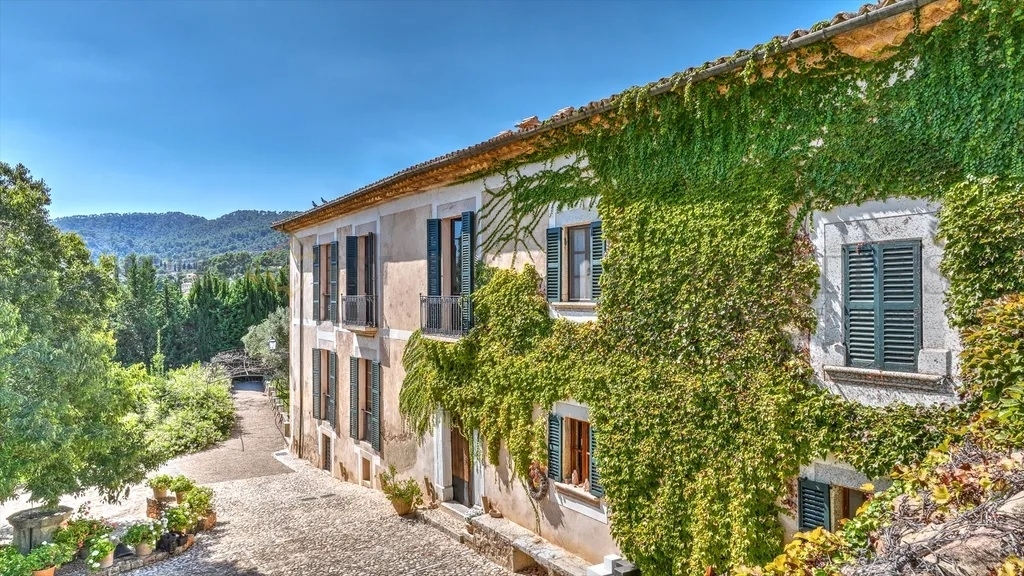
 Rustic charm of this home in Son Bielo Estate, Spain. Image: Christie’s Real Estate.
 Gorgeous views from the living room. Image: Christie’s Real Estate.
 Views of the neighbourhood and the sea from the balcony. Image: Sotheby’s Realty Greece.
 Modern designer furniture and lighting in the living room. Image: Sotheby’s Realty Greece.
 A striking facade created for Velvet Cove. Image: Sotheby’s Realty Greece.
 A striking facade created for Velvet Cove. Image: Sotheby’s Realty Greece.
 A modern lap pool serves the villa’s residents. Image: Sotheby’s Realty.
 Gorgeous views of the Mediterranean Sea from the patio and pool space. Image: Sotheby’s Realty.
 A charming modern space with rustic touches. Image: Sotheby’s Realty.
 An inviting lap pool to pamper its homeowners. Image: Sotheby’s Realty.
 Lounge and relax in this modern and inviting living space. Image: Sotheby’s Realty.
 Colonial touches adorn this villa. Image: http://www.luxuryestate.com.
 Look out to harbour views from this modern living area. Image: http://www.luxuryestate.com.




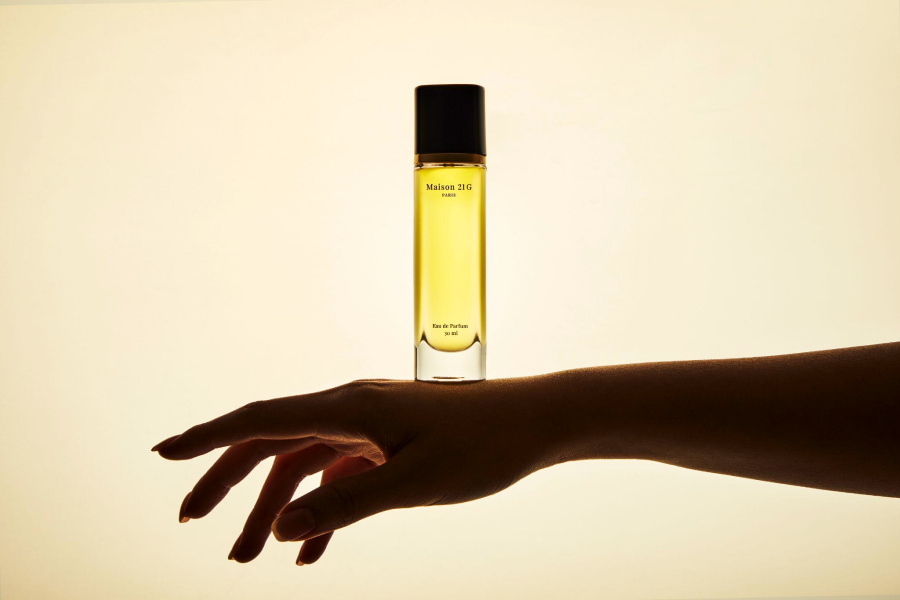



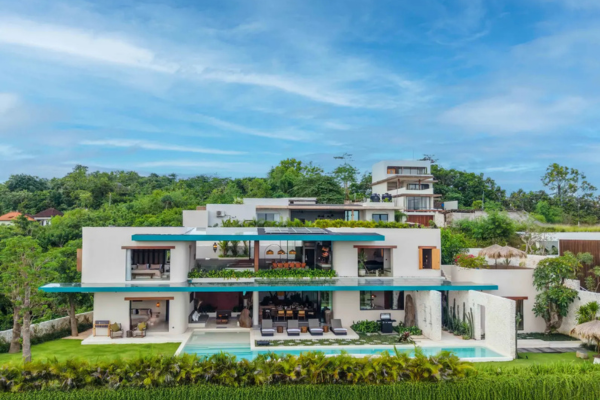
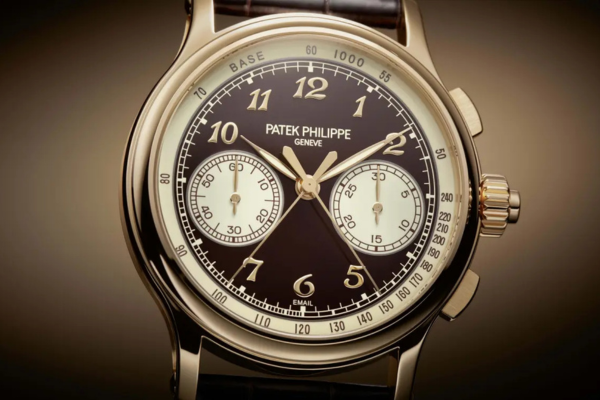



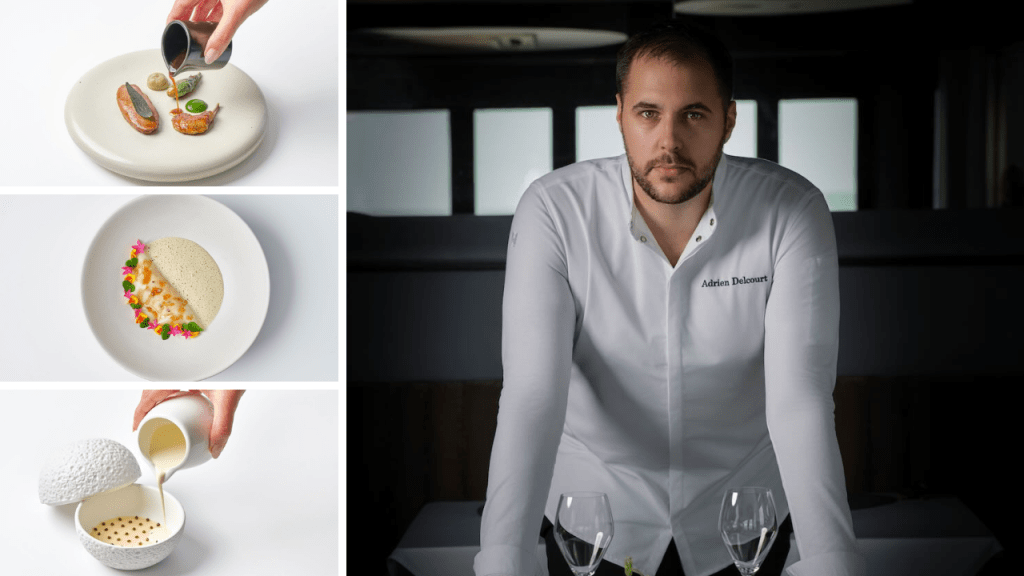
 Photo: Courtesy of L’ARÔME BY THE SEA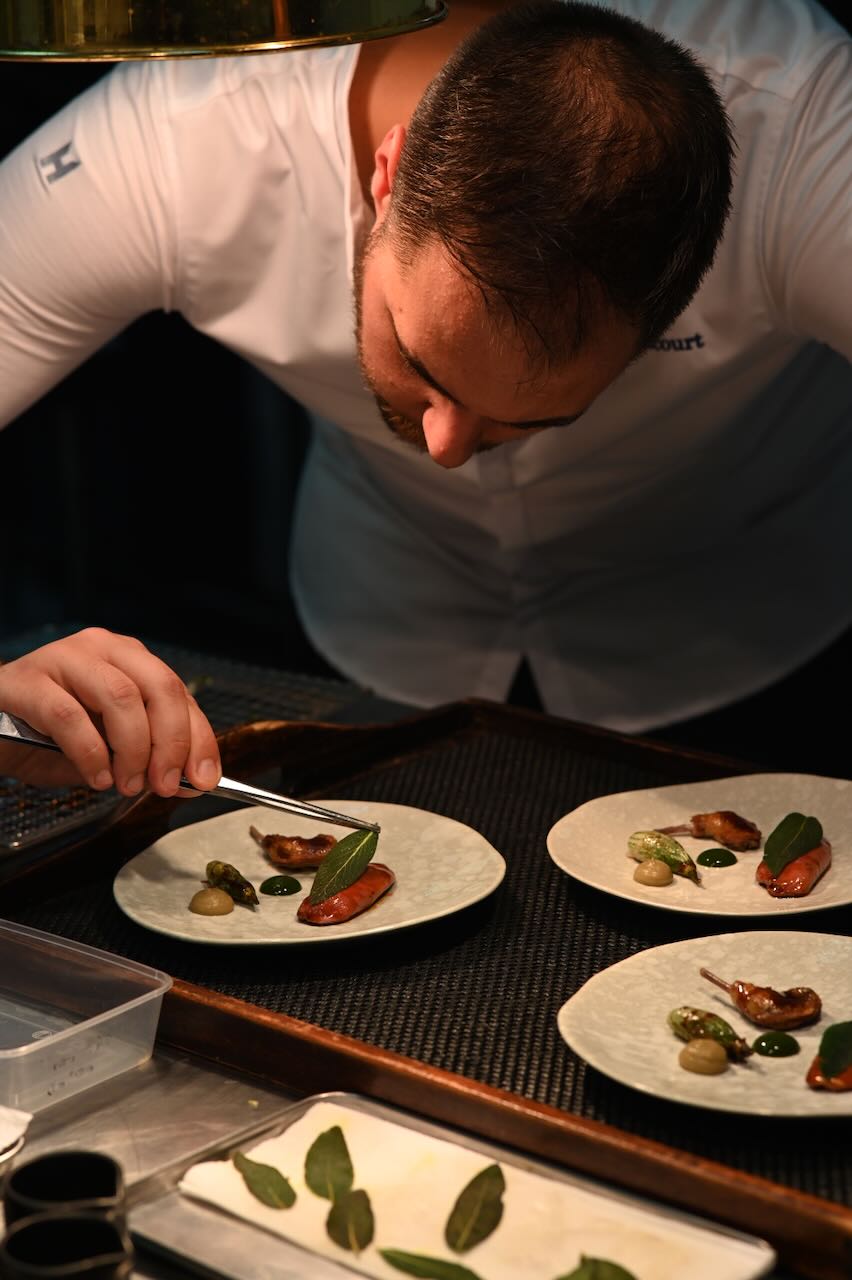
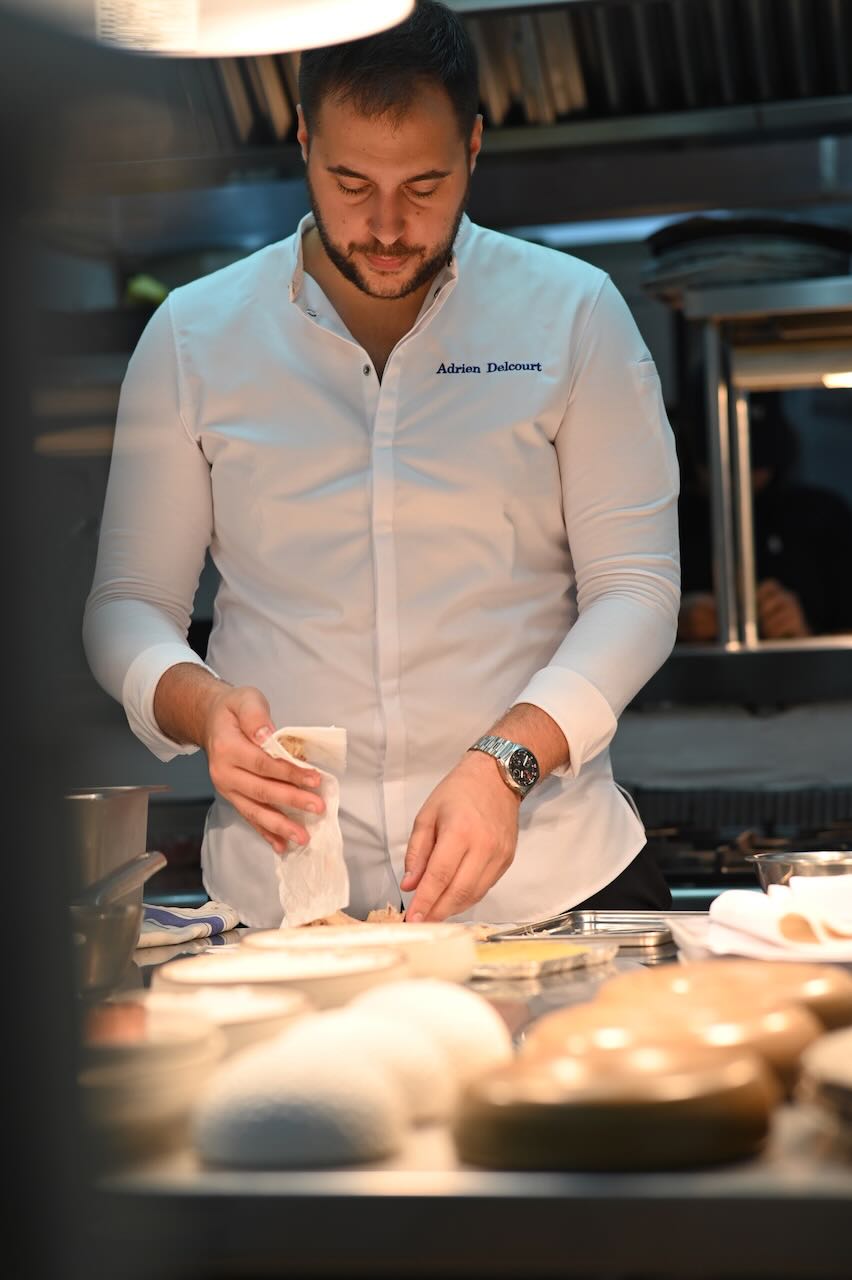

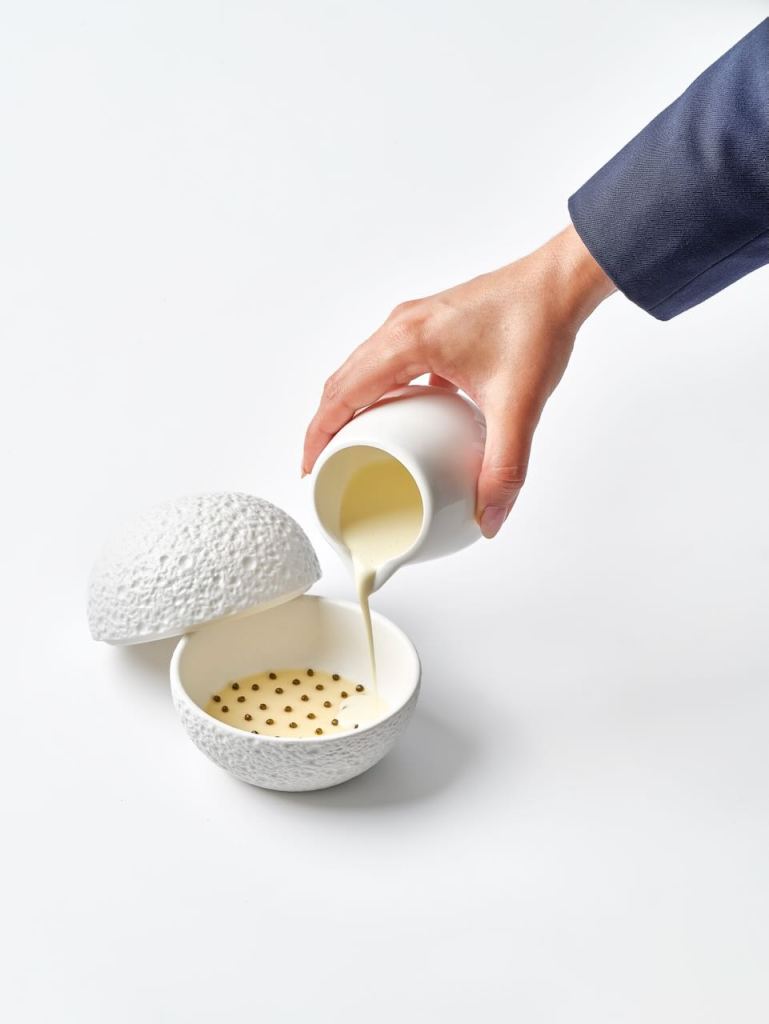
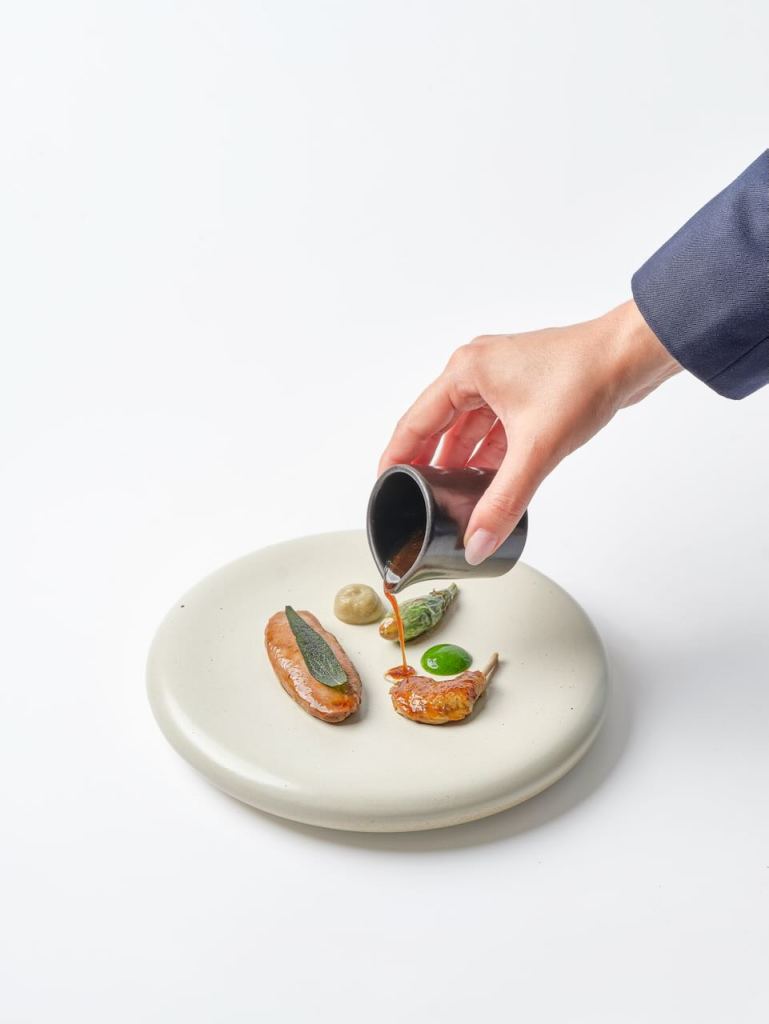
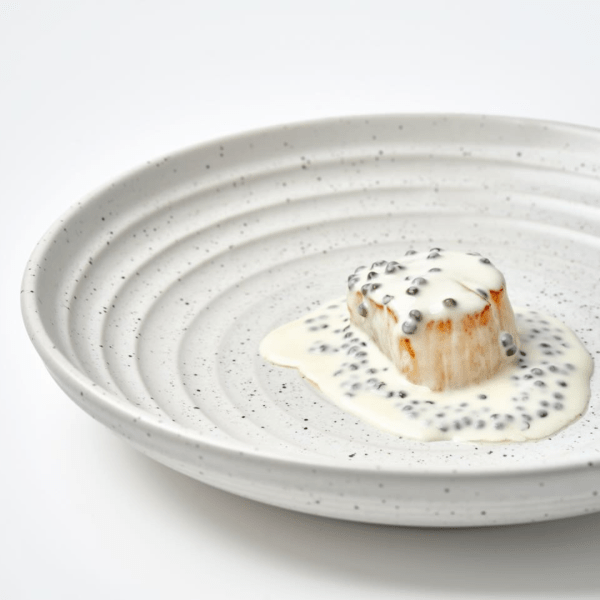
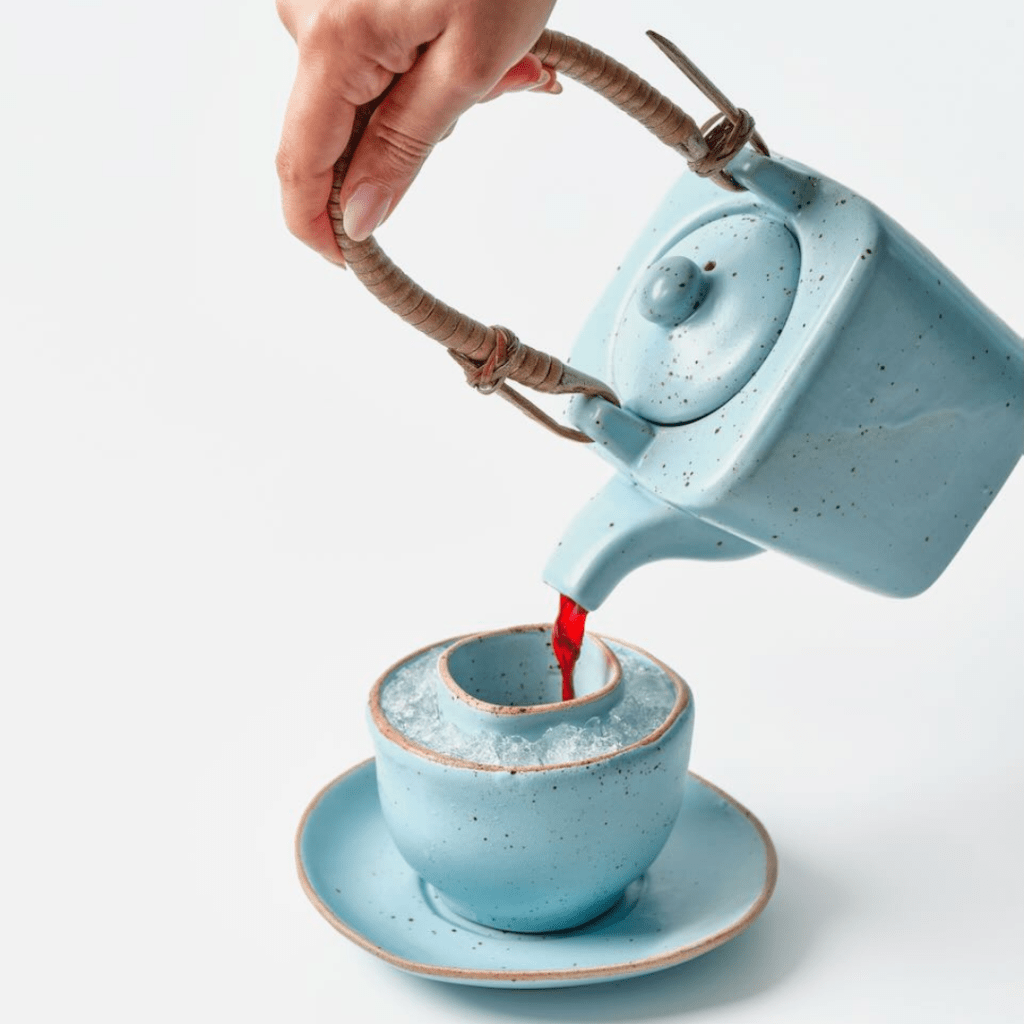
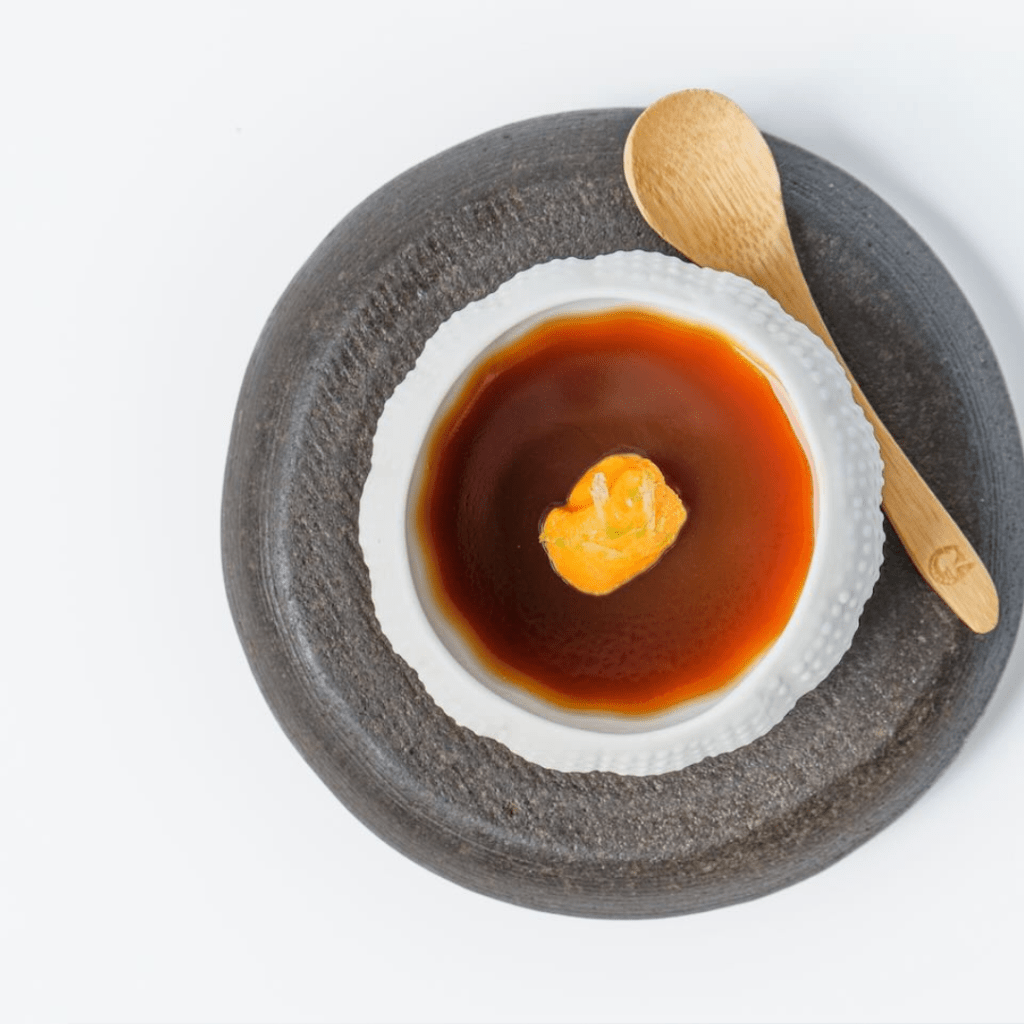


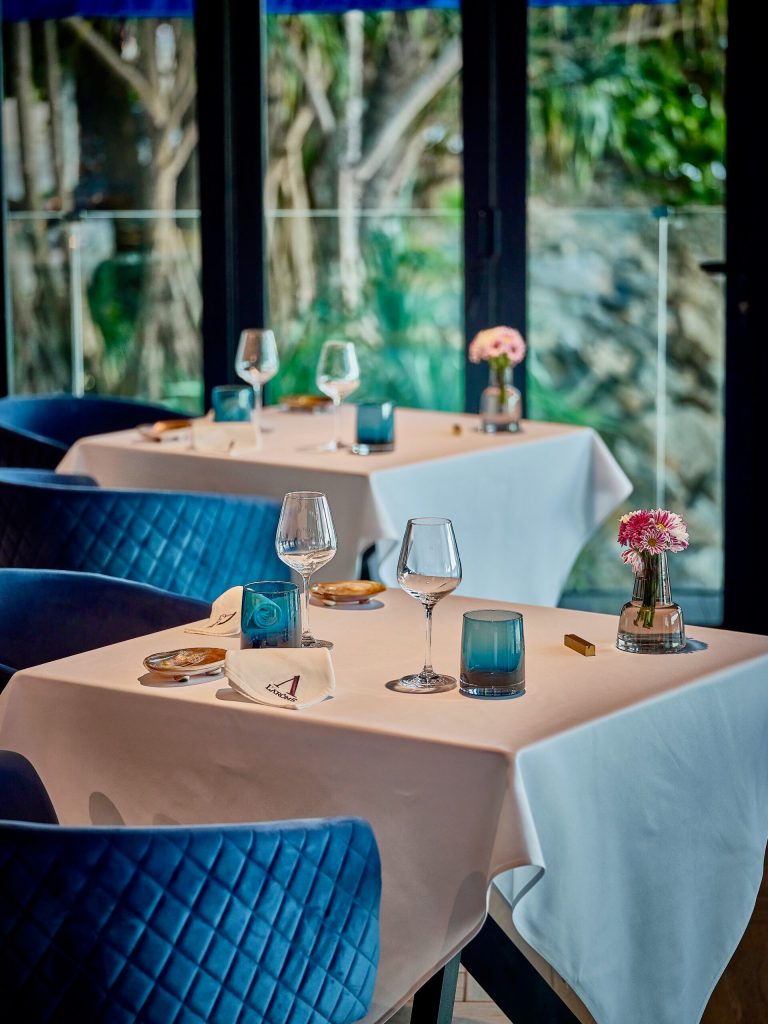
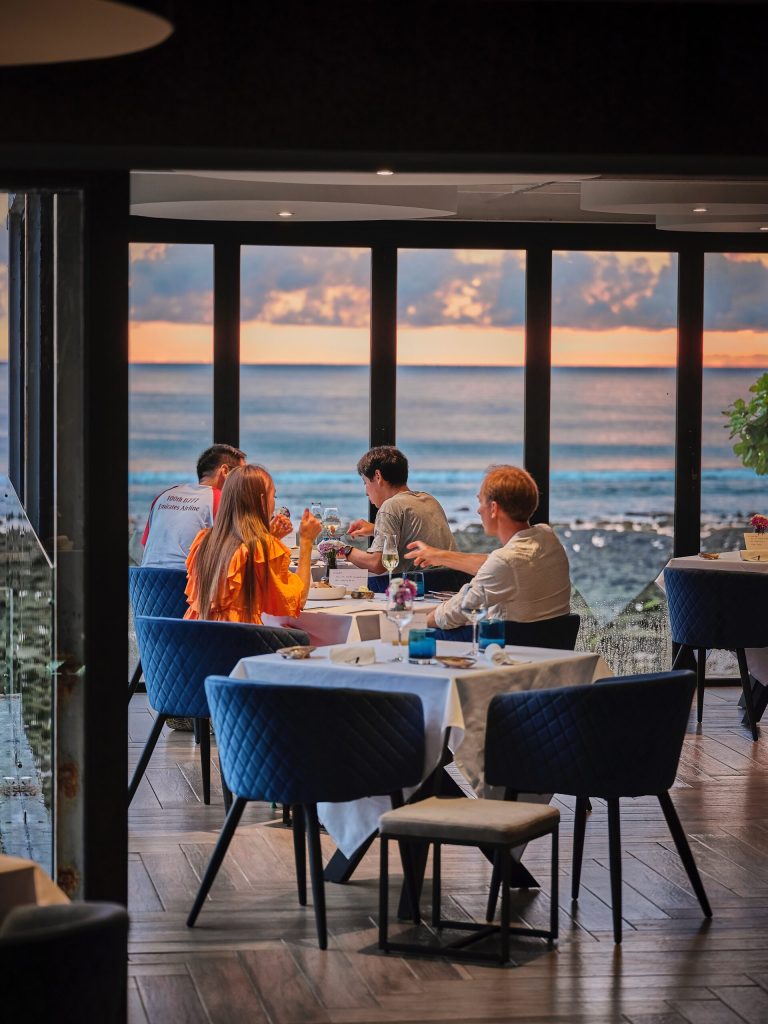
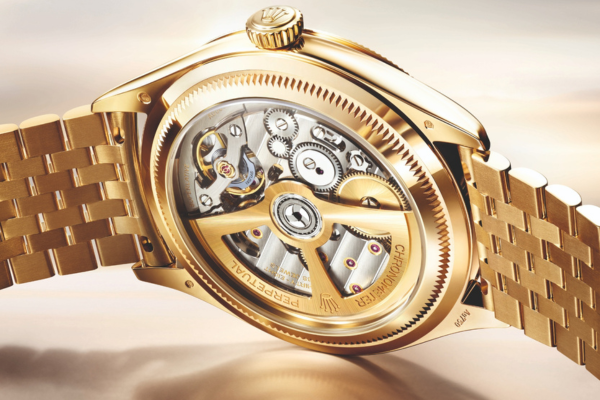


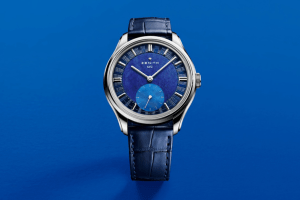


 Cartier’s Santos de Cartier Dual Time


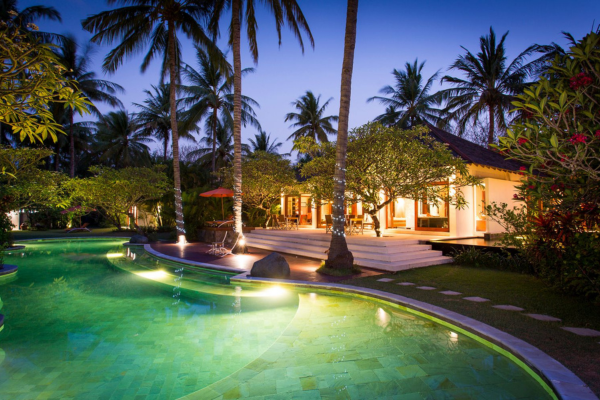
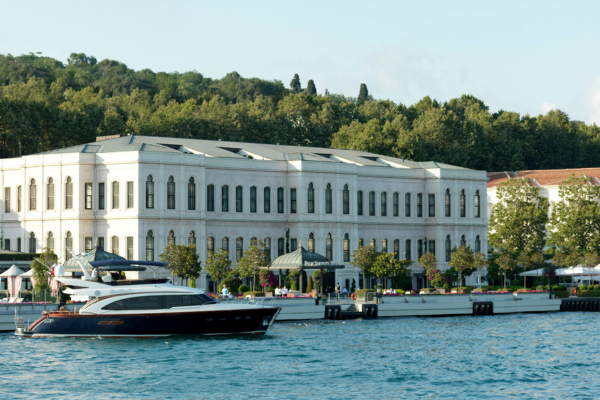
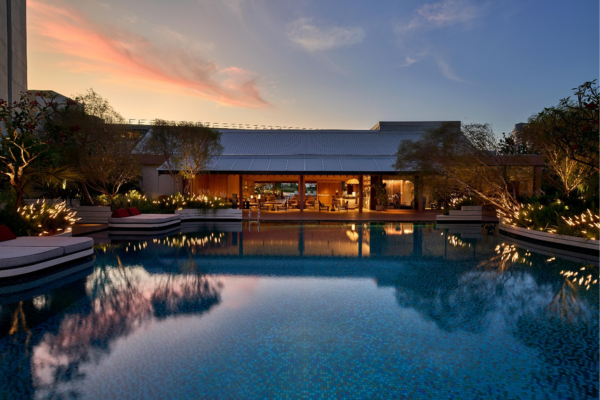
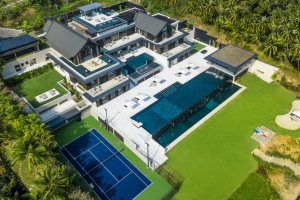
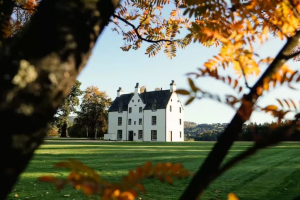



 Iguana soaking up the sun
 Galapagos Island map


 Two blue-footed boogie birds
 Galapagos Island herbivore iguana feeds underwater
 Lava flows still dominate parts of the ancient landscape
 Galapagos iguana underwater




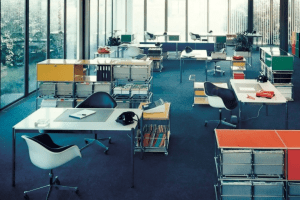
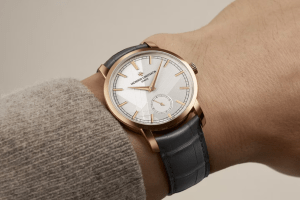
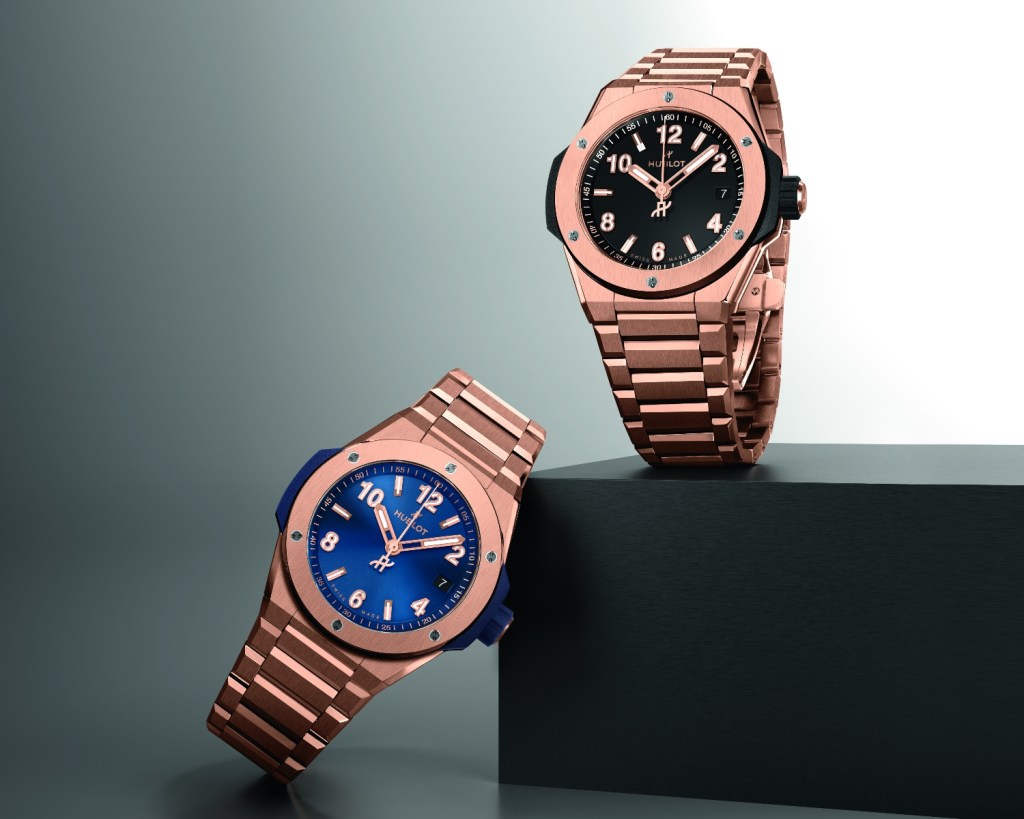


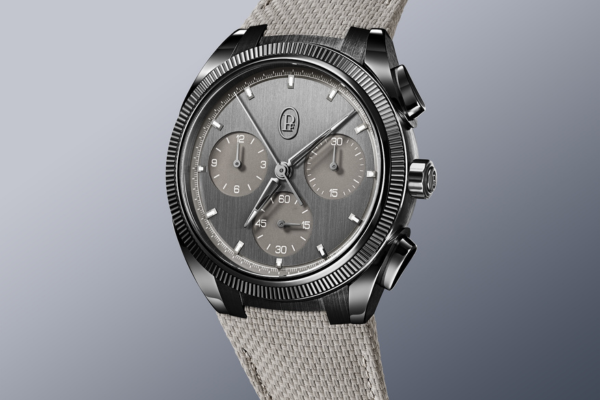

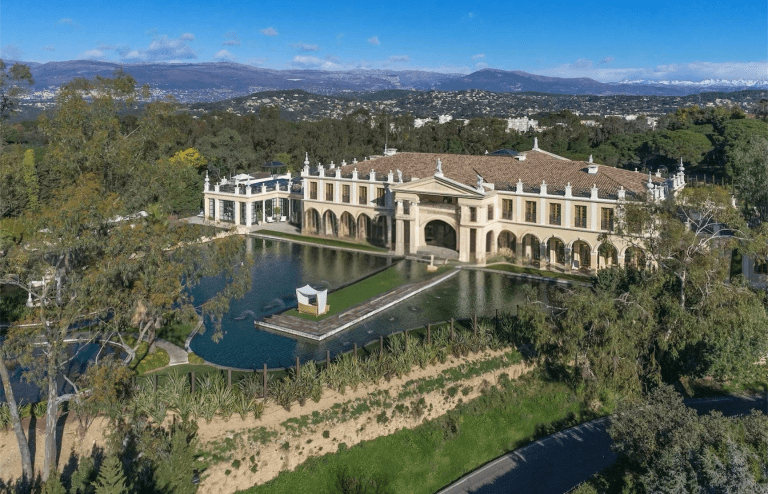


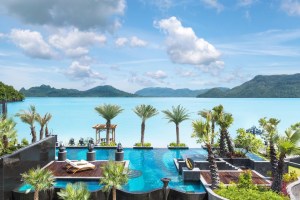
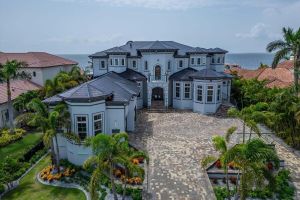
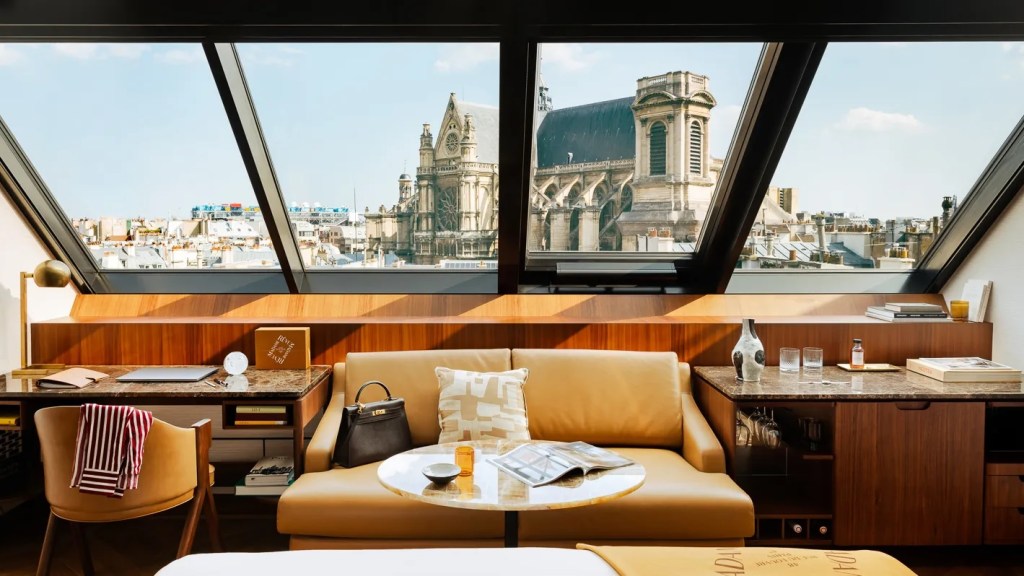


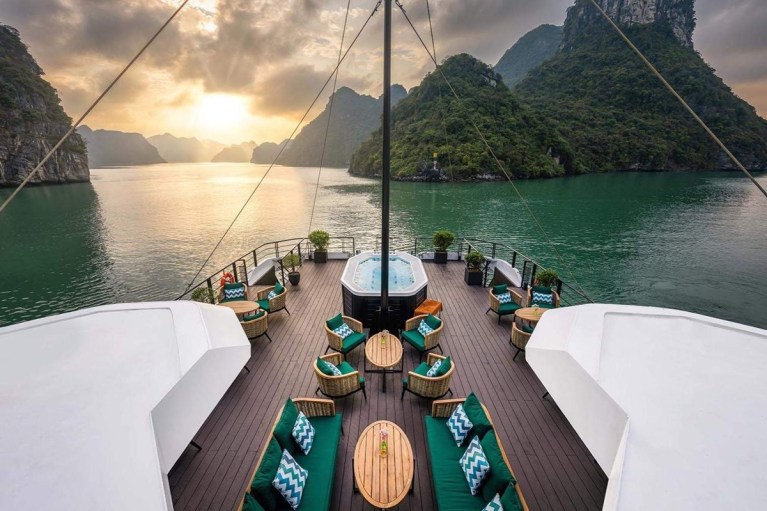
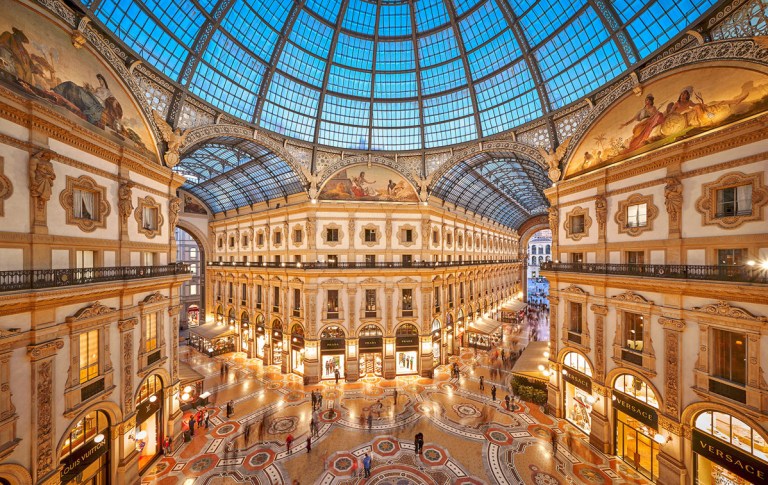
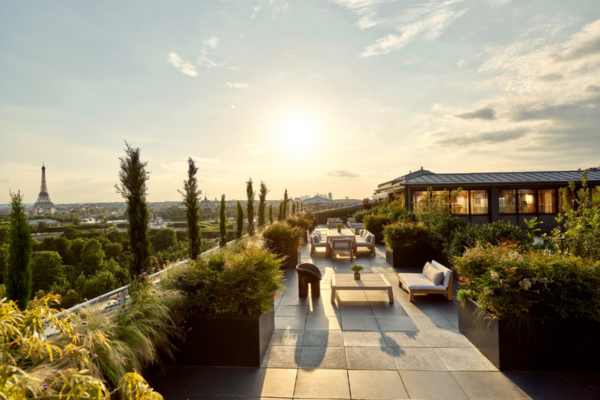



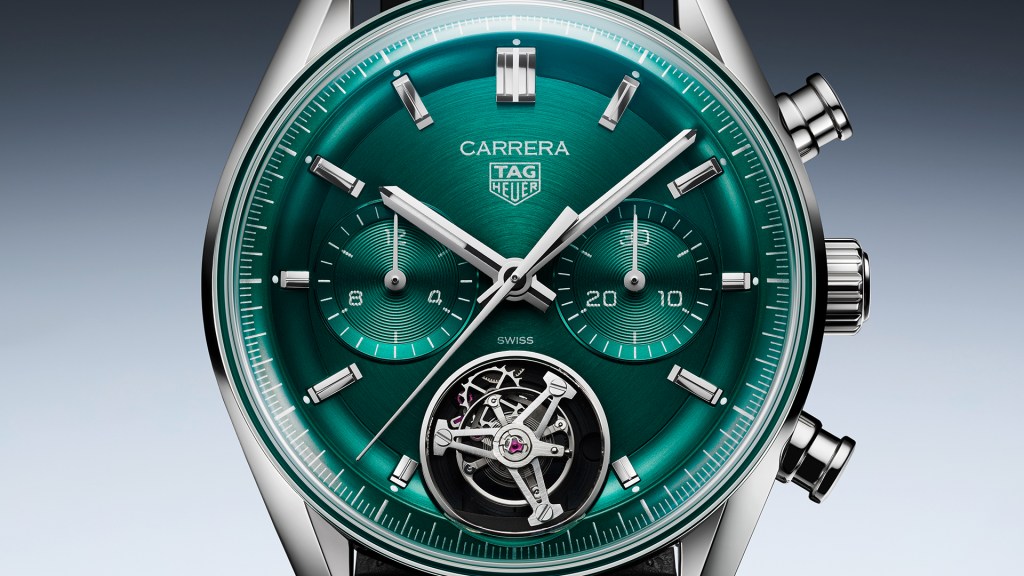



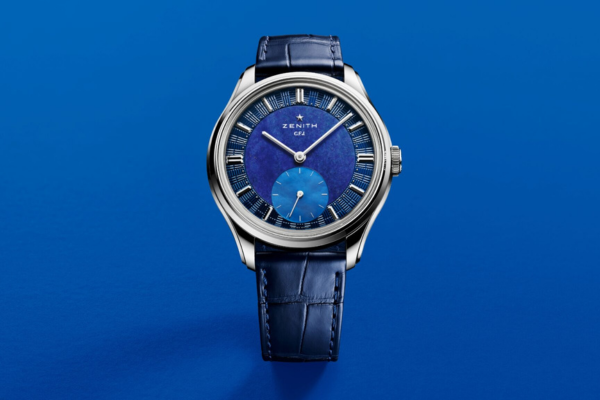
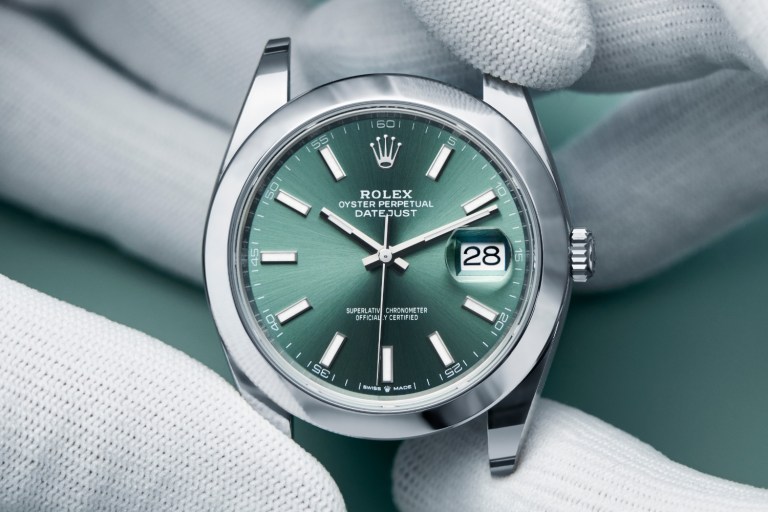


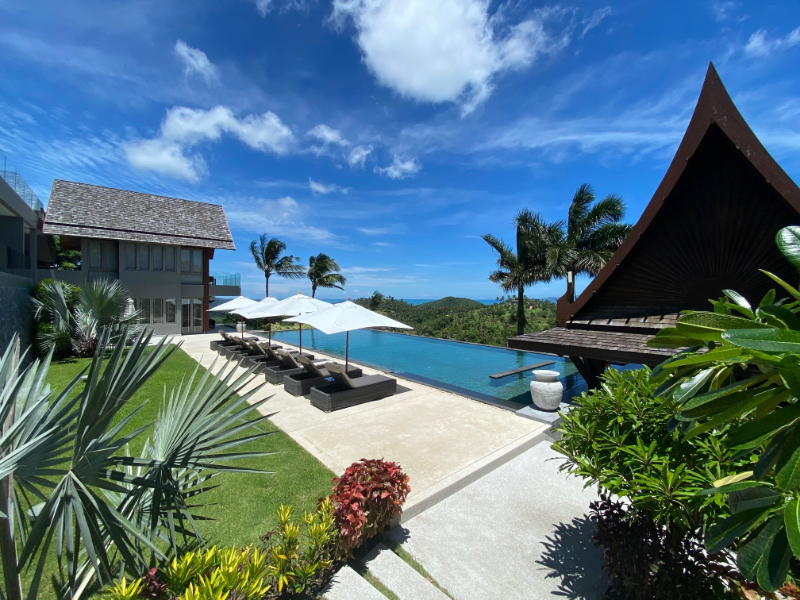
 Photo: Courtesy of Villa Suralai


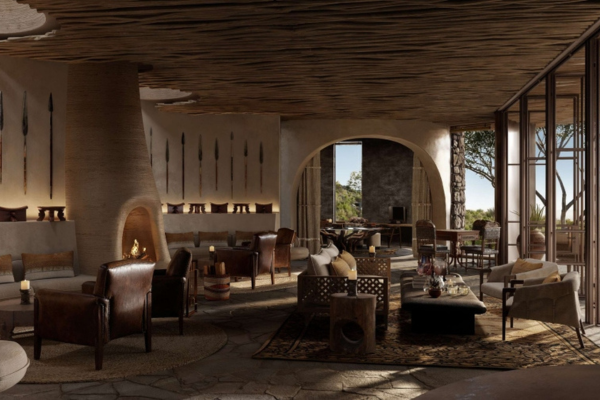

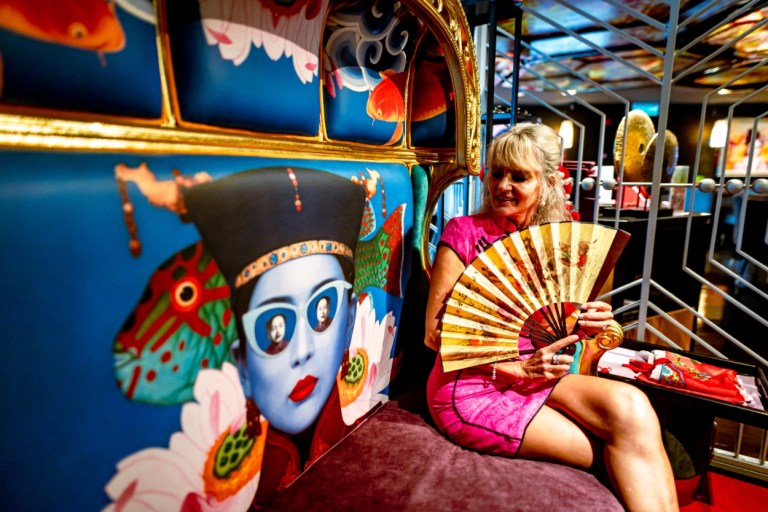
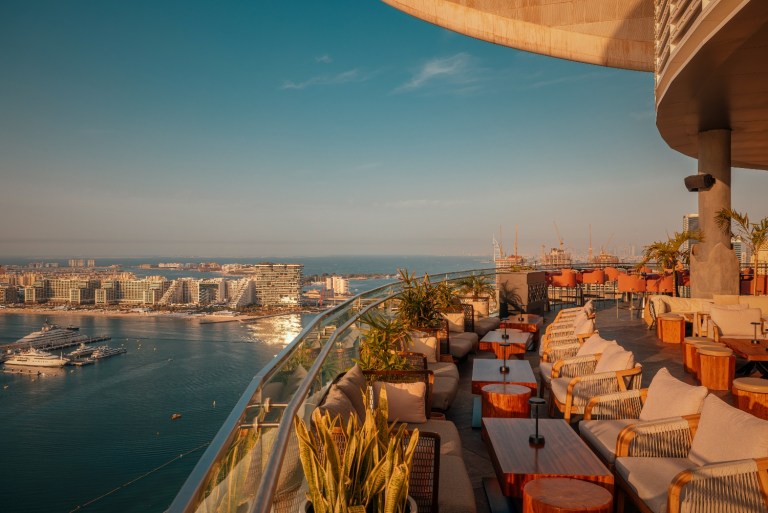


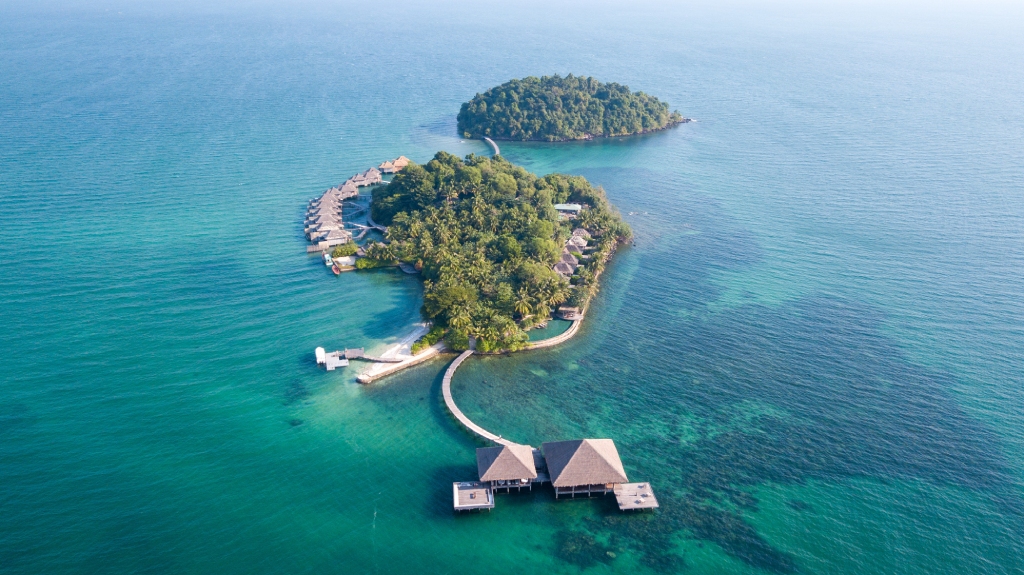


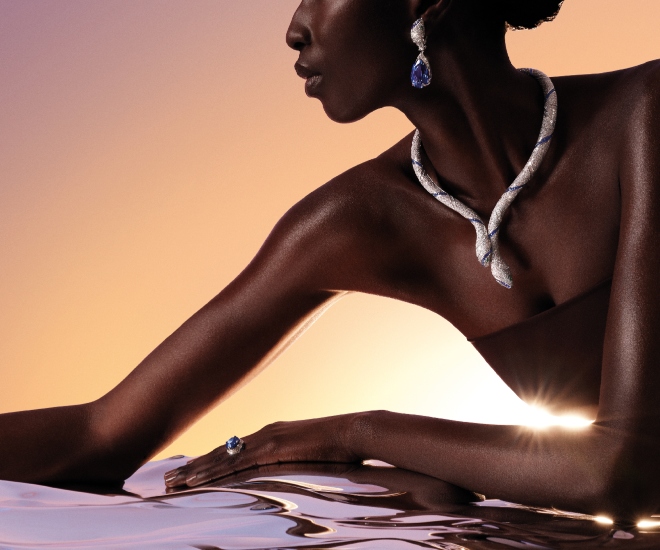

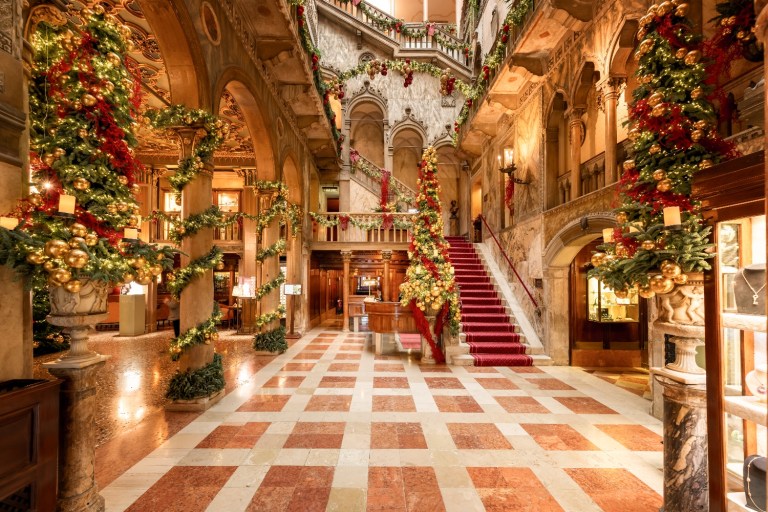




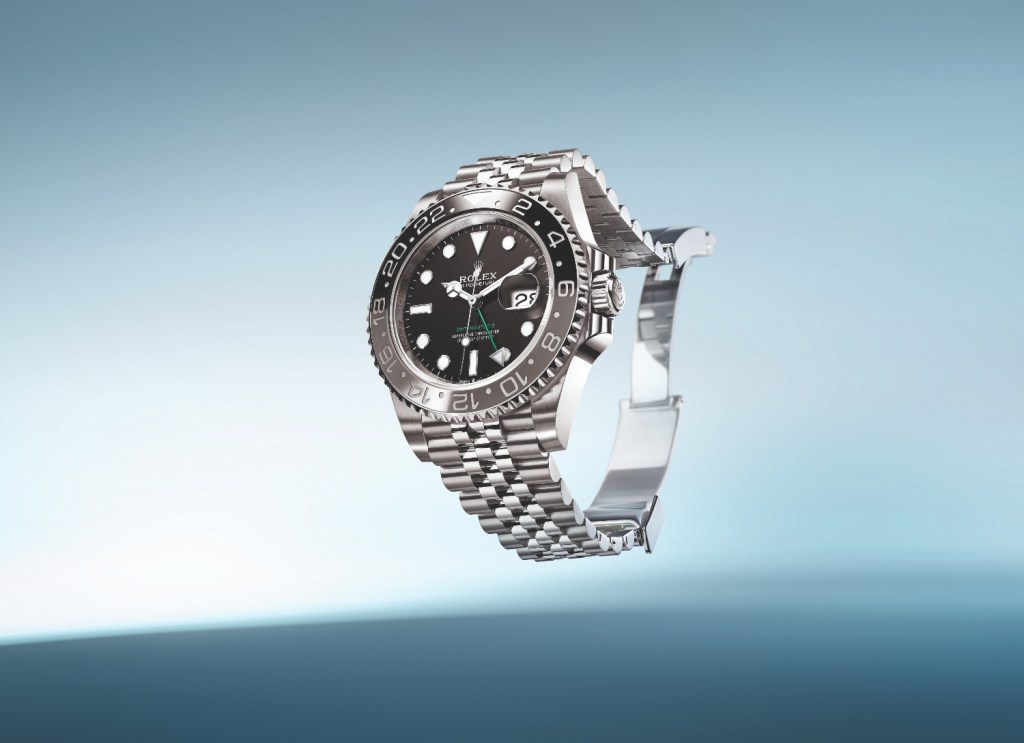
 Oyster Perpetual GMT-Master II, 40 mm, Oystersteel
 GMT-Master, stainless steel, red and blue Plexiglas insert, 1955, ref. 6542