Experience the magic of Venetian holidays with Hotel Danieli’s festive feasts, afternoon teas, and an unforgettable New Year’s Eve gala. Words: Lucas Raven
Hotel Danieli, Venice
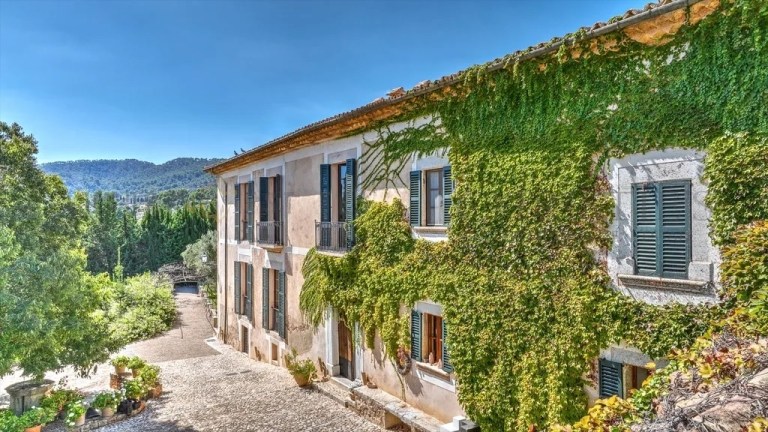
Venice sparkles during the festive season, and no place captures its magic better than Hotel Danieli. From cozy afternoon teas to a dazzling New Year’s Eve gala, the hotel offers an unparalleled holiday experience steeped in elegance and tradition.
Afternoon Tea: A Festive Indulgence
The Dandolo Lounge sets the stage with an opulent afternoon tea featuring Venetian-inspired pastries, including handcrafted pandoro and panettone. Paired with spiced hot chocolate or a glass of Prosecco, it’s the perfect way to bask in the season’s warmth.
Christmas Eve Dinner: A Culinary Celebration
At Terrazza Danieli, Christmas Eve dinner begins with delicate creamed snapper and citrus, followed by pumpkin cappellacci with striped prawns and radicchio. A golden-crusted wild sea bass with fennel variations highlights the main course, while port-poached pear with hazelnut cheesecake and homemade holiday cakes provide a sweet finale.
Christmas Day Lunch: A Feast to Remember
Christmas Day is marked by a festive lunch where Treviso radicchio risotto and stuffed guinea fowl with black truffle steal the show. A bright white chocolate parfait with yuzu offers a fresh finish, while pandoro and panettone tie the meal to cherished Italian traditions.
New Year’s Eve Gala: A Night of Opulence
Ring in the New Year at the gala dinner, featuring luxurious dishes like blue lobster with white truffle, John Dory with Calvisius caviar, and Venetian cuttlefish in cassopipa. Fireworks over the Grand Canal add unforgettable magic, while the midnight toast with lenticchie e cotechino promises prosperity.
New Year’s Day Brunch: A Lavish Start
The year begins with a grand brunch, offering everything from fresh pasta with seafood to Amarone-glazed beef. Indulgent desserts like Danieli Tiramisù and the famed Sachertorte complete the celebration.
The Essence of Venetian Holidays
Hotel Danieli’s festive offerings capture the spirit of Venice at its finest. Whether savoring afternoon tea or toasting the New Year, every moment promises unforgettable memories.
Hotel Danieli, Venice
Visit hoteldanieli.comt to find out more!
For more on the latest in travel and lifestyle stories, click here.
Call it cringey or cool — Jaguar’s rebranding exercise certainly turned heads with its unusual approach with new vibrant yet controversial videos and press images.
Words: Joe Lim
The internet is perplexed by Jaguar’s latest message due to its revolutionary rebranding effort. In contrast to earlier campaigns, the absence of a car in the new images led PR heavyweights and industry veterans to write off Jaguar’s PR efforts as a failure.
The new Jaguar rebranding campaign video that features quirky models, nary a car in sight. Image: Jaguar
Fans who have followed Jaguar for years have enjoyed driving some of the cars, most admirably the F-Type. So, Jaguar’s new rebranding exercise certainly turned heads worldwide in the luxury car segment. People were curious to see what the rebranding was all about. The images created were colourful and vibrant, encompassing many models looking far too serious for what they were decked up in.
The press pack did not offer any new car images or a teaser. Jaguar fans were definitely eager to see the upcoming Jaguar concept car, which will be unveiled next month.
The first of Jaguar’s anticipated three ultra-luxury EVs will be displayed at Miami Art Basel next month. However, the first launch is not expected until 2026 — so it will not happen soon. Although the Miami event appears appropriate for this rebranding campaign, many wonder if it is the ideal setting for revealing a high-end vehicle of the future. I hope the Jaguar Design Vision Concept is more than just another strange piece of art.
Jaguar’s new type face. Image: Jaguar.
With a history spanning more than a century, Jaguar abruptly concluded that the brand’s poor sales performance was due to its image. The British automaker threw out everything, including its ethos, logo, and typeface, to address its issues. It then startled everyone with an odd public relations effort. A graphic package that appears to mimic the fonts used by Smart in its emblem replaced the recognisable Jaguar logo, which has persisted since 1945.
The rebranding video that kicked off the campaign made things stranger. For most people, the Jaguar brand conveys elegance and sophistication tempered with its automobile heritage. However, the video served up shock therapy. Perhaps it was necessary to drum up the brand’s image, considering that the marque has fallen behind in sales and identity.
One of the bold phrases fronting the Jaguar rebranding exercise. Image: Jaguar
In 2023, Jaguar sold less than 67,000 vehicles globally, nearly half as much as it did during the 2019–2020 fiscal year, which included the pandemic lockups. By presenting a new brand image that would be more enticing to auto purchasers, the rebranding campaign seeks to reverse the situation.
However, this is by no means Jaguar’s most contentious action. In preparing for the total brand overhaul, new cars were taken off-sale more than a year ago — with only the upcoming new all-electric car to be unveiled at Art Basel that will only go on sale in 2026. This means Jaguar is ready to keep steady on their downward trend by not introducing newness into the brand and hedge all bets in the new PR move to regain market leadership.
The new Jaguar font style does not convey luxury but depicts minimalism. People questioned how the British marque would fend off competition from Mercedes-Benz and BMW, which are in the luxury segment.
A Tilda Swinton-esque model raises eyebrows among Jaguar fans. Image: Jaguar.
The promo video features a Tilda Swinton-like model swinging a hammer with the caption “Break Moulds,” taking inspiration from the 1984 Apple Macintosh commercial that is still remembered well. Some Jaguar fans said portraying a stale company as imaginative and bold was a reasonable effort.
Naysayers of the rebranding campaign say the new logos are questionable. They say the campaign tried to build a new brand identity on the mantra of “copy nothing” while doing the exact opposite in a strange effort.
Even the new Jaguar logo gets reimagined. Image: Jaguar.
Lulu Cheng Meservey — co-founder of Rostra PR group — made clear the difficulty Jaguar faces by pointing out that sales in the US have decreased by 70% over the last five years. This problem puts the sale of automobiles at the top of any rebranding campaign, which should have emphasised demonstrating that Jaguar recognised the issues and the reasons behind the downturn. In addition to a perplexing market positioning, its new aesthetics are realised with antiquated technologies.
Is Jaguar making a leap of faith with its new rebranding? You decide. Image: Jaguar.
For a storied British automobile marque that’s going fully electric by 2026, there is still more to be seen how it all comes together when their new EVs are launched and whether all the visuals support their new DNA for EV design. But the proof is in the pudding if Jaguar fans will place orders or win converts.
For more on the latest in luxury automotive news and reads, click here.
From Kenyan villas to grand homes perched on a cliff, these celebrity homes go all out in design to wow and entertain guests.
Renowned for throwing their lavish parties, soirees, and opulent dinner events, these celebrities make entertaining at home an occasion for every guest to remember.
Alicia Keys and Swizz Beatz’s “The Razor House”
The “Songs In A Minor” star with her husband, photographed in her “The Razor House”. Image: Times of San Diego
The house was constructed to provide seaside views from every angle. It is delicately situated on top of a rock, giving this luxurious house a colossal appearance. The house is 11,545 square feet of white concrete, stainless steel, stone, walnut, and glass. It is an essence of Brutalist yet airy minimalism, with rooftop terraces that take in everything the ocean offers and an underground garage. Singer-songwriter Alicia Keys and her husband, rapper and music producer Swizz Beatz reportedly paid over US$20 million for this mansion.
According to the Wall Street Journal, Keys and Swizz Beatz, actual name Kasseem Dean, purchased the home after it had been on the market for about a year. The US$20.8 million sale price is about US$10 million less than its original listed price of US$30 million when it went on the market last summer.
Brutalist lines and striking architecture make up The Razor House. Image: LA Times.
According to Architectural Digest, the home features four bedrooms, a library, a cinema, two steam rooms, a living room with a fireplace, and a custom Ralph Lauren pool table. The house is perched on a cliff with a view of the ocean.
The couple regale their guests with wine and nibbles in this jaw-dropping living room overlooking the coastline. Image: Sam Chen for WSJ.
The entire house is also made of glass, providing beautiful coastline views. The most recent of Keys’ six studio albums is “Here,” released in 2016. In the last few years, she has judged NBC’s “The Voice” and sold over 60 million CDs. The couple has hosted many memorable parties and dinner events where the panoramic coastline views blow guests.
Naomi Campbell’s Kenyan Villa
Noami Campbell in her sprawling Kenyan villa. Image: Khadija Farah
Naomi Campbell desired to live in a calm and peaceful environment away from the hectic lives of supermodels in London and New York. The expansive space is a modest luxury, filled with natural light and a neutral, earthy colour scheme. It may be the abundance of natural light and earthy materials but the huge stretches don’t feel intimidating. The house is made from many materials, such as woven elements and locally-sourced natural fabric.
Bright airy views in this living area greet the swimming pool. Image: Khadija Farah
With a saltwater pool extension directly into the living area, the house blurs the lines between indoor and outdoor space. Campbell picks up bits of furniture from Marrakesh and Senegal, but the majority is locally acquired from Malindi. The home is rife with remarkable woodwork from Malindi’s artisans. She has beautiful hand-carved wooden doors by award-winning artist Armando Tanzini.
Makuti-thatched roofs are a striking feature of Kenyan architectural heritage. Image: Khadija Farah
Many oversized Latika lanterns hang from rafters hailing from Morocco and Egypt. The villa has a saltwater pool that extends outdoors from the centre of her living room, ideal for a quick dip. When the model is entertaining, she has twin voile-curtained pergolas that serve as the perfect space for large family-style dinners. The space for entertaining has the fashion model’s favourite Makuti-thatched roof, formed from the coconut palm’s sun-dried leaves, and the soaring cathedral ceilings. She has thrown lavish parties for many of her friends and fashion and entertainment industry partners.
Boy George’s Hampstead Mansion
Celebrity interior designer Kelly Hoppen with Boy George. Image: Kelly Hoppen.
Kelly Hoppen, CBE (Commander of the British Empire), is undoubtedly one of the few designers with the foresight to tackle the magnificent three-story Gothic mansion that belongs to Culture Club vocalist Boy George. Speaking to Introspective magazine, Hoppen claims that after seeing her spacious London home and falling in love with it, the pop star — who brought us classics like “Karma Chameleon” and “Do You Really Want to Hurt Me” — asked for her interior design skills.
George’s TV room allows guests to cosy up with a good flick. Image: Kelly Hoppen.
Although it differs in architecture, George’s home was constructed in the 1860s and features stunning period features, including restored stained-glass windows, wrought iron balustrades, and vaulted ceilings. George has owned the house for almost 40 years; he bought the Hampstead mansion in 1984 when he started gaining notoriety. Not long ago, he put the mansion for sale, reportedly seeking GBP 17 million (US$29.6 million).
Highlighting George’s remarkable collection of artwork was essential to the endeavour. Using George’s artwork, many of which the singer and DJ made, Hoppen added: “pops of colour and playfulness throughout the home, adding new depth and dimension to the neutral scheme.” He described his collection as “vibrant” and “expansive.” The house’s interiors feel modern gloss thanks to the solid ceramics and soft grey Italian marble accents that blend with the artwork.
To create a fascinating contrast between the old and the modern, Hoppen took care to maintain the house’s Gothic vaulted ceilings and elaborate balustrades on the staircase as the main features. The pillared archways that flank the sitting and eating area of the house, where George enjoys reading and writing, make just as much of a statement as the fantastic spiral staircase at the centre of the building.
A big, open kitchen space in a lick of yellow allows George to meal prep while talking to guests. Image: Kelly Hoppen.
Bright, neon-coloured art is everywhere in the estate, including the cosy living room with its black Tamo wood coffee table and fish-eye mirror on the wall. Hoppen used bold, clean, curving forms and neutral-coloured furniture throughout the house to balance the Gothic architecture.
The kitchen’s grey marble countertop contrasted with the island cabinets’ whimsical use of a bright, cheery shade of yellow. The finishing touch of modernism is an exposed brick wall and soft ivory cabinets. Utilising natural light, a lovely garden can be seen through floor-to-ceiling glass windows.
Martha Stewart’s Maine Home
Period furniture with modern decor work synergistically to create this beautiful living area to entertain guests. Image: Architectural Digest.
Martha Stewart gave the second home to end all first homes a royal name. Stewart’s amazing holiday home, “Skylands,” was first constructed in 1925 as a summer residence for the family of Edsel Ford, an automobile tycoon. Architectural Digest’s July edition, which goes on sale in New York and Los Angeles on Tuesday, includes it.
Architect Duncan Candler created the three-storey, twelve-bedroom home on 63 acres with a view of Seal Harbour on Mount Desert Island in Maine. The hilltop where it was built is reached by a steep, winding road that traces the shoreline and terminates with a pink-granite gravel drive on the edge of Acadia National Park. When Stewart purchased the property in 1997, almost everything was original, including the kitchen’s antique Frigidaire refrigerators and the Fords’ silver, glassware, China, and linens. The house became her “favourite place,” she noted.
Patio-themed parties are a signature style for Stewart’s lavish meal settings. Image: Architectural Digest.
Given her well-known green thumb and earthy taste, it is unsurprising that Stewart has surrounded the house with thick vegetation, including fir trees, spruces, maples, ferns, and kiwi vines that embrace the main building. Instead of just standing on the property’s lush lawn, the house has practically blended in.
In addition to spending long weekends there throughout the year, Stewart also spends a portion of time in July and August at the property, where she has hosted gatherings of up to 100 guests. She clarified, “I see myself as the custodian of an American treasure.”
Oprah Winfrey’s Spectacular Waterfront Estate
Winfrey’s sprawling home is ensconced in nature. Image: Courtesy of Windermere.
We cannot blame Oprah Winfrey for her appreciation of an excellent vacation property. In 2018, she spent over US$8.3 million on a 43-acre house on Orcas Island, one of the San Juan Islands in Washington state, adding to her collection of idyllic retreats. The beachfront property, called Madroneagle, included a main house that was 7,303 square feet and had four bedrooms and five bathrooms.
Winfrey adores cooking and entertaining in her grand kitchen. Image: Courtesy of Windermere.
Reclaimed woodwork, radiant heat floors, a stone fireplace, and a kitchen with an integrated pizza oven were all features of the rustic haven. A wine cellar, Asian garden, and sauna were among the other great features. Additionally, there is a guesthouse on the property that is almost 3,000 square feet. Because she was too busy to spend time at the mansion, Winfrey eventually sold it for US$14 million in 2021. She has hosted many dinner gatherings where guests leave with good memories.
Cardi B & Offset’s Grand Atlanta Home
Cardi B’s enormous estate features manicured gardens and rolling lawns. Image: Homes of the Rich.
Even though Cardi B has risen to the ranks of music and life, she continues to show off her money, making her success story nothing short of a novella in and of itself. Cardi B and Offset most likely gave themselves and their daughter Kulture one of the costliest Christmas presents: a mansion that cost only around US$5.75 million.
According to reports, the 22,000-square-foot estate in Atlanta was constructed in 2006. It is an absolute fantasy home, spanning 5.7 acres of stunning terrain.
A spacious, light-filled living room to entertain guests. Image: Homes of the Rich.
This five-bedroom, seven-bathroom estate features European interior design, including a gleaming white living area for entertaining guests and a well-stocked wine cellar for those wine-tasting gatherings. This cosy-looking study would make you want to curl up with a book even if you haven’t read a word in years, and the kitchen has a vintage allure that tempts you to cook even if you can’t.
Cardi B and her husband are wine enthusiasts. Image: Homes of the Rich.
Offset will have a studio, Cardi B will have her own walk-in closet and makeup room, and Kulture will undoubtedly get a larger play area than our office. The room makes you want to take a nap that has been put off for more than 10 years, while the bathroom makes you want to plunge into your existential crisis.
As the open and truthful superstar that she is, Cardi B provided a brief home tour with Offset and some incredible commentary that makes us feel both delighted for her and incredibly poor as we scroll down.
RuPaul’s Beverly Hills Mansion
RuPaul prefers to host intimate parties in this ballroom. Image: Doug Friedman for Architectural Digest.
RuPaul Andre Charles and Martyn Lawrence Bullard are the most blissfully matched clients and decorators since Carlos de Beistegui, Emilio Terry, Auntie Mame, and Yul Uhlu. RuPaul is the queen of drag, a world-renowned performer and glamorous figure. Bullard, a staple of the AD100, has a reputation for unrepentant, frequently outré beauty and is no stranger to enchantment himself.
Naturally, the Drag Race mogul and his husband, rancher Georges LeBar, relied on Bullard, a friend of almost thirty years, to make it pop when they bought a mansion in Beverly Hills as their new home base in Los Angeles. RuPaul explains, “We trusted Martyn because we’ve always loved his aesthetic.” “I told you to go for it. I can go as far as you can imagine us going.
And he went for it. Bullard draped his magician’s shroud over an opulent but uninspired 1980s home, transforming it into a Hollywood Regency fever dream that combines classic Beverly Hills grandeur with his client’s vibrant, larger-than-life personality. This is the home of Ru, a stylish mansion built as the focal point for the most well-known and renowned international drag queen star. “I couldn’t think of a more fitting location for the universe’s drag mother to hold court,” the designer exclaims, calling it the ideal runway for the world’s supermodel.
The accent green on furniture and decor pair perfectly well with the monochrome theme. Image: Doug Friedman for Architectural Digest.
By altering the mansard roof, rearranging the colonnades and railings, and incorporating other neoclassical elements, Bullard, in collaboration with architect Christopher Hatch McLean, transformed the house’s appearance. As for the decorative drama, the kill bells ring when one enters the grand, powdery-rose entry hall with a sweeping stairway and severe Mommie Dearest undertones.
With jewel-toned textiles and pagoda-shaped accents that pay homage to the legendary decorator Tony Duquett, the formal living room is situated to the right. To the left is the stunning ballroom, a coup de théâtre adorned with various enormous disco balls and pictures of celebrities like Dorothy Dandri, Grace Jones, Eartha Kitt, and Billie Holiday. A tondo with a 1975 photograph of Diana Ross by Harry Langdon on top of a specially designed fireplace that references the work of Dorothy Draper, one of the inspirations for Bullard’s decor.
One may anticipate that the ballroom would host wild parties with hordes of glitterati due to its enormous size and spectacle. As it happens, no. “I don’t entertain in my house; I do it on TV. RuPaul emphasises his fondness for small dance parties and intimate get-togethers with close pals, saying, “When you live such a public life, you need boundaries.” However, there are many areas for elegant gatherings, most notably an outdoor dining room with black-and-white stripes, fruit trees, topiaries, and chairs designed by Elsie de Wolfe, another significant influence on Bullard. “The stripe treatment is meant to feel like a tent. The room has orangery vibes, but technically, it’s more of a kumquatery,” the designer muses.
The dining room features RuPaul’s favourite colour orange embellished on the dining chairs. Image: Doug Friedman for Architectural Digest.
RuPaul’s favourite colour, orange, is also used in the kitchen and breakfast area next to it, the performer’s lacquered office, and the opulent main bedroom, where a claw-foot daybed worthy of Joan Crawford, covered in orange velvet, sits beneath a chandelier that mimics Dorothy Draper’s draped plaster confections. “The bedroom is very glam, very romantic, but weirdly, it still has some masculinity to it,” Bullard avers. The entertainer’s inevitably extensive collection of suits and gowns and a queen’s ransom in glittering bijoux are housed in two gigantic closets, one designated for male attire and the other for drag. “It feels like you’re skipping into Bergdorf’s, the chicest boutique you could dream of,” RuPaul says of the kaleidoscopic closets.
By adding a graphic zellige-tiled spa to the pool and covering the hillside with a variety of drought-tolerant plants, landscape architect James Hyatt redesigned the garden to highlight the atmosphere of classic Beverly Hills opulence and the neoclassical influences that adorn the interiors. The performers’ Tinseltown Shangri-la is perfect, and the golden cameos perfectly capture the remarkable convergence of their brains. “The house is a touchstone that reminds me to inspire people to feel the seemingly elusive magic these days,” RuPaul asserts. “It’s meant to be whimsical and fun. None of it is to be taken too seriously—except for love and kindness.
For more jaw-dropping luxury homes to discover, click here.
Kevin Pietersen, Hublot’s collaborator who saves rhinos
SHARE
Luxury watch label Hublot unveils a rhino-inspired Spirit of Big Bang thanks to legendary cricketer Kevin Pietersen.
Bees are a keystone species because of the vital role they play in pollination. We also know about the disastrous consequences if they were to stop pollinating plants.
But let’s talk about Rhinos for a moment because they just don’t get the attention they deserve. As a fellow keystone species, they play a crucial role in the structure and foundation of our ecosystem. Their presence alone supports biodiversity, promotes ecosystem health, and maintains balance. For example, every time a rhino rolls around in mud, it creates a natural waterhole that other animals rely on for drinking. Every time they feed on large amounts of grass, it helps prevent overgrowth, allowing smaller animals to feed. It also simultaneously reduces the risk of wildfires as dry grass can become fuel if left unchecked. You see the point—letting this species go extinct would be catastrophic.
(BRIAN LILLY)
This is where SORAI steps in. Otherwise known as Save Our Rhinos Africa and India, SORAI is a rhino conservation organisation founded by former international cricketer and Hublot ambassador Kevin Pietersen. As a “socially conscious enterprise”, their aim is to bring people and businesses together to build a more sustainable approach to conservation. Since 2018, they’ve supported grassroots organisations that rescue abandoned, injured, and orphaned endangered species and rehabilitate them where possible.
Hublot recognises the importance of rhino conservation, so they’re getting in on the action. They’re partnering with SORAI once again to release the Spirit of Big Bang SORAI, a 30-piece limited-edition of the iconic tonneau-shaped hand-wound tourbillon. As the fourth collaborative watch between both entities, part of the proceeds from the watch’s sales will be donated to the organisation as it continues fighting to protect the rhinos.
Spirit of Big Bang SORAI Grey
We catch up with Pietersen to learn more about SORAI’s efforts, the story behind the new watch, and how the rest of us can pitch in to help these mystical beasts stick around for a few more millennia.
Kevin Pietersen wearing the SOBB Tourbillon Sorai
SORAI has been making strides in rhino conservation since its inception, can you share a significant moment that ignited your commitment to found this organisation?
Kevin Pietersen (KP):There wasn’t a singular moment but it was just a generic continuation of all the conservation and awareness that I have been doing since 2013, because it was 2018 when SORAI started and when I launched the brand and thought of the brand, so it was just a stepping stone in a direction where we thought that we need to up our game in making sure that we continue to raise awareness and significant sums of money and get more people involved.
Can you tell us about the most significant achievements of SORAI since its inception?
KP:Significant achievements so far, I don’t want to talk about SORAI, I don’t want to talk about Hublot. What I want to talk about is the fact that rhino poaching seems to be on the decline at the moment which is exactly why we started doing what we are doing and exactly why we are sitting here now, because of the incredible sums of money that has been raised, because of the targeted direction of where those funds go.
We’ve been very specific on what we spend our money on because we know that if you are specific and you work with trusted organisations and you funnel all the money in the right way, you will make a difference. If you just shoot a lot of money into the air and think, “Hey guys, go and enjoy yourselves” then that’s where you become stuck, especially in a country like South Africa. We have been very targeted on technology, on running the sanctuary, on education and kids. We’ve seen lots of success and when you talk about the rhino numbers coming down it makes you smile.
What do you want the buyers of this watch to feel or understand about their purchase?
KP: The togetherness, the unity and the people. This is about the people, this is really about the men and women, the boys and girls that live in the area and are part of a huge responsibility in looking after a keystone species.
How the proceeds of this watch allocated within SORAI’s initiatives?
KP: It’s for the people, education and technology. The first edition was for “Care for Wild”, that’s why this is so important because of the ability it gives us with the US dollar to convert it into Rands and US dollars goes a long way when it comes to Rands.
How can everyday people contribute to the rhino conservation?
KP: We recently set up a SORAI Rangers Programme which comes from the need to build a human fence. Everybody around the world can in some way shape a form and feel they can make a difference. So we set up a subscription program where people can subscribe for as little as one pound a month and they can feel like they are a part of the human fence no matter where they live and that goes at an incredibly long way in helping us protect these keystone species.
From vineyard to festival: Italy’s wine culture uncorked
SHARE
Recent wine festivals across Italy highlight the crucial role these events play in promoting regional wine heritage, strengthening ties between producers and consumers, and boosting local economies.
The Colosseum Rome, Metropolitan City of Rome, Italy
Wine Market Growth and Italy’s Position in 2024
Over the last five years, the global wine market has seen steady growth, with an annual average increase of five per cent. This consistent rise has been driven primarily by three key players — France, Italy, and the United States — which collectively represent approximately 60 per cent of the global wine market. The industry’s overall value is expected to reach approximately US$353.4 billion by the end of 2024, with global wine consumption projected at 25.3 billion litres.
Despite facing increased competition, Italy remains a significant force in the wine sector. In 2024, Italian wine exports saw a notable growth of seven per cent, reaching a value of EUR 2.5 billion. While Italy may have lost its title as the world’s largest wine producer to France, the country has shifted its focus towards enhancing quality over sheer volume, with experts predicting that Italian wine exports will surpass eight billion euros within the next two years. Regions such as Emilia-Romagna and Puglia are expected to experience the highest growth in exports for 2024, with projected increases of 4.6 per cent and 4.3 per cent. This highlights the increasing importance of regional diversity and local terroirs in Italy’s wine-making success.
Italy’s wine culture is deeply rooted in centuries of tradition and has long been a hallmark of the country’s identity. However, the past few decades have witnessed a remarkable evolution in the way the nation’s wine industry is celebrated and marketed. Wine festivals have emerged as a powerful force in bridging the gap between vineyard and consumer, transforming Italy’s wine industry into a vibrant and community-centered celebration. From the scenic vineyards of Tuscany to the bustling streets of Rome, these festivals not only boost local economies but also promote Italy’s diverse regional wine heritage. LUXUO delves into the importance of Italy’s wine industry and the significant role it plays in preserving culture, fostering connections, and driving economic growth.
Emerging Trends in the Wine Industry
The antique façade of a wine and olive oil store in Rome, Italy The wine market in 2024 is also characterised by several key trends. One significant shift is the rising popularity of natural wines, which appeal to consumers seeking minimally processed products with fewer additives. Additionally, online wine purchases are growing, making wine more accessible to a global audience. With increasing consumer demand for transparency, a strong focus on traceability is another emerging trend. This is coupled with the industry’s move towards sustainable packaging, as eco-conscious buyers look for products that align with environmental values.
These findings are drawn from the report titled “Italy in the Global Wine Market. Evolution and Perspectives,” curated by Valerio Mancini, director of the Rome Business School’s Research Centre. This report underscores Italy’s ongoing evolution within the global wine industry, shifting towards high-quality production and embracing new consumer trends to maintain its competitiveness on the world stage.
Driving Local Economies and Tourism
The Sagra dell’Uva festival in Marino
Italy is world-renowned for its vibrant autumn wine festivals, which celebrate the diversity and uniqueness of each region’s terroir – from the volcanic soils of Sicily to the rolling hills of Piedmont and Tuscany. These festivals are key to promoting local wine traditions and showcasing how the land itself shapes the distinct flavours of Italian wines. Rome, as the gateway to many of these renowned wine regions, also hosts several notable events. A prime example is the Sagra dell’Uva in Marino, a charming town in the Castelli Romani region, just outside Rome.
This festival, which celebrated its 100th edition between the end of September and early October 2024, is one of Italy’s oldest and most beloved wine events. The Sagra dell’Uva not only honours the annual grape harvest but also highlights the deep-rooted connection between the land, the people, and the wine that has been produced in the region for centuries. The event is a grand celebration of local culture, with processions, historical re-enactments, and — of course — ample wine tastings.
A view of Mt Vesuvius through a vineyard from the Pompeii ruins near Naples, Italy.
By drawing thousands of visitors to these small towns, festivals like the Sagra dell’Uva play a vital role in sustaining the local economy and ensuring that Italy’s rich winemaking heritage continues to flourish. These events provide a unique opportunity for wine enthusiasts to experience the intersection of tradition, culture, and modern innovation in winemaking.
Wine festivals have a significant economic impact on local communities by drawing tourists from around the world. These events generate revenue not just for vineyards, but also for nearby hotels, restaurants, and artisanal markets. The influx of visitors provides a vital boost to rural economies, especially in less frequented wine-producing regions which help sustain these areas economically, even outside of peak travel seasons.
Wine as a Cultural & Sustainable Experience
Italian wine festivals are more than just about wine – they are holistic cultural experiences. The inclusion of local cuisine, art, and music alongside wine tastings enhances the overall experience for attendees. This fusion of wine and culture deepens the consumer’s emotional connection to the product, making it an integral part of Italian lifestyle and identity. Festivals like Calici di Stelle (Goblets of Stars) offer attendees the opportunity to pair their wine tastings with stargazing, local art displays, and regional delicacies. This multi-sensory experience creates a memorable connection that reinforces wine’s role in the broader cultural and social fabric of Italy.
When it comes to promoting sustainability, events like Slow Wine Fair and Sicilia en Primeur promote organic, biodynamic, and natural wines. They also serve as spaces where producers can share innovations in eco-friendly wine production, reinforcing Italy’s leadership in sustainable winemaking on a global scale. With growing concerns about climate change and the environmental impact of agriculture, Italian wine festivals are also becoming educational platforms that raise awareness about sustainability. Vintners who practice organic or biodynamic farming use these events to showcase their commitment to eco-friendly production methods.
A shelf full of Italian wine and spirits in Rome
Italy’s wine festivals are not just a celebration of fine vintages – they are dynamic engines of cultural preservation, economic development, and sustainability. These events serve as vital platforms for promoting regional wine heritage, fostering direct relationships between producers and consumers, and boosting local economies. Additionally, the emphasis on sustainability and the integration of cultural heritage make these events essential for preserving Italy’s wine traditions for future generations. As wine enthusiasts and producers come together to celebrate, the country’s unique combination of tradition, innovation, and passion for wine continues to be shared with the world.
For more on the latest in business reads, click here.
Patek Philippe Cubitus Proves It’s Hip to be Square
SHARE
Patek Philippe introduces the Cubitus, its first new collection in over two decades, marking a daring foray into square watches with both elegant and complex designs.
From left: Patek Philippe 5821/1A, Patek Philippe 5822P and Patek Philippe 5821/1AR
Patek Philippe has launched its first new collection of watches in 25 years with the Cubitus, which is also the Geneva watchmaker’s first square watch to enter the permanent collection. There are three new Patek Philippe Cubitus references for now, two time-only with date models (Ref. 5821/1A-001 and 5821/1AR-001) and one very impressive grand date watch with day of the week and moon phase indications (Ref. 5822P-001).
To dig into this a bit for those for whom the naming terms are arcane, Ref. 5821/1A is cased in steel, with a matching bracelet while Ref. 5821/1AR combines steel and rose gold, again with a bracelet that matches. In terms of movements, which is at the heart of any conversation about Patek Philippe watches, the simple models use existing calibres (26-330 S C) while the complicated model introduces a new one (240 PS CI J LU).
Patek Philippe, 5822P
Real news is harder to find in watchmaking than evidence of water on Mars but this reveal by Patek Philippe certainly qualifies. Yes, it is that significant. We will have much more to say about Ref. 5822P but first, we must discuss the character of the collection, which means the look and feel. You will not be alone in thinking that the Cubitus looks like some kind of long lost Nautilus relative and Patek Philippe does reference the sports elegance concept, which is closely related to that legendary collection. Patek Philippe President Thierry Stern notes that what we see as Nautilus references are really key elements of the brand his family has led for three generations. He also noted that a true square watch was always in his mind.
“(Two reasons why the square shape is important), first because I never had it in (the brand’s permanent) collection, and I always enjoy seeing some of the square watches (from other brands),” said Stern. “And secondly, because I thought it would be good to surprise people with it. It’s a personal challenge for me also to say, well, nobody expected me to go there!”
As for the name, apparently, Cubitus just popped into Stern’s mind before anything else. At the press briefing for the launch, it was clear that many options were considered in the four years or so that the collection was in development. The use of the existing calibres, including the base 240 calibre, does indicate that the brand was flexible in its approach.
Those familiar with the Nautilus will note that the Cubitus looks to be a sort of second coming in particular for the now-discontinued Ref. 5711A. If this occurred to you, consider that there are no significant models in sports elegance from any brand that are square. Not to make comparisons but since Stern brought it up, even icons such as the Cartier Santos or Jaeger-LeCoultre Reverso are either not square or not sports elegance.
In short, this is new territory for Patek Philippe, even if it appears to be finding water in the Sahara rather than off-world. On that note, we do not expect the heat of Ref. 5711 transferring to Ref. 5821, although Stern anticipates that new collection will be oversubscribed, just as the Nautilus and Aquanaut references are. On that somewhat gnarly subject of scarcity, Stern confirms that production will not be scaling up; for reference, current production levels are approximately 72,000 pieces annually and we had it last at 70,000 last year.
240 PS CI J LU Movement
Finally, we will leave off with the feel of the watches, which we were privileged to experience at the launch in Munich. The brand promised that the feel of the piece would drive off any doubts we might have. The proof is in the wearing, especially since all three watches are 45mm. Of course, this is a proper square and the integrated lugs mean that the size is actually comfortable. For the versions with bracelets, the Nautilus impression will be unmistakeable, right down to the pins and the alternating finishings (which are also mirrored on the case, just like the Nautilus).
From left: Patek Philippe 5821/1A, Patek Philippe 5822P and Patek Philippe 5821/1AR
In this example, the images do tell the story, although we are curious to try a Nautilus on for comparison. Sadly, while such comparisons are useful, they will be difficult to arrange, given the availability issues. For now though, those of you who recall the Ref. 5711 fondly and missed it will find plenty to like about the Cubitus. Only time will tell if the Ref. 5821 will merit the same desirability. As for the technically compelling Ref. 5822, we will save that for another more detailed post because it deserves its own space.
And, to really finish, prices have been updated on the Patek Philippe website and the new watches shape up as follows: Ref. 5822P-001 – SGD 128,000; Ref. 5821/1A-001 – SGD 59,700; Ref. 5821/1AR-001 – SDG 88,700.
For more on the latest in luxury watch and news reads, click here.
Precious metals promise to put the ‘fine’ back into fine watchmaking, after years of being overshadowed by more prosaic materials.
Patek Philippe Ref.5236P with the diamond indicating that the case is platinum
After almost a decade of deep dives into material innovation in traditional watchmaking, we have finally come full circle. Way back in 2016, we published a longish treatise on gold in watchmaking, which is unsurprising given the popularity of the metal over the centuries. We write centuries here but really we mean the entirety of human history, written and otherwise, because contemporary timepieces are also pieces of jewellery. And so it should surprise absolutely no one that in this second take on gold, we will be outdoing ourselves. In fact, we already have because we published a preamble to this story in the Spring this year.
The watchmaking business has always been about both style and substance. Timekeeping is, even today, primarily a utility that drives productivity, efficiency and accuracy – it can literally tell us our place in the universe, depending on how the question is phrased. As with anything this important, there is a symbolic value to be had. It is a value with both power and prestige, which the ruling classes have always understood. Thus, we have arrived at the simplest connection between time and gold.
Now, we will have to address the matter of price quite prominently in this story (and its constituent parts) but it is worth bearing in mind, from the outset, that price is just one of many facets. More than any other precious metal, gold has a certain reputation as a proven store of value, a hedge against both inflation and deflation, and a stable investment class. Gold and silver are the only precious metals to be widely used as both jewellery and currency, distinguishing them from other precious metals. Gold is especially relevant for this examination because there is only one wristwatch in silver today that is widely recognised.
Growing and Retaining Value
These are all complicated points and we will be covering them briefly. We bring this point to the fore because fine watchmaking has been in the public eye itself recently for the investment angle. Specifically, some types of watches might qualify as alternative investment assets. To be clear, we have always argued (or at least cautioned) against this but we acknowledge reality and there are many of you, dear readers, who are intrigued by the potential of watches to not only retain value but also to grow it.
Some years ago, before we dared to comment on the phenomenon of investing in watches, we hinted at what a dark world this might herald. It was an Editor’s Note with the catchy title Watches as Currency, and watches cased in precious metal are the personification of this idea. If gold, in particular, is a kind of currency, then wearing watches cased in this material will really be like having cash strapped to one’s wrist. Well, perhaps just a digital display that indicates how much the watch in question is valued at. A good way to grab the attention of thieves you say? Welcome to the world of those who rock all-gold watches, and Singapore might just be the safest place on earth to do this.
As a counterpoint, the watch-buying community knows all too well that the best deals available on the secondary market are timepieces cased in precious metals. That means any precious metal, not just gold. To be blunt, these are the types of watches that shed the most value, including examples from the biggest names in Swiss watchmaking. Generally speaking, the why of this is hard to explain, especially versus amped-up valuations on steel watches, but the hypothesis (from specialists, including us) is that the precious metal recommended retail prices have always been too high. This is especially true when any given brand also offers a model in a non-precious metal variant too.
Reversal of Fortune
The current environment, which has seen prices falling on the secondary market across the board while also registering record prices for gold (US$2,431.55 in April), is an interesting one. If brands are really forcing an ascent of the price-to-value peak right now, then we expect that a number will not make it to base camp. Pay close attention to the new precious metal models when they settle in at your retailer – or whenever you get the call with regards to something particularly desirable. If it is desirable, that is.
This is the moment that this introduction gets a little contentious because there is no inherent novelty in steel or gold cases. The great innovation of Audemars Piguet and Patek Philippe in proposing steel watches that were as expensive as the same in gold was mainly about price. As my peer Ruckdee Chotjinda once joked, the innovation there was the price. Enter Richard Mille with ultra-contemporary materials at a price far beyond what the same watch would be in precious metals – it helped that no such watches existed, of course but the innovation here still hangs on the matter of price. As far as even the most exotic of gold options out there go, price innovation is difficult to achieve.
Now, this is not to say that something with a functional benefit, such as honey gold or armor gold and almost certainly magic gold, does not add value; it does. The limiting factor is the 18k standard, which is a regulatory matter. Steel does not have this issue, and of course the clever composites and alloys deployed by Hublot, Richard Mille and Panerai have no limits. So, in a way, this story argues at key moments that gold and other precious metals have to be brutally honest because they are being held to account. Pricing innovation can only go so far here, but it is certainly not absent.
Qualified Honesty
This (qualified) honesty has everything to do with why we buy watches. Watch lovers have always purchased mechanical watches for watchmaking content. Before you protest about marketing talk, we simply mean everything that makes any given watch literally tick. In the 500 years or so that mechanical clockwork has been with us, creating the housing for the mechanical bits and bobs has been trivial by comparison. Recall, for example, that it took until physicists Robert Hooke and Christiaan Huygens before springs could be used as regulators.
Remember also that Hooke and Huygens were working separately on different projects (Huygens was following up on his own invention of the pendulum regulator), and effectively building on Galileo’s foundational work with timekeeping. These scientists were all pioneering forces of their day, and their contributions – and those like them – represented the true value of time, as far as humans could measure it. In many ways, it still is; the precious metal cases and parts are just signifiers of this value. A well-made case in a precious metal is an indicator of the precisely engineered contemporary horological engine housed within. Indeed, such a case or bracelet might not be completely solid, just to keep the watch comfortably wearable. At this point, if you compare steel watch with a gold one, for example, you might wonder why then is the price jump so high…
Before we move on to these matters of value (in the section on the uses of gold in watchmaking), we do have to mention the issue of sustainability. Gold production has been in the crosshairs of activists for some years, especially the so-called artisanal mines. These are the non-industrialised mining activities of smallholders, which are somewhat obscured by statistics and figures concerned mainly with the largest producers. These, as any quick Internet search will tell you, are China, Russia and Australia as far as gold is concerned (and we will come back to this shortly).
Pricing Issues
Now, watchmaking is not the biggest user of gold in the consumer segment – that would be jewellery. But given that brands such as Cartier, Chopard and Bvlgari are all major players in the watch world too, the ethical issues regarding dirty gold cannot be easily set aside. We give the issue a brief mention in the section on the Responsible Jewellery Council (RJC) and the Dodd- Frank Act (2010) but we concede that the issue requires more in-depth work.
This brings us back to the value proposition and the lack of clarity in the matter of gold and precious metals in watchmaking. How much more should one pay for a watch in gold over the same in steel? Why is a watch cased in platinum endowed with a higher retail price when the raw material has been cheaper than gold since the Great Recession? As we noted in our special on platinum, this metal represents an opportunity for watchmakers to do interesting things but brands have work to do in making the case (no pun intended) for it. Intriguingly, this might include technical innovation because platinum remains tough to work with and that partly accounts for why the material remains underused in jewellery and watches.
Continuing on this admittedly dangerous path, there is also the matter of persistently high prices on the secondary market for the biggest and most desirable brands. Mostly, this has to do with steel models and said models often eclipse the RRP of their gold counterparts (or get perilously close to doing so). Thus, switching focus to more precious metal options is only logical, especially when one considers that the top two percent of the world’s high rollers account for a massive 40 percent of all luxury purchases (according to Bain & Co).
A Bvlgari Serpenti Misteriosi Chimera in the process of being assembled
Pure Capital
As for power players, central banks are gobbling up gold like pandemic-spooked shoppers making a run on toilet paper. There is plenty of evidence for this, thanks to transparency laws and the like (therefore, see the news). Not for nothing, the Swiss consider gold a currency so the material is not subject to VAT and other seemingly relevant taxes. On the matter of consumer markets, anecdotal evidence suggests that some of the most important ones do not shy away from the precious stuff. This refers to Asian countries of all sorts, for those who might be confused; unhappily, there is not much separation between demand for investment purposes and for aesthetics. It is worth noting though that if you have bullion or coins, that is an investment. If your gold is in watches then that is something else.
This all adds up to a scenario where things are looking on the up for gold and its kin, whatever the price of the raw stuff does. Arguably, if you look at prices of precious metals and how it relates to watches, it has never been straightforward and has never needed to be – no one ever asked that watches cased in steel follow the price trends of the raw material. We do agree that this should be understood in the context of watchmaking content, as mentioned earlier, as long as that also includes branding.
This collection of stories about precious metals in watchmaking does try to stick to what is factual, for practical reasons, because we cannot add brand value into the picture in any meaningful way. That does not mean it does not exist and is not impactful. This one is entirely up to you, the would-be buyer. Some models look promising but only because you have already justified the premium to yourself.
Palladium
Used very sparingly in watchmaking, palladium is – like some other metals in these sidebars – a platinum group metal. In the periodic table, it is known by the symbol Pd, and its atomic number is 46. Palladium shares many of the same properties of platinum, including density and malleability. In fact, it is the least dense of the metals in its group and its melting point is the least extreme, although still high. It also shares the same catalytic properties that make it as appealing as platinum to industry, and it was the most cost- effective. In the recent past, palladium
ore prices have outpaced platinum, in turn putting pressure on platinum ore prices. Besides the problematic issue of most supply coming from Russia, important mines there had already been hit by environmental issues. As a result, palladium is estimated by some sources (Statista) to be 15 times as rare as platinum, which itself is just about as rare as gold. Since 2016, the price of palladium (per gramme) has increased fourfold; obviously, the effects of COVID-19 and the current conflict in Ukraine have not been factored in yet.
On the other hand, there is no good reason to use palladium for watches, since it is very similar to platinum but does not have the cachet of that precious metal. At the same time, it might also be a good deal more dear than platinum, because of industrial demand and various supply constraints. Among Swiss watchmakers, Ulysse Nardin, Audemars Piguet and H. Moser & Cie have used palladium in recent years. Interestingly, the bulk metallic glass (BMG) of the Royal Oak Jumbo Extra-Thin 15202XT for a recent (though not the most recent) edition of OnlyWatch featured palladium in the mix.
For more on the latest in luxury watch news and releases, click here.
Alongside its reputation as a city of innovation and opportunity, Dubai has firmly established itself as a leader in luxury living and high-end experiences.
Dubai evening skyline
Dubai’s innovative approach to business, luxury commerce, real estate, and art is redefining the city as a leading global hub, attracting diverse industries and talent, and establishing itself as a key player in today’s landscape of international business and trade. Once a modest trading port, Dubai has transformed itself into a dynamic metropolis that attracts industries and talent from around the world. From cutting-edge skyscrapers to world-class shopping experiences, the city is redefining the modern urban landscape and setting new standards for luxury and innovation. LUXUO takes a closer look at how Dubai is shaping its future and solidifying its place as the new powerhouse of the Middle East.
Business-Centric Ethos
Dubai International Financial Centre has been a catalyst for development in the Gulf region
Dubai’s geographic location places it at the crossroads of Europe, Asia, and Africa, making it a natural hub for global trade and tourism. This alongside the city’s pro-business policies — including tax incentives, free zones, and minimal regulation — have made it a magnet for entrepreneurs and global corporations. With 100 percent foreign ownership allowed in various sectors, Dubai attracts foreign direct investment (FDI) and is ranked high in the World Bank’s Ease of Doing Business Index. Initiatives like Dubai Future Accelerators and Expo 2020 have positioned Dubai as a leading city for innovation and tech startups.
Dubai International Finance Centre (DIFC) grows at Record-Breaking Pace
The Dubai International Financial Centre (DIFC) is a leading financial hub in the Middle East, Africa, and South Asia (MEASA) region. It attracts top-tier financial institutions, hedge funds, and private equity firms. Dubai’s flexible regulatory framework and status as a tax haven make it an attractive destination for high-net-worth individuals and family offices. It also boasts a rapidly growing fintech sector, supported by government initiatives aimed at fostering digital finance
Dubai’s cosmopolitan nature is reflected in its highly diverse population, with over 200 nationalities calling the city home. This diversity allows the city to draw on a global talent pool, creating a melting pot of ideas, skills, and innovation. With prestigious universities, specialised training centres, and government efforts to upskill local talent, Dubai is fast becoming a hub for knowledge and human capital development.
Immersive Luxury Retail Experiences
The Dubai Mall
Dubai is synonymous with luxury shopping, boasting some of the world’s largest malls, such as The Dubai Mall and Mall of the Emirates. These are not just retail spaces — they are immersive experiences combining high-end fashion, fine dining, and entertainment. The city’s love for luxury extends to its thriving jewellery market, particularly in gold — making Dubai the “City of Gold.” Its malls and retail spaces also serve as international fashion hubs, hosting top global brands and luxury designers.
As an integral part of Downtown Dubai, The Dubai Mall is the largest shopping mall in the world and boasts an internal floor area of 5.9 million square feet, with 3.77 million square feet of gross leasable space. It houses over 1,200 retail stores, two anchor department stores, and more than 200 food and beverage outlets. The mall features stunning design elements, including an indoor ice rink, an aquarium, and a vast array of dining options and is a hub of activity, attracting millions of visitors each year and serves as a key destination for shopping, entertainment, and leisure in the city.
Burj Al Arab
The Dubai Mall is only one part of Dubai’s luxury hospitality landscape which is unrivalled when combined with some of the world’s most luxurious hotels like the Burj Al Arab and Atlantis, The Palm. The city’s ability to offer a mix of desert safaris, beach resorts, skyscrapers, and cultural experiences has made it a top tourist destination, attracting millions of visitors annually. Dubai’s focus on experiential tourism — from culinary excellence to adventure tourism — delivers a diverse experience for travellers and reinforces its status as a global tourism hub.
Growing Real Estate Industry
Dubai Marina
Dubai is renowned for its ambitious real estate projects, such as the Palm Jumeirah, Burj Khalifa, and Dubai Marina. These architectural feats have become iconic landmarks, symbolising Dubai’s rapid ascent as a modern metropolis. The city’s real estate market offers everything from luxury beachfront properties to futuristic smart cities, which attract global investors. Sustainable development initiatives like Masdar City showcase Dubai’s efforts to embrace green technologies and environmentally friendly urban planning.
While Dubai is commonly known for its stunning architecture, luxurious shopping malls, and extravagant lifestyle, the city has evolved beyond being one of the most sought-after travel destinations in the world. With the influx of entrepreneurs and businesses, the real estate market has been on a steady rise, with luxurious properties becoming increasingly popular. According to data from Knight Frank, the average price per square meter for a luxury property in Dubai increased by 1.5 percent in the first quarter of 2022. This trend is set to continue as more investors flock to the city. Savills — a global real estate service provider — reported that the high-end residential market in Dubai has seen a 5.6 percent growth in the first quarter of 2022 compared to the previous year.
The Arabian Business reports that Dubai’s real estate sector achieved a record of AED 38.6 billion in sales in their third quarter. According to fäm Properties, quarter 3 saw 50,423 property sales in Dubai, marking a 37.9 percent year-on-year increase and a 16.6 percent rise from quarter 2.
Jumeirah Village Circle
The top-performing areas for real estate transactions included Jumeirah Village Circle, which saw AED 5.33 billion (approximately USD 1.4 billion) from 4,467 transactions, and Dubai South, with AED 8.25 billion (approximately USD 2.2 billion) from 2,910 deals. Third was Business Bay which recorded AED 7.22 billion (approximately USD 2 billion) from 2,651 sales followed by Wadi Al Safa 5 which generated AED 5.3 billion (approximately USD 1.4 billion) from 2,382 transactions, and Dubai Hills Estate followed closely with AED 7.38 billion (approximately USD 2 billion) from 2,358 deals.
In terms of property values, 31 percent of sales were for properties priced between AED 1 to 2 million (approximately USD 272,000 to 544,000), while 29 percent were for properties below AED 1 million (approximately USD 272,000). Sales between AED 2 to 3 million (approximately USD 544,000 to USD 817,000) accounted for 18 percent of the market, while 14 percent of transactions involved properties priced between AED 3-5 million (approximately USD 817,000 to 1.4 million). Properties over AED 5 million (approximately USD 1.4 million) represented 8 percent of the total sales.
Leveraging Rich Cultural Heritage
Dubai Opera
Dubai has invested heavily in becoming a cultural hub, with the development of the Dubai Opera, the Louvre Abu Dhabi, and Alserkal Avenue — which houses art galleries, exhibitions, and cultural events. By integrating art and culture into its urban development, Dubai appeals not only to business elites but also to creatives, artists, and innovators from around the world. The growing art scene reflects Dubai’s vision of becoming a cosmopolitan city that blends tradition with modernity.
Prominent events such as Art Dubai and the Sikka Art Fair showcase both international and local talent, strengthening Dubai’s reputation as a center for the creative economy. These events, alongside projects like the transformation of Dubai Metro stations into art galleries, reflect the city’s commitment to becoming a beacon of cultural innovation. Dubai Culture also supports emerging artists through partnerships with institutions such as Art Jameel and Alserkal Avenue, offering platforms for artists to display their work and connect with a global audience. With ambitious plans to further double its creative economy under the Dubai Economic Agenda (D33), the city is increasingly becoming a major player in the international art world.
Speaking exclusivity to LUXUO, Malaysian art curator and journalist Zena Khan notes “… a strong mix of commercial and critical activity Dubai has used its geographical location be a leading gateway to the art of the MENASA region — and beyond”.
Sustainability and Long-Term Goals
Dubai’s leadership has set ambitious sustainability goals under its Dubai Clean Energy Strategy 2050 and Dubai Plan 2021. Initiatives like the construction of the world’s largest solar park and green building regulations are making Dubai a leader in environmental sustainability. Dubai’s visionary leadership has consistently pushed for modernisation and long-term growth, positioning it as a resilient city with global aspirations.
When it comes to technological innovation, initiatives such as the Dubai Internet City, Dubai Silicon Oasis, Dubai Blockchain Strategy and Dubai’s Smart City show its commitment to future-proofing the city’s infrastructure. It has also become a leader in drone technology and 3D printing, with bold plans to create the world’s first 3D-printed skyscraper.
Dubai’s rise as a new global powerhouse comes from a willingness to push boundaries in business, culture, and technology, Dubai has transformed itself into one of the world’s most dynamic and forward-thinking cities, setting the benchmark for future urban centres across the globe.
For more on the latest in business reads, click here.
Japanese, Brazilian and Peruvian restaurant, SUSHISAMBA, opens SAMBAROOM that is the hotbed for drinks, conviviality and dance
The interior of the SAMBAROOM.
You might not know from the landscape plaza and the presence of ByteDance employees that in Capital Tower, perched on the 52nd floor is SUSHISAMBA. And within that expansive restaurant’s mezzanine is the hottest room on this side of Cecil Street—SAMBAROOM.
It’s set to be the latest go-to spot for that evening wind down. Where patrons can just lounge on the plush seats and drink in the panoramic views and cocktails. Like its namesake, is there samba? You bet. Or, at the very least, the pulsating seductive Afro-Brazillian beats from a resident DJ, along with live music from percussionists and a horn section. The interior continues its vaulted 3D-printed bamboo ceiling, lush green wall, bold red accents and punctuated with a gilded bar.
Unlike the rest of SUSHISAMBA, the SAMBAROOM is only open from Thursday to Saturday evenings. This Saturday, the SAMBAROOM will launch its inaugural Casa de SAMBA party, where the room turns into a dance hall.
The Origata
But, if you’re like me, you need a little liquid courage to dance. Sample the bevy of cocktails created by Italian beverage consultant Giancarlo Mancino. Like its food menu of SUSHISAMBA—a blend of Japanese, Brazilian and Peruvian influences—the cocktail menu draws from premium spirits that hail from Japan and South America. You have drinks with flavours that reflect the energy and artistry of Brazil, Peru and Japan.
Try the Origata, which is a Rinomato Aperitivo Deciso mixed with an umeshu reduction, melon and sparkling sake or the Bahia Colada—this is an interpretation of the classic colada and uses Roku Gin, matcha, Fernet Hunter Cacao and coconut.
If even the cocktails cannot tempt you into tearing up the rug, you can opt for hosting an intimate dinner or a private event. The SAMBAROOM can seat 45 guests or up to 100 standing bodies… which the latter offers a number that’s just right to dancing with abandon.
Reservations for SUSHISAMB Aand SAMBAROOM can be made here
Art Works Gallery displays UK talent in “Perception” show
SHARE
The Singapore exhibition features artworks of three up-and-coming London-based contemporary artists making their debut in Southeast Asia.
Max Boyla – image courtesy of Moriah Ogunbiyi
Art Works Gallery continues its visionary mission to support the promising careers of exceptional young talents with an upcoming exhibition dubbed Perception. Perception aims to answer the question of how three young London-based contemporary visual artists articulate (or “perceive”) the visual representation of reality on the surface of their canvases. Running from 24 October to 24 November at One Holland Village, visitors will be allowed an insight into how each of the three artists — Araminta Blue, Callum Harvey and Max Boyla — offers a distinct response through their unique practice, challenging conventional notions of form, space and meaning.
With accolades to their name, each of these three artists have graduated from prestigious institutions and are now at the forefront of contemporary visual discourse. “I’ve been following the careers of each artist for some time now, so it is my pleasure to bring such exciting and talented artists to Singapore and South-East Asia, and introduce their respective practices to a new collector base here,” says Cassi Young, global fine art director at Art Works Group.
Here is an insight into the three featured artists of Art Works Gallery’supcoming exhibition, Perception:
Araminta Blue
Araminta Blue – image courtesy of Loris Shala
Araminta Blue’s artwork is heavily inspired by escapism, which is translated into otherworldly abstract shapes. London-based British artist Araminta Blue holds a Master of Fine Arts from the Slade School of Art and a bachelor’s degree from the Ruskin School of Art. Her first museum show — Il Calore Sulla Pelle — is currently on display at MARV Gradara in Italy.
Araminta Blue’s “To Light” — oil on canvas, 150 by 110 cm, painted in 2024 (Image courtesy of Araminta Blue, Art Works Gallery, Singapore and Gallery Rosenfeld, London)
Her immersive oil paintings take figuration to the extreme, involving abstract layers and textures that blur, dissolve, and re-emerge on the surface of the canvas. In this way, she invites viewers into her artistic act of creation as she reimagines the visual landscape of her canvas and how it can be used as an escape and protection from reality.
Callum Harvey
26-year-old British artist Callum Harvey uses soft colour palettes to depict architectural, spatial, and natural elements as he explores the transitional spaces where the natural and artificial intersect. His art employs layered, translucent paint to create dislocated perceptions of space that evoke surreal environments. Harvey’s debut solo exhibition was held at Pipeline in London in 2023, followed by exhibitions at Future Fair in New York and Pavilion Gallery in London.
Callum Harvey’s “Untitled (Magpie)” — oil on canvas 155 by 175 cm, painted in 2024 (Image courtesy Callum Harvey, Art Works Gallery, Singapore and Pipeline Contemporary, London)
Alongside a master’s degree from the Royal College of Art and a bachelor’s degree from Falmouth University, he has also received the Radcliffe Trust Craft Scholarship and the Arts Society Young Arts Bursary. Harvey’s work examines the tension between the natural and the artificial that arises from the interplay of a flat surface and representations of three-dimensional spaces.
Max Boyla
Max Boyla – image courtesy of Moriah Ogunbiyi
London-based artist Max Boyla explores the blurred lines between the real and the imagined, creating ambiguous worlds where recurring characters offer familiarity in surreal, timeless settings. A recent graduate from the Royal Academy Schools, he has most recently exhibited at Des Bain, Berntson Bhattacharjee, Sim Smith, Mammoth, APT Gallery, and the Royal Academy of Arts in London.
Max Boyla’s “Puncture” — ink, glitter and velvet on satin 190 by 260 cm, executed in 2023 (Image courtesy of Max Boyla, Art Works Gallery, Singapore and Berntson Bhattacharjee, London)
Boyla’s recent pieces investigate the fictional landscapes of advertising and their unattainable promises. His works on satin possess an ambiguous quality that drifts between pure abstraction and natural landscapes, evoking a fluid interplay of sea, sky, and formlessness.
Perception will run from 24 October to 24 November 2024 at Art Works Gallery, One Holland Village, 7 Holland Village Way, Singapore.
Rolex publishes first authorised book on Oyster Perpetual Submariner
SHARE
In partnership with Wallpaper*, the book is a comprehensive overview of the Submariner, the first divers’ watch certified waterproof to a depth of 100 meters (330 feet).
Author Foulkes is a historian with a passion for watches and brings drama to the pages
The world’s most famous dive watch finally becomes the hero of its own story, authored by none other than historian, raconteur and watch writer Nick Foulkes himself. Believe it or not, Oyster Perpetual Submariner – the watch that unlocked the deep is the first authorised book-length take on the true history of the world’s first wristwatch water-resistant to 100 metres (or as Rolex consistently says, waterproof to that depth).
Oyster Perpetual Submariner will be available as a dual-language tome in English and French
Published in a bilingual edition (English and French) that runs to 252 pages, the book is the result of a partnership between Rolex and iconic design magazine Wallpaper*. In its press release supporting this book, which hit bookstores 16 September, Rolex notes that this is just the first in a series of publications. This first venture, which we have yet to read, promises far more than a dry accounting of history and technical matters. Foulkes brings drama, including the tales of the “pioneers who tested prototypes.”
The author delved deep into the Rolex archives to unearth little-known facts and drama
“As a historian with a lifelong obsession with watches, I was delighted and excited to be given unique access to the Rolex archives and flattered and honoured to be invited to set down in print the first authorised accounts of timepieces that have helped shape history,” said Foulkes. “I am very grateful to Rolex for having placed its trust in me to be the one to write its story. It is a fascinating tale, to which I have tried to do justice.”
The book also showcases Rolex Testimonees, highlighting their contributions through the lens of Rolex’s Perpetual Planet Initiative, which aids organisations and individuals dedicated to environmental exploration and protection.
The book is the first to address the rich history of the watch’s creation
The proof of course is in the reading, and hardcover copies of Oyster Perpetual Submariner – the watch that unlocked the deep go on sale (at GDP 100 and EUR 125) from October 1 from ACC Art Books for international sale. There is also a silk-bound version, which is limited, and that is available to purchase from the WallpaperSTORE* now.
For more on the latest in luxury watch news and releases, click here.
The Influence of AI in the Interior Design Industry
SHARE
AI’s power is tapped in the world of interior design to avert design issues and unleash the full creativity of designers.
Interior designers mainly use conventional sketching and sourcing methods to complete their work. Image: Style Nations.
We have already come to know that Artificial Intelligence (AI) is machine-learning computer science technology supported by advanced programs that constantly learn and improve a field of study. AI is used in many industries, including design and manufacturing, weather monitoring, space exploration, luxury automotive, and more. While AI is revolutionising language comprehension, learning, reasoning, and problem-solving by developing machines with cognitive abilities similar to humans, AI systems in interior design take a different approach. Unlike traditional programs, AI in interior design leverages sophisticated algorithms and extensive datasets to continuously refine and enhance performance, allowing for more dynamic and adaptive design solutions.
Interior Design As It Is Today
Interior designers often blend their creative vision with meticulous craftsmanship to create bespoke spaces that reflect their clients’ unique tastes and needs.
Much of the world’s interior design industry still practices traditional interior design procedures that involve manual, hands-on processes. Most interior designers still embrace conventional approaches because of their attention to detail, timeless aesthetic and authenticity. However, such traditional approaches have limitations that can be time-consuming and result in errors. Also, their quality and speed can be compromised when designers churn out work to present concepts through conventional means. While interior designers are valued for their work, craftsmanship and personal touch, they must catch up with the demands for quick iterations and rapid prototyping in contemporary design practices.
Design Iterations
Manual processes can hinder the iterative nature of design, which is crucial for achieving client satisfaction. The time and effort required for multiple design iterations may result in prolonged project timelines and increased costs.
Interior designers can integrate technological tools like 3D modelling software to speed up and enhance their ability to visualise and refine spaces in real-time.
Designers frequently struggle to balance the detailed craftsmanship of traditional styles with the efficiency required to meet modern project timelines. As the industry addresses these challenges, there is an ongoing effort to find ways to combine traditional artistry and materials with technological tools to optimise the spatial design process.
The Impact of Artificial Intelligence Technology on Interior Design and Interior Designers
Conventional interior design work can result in errors. Image: Style Nations.
The impact of artificial intelligence (AI) technology on interior design is becoming increasingly evident, revolutionising the way spaces are conceived and executed. According to a recent Design Institute of Technology survey, nearly 65 percent of interior designers have integrated AI-powered tools into their design processes, citing enhanced efficiency and creativity in space as primary benefits.
Interior Designer
AI-powered tools and technologies, such as generative interior design tools, algorithms, and virtual reality (VR) simulations, have significantly accelerated interior design projects’ ideation and visualisation phases. Additionally, a report by McKinsey & Company highlights that using AI in interior design tools has led to a 20 percent reduction in project timelines and a 15 percent increase in overall productivity within the interior design industry alone.
As interior designers embrace AI-driven solutions, they are better equipped to meet client expectations for personalised and innovative spaces. The intersection of AI and interior design is not just an AI-powered tool and technological evolution but a transformative shift shaping the future of the interior design industry, as evidenced by these statistics.
Interior Design
AI’s machine learning in the interior industry is transformative, allowing designers to churn out dazzling works. Image: Style Nation.
The integration of AI-powered technology into the interior design process has ushered in a transformative era, redefining how spaces and ideas are conceptualised and brought to life.
The impact of AI on interior design extends beyond efficiency gains, fostering a new era of innovation and room for customisation in creating aesthetically pleasing, functional, and technologically sophisticated spaces. As the capabilities of AI-powered techs continue to evolve, the synergy between technology and the design process is likely to reshape the whole world of decor and industry, unlocking new creative possibilities and pushing the boundaries of creativity.
Key Technologies Shaping AI Design
Machine Learning: The landscape of AI design is shaped by several key technologies that have become instrumental in transforming how designers approach their work. These technologies enhance efficiency and open up new possibilities for creativity and innovation. Here are the key technologies shaping AI design:
Computer Vision: Computer vision empowers AI systems to interpret and understand visual information, a critical capability in design. In AI design applications, computer vision is used for image recognition, object detection, and even understanding spatial relationships. Designers can leverage computer vision to analyse images, extract relevant information from uploaded photos, and enhance the visual aspects of their projects. This technology, particularly AI interior design, is helpful in tasks such as the placement of furniture pieces, colour palette matching, augmented reality visualisation, and style recognition.
Natural Language Processing: Natural Language Processing (NLP) enables communication between humans and computers through language. In AI design, NLP interprets and generates human-like text, allowing designers to engage with AI systems intuitively. This technology is valuable for generating design descriptions, understanding user preferences expressed in natural language, and facilitating seamless communication between designers and AI-driven tools.
These distinctive features, combined with other key technologies, advance AI in design, empowering professional designers with powerful tools to streamline processes, gain insights, and push the boundaries of creative expression.
AI in Action In Residential Spaces
AI-rendered spaces can allow designers to express their ideas and avert design pitfalls fully. Image: Style Nation.
AI has proven its revolutionary potential in home interior design, producing aesthetically beautiful and customised design ideas for living spaces that enable the realisation of that ideal space. One prominent example is using AI-driven virtual assistants to assess residents’ daily schedules, preferences, and surroundings. This data then makes the automation of smart home features and room design possible, including lighting, temperature control, and furniture placement, resulting in a responsive and cosy living environment that is the stuff of dreams.
Platforms for AI-powered room design — such as those that use generative algorithms — allow designers to quickly provide customers with a range of personalised furniture selections, colour schemes, and room layouts tailored to their tastes. These tools help create custom-tailored home spaces and rooms while also improving the efficiency of the room design process.
Collaboration Between AI and Designers
AI is becoming a more powerful tool to enhance human creativity, and this partnership between AI and designers is changing how creativity is produced. AI algorithms can analyse large-scale data sets, giving designers important information on new materials, styles, design concepts and preferences for certain materials. By automating repetitive processes, designers can save time and concentrate more on brainstorming, experimenting, and expanding the parameters of their creative vision. Designers are essential in directing, improving, and humanising AI systems’ outputs in the modern era. They add a comprehensive awareness of human emotions, cultural context, design possibilities, and aesthetics, while AI contributes efficiency and data-driven insights. As custodians of technology, designers ensure that AI augments, not replaces, design’s distinctive, human-centred qualities.
Ethical Considerations
AI can help tap the design potential of newbie interior designers. Image: Fohlio.
Privacy and Data Security: Data security and privacy preservation become more critical as AI is included further into the design process. Designers are responsible for managing user data ethically, ensuring that private information is handled responsibly and openly. Strong security measures must be put in place to protect sensitive design-related data.
Maintaining a Human Touch in Design: The challenging component is striking a balance between AI’s efficiency and the human factor, which is essential to design. Designers must grapple with ethical challenges to ensure that AI-generated designs respect human values, cultural peculiarities, and societal standards. Maintaining empathy, emotional resonance in AI interior design, and the subjective elements of design are necessary to avoid an over-reliance on technology.
The Future Landscape of Interior Design
AI can produce more accurate designs, easing the spatial bottlenecks so designers are not blindsided. Image: Style Nations.
Emerging Trends: New AI-influenced style trends, such as enhanced customisation, sustainable practices, and a smooth integration of technology into daily living environments, will emerge in interior design in the future. Design professionals will have unrestricted access to inventive materials, forms, and spatial arrangements powered by AI-generated design instruments.
Anticipated Technological Advancements: More sophisticated AI algorithms, virtual reality experiences, and AI-generated design recommendations are among the anticipated technical developments. With these technologies, designers will be able to produce design concepts that even more closely correspond with their clients’ unique tastes and create immersive, interactive presentations.
Industry Adaptation and Evolution
AI is gradually “worming” its way into the interior design industry, offering advanced solutions for personalised space planning.
Design experts are already adopting new tools and approaches as the interior design business adjusts to AI’s disruptive impact. AI is finding its way into design businesses’ workflows, and courses are changing to provide interior designers with the tools they need to work well with AI systems.
What’s Next?
The future revolutionary journey between AI and design promises improved creativity, quality, efficiency, and customised design solutions. The partnership between AI and designers is poised to reshape the future interior design landscape by ethically handling problems and staying aware of evolving trends, maintaining a harmonic balance between human inventiveness and technology.





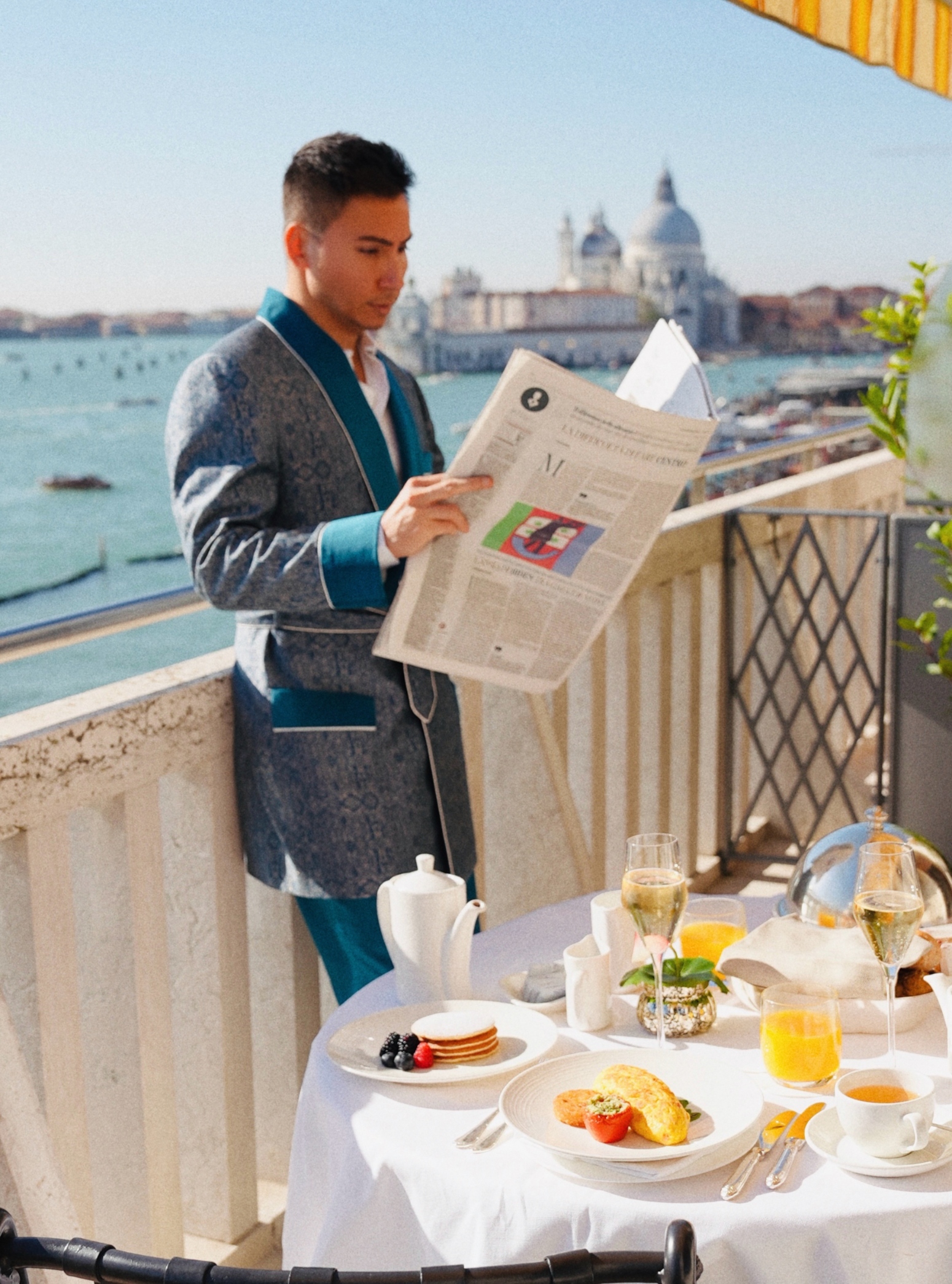

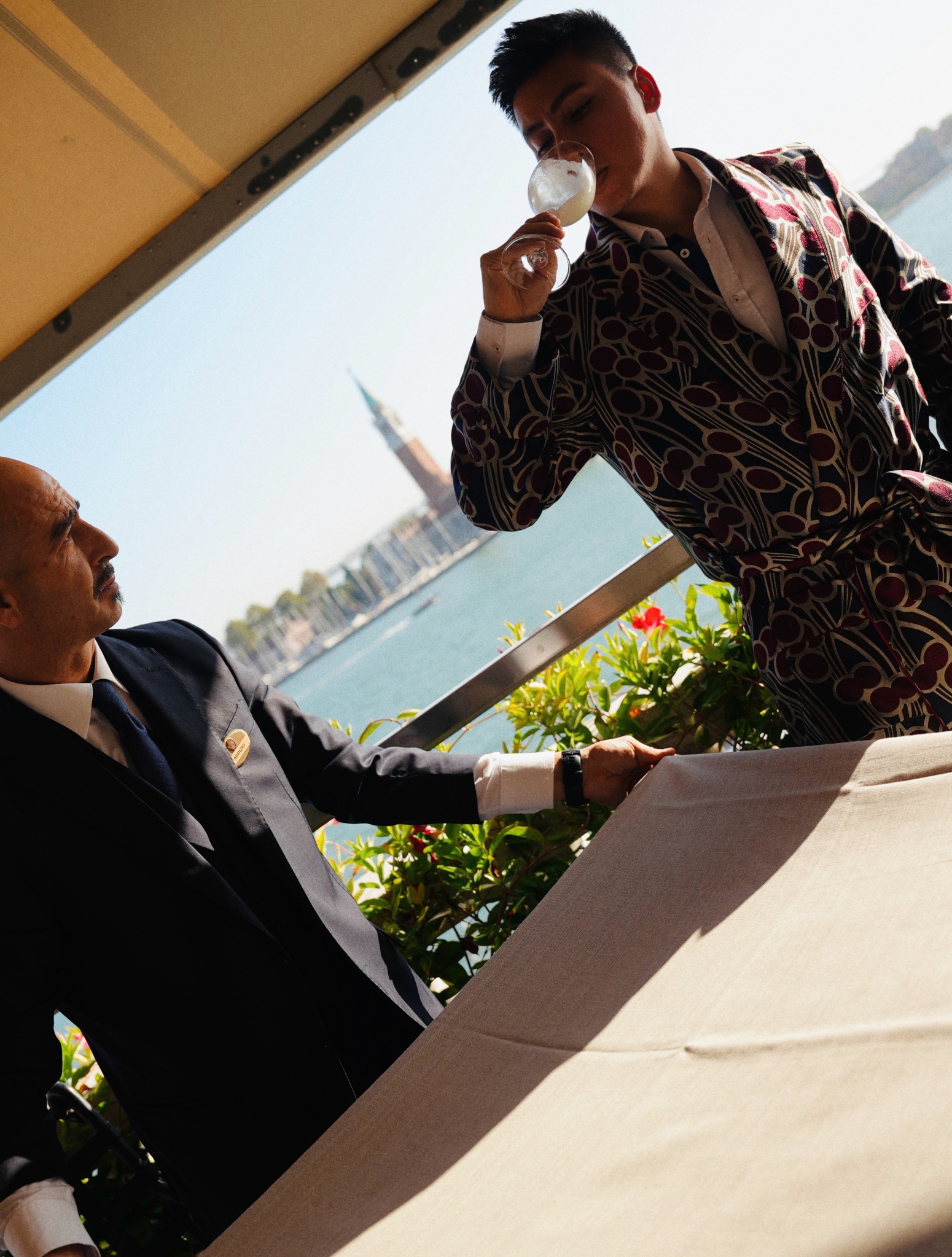

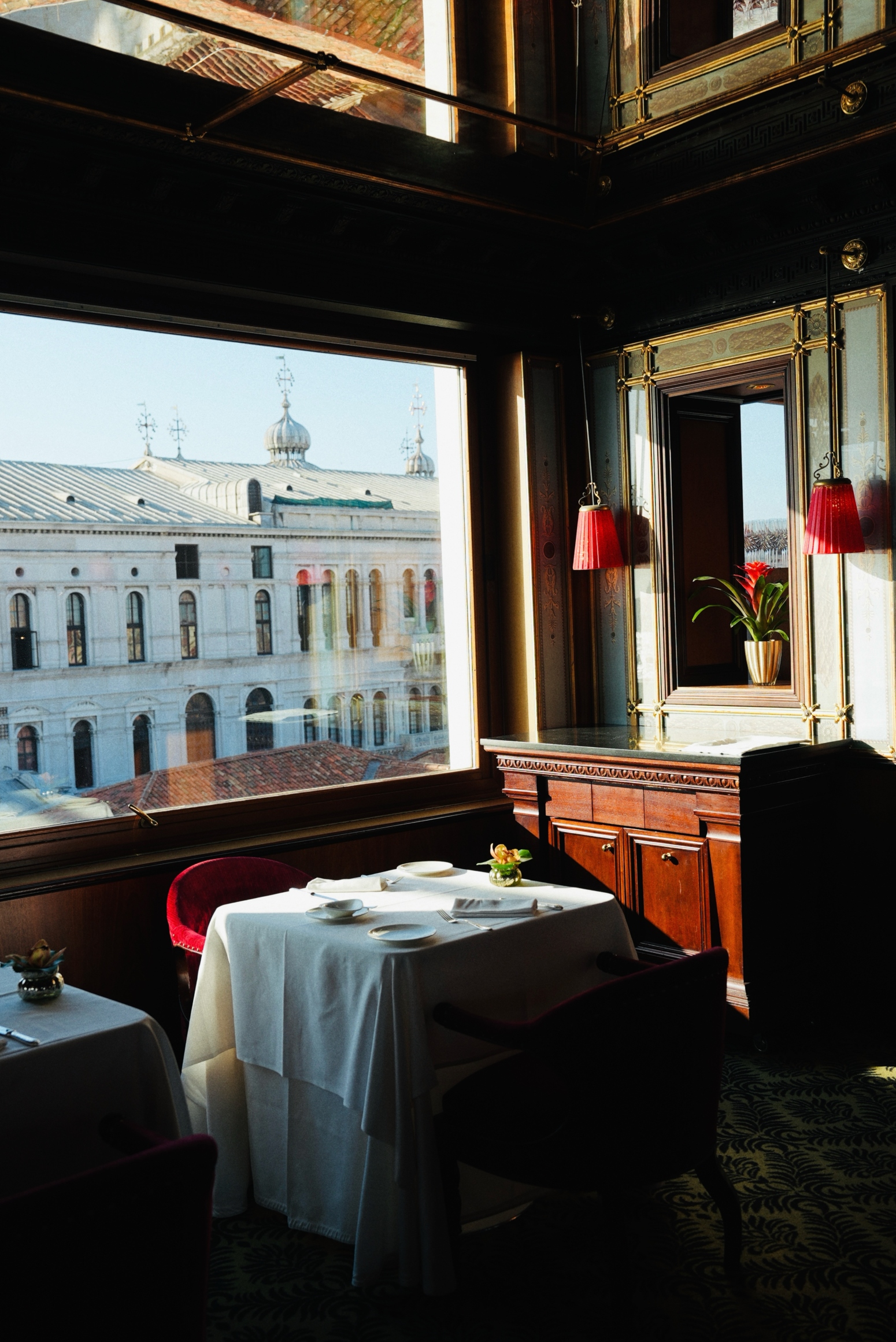
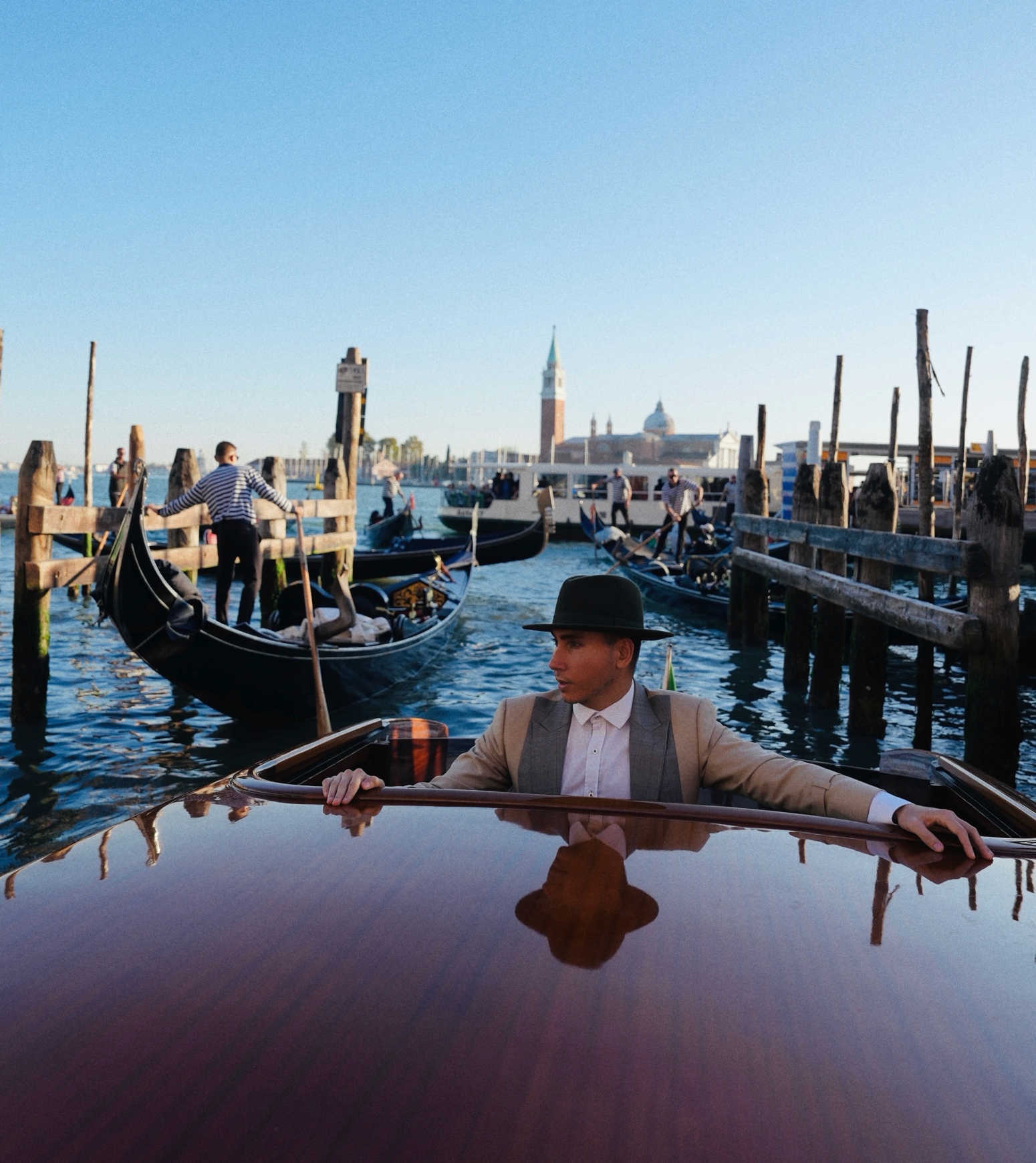



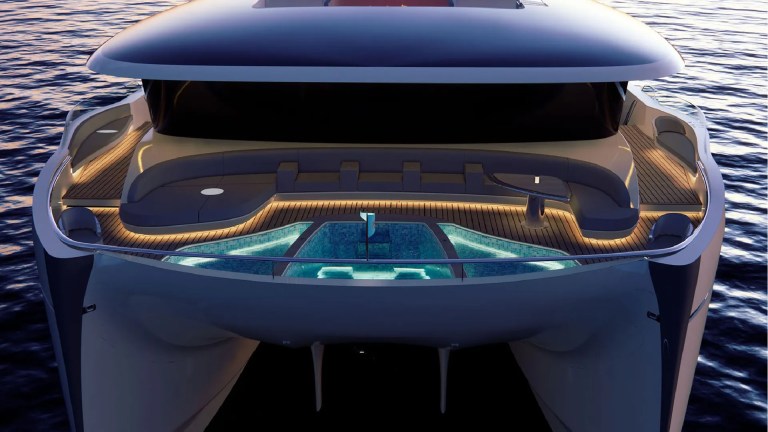
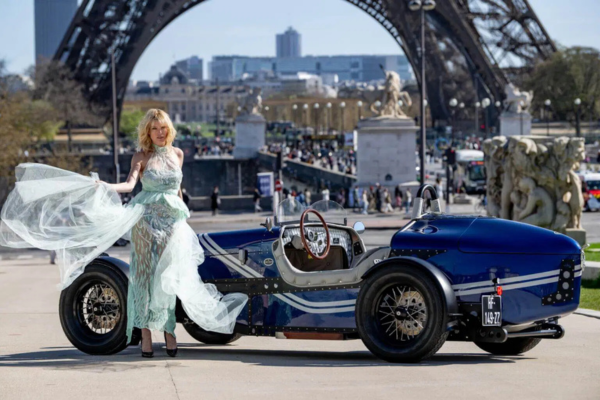
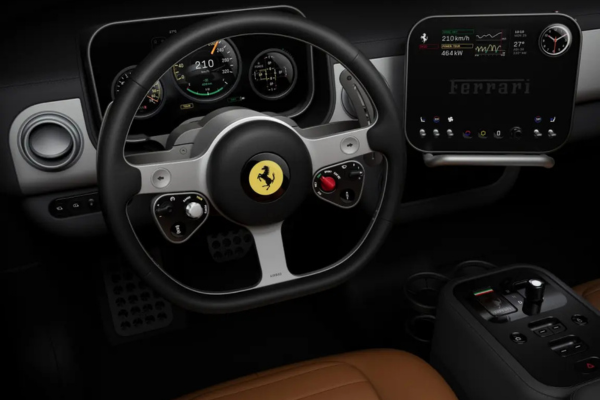
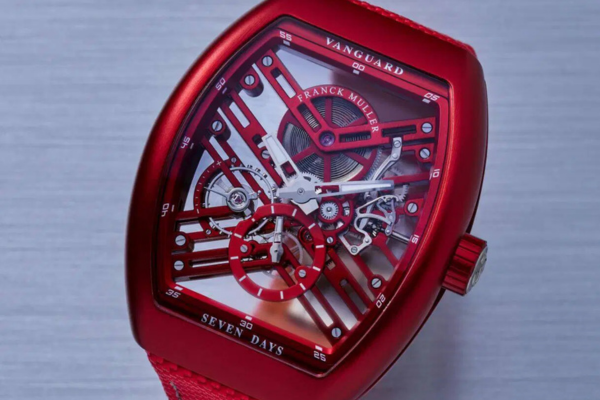
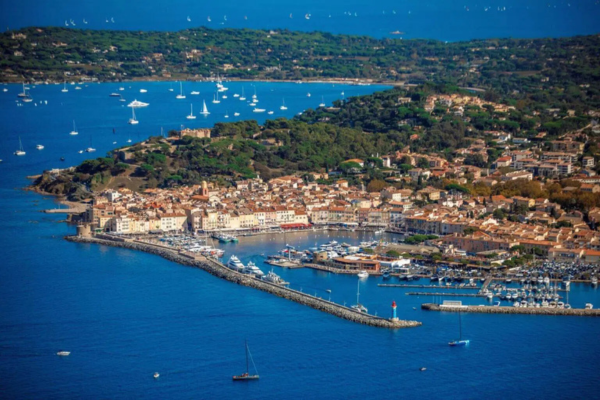









 Is Jaguar making a leap of faith with its new rebranding? You decide. Image: Jaguar.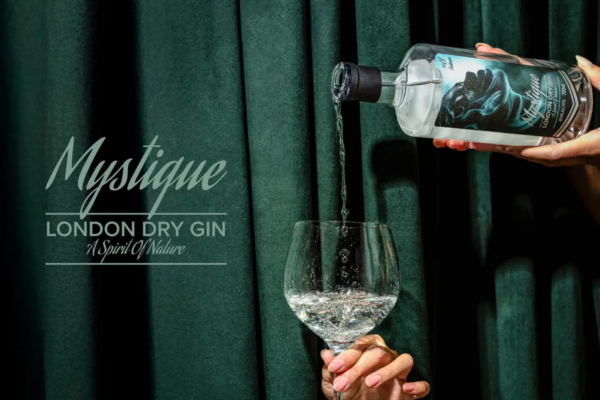

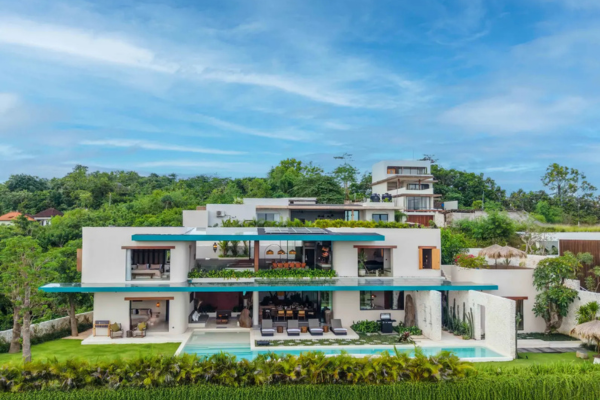
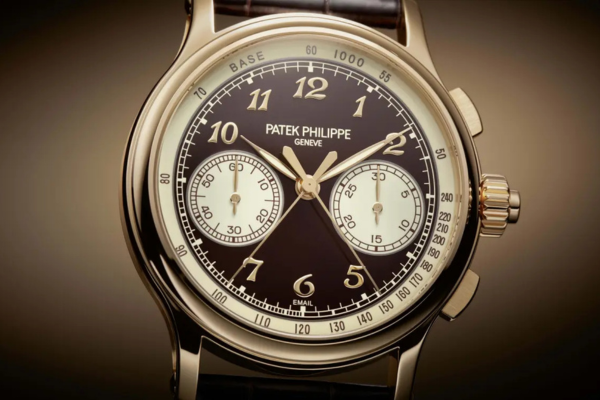


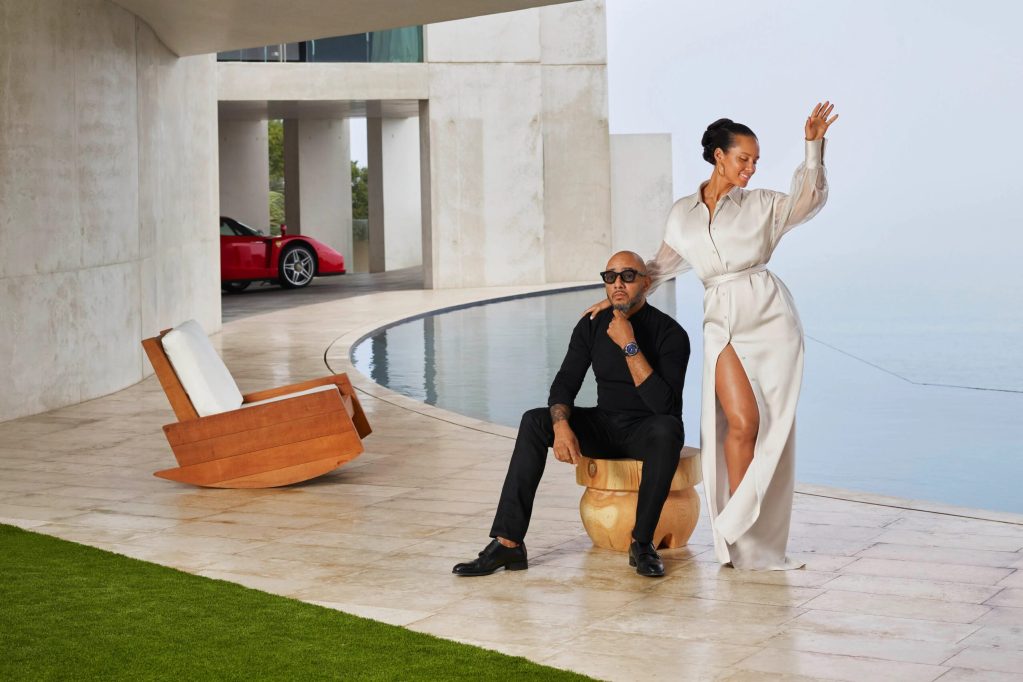


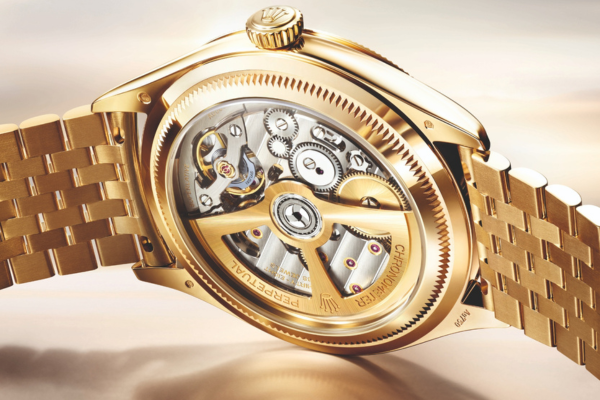








 Kevin Pietersen wearing the SOBB Tourbillon Sorai

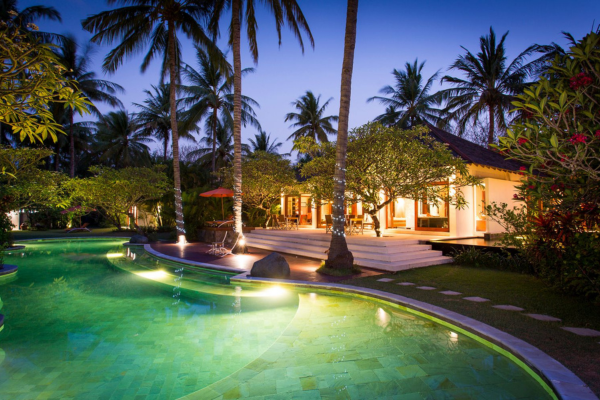
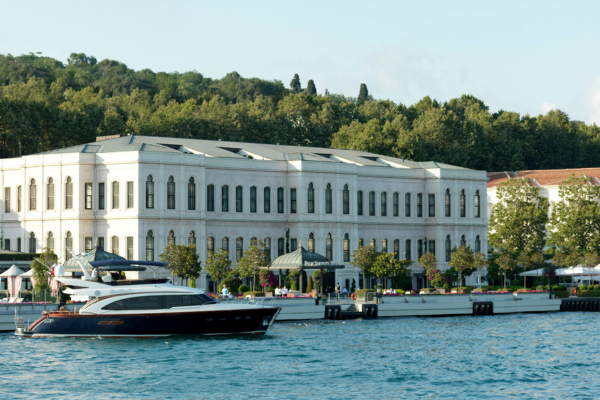





 The Colosseum Rome, Metropolitan City of Rome, Italy
 The antique façade of a wine and olive oil store in Rome, Italy
  The Sagra dell’Uva festival in Marino
 A view of Mt Vesuvius through a vineyard from the Pompeii ruins near Naples, Italy.
 A shelf full of Italian wine and spirits in Rome





 From left: Patek Philippe 5821/1A, Patek Philippe 5822P and Patek Philippe 5821/1AR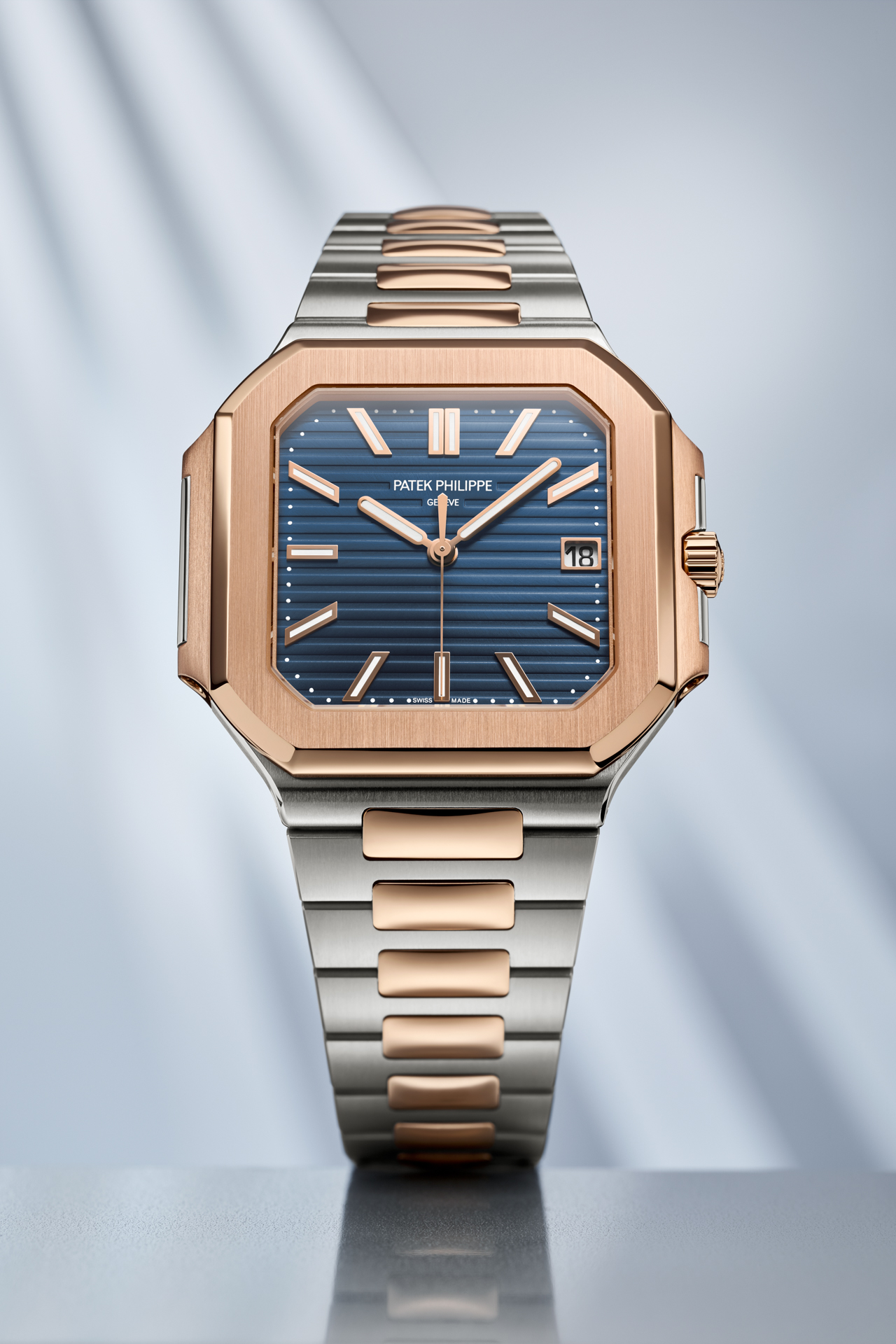
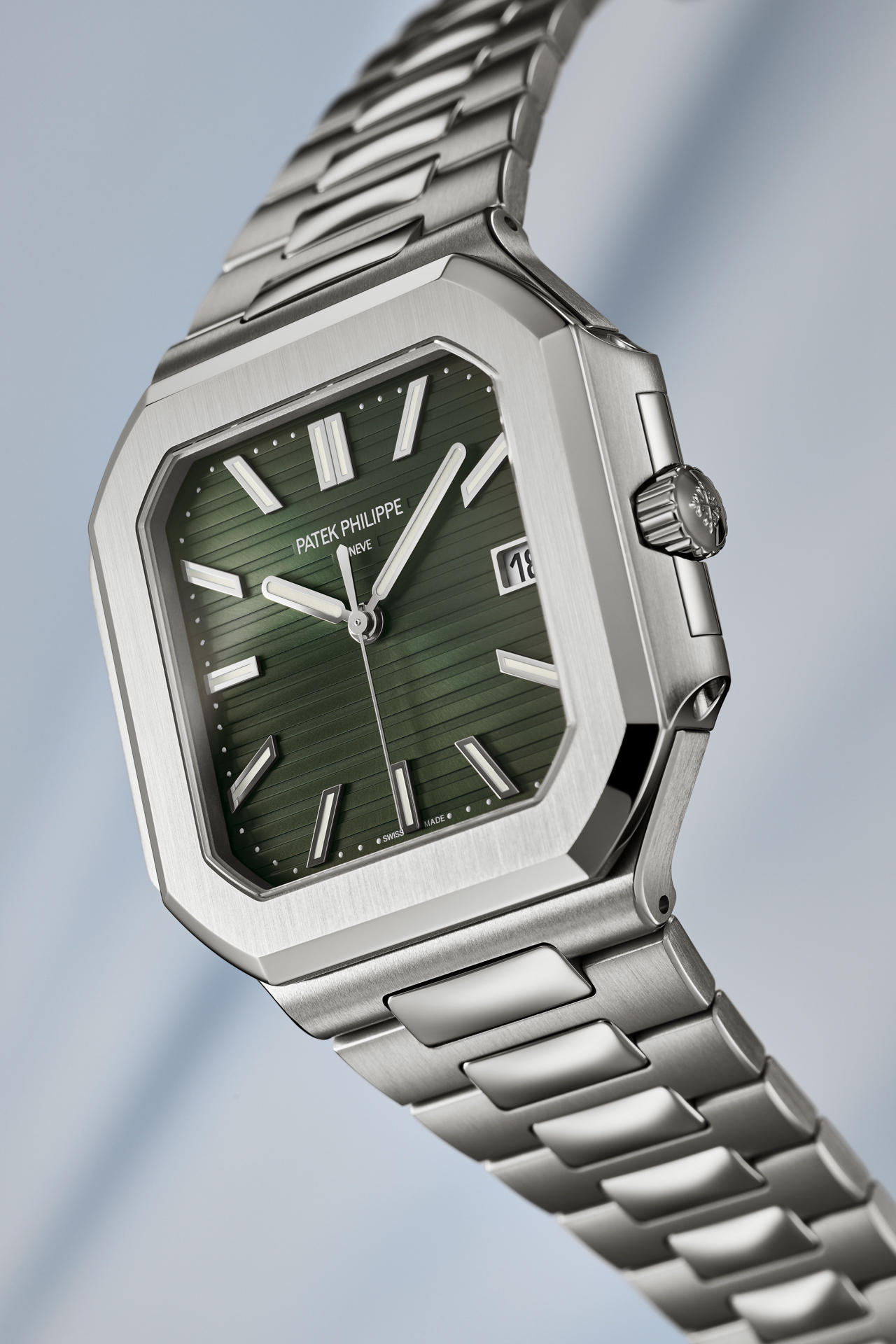
 Patek Philippe, 5822P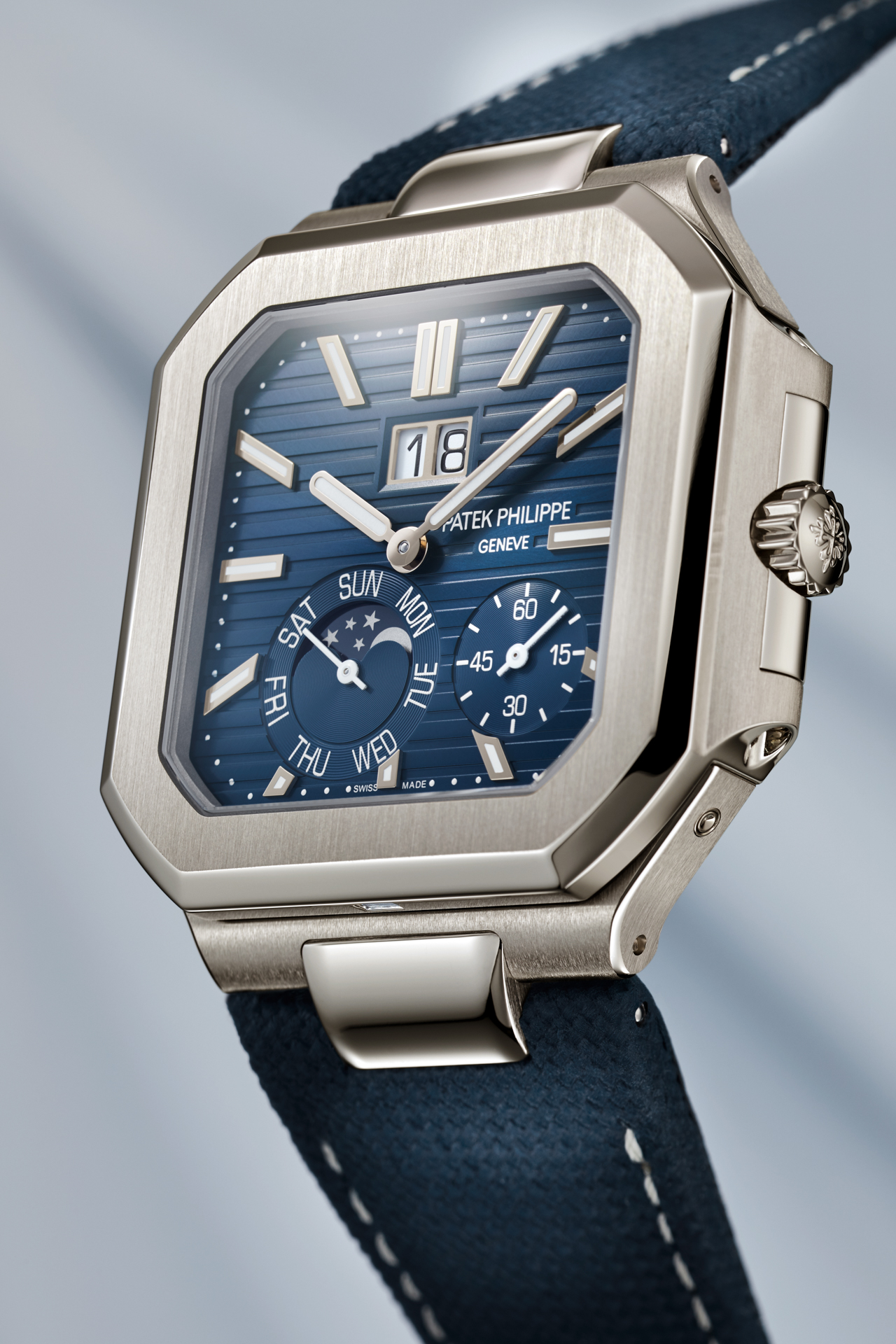
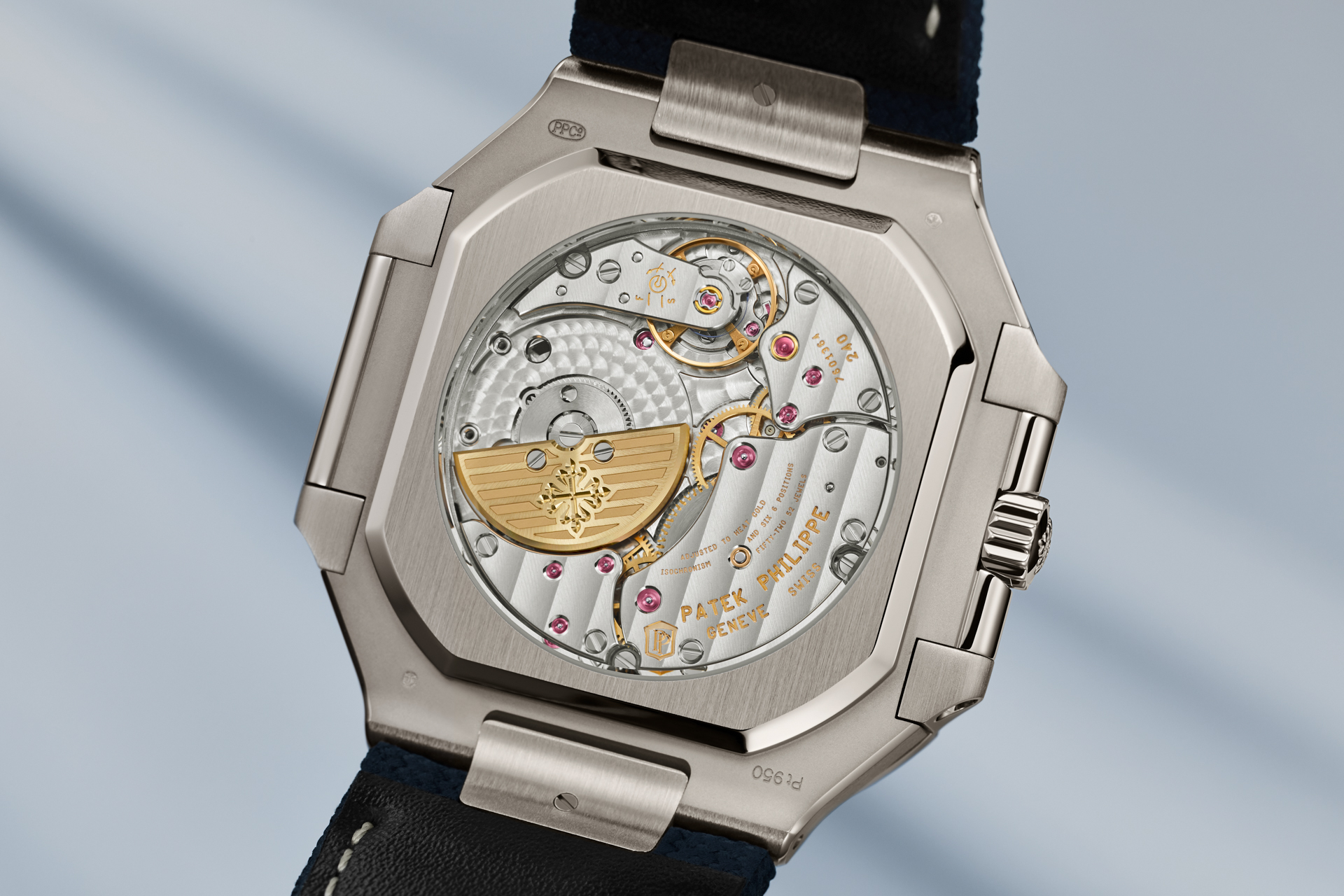
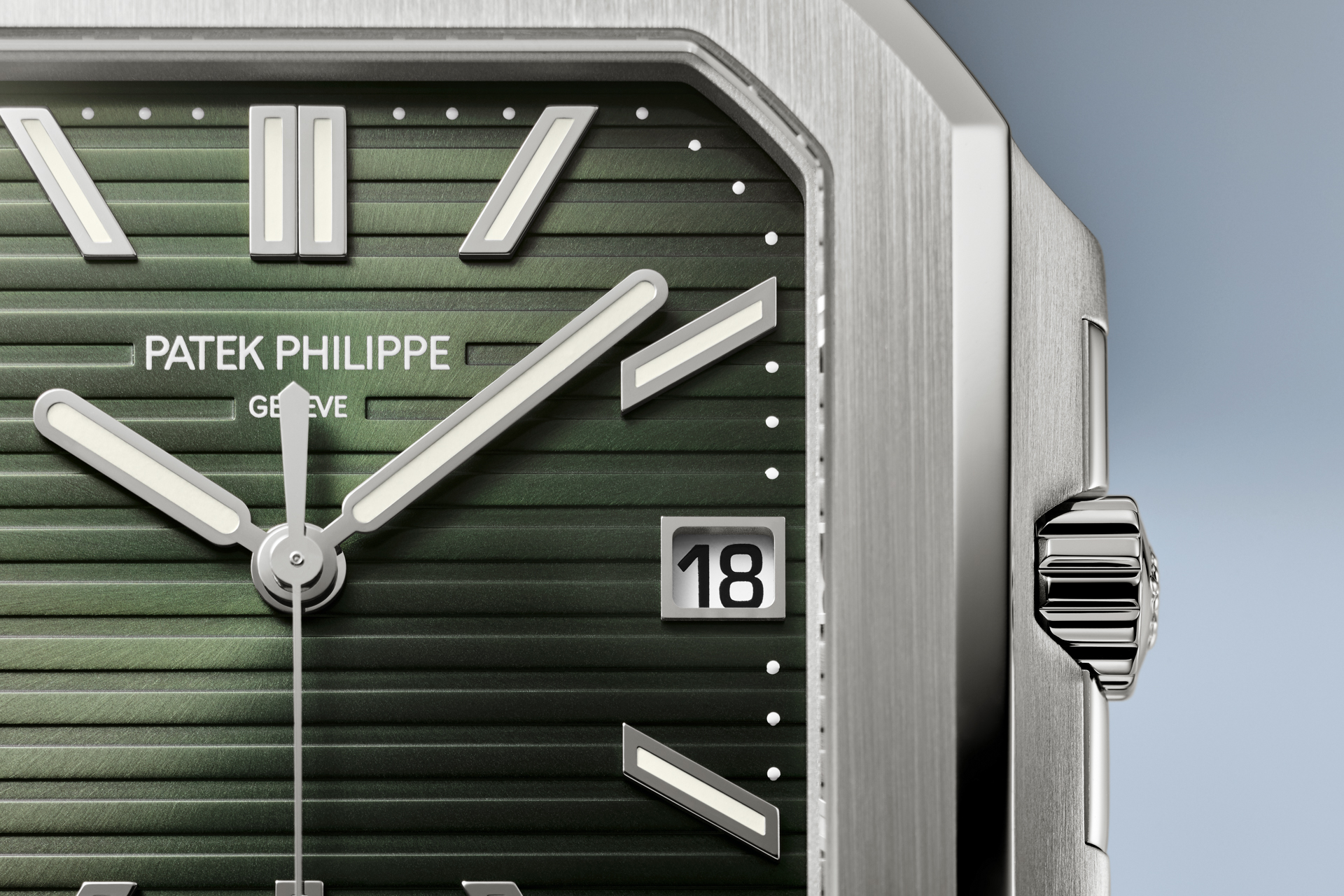
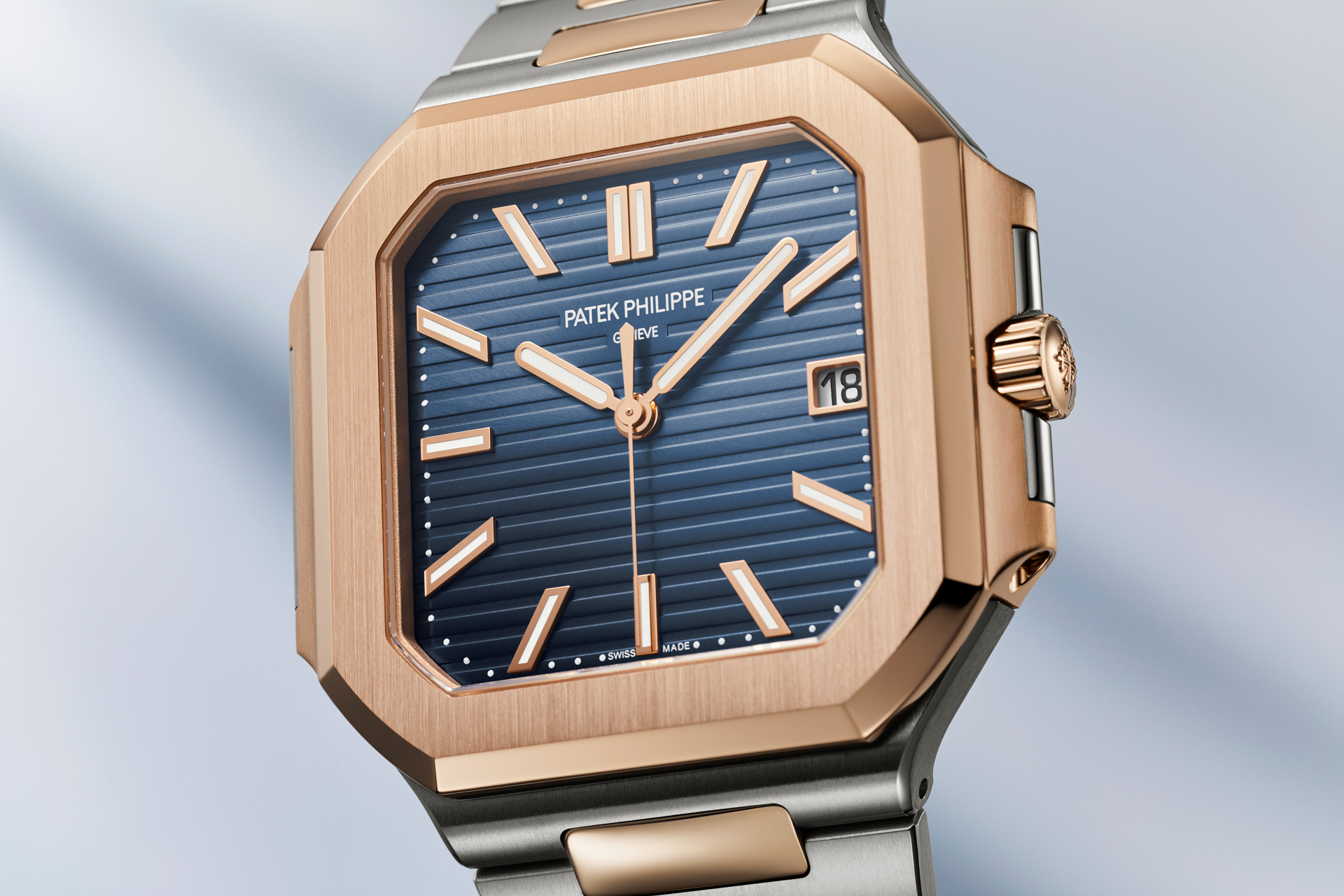
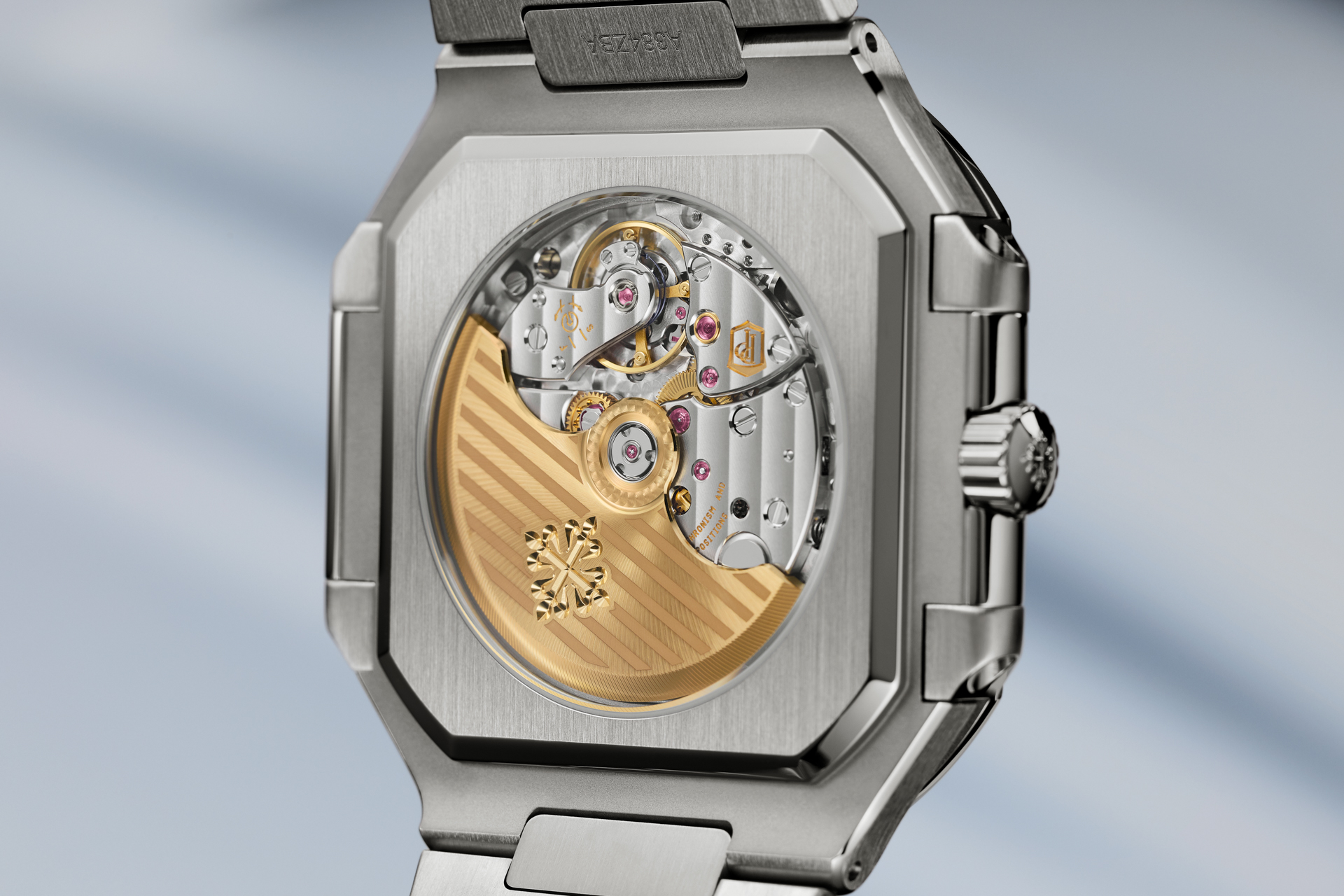
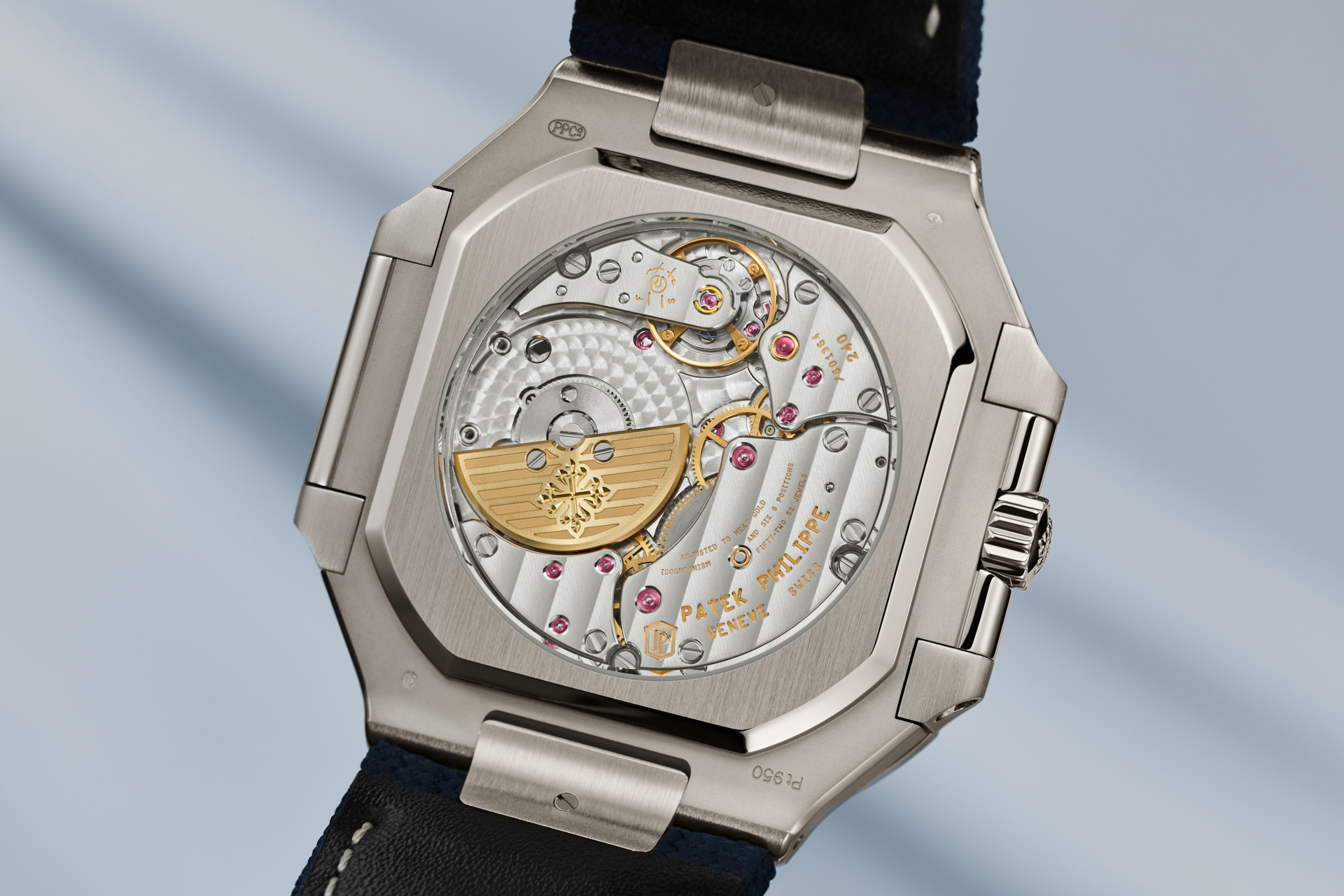


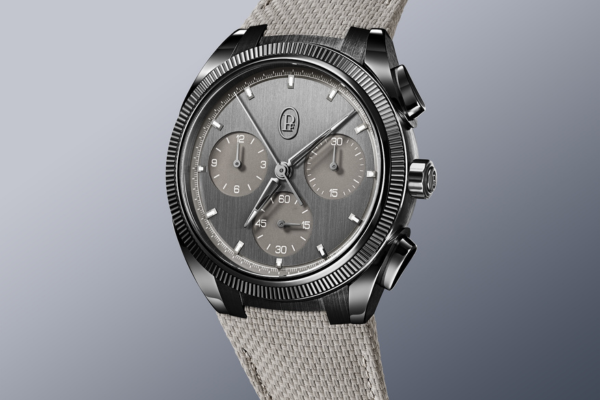






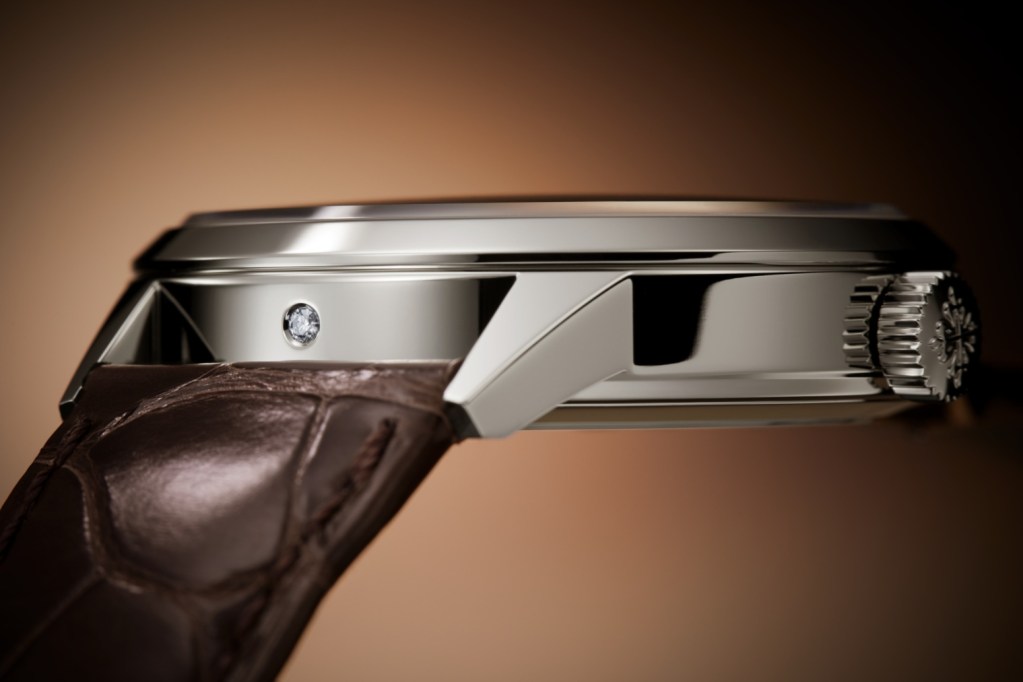
 Patek Philippe Ref.5236P with the diamond indicating that the case is platinum
 Growing and Retaining Value
 Reversal of Fortune
 A Bvlgari Serpenti Misteriosi Chimera in the process of being assembled
 Palladium

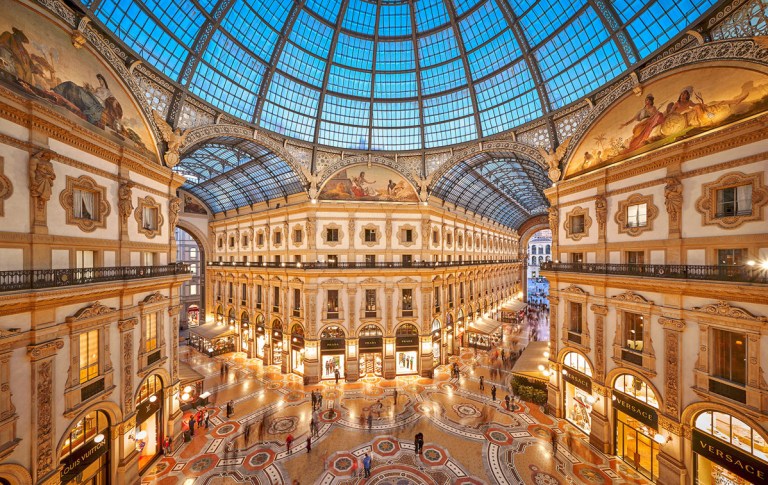
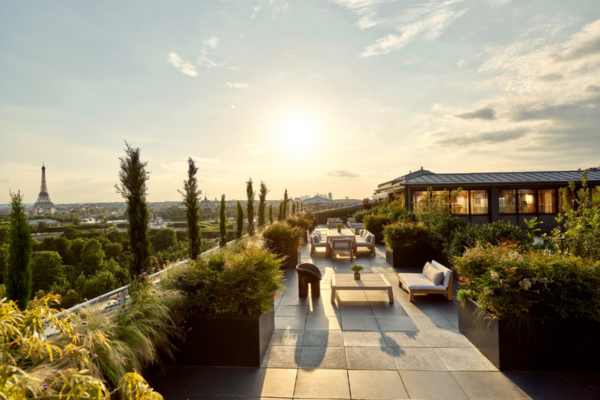



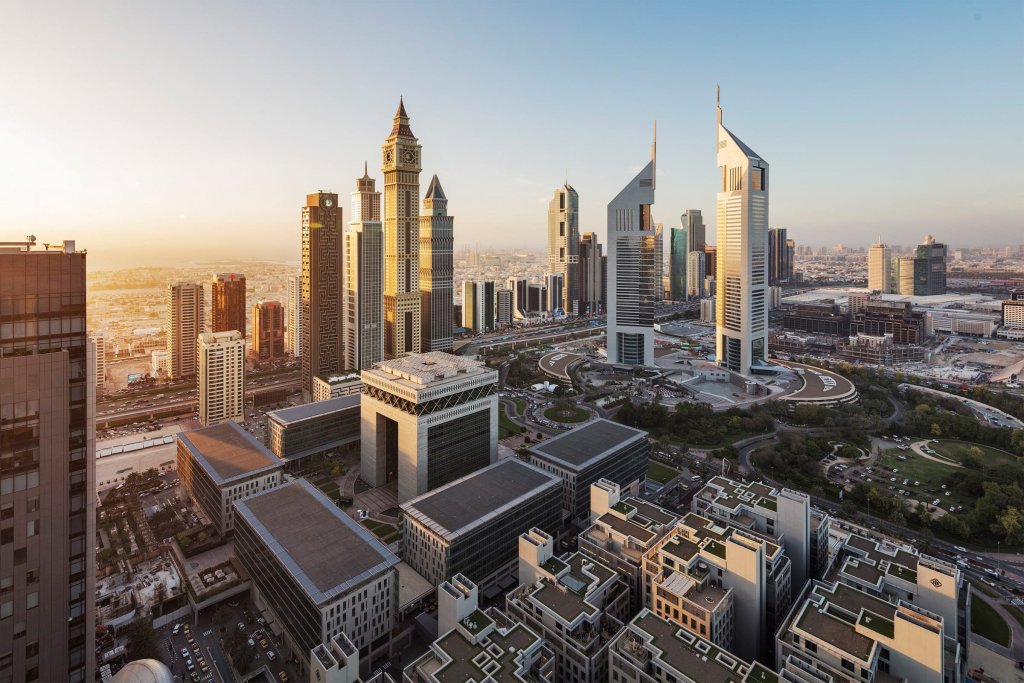
 Dubai evening skyline
 Dubai International Financial Centre has been a catalyst for development in the Gulf region
 The Dubai Mall
 Burj Al Arab
 Dubai Marina
 Jumeirah Village Circle
 Dubai Opera

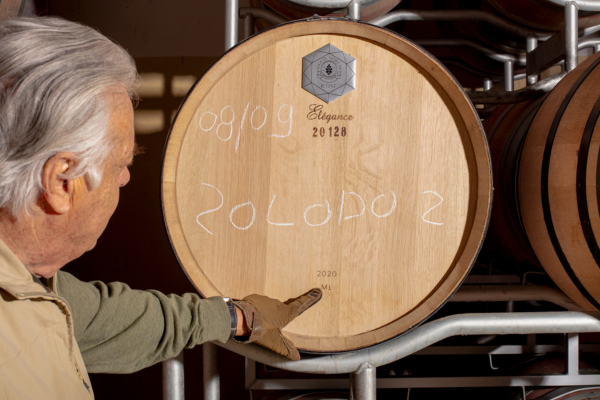
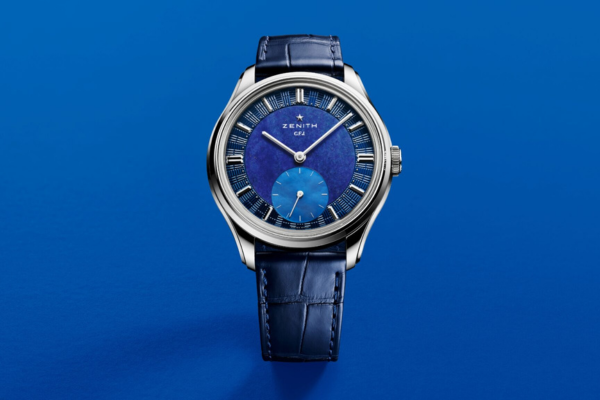
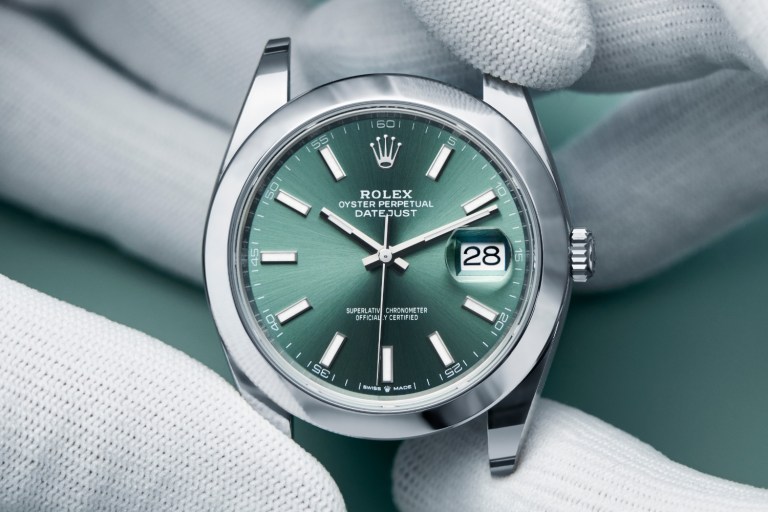




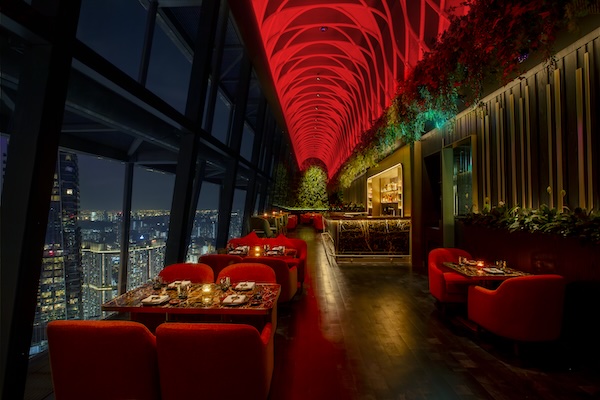
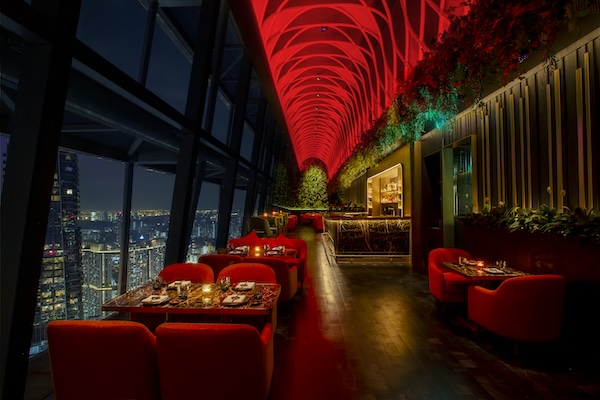
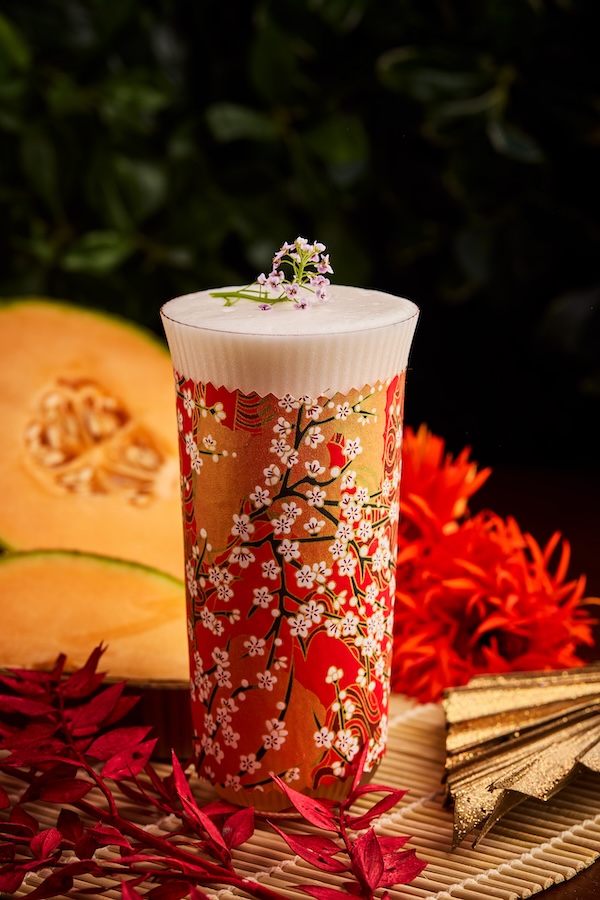

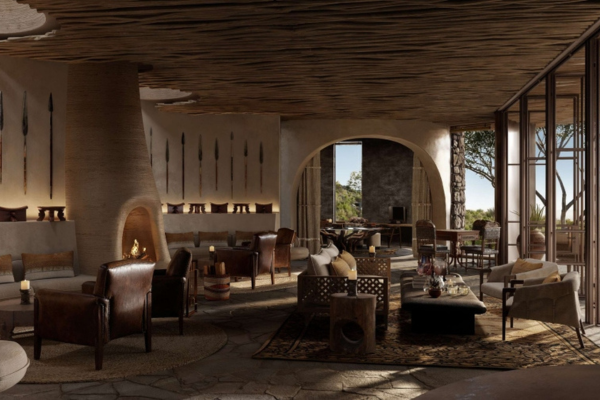
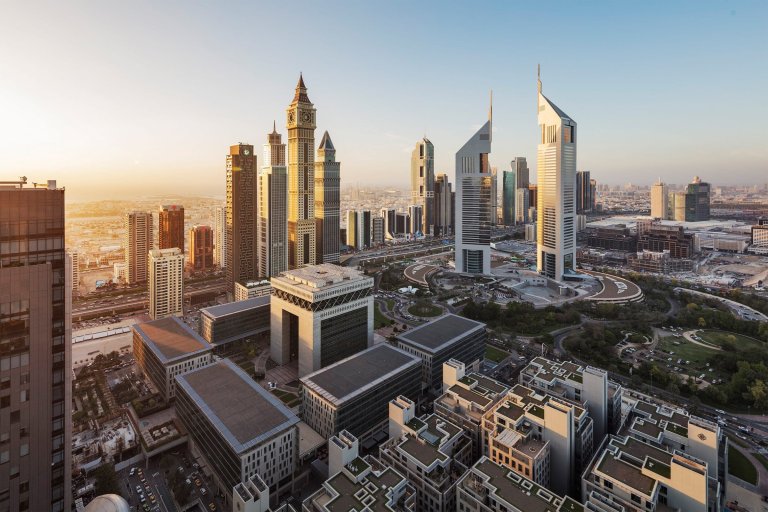
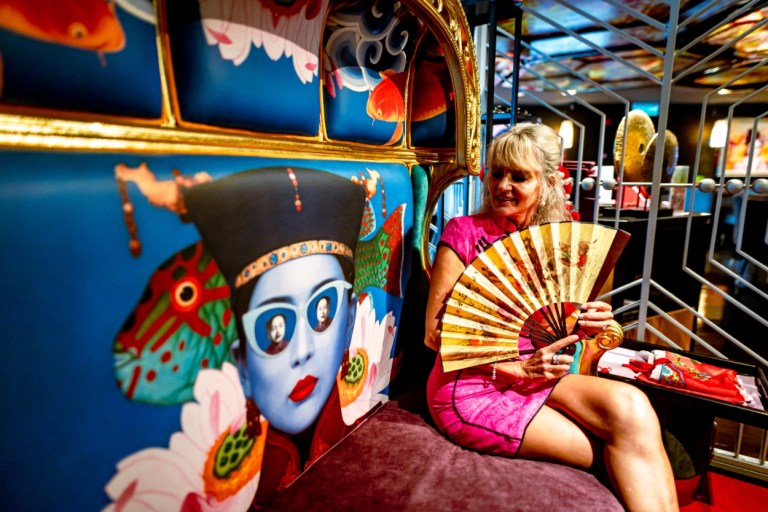
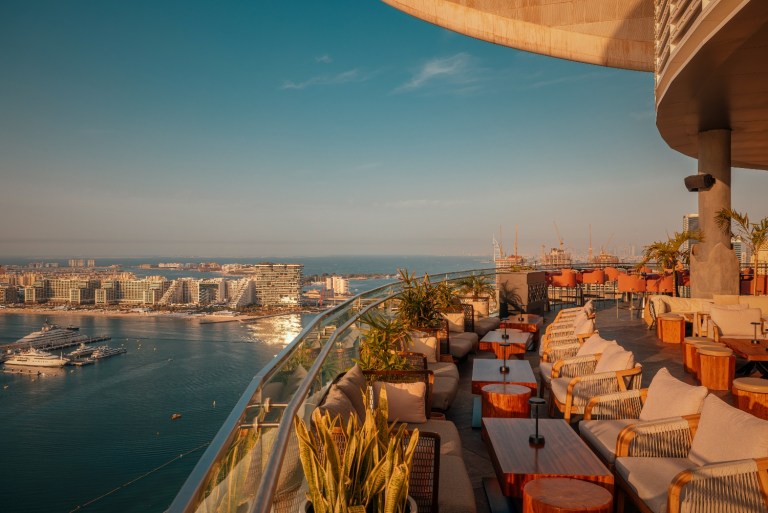


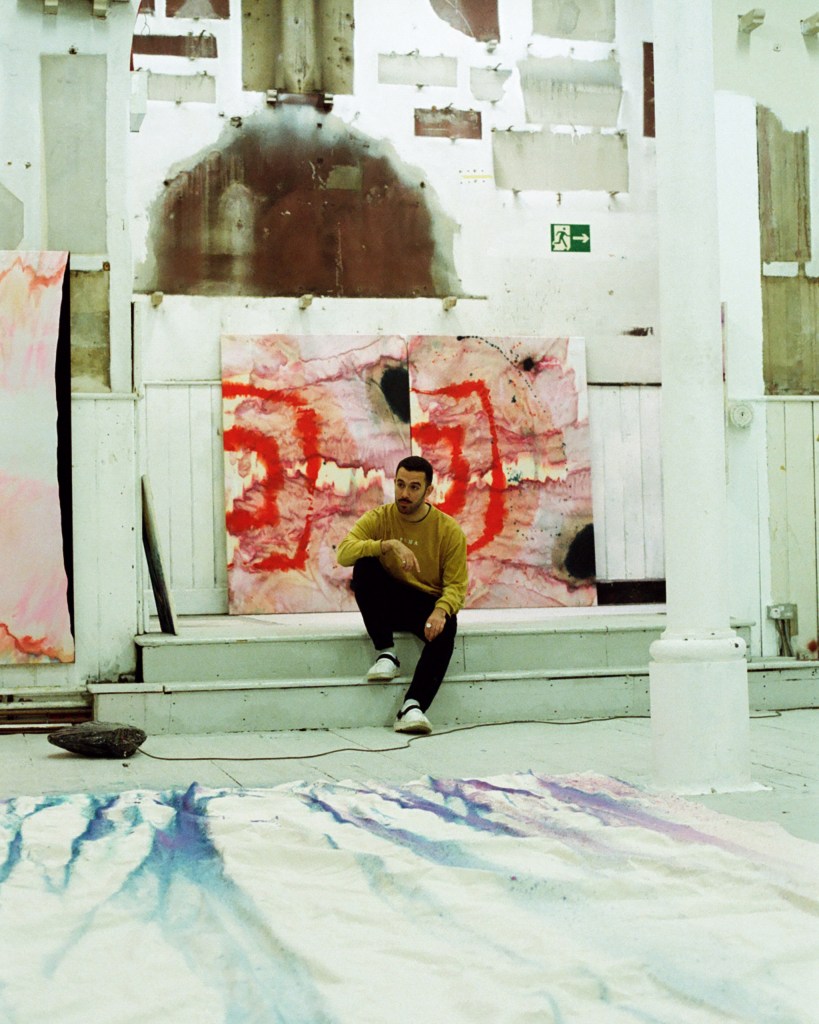
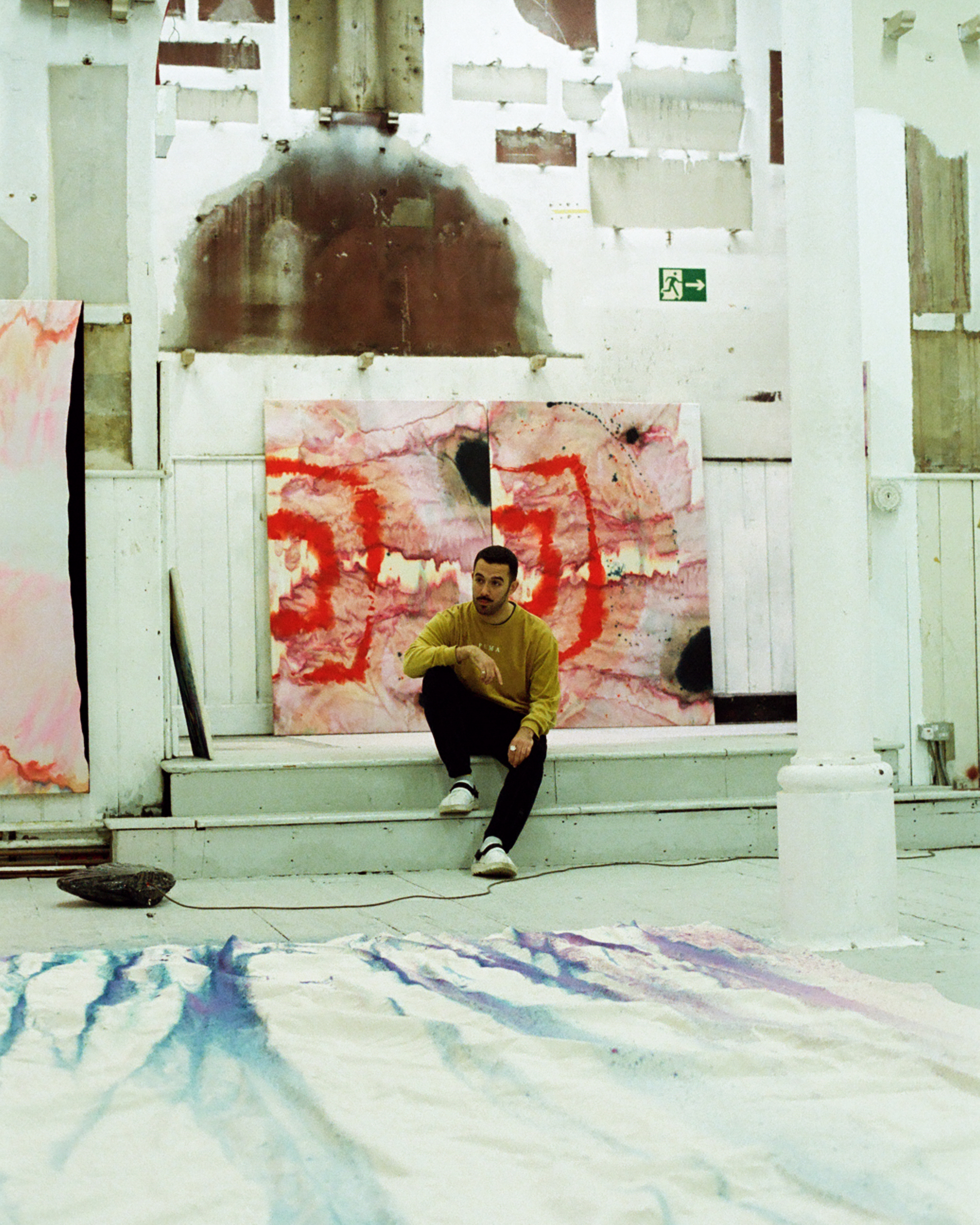




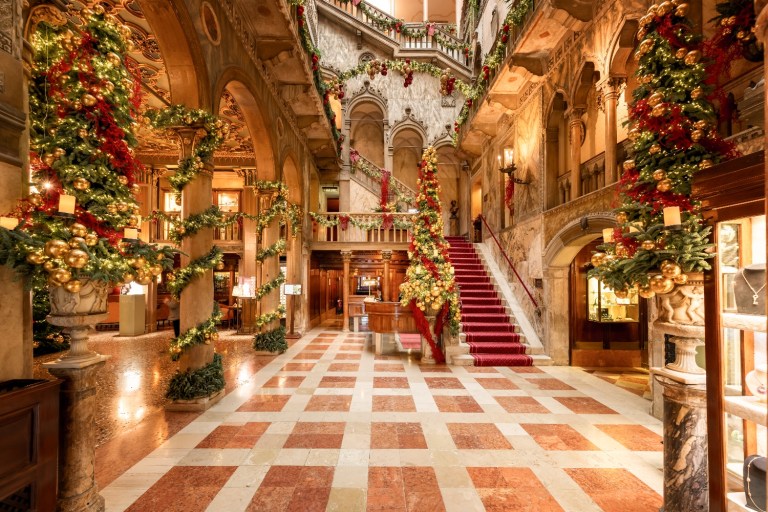








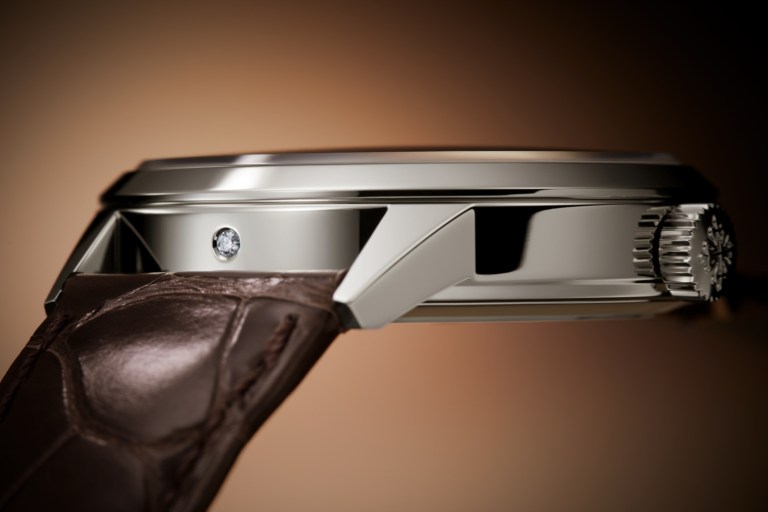

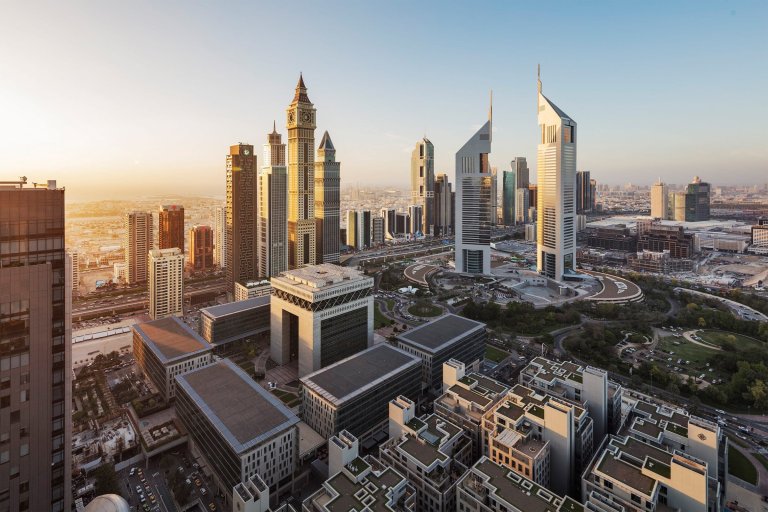



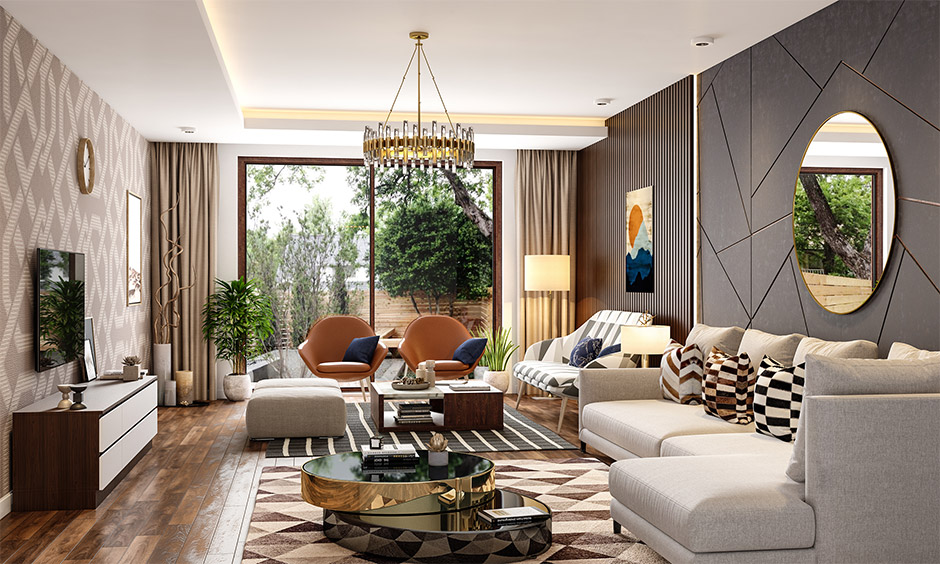

 Interior designers often blend their creative vision with meticulous craftsmanship to create bespoke spaces that reflect their clients’ unique tastes and needs.
 Conventional interior design work can result in errors. Image: Style Nations.
  AI’s machine learning in the interior industry is transformative, allowing designers to churn out dazzling works. Image: Style Nation.

 AI can produce more accurate designs, easing the spatial bottlenecks so designers are not blindsided. Image: Style Nations.