What Happened to the Shah of Iran’s Huge Classic Car Collection?
SHARE
Following the 1979 revolution, the Shah of Iran’s legendary 140-car collection was seized, mummified and eventually displayed in Tehran.
By Alvinia Chu Jia Ying
The 1979 Iranian Revolution saw the immediate state seizure of one of the world’s most significant private automotive collections. Mohammad Reza Pahlavi — the last Shah of Iran — had used the state’s oil wealth to amass approximately 140 exotic vehicles before his exile. Following the collapse of the monarchy, the cars fell under the control of the Bonyad Mostazafan — or the “Foundation of the Oppressed” — a government entity established to manage property confiscated from the toppled regime.
For over four decades, a majority of the fleet remained in storage, often referred to as being “mummified” due to their complete isolation from the elements and public view. This period of total concealment preserved the vehicles in a high state of mechanical originality, many of which retain exceptionally low, delivery-level mileage from the late 1970s.
The Collection’s Crown Jewels
Tehran Car Museum
In 2001, the state opened the Iran Historical Car Museum in Tehran to showcase the survivors of the revolution. The institution serves as a repository for one-off models — vehicles built to the Shah’s personal specifications that do not exist elsewhere.
Pierce-Arrow Model A (1930)
A primary exhibit is the 1930 Pierce-Arrow Model A, a gold-trimmed luxury vehicle that was the most expensive American car of its era. At a purchase price of USD 30,000, it cost the equivalent of one-eighth of Iran’s entire state budget at the time of its acquisition.
Mercedes-Benz 500K Autobahnkurier (1934)
The museum also houses a Mercedes-Benz 500K Autobahnkurier, a streamlined model designed for high-speed travel on Germany’s early highways. Only six of these “highway couriers” were ever built and the Shah’s car is one of only two surviving units in the world today.
Maserati 5000 GT Shah of Persia (1959)
Another bespoke project is the Maserati 5000 GT “Shah of Persia”. Dissatisfied with the performance of the standard Maserati 3500 GT, the Shah commissioned the Italian manufacturer to install a 4.9-litre V8 engine from their 450S racing car into a custom-designed body. This request led to a limited production run of 34 units named in honour of the Iranian monarch.
The Dispersed Assets
Bugatti Type 57C (1939)
While the Bonyad Mostazafan maintains the core fleet, several prominent pieces were either sold or moved during the political transition. The most notable loss to the national collection is the 1939 Bugatti Type 57C, originally a wedding gift from the French government. In the years following the revolution, the new government sold the car for a mere USD 275. It has since been restored and is currently a centrepiece at the Petersen Automotive Museum in California.
Lamborghini Miura P400 (1968)
Other rare units have entered the private collector market. One example is the Shah’s 1971 Lamborghini Miura P400 SV Jota, one of only six original factory-spec Jotas produced. This specific car was famously purchased at an auction by actor Nicholas Cage in 1997.
MPV Tehran Type
Within Iran, the museum continues to display approximately 50 vehicles. These include royal carriages used for Pahlavi coronations and unique technical collaborations like the MPV Tehran Type, a single-seater developed by Mercedes, Porsche and Volkswagen to teach the young Crown Prince how to drive.
The Museum
Tehran Car Museum
The Iran Historical Car Museum is located at Azadi Square, Special Karaj Road, in Tehran. Open to the public from 9:00 AM to 5:30 PM daily (except for Saturdays), it provides a rare look at an era of unprecedented automotive procurement preserved by political upheaval.
Mystique Gin enters the Singapore market with a botanical-led London Dry, offering a polished counterpoint to the industry’s more overt expressions.
By Sanjeeva Suresh
Meet the latest gin on the block. In a market saturated with craft spirits competing for consumers’ attention (and shelf space) through increasingly elaborate marketing strategies, Mystique Gin takes a distinctly different approach. Making its debut in Singapore, the brand’s London Dry Gin expression leans into restraint and is keen to deliver gin enthusiasts with a refined yet understated drinking experience.
Distilled in the United Kingdom and inspired by the founders’ connection to nature, Mystique Gin enters the premium spirits category with a focus on the artistry of botanical balance. Its profile blends classic gin foundations with a more regionally nuanced composition, incorporating lemon peel, caraway seeds, moringa leaves and kaffir lime leaves, alongside subtle notes of rosemary. Each pour embodies the mystique of nature’s finest ingredients, skillfully combined to intrigue the palate and enrich the drinking experience. The result is a spirit that is crisp and layered — designed to appeal to drinkers who value both structure and drinkability.
Rather than framing itself as a disruptive force, the brand aligns more closely with what might be described as quiet luxury — a category defined by discretion and an emphasis on craftsmanship. At the heart of Mystique’s brand identity stands a mythical figure — a goddess of nature who symbolises the spirit’s essence. Rooted in lush greenery, she embodies Mystique’s allure: a harmonious balance of nature and sophistication, simplicity and depth. This philosophy extends from the flavour composition to the bottle design, which features a minimalist silhouette with refined detailing to mirror the spirit’s quiet elegance.
Founder Jose Jeuland describes the gin as an exercise in reduction. The intention, he notes, was to create something approachable without sacrificing character — a spirit that can be enjoyed neat, lengthened into a classic gin and tonic, or used as a versatile base for cocktails. That versatility has already resonated with bartenders, who cite its smoothness and adaptability across both classic and contemporary serves. “It is a premium gin that speaks for itself – no frills, no complications. Just an invitation to enjoy it neat or as the perfect gin and tonic. This spirit was born from the desire to demystify gin, where less is more, so I created a drink as approachable as it is enchanting,” says Jose Jeuland, Founder of Mystique Gin.
The brand’s entry into Singapore is anchored by a strategic hospitality partnership, with The Westin Singapore serving as the first venue to showcase Mystique Gin. Available at the hotel’s Lobby Lounge — long regarded as a destination for gin enthusiasts — the placement positions the spirit within a curated, experience-led environment rather than a purely retail context. It is a move that reflects a broader shift in how premium spirits are being introduced to consumers, with emphasis placed on discovery through lifestyle experiences and premium service.
Beyond its immediate launch, Mystique Gin speaks to a wider evolution within the category. There is a growing demand for products that feel intentional rather than engineered for attention. In this sense, Mystique Gin is less about reinvention and more about refinement. It does not seek to redefine gin, but to distil it — stripping the category back to its essential elements while introducing just enough intrigue to justify a second pour.
Mystique Gin is now officially available for purchase. For a limited launch period, the 700ml bottle is priced at SGD 108 (regular price SGD 125) and the 200ml bottle is available for SGD 45 (regular price SGD 55). All purchases can be made exclusively through the brand’s official online store: mystiquegin.com.
Head to the links below to find out more on where one can enjoy Mystique Gin in Singapore
Porsche Design Tower Bangkok spearheads Sky Villa living
SHARE
Asia’s new benchmark in ultra-luxury living, Porsche Design Tower Bangkok presents just 22 high-end Sky Villas, each with a luxury garage and a private lift to a multi-storey home with lofty ceilings, a wellness spa, wine and cigar room, Western and Asian kitchens, barbecue patio and private outdoor pool. Words: Joe Lim; Photos: Ananda Development & Porsche Design
Porsche Design Tower Bangkok stands out as a unique representation of contemporary living in an era marked by rising global affluence and a persistent desire for opulent homes. This project, conceived through a partnership between Ananda Development, one of Thailand’s top real estate developers, and Porsche Design, a well-known German luxury lifestyle design brand, is Asia’s first and only residential tower bearing the Porsche branding.
Following skyscrapers in Miami and Stuttgart, the arrival of the 95m tower in Bangkok reflects Porsche Design’s continuing expansion into the global branded residences market. The 21-storey project is marketed as a highly specialised residential offering designed for ultra-high-net-worth buyers seeking privacy and design pedigree in one of Southeast Asia’s most vibrant cities.
A SIGNATURE IN BANGKOK’S SKYLINE
Porsche Design Tower Bangkok is situated on Sukhumvit 38 in the affluent Thonglor neighbourhood, which is known for upscale restaurants and shopping, sophisticated urban living and vibrant culture. The precinct is one of Bangkok’s most sought-after addresses because of its mix of domestic tranquillity and cosmopolitan activity.
Porsche Design’s philosophy emphasises function as the starting point for form, as reflected in the architecture’s simple yet powerful language. Important visual components include a unique lit ‘Crown’ designed to punctuate the Bangkok skyline after dark and the X-Frame structural pattern, which was inspired by the Mission R concept car.
Porsche Design leads the architectural direction, rooted in the design philosophy of Professor Ferdinand Alexander Porsche. This approach ensures Porsche’s design language and engineering precision remain integral to the tower’s identity, rather than serving as applied ornamentation.
These elements create a design language that integrates motion and precision, echoing Porsche’s automotive DNA in an urban residential form rather than relying on decorative expression. The Loop, a central spiral access ramp providing direct entry to each residence’s ‘Passion Spaces’ – or large, luxury garage – reinforces the project’s automotive heritage.
PRIVATELY TAILORED RESIDENCES
The high-end residence offers only 22 Sky Villas, in contrast to traditional condominium buildings. Each duplex and quadplex, which range in size from 525-1,135sqm (5,650-12,200sqft), was designed to combine generous spatial layouts with restrained, high-quality materials.
Large living areas are paired with sophisticated kitchen designs and integrated technology in interiors shaped by a minimalist luxury approach,prioritising durability, precision finishes and understated elegance.
Stainless surfaces, custom cabinetry and sophisticated appliances create settings that are practical as well as elegant, while materials and finishes prioritise durability and restraint over ostentation.
Spearheaded by architect and designer Antonio Citterio (co-founder of ACPV Architects, interior designer for Custom Line superyachts), kitchen spaces are created in partnership with Italian specialist Arclinea, adding a layer of European craftsmanship consistent with the project’s precision-led ethos. Other notable fittings include kitchen taps by Gessi, refrigerators and freezers by Sub-Zero, and built-in ovens by Wolf, to name a few.
Every villa includes a private elevator and at least one private pool, architectural features underscoring the project’s emphasis on convenience, privacy and refined living.
The ‘Kinetic Move’ terrace system is another signature feature of Porsche Design Tower Bangkok. It is a fully automated façade mechanism, allowing the boundary between indoor living space and the outdoor terrace to transform at the push of a button.
PASSION SPACES
Among the development’s signature features are the ‘Passion Spaces’, which are private, customisable garages intended to function as both practical storage for valuable cars and unique lifestyle areas for their owners.
These can be designed to accommodate art collections, private lounges, entertainment venues or carefully chosen car shows, providing a customised haven inside the home.
The spaces are designed for owners who view their homes as extensions of their identity and lifestyle rather than simply places to live. The feature represents a distinctive offering in Bangkok’s real estate market, tailored for a global clientele that values privacy, independence and design integrity.
FACILITIES AND EXPERIENCE
The tower provides a curated selection of shared facilities to complement its private residences. These include a 25m swimming pool, a modern fitness centre, a wellness spa, social lounges and business spaces. Designed for both daily living and occasional entertainment, the amenities balance practicality with a refined sense of comfort and lifestyle quality.
Furthermore, living in Thonglor places residents within easy reach of Bangkok’s dining, retail and cultural districts, including upscale restaurants, art galleries, boutiques and private clubs. The development also benefits from its proximity to verdant spaces such as Benjakitti and Benjasiri parks, supporting a balanced urban lifestyle.
MARKET POSITIONING AND DEMAND
The Porsche Design Tower Bangkok is at the top of Bangkok’s luxury market with unit prices ranging from about US$15 million to US$40 million. This pricing range represents the elevated level of design and amenity specifications as well as the exclusivity of the supply. The project sits firmly within the top tier of the world’s premium residential offerings, reflected in its price positioning.
While the price per square metre exceeds that of most luxury condominiums in Bangkok, it aligns with the benchmarks set by flagship ultra-luxury developments in major global cities, where branded residences typically command a premium driven by design pedigree, limited supply and the lifestyle assurance associated with established luxury brands.
Sales data indicates significant interest from both foreign and local buyers, especially those who view Bangkok as a centre of Southeast Asian commerce and culture, and an appealing base. Even before formal previews, there was a waiting list, according to early reports.
RARITY, DESIGN AND LONG-TERM APPEAL
Porsche Design Tower Bangkok represents the brand’s entry into Asia’s ultra-luxury residential landscape, defined by scarcity, brand heritage and architectural precision. With only 22 residences, the project reflects the growing global demand for branded homes that combine design credibility with lifestyle privacy rather than scale.
According to Knight Frank, branded residences appeal to high-net-worth buyers not only for their location and design pedigree but also for the convenience and lifestyle certainty they offer, often functioning as secondary homes or long-term private retreats.
As Bangkok continues to strengthen its position as a global destination for luxury living and investment, developments such as this signal the city’s gradual shift toward design-led residential architecture.
Porsche Design Tower Bangkok stands as a carefully calibrated expression of that evolution – rooted in precision, restraint and the idea that luxury is ultimately defined by space, exclusivity and craft.
On the untouched clifftops of Pecatu, Amarta Azul is a private oceanfront estate redefining what it means to disappear in style.
By Florence Sutton
Perched on the volcanic cliffs of Pecatu, high above the full sweep of the Indian Ocean, this four-bedroom clifftop estate occupies one of Bali’s most privileged natural addresses. In a part of the island where the coastline has become increasingly sought-after, truly unobstructed positions are rare. Amarta Azul is one of them — a residence where architecture, landscape and silence converge in rare harmony.
The staff are already present when you arrive. The chef is already planning your evening. The concierge seems to know what you will need before you do. From the first moment, the only thing required of you is simply to exist within the rhythm of the place.
Built for the Few
The guests who find their way here already know what they are looking for — complete privacy, intuitive service, and the rare luxury of time without agenda. This is not a villa designed for the many. It is designed for those who prefer places that feel discovered rather than marketed.
The concierge does not wait to be asked. The private chef does not follow a fixed menu. The estate itself does not impose a programme. It simply follows the pace of its guests.
The Architecture of Intention
A bold multi-level silhouette descends the cliff in deliberate steps, each level angled to capture the full drama of the Indian Ocean horizon. Floor-to-ceiling glass walls stretch across the principal living spaces, turning the horizon into a permanent architectural feature.
The villa was conceived at the intersection of four design traditions: the clean purity of Cycladic form, the generous warmth of the South American hacienda, the contemplative geometry of the Moroccan riad, and the spiritual intimacy of Balinese architecture.
Teak, marble, onyx, rattan and brass carry the weight of these influences without ever feeling ornamental. Each material has been selected not for decoration but for permanence. The interiors extend this dialogue between worlds, balancing Mediterranean clarity with Balinese craftsmanship in spaces that privilege material over ornament. Hand-carved teak, custom marble pieces, woven rattan and aged brass accents create a tactile, refined atmosphere.
The result is an environment that feels collected rather than decorated. Cascading across multiple levels down the cliff face, the estate is arranged so that every principal space faces the ocean directly — a constant dialogue between architecture and horizon.
A Morning That Belongs to You
The private chef — present throughout the stay and entirely at your rhythm — prepares each morning as its own quiet ritual. The gourmet kitchen connects to the upper dining room through a hidden dumbwaiter, delivering each dish with a choreography so discreet it feels almost invisible.
There is no buffet. No fixed hour. No interruption to the pace of the morning. The day simply unfolds.
The Wellness Loft
On the first floor, a light-filled wellness loft opens toward the ocean breeze. Here, the body catches up with the mind. A fully equipped gym faces the sea, while an infrared sauna offers deep recovery after a day spent exploring Bali’s southern coast. For those who prefer to be worked on rather than to work, the concierge arranges in-villa massage treatments.
When the Ocean Calls
By late morning, the estate’s heated panoramic jacuzzi quietly becomes the most coveted address in the house.
Glass-fronted and suspended above the cliff, it faces nothing but open water and sky. The turquoise coastline of southern Bali stretches endlessly below, while the horizon dissolves into the vastness of the Indian Ocean. Time behaves differently here. At night, the same water reflects the stars back with perfect stillness.
Private Dining Above the World
When evening arrives, the clifftop terrace is prepared for dinner. The private chef composes each menu around the moment — the guests, the mood, the season. A table is set above the Indian Ocean as the horizon fades slowly from gold to violet to black.
Service appears when needed and disappears when it is not. No restaurant on the island can replicate this atmosphere. It exists only here, only for the guests within these walls, and only on a night that will never return in quite the same way.
Intelligence Woven Into the Fabric
What distinguishes Amarta Azul from a merely beautiful villa is the degree to which thoughtful technology has been integrated without ever being felt. Lighting adapts to mood and hour. A premium sound system extends seamlessly across indoor and outdoor spaces. A private cinema room offers an intimate retreat for evenings that call for something quieter. Every system operates with quiet precision — present when needed, invisible when not.
The estate’s environmental design reflects the same philosophy. Solar energy, rainwater harvesting and a purified water system delivering drinking-quality water directly from the tap demonstrate a commitment to sustainability that feels intrinsic rather than performative. This is a residence built not only for comfort, but for longevity.
The Address That Defines the Category
Pecatu’s clifftop corridor is not somewhere one arrives by accident. It is chosen deliberately by those who understand Bali at its most spectacular — dramatic natural beauty, genuine seclusion and a sense of remove from the world that has become increasingly rare.
Amarta Azul occupies this address at its absolute apex. From the terrace, the horizon feels less like a view and more like a private possession. Some places are difficult to leave.
Amarta Azul is the kind that makes departure feel like a mistake.
Patek Philippe Ref. 5370P: The Anatomy of a Split-Seconds Chronograph
SHARE
The Patek Philippe Ref. 5370 serves as an open textbook on the manufacture’s split-seconds philosophy — combining technical perfection with pure emotional appeal.
By Sumit Nag
Patek Philippe Ref. 5370P
When Patek Philippe launched the Ref. 5370P — P for platinum — in 2015, and later the Ref. 5370R in rose gold, it positioned the watch very clearly: this was the manufacture’s contemporary, pure split-seconds chronograph, without calendar, without repeater, without distraction.
Patek Philippe Ref. 5370P
On the wrist, the 5370 is all about proportion and clarity. The 41-millimetre case is thick enough to accommodate the movement and water-resistant yet shaped to sit comfortably, with sculpted lugs and a concave bezel that frames the dial. The dial itself, first in black grand feu enamel and later in deep blue and then brown for the 5370R, is a study in restraint: with applied Breguet numerals, feuille hands, twin recessed registers and a tachymeter scale that hugs the edge without overwhelming legibility.
Patek Philippe Ref. 5370P
The real story, though, lies behind the sapphire caseback. Ref. 5370 houses the calibre CHR 29-535 PS, a split-seconds evolution of the base CH 29-535 PS. Here, the six base patents (see cover story) are joined by an additional set of refinements for the rattrapante function, drawn from Patek Philippe’s experience with the 5004 and formalised in the development of the 5204.
Patek Philippe Ref. 5370P
In everyday terms, the wearer experiences a chronograph whose split-seconds operation feels uncannily smooth. Start, stop, split, rejoin and reset all occur without visible stutter or hand quiver, and without the subtle drop in balance amplitude that keen observers sometimes see in earlier rattrapantes. The drive train, tooth profiles and isolator work together to ensure that the chronograph behaves like a single-hand system until the very moment a split is requested.
The 5370 therefore functions as a kind of open textbook on Patek Philippe’s split-seconds thinking. It shows what the manufacture considers essential in a rattrapante: twin column wheels, a horizontal clutch for classical feel, a carefully engineered isolator, optimised tooth geometry and a level of hand-finished steelwork that transforms clamps and levers into decorative objects in their own right. It is also the emotional anchor of the contemporary split-seconds story. Where the 5204 and 5308 integrate the rattrapante into larger mechanical ensembles, the 5370 gives it centre stage.
This story was first seen as part of the WOW #82 Festive 2025 Issue
For more on the latest in luxury watch reads, click here.
The 2026 sports car lineup marks a historic turning point where traditional high-power engines meet a new era of electric performance.
By Alvinia Chu Jia Ying
2026 Lamborghini Temerario
The luxury sportscar industry is undergoing its most significant transformation in decades. Long defined by decibels and the mechanical romance of naturally aspirated engines, the segment now stands at a crossroads shaped by electrification mandates, sustainability pressures and a new generation of high-net-worth buyers. Yet, rather than signalling the end of the super sportscar, this transition has ignited an arms race of innovation.
Hybridisation is no longer a compromise but a performance enhancer. Fully electric architectures are pushing horsepower figures into four-digit territory once reserved for hypercars. Lightweight materials, 800-volt electrical systems and torque-vectoring software are redefining what agility means at speed. At the same time, manufacturers are doubling down on craftsmanship and analogue tactility — aware that in a digitised era, desirability hinges on character as much as capability.
The result is a fascinating duality. Some marques are preserving the operatic drama of V8s and V12s for as long as regulations allow, positioning them as final chapters of an internal combustion golden age. Others are embracing electrification with unapologetic ambition, proving that silent propulsion can still be desirable. Across the board, the modern luxury sportscar must achieve three things simultaneously: extreme performance, technological intelligence and a clear sense of brand DNA.
From hybridised icons to all-electric flagships and the last of the naturally aspirated grand tourers, these are the machines defining the next era of high-performance luxury in 2026.
Porsche 911 Turbo S
While the 911 has long served as the North Star of the sports car world, the 2026 Turbo S marks a historic pivot for one of the most revered performance cars ever built. For the first time, the pinnacle of the 911 lineage embraces electrification through its innovative T-Hybrid drivetrain. By pairing a 3.6-litre twin-turbo flat-six with electric assistance, Porsche has birthed its most powerful production 911 yet — delivering a staggering 701 horsepower and up to 590 pound-feet of torque.
With a 0 to 60 miles per hour sprint achieved in just 2.4 seconds, this machine accelerates with a top speed nearing 200 miles per hour. Expected to arrive at U.S. Porsche Centers in Spring 2026, this new model offers a more agile, aerodynamically refined experience — featuring wider rear tyres and chassis technology for the driver who demands peak performance without losing the marque’s driver-focused DNA. Inside, the cockpit evolves with a fully digital instrument cluster — a first for the Turbo S, allowing for deeper integration of hybrid telemetry without losing the driver-centric ergonomics that define the brand.
Lexus LC 500
As the automotive industry is increasingly dominated by the hushed efficiency of turbochargers and electric batteries, the Lexus LC 500 persists as a glorious, high-revving outlier. Its heart is a naturally aspirated 5.0-litre V8 engine — an engineering marvel that produces a formidable 471 horsepower. This is combined with an increasingly rare, rich emotive soundtrack — a symphony of internal combustion that is a luxury in itself. With 2026 widely expected to be its final year of production before Lexus pivots entirely from its large V8 architecture, the LC 500 offers a tangible final chapter of a specific automotive era.
Celebrated less for blistering lap times and more for its exceptional touring grace and arresting, dynamic styling, it provides a lavish sanctuary for the connoisseur who prioritises undeniable character and a true “grand touring” soul above all else. This opulence extends to the driver-centric cabin, a showcase of Takumi craftsmanship evident in details such as hand-stitched Alcantara door panels. The “Climate Concierge” system — which intuitively adjusts to the driver’s body temperature — ensures enduring comfort on any grand tour.
BMW M850i
The BMW M850i represents the ultimate evolution of the 8 Series: a masterful two-door grand tourer that refuses to compromise on either side of its dual personality of power and refinement. Beneath its sculpted hood lies a twin-turbo V8 that ensures this “potent athlete” remains a force of nature, capable of dispatching the 0 to 60 miles per hour sprint in a blistering 3.6 seconds. Yet, it is the sophisticated interplay of adaptive M suspension and advanced chassis dynamics that truly defines the experience, providing a “magic carpet” ride that balances high-speed stability with the serene comfort required for long-distance cruises.
It carries forward BMW’s signature blend of everyday usability and a sharp performance edge, making it the definitive choice for the automotive executive. For 2026, the cabin is further elevated by the introduction of the BMW Interaction Bar. This crystalline glass surface spans the dashboard, integrating touch-sensitive controls with dynamic ambient lighting to transform the interior into a high-tech business-class lounge. Here, BMW’s signature driver-centric ergonomics meet a new standard of digital integration.
Maserati GranCabrio Folgore
Maserati’s first all-electric luxury convertible proves that “zero emissions” can coexist with “maximum soul”. As the first of its kind in the ultra-luxury EV convertible segment, the GranCabrio Folgore is propelled by a formidable tri-motor electric powertrain that unleashes a staggering 818 horsepower. This makes it one of the most exhilarating open-top experiences on the planet, capable of surging to 62 miles per hour in a mere 2.8 seconds.
By marrying quintessential Italian grand touring flair with a respectable WLTP range of 278 miles, the Trident has created a rare sanctuary of speed and serenity. As a true four-seat cabriolet, it allows the driver to trade mechanical roar for the rush of the wind and the uninterrupted sounds of the surrounding world — powered by cutting-edge 800V technology.
Inside, Maserati redefines modern opulence through a commitment to sustainable luxury. The cabin features Econyl — a regenerated nylon derived from recycled fishing nets — transformed into high-end upholstery that retains the exquisite tactile quality synonymous with the brand. It is a masterpiece of sustainable craftsmanship, designed for the connoisseur who demands peak performance with minimal environmental footprint.
Ferrari Luce
October 2025 marked a watershed moment in the annals of Maranello: the announcement of the Ferrari Luce, the brand’s inaugural foray into the realm of pure-electric performance. Slated for a May 2026 launch, the Luce is a tour de force of future-forward engineering, wielding a stratospheric 1,100 horsepower and a massive 122-kilowatt-hour battery. The Ferrari Luce supercar showcases how Ferrari’s sporting pedigree can not only survive but thrive in a high-voltage era.
While the traditional V12 howl is replaced by a sophisticated electric hum, the Luce remains a “Prancing Horse” at its core. With a bespoke all-wheel-drive system and a chassis tuned for surgical agility, it translates the raw emotion of Italian racing into a silent, relentless surge of power. This is Maranello’s definitive answer to the electric revolution — a machine that ensures Ferrari remains the undisputed vanguard of automotive desire.
The interior is equally revolutionary, debuting a haptic-feedback glass cockpit. By eschewing traditional physical buttons for a seamless, intuitive interface that reacts to the driver’s presence, the Luce creates a near-telepathic bond between man and machine. In this “lavish digital sanctuary”, the future of the supercar has finally arrived.
Aston Martin Vanquish
The resurrected Aston Martin Vanquish honours its storied lineage with a bespoke, front mid-mounted 5.2-litre twin-turbo V12 — an engineering titan that arms the rear wheels with what can only be described as “merciless power”. This is the impregnable peak of British automotive craftsmanship — a flagship that graces the tarmac with unparalleled sophistication and a level of technology prowess previously unseen from Gaydon. Its commanding silhouette and the operatic V12 symphony serve as a poignant reminder that Aston Martin is able to deliver a car for those who demand the zenith of internal combustion, wrapped in a body of sculpted carbon fibre.
The interior is a masterpiece of artisanal detail, debuting an ultra-thin carbon fibre seat structure that balances weight-saving with exquisite comfort. Audiophiles are treated to a bespoke Bowers & Wilkins 1,600-watt surround sound system, specifically engineered to complement the acoustic profile of the V12, ensuring that every journey is a dual-layered sensory performance of music and mechanical roar.
Lamborghini Temerario
The successor to the legendary Huracán has arrived and it brings with it a thunderous new philosophy of “High Performance Electrified Vehicle” (HPEV) excellence. The Lamborghini Temerario introduces a radical twin-turbo V8 plug-in hybrid powertrain, delivering a combined output exceeding a stratospheric 900 horsepower. By pairing a high-revving, 10,000-revolutions-per-minute combustion engine with three electric motors, Lamborghini preserves its theatrical DNA while forging a path into a more potent, hybridised future.
Built upon an all-new aluminium spaceframe, the Temerario’s aggressive, aero-sculpted design signals a paradigm shift in the super sports car segment. It remains a visceral beast at heart, maintaining the brand’s signature “aggressive” driving aesthetic while offering a level of precision and torque-vectoring agility that was previously unattainable.
Inside, the “Feel Like a Pilot” philosophy is taken to the extreme. The cockpit is dominated by a new augmented reality head-up display that projects racing lines and real-time performance telemetry directly onto the windscreen. It is an immersive, jet-fighter experience designed for the track-focused driver who demands a seamless interface between man, machine and the tarmac.
McLaren W1
In the McLaren lexicon, the “1” designation is a hallowed title reserved exclusively for the ultimate expressions of the brand’s supercar philosophy. Following the legendary lineage of the F1 and P1™, the McLaren W1 arrives as a celebratory titan, marking the 50th anniversary of the marque’s first Formula 1 World Championship. It is the purest embodiment of McLaren’s “World Championship Mindset” — an uncompromising pursuit of the outer limits of automotive performance.
With its V8 hybrid powertrain delivering a monumental 1,258 horsepower, the W1 offers authentic mechanical theatre and a visceral, unadulterated connection between man and machine. It is the physical manifestation of McLaren’s obsession with driver-first engineering, translating epic power into a surgical, track-honed weapon that remains entirely road-legal.
The interior is a masterpiece of functional minimalism, featuring a fixed-seat design integrated directly into the carbon fibre Aerocell chassis. In a move mirrored by Formula 1 cockpits, the pedals and steering wheel move toward the driver, ensuring a perfect centre of gravity and ultimate racing posture. This is the zenith of the super sportscar.
From rising stars to veteran creators, LUXUO features eight leading women in design who are shaping the interior and furnishing industry.
By Joe Lim
From emerging talents to internationally recognised figures, LUXUO highlights a diverse group of women designers who are redefining leadership in contemporary design. Their practice is informed by personal experience and responsive to context. Working across furniture, interiors, lighting and objects, what unites them is a philosophy that views design as a vehicle for storytelling, material exploration and cultural dialogue. For these designers, objects carry meaning and materials are active participants that are capable of being reinterpreted, repurposed or elevated. In an industry often driven by trends and seasonal styles, these women assert influence through vision and the ability to shape how people experience space and objects. For International Women’s Day 2026, LUXUO celebrates their ingenuity and recognises the contributions that stand as a testament to the transformative potential of contemporary design.
Jay Sae Jung Oh — Rewriting Material Value
Jay Sae Jung Oh with her Salvage furniture series. Image: saejungoh.com.
Jay Sae Jung Oh — who lives and works between Seoul and Seattle — has spent over 15 years expanding the boundaries between art, craft and furniture. Her “Salvage” series, which is made from discarded pieces bound and carved into cohesive forms, is a commentary on society’s overconsumption while maintaining her own brand of functional integrity.
Jay Sae Jung Oh’s Salvage chair is made from discarded materials. Image: saejungoh.com.
Oh — who has studied industrial design and fine art — sees garbage as both raw material and a statement. Her work has been shown at major design exhibitions and galleries, bolstering her reputation in collectable design. Her perspective is consistent with a broader trend among female designers: material transformation as authorship, sustainability as structural commitment and design as a lens through which behaviour is analysed.
Christina Z Antonio — Form, Tactility and Control
US-based designer Christina Z Antonio in her studio. Image: christinazantonio.com.
Christina Z Antonio is a furniture, lighting and interiors designer based in the United States whose work emphasises tactility with plaster, metal and stone moulded into rigid geometries that balance strength and restraint. She approaches furniture as micro architecture, drawing on her experience in design and spatial activity.
Her ethos discourages excess, instead emphasising proportion, weight and atmosphere. Antonio — like her contemporaries — views design as a human-centred discipline: objects must retain physical and emotional space, reflecting the increasing notion that design authority comes from clarity of perspective rather than visual noise.
Tiarra Bell — Craft as Cultural Position
Tiarra Bell’s creations are inspired by her Christian faith: Image: bellafontestudio.com.
USA-based Tiarra Bell is the founder of Bellafonté Studio and she forms part of a younger generation reinventing contemporary furniture through craft-driven storytelling. She has been active for about a decade, combining woodworking, upholstery and sculptural detailing to create limited edition pieces that highlight labour and tradition.
Her practice views furniture as a cultural document, with each object representing identity, authorship and intentional manufacture. Bell’s perspective is centred on narrative depth and community exposure, which aligns with broader themes prevalent throughout this cohort: transdisciplinary agility, material awareness and emotional resonance. Instead of aiming for mass scale, she creates an effect through perspective — promoting a structural change toward design based on purpose and accountability.
Paola Navone — Global Fluency, Industrial Authority
Paola Navone is one of Italy’s most decorated female designers. Image: Baxter.
Milan-based Paola Navone has almost four decades of experience in architecture, interior design and product design under her belt, making her one of Italy’s most productive creative directors. She co-founded the Alchimia movement in the 1970s and developed her career by rejecting dogmatic modernism in favour of instinct, travel and cultural interchange.
Left: Manila chair consists of leather cords and a rattan frame. Image: Baxter. Right: Ghost sofa system, designed for Gervasoni. Image: Gervasoni.
Navone’s approach is founded on worldwide observation, combining vernacular craft, industrial production and everyday pragmatism. Her long-term cooperation with international brands demonstrates her commercial acumen. She — like the rising designers who follow — approaches design as a lived experience: emotionally intelligent, materially grounded, and resistant to trends.
Monica Förster — Precision with Emotional Clarity
Monica Förster is one of Scandinavia’s most famous designers. Image: monicaforster.se.
Stockholm-based artist Monica Förster has been active for over 25 years, working at the crossroads of Scandinavian restraint and material innovation. She trained in silversmithing before transitioning to industrial design and she tackles furniture with both technical rigour and poetic aim.
Left: Kern table system made from discarded marble, designed for Fogia & Outt. Image: monicaforster.se. Right: Kala wooden bowls and vases, designed for Zanat. Image: monicaforster.se.
Her work for renowned Nordic and worldwide brands demonstrates a rigorous awareness of proportion, tactility and manufacturing methods. Förster’s philosophy focuses on human connection — namely, how items are touched, utilised and integrated into daily life. Her long career reinforces a view shared by many of her peers: design authority comes from research, clear thinking and cultural awareness — not from chasing trends or visual excess.
India Mahdavi — a Paris-based designer with over two decades of experience — has established an international reputation in interiors, hospitality and furniture. She is an architect who turns spatial intelligence into very identifiable settings through the careful use of colour and geometry.
Right: Mickey armchair, designed for Gebrüder Thonet Vienna. Image: Gebrüder Thonet Vienna. Right: Bruto porcelain series, designed for Ginori 1735. Image: Ginori1735.com.
Mahdavi — widely regarded as a chromatic design pioneer — views colour as spatial structure rather than decoration, which she uses to create mood settings and brand presence. Her projects have a global scope and include residential, retail and hospitality. Behind the bold colours is a disciplined approach shared by her peers: design that reflects culture, shapes how people feel and functions with intent — not decoration for its own sake.
Elisa Ossino — Geometry, Atmosphere, Discipline
Elissa Ossino. Image: elisaossino.it
Milan-based Elisa Ossino has amassed over 20 years of experience working in architecture, interior design, art direction and product design. Her work is distinguished by geometric simplification, regulated colours and a precise use of lighting.
Left: Honore sofa system, designed for De Padova. Image: elisaossino.it. Right: Zoey poufs, designed for Dieffebi. Image: elisaossino.it.
Using philosophical ideas and spatial psychology, Ossino creates spaces that prioritise ambience over adornment. Her work with well-known Italian brands showcases both creative depth and industrial dexterity. Her approach reflects a broader change in the industry, where many women designers are prioritising material research, emotional intelligence and cross-disciplinary practice — focusing on long-term relevance rather than short-term visibility.
Ana Kraš — Intuition as Discipline
Ana Kraš in her studio. Image: nyt.com.
Ana Kraš — based in Paris and originally from Serbia — has over a decade of experience working with furniture, lighting and textiles. Her production is marked by material honesty and personal narrative. She is trained in product design and prefers hand-woven textiles and uneven finishes that emphasise process over industrial polish.
Left: Bonbon light designed for HAY, offers a shade made from yarn. Image: Anakras.com. Right: Slon table series, designed for Matter Made. Image: Anakras.com.
Her “Bonbon” lights helped her gain international recognition, portraying her as a designer who views products as emotional artefacts rather than commodities. Kraš’s design philosophy is based on instinct and lived experience, with a focus on creating authentic spaces rather than staged perfection. Like her peers, she sees design as narrative infrastructure — based on material intelligence, cultural memory and human use.
The work of Ana Kraš, Jay Sae Jung Oh, Christina Z Antonio, Tiarra Bell, Paola Navone, Monica Förster, India Mahdavi and Elisa Ossino represents a greater trend towards design as cultural authorship. Their voices remind us that the future of design resides in restraint, craft and intentional creation — an appropriate homage for International Women’s Day 2026.
For more on the latest in design reads, click here.
Sports Watches and Major Sporting Partnerships in 2026
SHARE
With a packed calendar of elite sporting events ahead, luxury watch brands are asserting their role in athletic performance.
By Sanjeeva Suresh
With the FIFA World Cup 2026 and a packed calendar of elite sporting events ahead, luxury watch brands are asserting their role in athletic performance more than ever. From titanium-forward materials and advanced engineering to timekeeping partnerships alongside hybrid mechanical and digital innovations, sports watches are rapidly establishing themselves as both design leaders and in-demand icons in the high-end horology market. 2025 saw the luxury watchmaking market being shaped by a strong move toward high-tech materials as well as durability and high-profile collaborations — while major brands continue to emphasise “official timekeeper” roles at the world’s most prestigious sporting events.
Official Timekeeping Roles
Luxury watchmakers continue to vie for official timekeeper status at major global sporting events. Omega’s role at the Olympics and Rolex’s longstanding presence in golf, tennis and motorsport underscore how timekeeping partnerships enhance brand storytelling and global visibility.
Engraved Oyster Perpetual Cosmograph Daytona presented to the winner of the 24H of Daytona 2026
Rolex Cosmograph Daytona
Under Official Timekeeping Roles, Rolex’s credibility in 2026 rests on formally mandated partnerships with governing bodies and blue-chip tournaments across multiple disciplines. The brand is Official Timekeeper and Platinum Partner of the ATP Tour — a relationship that began in 2005 and continues across the global men’s professional tennis calendar — with Rolex clocks present courtside at leading tournaments. Rolex also serves as Official Timekeeper of all four Grand Slam® tournaments — the Australian Open, Roland-Garros, Wimbledon and the US Open — embedding the crown at the sport’s most visible moments.
In motorsports, Rolex maintains deep institutional ties with endurance racing. The brand has partnered with the Daytona International Speedway since 1959 and has supported the Rolex 24 At DAYTONA since 1962. It has backed the Automobile Club de l’Ouest since 2001, aligning with the 24 Hours of Le Mans, and has been a partner of the FIA World Endurance Championship since 2016. In 2025, Rolex became the Official Timekeeper of the International Motor Sports Association and its WeatherTech SportsCar Championship, further consolidating its presence across North American endurance racing in 2026.
Omega – Seamaster Diver 300M “Paris 2024”
The Seamaster Diver 300M “Paris 2024” celebrates Omega’s role as Official Timekeeper at the Olympic Games, a duty the Swiss watchmaker has fulfilled 31 times since first timing the Games in 1932 — maintaining an unbroken presence across nearly a century of Olympic competition. Crafted as a tribute to the Paris 2024 Olympic Games, this 42 mm model pairs stainless steel with an 18K Moonshine™ Gold unidirectional bezel featuring a laser-structured diving scale. Its white ceramic dial, detailed with polished waves and Paris 2024 typography on the date wheel and seconds hand, reflects both nautical heritage and Olympic symbolism. The caseback bears a stamped Paris 2024 emblem and Olympic rings, commemorating Omega’s pivotal role in the sporting moment.
At the heart of the watch is Omega’s Co-Axial Master Chronometer Calibre 8800, a movement certified by METAS for precision, magnetic resistance and performance, with a 55-hour power reserve — qualities that echo the exacting standards required for global sporting timekeeping. In the broader context of official timekeeping roles, the Seamaster Diver 300M “Paris 2024” underscores Omega’s century-long integration into competitive sport.
Material Innovation
IWC – Pilot’s Watch Automatic 41 George Russell Limited Edition
IWC Schaffhausen continues to push the boundaries of high-performance materials with the Pilot’s Watch Automatic 41 George Russell, created in close collaboration with the Mercedes-AMG PETRONAS Formula One™ driver. The watch features a 41 mm black zirconium oxide ceramic case paired with a Ceratanium® crown, combining the lightness and scratch resistance of titanium with the hardness and durability of ceramic.
The matte black dial is accentuated with George Russell’s signature blue on the hour markers, hands, and strap stitching, reflecting the driver’s personal racing identity and precision under pressure. Inside, an IWC-manufactured automatic movement delivers reliable timekeeping, ensuring performance down to the fraction of a second—an ethos shared with IWC’s long-standing role as Official Engineering Partner of the Mercedes-AMG PETRONAS Formula One™ Team since 2013.
Limited in production, the George Russell editions demonstrate how IWC blends cutting-edge materials, bold design, and technical mastery, translating the precision and performance of Formula One racing into a luxury sports watch suited for both track and everyday wear.
Tudor – Pelagos FXD Chrono “Cycling Edition”
The Tudor Pelagos FXD Chrono “Cycling Edition” is engineered for the extreme demands of professional cycling, exemplifying the brand’s focus on lightweight, durable materials. Designed in collaboration with the TUDOR Pro Cycling Team, the 43 mm carbon composite case provides exceptional robustness while remaining feather-light, complemented by titanium elements to optimise strength without adding bulk.
The black matt dial features cycling-specific red-accented chronograph counters and a tachymeter scale, allowing precise measurement of elapsed time and speed. Inside, the Manufacture Calibre MT5813 powers the watch with a COSC-certified chronograph movement, offering a 70-hour power reserve and a bidirectional self-winding rotor system. A titanium screw-down crown ensures security, while the domed sapphire crystal provides scratch resistance and clarity under demanding conditions.
Water-resistant to 100 metres and fitted with a single-piece black fabric strap, the Pelagos FXD Chrono is built for high-intensity activity while maintaining Tudor’s signature refined aesthetics. By combining carbon composite engineering, mechanical mastery, and sports-specific functionality, the “Cycling Edition” demonstrates how high-end sports watches are evolving to meet the exacting performance needs of professional athletes.
The Integrated Bracelet as Everyday Sports Luxury
Refined sports watches with integrated bracelets — where the case and bracelet are designed as a single visual and structural unit — continue to dominate high‑end demand. Models like the Vacheron Constantin’s Overseas Chronograph set the template for pieces that are sporty enough for daily wear or gala occasions.
Vacheron Constantin – Overseas Chronograph Ref. 5520V/210A-B148
Within the integrated sports watch category, the Overseas Chronograph exemplifies how everyday functionality is elevated through haute horlogerie standards. The 42.5 mm stainless steel case integrates seamlessly into a polished and satin-finished steel bracelet, creating a cohesive visual architecture that defines the Overseas line. Water-resistant to 150 metres and marked “Antimagnetic” on the caseback, the model is engineered for durability without sacrificing refinement.
The sunburst satin-finished lacquered blue dial features a date aperture between 4 and 5 o’clock and snailed chronograph counters, while 18K gold hands and hour markers filled with blue Super-LumiNova® ensure legibility. Through the transparent sapphire crystal caseback, the oscillating weight in 22K gold — decorated with a wind rose motif — underscores the collection’s travel-oriented identity.
Crucially, the model carries the Hallmark of Geneva, certifying its movement and finishing according to the stringent standards established by the Republic and Canton of Geneva in 1886. A column-wheel chronograph calibre powers the watch, reinforcing its mechanical credibility within the sports category. Its integrated bracelet system is complemented by Vacheron Constantin’s interchangeable strap mechanism, supplied with additional dark blue leather and rubber straps, allowing the watch to transition fluidly between formal and active contexts.
Girard-Perregaux Laureato 42 mm
First introduced in 1975, the Laureato remains Girard-Perregaux’s defining statement in sporty elegance, distinguished by its raised octagonal bezel set atop a circular plinth and tonneau-shaped case. The 42 mm stainless steel iteration continues that architectural identity, pairing polished and satin-finished surfaces with a seamlessly integrated steel bracelet that flows directly from the case. At 10.68 mm thick, the Laureato 42 mm maintains a notably slim profile for a sports watch, allowing it to sit comfortably beneath a cuff while retaining a strong wrist presence.
The bracelet is ergonomically shaped to ensure fluid wear, reinforcing the model’s everyday practicality. The dial features the Clous de Paris hobnail motif — a finely engraved pattern that anchors the watch in traditional decorative craft — balancing the collection’s sporting stance with classical refinement. Designed and manufactured in-house, the Laureato reflects Girard-Perregaux’s long-standing technical heritage, which began with an ultra-precise quartz calibre in the 1970s and has since evolved into a fully mechanical portfolio including time-only, chronograph and skeletonised expressions. Within the integrated bracelet category, the Laureato 42 mm demonstrates how proportion, finishing and case architecture define modern sports luxury.
Digital‑Mechanical Hybridisation Expands the Sports Watch Spectrum
While the high‑end luxury segment champions mechanical mastery, the broader sports timepiece category is rapidly evolving with hybrid digital functionalities. Technology-integrated models dominate the real‑time performance space with GPS, heart‑rate tracking and training analytics, signaling a growing consumer appetite for multifunctional sports tech.
TAG Heuer – Connected Calibre E4 Golf Edition
TAG Heuer’s Connected Calibre E4 Golf Edition represents the maison’s most sport-specific expression within its connected portfolio. Housed in a 45 mm ultra-light titanium case with matt sandblasted DLC finishing, the smartwatch integrates GPS course mapping, shot tracking, and heart-rate analytics while retaining Swiss luxury finishing. The ceramic bezel is engraved with a dedicated golf scale, reinforcing the model’s specialised focus. Central to the watch’s functionality is the exclusive TAG Heuer Golf app, which enables performance tracking across more than 40,000 golf courses worldwide. Shot tracking, distance measurement and digital scorekeeping position the timepiece as a data-driven companion on the course rather than a purely lifestyle accessory.
The edition is delivered with a white rubber strap featuring a golf pattern and an integrated ball marker within the buckle, alongside an additional interchangeable black rubber strap for versatility. Packaged as a collector’s set, it includes branded golf balls, extra ball markers, a charging dock with USB-C cable and warranty documentation. The Connected E4 exemplifies how high-end brands address modern sports performance requirements with digital augmentation and illustrates how established Swiss maisons are integrating sport-specific smart technology into their portfolios.
Hublot – Big Bang e UEFA Champions League Gen3
Hublot’s Big Bang e UEFA Champions League Gen3 translates the brand’s long-standing partnership with Europe’s premier club competition into a connected, limited-edition format. Produced in 200 pieces, the 44 mm model is housed in microblasted and polished blue ceramic — rendered in the tournament’s signature hue — and positioned as the third generation of Hublot’s connected watch platform. The smartwatch activates a dedicated UEFA Champions League interface, entering “match mode” automatically as games begin. A countdown starts 15 minutes before kick-off, displaying line-ups, while live match data includes goals (accompanied by official match ball animation), player names, yellow and red cards, added time and final scores. A replay function allows wearers to scroll through key moments directly via the crown.
Technically, the watch is powered by the Qualcomm® Snapdragon Wear™ 4100+ processor and integrates GPS, Bluetooth, Wi-Fi, heart-rate monitoring and NFC payment capability. It is compatible with both Android and iOS systems, water-resistant to 30 metres (3 ATM), and offers a one-day power reserve with approximately two hours required for a full charge. The sapphire crystal features anti-reflective treatment, while digital Hublot watchfaces maintain continuity with the Big Bang design language. The Big Bang e UEFA Champions League Gen3 exemplifies how luxury maisons extend their official sporting partnerships into real-time digital engagement where connected models now deliver live event integration, data and immersive fan participation directly from the wrist.
For more on the latest in luxury watch reads, click here.
A. Lange & Söhne Gallops Into the Lunar New Year With Festive Campaign
SHARE
A. Lange & Söhne welcomes the Lunar New Year with a reflective campaign that revisits emblematic timepieces, drawing parallels between their disciplined mechanics and the spirit of the Year of the Horse.
By Sanjeeva Suresh
The Year of the Horse is traditionally associated with renewal, momentum and progress — values that resonate deeply with A. Lange & Söhne. From its home in Saxony, the German manufacture has long approached watchmaking as a disciplined pursuit of precision by way of uniting technical mastery with enduring design. As the Lunar New Year turns the calendar forward, LUXUO reflects on these A.
Lange & Söhne timepieces that mirror the values of the Chinese zodiac as a striding affirmation of progress guided by discipline. Whether expressed through the architectural balance of the LANGE 1, the classical purity of the 1815 or the mechanical audacity of the ZEITWERK Date, A. Lange & Söhne continues to measure time not only in seconds, but in generations.
The LANGE 1 Daymatic in Honey Gold.
Few watches capture the identity of A. Lange & Söhne as distinctly as the LANGE 1. In its Daymatic interpretation — housed in 750 honey gold — the design’s characteristic off-centre dial layout remains immediately recognisable with its dynamic asymmetry and compositional balance. The asymmetrical display — anchored by the brand’s signature outsize date — is carefully proportioned to create its signature visual rhythm that has defined the collection since its debut. The LANGE 1 Daymatic distinguishes itself with automatic winding, transforming the energy of motion into a steady progression of time underscoring Lange’s philosophy that mechanics should serve both refinement with everyday practicality.
Lange 1 Daymatic in Honeygold and Little Lange 1 in Pink Gold
Alongside it, the Little Lange 1 in 750 pink gold offers the same architectural dial language in a more compact 36.8mm case. While differing in scale and tone, both watches maintain the same disciplined geometry and technical integrity. Together, they demonstrate the flexibility of the LANGE 1 concept — a design that adapts without compromising on its core identity.
1815 (34mm) in Pink Gold
1815 family embodies the A. Lange & Söhne’s historical roots, updating it with a contemporary Saxon design. Inspired by Ferdinand Adolph Lange’s pocket watches, the 1815 in pink gold draws upon traditional watchmaking codes with a clean and crisp layout. Its 34mm case frames a blue dial punctuated by railway-track minute markers and Arabic numerals — hallmarks of 19th-century precision timekeeping. The three-hand configuration reinforces legibility, while the carefully arranged numerals at the cardinal points lend the dial a sense of cadence and order.
The markings at 3, 6, 9 and 12 o’clock are an allusion to hoofprints on the minute track, evoking the image of a horse galloping along the rails as time passes. In the context of the Lunar New Year — particularly the Year of the Horse — this rhythmic progression of markers around the minute track subtly evokes motion and continuity.
The ZEITWERK Date in pink gold
At the more experimental end of the spectrum lies the ZEITWERK Date in pink gold. With a 44.2 mm case diameter, this reimagines mechanical timekeeping through a digitally displayed format.
Unlike conventional analogue displays, the ZEITWERK presents hours and minutes through precisely jumping numerals. These discs switch instantaneously — a process that occurs 1,440 times each day — culminating in a coordinated midnight transition from 31 to 1 on the date display. Such choreography demands carefully regulated energy delivery, ensuring that every change occurs with consistency and accuracy.
The watch exemplifies Lange’s engineering philosophy that complexity must remain controlled. Even while challenging traditional display norms, the ZEITWERK Date upholds the brand’s commitment to mechanical integrity and disciplined execution.
For more on the latest in luxury watch reads, click here.
Exclusive Valentine’s Day 2026 Releases & Capsule Collections
SHARE
By Sanjeeva Suresh
When it comes to luxury commerce, Valentine’s Day has evolved into a strategic retail opportunity for brands by transforming perennial favourites into highly desirable seasonal offerings. Across fashion, jewellery and beauty, these releases highlight Valentine’s Day being about so much more than heart motifs and floral patterns — it is a chance to celebrate love (and romance) through personalised luxury offerings and limited edition releases. From curated ready-to-wear selections and signature leather bags to rare timepieces and jewellery, LUXUO highlights how brands increase consumer desire by utilising gifting and narrative storytelling to deliver aspirational seasonal ranges that resonate with both first-time buyers and collectors alike.
Fashion
Dior by Jonathan Anderson
For Valentine’s Day, Dior applies Jonathan Anderson’s Spring/Summer ’26 design language directly to its most commercially recognisable pieces, turning the Maison’s core leather goods and accessories into a curated seasonal release. Rather than introducing new silhouettes, the House refreshes signature pieces by referencing original motifs and 18th-century emblems to highlight the brand’s history while generating renewed interest during a key gifting-led retail window.
The Revolution Flowers print — drawn from the aforementioned 18th-century emblem — is applied across the Dior Book Tote, Saddle and Lady Dior, complete with matching “D, I, O, R” charms and is extended into wallets, silk scarves and Mitzahs in soft blue and pink tones. The Doves & Roses motif — referencing the 1956 Pastorale dress — appears as plumetis embroidery on the white Lady Dior and light blue Lady D-Joy, highlighting the bag’s clear archival lineage.
Jewellery — including the Tribales earrings — and the Saltwind sneakers are similarly updated with floral detailing, while the Floral Heart motif features on silk squares and the Medallion design is reworked with a rosy finish on the Dior Book Tote and Saddle bow. By refreshing established icons with historic detailing, Dior demonstrates how Valentine’s Day can drive desirability by reinterpreting proven customer favourites rather than reinventing the design wheel to deliver on seasonal novelty alone.
Balenciaga Valentine 26 Series
True to its design DNA, Balenciaga approaches Valentine’s Day with a deliberately tongue-in-cheek, anti-romantic stance. While most luxury brands lean into sentimental imagery and overt symbols of affection, Balenciaga opts for conceptual graphics rooted in irony. For 2026, the House revisits its seasonal Valentine Series through graphic ready-to-wear staples anchored in its signature distressed aesthetic. Leveraging recognisable design codes and familiar silhouettes such as crinkle-effect, washed black hoodies and T-shirts, Balenciaga reinforces its established visual language while offering a Valentine’s-specific point of differentiation.
Balenciaga’s Valentine 26 Series point of differentiation being red prints of the so-called “Love Equation”, attributed to theoretical physicist Paul Dirac. Key pieces present symbolic equations on the front, paired with a scientific explanation on the back, reframing quantum entanglement as a conceptual metaphor rather than a literal expression of romance and deliberately rejecting heart-shaped motifs. By applying seasonal artwork to core wardrobe staples, Balenciaga positions the Valentine 26 Series as an accessible entry point for both gifting and self-purchase, prioritising narrative-led appeal over traditional romantic signifiers.
Burberry
The theme of luxury fashion brands highlighting core sigatures while offering an expanded range of gifts available for personalisation continues with Burberry. For Valentine’s Day 2026, Burberry has introduced a curated Valentine’s Day edit centred on its most recognisable icons. The selection spans Burberry Check bags and small leather goods, jewellery, fragrances and knitwear, supported by an expanded personalisation offer. This includes cashmere sweaters, check tote bags, wool check cashmere capes, knight stamp charms and check round sunglasses.
Burberry also released a campaign starring British model Jean Campbell and American artist Orfeo Tagiuri — both long-standing friends of the House and a real-life couple — that leverages authenticity to reinforce emotional connection as a driver of consumer appeal. Set within a London florist, the short film and stills capture understated gestures of affection against recognisable urban backdrops, reaffirming Burberry’s ongoing dialogue with London and contemporary British identity.
Watches & Jewellery
Blancpain: A Petite Valentine’s Watch Dressed in a Chérie Red Strap
The launch of Blancpain’s mini Villeret Saint-Valentin 2026 marks the 26th consecutive year that the Maison has released a limited-edition timepiece for the occasion. The petite Villeret features a diamond-set bezel and a heart-cut diamond at twelve — paired with a dial crafted from nacre perlée — one of the rarest forms of mother-of-pearl used in watchmaking. Produced in just 14 pieces — a symbolic reference to February 14th — and sourced from less than two percent of usable shell material, the timepiece underscores Blancpain’s emphasis on rarity and specialist craftsmanship.
The piece also reflects Blancpain’s long-standing commitment to women’s watchmaking. Under Betty Fiechter — the first woman to lead a Swiss watch brand from 1933 to 1967 — the Maison pioneered automatic wristwatches for women, including the ‘Rolls’ in the 1930s. That spirit of innovation continues in the mini Villeret which movement features an engraved heart on the rotor visible through a sapphire case back. The watch is finished with a varnished alligator leather strap in Blancpain’s signature Chérie red which the brand notes is “a nod to passion” and “echos the burning colour of love”.
Sincere Fine Watches and Jacob & Co.’s Love, Unbound
For Valentine’s Day 2026, Jacob & Co. presents the Love Lockdown collection — a series of jewellery pieces that reinterpret devotion through bold, handcuff-inspired motifs. Crafted in 18-karat rose gold and set with hundreds of meticulously arranged diamonds, the collection is aimed to express love and commitment while reflecting Jacob & Co.’s ability to transform passion into artistry.
Key pieces from the Love Lockdown collection include the Love Lockdown Diamond Cuff Necklace — featuring 100 round brilliant-cut diamonds on an 18-inch adjustable chain — and the Love Lockdown Wristlet, set with 2,046 diamonds totaling 21.88 karats. Bracelets, rings and earrings complete the offering, from the two-finger pavé ring to earrings featuring 132 diamonds along a 4.25-inch chain. Each piece balances bold visual impact with personal symbolism, offering a contemporary take on traditional romantic “Valentine’s Day” jewellery. The handcuff motif serves as both a statement of connection and a reminder of enduring commitment, while the extensive use of pavé diamonds positions the collection as an audacious interpretation of love.
Qeelin’s Love Letter in Akoya Pearl and Diamonds
Qeelin expands its Wulu Petite Pearl collection for Valentine’s Day 2026, presenting a cohesive set of diamond-accented red cord bracelets and pearl drop earrings. Rooted in Eastern symbolism and interpreted through a contemporary lens, the collection draws on the legendary “red thread of fate” — the belief that an invisible thread connects soulmates across time and distance — with red cords representing connection, diamonds sealing vows and Akoya pearls embodying purity and devotion.
The new designs reinterpret Qeelin’s signature Wulu gourd motif — a symbol of abundance and lasting fortune — through minimalist yet sculptural forms. Each piece centres on a luminous Akoya pearl, cradled by pavé-set diamonds that trace the gentle curves of the gourd, while the tactile warmth of red cord adds a personal element. The collection includes matching red cord bracelets and pearl drop earrings, each set in 18K rose gold and accented with pavé diamonds along the Wulu motif. The bracelets feature adjustable cords, allowing them to be layered or worn individually, while the earrings showcase the same sculptural curves in a lightweight, wearable design. Additional pieces — including necklaces and bangles — complement the set, enabling customers to create a coordinated look. The result is jewellery that balances poetic symbolism offering a meaningful option for a Valentine’s Day gift.
Beauty
AMAFFI Perfume House’s Three Scents, Three Love Languages
For Valentine’s Day 2026, AMAFFI Perfume House explores the language of love through two distinct fragrances, each crafted to convey a different facet of romance. Rather than presenting a single signature scent, the collection offers curated options for gifting, allowing buyers to choose a fragrance that aligns with personal preference and mood.
Hot Heart reimagines masculine allure with a combination of grapefruit, cardamom, cypress, musk and oak moss. The composition balances freshness and intensity, creating a scent that is both immediate and enduring. Packaged in a hexagonal glass bottle and presented in a black lacquered wooden box lined with English velvet, the fragrance frames itself as a bold gift for him.
For women, Royal White Diamond captures romance through layers of ylang-ylang, black currant, lily of the valley, rose de Mai, violet leaf and a base of amber and musk. Its crystal bottle and Swarovski-adorned lacquered box design amplifies the drama of the scent.
Available at AMAFFI Perfume House — located at The Shoppes at Marina Bay Sands — the collection offers an experiential approach to gifting, with in-store fragrance tours allowing customers to explore each scent in person.
Miss Dioramour
For Valentine’s Day 2026, Dior introduces Miss Dioramour — a limited edition fragrances of just 150 bottles that celebrates love through heritage. Inspired by Christian Dior’s original instructions to “make me a perfume that smells of love,” this annual Valentine’s release combines the House’s couture savoir-faire with Francis Kurkdjian’s signature floral chypre composition from the Miss Dior Parfum.
This Valentine’s edition is distinguished by a silk bow in Dior’s signature pink, crafted, cut and tied by hand at the neck of each bottle. Drawing on archival inspiration from a 1968 “Say it with flowers” (“Dites-le avec des fleurs” in French) silk scarf designed by Marc Bohan. The bow pays homage to Dior’s New Look heritage while incorporating the playful movement and signature swallow-tail cut of the House’s atelier craftsmanship.
Miss Dioramour also reflects Dior’s long-standing connection with the rose in both couture and fragrance. Over time this beloved flower — present throughout the Dior universe — has been established as a truly inspirational muse stemming from Christian Dior’s childhood garden in Granville. Today, it is sourced from the May rose fields at Château de La Colle Noire in Provence where the floral notes are woven into Kurkdjian’s composition, blending Jasmine, fruity top notes and elegant woody undertones. The result is a floral and woody olfactory masterpiece.
For more on the latest in luxury fashion, style and beauty reads, click here.
Liquid Gold: Rolex Perpetual 1908 and the Art of the Settimo Bracelet
SHARE
Rolex redefines its Perpetual 1908 collection with the supple new Settimo bracelet and a masterclass in platinum dial-making.
By Ken Ke
Transparent caseback of the Perpetual 1908 in 18ct yellow gold
In the lexicon of Rolex, “Perpetual” has always meant more than just a rotor; it signifies an enduring legacy. When the brand introduced the Perpetual 1908 collection in 2023, it was not merely launching a new reference – it was reclaiming the dress watch territory with a masterclass in sartorial discretion. Now, for 2025, Rolex deepens that conversation, introducing a tactile evolution that transforms the 1908 from a leather strap-only affair into a showcase of gold-smithing virtuosity: the Settimo bracelet.
The headline for the 2025 collection is undoubtedly the introduction of the Settimo bracelet, debuted exclusively on the 18ct yellow gold model.
For decades, the mental image of a Rolex has been inextricably linked to the Oyster, Jubilee, or President bracelets. The Settimo enters this pantheon with a distinct personality. Composed of seven very small, slightly contoured link elements per row, it is a construction that prioritizes suppleness. The press materials describe it as having a “sparkle of reflected light,” achieved through fully polished surfaces that evoke the jewellery-inspired bracelets of mid-century vintage pieces.
Perpetual 1908 in 18ct yellow gold with Settimo bracelet
On the wrist, this translates to a “liquid” gold feel – rarely has solid gold felt so light. Rolex has engineered the Settimo to be as supple as it is striking. The slightly contoured links are designed to hug the wrist gently, offering a level of comfort that rivals the collection’s original leather straps. Secured by a concealed Crownclasp, the bracelet maintains a seamless visual harmony, uninterrupted by visible hardware. A patent has been filed for the special attachment system that connects the bracelet to the middle case, ensuring the integration is both robust and aesthetically refined. Thus, the Settimo bracelet is a bold move that shifts the 1908 from a pure dress watch into a slightly more versatile, yet undeniably opulent, territory.
The case itself retains the slender and sophisticated proportions that defined the inaugural 1908 models. The 39 mm case is crafted from 18 ct yellow gold and features the collection’s signature divided bezel: the lower part that meets the case is embellished with elegant fluting, while the upper part that meets the crystal is domed. Cases are slim at 9.50 mm but also robust, being waterproof to 50 metres.
Perpetual 1908 in 18ct yellow gold
While the yellow gold model flaunts the new metalwork, the 950 platinum reference offers a masterclass in dial-making. This version features an ice blue dial – the signature colour of Rolex platinum watches – but with a texture that demands a loupe to fully appreciate. The dial is finished with a guilloché rice-grain motif, a geometric pattern that radiates from the small seconds counter at 6 o’clock. This is not just a flat stamp; it is a three-dimensional landscape. The minute track is bordered by a filet sauté with a crimped pattern, adding layers of depth to the display.
For those preferring the warmth of 18ct yellow gold or the stealth of 18ct white gold, the collection continues to offer intense white and intense black dials with a fine satin finish, maintaining the “simplicity and purity” that defined the collection’s launch. The display adheres to the collection’s classic layout, featuring Arabic numerals at 3, 9, and 12, faceted index hour markers, and a small seconds counter at 6 o’clock. The hour hand features a Breguet-style open circle, while the minute hand is shaped like a two-edged sword, blending contemporary readability with vintage charm.
Calibre 7140
Beating inside the new 1908 is the calibre 7140, a self-winding mechanical movement developed and manufactured entirely by Rolex. The Perpetual collection features a transparent sapphire case back, allowing wearers to admire the movement’s exclusive decoration. The bridges are finished with Rolex Côtes de Genève, a variation on the traditional decoration that adds a polished groove between each band.
Technically, calibre 7140 is in a class of its own. It features the Syloxi hairspring in silicon and the Chronergy escapement in nickel-phosphorus, making it impervious to magnetic fields. The oscillating weight is made of 18 ct yellow gold and openworked, ensuring the view of the movement is not obstructed. With a 66- hour power reserve and Superlative Chronometer status, it proves that elegance does not require a compromise on performance.
Perpetual 1908 in 950 platinum
On that note, like all Rolex watches, the Perpetual 1908 has earned the aforementioned Superlative Chronometer certification. Redefined by Rolex in 2015, this designation attests that every fully assembled watch has successfully undergone rigorous in-house testing.
Rolex tests the cased watch to ensure precision within -2/+2 seconds per day – significantly stricter than standard Swiss Official Chronometer Testing Institute requirements. This automated testing protocol also verifies waterproofness, self-winding capacity, and power reserve to simulate real-life wear conditions. The status is symbolised by the green seal accompanying every watch and includes an international five- year guarantee.
This story was first seen as part of the WOW #82 Festive 2025 Issue
For more on the latest in luxury watch reads, click here.
Interior Design Trends for 2026’s Year of the Fire Horse
SHARE
From playing with red’s spectrum as an anchor colour to incorporating layered textures in spaces, here are eight interior trends for 2026.
By Joe Lim
As 2026 ushers in the year of the fire horse, LUXUO identifies eight interior trends shaped by the zodiac’s defining traits of speed, confidence and forward momentum. These shifts point to spaces that are more expressive and less restrained, reflecting a growing appetite for interiors that utilise physical space with individual character rather than quiet neutrality.
Red is Not Just Red
Orange is a hue of red’s spectrum, so using it as a feature wall in this home can be the right choice.
A peach-focused theme in this interior features a coral-pink sofa and rouge wall in the dining space. Image: @Rose Aki Home.by.me
One has to be confident about using red and the right time to use it is in 2026 for the fire horse year. Firstly, one must understand that red moves beyond an accent colour and it becomes a structural element in interiors — shaping one’s mood within a space. Deep reds are applied to walls, cabinetry and upholstery to create rooms that feel grounded. The colour red is not just limited to crimson or scarlet — it embraces the full spectrum of colours of fire. This includes hues such as orange, vermillion, amber, burnt sienna, terracotta, rust, ochre, copper, tangerine, peach, coral, apricot and salmon, to name a few.
Interior designers are starting to favour controlled saturation rather than decorative splashes, pairing reds or oranges with mineral surfaces and matte finishes to prevent excess. This approach mirrors the fashion industry’s return to powerful colour statements. Beyond walls and furniture, red lighting accents, artwork and curated objects reinforce this colour theme. Shades of red also interact with natural light, intensifying warmth or softening intensity depending on the time of day. This spectrum of fiery hues mirrors the Fire Horse’s energy, infusing spaces with vitality and forward momentum.
A burnt sienna shade on the Extrasoft leather sofas by Living Divani helps to anchor the look and adds warmth to the living area. Image: Living Divani.
In the historic city of Suzhuo, China, a 1000-square-metre residence marries the spirit of Jiangnan aesthetics with contemporary furnishings. The living area opens onto a generous internal garden and to complement the verdant view, Living Divani’s Extrasoft sofa modules in burnt sienna provide an inviting space and comfortable seating. The dynamic modularity of the sofa not only becomes the focal point of everyday life but the seating’s colour anchors the interior to create a convivial living space to relax and mingle.
Patterns That Drive Visual Momentum
If you think patterns are passe, think again. One can gain confidence by deploying it judiciously. The power of patterns in 2026 is used to generate visual “movement” rather than serve as ornamental decoration. Geometric repeats, enlarged motifs and directional layouts introduce rhythm into interiors that might otherwise feel static. Floors, walls and soft furnishings are treated as part of a single visual system, encouraging continuity rather than contrast. The effect is immersive and a deliberate rejection of nostalgia or neutrality. Patterns can be used as a tool for curating spatial energy and identity.
Designers are also exploring layered patterns, mixing traditional motifs with modern graphics to heighten visual interest and break uniformity. Subtle variations in texture and scale add additional movement and tactile interest to interiors.
Damask patterns made from mosaics dot the bathroom’s feature wall in one of the guestrooms at Macalister Mansion in Penang, Malaysia. Image: Macalister Mansion.
Do not be misled by the eight-key Macalister Mansion’s colonial façade. The design intent reveals itself indoors, where contemporary interventions define the experience. In selected guestrooms, bathrooms are anchored by mosaic feature walls depicting pixelated damask motifs. The enlarged pattern introduces scale and visual tension, offset by restrained lighting and Duravit sanitary ware.
Geometry and repetition are used to establish rhythm, proving how surface treatment alone can recalibrate an everyday space and heighten sensory engagement. Just as the Fire Horse gallops with speed and confidence, these dynamic patterns propel the eye across the room, creating rhythm and motion.
Curved Forms Lead Spatial Flow
The aesthetics of Meliá Pattaya Hotel’s rooms are all about curved forms: ceiling arches, mirrors, window frames and the TV console wall feature. Image: Meliá Pattaya Hotel.
As many architects and interior designers are moving away from linearity, curves of all manner and form are now at the forefront of interior and architecture trends. Furniture and architecture in 2026 increasingly rely on curved forms to guide circulation and soften spatial transitions. Curved layouts echo the horse’s graceful, flowing movement, allowing interiors to move with ease and natural energy.
Rounded sofas, elliptical tables and arched thresholds replace rigid layouts, creating interiors that feel more fluid and socially oriented. These shapes support movement and interaction while reducing visual tension. The trend reflects a broader rejection of hard minimalism in favour of comfort and continuity. Curved partitions, archways and rounded cabinetry further reinforce organic movement, while lighting and accessories are selected to echo these soft lines. Designers are considering ergonomics and human scale when implementing curves to ensure the space feels welcoming and sophisticated.
Curved window arches define the architectural facade of Meliá Pattaya Hotel, and because arches are pure forms, the aesthetics remain timeless. Image: Meliá Pattaya Hotel.
Opened in February 2025, the 234-key Meliá Pattaya Hotel is a design-forward hospitality project overlooking the Gulf of Thailand. Public spaces are anchored by a rooftop Chinese restaurant, alongside a spa and a mix of dining concepts spanning Thai and Japanese-Peruvian cuisines.
The interiors blend modern luxury with Thai sensibilities, drawing subtle cues from the Mediterranean coast — where the hotel’s Spanish roots are founded. In the guestrooms, soft curves define the architecture, from arched doorways to shaped mirror frames and recessed ceiling alcoves
.
A hospitality space with curved forms in ceilings, furniture, alcoves and door arches can inspire one to create some of these elements at home. Image: Meliá Pattaya Hotel.
Feature walls are marked by graphic interpretations of rolling blue waves, offering a restrained visual link to Pattaya’s coastline and reinforcing the hotel’s relaxed, resort-driven identity. Nodding to more curved architecture, the lobby’s sinuous interior details are evidenced in the arched alcove LED lights that come together as pixels to create a vivid design on the ceiling. Take inspiration from curved interiors by making a trip down to Meliá Pattaya Hotel and perhaps have a greater understanding and appreciation of how sinuous design can be purposeful and relevant in 2026.
The Ceiling Takes Centre Stage
The ceiling of a sunroom in a Beverly Hills home is draped in a Rogers & Goffigon linen. Image: Trevor Tondro.
Ceilings in 2026 are treated as deliberate design surfaces rather than passive backdrops. By thinking of this surface as the fifth wall, many designers are embracing it as a forward-thinking idea of dressing it up. Colour, texture and architectural detailing are used to establish hierarchy and mood — particularly in living and dining areas. Designers introduce plaster reliefs, timber panelling or integrated lighting grids to draw the eye upward and reinforce proportion.
This renewed focus adds depth without increasing clutter. Ceilings can also incorporate murals, acoustic solutions or subtle metallic finishes to enhance drama. Layered lighting, coffered patterns and recessed coves further shape ambience, while sculptural elements or reflective surfaces create movement and intrigue. Such treatments allow architects and interior designers to craft vertical storytelling, turning overhead spaces into experiential features that actively define the character and rhythm of a room. Elevating the ceiling reflects the Fire Horse’s upward momentum, drawing the eye skyward and energising the space.
The walls and ceiling in a Chinese salon in the Old Town of Seville, Spain, are covered in custom hand-painted silver-gilt paper. Image: Rocardo Labougie.
Treat the ceiling as a fifth wall rather than an afterthought. It can anchor an entire design scheme when handled with intent. In rooms featuring a Regency-style chandelier, a custom hand-painted silver-gilt paper treatment can heighten drama without overwhelming the space. This approach is evident in a Chinese salon in Seville, reimagined by Spanish architect and interior decorator Amaro Sánchez de Moya. The room was designed around a Regency chandelier sourced from a Paris flea market. Its presence informed the use of gleaming silver-gilt paper overhead, paired with bespoke sofas upholstered in Nobilis velvet and a Gastón y Daniela damask.
Texture as a Primary Design Tool
Stags Head Steakhouse at Pan Pacific Marina offers a rich, layered interior reminiscent of dining in an esteemed dining hall of an Edwardian estate in the UK. Image: Stag Heads Steakhouse.
Take confidence in using textures in interiors. Many designers are now realising that textures in spatial contexts can be a powerful tool to define zones, create depth and introduce tactile interest, transforming flat surfaces into engaging, layered environments without relying solely on colour or pattern. Texture can be used to balance bolder colour and form.
Layered textures mimic the horse’s layered strength and agility, adding tactile depth that embodies resilience and vitality. Bouclé, raw timber, brushed stone and plastered surfaces introduce tactility that tempers visual intensity. These materials are layered with intent, creating spaces that feel robust and lived in. Texture functions as a grounding device, particularly in expressive interiors. Designers also integrate mixed finishes, such as glossy ceramics beside matte stone or soft textiles against polished metals to heighten sensory contrast. Strategic layering ensures that interiors feel dynamic while remaining harmonious, encouraging closer inspection and tactile engagement.
The library and bar lounge of Stags Head Steakhouse, Pan Pacific Marina, also channels the gentlemen’s club feel. Image: Stags Head Steakhouse.
The newly opened, 150-seat Stags Head Steakhouse at Pan Pacific Marina draws on neo-Georgian architectural principles, reinterpreting classic British proportions, intricate wood panelling and ceiling treatments through a contemporary lens. Designed by global hospitality studio EDG, the interiors aim to create a rich, layered setting to complement the restaurant’s menu, which centres on wood-fired F1
Wagyu and classic steak cuts under executive chef Oliver Hyde. References to Georgian and Edwardian dining halls are evident, where order, proportion and material richness shaped the mood of formal gatherings and gentlemen’s clubs. To achieve this, the main dining room features walnut timber throughout, paired with tailored drapery, Italian leather upholstery on chairs and banquettes and bespoke metal detailing in the light fittings.
Hyde opines, “Stags Head Steakhouse is built around a very honest and steadfast promise — that every plate that leaves the pass has to respect the animal, the craft and the guest. We also believe the rich, layered interiors should complement the meal to create a stellar dining experience.”
Technology That Supports Movement
Smart tech at home should be always invisible but accessible. Image: zeninteriorsbh.com
Move with speed and efficiency like a horse pulling a carriage. A smart home with technology accessible in an instant is the ultimate enabler, allowing spaces to adapt seamlessly to one’s needs while maintaining comfort, control and style. Smart technology in 2026 interiors prioritises adaptability and ease rather than display. Lighting, climate and sound systems respond to daily patterns, allowing spaces to shift function throughout the day. Integration is discreet, preserving visual coherence while improving comfort. This reflects a broader expectation that interiors should move with their occupants, not restrict them.
Like the Fire Horse, technology enables fluid, confident movement through space, empowering inhabitants to act with foresight and precision. Designers focus on invisible integration, ensuring that controls are intuitive and interfaces blend with surfaces. Automation extends to window treatments, energy management and environmental monitoring, creating interiors that are efficient without detracting from aesthetic appeal.
Smart lighting should remain unobtrusive while offering intuitive control, whether via a switch or voice command. Image: Designspace.ae.
Smart technology in modern interiors should enhance comfort and function without dominating aesthetics. Integrate IoT-connected (for example Internet of Things) lighting, climate and sound systems that adapt to daily routines and natural light. Conceal controls behind finishes, use voice or app operation for simplicity and link devices through unified networks so spaces feel intuitive and responsive rather than cluttered by visible tech. Smart lighting systems contribute to home security by simulating occupancy when no one is home. Timers and remote control features allow users to create schedules or control lights from anywhere, deterring potential intruders. Integration with other smart security devices — such as cameras and alarms — further enhances the safety of the home.
Material Contrast with Intent
Wood, metal and marble elements dot a sophisticated guestroom at Macalister Mansion, Penang. Image: Macalister Mansion.
Embolden oneself with confidence by combining multiple materials in any interior setting. Thoughtful layering of wood, stone, metal, textiles and glass can define zones, add depth and create tactile interest, transforming flat or predictable spaces into dynamic environments that feel curated, intentional and visually engaging without overwhelming the overall design.
Interiors in 2026 rely on purposeful material contrast to create tension and clarity. Burnished metals meet untreated stone, dark timbers sit alongside polished surfaces and glossy finishes offset raw textures. These pairings emphasise craftsmanship and longevity rather than trend-driven novelty. Designers are using subtle colour harmonies and reflective elements to link contrasting materials, ensuring cohesion. Attention to ageing and patina helps to retain authenticity, while considered detailing highlights each material’s inherent qualities. The juxtaposition of surfaces mirrors the Fire Horse’s balance of power and elegance, reinforcing spaces that are dynamic yet harmonious.
Red marble becomes the focal point of this vanity nook, paired with wood and metal details — offering a rich, layered interior feel. Image: Macalister Mansion.
Macalister Mansion is a design-led boutique hotel where a restrained colonial façade gives way to carefully layered interiors. Across just eight guestrooms, the hotel leans into material richness: coloured marbles from Italy, Turkey, Albania and China define each room category, paired with bespoke carpets, commissioned artworks and tailored joinery. Take inspiration from the hotel’s modern colonial interiors — exposed truss beams, wrought-iron balconies and a spiral staircase to the turret preserve architectural character without nostalgia.
Rooms are grouped into MMesmeric, MMarvel and MMonarch collections, each differing in scale, layout and marble palette, yet unified by calm tones and considered detailing. Restored in 2012, the century-old mansion feels intimate and personal yet contemporary. Bathrooms are finished in silver-and-white mosaic patterns, while bedrooms prioritise generous proportions, considered lighting and tactile furnishings. Shared spaces — including a reading landing, poolside garden and bar — extend the interior language, creating a quiet rhythm between heritage structure and contemporary hospitality design.
Intentional Clutter and Personal Curation
A home with a mish-mash of decor items from far-flung countries, work cohesively to achieve an “intentional clutter” look. Image: Jake Curtis @House&Garden UK.
Be bold and confident in curating space with “intentional clutter”. Transform a wall shelf into a gallery of ceramic treasures gathered from travels or create a vertical display celebrating a collection of vinyl records, letting personal objects tell a story while adding depth, texture and personality to the interiors.
Curated displays echo the Fire Horse’s individuality and boldness, letting personality and confidence shine through in every corner. Intentional clutter is the art of layering personal objects to create a lived-in, meaningful interior. Success lies in curation, each piece — whether a travel souvenir, antique or found object — earns its place. Group items into small vignettes on shelves, tables or mantels, mixing heights, textures and materials to maintain visual interest. Combine vintage and contemporary objects to add depth, while keeping surfaces partially clear to avoid a chaotic feel. Functional items — books, kitchenware, textiles — can double as décor, reinforcing utility. Regularly rotate or refresh displays to reflect evolving tastes and experiences. Done well, intentional clutter balances personal narrative with compositional order, resulting in spaces that feel authentic, expressive and inviting without appearing messy. It celebrates individuality while maintaining cohesion, letting every object contribute to a story.
Eclectic lounge with intentional clutter bookshelf displays by Decorilla designer, Catherine W. Image: Decorilla.
Therefore, interiors with intentional clutter feel purposeful when personal objects anchor the scheme. A cabinet bought in Marrakesh sits comfortably beside a mid-century chair found at an antiques fair, while a charity shop vase punctuates a modern console. Balance comes from colour, proportion and context, letting each piece speak without dominating.
Grouping objects into vignettes, rotating displays and leaving breathing space enhances cohesion, allowing each item to tell its story. An interior with character speaks boldly about the homeowner’s love for layered environments because the individual decor pieces work cohesively with the furniture, lighting, room colour and even surfaces.






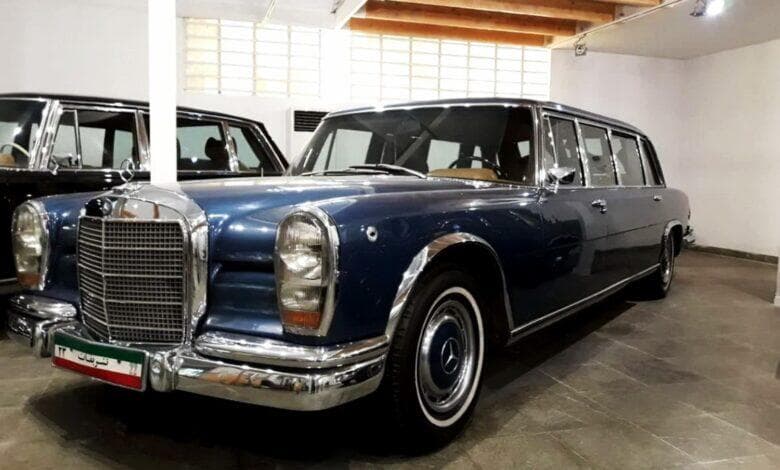 Tehran Car Museum
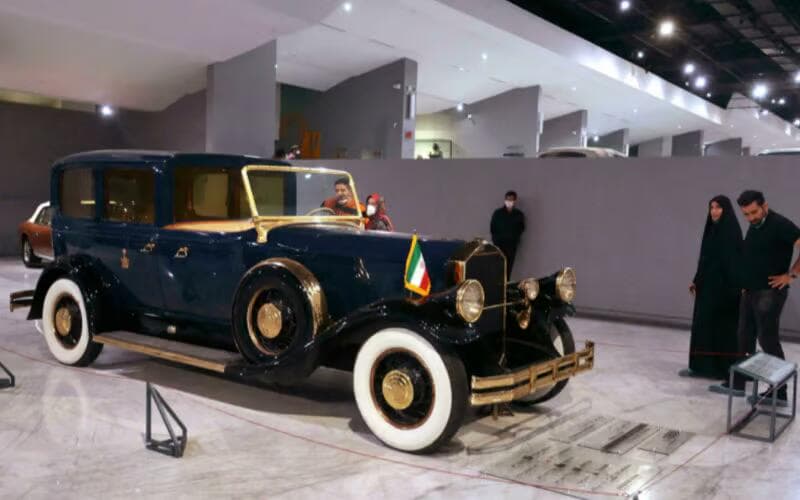 Pierce-Arrow Model A (1930)
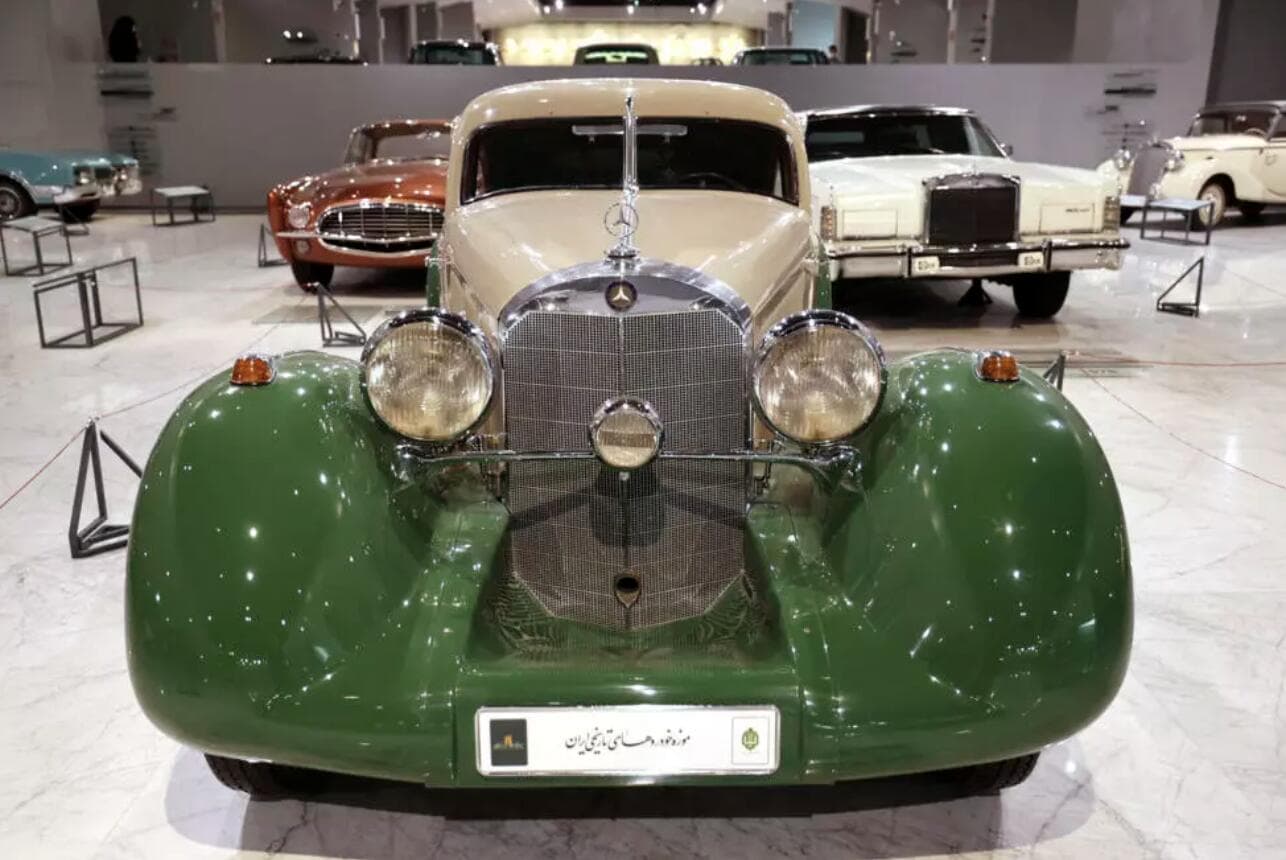 Mercedes-Benz 500K Autobahnkurier (1934)
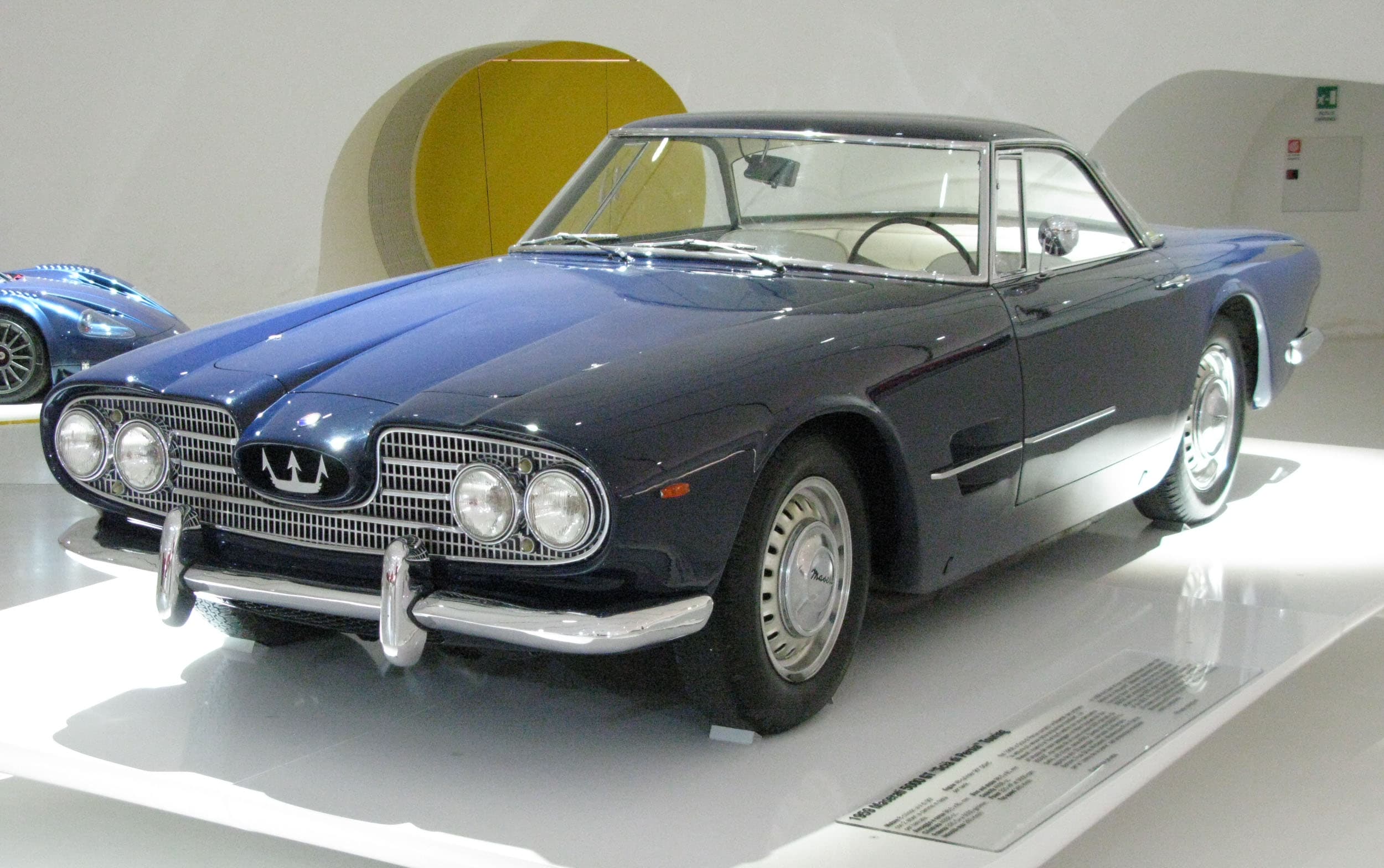 Maserati 5000 GT Shah of Persia (1959)
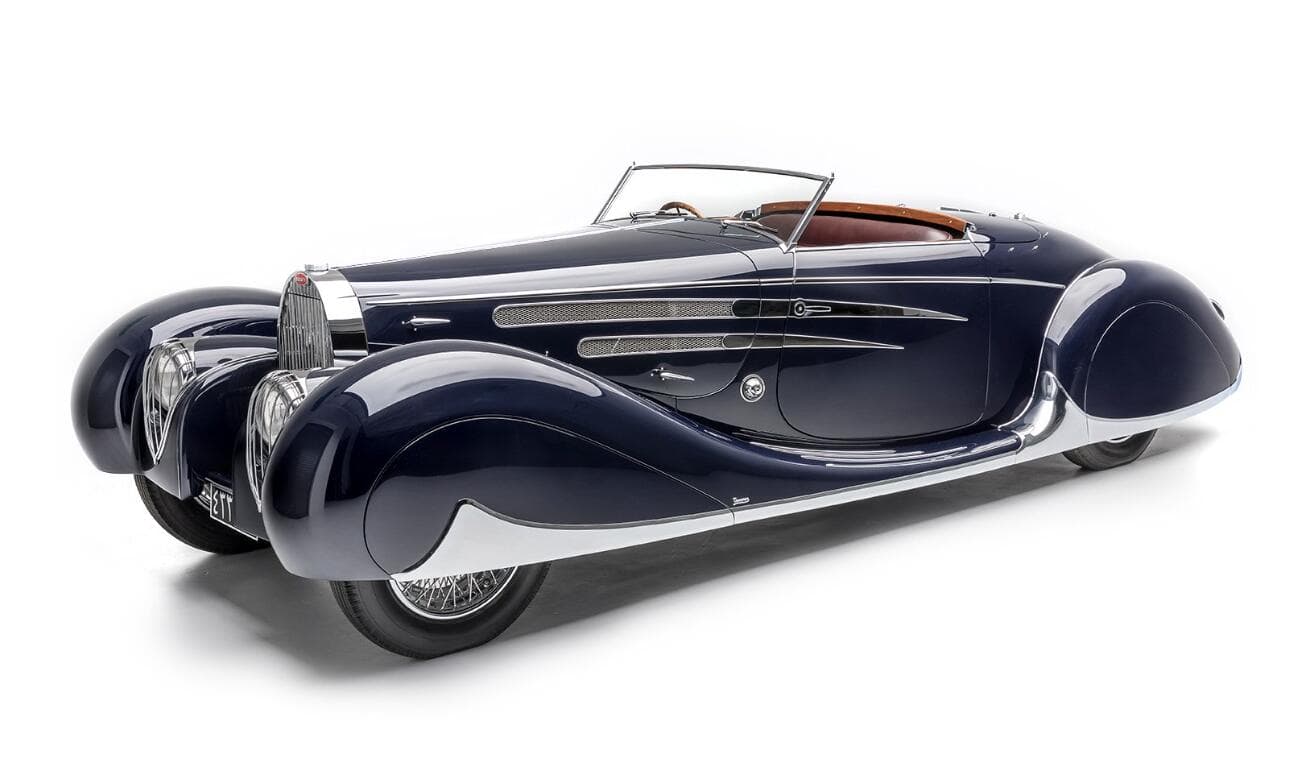 Bugatti Type 57C (1939)
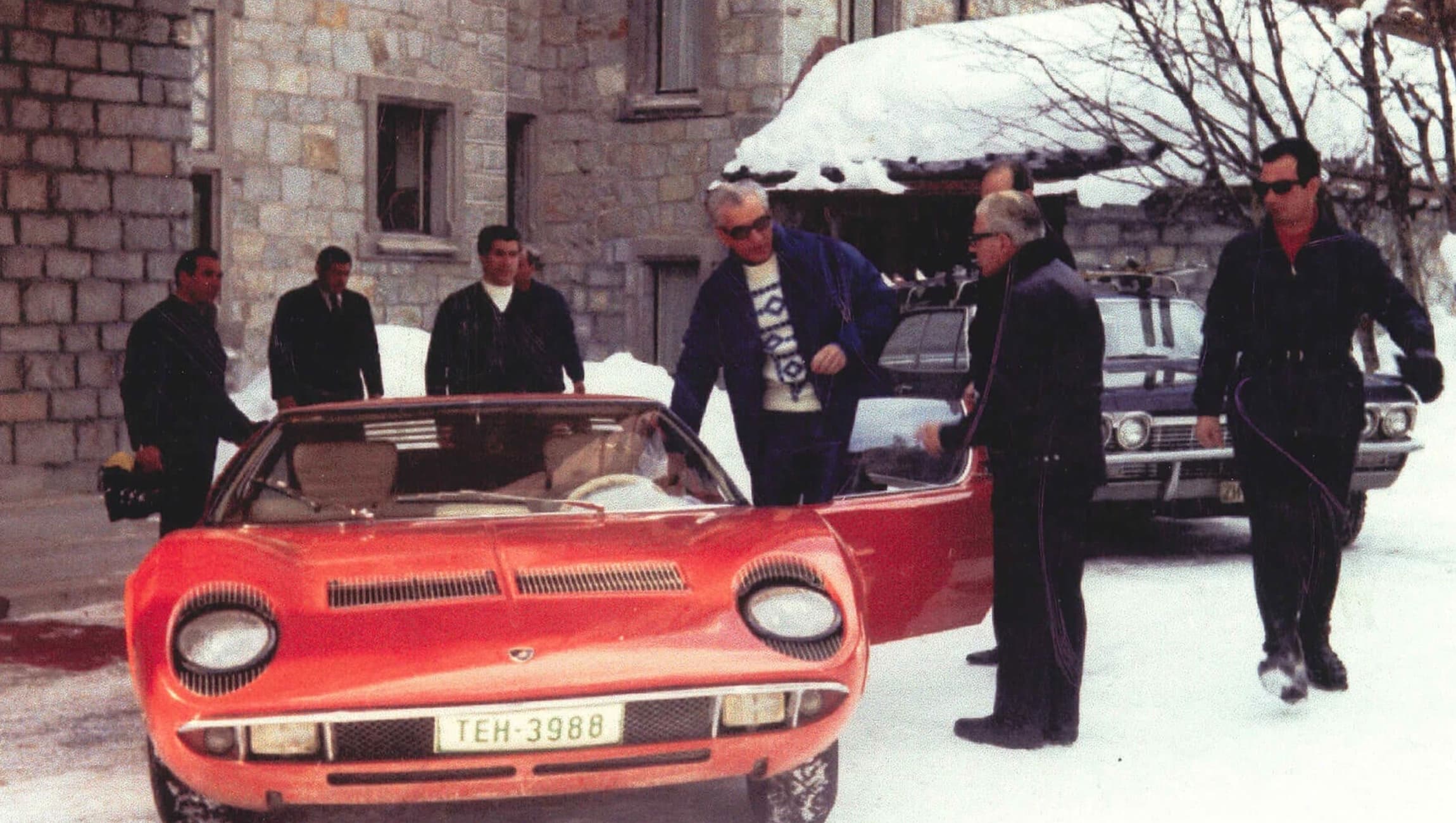 Lamborghini Miura P400 (1968)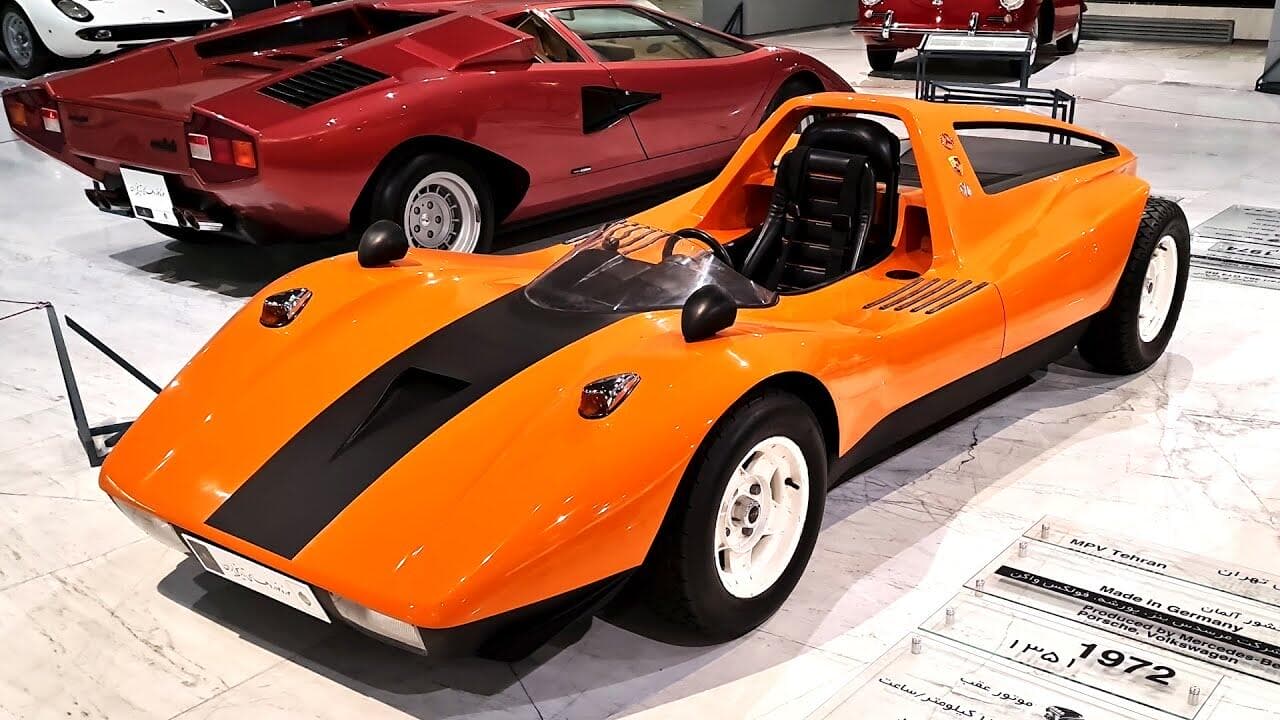
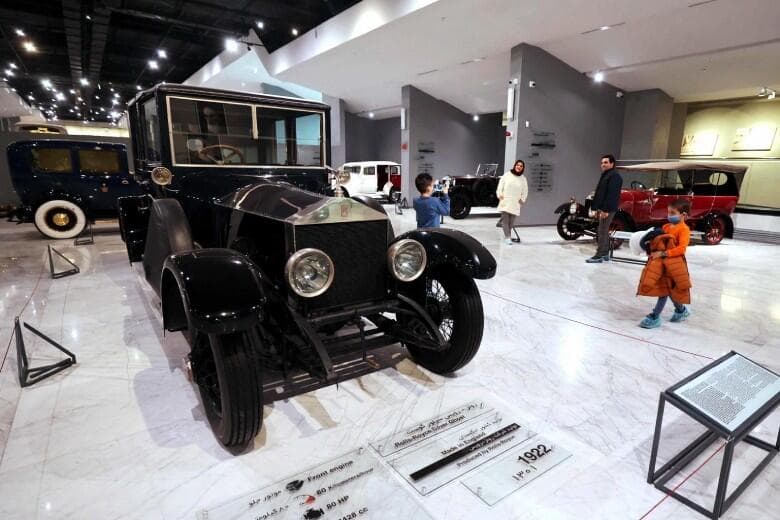 Tehran Car Museum


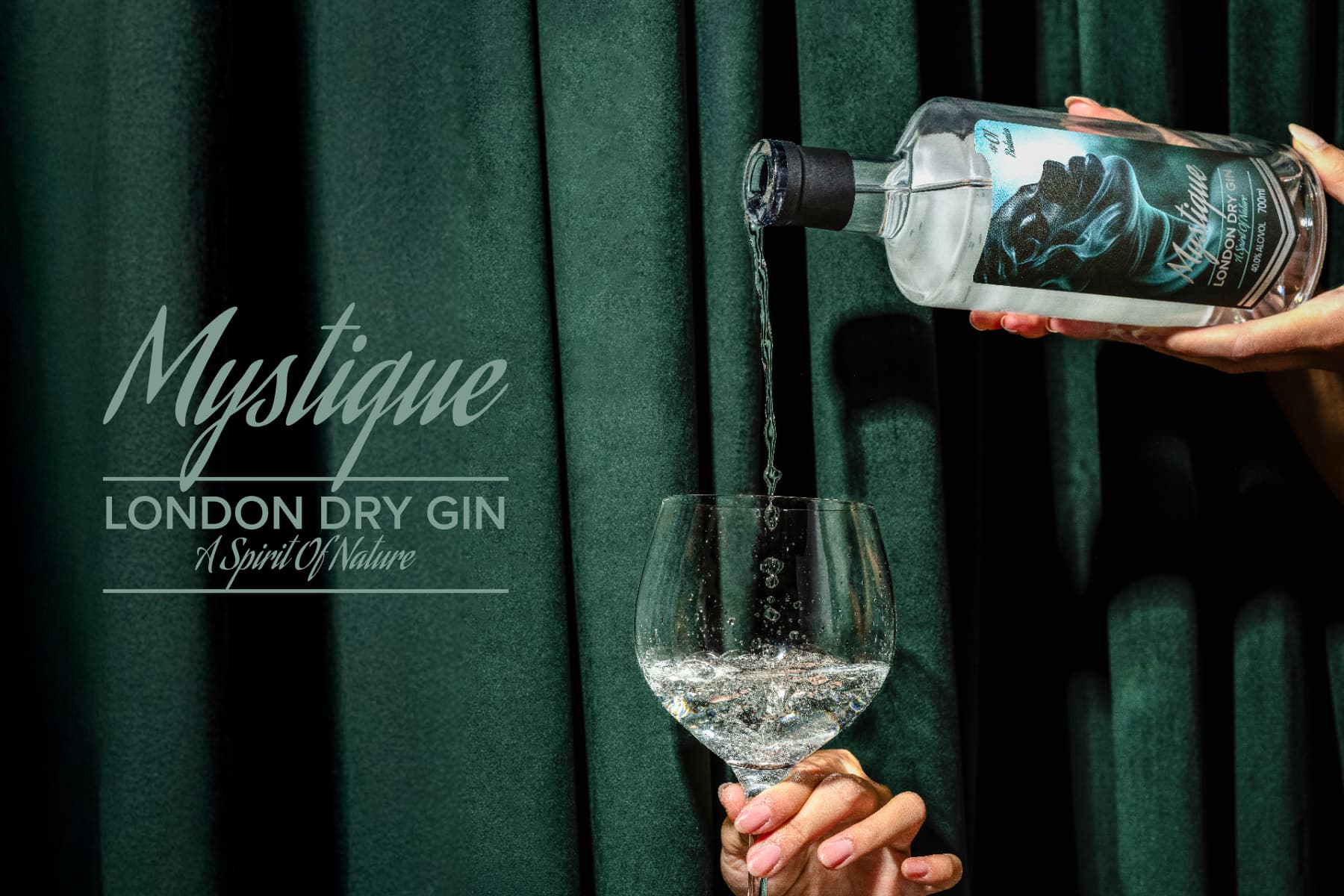
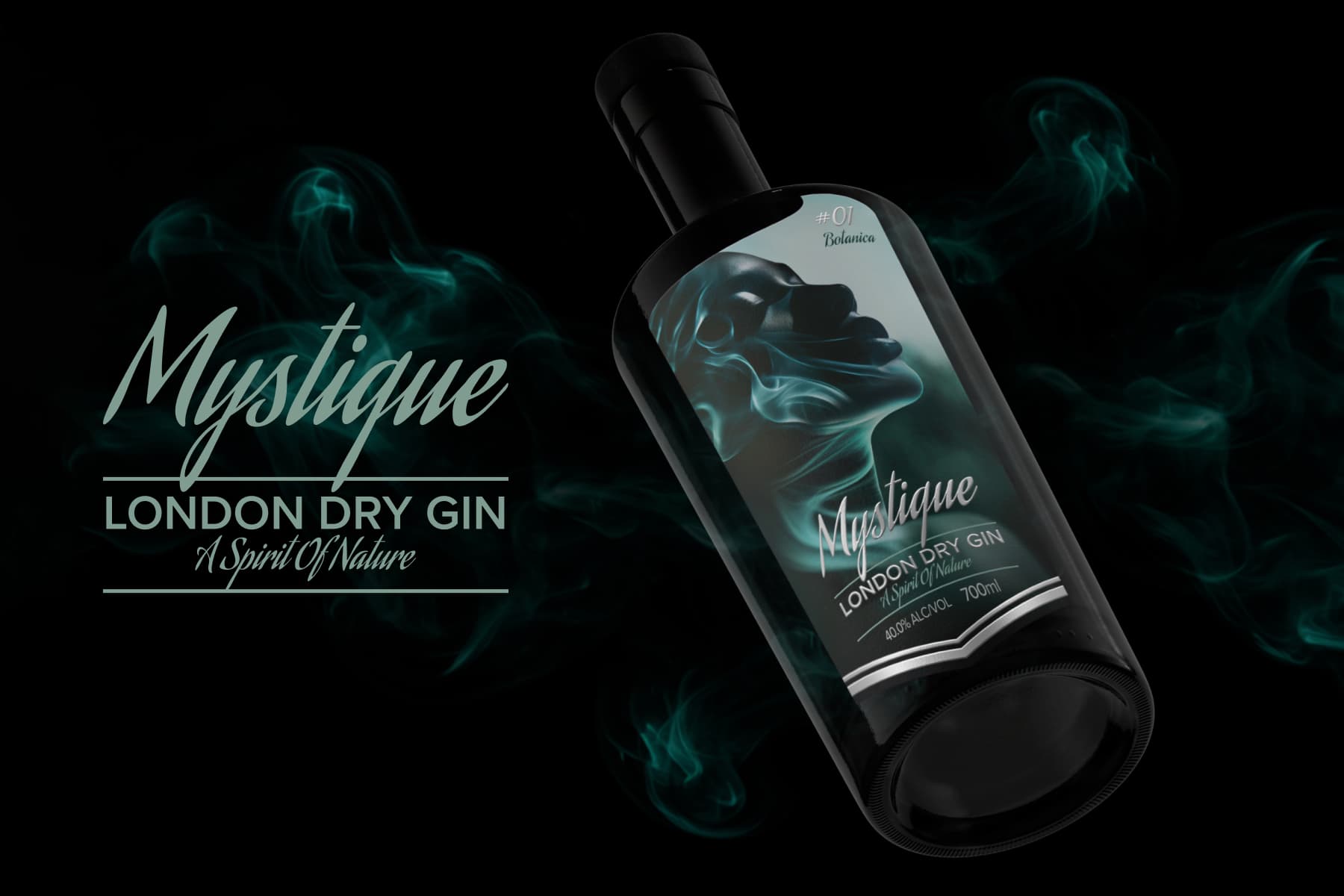
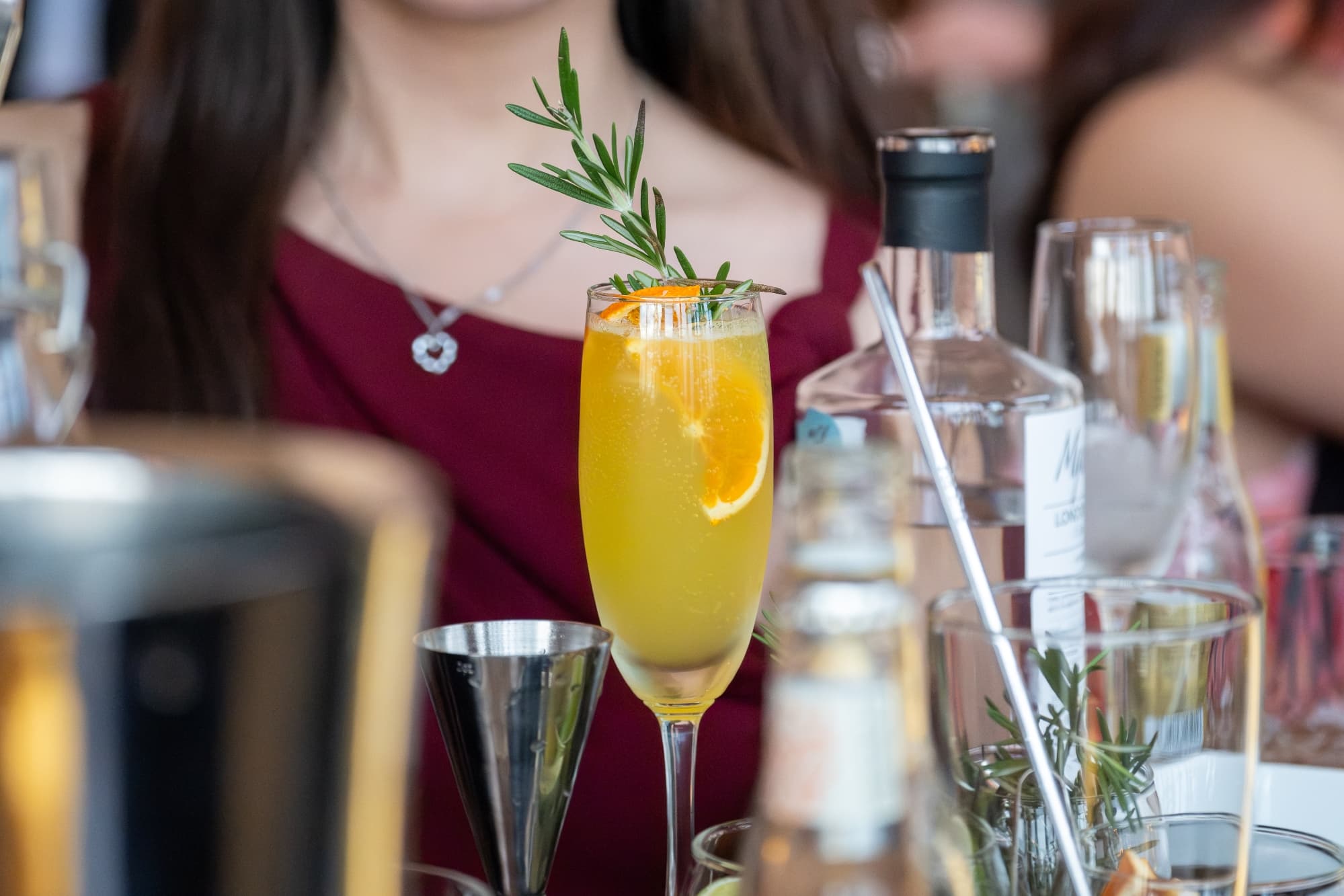
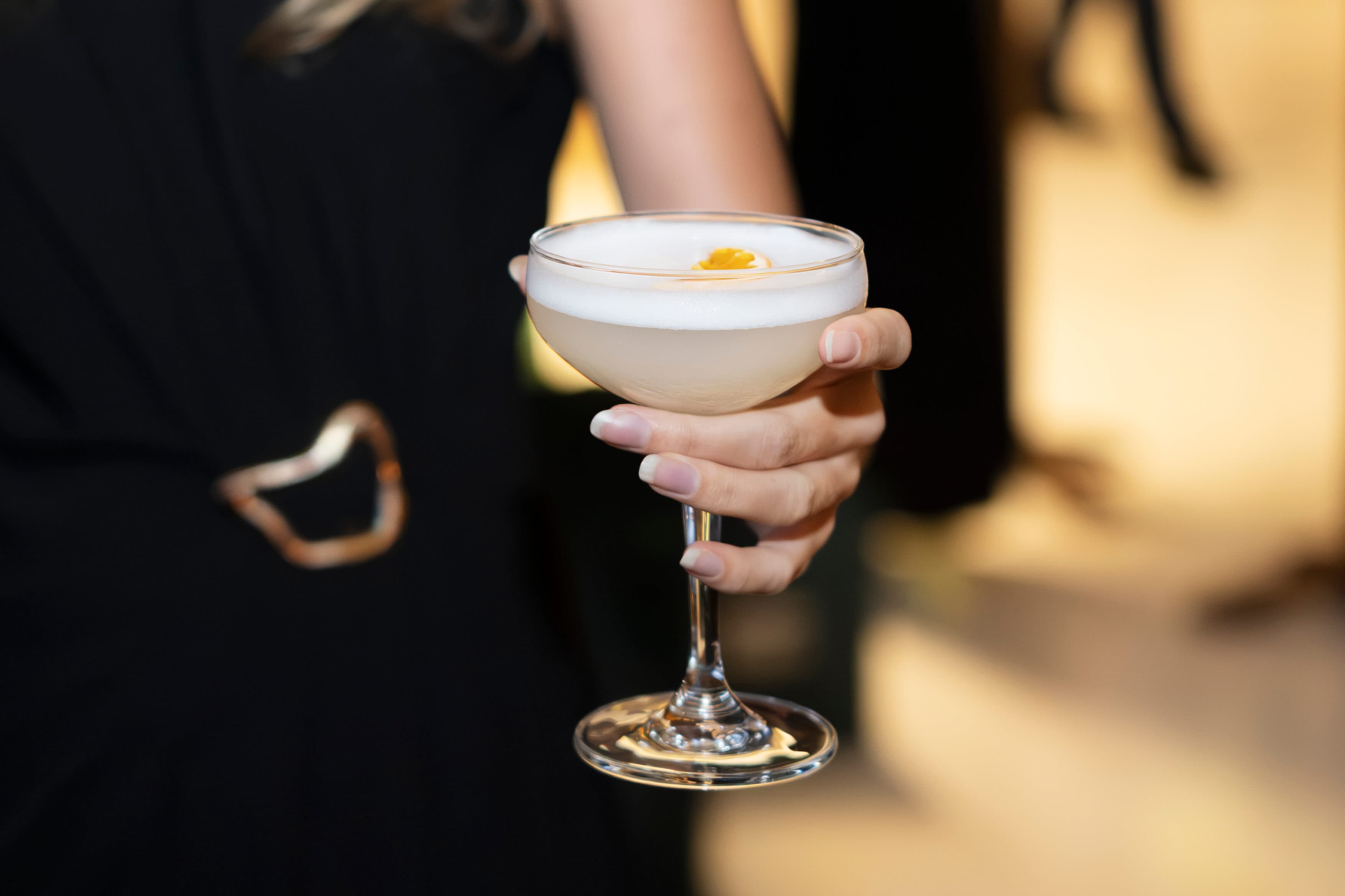
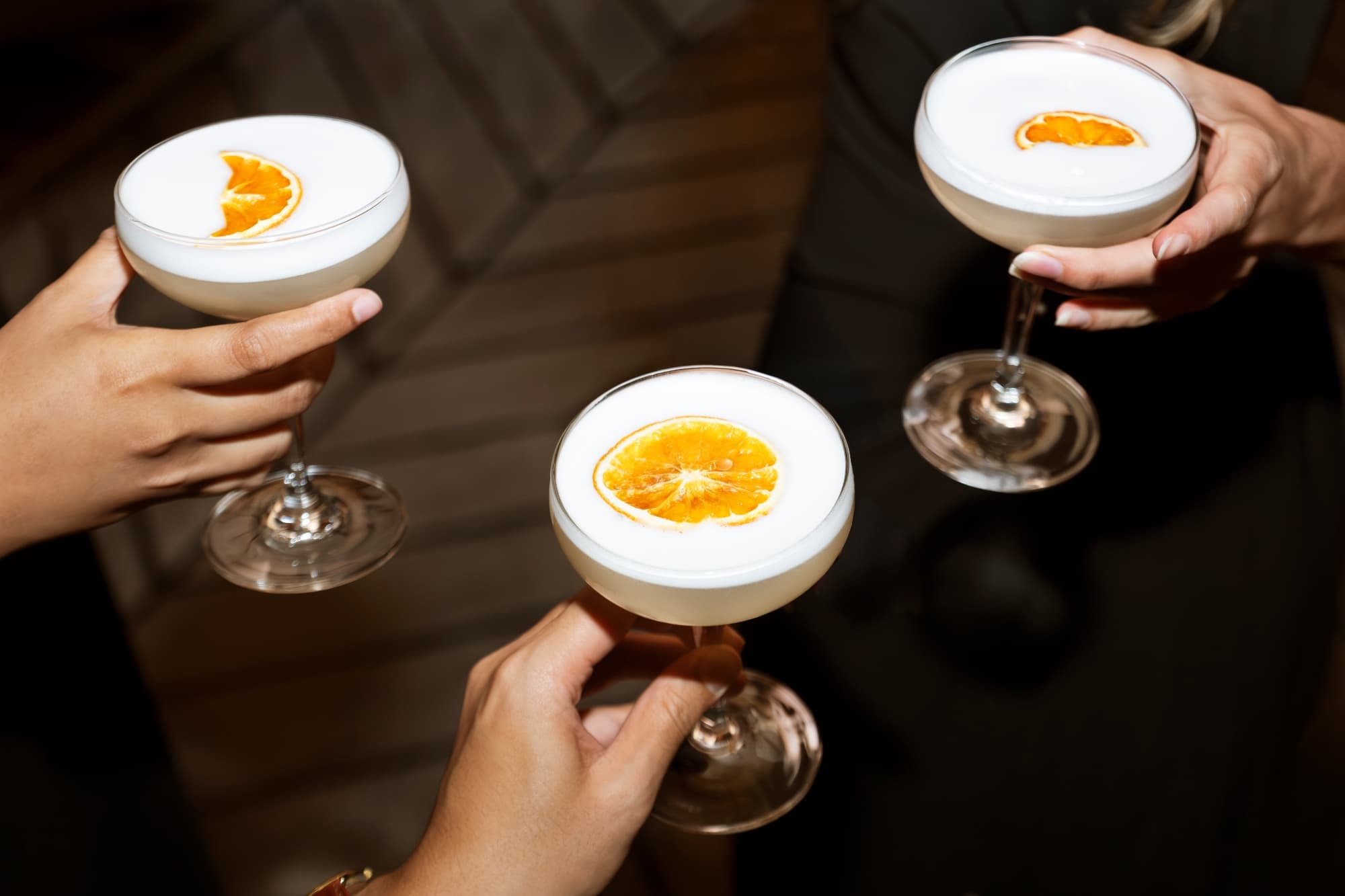
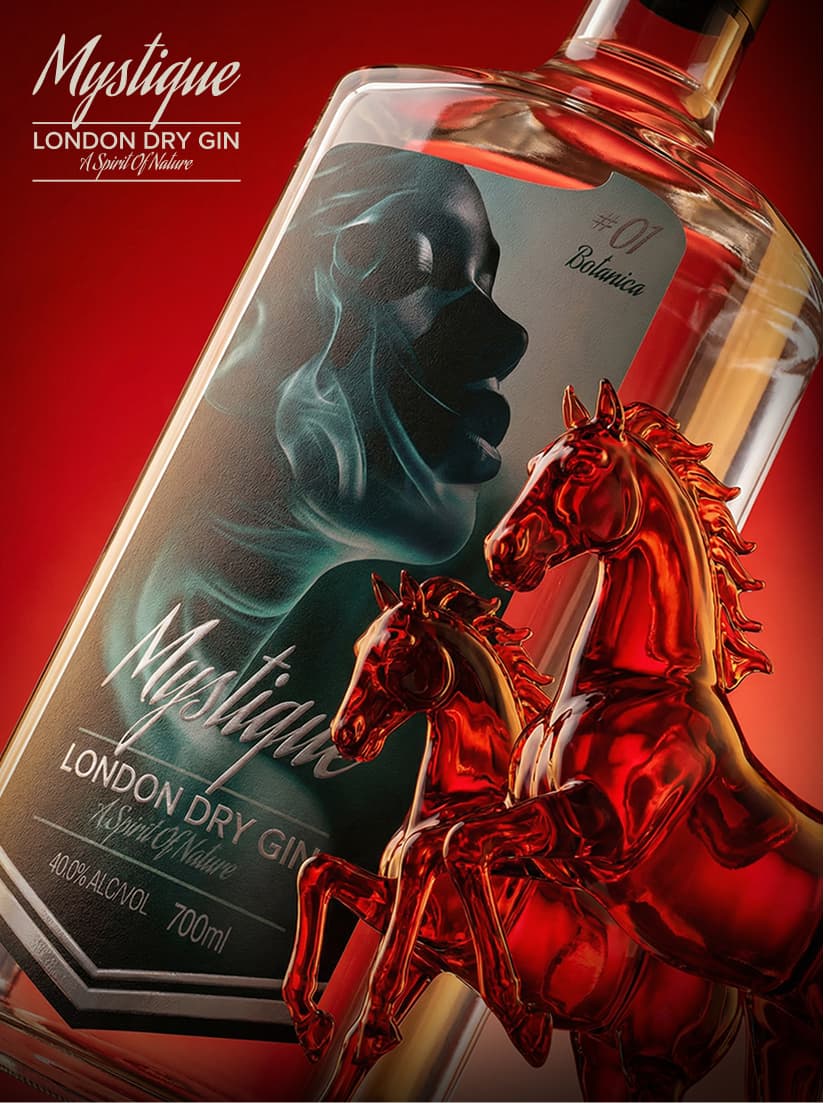

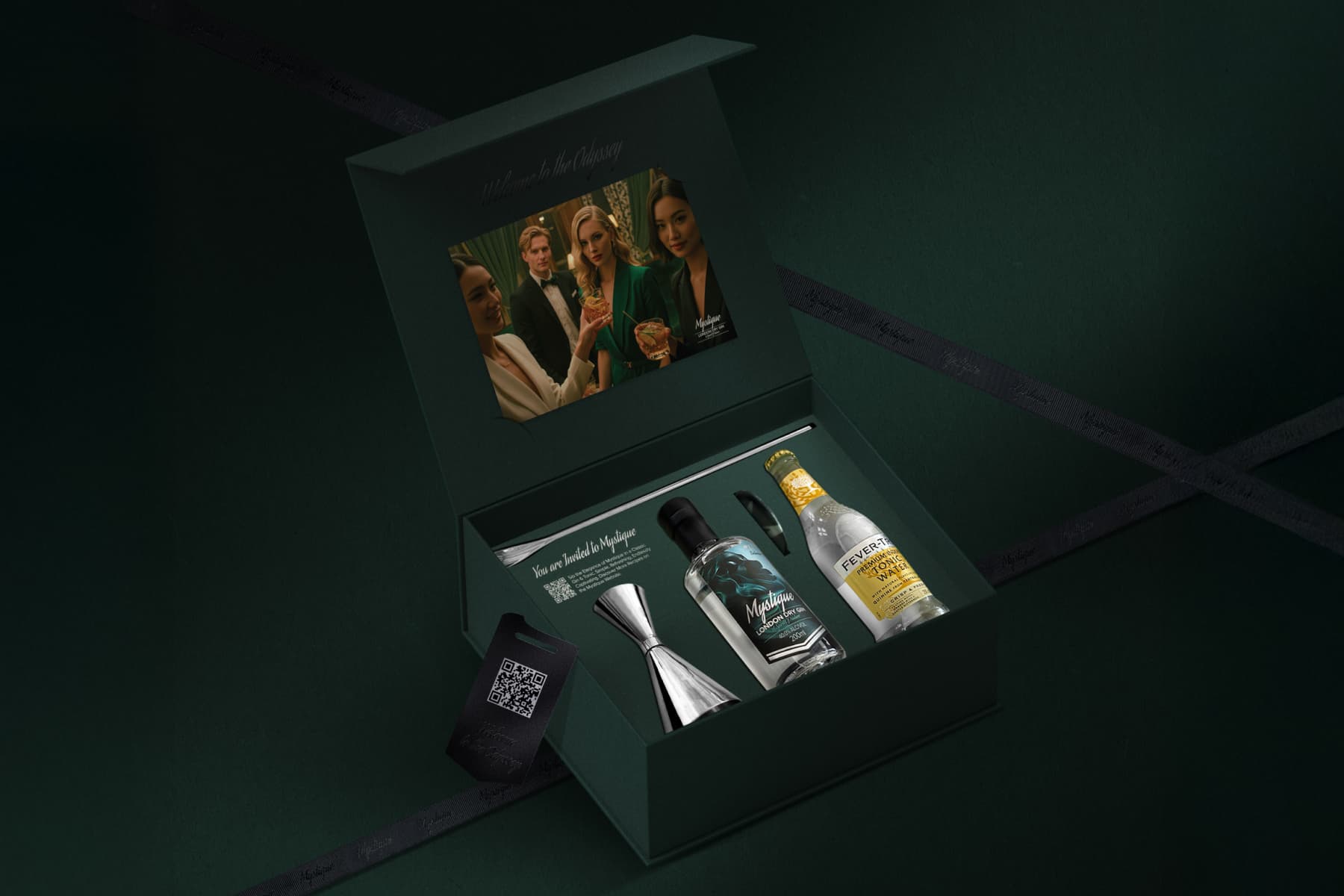
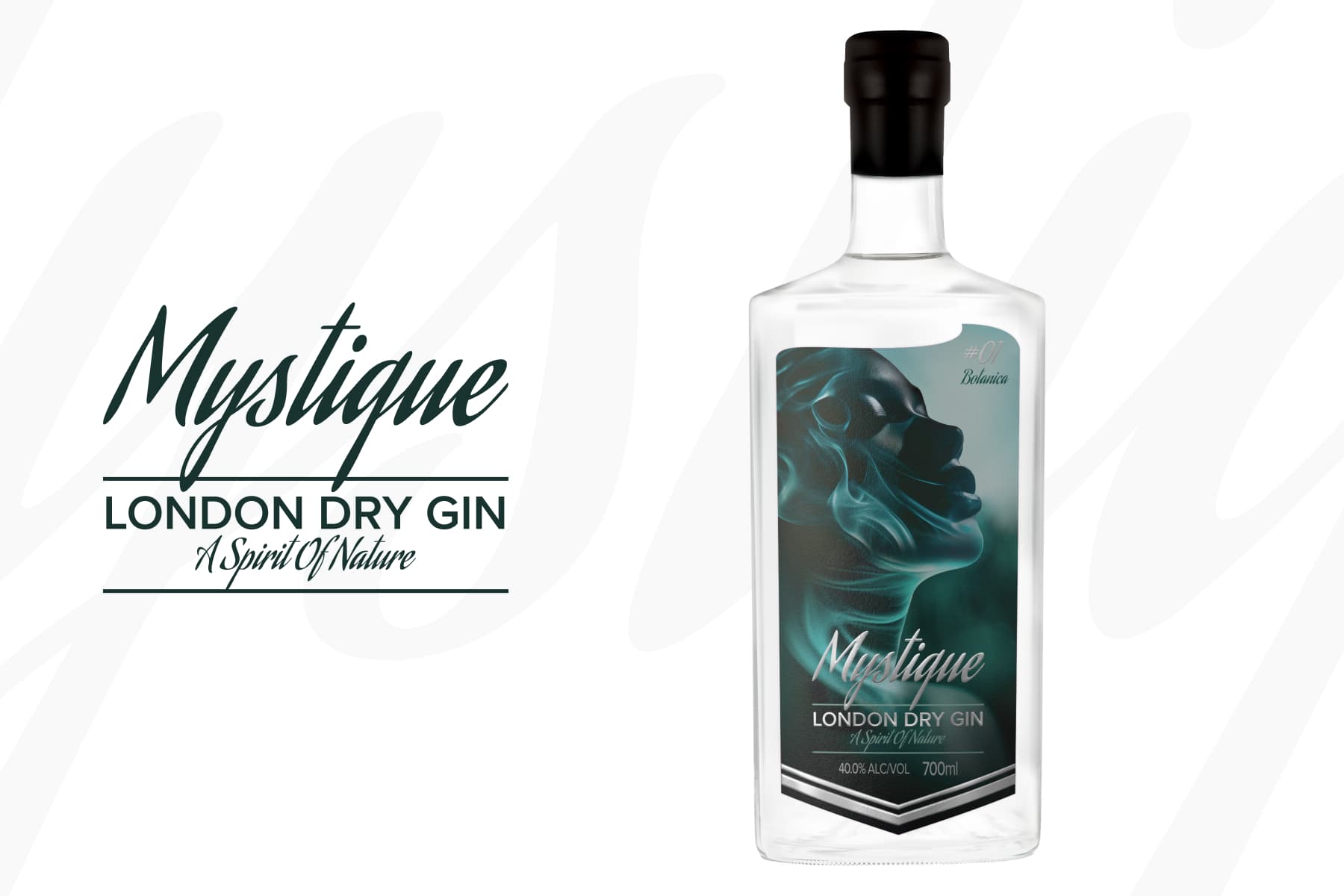


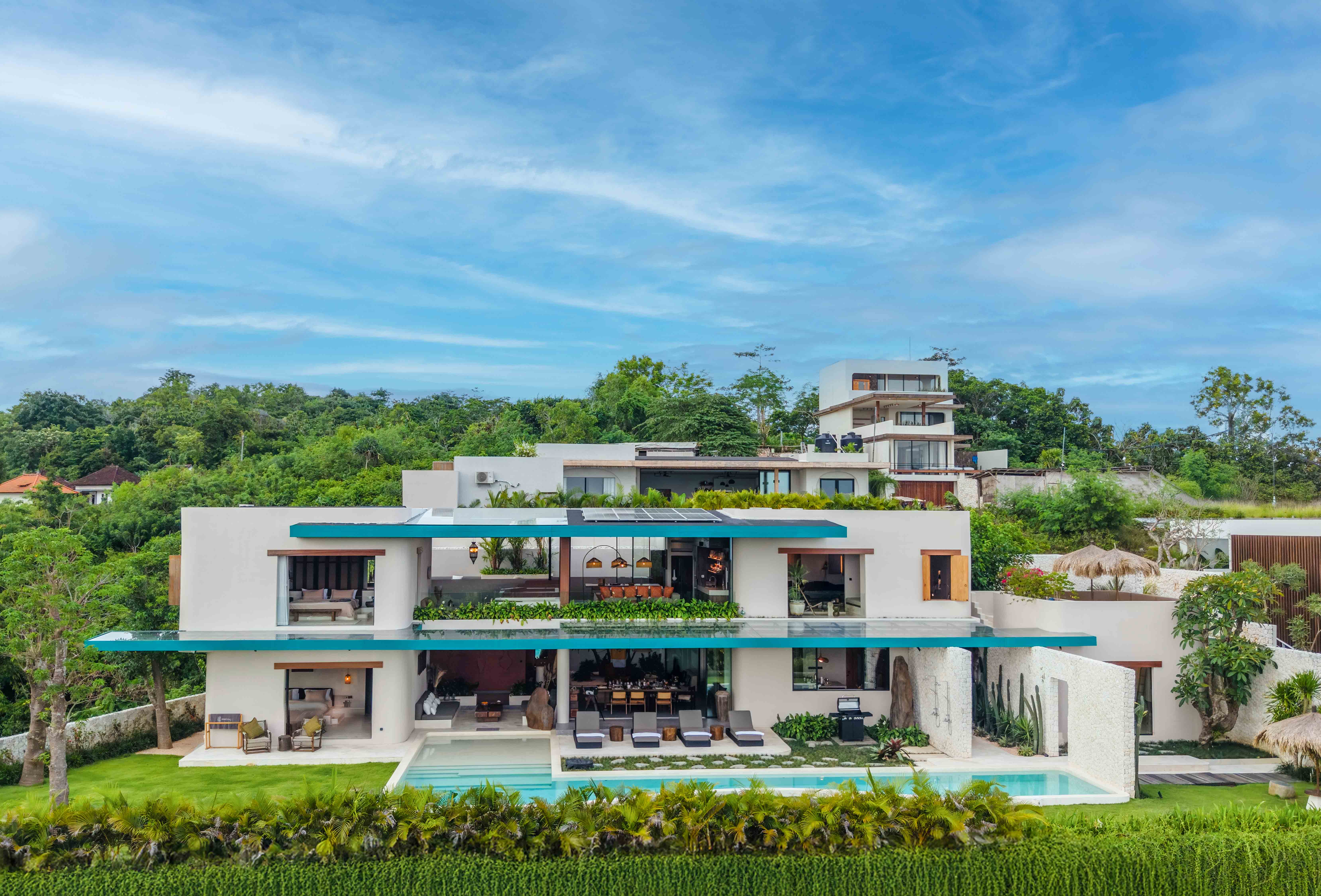
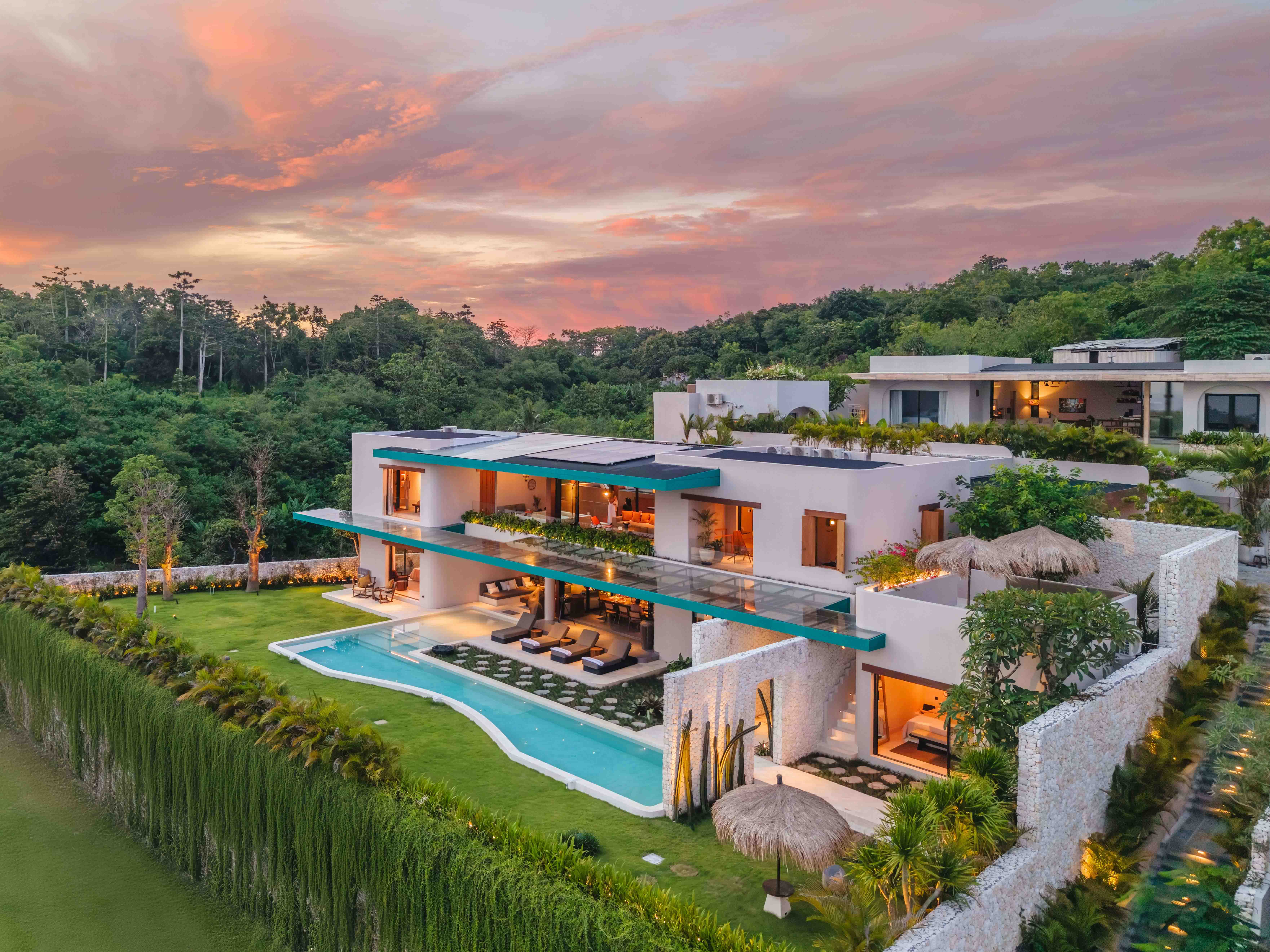

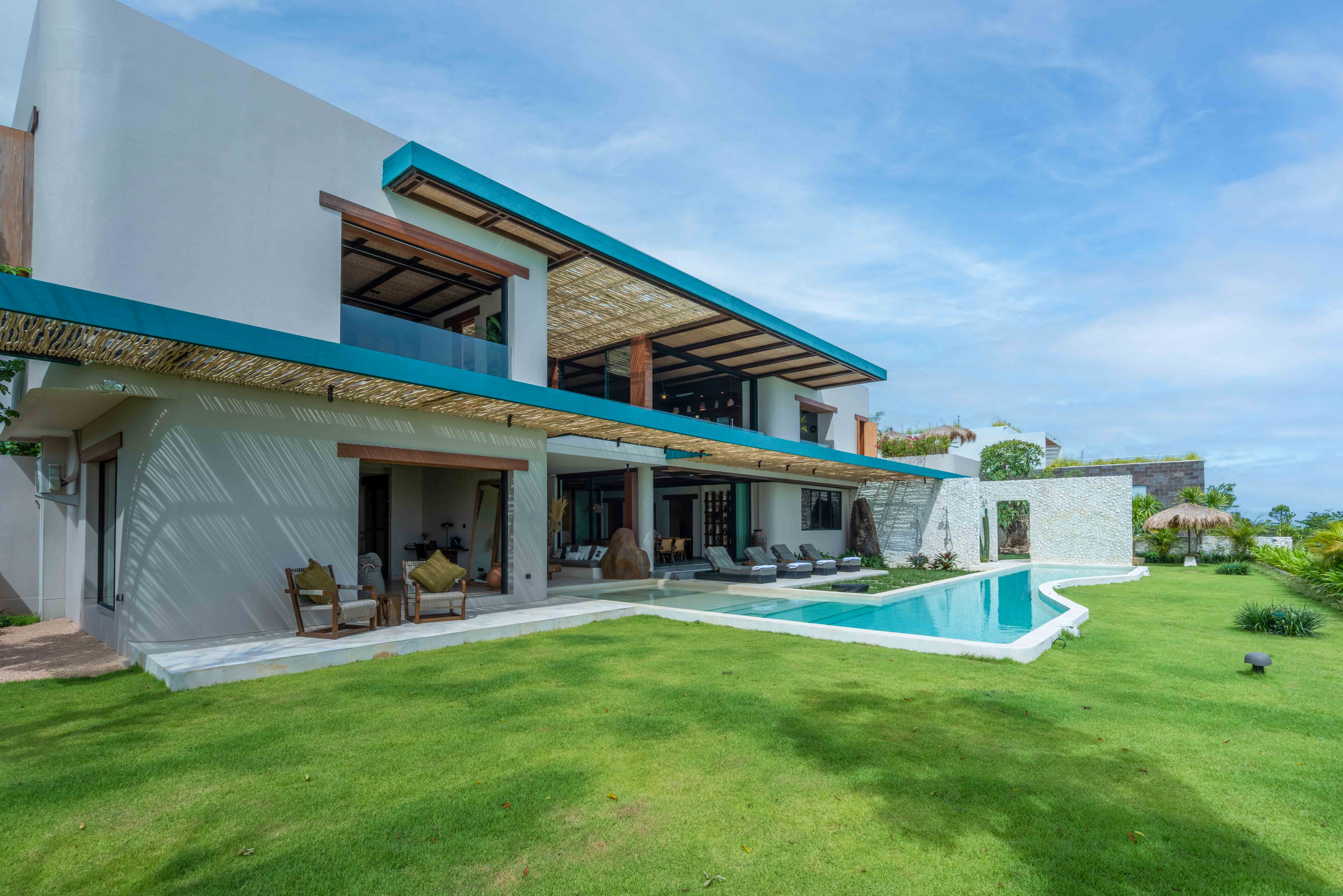
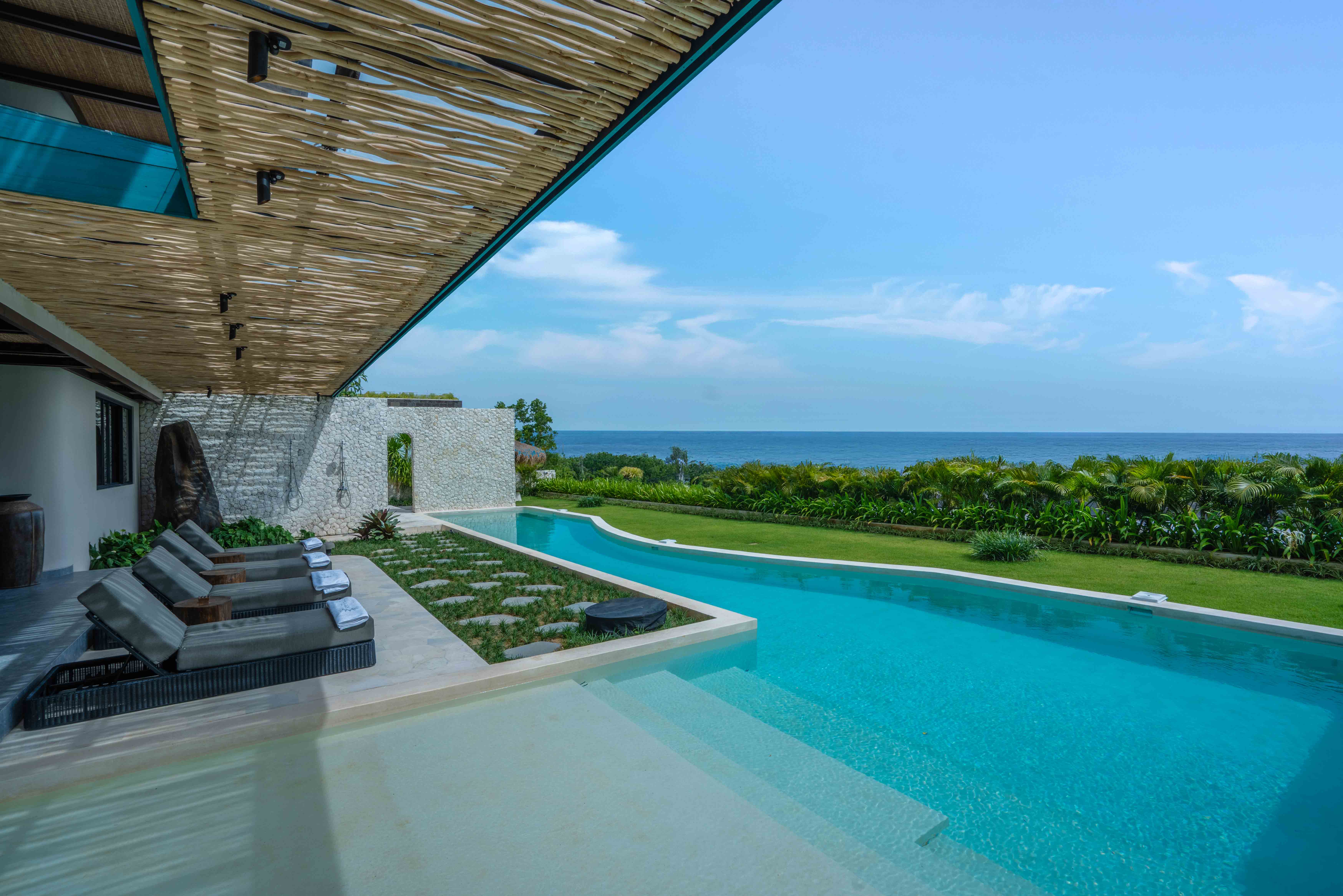
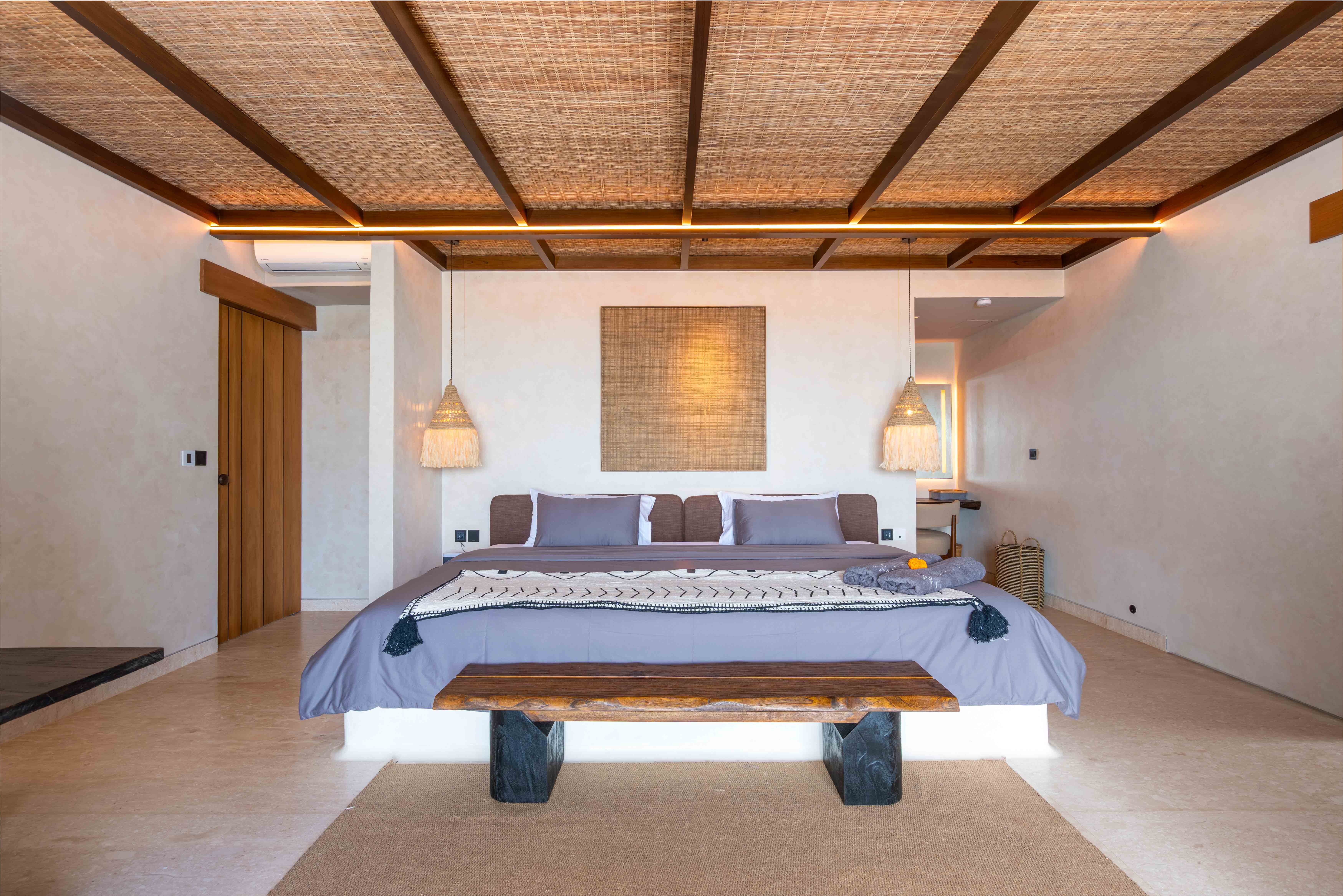
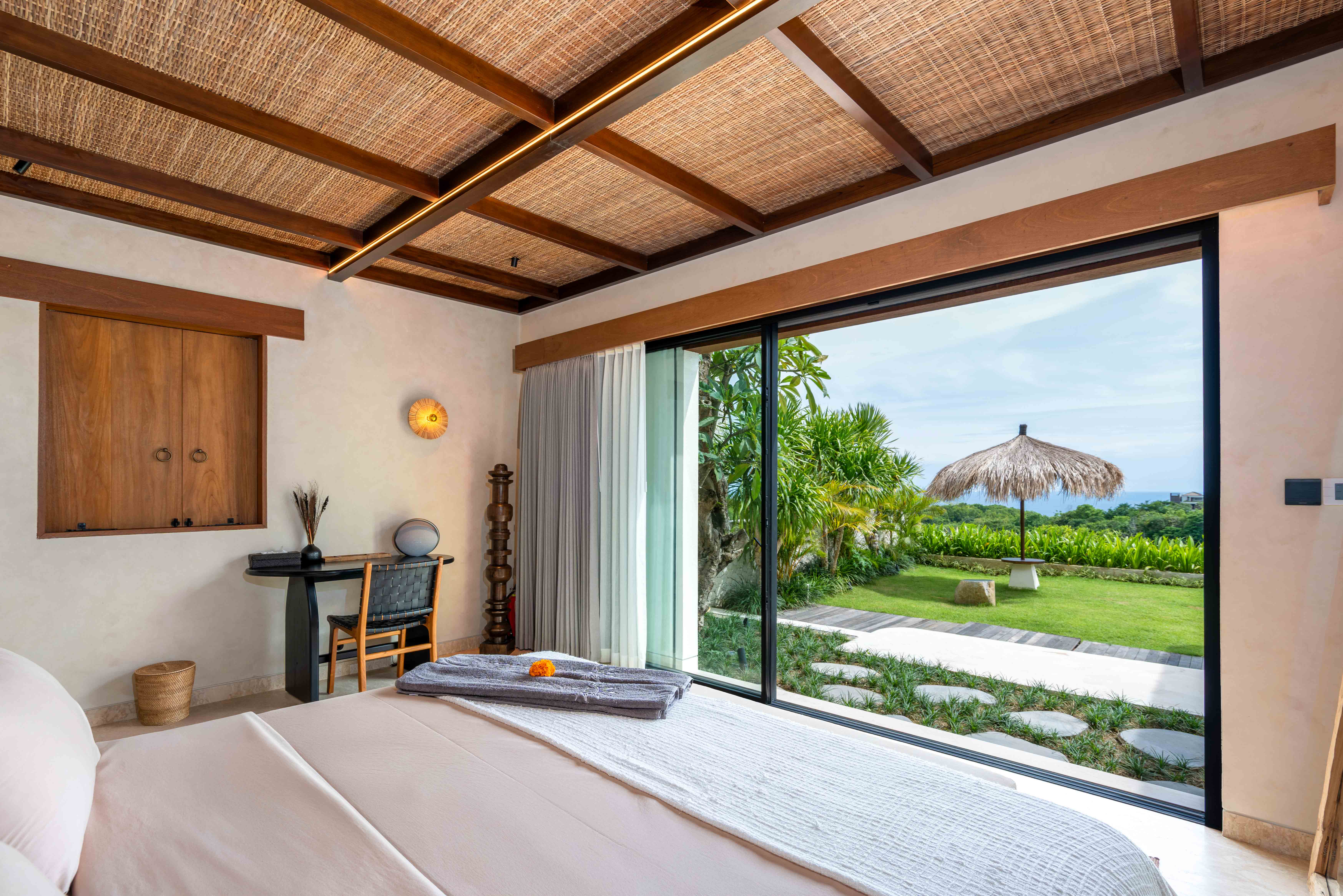
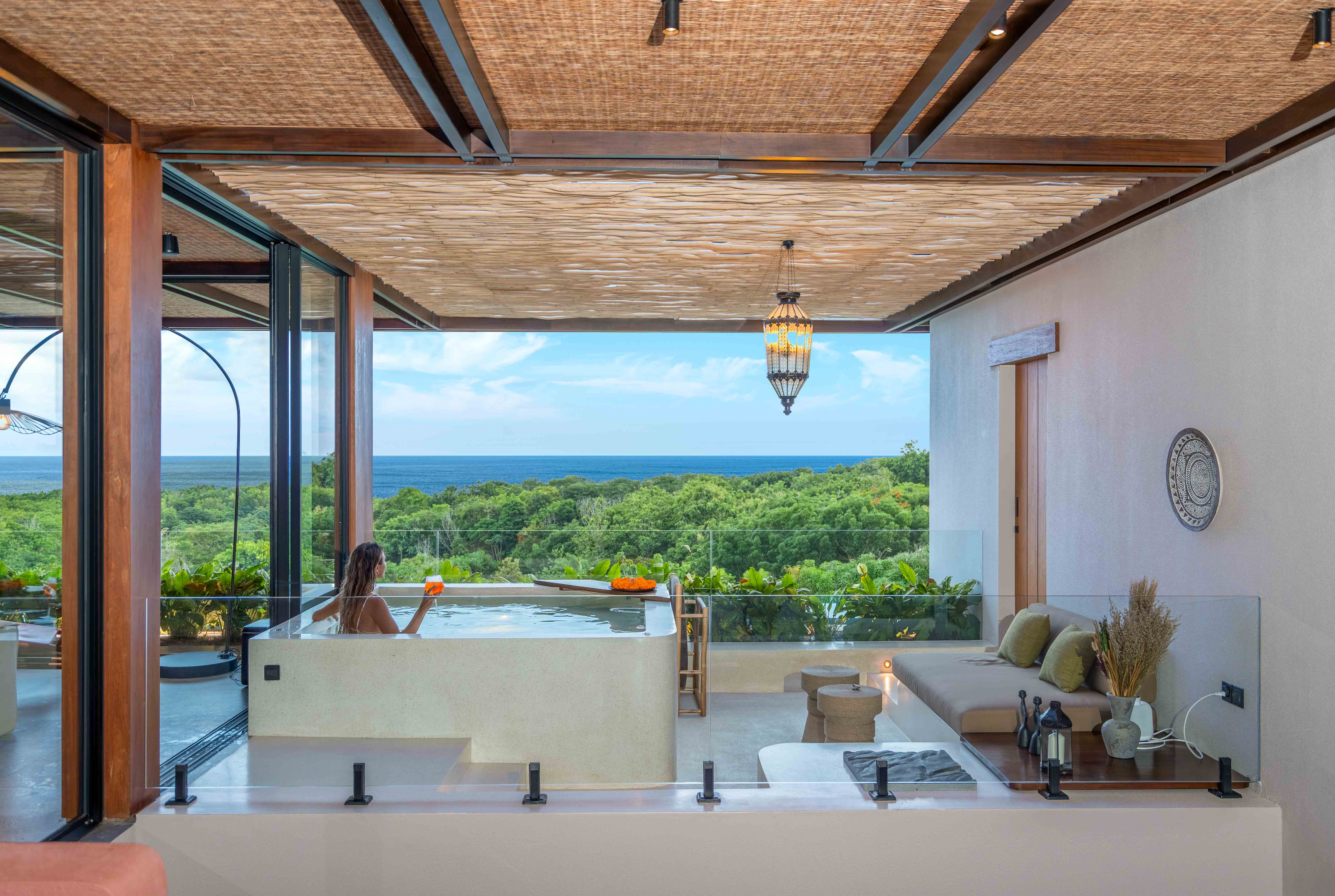
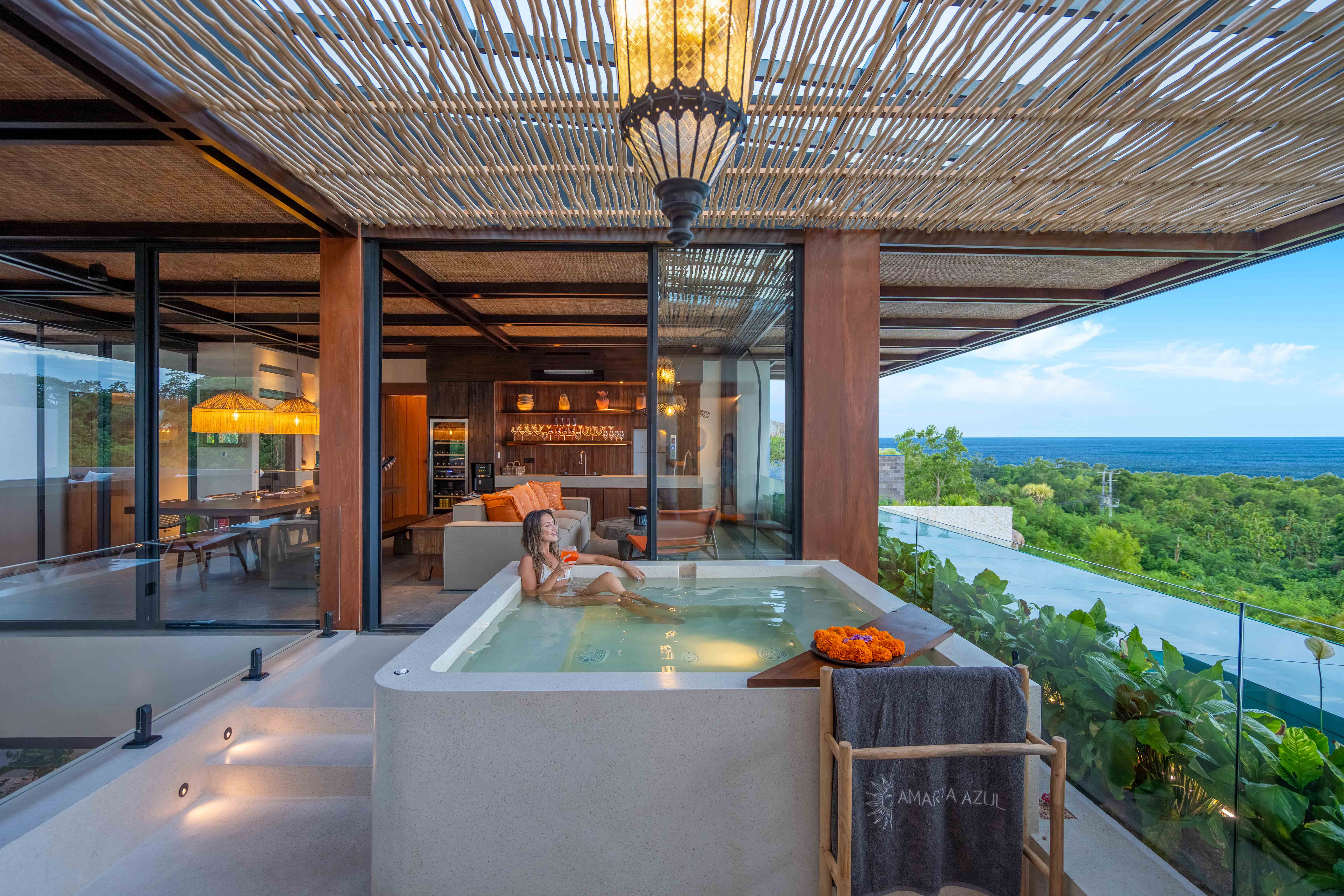
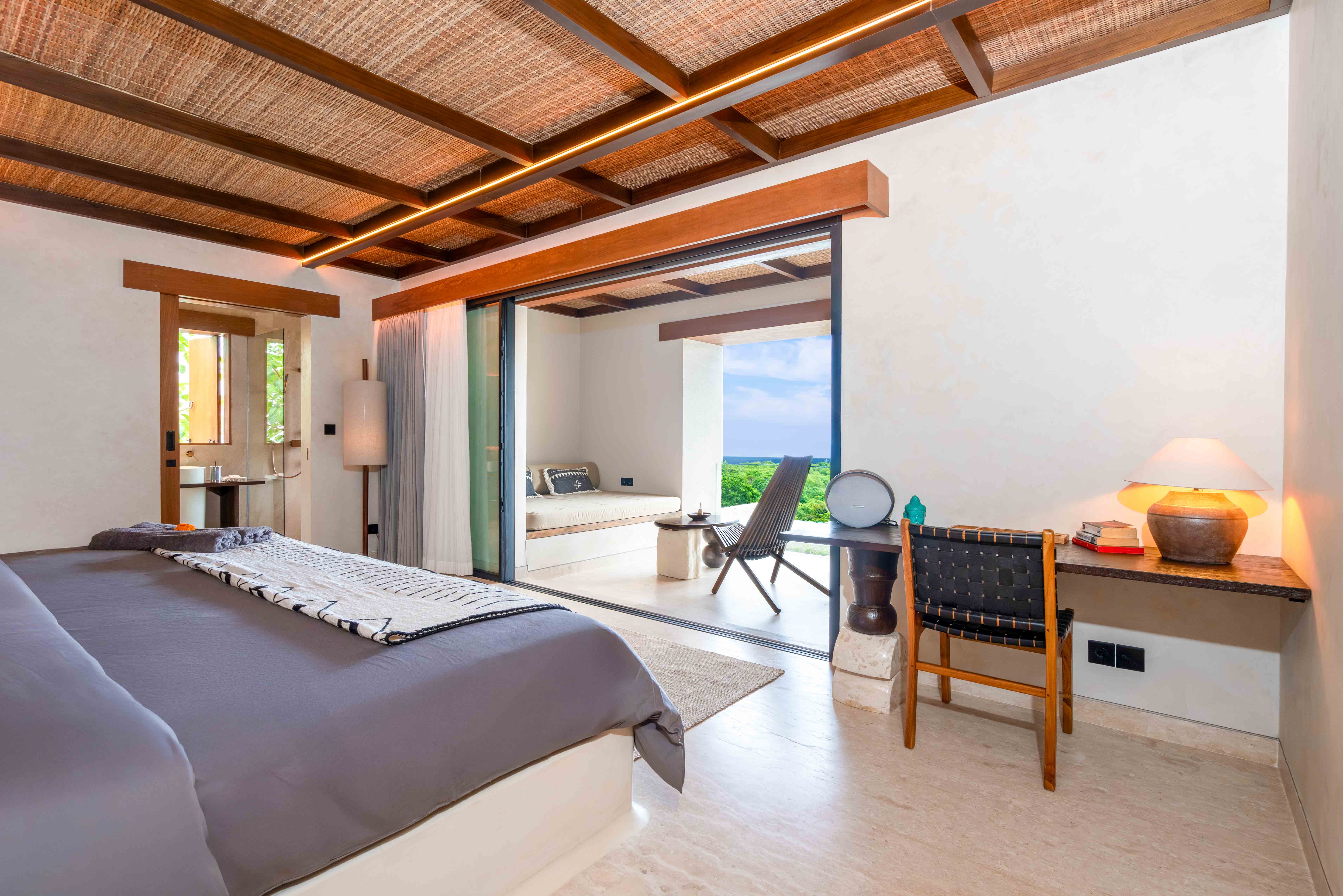
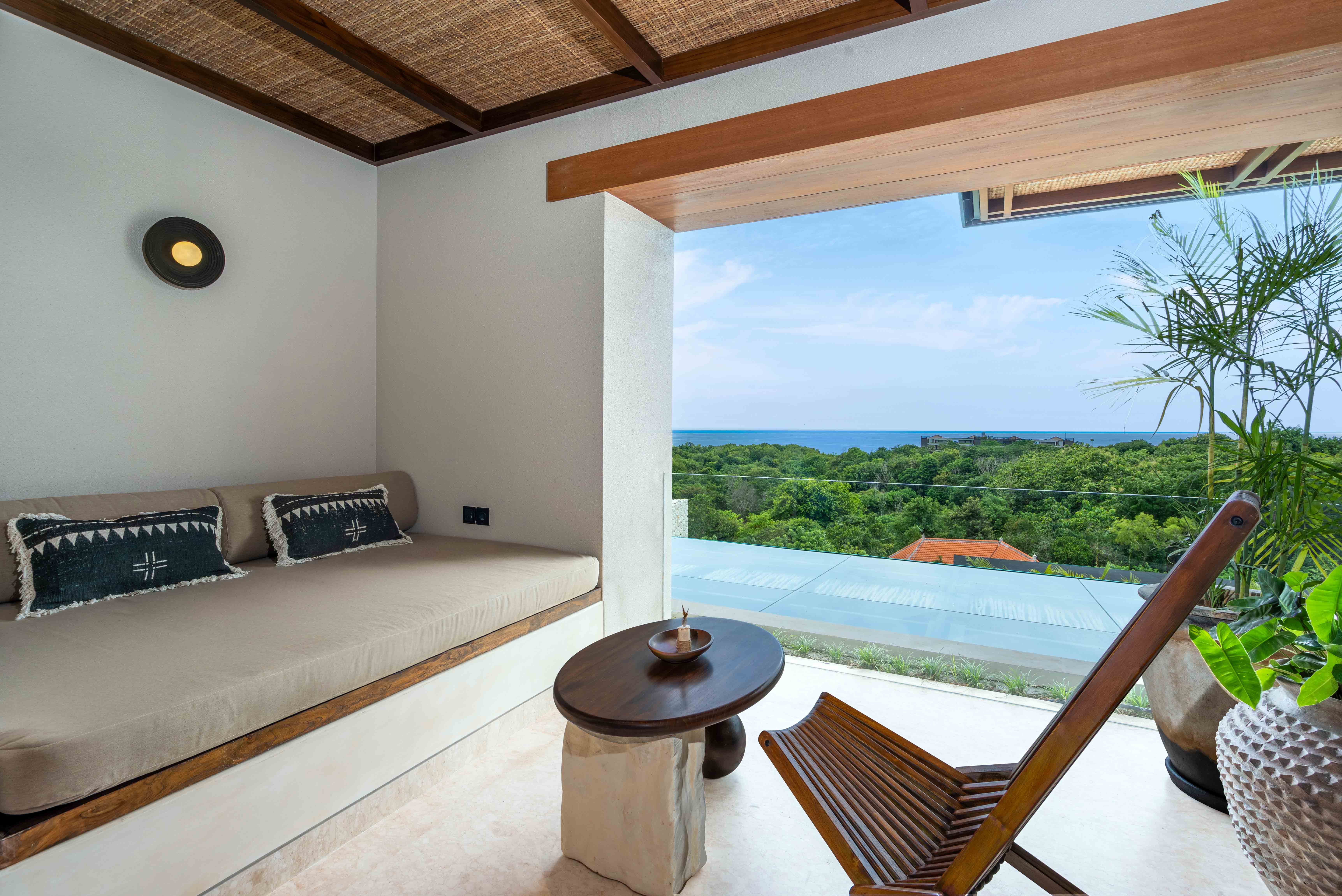
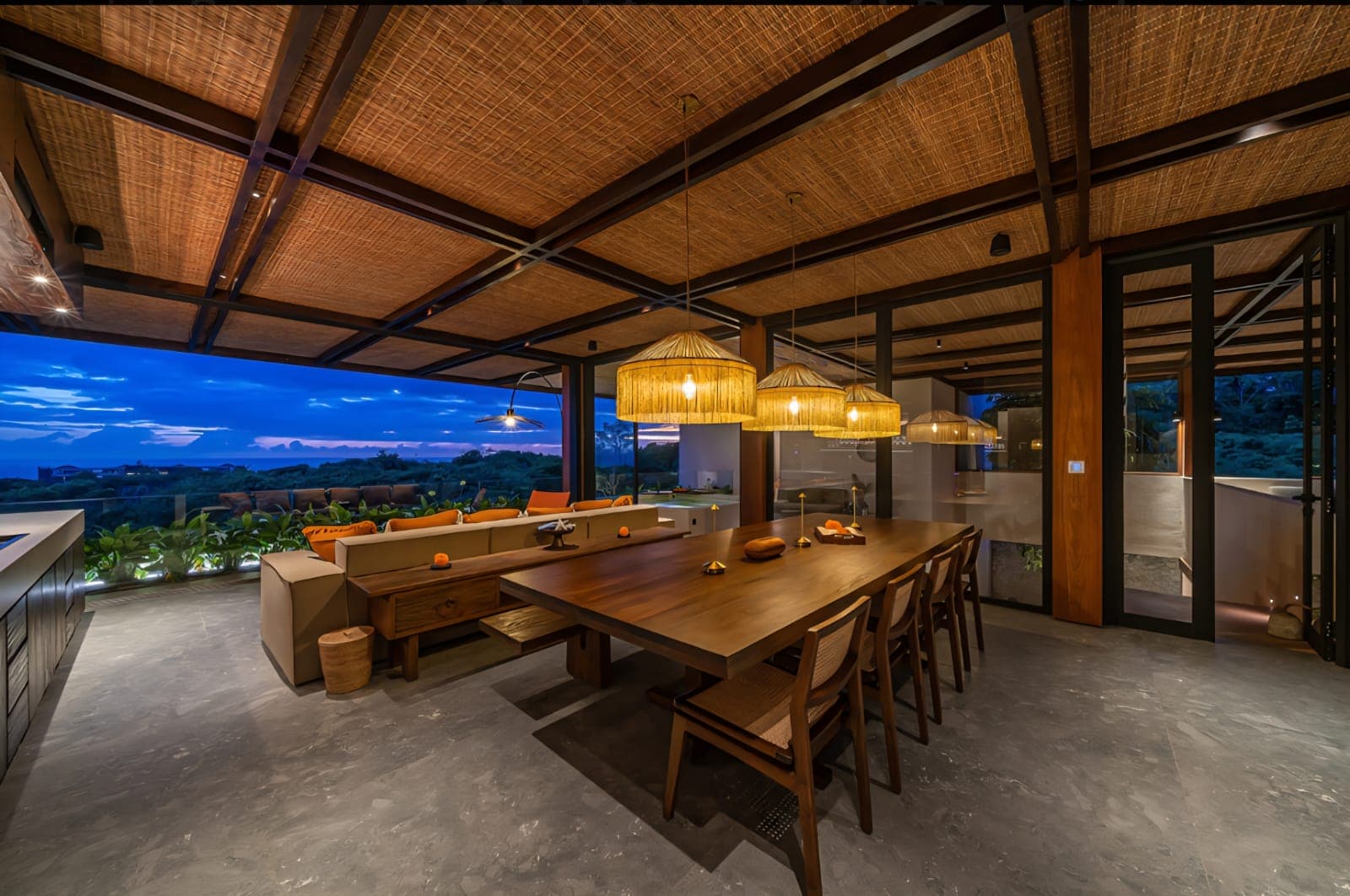
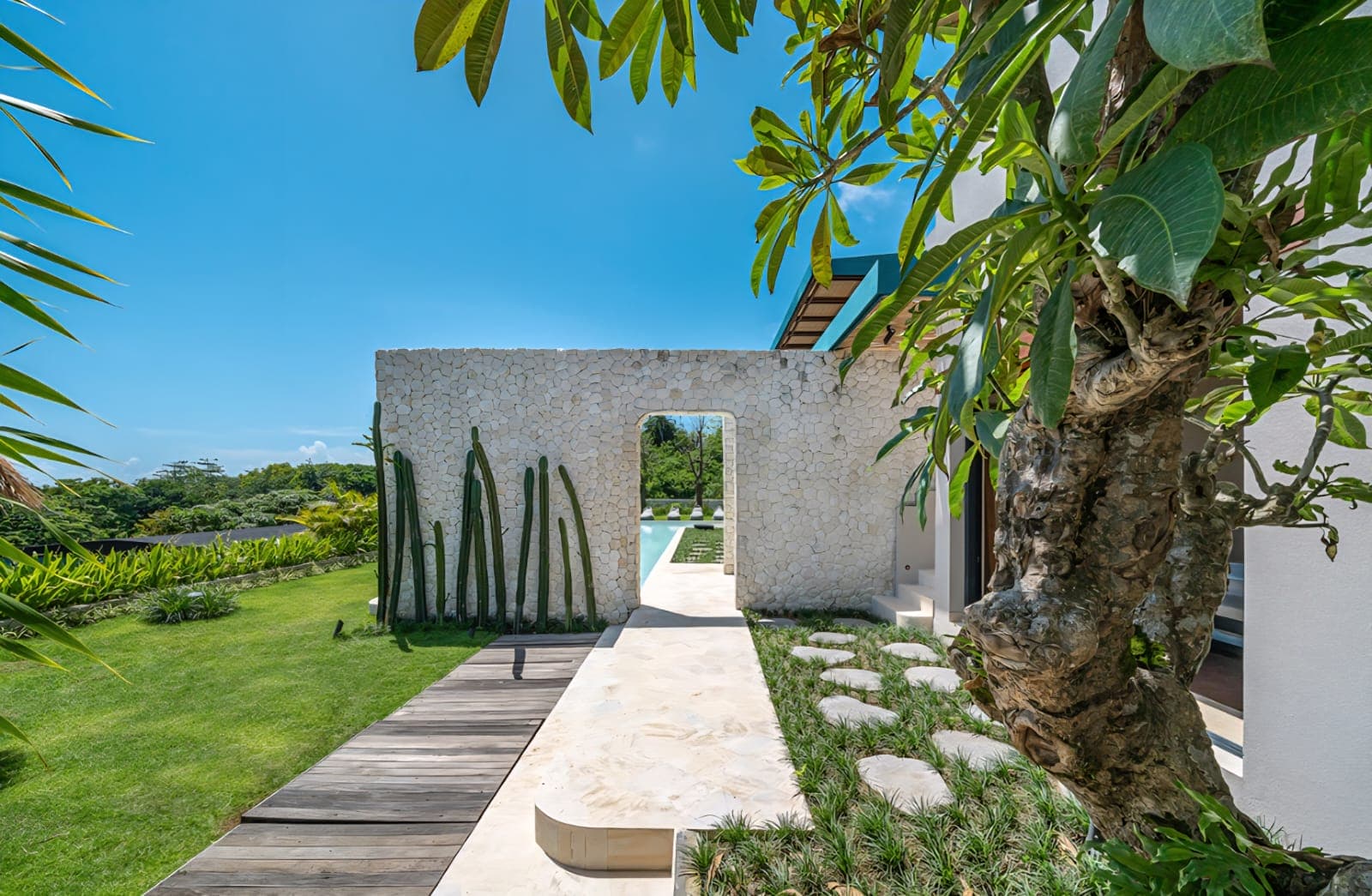
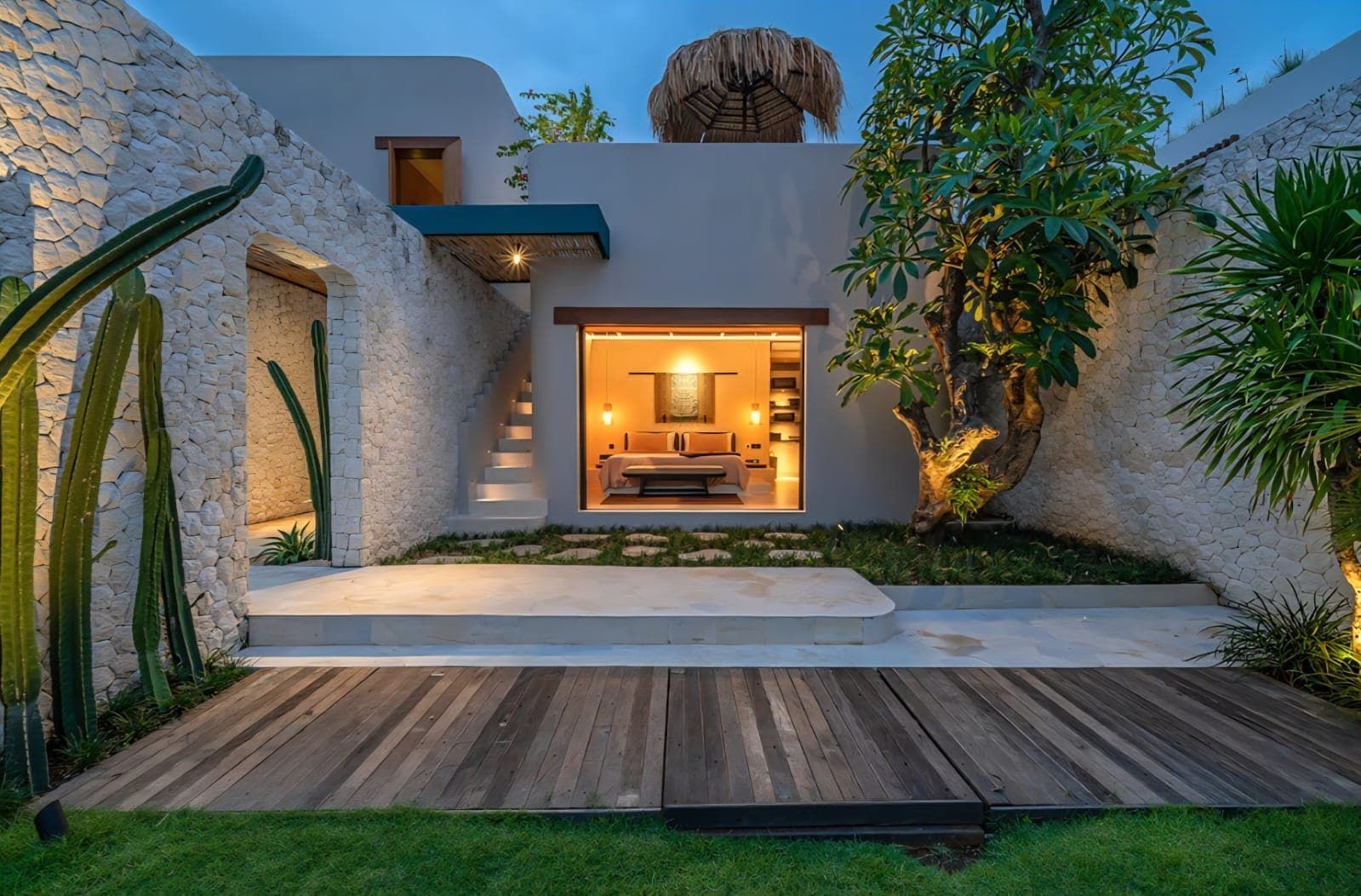


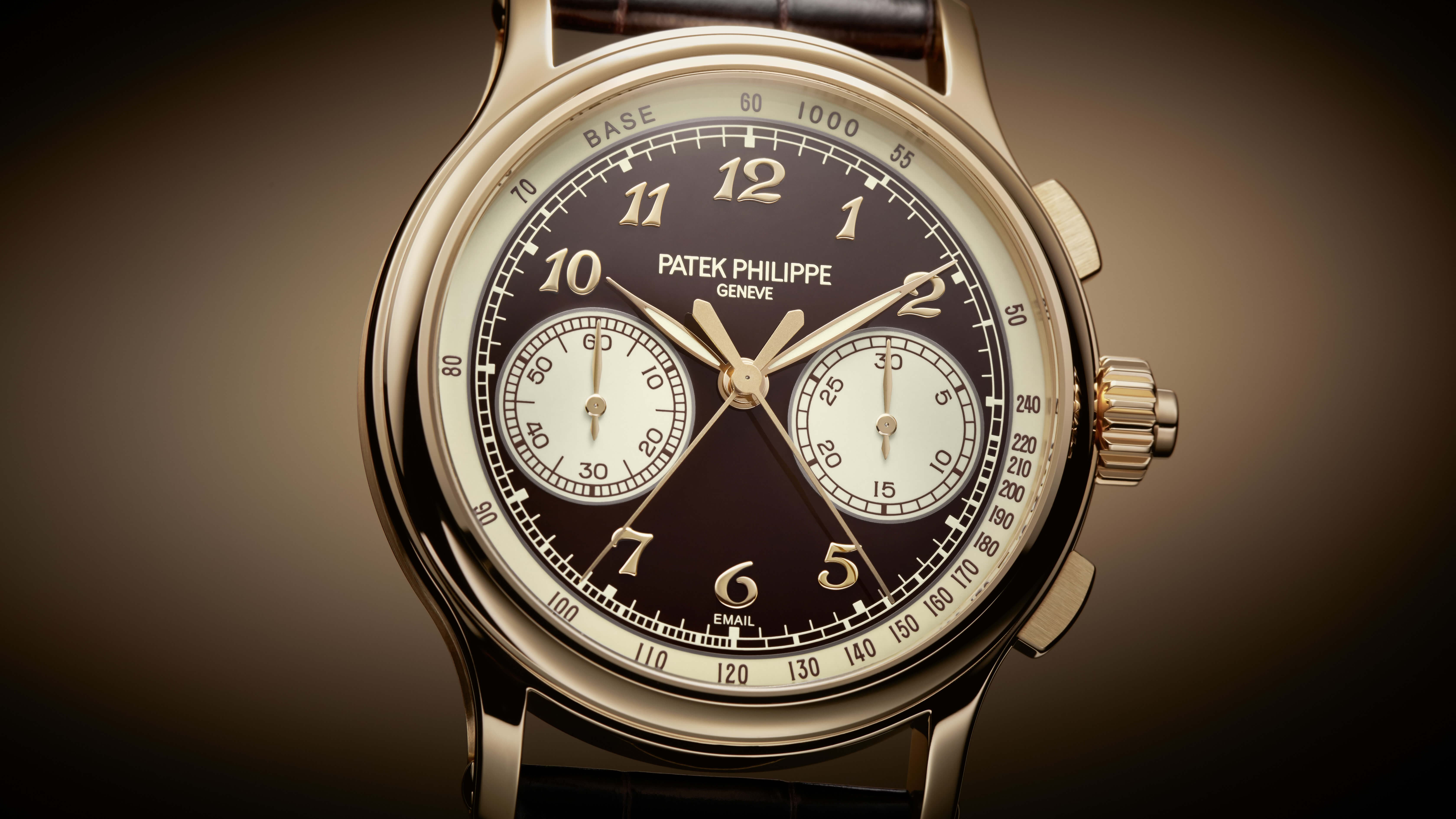 Patek Philippe Ref. 5370P
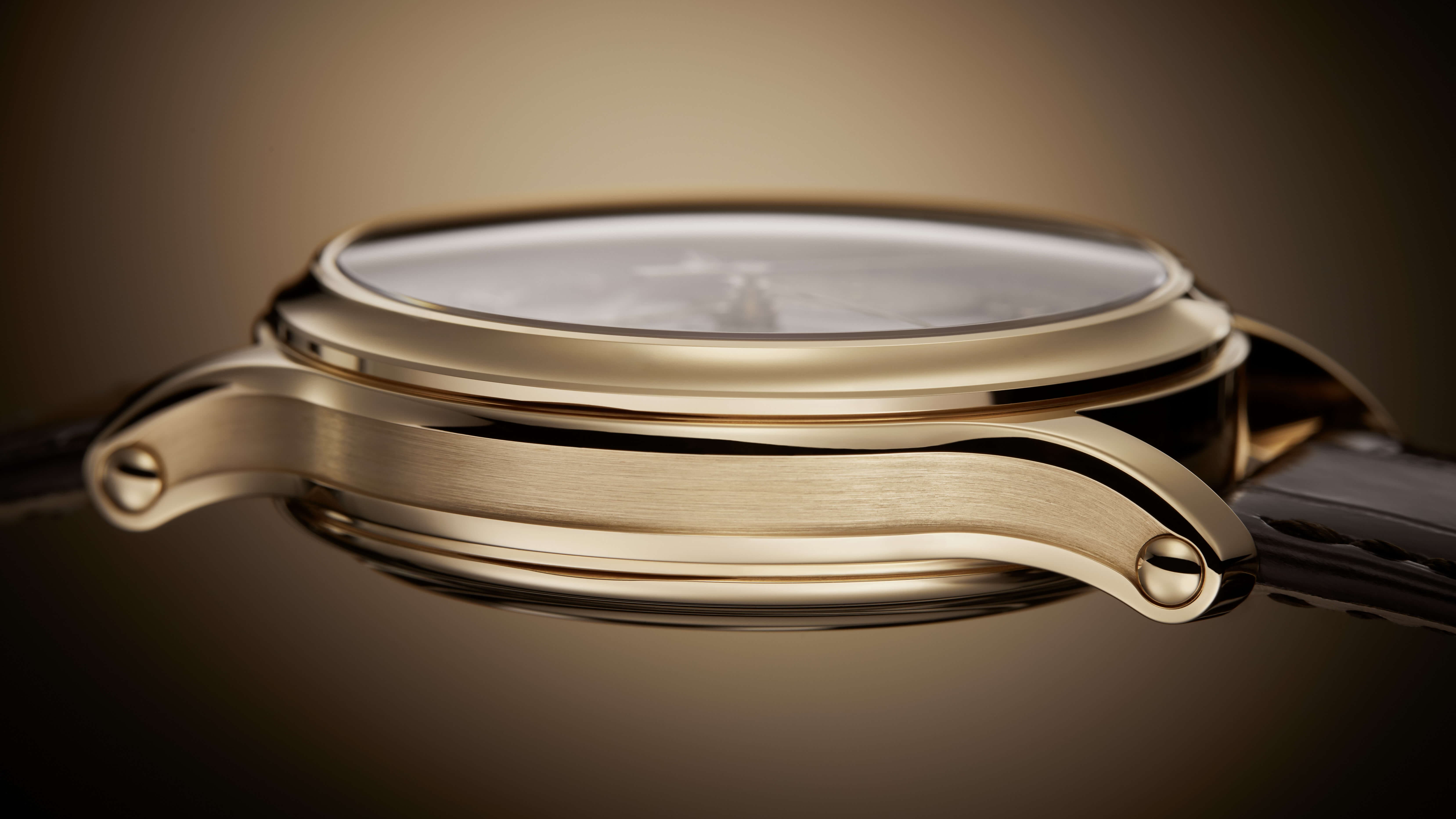
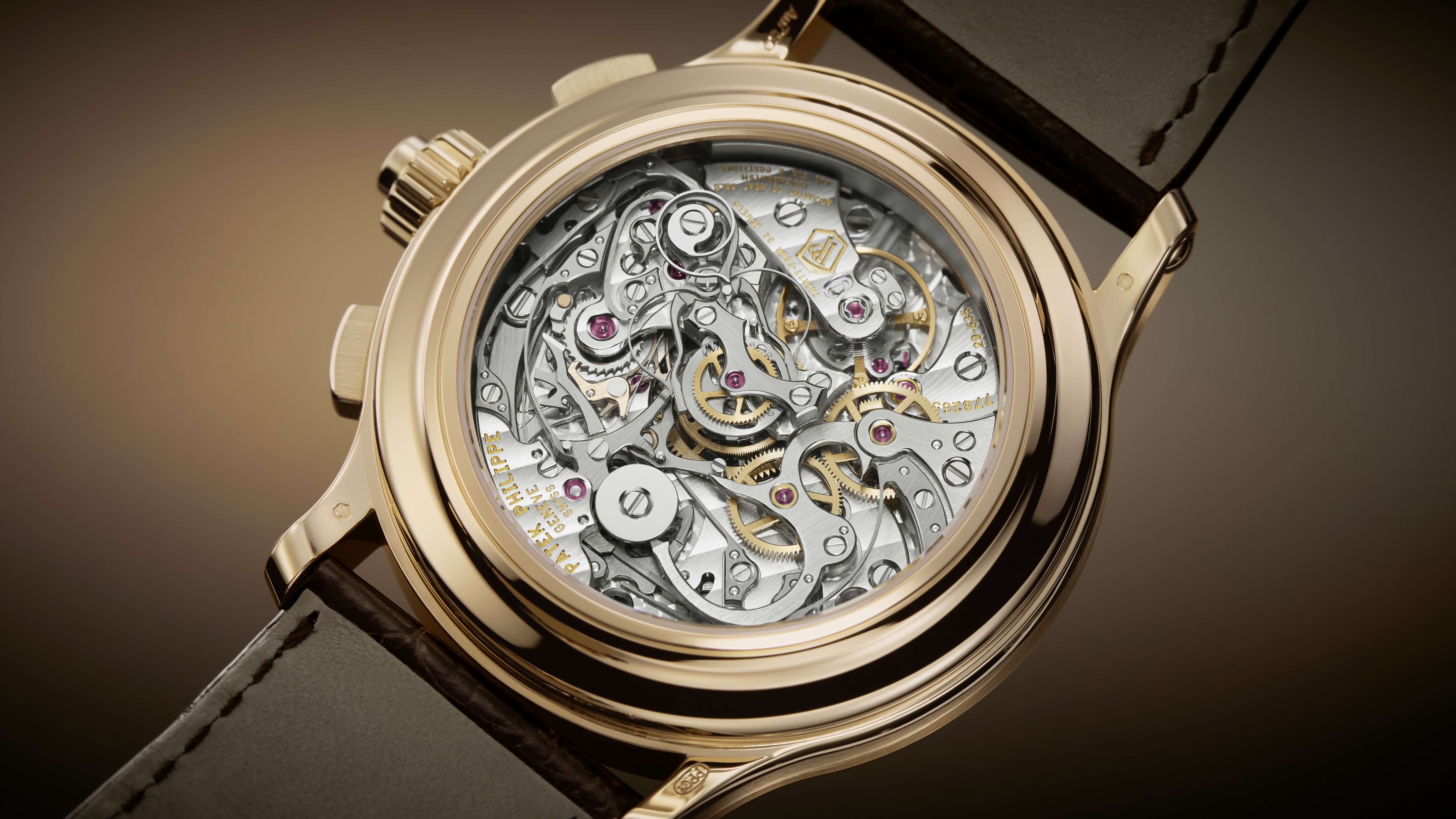
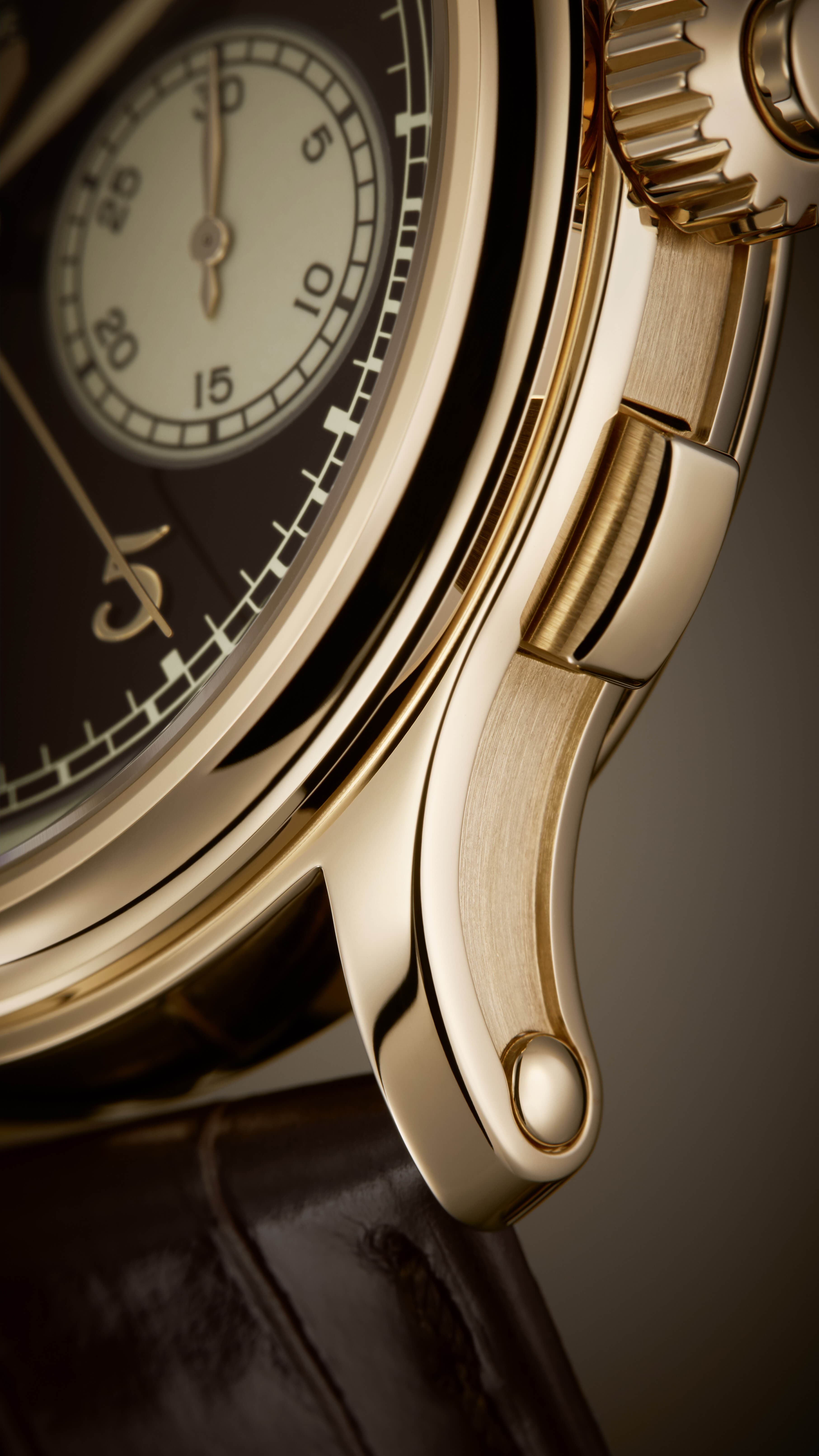


 Jay Sae Jung Oh with her Salvage furniture series. Image: saejungoh.com.


 Lange 1 Daymatic in Honeygold and Little Lange 1 in Pink Gold
 1815 (34mm) in Pink Gold


 Transparent caseback of the Perpetual 1908 in 18ct yellow gold
 Perpetual 1908 in 18ct yellow gold with Settimo bracelet
 Perpetual 1908 in 18ct yellow gold
 Calibre 7140
 Perpetual 1908 in 950 platinum


