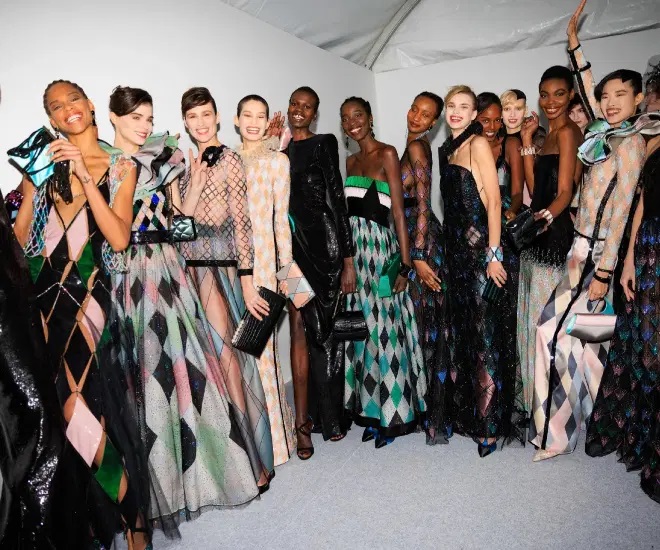
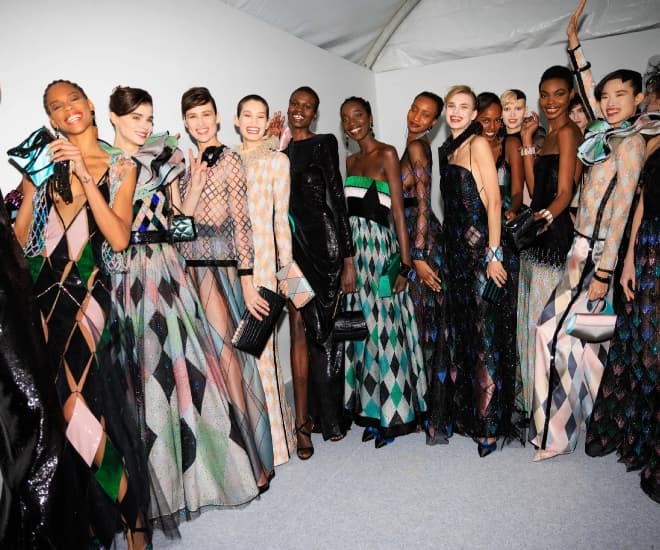
After increasing annual revenue last year by 16.5 per cent to €2.35 billion, Armani Group recorded positive growth of 18 per cent across all its sales channels in the first quarter of 2023..
By Joseph Low
There is much to celebrate at Italian luxury group Armani as the fashion house reported strong 2022 and Q1 2023 results as per the press release shared on 25 May. The group’s revenue ended 31 December rose 16.5 per cent to €2.35 billion when compared to 2021, and earnings before tax and interest grew 25 per cent to €289 million. As for the first quarter of 2023, Armani Group recorded positive growth of 18 per cent across all its sales channels.
As owners of Giorgio Armani, Emporio Armani and Armani Exchange, the group joins other companies like LVMH, Kering, Richemont and others in displaying resilience despite global and economic uncertainties like the ongoing conflict between Russia and Ukraine and rising prices. “Notwithstanding a global economic environment that is still characterised by multiple crises, all sales channels registered significant growth in 2022 over 2021,” shared the brand in a press release. A balanced breakdown was observed with “direct retail up 17 per cent, wholesale up 16 per cent, and e-commerce up 9 per cent”.
The group further elaborated that in 2022, its key markets were Europe and America as both were the first to relax public health restrictions and travel was reinstated. Performance on these two continents was up by 24 per cent and 19.5 per cent respectively. In contrast, Asia as a whole saw a decline of 6.3 per cent and the group “[attributed it] to extensive lockdowns and the reintroduction of strict mobility limitations, which in China were only lifted at the beginning of 2023.” Despite the shortfall, its constant focus on service quality has enabled the group to achieve a strong performance that contributed to continuous growth.
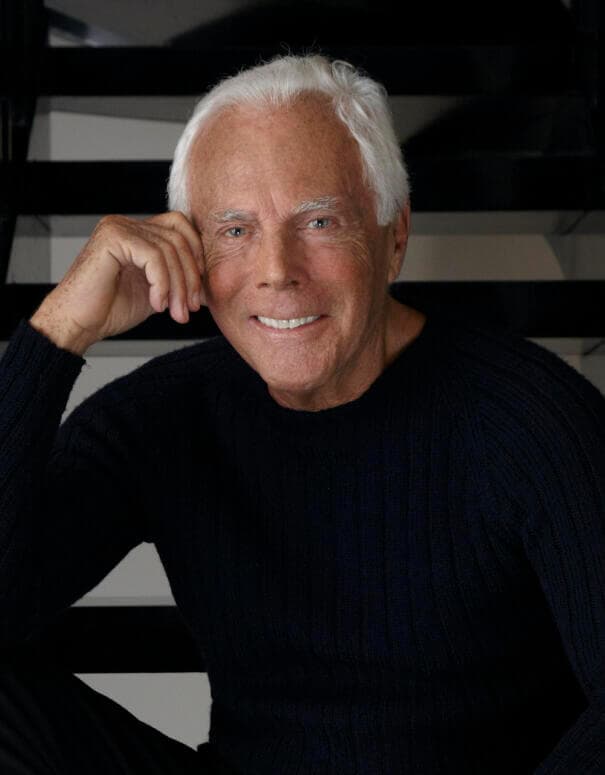
“The medium-long term strategic path I have chosen to undertake continues to prove effective as is evidenced in the results: 2022 ended with further growth that has continued into the first quarter of 2023, further solidifying the Group’s soundness,” commented Giorgio Armani, Chairman and CEO of the Armani Group.
“I am firmly convinced that operating with a vision aimed at continuity, following a concrete and consistent approach, centred on the values that have always underpinned my creative and managerial philosophy, is the only way to face the challenges and unforeseen events that characterise the current global scenario.”
“In an increasingly difficult and competitive context, I am proud to have been able to maintain my independence and the stability of the Group, also thanks to the work and commitment of my collaborators and employees.”
On the other hand, in Q1 of 2023, the geographical trends showed a significant shift when compared to 2022. Where most of the growth recorded was from Europe and America, its sales were given an additional boost from Asia. Led by China’s reopening, it reported a 14 per cent growth while Europe climbed 22 per cent and America at only 10 per cent. A slowdown in America has been on the horizon, and other luxury companies have also seen its sales from the region turn sluggish.
Just last week, LVMH’s Bernard Arnault, the world’s richest person, had US$11.2 billion wiped out after concerns about a softening US economy which will dampen demand for luxury goods. A report by Bloomberg said that LVMH’s shares fell 5 per cent, and this was amid a broader decline that erased about US$30 billion from the European luxury market. Across the board, CEOs at different companies have acknowledged US’ declining growth but most are hopeful of China’s post Covid-19 recovery to offset these differences in sales.
In a joint statement, Chief Commercial Officer Giuseppe Marsocci and COO and CFO Daniele Ballestrazzi said: “The adjustment period that followed the decision to reorganise the company’s portfolio by focusing on its three main brands, namely Giorgio Armani, Emporio Armani, and Armani Exchange may be considered concluded on a positive note with highly satisfactory sales levels, corroborated by even better growth trends in operating profitability.”
“In 2022, direct brand turnover — represented by sales of Armani branded products made directly by the group and third-party licensees — reached 4.6 billion euros, with estimated retail sales of over 6.5 billion euros. We are advancing, well ahead of schedule, towards the objectives set for 2025, the year that marks the 50th anniversary of Giorgio Armani.”
Aeronautical Acrobat: Bell & Ross BR 03-92 Patrouille de France 70th Anniversary
SHARE
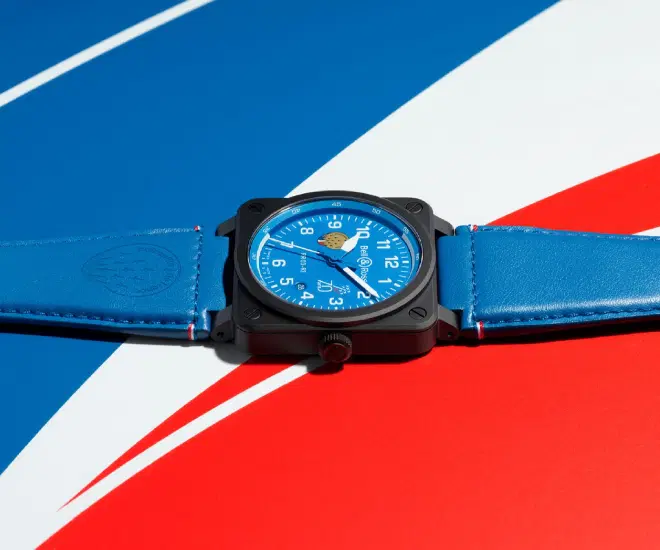
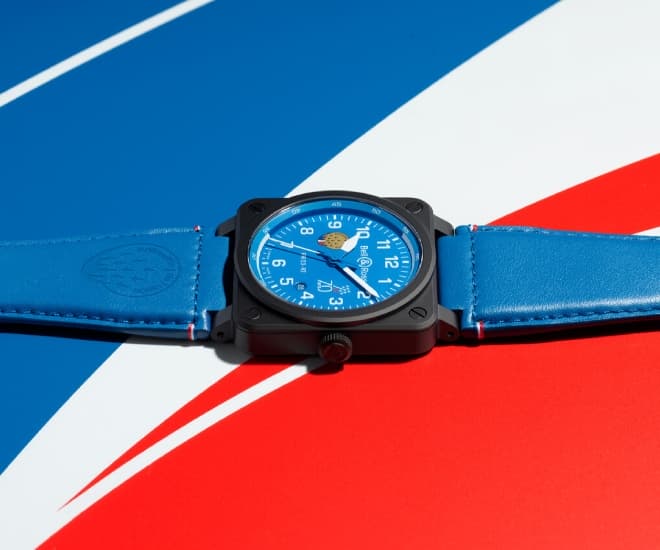
The vibrant blue of the Bell & Ross BR 03-92 Patrouille de France 70th Anniversary may be the first thing you see, but there is more to this beauty than meets the eye.
By Daniel Goh
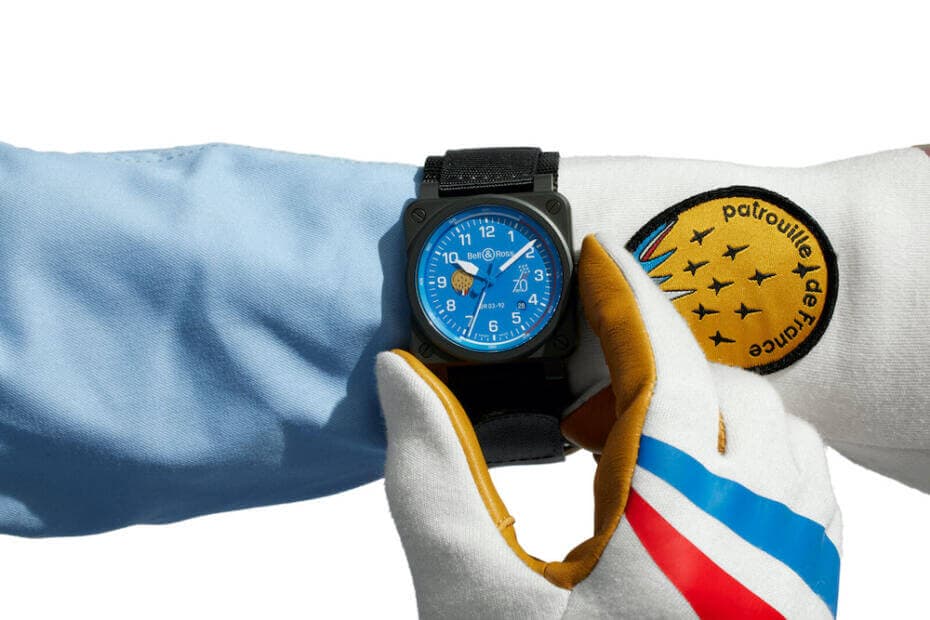
The watches of Bell & Ross may be Swiss Made but the heart and soul of the brand are very much entrenched in France. Therefore, it makes perfect sense that for an aviation partnership, in 2021, they chose the Patrouille de France, an elite unit of the French Air and Space Force. This year marks the 70th anniversary of this prestigious aerobatic display team that has built its reputation on the prowess of its pilots.
To celebrate this momentous milestone with Patrouille de France, Bell & Ross launched a limited edition of their BR 03-92 which offers a dial in a mesmerising shade of blue, a colour that mirrors the team’s Alpha Jet. The beautiful dial is combined with subtle elements of colour in the form of the yellow Patrouille de France insignia, a beautiful logo to indicate its 70th anniversary and the colours of the French flag represented on a ring around the dial. This vibrancy is balanced nicely with the white Arabic numerals and hand tips to ensure the utmost legibility. It is, after all, designed with the input of the pilots.
The 42mm width of the square BR 03-92 case is made of the same high-tech ceramic found on previous models and it has also been given a matte black coating to ensure the case maintains a utilitarian look. On the back side, the designers have taken special care to fit in all five aircraft that have flown since the creation of the Patrouille de France in 1953. This includes the Thunderjet which was flown during the team’s debut, the Alphajet which has been in service since 1981, and the Ouragan, Mystère IV and Fouga Magister which have helped forge their legacy. These planes, built not for their destructive capabilities but rather for agility and manoeuvrability in the skies, have very interesting silhouettes adding to the uniqueness of the caseback.
The BR 03-92 Patrouille de France 70th Anniversary is powered by the solid BR-CAL 302 movement and the entire watch is water resistant up to 100 metres. Whether you are a Francophile, aerophile or just looking for a new shade of dial colour, this new launch from Bell & Ross will appeal to at least one, if not all the mentioned demographics. And at only 999 pieces available worldwide, you can be sure that it will quickly ‘fly’ off the shelf.
This At-Home Cosmetic Laser Is the Secret To Perfect Skin
SHARE
Hailey Bieber, Gywneth Paltrow and Kate Hudson swear by it.
By LUXUO
Renowned dermatologists and skincare experts consider LYMA— the world’s first clinic-grade, FDA-approved cosmetic laser — a game-changer for its anti-ageing and skin-perfecting results. Engineered with medically-backed laser light therapy, this at-home handheld device totally transforms the health and appearance of the skin.
Loved by A-listers like Hailey Bieber, Kate Hudson and Gwyneth Paltrow, the LYMA Laser treats everything from fine lines and wrinkles to pigmentation, sun damage, redness, blemishes, scarring, and sagging skin, leaving it glowing with youthful radiance.
New York-based, A-list facialist Joanna Czech used LYMA on her celebrity clients for the 2023 Oscars and Met Gala and also considers it a secret weapon for perfect skin. “I like using LYMA in my facials because it tackles all major skin concerns and helps my clients achieve their skin goals,” she says. “There are billions of cells in the dermis which degenerate over time and the LYMA Laser reverses this process by repairing the cells. It reaches the deepest layers of the skin, including fat and muscle, which is why I recommend it for all my clients, no matter their age.”
To understand why LYMAis generating so much buzz in the skincare world, here’s a quick science lesson. Unlike traditional LED lasers — like the much-hyped Fraxel — LYMA uses laser light therapy (a technology borrowed from the medical industry) that has the ability to travel deep beyond the surface of the skin to repair damage at a cellular level while turbo-charging collagen production. It does this without inflicting any pain or damage and there’s zero downtime.
100 times more powerful than LED lasers, laser light technology works to trigger a genetic switch inside the skin cells telling them not to die off, but to recharge, regenerate and repair. This reverses any damage that ageing or environmental factors have caused to healthy skin cells and instructs the cells to produce more proteins, collagen, elastin, and fight free radicals. The result? Younger, plumper, smoother, healthier, and more radiant skin. Yes. Please.
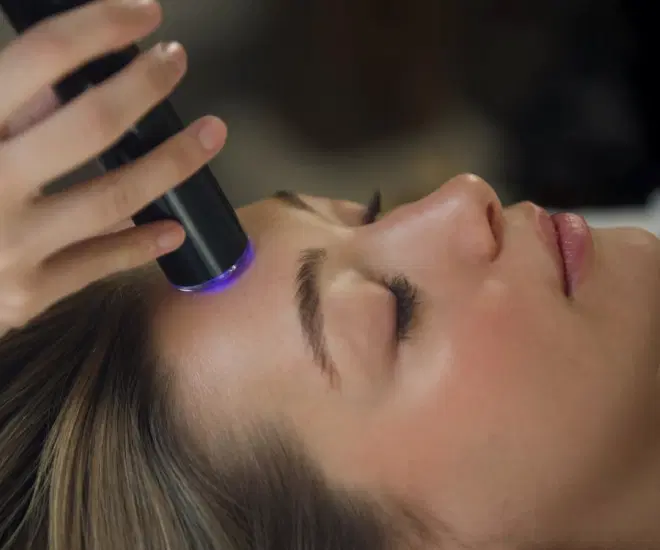
The slimline handheld light laser device is also super easy to use. Working in three simple steps, all you have to do is first apply six pumps of the LYMA Oxygen Mist to the face or area of skin requiring treatment — it works on the face, neck, chest, knees, body, and thread veins. Next, apply six pumps of the hydrating LYMA Oxygen Glide and then hold the LYMA Laser over each section of skin you’re treating for three minutes every day
“It’s the breakthrough beauty product of the decade,” says Graeme Glass, PhD FRCS, who happens to be a top London plastic surgeon and pioneering cosmetic skin care doctor, so we’re inclined to take his word for it.
In addition to renowned skin experts and celebrities raving about the incredible anti-ageing skin-boosting results ofLYMA, skin devotees also believe it’s a miracle worker. Says one happy convert, “I am really loving the laser! I have been using it almost every day for a year and I have definitely noticed an improvement in my skin tone and texture, overall glowiness, and a reduction in hyperpigmentation.”
Another says it has wound back the clock. “I have been using the LYMA laser religiously and what a difference it makes! I am turning 50 and people have been complimenting me on how good my skin is.” You only need to look at these before and after photos to see that the results speak for themselves:
To try itscomplexion-perfecting powersand get a celebrity glow-up, shop the LYMA Laser Starter Kit here. The US$2,499 kit includes the LYMA Laser, accessories, a travel pouch, and a Membership card which gives you exclusive access to member-only pricing.
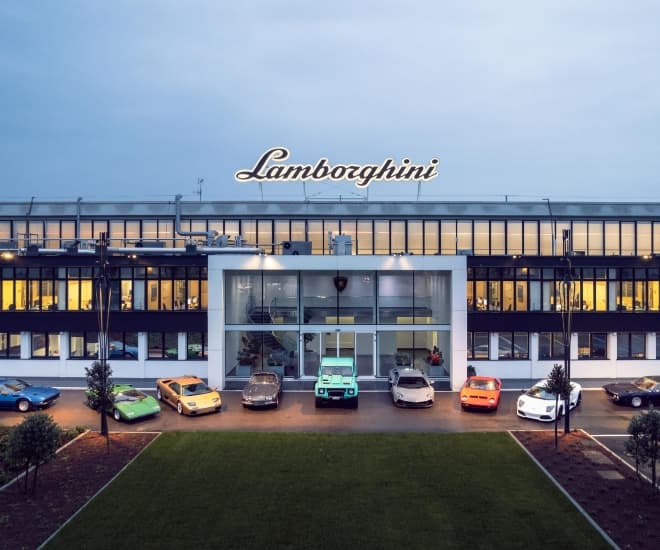
Leading the pack is Lamborghini with 46.1 per cent which amounted to €260 million and it is the best one yet.
By Joseph Low
The luxury sector is resilient. In the first quarter of 2023, major players in the field like LVHM, Hermès and Kering have beaten analysts’ expectations and achieved significant growth. In particular, LVMH, the parent owner of Louis Vuitton, Christian Dior and Tiffany & Co., is now Europe’s most valuable company at US$500 billion. What this means is that despite mounting inflationary pressures and economic uncertainty, the demand for luxury goods still remains high.
Extending beyond personal luxury goods like fashion, beauty and accessories, the sector for luxury cars is also seeing positive growth. Car makers like Lamborghini, Bentley, Porsche and Ferrari have posted double-digit growth for their respective first quarters. Leading the pack is Lamborghini with 46.1 per cent which amounted to €260 million. The Italian marque also mentioned that this was its best first-quarter result ever.
Stephan Winkelmann, the Chairman and CEO of Lamborghini said: “2023 will go down in Lamborghini as a landmark period in our history, and starting off our anniversary year with these figures can only make us proud. These results will allow us to tackle the upcoming challenges with increased enthusiasm. These include the start of the second stage of the “Direzione Cor Tauri” program, the most important investment plan in the company’s history, which will help Lamborghini to grow and develop even further.”
Bentley Batur
At British marque Bentley, its operation profit grew by 27 per cent to €216 million year-on-year while its revenue increased by 9 per cent to €882 million. The company said that “much of this was due to continued strong interest in model customisation, higher specification derivatives and higher option uptake, including the sales of unique Mulliner Coachbuilt and Limited Edition models.”
Porsche Macan S
While for German marker Porsche, it has been a great start so far as the company recorded a 25.5 per cent increase in revenue over the same quarter last year to €10.10 billion while the operating profit surged by 25.4 per cent to €1.84 billion. Among the different models, the SUVs are the most popular model with the Macan taking the lead at 23,880 units delivered to customers.
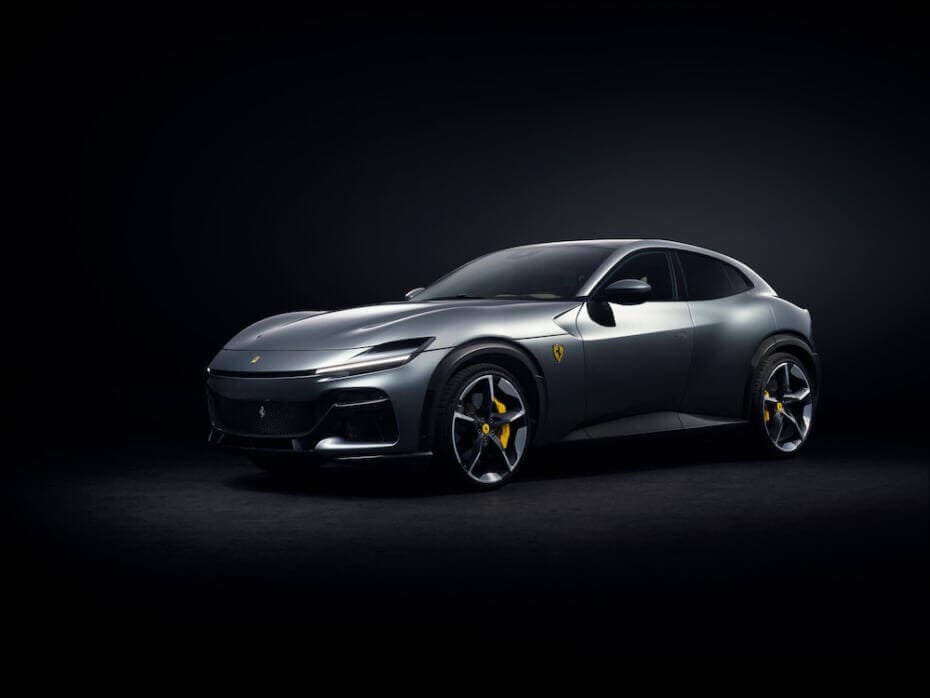
Ferrari Purosangue
For Ferrari, the company’s core earnings rose by 27 per cent to €1.42 billion when compared to the same period last year. As for the Prancing Horse’s operating profit, it is €385 million — a 25.3 per cent increase. The Italian luxury sportscar maker said it was reopening orders for the Purosangue, which had been suspended due to initial “unprecedented” demand. As one of the top models from the brand, Ferrari further shared that its order book filled up to the end of 2025 and those who had placed their order will have to wait until 2026 for it to be delivered.
With such a stellar first quarter, the financial performances of these luxury car brands show that the once perfect correlation between the stock market and luxury spending has been debunked. This is likely because the rich hold a more diverse portfolio and are less susceptible to market headwinds.
Street Artist Colorz Welcomes You to His “Urban Domain”
SHARE
Held at Cyril Kongo’s studio at The Mill, the opening night for the exhibition is on 13 May 2023.
By Joseph Low
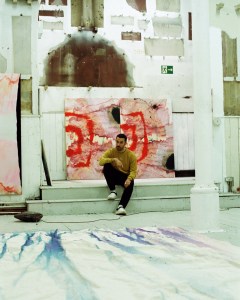
Sébastien Marc, aka ColorzFrench artist Sébastien Marc (AKA Colorz) will be holding an exhibition in Singapore at Cyril Kongo’s studio located at The Mill 03-03 this Saturday, 13 May 2023. The eclectic urban artist has over 25 years of experience and his works are found across the major cities like Paris, New York, Hong Kong and Tokyo.“Le Purple” 2023The exhibition, “Urban Domain” showcases Colorz’s unique artistic style that is known to be expressive yet controlled. Just like his longtime friend and fellow street artist Cyril Kongo, Colorz takes inspiration from the city’s streets. For Colorz, the streets of New York, Paris and many more are where sub-cultures are born and its rich social mores are encapsulated in his artworks. Acquainted with a host of mediums like canvas, aluminium and Plexiglass, the artist’s own brand of abstraction calls to mind great artists like Jackson Pollock and Gerhard Richter.“Mon Amour” 2023
“Jam Session” 2023
Looking at his body of work, it is clear that the canvases are heavily textured in the sense that it is a combination of different elements taken from his personal experiences. The colours, layers and strokes are like a kaleidoscope — seemingly distinct yet harmoniously compatible.
Showcasing the best of contemporary European cinema, the European Film Festival will be held from May 16-31 at The Projector.
By Joseph Low
“Cinema has the power to transport us to different worlds and open our minds to various perspectives,” shares Iwona Piórko, European Union Ambassador to Singapore. From 16 to 31 May, the European Union (EU) Delegation to Singapore will bring the best of contemporary European cinema to the heart of Singapore at independent cinema operator The Projector. More than 20 films across the EU and works from local young filmmakers will be showcased at the European Film Festival (EUFF).
While the EU and Singapore are seemingly distinct, the two actually have much in common. As a region comprising 27 member states, the EU is a melting pot of cultures, histories, languages and perspectives. In a similar vein, Singapore is a multicultural society with diverse groups of people from different backgrounds. Using the medium of film, society is not only entertained but is made known of salient issues through the storytelling of these filmmakers.
In our highly globalised world, it is impossible to stay isolated from the world and its ever-changing landscape. So, film festivals such as EUFF are platforms for these exchanges to happen. “[EUFF]’s continued run is a testament to the enduring power of cinema to bring people together and promote cultural exchange, even in the midst of unprecedented challenges,” Piórko adds in a statement. “I hope this year’s festival will continue to inspire and enrich audiences in Singapore and beyond.”
For last year’s edition, the EUFF picked Ukraine as its featured country and a Ukrainian film was chosen for the opening. Choosing Ukraine was a sign of support that the EU is showing for the country currently in conflict and as an organisation “we continue to stay united in our support for Ukraine and its people for as long as it takes.”
Sweden is the featured country this year, and the EUFF will open with the film “Hilma”. This critically acclaimed film explores the themes of love, loss and personal growth. Its protagonist is Hilma af Klint, a revolutionary Swedish artist and feminist pioneer. The film chronicles her journey in the 1900s as a female artist trying to break into a male-dominated field. The multi-layered and nuanced biopic also explores the spiritual beliefs that influenced her art and her body of work.
“We also continue our celebration of youth by championing their ideas,” Piórko shares at EUFF 2023 media conference. “In this context, our collaboration with young Singaporean filmmakers sees the screening of their films alongside the main festival shows. We present student films from three schools: Lasalle College of the Arts Puttnam School of Film and Animation; Ngee Ann Polytechnic’s School of Film & Media Studies and Nanyang Technological University’s School of Art, Design and Media.”
Tickets for the EUFF are priced at S$15 on weekdays and weekends and are available for purchase here.
Breguet Quantième Perpétuel 7327: New Perpetual Calendar
SHARE
Breguet updates its Classique Perpetual Calendar with the new Quantième Perpétuel 7327 that comes just under 10mm.
By Ashok Soman
Breguet Quantième Perpétuel 7327
On the heels of Watches and Wonders Geneva, Breguet has revealed the new Quantième Perpétuel 7327, marking the debut of a new perpetual calendar from the storied watchmaker. In a season dominated by chronographs — Breguet has its own something-something coming up — it is great to see a new execution of the most complex of all calendar mechanisms, the perpetual calendar. This writer is somewhat biased towards calendar complications, and to asymmetric dial layouts so the Breguet Quantième Perpétuel 7327 is a straight-up win. Collectors should note that reference 7327 is a replacement for reference 5327, the Classique perpetual calendar that was a mainstay of that collection. You can see from the layout of displays on the dial that there is a new calibre at work here.
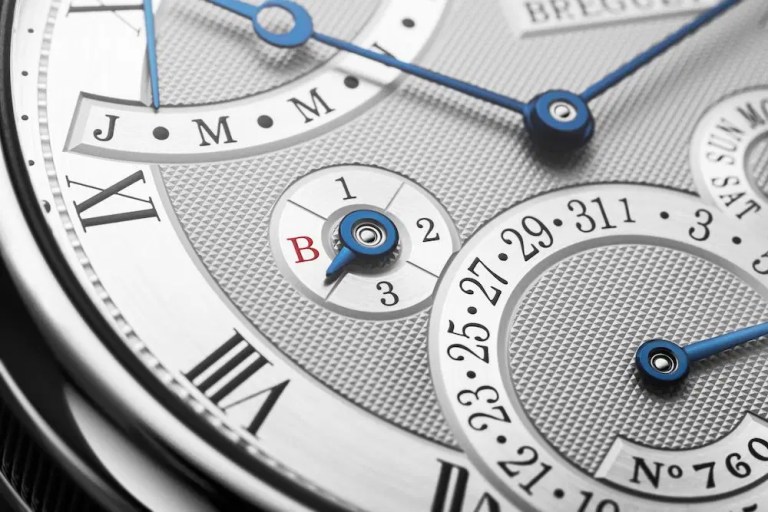
We begin with the new automatic calibre 502.3.P, which delivers a highly unusual retrograde date display (between 9 o’clock and 12 o’clock on the dial); this is the most obvious sign that there is a new movement here, and is how we distinguished this model. Oddly, Breguet did not lead with this information in its publicity materials (we have not seen it in person), yet this is precisely what collectors should take note of. Basically, it makes reference 7327 an important milestone for Breguet. The hairspring and anchor are in silicon, which is par for the course at the manufacture, and the escapement beats at 3Hz.
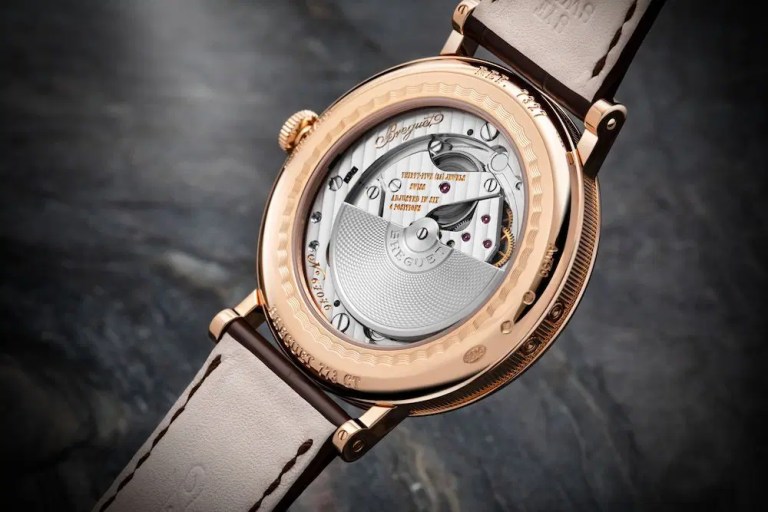
Significantly, the calibre is just 4.5mm thick, allowing the case to come in at under 10mm — this is just right to fit under a sleeve. Breguet faithful will recognise calibre 502.3.P as an evolution of the ultra-thin calibre 502 (and thus another upgrade to the original Frederique Piguet calibre 70, as reported by Watches by SJX), and the brand says that the calendar mechanism was added as module. There are a total of 294 components in total. The modular construction is perhaps slightly disappointing for purists who insist on integrated calibres, but we think that reference 7327 should be judged on its overall merits (for the record, we would love to see how the 21st century Breguet manufacture would approach engineering a perpetual calendar from the ground up, particularly with regards to the 45-hour power reserve, which is well below contemporary expectations).
While we have not seen the watch in the metal, Breguet lists an impressive list of finishing arts here, including a circular barleycorn motif (rose-engine handworked) on the oscillating weight, Geneva stripes on the bridges, and chamfered edges on many components. A look at the real calibre will reveal a lot about the quality and nature of the finishing, but Breguet is certainly on par with other brands at the haute horlogerie level.
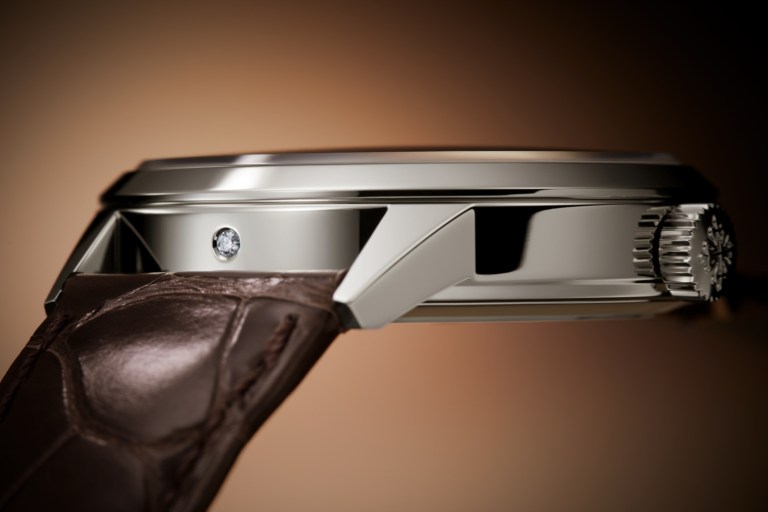
Turning to the case and dial, note the fluting on the case middle and the straight lugs, both of which are Breguet staples. The 39mm watch is available in white gold and rose gold, but the dial and hands remain the same in both. The hands are called “Breguet” because Abraham-Louis Breguet came up with the design, but the brand also prosaically refers to this style as “moon” tip hands. Overall, the 7327 is very fetching, including the update to the moon phase display (no more smiling anthropomorphised moon), and the balance of the information on the guilloche dial.
We have some questions about the fit here, given the style of lugs, and we will return to this story with updates once we see the watch. Having said that, if you are in the market for a distinctive perpetual calendar with a grand story, and have S$116,300 to spare (same price in either gold), the Quantième Perpétuel 7327 might be it.
There are two camps of people –one that is obsessed with overt portrayals of wealth, and another that prefers to lay low.
By Gabriela Serpa Royo
Casts of HBO’s Succession series.
If Emily in Paris reflects luxury in a society that has vastly democratised and made a spectacle of what it means to be and look “luxe”, the clothes of Succession sneer at that notion. Recent shifts in culture, like the rise of celebrity influencers and the advent of thrifted or rented designer goods, have changed the rules of the luxury market entirely, making it possible for more people to participate in the category than ever before. There are two camps of people: one that exalts in owning logo-filled fashion pieces or outwardly portraying their wealth with the number of sports cars and yachts they own; and the other, who prefers to go incognito while still enjoying a luxuriant lifestyle.
Characters in the award-winning show, Succession, fit neatly into the latter category. For those who have a penchant for conspicuous showing of wealth, the self-effacing nature of Succession fashion feels impenetrable and mysterious, if not also unsettling and indecipherable. For years, the show’s characters have garnered attention for their outfits, part of the fanfare being that the clothes worn by the uber-wealthy characters are understated and unbranded.
Jeremy Strong plays Kendall Roy in the award-winning series, Succession.
In the Succession season 4 premiere, Kendall Roy, one of the show’s protagonists, wears jeans, a t-shirt, a bomber jacket and a baseball jacket, a combination that at face value, could be from Uniqlo. After some sleuthing, it was determined that the outfit was a combination of pieces by Gucci and Loro Piana that cost a little under 10K. Society for a long time has been accustomed to overt display of wealth, yet Succession’s has camouflaged their on-screen billionaires in inconspicuous wealth. Where online aspirationationalism can often parade as a rotating cycle of expensive monogrammed handbags, Succession paints an image of luxury that ignores trends entirely.
Not everyone can afford that luxury. Season after season, we see supporting characters desperately struggling to dress the part in the Roy family’s world. From the show’s very first episode, when family patriarch Logan Roy all but sneers at the Patek Philippe gifted to him by his son-in-law, the audience is made to understand that to be a try-hard is a faux-pas, no matter the price tag. A season later, his son Kendall (who is admittedly the most try-hard of the Roy siblings) dresses the part of an art startup bro in a bid to invest in a company. Recognising himself as a poser, he interrupts the meeting to take off the Lanvin shoes that he bought for the occasion. Embarrassed, the richest guy in the room outs himself as an outsider and loses his shot. Not even his money could grant him insider status.
Today, in the age of “picture or it didn’t happen” luxury is arguably more about status than it is about money, comfort or experience. When Greg Hirsch, played by Nicholas Braun, shows up to Logan Roy’s birthday party with a date donning a $2,890 Burberry tote, it’s an immediate red flag for Succession’s elite, who immediately dismiss her bag as “ludicrously capacious”. “What’s even in there, huh? Flat shoes for the subway? Her lunch pail?” says Matthew Macfadyen’s character, Tom Wambsgans. “I mean, Greg, it’s monstrous. It’s gargantuan. You could take it camping. You could slide it across the floor after a bank job”.
The internet has since been littered with debates about the exchange as an obnoxious display of elitism, a judgement on fashion, and of course, the value of the bag itself. People on social media have been quick to label their own accessories as “ludicrously capacious”, and news outlets have quickly gotten in on the joke, advertising the best capacious bags of the season. Meanwhile, people are signalling the return of the “old money” aesthetic, dubbing the “quiet luxury” look a massive trend to watch for 2023. What’s fascinating about the moment’s influence isn’t its reach (any show with a massive following is expected to turn memeable in the blink of an eye), it’s how reactions to the bag are splintered, and what that splintering shows us about the fragmentation of luxury itself.
Culture is always fragmenting itself, the cracks getting deeper and more reflective with every passing year that we’re online. Back in the early days of Instagram, the rise of so-called “hipster” culture meant that everyone was trying really hard to be alternative. ‘Normcore’, an aesthetic built on the promise of plainness, and a rejection of individuality altogether, was born as a reaction to a culture obsessed with difference. One group found status by playing into the tide of pop culture, while the other did it by ignoring it aggressively, and self-awarely.
HBO’s Succession poster.Today, when social media’s grasp on our lives has expanded beyond notions of cool, and into pretty much everything else, luxury finds itself in a similar situation. On one side sits Emily, making a name for herself on social media with her loud prints and love of the ludicrous (albeit not necessarily capacious). On the other are the Roy siblings, with their Loro Piana shoes, $500 baseball caps and a whole host of “investment normcore” pieces. Both sides are dressed to reveal different beliefs about luxury, but both sides play into luxury as a telltale sign of status all the same. Even, like when in Succession, luxury doesn’t need ostentation, it is a “flex” all the same. In a media climate that begs people to constantly express who they are, our decisions about how we do and do not choose to express luxury are about who we aspire to be. Where luxury was once about scarcity and exclusivity, the word has mutated it into something else entirely, with tentacles spreading in every direction. To be an Emily, or to be a Roy, it’s all a matter of decision, but in 2023, both are luxe.
This article was contributed by Gabriela Serpa Royo, Behavioural Analyst, Canvas8.
Lamborghini Revuelto: The First Super Sports V12 Hybrid HPEV
SHARE
The latest model features an aspirated V12 engine and three electric motors with a total of 1,001 horsepower.
By Joseph Low
When Lamborghini announced that it would discontinue the production of the Aventador, it signalled the end of an era. For a decade, the Aventador represented the pinnacle of luxury sports cars, and the last naturally aspirated Lamborghini to be produced in Sant’Agata Bolognese was the Aventador LP 780-4 Ultimae Roadster. But following months of teases and speculations, the Raging Bull has unveiled a successor for the Aventador, the Lamborghini Revuelto — the first super sports V12 hybrid plug-in HPEV (High Performance Electrified Vehicle).
This beast is a befitting sports car to celebrate the 60th anniversary of Lamborghini while also marked the first foray into the world of electrification by the Italian automaker. According to the plans set forth by the brand, it is on track to become electrified, and the Revuelto is the first hybrid model from Lamborghini. Powering the Revuelto is a combination of an internal combustion engine as well as three electric motors. The former is Lamborghini’s signature 6.5-litre V12 engine, which has been used in its flagships for decades. With the aspirated engine alone, the Revuelto can deliver 814bhp at 9,250rmp and 725Nm of torque. Combined with the three electric motors, the car can hit 1,001bhp.
As for the “newer” component of its powertrain, two motors are located on the front axle and another above the eight-speed double-clutch gearbox. A lithium-ion high power battery pack powers the three motors. Coupled with the ICE, its acceleration from 0 to 100km/h only takes 2.5 seconds, and it can also hit a top speed of more than 350km/h.
The battery motors are recharged via three methods: charging via an outlet that only takes 30 minutes to recharge fully; regenerative braking from the front wheels; or directly from the V12 engine in just under six minutes. With such a powerful car, one would expect the batteries to be heavy, but Lamborghini has kept it at 70kg. To further mitigate the effects of the battery pack, the Revuelto is built upon the marque’s new aeronautics-inspired chassis, the “monofuselage”. This chassis is made of multi-technology carbon fibre, with forged composites for the front structure, allowing for a 25 per cent increase in torsional stiffness over the Aventador while being 10 per cent lighter.
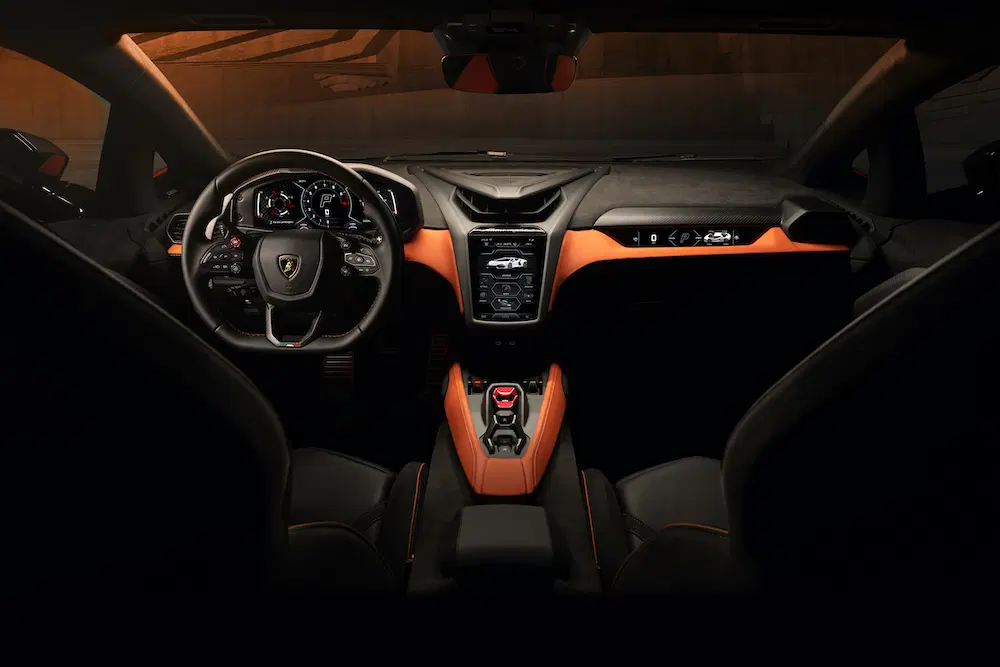
The Revuelto has a striking appearance that is sure to turn heads. While the powertrain is the most talked-about aspect of the car, its design is just as impressive. With a wedge shape, sharp angles, and scissor doors, the Revuelto is an exaggerated version of the Aventador, complete with a rocket ship-like rear and a front fascia featuring hooded headlights and Y-shaped running lights. Despite its aggressive exterior, the cabin is surprisingly spacious, with more headroom than previous Lamborghini models. The driver’s cockpit resembles a fighter jet with three digital displays, including a 12.3-inch digital gauge cluster, an 8.4-inch infotainment screen and a slightly larger display at 9.1-inch for the passenger. To maximise the hybrid powertrain, the driver can choose from 13 driving modes using the squared-off steering wheel and infotainment system, including Recharge, Hybrid, and Performance.
Overall, the Revuelto is a beautiful and innovative supercar from Lamborghini. Its potent new powertrain is sure to capture attention, but the design and interior of the car are also noteworthy. With a unique and bold exterior design and a spacious and technologically advanced cabin, the Revuelto is a step forward for Lamborghini as it embarks on a new era of electrification. The driver can choose from various driving modes to make the most of the hybrid powertrain, and the fighter jet-style cockpit will surely make for an exciting driving experience.
“The new Revuelto is a milestone in the history of Lamborghini, and an important pillar in our Direzione Cor Tauri electrification strategy,” said Stephan Winkelmann, Lamborghini Chairman and CEO. “It is a unique and innovative car but at the same time faithful to our DNA: the V12 is an iconic symbol of our super sports heritage and history. Revuelto was born to break the mould, combining a new 12-cylinder engine with hybrid technology, creating the perfect balance between delivering the emotion that our clients want with the necessity to reduce emissions.”
This Mallorca Beach House Should be Your Next Holiday Abode
SHARE
With access to the sea, a concierge and delicious food, what is there not to like at the beach house.
By Joseph Low
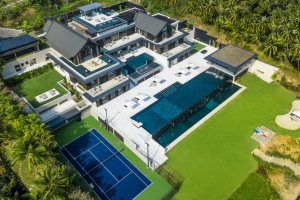
Known for its beautiful coastline, secluded coves, wineries, fresh produce farms and many more, Spain’s Mallorca is a popular destination for holiday-goers. Its Mediterranean climate is also a huge attraction for those looking to escape the cold during winter or the sweltering heat of summer. Those looking to take advantage of what Mallorca has to offer have a chance to buy a beach house and build the perfect base for a family vacation.
Nestled at Cap Depera, a renovated beach house sits just above the sea on the rocks along the up-and-coming east coast of Mallorca. Located in a quiet neighbourhood, the property is discreetly positioned with trees lined around it. This house is one of the best choices for families that value their privacy.
Just behind the house is private access to the beach, and it only takes five minutes to reach it. With such proximity to the beach, partaking in water activities could be the family’s next favourite pastime. There is also the possibility of docking a boat or even housing sea kayaks and paddle boards. Looking to venture further out the coast? Boat chartering services are also available. If the sea is not the top pick of the day, there is a large free form pool that the family can use and it comes heated should the weather turn chilly.
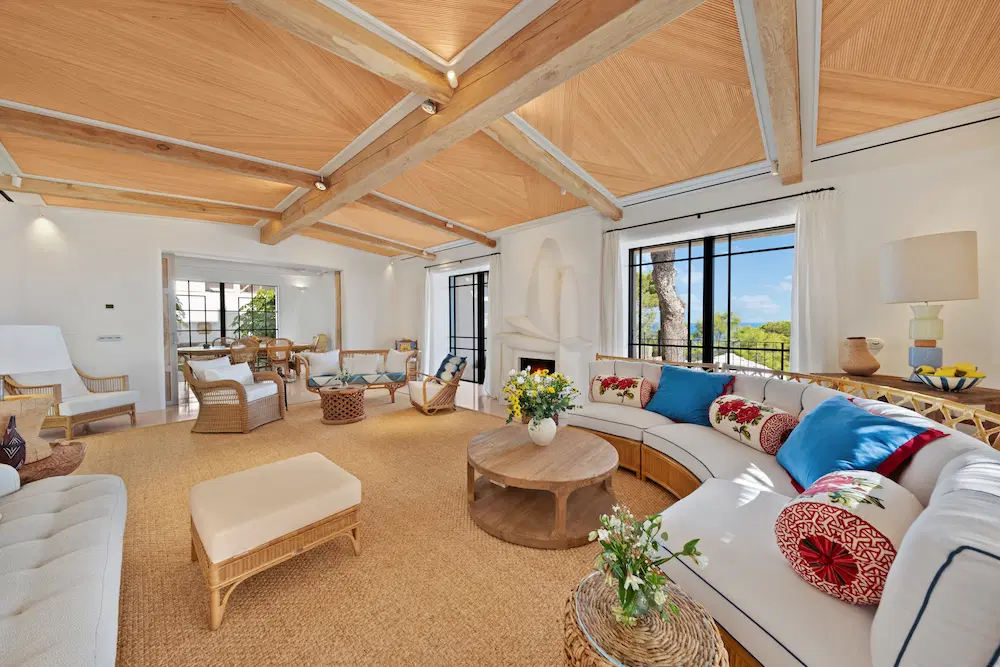
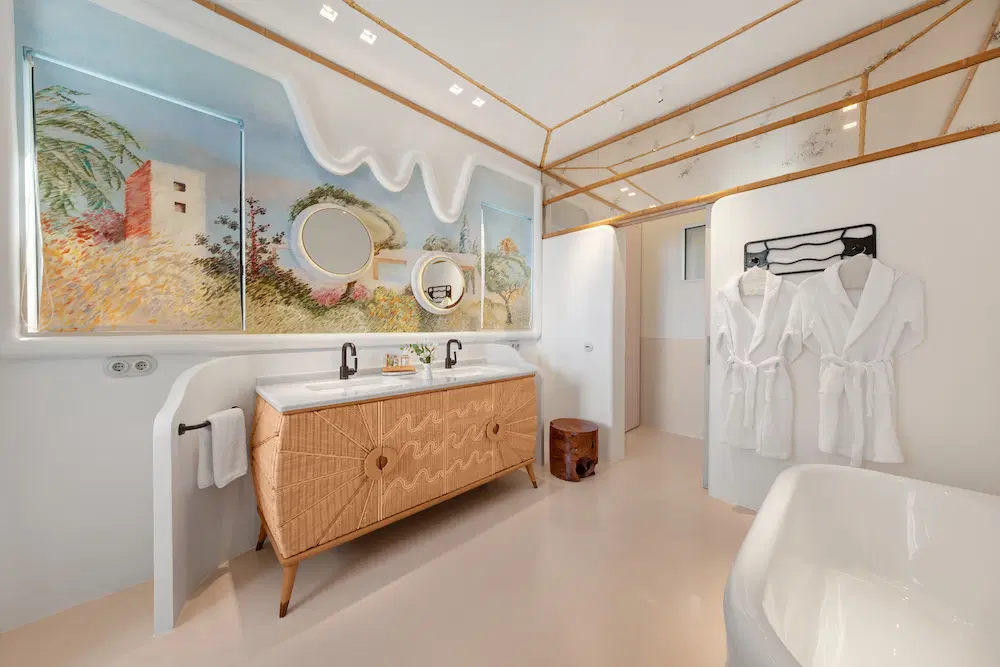
Moving on to the house, the property is a masterclass in design and artisanal work. From the doors to cupboards and windows, these are all hand-crafted to the highest specifications. To elevate the vacation vibes, the house is dressed in subtle colours one would associate with relaxed beach living. Rattan furniture, one of the hallmarks of living by the beach, occupy the space with generous amount of cushions.
On the upper floor is a double bedroom with en-suite bathroom. A level down, on the garden floor, there are three more en-suite bedrooms that open out to the pool and the sea, and at the entrance level is a self-contained master suite that sits privately to one side of the house. Apart from having its own bar station, the suite comes with a balcony and a sitting room where you can spend the day watching your favourite shows on the large-screen TV.
The house is looked after by a charming concierge and two wonderful Spanish ladies who will dish out delicious food with ingredients sourced locally. Getting around the area is fairly easy as most places are within a short five minutes walk like the Cap Depera village, while the golf course is just a five-minute drive. The airport, Palma de Mallorca international airport, is only an hour away from the house.
With most of the amenities already provided for alongside the stunning location, this beach house at Cap Depera, Mallorca, should be your next holiday house.
For all information and bookings, you may contact SJ Villas, the boutique villa agency headquartered in London.
Rolex Mission Blue Galápagos Expedition: A Commitment to Protect our Ocean
SHARE
With Rolex’s support, Mission Blue conducted a two-week research expedition across the Galápagos Islands to gather crucial data for conservancy efforts
By Jamie Tan
Argo, a state-of-the-art research vessel, is moored off of Wolf Island during the Mission Blue Galápagos expedition in 2022.
The Galápagos Islands and their waters are among the most biodiverse regions in the world. The environment is also home to an unusually large number of endemic species due to its remote location in the Pacific Ocean, some 900 km from continental Ecuador’s west coast. This unique set of qualities has made the Galápagos an especially important focus of ocean conservation efforts.
Indeed, much has been accomplished. The Ecuadorian government, for instance, established the Galápagos Marine Reserve to protect the islands’ waters in 1998, then expanded the reserve’s coverage by approximately 50 per cent in 2021 to its present size of 133,000 km2. Ocean conservation non-profit Mission Blue, founded by the famed marine biologist and Rolex Testimonee Sylvia Earle, also designated the Galápagos waters as one of its first Hope Spots in 2010.
Sylvia Earle, Rolex Testimonee and founder of Mission Blue, in front of the DeepSee submersible. In 2022, she led an expedition to the Galápagos Islands Hope Spot.
Far from being a one and done process, however, ocean conservation is an ongoing endeavour. To that end, Earle led a multi-institutional team of scientists on a two-week research expedition across the Galápagos Islands Hope Spot in 2022. Conducted with Rolex’s support, the Mission Blue Galápagos expedition worked to assess the impact of the existing protections that are in place, as well as to identify the challenges and opportunities for future conservation efforts.
Impact Study
A Galápagos shark patrols the reefs of the Galápagos Islands Hope Spot.
Earle, a Rolex Testimonee since 1982, is a veteran marine biologist and oceanographer with over six decades of experience in these fields. Her first visit to the Galápagos took place in 1966, when she discovered its waters teeming with life and remarked that they were “the sharkiest, fishiest place” she’d ever been. Since then, the wider awareness of the volcanic archipelago has grown exponentially. Unfortunately, this has resulted in greater pressures on the delicate ecosystems of the Galápagos, whether from pollution, invasive species, or demands on its resources. Protecting the region is thus more critical than ever before.
Manuel Yepez, conservationist and Mission Blue co-Champion for the Galápagos Islands Hope Spot, attempts to trap and tag a tiger shark near the famous Darwin’s arch.
A large part of the expedition was devoted to revealing the hidden and forgotten diversity beneath the waves to provide a baseline value of ecosystem health that can be tracked by future surveys.To do so, the expedition employed a range of cutting-edge technologies such as underwater video systems, which allowed the expedition team to collect population data for little studied animals such as endemic slipper lobsters.
Marine biologist Diana Pazmiño filters a water sample as part of her environmental DNA analysis.
To complement the above, eDNA (i.e. environmental DNA) analysis was also used. The technique involves isolating and sequencing DNA found in the environment being studied, in this case via seawater samples. The crucial advantage here is that data on organisms that elude visual study can still be gathered. Unsurprisingly, eDNA analysis did turn up interesting results. “Most of our sequences are not matching any public database,” shared Diana Pazmiño, a researcher with the Galápagos Science Center. “[This] means that not many things have been sequenced from the Galápagos, or there are things that are new to science that we have not identified yet.”
Sylvia Earle and Salome Buglass descend in the DeepSee submersible in search of deep sea kelp that may be new to science, during the Mission Blue Galápagos expedition in 2022.
This finding paralleled an earlier expedition undertaken by Earle and Salome Buglass of the Charles Darwin Foundation, which took place the year before. During that study, a new species of kelp was discovered deep beneath the water’s surface. The two scientists followed up on the discovery on the 2022 expedition by exploring the Galápagos’ depths in the DeepSee submersible, where they uncovered lush hidden forests of kelp. There are now tentative theories that these kelp forests are critical in maintaining the region’s biodiversity. “Kelp forests in other parts of the world have a critical role in supporting biodiversity,” explained Buglass, “and maybe we have found that piece of the puzzle that explains why biodiversity and biomass are so amazingly rich in the Galápagos.”
Various other broad-based studies were also undertaken during the 2022 expedition, from mapping the foraging grounds of penguin colonies to measuring microplastic levels. The expedition team continued ongoing long-term research into the transoceanic movements of marine animals too by, for example, capturing location tags of sharks that have come from as far away as the Gulf of Mexico. This is particularly important, as it supports the view that international cooperation is vital to ocean conservation work — as well as the need to expand marine protections further. In 2021, Ecuador, Panama, Colombia, and Costa Rica jointly announced the creation of the Eastern Tropical Pacific Marine Corridor, which expanded and linked the four countries’ protected waters to create a fishing-free “swimway” for migratory sharks, turtles, rays and whales. The expedition’s findings have demonstrated the need for more such swimways — globally, no less — to protect marine wildlife, and the need to think on a larger scale beyond national borders.
A Model To Follow
In many ways, the Galápagos Islands Hope Spot is a bellwether for ocean conservancy as a whole. On one level, the attention and support that the islands receive mean that the region has, arguably, the greatest chance of success in this area. As Earle herself has succinctly asked, “If you can’t protect the Galápagos Islands, what part of the planet can you protect?”
Alex Hearn, Mission Blue co-Champion for the Galápagos Islands Hope Spot and Professor of Marine Biology at Universidad San Francisco de Quito, retrieves and replaces a receiver that has been detecting tagged marine animals passing by.
On another level, the work that is being done in the region also has the potential to serve as the model for conservancy projects elsewhere to follow. Alex Hearn, an ecologist from the Galápagos Science Center who convened the team of scientists for the expedition, believes that “if we can get it right here [in the Galápagos], that is a blueprint for getting it right across the planet.” From best practices in monitoring the markers of an ecosystem’s health to cross-disciplinary approaches for reversing human impacts on the environment, the Galápagos Islands Hope Spot is serving as a pioneer in the field, with lessons learned from its management percolating to other Hope Spots — and beyond.
The Bigger Picture
Mission Blue will, of course, continue to establish Hope Spots around the world to protect oceanic regions of significant value. Since its founding in 2009 by Earle, the organisation has already created a network of 150 Hope Spots covering nearly 58 million km2 of the oceans. The goal is to extend this protection to 30 per cent of the oceans by 2030.
Rolex’s support for Mission Blue is part of its overall commitment to protecting the planet. This is an extension of its work in championing exploration — both for the sake of discovery and to push the limits of human endeavour. The brand subsumed its efforts in this area under the Perpetual Planet Initiative in 2019, and currently counts Mission Blue and the National Geographic Society as its major partners. As part of its expanding portfolio of partnerships under the initiative, Rolex also supports diverse projects such as Steve Boyes’s the Great Spine of Africa expeditions, which explores the continent’s major river basins, as well as Coral Gardeners’s work to transplant resilient corals to rejuvenate reefs.
Rolex’s commitment to supporting the individuals and organisations using science to understand and overcome our environmental challenges is long-term. In much the same way, this parallels the manufacture’s approach to watchmaking, which sees it taking the long view on things with a focus on constant improvements in every possible area. Given time, the right resources, and a little luck, the challenges that our planet faces may be overcome yet.
Style & Substance: The Rise of Fashion-Branded Watches
SHARE
We look at how fashion brands have introduced, and sometimes even nurtured, the tenets of high horlogerie.
By Karishma Tulsidas
Apart from the multiple “how many kidneys do I have to sell to afford this?” comments — clearly not the brand’s target audience — the overarching sentiment that echoed throughout the comments section of the Louis Vuitton Tambour Carpe Diem campaign could be summed up in one word: “Wow”. These expensively produced videos clearly served their purpose: for product awareness, yes, but also to introduce the brand’s watches to a new audience. But beyond the self-serving reasons, these timepieces made by fashion brands have had another unintentional consequence: that of introducing Swiss watchmaking to a completely new audience.
Joey Luk, Sotheby’s head of watches in Asia, explains the phenomena: “Watches from luxury brands are particularly popular amongst the younger generations or new collectors, as they offer a more affordable and attractive price range. As knowledge and experience about collecting watches increase, these customers will likely move on to traditional brands to pursue other qualities of horology, such as complications, craftsmanship and technological innovations.”
She attributes this level of awareness to social media platforms, which have broadened the conventional collectors’ circle. It has a halo effect, and if you are already sold on Louis Vuitton’s bags, shoes, ready-to-wear, and trunks, the next logical step would be to complete the look with Louis Vuitton-branded watch and jewellery. Luk says, “It’s very likely that clients would pick up a (Hermès) Birkin and decide they would want a watch that goes with it or vice versa — due to the overall branding and marketing.”
She attests that in recent years, “complicated watches by Chanel and Hermès have been performing well”. She adds, “Brands aside, other highly sought after qualities and features include: (i) tourbillons, amongst other complicated watches, are more popular; (ii) endorsements by celebrities; and (iii) a preference for smaller watches compared to 10 years ago.”
It is important to note that the high watchmaking departments of brands such as Chanel, Hermès, Louis Vuitton and Gucci are not producing copycat, more affordable versions of the most famous Swiss watches. Instead, these luxury brands have adeptly honed in on their unique identities, and have pushed creative boundaries to build watches that perfectly echo their raison d’etre without diluting their brand image. Take Gucci for instance. Last year, it celebrated 50 years of watchmaking in Switzerland with the launch of its first haute horlogerie collection. Elements like bees, mint-coloured sapphire cases, and constellations abounded — not exactly what you would expect from a Swiss watchmaker (and neither is it everyone’s cup of tea) but the result is so inherently Gucci that you have to respect Alessandro Michele for remaining dedicated to his aesthetic vision of the brand.
Louis Vuitton, Hermès and Chanel — who have deeper (though not longer) horological histories than Gucci — have all made their mark on Swiss horlogerie. They have won awards, impressed even the purists with their playful and innovative takes on traditional movements — the Hermès L’Arceau Time Suspended, anyone? — and made sure that they do not rankle the gods of Swiss watchmaking by disrespecting traditional mores. Where these brands stand out is that the movement is always at the service of design. This means that the design team first comes up with the crazy concept, and subsequently challenges the watchmakers to make their outlandish ideas come true. Case in point: When Chanel wanted to hop on the tourbillon bandwagon back in 2012, they asked their partners Renaud and Papi to shape the bridge in the form of a camellia — Gabrielle Chanel’s favourite flower. Giulio Papi’s response? “You must be mad.”
Perhaps, but madness — as Adam Neumann would attest — is what separates the wheat from the chaff. That year, the Première Flying Tourbillon with a camellia shaped bridge bagged the best women’s watch at the Grand Prix d’Horlogerie de Genève (GPHG). Perhaps it is high time that we rebrand the derogatory connotation that comes with the phrase “fashion watch”. These luxury houses have poured in blood, sweat and lots of money to stand shoulder-to-shoulder with the watchmaking greats. They refused to simply licence their product to a manufacturer and stamp their logo on the finished product even though commercially, that might have made more sense (we’re looking at you, Michael Kors). But instead, they played the long, arduous game, taking a deliberate and long-term view of their horological aspirations. They established a presence in Switzerland, set up ateliers and acquired specialists along the way to realise their ambitions. To paraphrase a watchmaking giant based in Le Brassus, they had to master the rules of watchmaking before they could break and shape them according to their identity.
They hired the right people, partnered with the right talents, and spent years studying and mastering Swiss techniques, craftsmanship and know-how. Slowly and surely, they have also been vertically integrating their manufactures, and taking control over the production of components such as cases, dials, balance springs and more.
Beyond a desire to propagate Swiss watchmaking and master their horological aspirations, there was another event that pushed these brands to bolster their watchmaking production: They were triggered by the Swatch Group’s infamous decision in 2013 to limit the distribution of ETA movements. Without a ready supply of ebauches, they had no choice but to ramp up their own production and take control over the narrative. This has led to acquisitions that not only protect traditional watchmaking techniques, but also support independent watchmakers and manufacturers by giving them a healthy financial backing. Of course, this heady concoction of events has resulted in unbridled creativity, allowing these fashion brands to truly develop their unique watchmaking ethos and deliver a unique, and dare we say stylish, take on watchmaking.
In the next few pages, join us as we delve into the impact that these fashion brands have had on Swiss watchmaking, and how they have helped keep the legacy of Swiss watchmaking alive with strategic investments and thoughtful creations.
Hermès
The history of Hermès has oft been documented: long story short, it started its life as a saddle-maker before it launched that bag that has spawned years-long waiting lists. But lesser known is its watchmaking heritage — it started with a tiny blip back in 1912, when a photo of Émile Hermès’ four daughters featured one of them, Jacqueline, wearing a wristwatch (remember, pocket watches were all the rage back then) with a strap made by the atelier’s saddle-making and leather craftsmen.
Its horological ambitions were certainly not linear: a decade or so later, Hermès would dedicate a section of its Rue Faubourg boutique to watches, offering timepieces from famous Swiss brands (yes, Rolex included) stamped with the Hermès logo.
It was in 1978 that things got serious: it set up a watch division in Bienne to find out more about the impact the city has had on watchmaking, to produce trendy fashion watches including the Cape Cod and the stirrup-inspired Arceau.
This strategy served the brand well for two decades, with the launch of interesting watch collections like the Medor and the Kelly. But it was time to get even more serious: in 2003, under the tutelage of Guillaume de Seynes, executive vice president of Hermès and a sixth-generation member of the Dumas family (Jean-Louis Dumas is his uncle), La Montre Hermès acquired a stake in Vaucher, officially solidifying its intent to grow its watch division. Less than 20 years later, it seems like the strategy has paid off: in 2021, Hermès entered the hallowed list of the top 20 Swiss watch brands, ranking number 19, just ahead of Bulgari. Today, Hermès’s watch division accounts for 4 per cent of the company’s revenue, and sold 58,000 units in 2021.
How exactly did it achieve this?
1. Strategic investments.
2. Doubling down on its playful identity and designing watches that serve to amplify the Hermès identity.
3. And a laser-pointed focus on honing its expertise in artistic crafts and bracelet-making, while continuously refining its watchmaking know-how.
Hermès watches have never deviated from the core Hermès identity that permeates its entire universe. They are whimsical, playful, beautifully made, artistic and dreamy – they put the fun in luxury, without ever coming across as juvenile.
Even its complications are executed in a quintessentially Hermès fashion: A moonphase in Hermès’ hands, for instance, features two-subdials that orbit around the dial to indicate the lunar cycle. With a base movement by Vaucher, and the inventive display conceptualised by Chronode, the Arceau L’Heure de la Lune is replete with charming details, like a meteorite dial, a Pegasus motif subtly painted on the moon, and those curved Arabic numerals.
This creativity has been amplified by other watchmaking acquisitions: dial-maker, Natéber and case-maker, Joseph Érard.
Furthermore, harkening to its heritage, Hermès fabricates leather straps at its workshop in Bienne, which opened in 2006. Here, leathers including goatskin, calfskin, ostrich skin, and alligator leather — selected with the same exacting and meticulous standards as its bags and saddles — are carefully manipulated into watch straps, with an utmost attention to detail and strict quality control.
Chanel
The words icon and revolutionary are bandied about way too liberally in the watch industry, which is why I hesitate slightly to make the following declaration, but make it I must: Chanel revolutionised horology when it launched the ceramic J12 in 2002. There, I said it. In the same way that stainless steel was considered tool-watch material until the launch of the Royal Oak in 1972, the J12 introduced a design lexicon that was virtually unheard of at that time. A four-figure, almost-plastic-looking watch that could not be scratched? Unfathomable.
But Chanel had just gotten started, and that was just its nascent step on its horological journey. The man responsible for igniting Chanel’s watchmaking flame was Jacques Helleu, the brand’s artistic director at that time. In 1987, he conceived the Première watch, recognisable for its shape that emulates the Chanel No. 5 bottle stopper. A few years later, in 1993, Chanel would establish its Swiss presence by acquiring a stake in G&F Châtelain, a manufacture that specialised in the finishing of movements and other watchmaking skills. It was set up in 1947 by two brothers, Georges and Francis Châtelain, and had worked with Chanel on the production of Première, thus organically paving the way to its eventual acquisition.
Located in La Chaux-de-Fonds, G&F Châtelain represents a very important piece of the puzzle for Chanel, as this is where it manufactures — from scratch — the ceramic that it uses for its J12 watches. Essentially, high-tech ceramic grains undergo a high-pressure, high-heat treatment to solidify into the material’s final form — it is a labour-intensive task, and one that requires precision and experience. It must be noted that Chanel’s ceramic-making technique took six years to be perfected, and the secret to the material’s lustre, strength and quality remains closely guarded.
La Chaux-de-Fonds
In its ambition to expand its watchmaking division, Chanel would make a few more strategic investments to establish it as a bona fide watchmaker — after acquiring G&F, the Wertheimer brothers (controlling shareholders of Chanel) also bought a “friendly” stake in Romain Gauthier in 2016, a 20 per cent stake in FP Journe in 2018, and 20 per cent stake movement-maker Kenissi in 2019.
For independent watchmakers like Romain Gauthier and FP Journe, this partnership allows them to secure their businesses, and ensures that their brands will continue long after they are gone. Post-acquisition, Journe revealed that he agreed to sell a stake of his company “to guarantee the future of his company”, given that none of his children want to follow in his footsteps.
This deliberate acquisition of skilled artisans is in line with Chanel’s greater ethos: its subsidiary Paraffection has slowly been acquiring couture ateliers in France that specialise in rarefied crafts — its ambition is to protect handcrafted techniques and metiers d’art, ensuring the know-how is passed on from generation to generation and not lost to the annals of time.
And one thing that we should give Chanel credit for is that it has never seen its “fashion” roots as a disadvantage. It has embraced and leveraged its expertise in couture time and again, bringing fashion crafts and motifs to its watchmaking endeavours, as evinced by the Mademoiselle Privé collection that often showcases artistic crafts such as embroidery on the dial.
It is a strategy that has helped set it apart, and has spawned timepieces that unapologetically straddle the line between fashion and horology — all while respecting the codes inherent to Swiss watchmaking. In fact, in 2016, it surprised us with the launch of its first in-house movement, surprisingly fitted in a men’s watch, Monsieur de Chanel.
Calibre 1 features an instant jumping hour and retrograde minute, but beyond its technical specs, it also revealed Chanel’s hand: the brand was not interested in using its resources to build an in-house automatic, simple movement. No, it wanted to show off the prowess that it had built over the years, and to affirm its position as a bona fide watchmaker. Subsequent in-house movements would include a flying tourbillon (Calibre 5), a skeleton movement (Calibre 3) and a manual-winding skeleton movement shaped like a camellia (Calibre 2).
Gucci
While Gucci has only amped up its high watchmaking production in the past two years, it has a long history of producing cool timepieces — in 1978, its Model 2000 timepiece broke world records by selling more than one million units in two years. Over the years, Gucci’s watches have continued to be stamped by the Swiss-made label, inking its spot at number 25 in a Morgan Stanley 2021 report on the top-selling Swiss watch brands.
This was thanks to the fact that in 1972, Gucci inked a licencing agreement with the Severin Montres Group, essentially cementing its presence in Switzerland. Since then, it has anchored its production in three locations, focusing on different expertise: At its workshop in La Chaux-de-Fonds, this is where Gucci conducts quality control checks, assembles the watches, and does the jewellery-setting. Over at the Kering manufacture in Neuchâtel — which also serves as the headquarters for Gucci watches — the ideas are percolated via the design process and its in-house movements are produced. Then, in Ticino (the Italian-speaking region of Switzerland), its visual mastery comes to life at the Fabbrica Quadranti workshop, which manufactures the Gucci dials. The Florentine dial-maker started working with Gucci 15 years before the Italian brand acquired its operations in 2013.
It is clear that Alessandro Michele and Gucci have high aspirations for the watchmaking division, evinced by the launch of its high watchmaking collection in 2021. Unapologetically ostentatious, the watches are tres Gucci, subverting design norms and drawing inspiration from myriad sources — creating, ultimately, a veritable Gucci Wonderland. But still, regardless of how you feel about the aesthetics, one cannot deny that the watches are well-made, kowtowing to traditional Swiss watchmaking techniques without plunging into the tried-and-tested category.
In true Gucci statement-making fashion, its high watchmaking aspirations were cemented by the launch of its first in-house movement, the ultra-thin the GG727.25, housed within the Gucci 25H. The 25H is reminiscent of a 1970s sports watch, with a cushion-shaped case, integrated bracelet, striated lines on the dial, and a clever three-layer case design that hides the crown. Naysayers dubbed the timepiece a “NautilusOak”; it is perhaps not the most creatively designed watch in the line-up, but will probably be its most commercially successful. Prices for the steel quartz version (which comes with a range of funky-coloured dials) start at US$1,700, but if you want a gold or platinum edition, the automatic watch will cost you US$9,700. The tourbillon version costs a cool US$142,000.
For 2022, the 25H has received an haute horlogerie upgrade: this time, the tourbillon version has been skeletonised, further showing off the technical chops of the Kering manufacture.
Will this — or the other truly bombastic timepieces that Gucci has launched — be purchased by the Patek Philippe or Vacheron Constantin purist? Perhaps not, but they are not whom Gucci is targeting. Those who buy its watches will mostly not be swayed by technical innovations or even an in-house movement — but they are the early adopters who are happy to embrace the unconventional. They grew up wearing Flik Flaks and Apple watches, and do not necessarily want to wear the same watches their fathers do — Gucci’s watches are a way of introducing them to this rarefied world, packaged in a youthful dressing.
Louis Vuitton
In its press release about the Tambour 20 (a watch that celebrates the 20th anniversary of Louis Vuitton’s signature Tambour collection), the French maison states, almost as a footnote: “A tribute to Louis Vuitton’s travel legacy, clients can continue to protect their most precious belongings in cases that will stand the test of time… Said time, however, is not likely to have passed before Louis Vuitton’s legitimacy as a watchmaker is well and truly established…”Talk about being painfully self-aware…
But it is telling of the trajectory that Louis Vuitton has undertaken in the past 20 years to firmly establish its credibility as a watchmaker. An instrumental decision was its acquisition of La Fabrique du Temps, which was the brainchild of watchmakers Michel Navas and Enrico Barbasini. Both were master horologers who had cut their teeth collectively at Patek Philippe, Audemars Piguet and Franck Muller — the latter was during the Crazy Hours era, where their watchmaking know-how was pushed to the limits.
Their objective for setting up La Fabrique du Temps was simple: To think outside the horological box. Unsurprisingly, Louis Vuitton came calling in 2011, its mandate being to cement its watchmaking expertise in Switzerland. Anchored firmly in the twin tenets of sailing and travel, Louis Vuitton wanted to produce timepieces that conveyed its adventurous spirit by reimagining classical complications and presenting them in new-fangled ways.
Over the years, Louis Vuitton would further establish its Swiss presence with the acquisition of dial-maker Léman Cadran, and the establishment of a 4,000 sqm Louis Vuitton High Watchmaking facility in Meyrin.
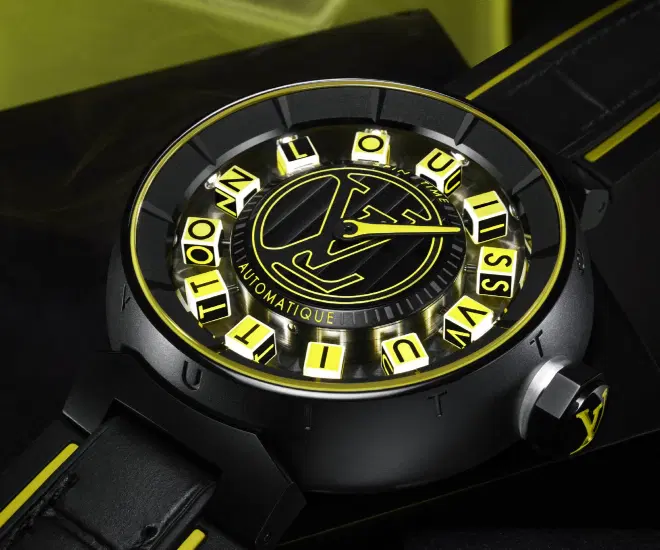
The manufacture’s strategic location in Geneva gives Louis Vuitton another advantage: it allows the brand to submit its timepieces to the Geneva Seal institute, further guaranteeing that its watches are produced with the finest attention to finishing and manufacturing. Without swaying from its core DNA, Louis Vuitton’s watches have made waves for their unique take on horology — take the Spin Time, which features 12 cubes instead of conventional numerals, which jump to the next hour to reveal the time. Over the years, this intelligent display has been used to display the five-minute regatta countdown as well as the time in your home city on the GMT version. It has also been artistically reimagined, as seen in the Escale Spin Time, and been re-engineered using lightweight aluminium to reduce the size of the case.
This is all to say that Louis Vuitton is no ordinary luxury brand, and its watchmaking endeavours are similarly guided — it is not afraid of defying convention, and the words “technical feat” feature often in media reports for its unorthodox approach to prosaic functions. Case in point: its 2022 Tambour Spin Time Air Quantum takes inspiration from quantum physics, and features minuscule LED lights that illuminate the watch on demand. The cubes are constructed in silicon dioxide — a type of glass — which gives the impression that they are floating. By consistently straddling the lines between innovation and tradition, and everything in between, there is no denying that Louis Vuitton has carved a neat niche for itself in the annals of Swiss watchmaking. Has it established the legitimacy it sought 20 years ago? You tell us.